
Karnala Bird Sanctuary Panvel Navi Mumbai – Complete Details
Karnala Bird Sanctuary & Fort is one of the closest nature destinations for people living in Navi Mumbai and Panvel. Located along the Mumbai–Goa Highway, it offers a calm forest environment, a moderate trek, and a chance to see rare birds, all within a short travel distance.
The sanctuary is known for its rich biodiversity, with more than 140 recorded bird species, seasonal sightings, and dense greenery. On the top of the hill stands Karnala Fort, a historic structure that once guarded important trade routes. The trek to the fort is manageable for beginners and rewarding for regular trekkers who enjoy scenic viewpoints.
For Navi Mumbai travellers, Karnala works well as a half-day plan. You can reach early, enjoy the forest, complete the trek, and return home before evening. This guide brings together updated information on fees, transport, timings, and practical tips based on local travel experience.
How to Reach (Local Tips)
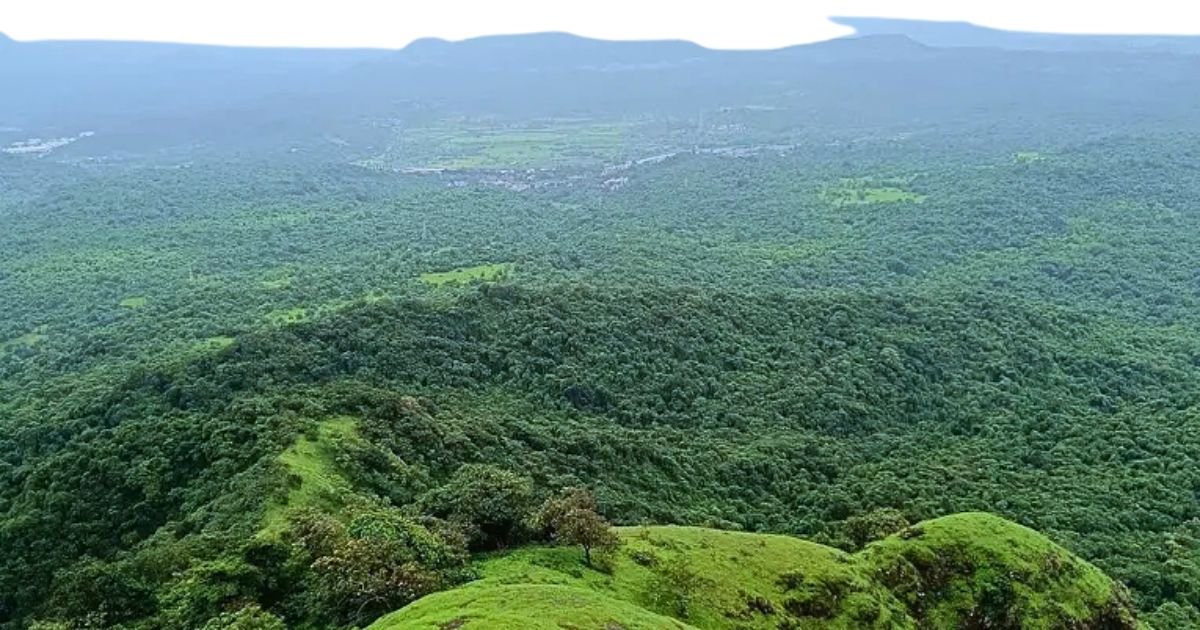
Reaching Karnala is simple because the sanctuary is directly connected to Panvel through NH-66. Most visitors start from Panvel since all major transport options are available there.
ST buses from Panvel ST Depot are the most reliable and cost-effective option. Buses going towards Pen, Alibaug, and Roha stop right at the sanctuary gate. They run frequently in the mornings and are ideal for solo travellers.
Shared tumtums from Panvel Railway Station and the ST Stand are also convenient. They move quickly, charge a small fare, and drop you at the entrance. Private auto-rickshaws are available too, and they offer a comfortable direct ride for small groups.
Transport & Fare Guide
| Mode | Fare (Approx.) | Pickup Point | Notes |
|---|---|---|---|
| ST Bus | ₹15–₹20 | Panvel ST Depot | Stops at gate, reliable |
| Shared Tumtum | ₹20–₹30 | Panvel Station / ST Stand | Fast and frequent |
| Private Auto | ₹200–₹300 | Panvel | Good for groups or equipment |
The return journey usually needs a small strategy. Tumtums coming from Pen are often full before they reach the gate, so passengers waiting at the entrance may not find space. A useful tip is to walk 200–300 meters ahead on the Pen side, where vehicles naturally slow down. This makes it easier for them to stop and take passengers. ST buses remain dependable for the return since they accept standing travellers.
To avoid traffic on the highway, begin your descent from Karnala Fort by around 3:00 PM. This timing ensures a smooth trip back to Panvel.
Entry Fees, Timings & Plastic Rules
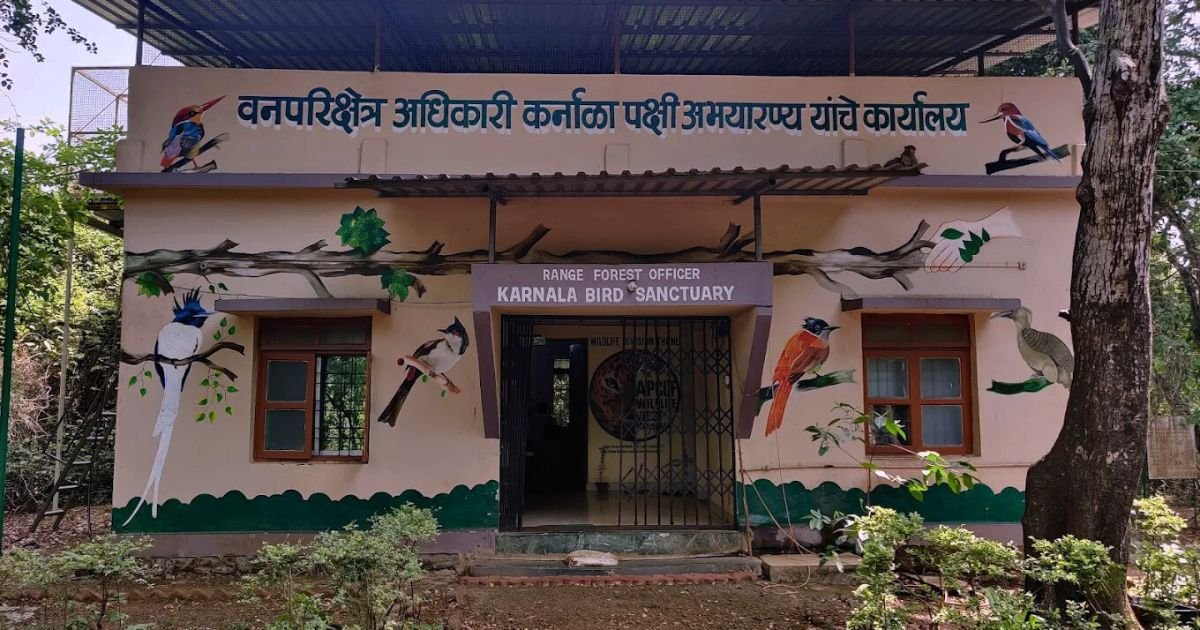
Online Booking Update: As of August 2026, the Karnala Bird Sanctuary booking portal states that offline booking is not available. Visitors should complete the booking online, download the booking receipt before travelling and carry a valid government-issued ID matching the booking details. The portal specifically warns that internet connectivity may not be available at the entry gate.
For the fort trek, the current booking terms also state that a Forest Department-appointed trained guide is required, with guide charges paid directly at the sanctuary gate. Carry some cash for guide charges and the refundable plastic deposit.
| Category | Current Charge | Notes |
|---|---|---|
| Adult Entry | ₹60 | Book online before arrival |
| Child Entry | ₹30 | Check current age eligibility while booking |
| Car Parking | ₹195 | Light vehicle |
| Two-Wheeler Parking | ₹50 | Parking charge |
| Still Camera | ₹195 | Per camera |
| Video Camera | ₹490 | Per camera |
| Plastic Deposit | ₹100 per plastic item (Refundable) | Paid at entry and refunded when the plastic item is returned |
| Category / Mode | Fee / Fare (Approx.) | Notes / Pickup Point |
|---|---|---|
| Adult Entry | ₹60 | Cash preferred |
| Child Entry | ₹30–₹50 | Depends on age |
| Car Parking | ₹150–₹195 | Weekend variation |
| Two-Wheeler Parking | ₹25–₹50 | Limited slots |
| DSLR Camera | ₹100–₹150 | Mandatory charge |
| GoPro / Video Camera | ₹250+ | Treated as video device |
| Plastic Deposit | ₹100–₹200 (Refundable) | Based on item count |
| ST Bus | ₹15–₹20 | Panvel ST Depot / Stops at gate; reliable |
| Shared Tumtum | ₹20–₹30 | Panvel Station / ST Stand / Fast and frequent |
| Private Auto | ₹200–₹300 | Panvel / Good for groups or equipment |
Sanctuary Timings
| Opening | Closing |
|---|---|
| 7:00 AM | 5:00 PM |
| Opening | Closing | Last Entry |
|---|---|---|
| 7:00 AM | 5:30 PM | 4:00 PM |
Trails & Trek Difficulty
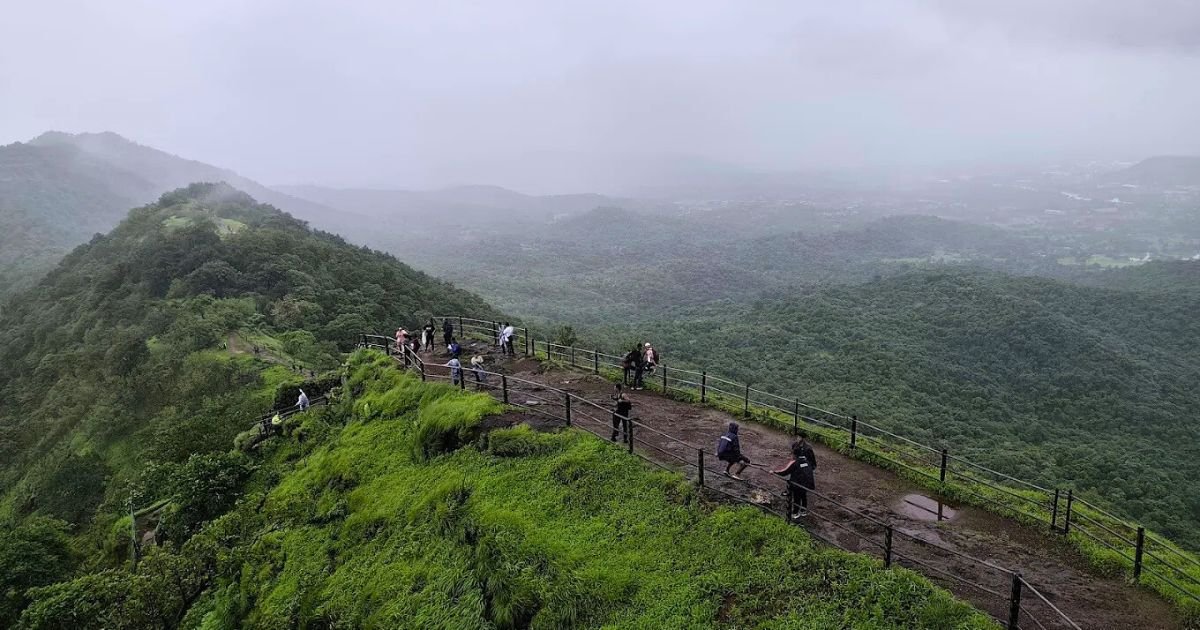
Karnala has several marked nature-trail options rather than only two. The current sanctuary trail guide lists Hariyali Nature Trail, Garmal Nature Trail, Mortaka Nature Trail and a separate track to Karnala Fort. Mortaka should therefore not be described as the route leading to the fort.
Trail Options Inside the Sanctuary
| Route | Approx. Length | Approx. Time |
|---|---|---|
| Hariyali Nature Trail | 1 km | 30 minutes |
| Garmal Nature Trail | 3 km | 90 minutes |
| Mortaka Nature Trail | 5 km | 150 minutes |
| Track to Karnala Fort | 5 km | 90 minutes |
These are approximate trail-guide timings. Actual time can increase because of breaks, birdwatching, crowds or slippery monsoon conditions. Stay on marked routes and wear footwear with good grip.
Trail Options Inside the Sanctuary
| Trail Name | Difficulty | Distance | Best For |
|---|---|---|---|
| Hariyal Nature Trail | Easy | Short (1–4 km loops) | Families, casual walkers, birdwatchers |
| Mortaka Trail (to Fort) | Moderate | ~6 km | Trekkers, groups, photography enthusiasts |
Both trails offer a peaceful forest atmosphere, but the fort trail gives a more complete trekking experience. The climb is manageable for most beginners with patience, proper shoes, and steady pacing. Starting early in the morning helps avoid heat and crowding, making the overall trek more enjoyable.
Birdwatching Highlights
Karnala Bird Sanctuary is one of the most active birding spots near Navi Mumbai, and it attracts both beginners and experienced birdwatchers. The forest has a rich mix of resident and migratory species, making each visit slightly different depending on the season. The dense tree cover, natural water sources, and quiet environment support more than 140+ bird species, which makes Karnala an important location for nature enthusiasts.
The best time for birdwatching is early morning, especially between 7:00 AM and 9:00 AM. This period is often called the golden window because bird activity is highest when the forest warms up after sunrise. Insects become active during this time, and birds come out to feed. After 10:00 AM, most birds move deeper into the shade, making sightings more difficult.
Some species are commonly seen along the Hariyal Trail and the inner forest sections, while a few rare ones appear during specific seasons, such as monsoon or winter. Visitors who want to improve their chances of spotting birds should walk slowly, maintain silence, and carry binoculars (8×40 or 10×42). These give a clear view through the dense canopy.
Notable Species Seen in Karnala
| Species | Best Season | Notes |
|---|---|---|
| Ashy Minivet | Winter | Seen in upper canopy |
| Malabar Trogon | Winter | Western Ghats specialty |
| Three-toed Kingfisher (ODKF) | Monsoon | Found near stream zones |
| Slaty-legged Crake | Monsoon | Shy and rare |
| Rufous-bellied Eagle | All year | Seen soaring above fort area |
Karnala is especially rewarding for those who enjoy listening to bird calls. Many birds are heard before they are seen due to the thickness of the forest. A quiet approach and steady pace usually lead to more sightings, making early morning visits ideal for photography and nature observation.
In a recent conservation measure, five artificial water bodies were created at different locations inside Karnala Bird Sanctuary to support birds and other wildlife during summer water scarcity. The initiative was reported in March 2026 and was funded through the District Planning and Development Committee.
Food, Facilities & Wildlife
Karnala offers a natural and peaceful environment, but the on-ground facilities inside the sanctuary are basic. Visitors should be prepared for a simple setup. The canteen near the entry area serves light snacks such as poha, vada pav, bhajiyas, and tea. These options are suitable for a quick bite but not for a full meal. Anyone planning to spend more time at the sanctuary should eat a proper breakfast before arriving or plan to have lunch outside on the highway after the trek. Several dhabas and restaurants are available along NH-66, with Hotel Sai Krupa being a well-known choice for travellers looking for a complete meal.
Essential facilities like drinking water, washrooms, and resting spaces are available at the base, but they may feel limited during weekends when the crowd increases. The trails themselves do not have food stalls or water stations, so carrying your own water is important. The sanctuary also has weak mobile network coverage, especially once you enter deeper forest sections, so visitors should not rely on mobile data or online payments.
Another important aspect to understand is the wildlife presence, especially monkeys. The sanctuary has groups of macaques that are used to seeing people. They are generally harmless but can become aggressive if they notice open food or hear the sound of plastic wrappers. It is safer to keep all food tightly packed inside your bag and avoid eating while walking. Placing bags on the ground, holding snacks in hand, or making eye contact with monkeys can invite unwanted attention.
Overall, Karnala provides a clean forest experience, but it is not a commercial tourist spot. Preparing for basic facilities and following simple safety habits helps ensure a smooth and comfortable visit.
Ideal Itinerary + Final Tips
An early start is the best way to experience Karnala comfortably. Arriving around 7:00 AM allows you to catch the ideal birdwatching window and enjoy cooler weather for the trek. Most visitors prefer beginning with a slow walk through the forest section before starting the ascent towards the fort. This warm-up helps adjust to the terrain and makes the climb more manageable.
Important Fort Timing: The current booking terms state that Karnala Fort closes at 2:30 PM. Anyone planning the fort trek should start early enough to complete the climb and begin descending before the fort closing time.
A typical half-day itinerary looks like this:
7:00 AM – 7:30 AM: Enter the sanctuary, complete ticketing, and begin walking through the initial forest trail.
7:30 AM – 9:00 AM: Enjoy bird sightings along the Hariyal Trail or continue towards the fort trail if you plan to trek.
9:00 AM – 11:00 AM: Start the ascent to Karnala Fort at a steady pace and reach the viewpoint. Spend some time exploring the fort area.
11:00 AM – 12:30 PM: Begin the descent. The red soil becomes more slippery later in the day, so moving down before the afternoon heat is safer.
1:00 PM: Exit the sanctuary and plan lunch at a nearby dhaba on NH-66.
To ensure a smooth experience, carry at least one to two litres of water, wear footwear with good grip, and keep all plastic items packed securely for the deposit refund. Since mobile network strength drops inside the forest, it is better to inform someone about your plan before entering. For the return journey, walk a little ahead on the Pen side of the highway if you find it difficult to get a tumtum at the main gate.
Karnala is suitable for beginners, families, and nature lovers who enjoy short treks and calm green spaces. With simple preparation and an early start, it becomes one of the most accessible and refreshing outdoor trips from Navi Mumbai and Panvel.
Conclusion
Karnala Bird Sanctuary & Fort remains one of the most convenient and refreshing nature getaways for Navi Mumbai and Panvel residents. The sanctuary offers dense forest trails, rich birdlife, and a rewarding hilltop fort without requiring long-distance travel. With an early start, proper footwear, and simple planning, visitors can enjoy a peaceful half-day trek that feels close to nature yet easily accessible.
Whether someone wants to spot rare birds, take a quiet forest walk, or complete their first trek, Karnala provides a balanced experience. By carrying cash, managing plastic responsibly, and following basic safety tips, travellers can make the most of their visit and enjoy a smooth, memorable outing.
FAQs
Frequently Asked Questions