
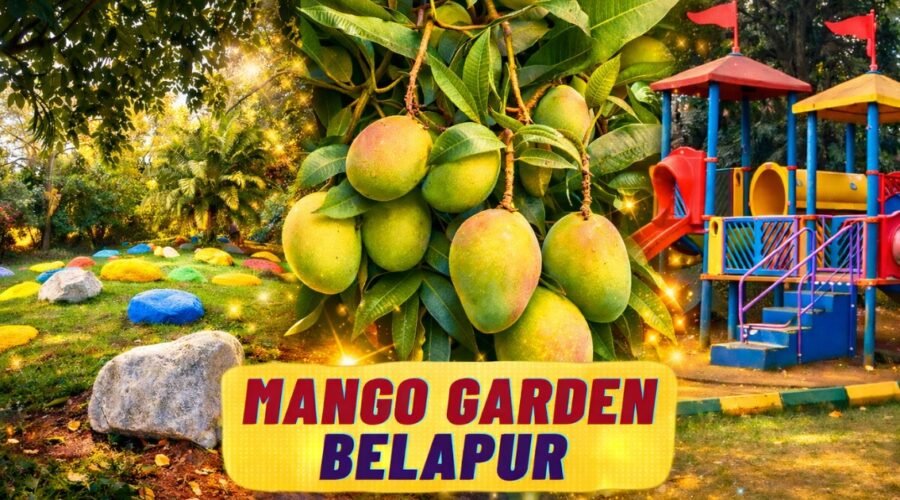
Mango Garden Belapur Navi Mumbai – Location, History & Timings
CBD Belapur is known as the administrative heart of Navi Mumbai, but hidden within its planned urban landscape lies one of the city’s most unique green spaces, Mango Garden. Unlike typical public parks filled with ornamental plants, this garden was designed as a dedicated mango plantation integrated into the urban structure. It reflects Navi Mumbai’s original planning philosophy where ecology and urban development were meant to coexist, not compete.
Today, Mango Garden stands as one of the few surviving orchard-style public gardens in a major commercial node. Spread across nearly 58,000 square meters, it serves as both a recreational space and a biodiversity zone. Even with the growth of commercial buildings, roads, and infrastructure around it, the garden continues to function as a cooling green belt and a peaceful refuge within CBD Belapur.
Quick Facts About Mango Garden Belapur
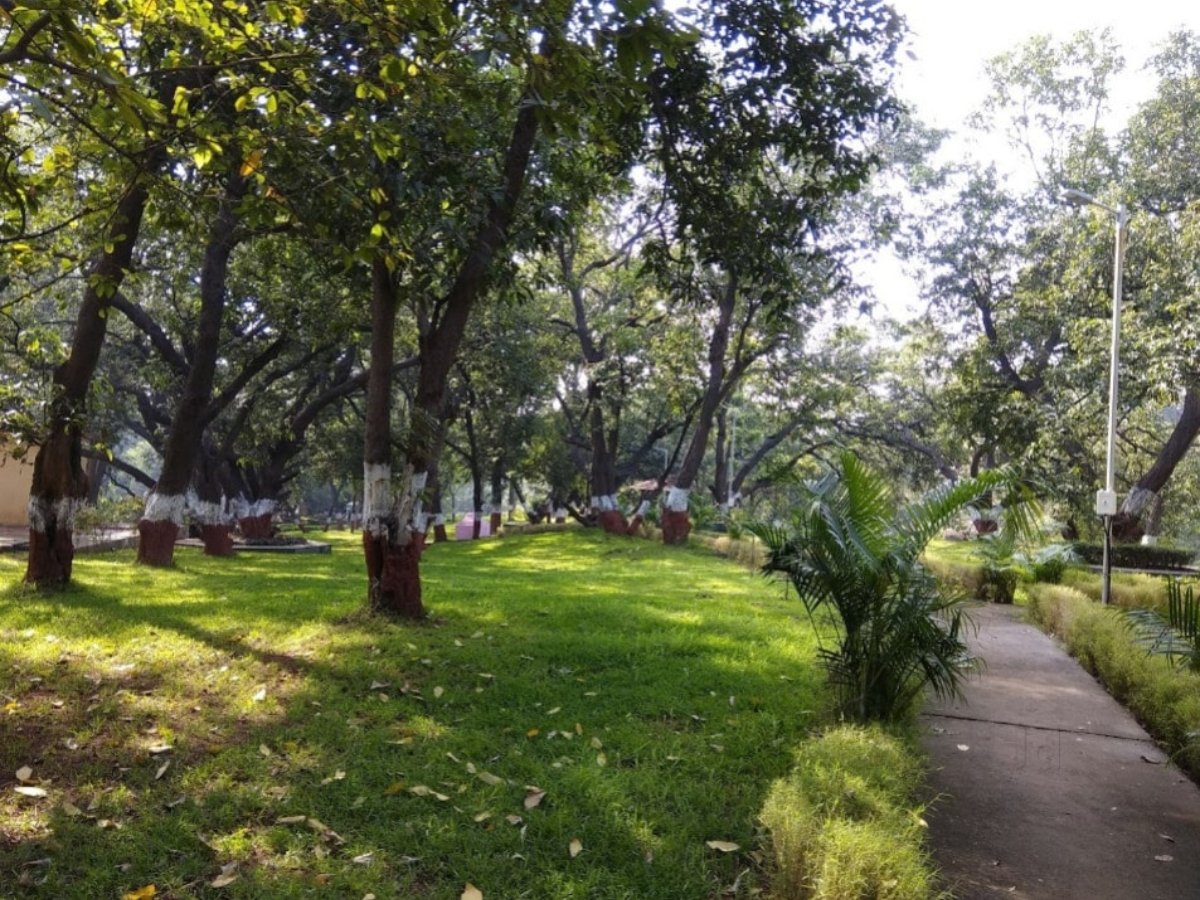
Mango Garden is located in Sector 1A of CBD Belapur, one of Navi Mumbai’s most strategically planned sectors. It was originally developed by CIDCO as part of its master plan to create ecological buffers between commercial and residential areas. Over time, the Navi Mumbai Municipal Corporation took over maintenance, transforming it into a public recreational and ecological space.
The garden is now one of the most visited green spaces in Belapur, attracting walkers, families, and nature enthusiasts daily. Its mango plantations, walking tracks, and natural environment make it different from modern decorative parks. It functions not only as a leisure space but also as a biodiversity reservoir within the urban environment.
What is Mango Garden Belapur and Why It is Important
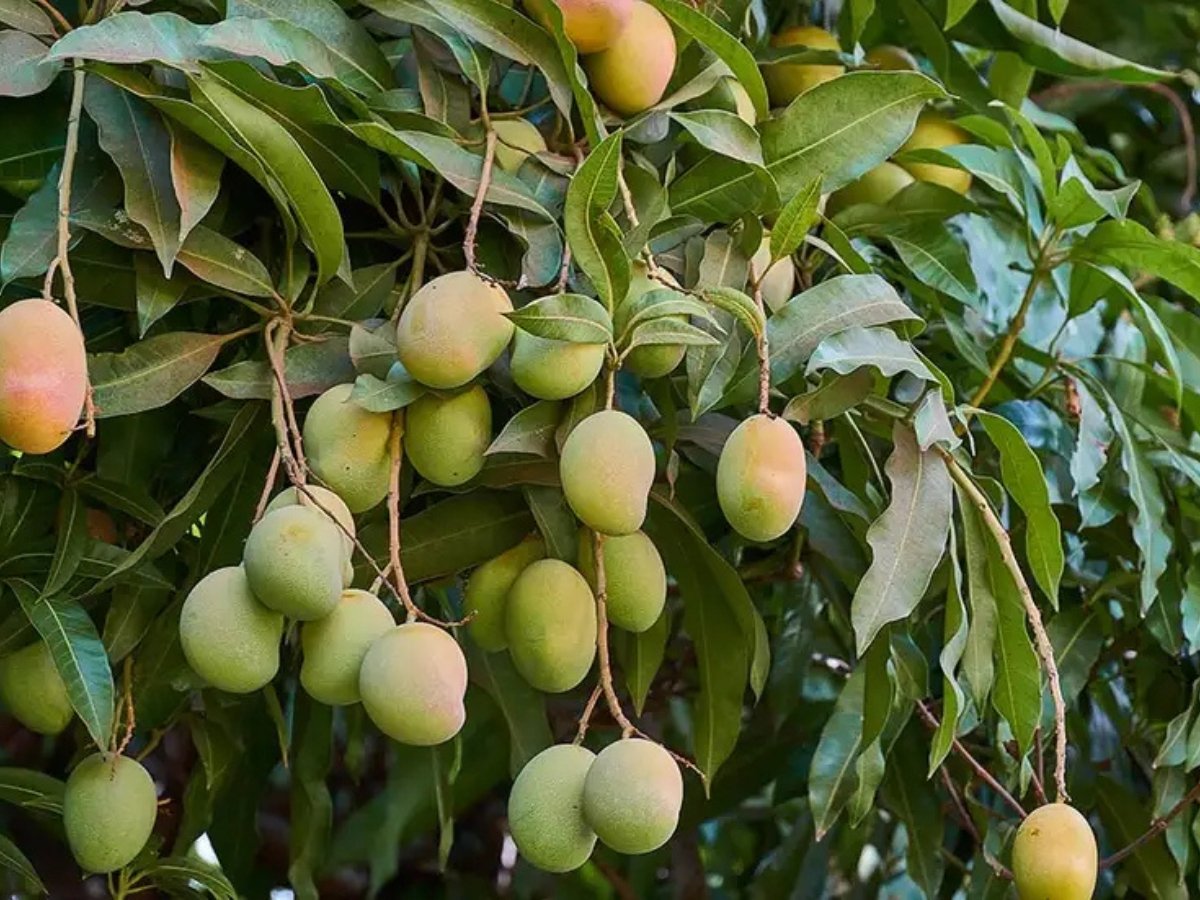
Mango Garden is not just a public park but a planned ecological orchard integrated into the city’s original master plan. During the development of Navi Mumbai in the 1970s, CIDCO intentionally designated this area as a green belt to preserve native mango trees and protect ecological balance. This approach was rare because most urban developments prioritize buildings over natural ecosystems.
The garden continues to play an important environmental role today. With over 500 mature mango trees and additional native species, it creates a micro-climate that is significantly cooler than surrounding urban areas. This temperature difference helps reduce urban heat and provides a natural habitat for birds and small wildlife within CBD Belapur.
Location of Mango Garden Belapur – Exact Geographic Position
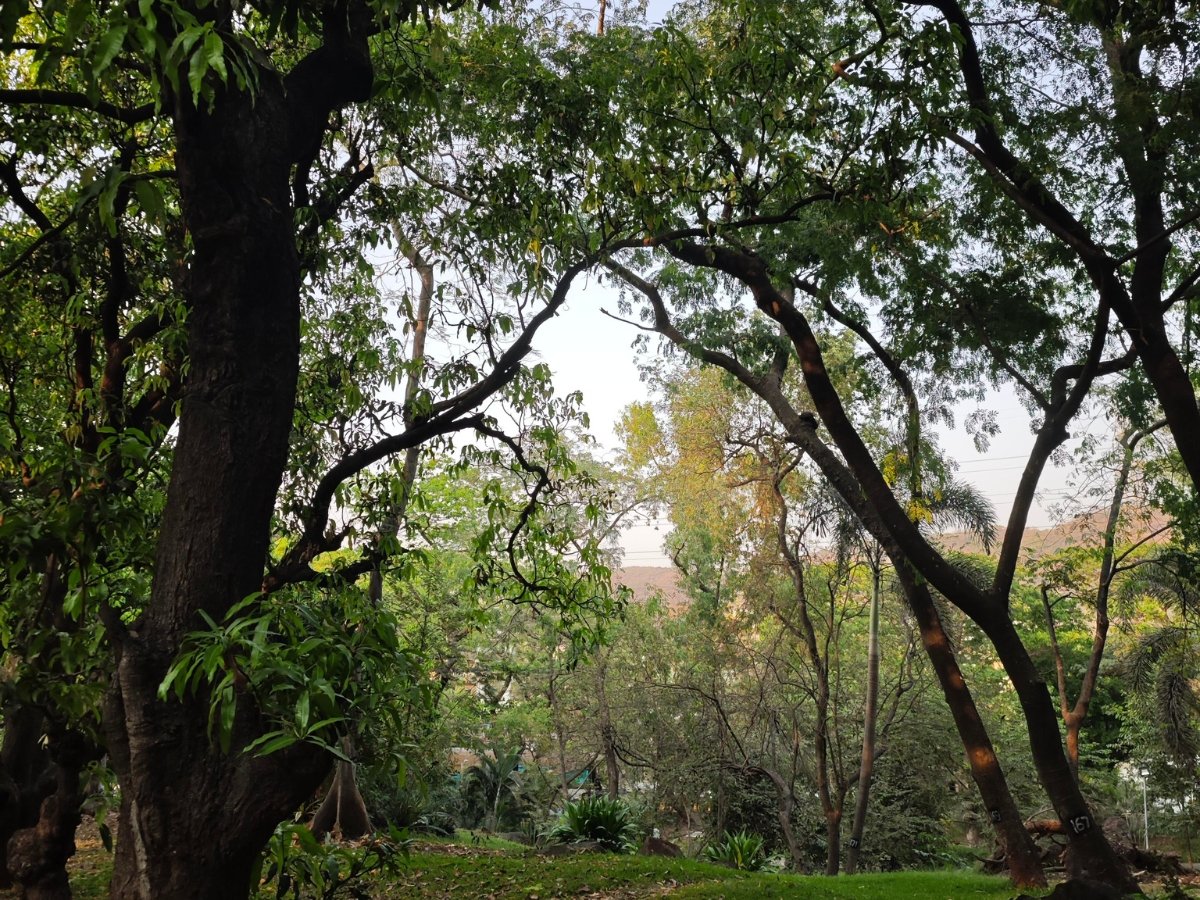
Mango Garden is located in Sector 1A of CBD Belapur, which is one of the most central and well-connected sectors in Navi Mumbai. Its location places it close to major administrative buildings, residential sectors, and transport routes. The garden is also situated near Parsik Hill and Belapur Creek, which contribute to its ecological richness and cooler environment.
Its strategic position makes it easily accessible from nearby residential sectors such as Sector 2, Sector 6, and Sector 15. The garden is also just a short distance from CBD Belapur railway station, making it convenient for both local residents and visitors from other parts of Navi Mumbai. Its location within the commercial and administrative zone increases its importance as an urban relaxation space.
History of Mango Garden – From Planned Green Belt to Public Ecological Garden
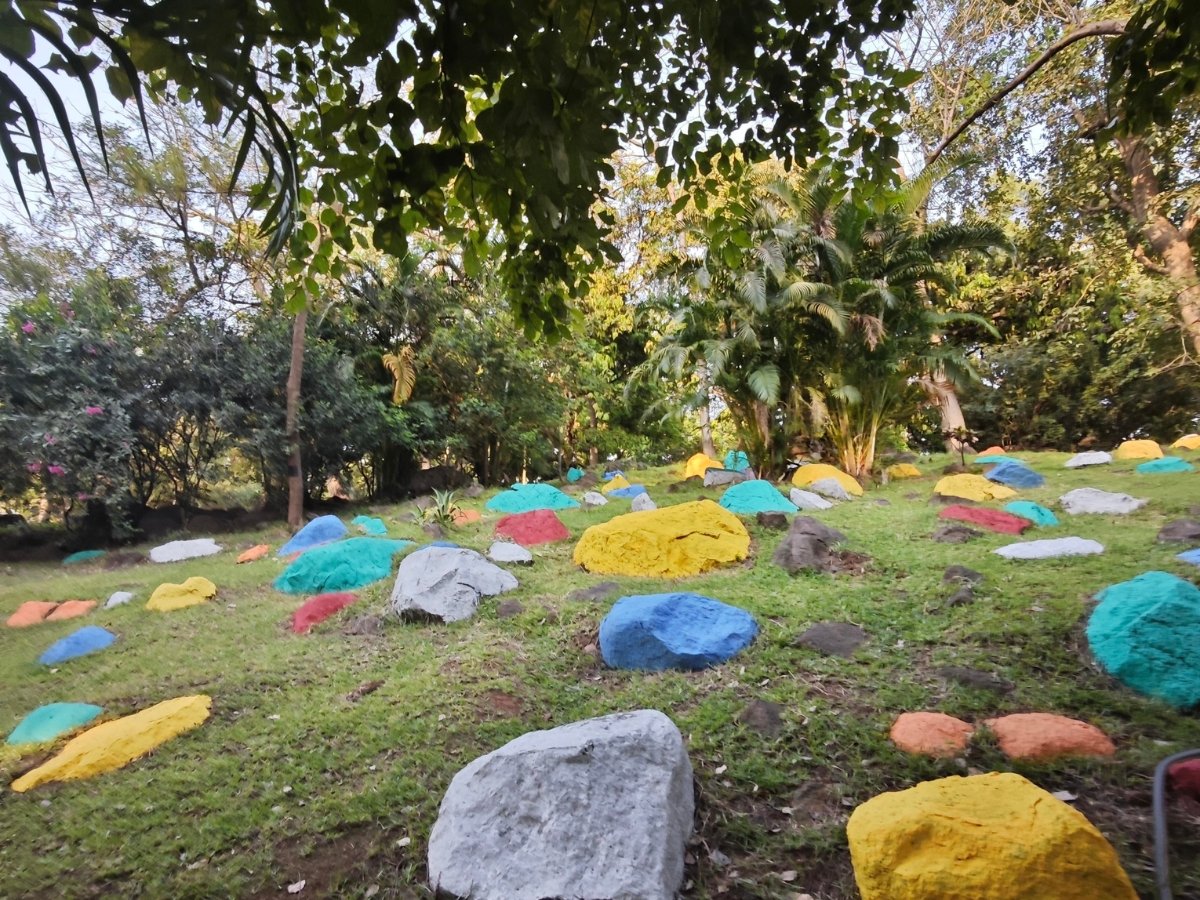
The history of Mango Garden is directly connected to the creation of Navi Mumbai itself. When CIDCO began developing CBD Belapur in the 1970s and 1980s, it designated certain areas as ecological zones to preserve natural vegetation. Mango Garden was planned as one such plantation area to protect fruit-bearing trees and provide environmental balance within the city.
In 1992, after the establishment of the Navi Mumbai Municipal Corporation, maintenance responsibility shifted from CIDCO to NMMC. Since then, the garden has undergone multiple improvements, including a major redevelopment in 2014. This redevelopment shifted the garden’s focus from revenue generation through mango auctions to biodiversity preservation and public enjoyment.
Biodiversity of Mango Garden Belapur – A Rare Mango Orchard Inside an Urban City
Mango Garden is not just a recreational park but a dedicated mango plantation that preserves important fruit varieties native to the Konkan region. Unlike typical city parks with decorative plants, this garden was designed specifically to cultivate mango trees and protect regional cultivars. Over time, it has grown into one of the largest mango-based urban plantations within Navi Mumbai, containing more than 500 mature mango trees.
This dense concentration of mango trees plays a vital environmental role by creating a natural cooling system in CBD Belapur. The tree canopy reduces heat absorption and lowers surrounding temperatures, making the garden noticeably cooler than nearby commercial areas. This micro-climate effect is especially important in urban environments where concrete structures increase heat levels.
Mango Varieties Found Inside Mango Garden Belapur
The garden contains multiple mango varieties that are culturally and agriculturally important in Maharashtra. One of the most prominent varieties is Alphonso, locally known as Hapus, which is famous for its rich aroma and smooth texture. The coastal climate and soil conditions of Belapur provide an ideal environment for Alphonso mango trees to grow successfully.
In addition to Alphonso, the garden also contains Kesar mango trees, which are known for their bright orange pulp and sweet flavor. The garden uses traditional grafting techniques called “Kalam,” where premium mango branches are grafted onto stronger root systems. This process improves disease resistance while maintaining high fruit quality, ensuring the long-term survival of mango cultivars.
Other Trees and Plant Species That Support the Garden Ecosystem
Although mango trees are the main feature, the garden also contains several other important tree species that contribute to biodiversity. Trees such as Jamun, Banyan, and Peepal are present in different sections of the garden. These trees provide shade, stabilize soil, and create nesting environments for birds and insects.
Additional species such as Coconut and Jackfruit trees reflect traditional orchard systems found in coastal Maharashtra. Together, these trees form a layered ecosystem that supports various forms of wildlife. This diversity makes Mango Garden more ecologically valuable than typical landscaped parks that focus only on appearance.
Bird Species and Wildlife Inside Mango Garden Belapur
Due to its proximity to Belapur Creek and Parsik Hills, Mango Garden serves as an important habitat for birds and small wildlife. Many bird species use the garden as a feeding and resting area, especially during mango fruiting and flowering seasons. Commonly observed birds include parakeets, sunbirds, kingfishers, and magpie robins.
These birds are attracted by the availability of fruit, shade, and water sources within the garden. The dense tree cover provides protection from urban disturbances, allowing wildlife to thrive despite being located in a commercial area. This makes Mango Garden an important urban biodiversity zone within Navi Mumbai.
The Duck Pond – A Central Ecological and Visual Attraction
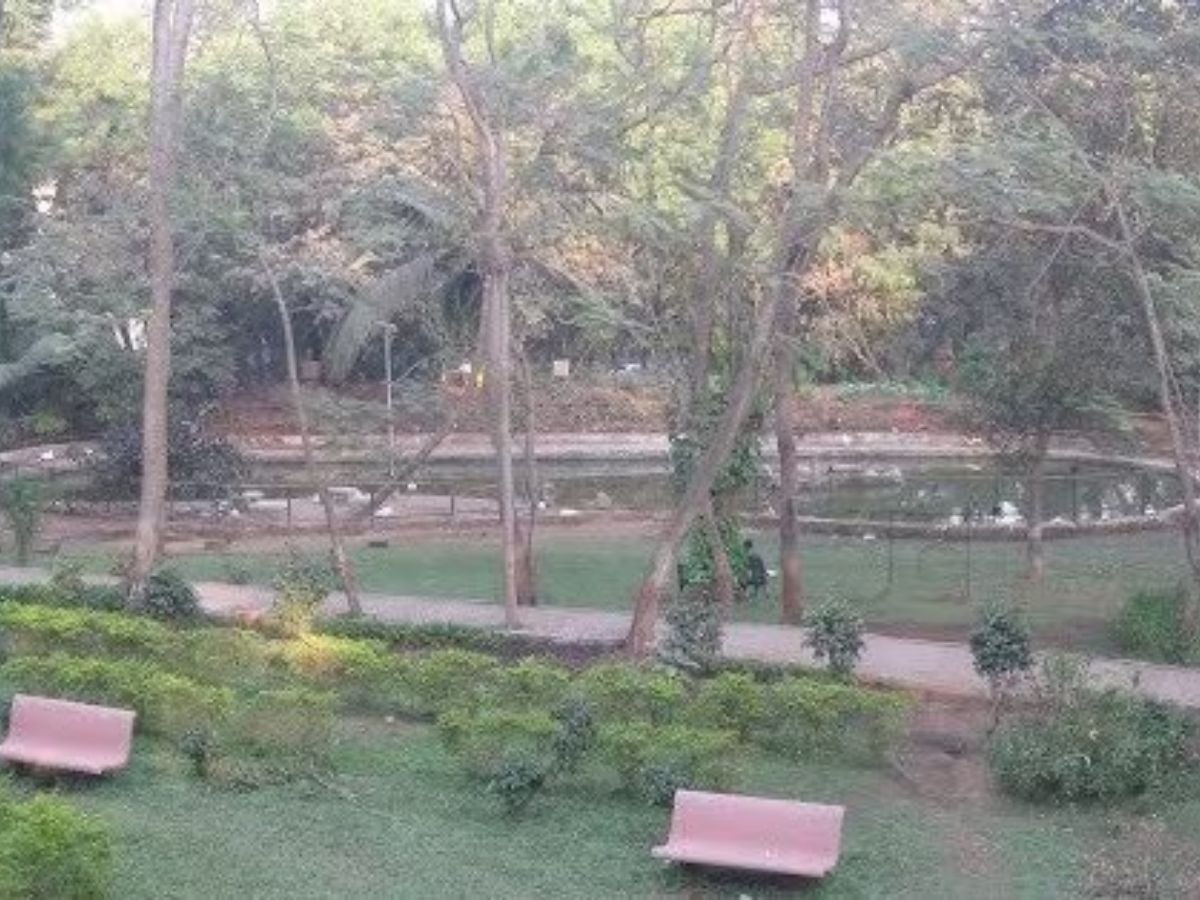
One of the most distinctive features of Mango Garden is its central duck pond, which serves both ecological and recreational purposes. The pond is an artificial water body designed to support aquatic birds such as ducks and occasionally swans. It also attracts wild birds like kingfishers, which hunt near the water.
The pond enhances the garden’s environmental balance by supporting aquatic life and maintaining humidity levels within the area. Although maintenance has required periodic structural repairs and water quality management, it remains one of the most visually attractive and important features of the garden.
Walking Tracks and Fitness Infrastructure Inside Mango Garden
The garden includes a well-designed walking and jogging track that extends approximately 1 kilometer. This track is paved and mostly level, making it suitable for people of all ages, including senior citizens. Morning walkers and fitness enthusiasts regularly use this track for exercise and relaxation.
In addition to the walking track, the garden also features an open gym with weather-resistant exercise equipment. This gym allows visitors to perform strength and cardio exercises in an outdoor environment. It has become especially popular among local residents who prefer exercising in natural surroundings rather than indoor gyms.
Children’s Play Area and Family Facilities
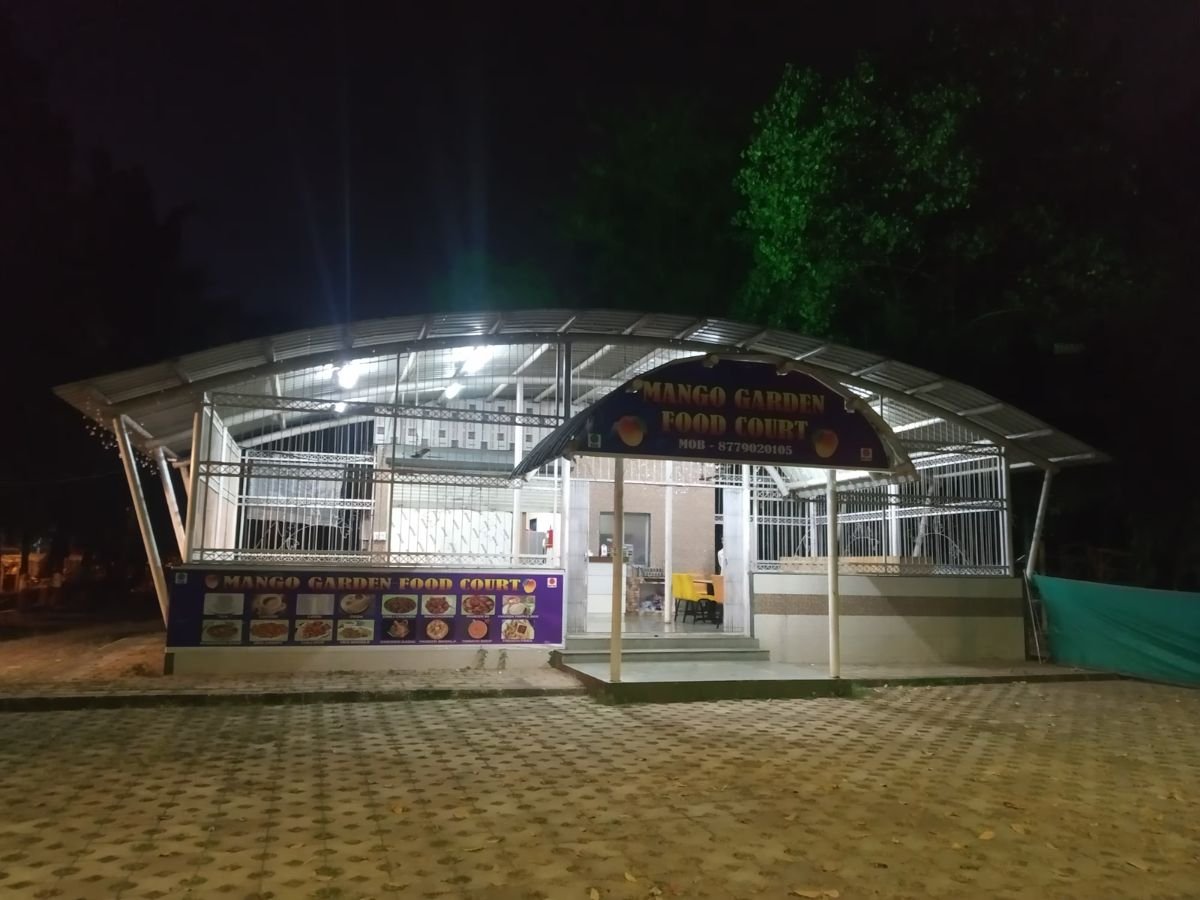
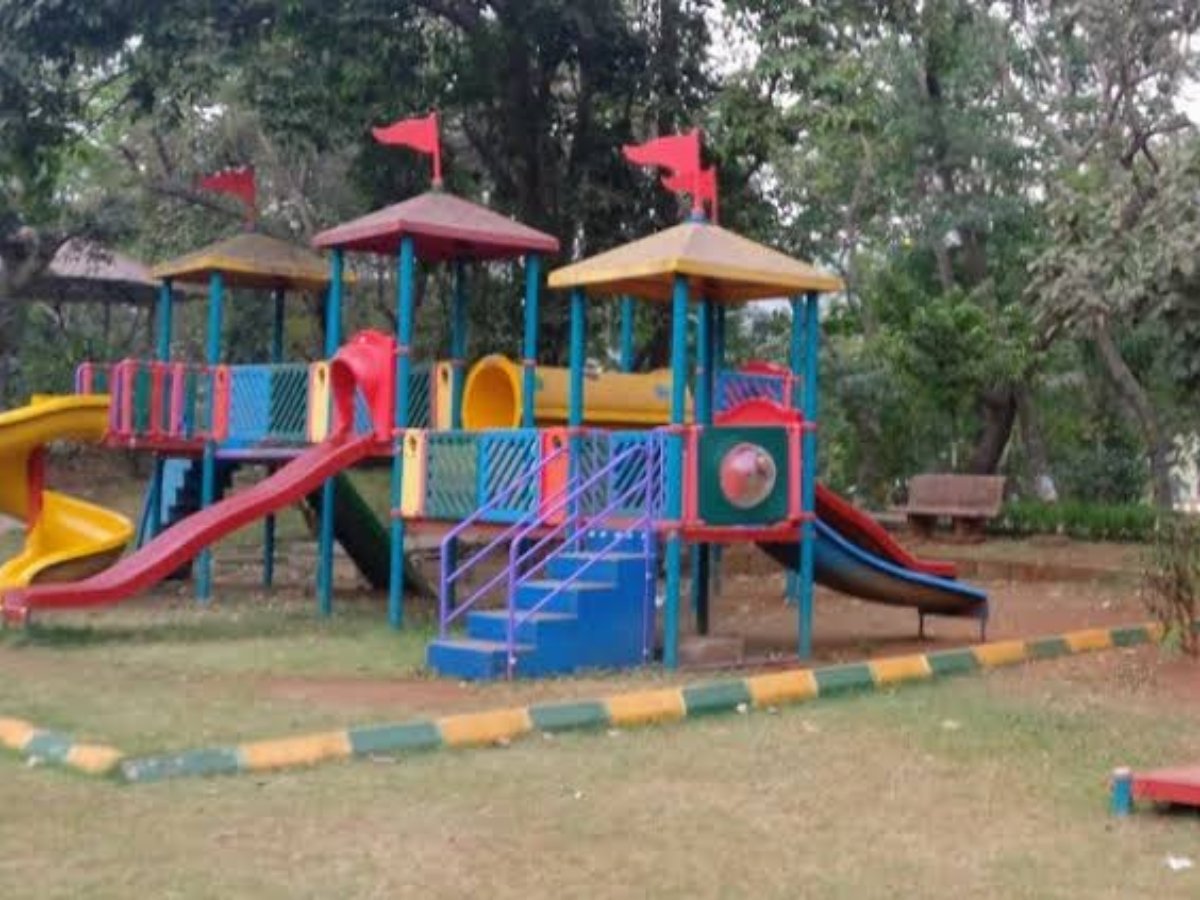
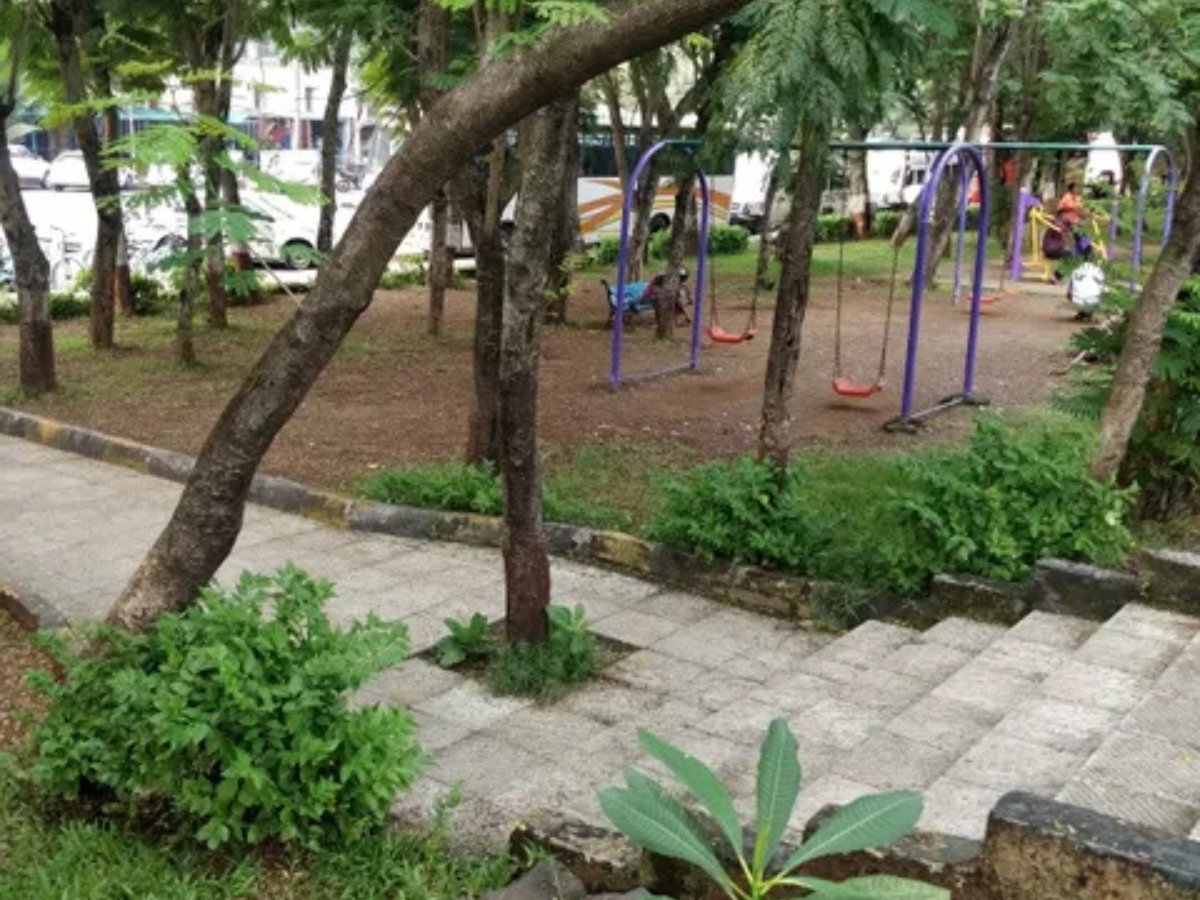
The children’s play area is located in designated sections of the garden and includes swings, slides, and recreational play equipment. This area attracts families, especially in the evening when children visit after school. The presence of safe play infrastructure makes the garden an important recreational space for families living nearby.
The open spaces and seating areas allow parents and elderly visitors to relax while children play. This multi-generational usability is one of the key reasons why Mango Garden remains popular among Belapur residents. It provides a shared public space that serves both recreational and social needs.
Amphitheater and Community Infrastructure
Mango Garden also includes a small amphitheater designed to accommodate approximately 100 people. This space was created to host community programs, cultural events, and educational activities. Although it is currently used more as a seating and relaxation area, its presence adds cultural value to the garden.
This infrastructure reflects Navi Mumbai’s planned urban design, where public spaces are intended to support both environmental and social activities. With proper programming, this amphitheater has the potential to become a more active cultural and educational center within CBD Belapur.
Accessibility and Infrastructure Quality
The garden has been designed with accessibility in mind, including wheelchair-accessible entrances and pathways. This ensures that people with mobility challenges can also use the garden comfortably. The pathways are wide and stable, making them suitable for wheelchairs and elderly visitors.
The garden’s layout also includes natural elevation changes, creating a visually interesting landscape while maintaining usability. Despite minor maintenance challenges over time, the overall infrastructure continues to support daily visitors effectively.
Visitor Experience at Mango Garden Belapur – Daily Life and Social Activity Patterns
Mango Garden functions as a daily lifestyle space for residents of CBD Belapur and nearby sectors. The garden’s environment changes significantly depending on the time of day, with mornings dominated by fitness activities and evenings focused on family recreation. Senior citizens, working professionals, and health-conscious residents use the walking track and open gym regularly.
In contrast, evenings bring families, children, and students who use the garden for relaxation and social interaction. The dense tree cover and natural layout create a peaceful environment rarely found in commercial zones. This balance between ecological space and social space is one of the main reasons why the garden remains relevant decades after its creation.
Morning Environment – Fitness, Walking, and Health Activities
The garden opens early in the morning and becomes active with walkers and joggers between 5:30 AM and 10:00 AM. During this time, the environment is quiet, with fresh air and lower temperatures due to the dense tree canopy. Many residents prefer morning visits because the garden offers a natural environment for exercise away from traffic and pollution.
The open gym and walking track are heavily used during morning hours. Senior citizens often gather for walking routines, yoga sessions, and social interaction. These daily routines reflect the garden’s importance not just as a physical space but as part of the daily lifestyle of Belapur residents.
Evening Environment – Family Recreation and Social Interaction
Evening hours, especially between 5:00 PM and 9:00 PM, attract families and children. The children’s play area becomes the most active section of the garden during this time. Parents accompany their children while also using seating areas to relax and socialize with neighbors.
Young adults and students also visit the garden in the evening because of its calm and private environment. The natural terrain, tree cover, and relatively quiet surroundings make it a preferred location for relaxation after a busy day in the commercial district.
Mango Garden Belapur Timings and Entry Fee
Mango Garden operates in two main daily sessions, allowing visitors to use the space during both morning and evening hours. These timings are designed to maintain the garden while also providing access during the most comfortable periods of the day. The flexible schedule accommodates both early morning walkers and evening visitors.
Timings Table
| Feature | Details |
|---|---|
| Location | Sector 1A, CBD Belapur, Navi Mumbai |
| Total Area | Approx. 58,000 square meters |
| Entry Fee | Free for all visitors |
| Timings | Morning: 5:30 AM - 10:00 AM | Evening: 5:00 PM - 9:00 PM |
| Nearest Railway Station | CBD Belapur Station (Harbour Line) |
| Key Attractions | 500+ Mango Trees, Duck Pond, 1km Walking Track, Open Gym |
The garden does not charge any entry fee, making it accessible to all residents regardless of income level. This free access supports Navi Mumbai’s urban planning philosophy of providing public green spaces for community well-being.
Peak Visiting Hours and Crowd Density
The garden experiences its highest visitor volume on weekends, especially Sunday mornings between 7:30 AM and 9:30 AM. During these hours, the walking track, gym, and seating areas are heavily used. Despite this, the garden’s large area ensures that visitors rarely feel overcrowded.
Evening peak hours usually occur between 6:00 PM and 8:00 PM, when families and children visit after work and school. Parking demand increases during this period, but the garden itself remains comfortable due to its spacious layout and distributed activity zones.
Safety, Security, and Maintenance Reality
The Navi Mumbai Municipal Corporation maintains the garden through its horticulture and garden departments. Security guards are present to monitor visitor activity and protect the trees and infrastructure. Their presence also contributes to visitor safety, especially for families and children.
However, like most public spaces, the garden has some maintenance challenges. Certain areas require improved lighting, and the duck pond occasionally requires additional cleaning and maintenance. Despite these issues, the overall environment remains safe and suitable for daily public use.
Nearby Landmarks and Strategic Location Importance
Mango Garden is located close to several important landmarks that increase its geographical and cultural importance. One of the most significant nearby landmarks is Belapur Fort, a historic structure dating back to the 16th century. The fort represents the historical layer of Belapur, while Mango Garden represents its modern ecological planning.
The garden is also located near Belapur Creek, which contributes to its cooler climate and ecological diversity. Additionally, the Navi Mumbai Municipal Corporation headquarters is just a short distance away, reinforcing the garden’s location within the administrative center of the city.
Role of Mango Garden in Navi Mumbai’s Urban Planning
Mango Garden represents an important example of Navi Mumbai’s planned city model, where ecological spaces were integrated into commercial zones. Unlike unplanned urban growth seen in many cities, Navi Mumbai was designed to include green buffers that improve environmental quality and livability.
This planning approach has allowed Mango Garden to survive even as surrounding land values increased significantly. The garden provides environmental benefits, improves air quality, and enhances the overall quality of life for residents and workers in CBD Belapur.
Real Estate and Economic Importance of Mango Garden Belapur
The land occupied by Mango Garden is extremely valuable due to its location within CBD Belapur. Despite high real estate demand, authorities have preserved the garden because of its environmental importance. This decision reflects Navi Mumbai’s commitment to sustainable urban development.
Properties located near the garden benefit from better environmental conditions, including cleaner air, lower temperatures, and improved living quality. As a result, residential areas near Mango Garden are considered desirable locations within Navi Mumbai.
How to Reach Mango Garden Belapur – Connectivity and Transport Access
Mango Garden is located in Sector 1A of CBD Belapur, making it easily accessible through multiple transport options. The nearest railway station is CBD Belapur, which lies on the Harbour Line of Mumbai’s suburban railway network. From the station, the garden can be reached within a few minutes by walking, auto-rickshaw, or local transport, making it convenient for daily visitors.
The garden is also well connected through road infrastructure such as Palm Beach Road and Sion-Panvel Highway. These roads provide smooth connectivity from other major nodes including Nerul, Vashi, and Kharghar. The presence of strong transport connectivity ensures that Mango Garden remains easily accessible to residents across Navi Mumbai.
Important Places Near Mango Garden Belapur
Mango Garden is surrounded by several important landmarks that enhance its geographical and cultural value. One of the most notable nearby locations is Belapur Fort, a historic structure built in the 16th century. The fort represents the historical heritage of the area and is currently undergoing restoration and conservation efforts.
Another important nearby feature is Belapur Creek, which plays a major role in maintaining the garden’s ecological balance. The creek provides moisture and contributes to the cooler climate that supports mango tree growth. The Navi Mumbai Municipal Corporation headquarters is also located nearby, reinforcing the garden’s importance within the city’s administrative zone.
Environmental Importance of Mango Garden in Navi Mumbai
Mango Garden plays a critical role in maintaining ecological balance within CBD Belapur. The large number of trees helps absorb carbon dioxide and release oxygen, improving air quality in the surrounding urban environment. This environmental function becomes especially important in commercial zones where pollution levels are typically higher.
The garden also acts as a biodiversity zone by providing habitat for birds and insects. Its location near Parsik Hills and Belapur Creek allows wildlife to move between natural areas and urban spaces. This ecological connectivity helps preserve biodiversity within Navi Mumbai despite rapid urban development.
Future Importance of Mango Garden Belapur in Urban Development
As Navi Mumbai continues to grow, the importance of Mango Garden will increase further. Urban expansion often reduces natural spaces, making existing green areas more valuable. The preservation of Mango Garden ensures that future generations will continue to have access to ecological and recreational space.
The garden also serves as a model for sustainable urban planning, demonstrating how cities can balance development and environmental preservation. Its continued maintenance and protection will play a key role in supporting Navi Mumbai’s long-term environmental health.
Conclusion
Mango Garden represents one of the most successful examples of ecological planning within Navi Mumbai’s urban structure. Its preservation reflects the city’s original vision of combining infrastructure development with environmental sustainability. Despite rapid urbanization, the garden continues to function as a biodiversity zone, recreational space, and ecological buffer.
Its importance extends beyond recreation, as it contributes to environmental health, improves quality of life, and preserves regional biodiversity. Mango Garden remains an essential part of CBD Belapur’s identity and will continue to play a vital role in the future development of Navi Mumbai.
FAQs
Frequently Asked Questions