
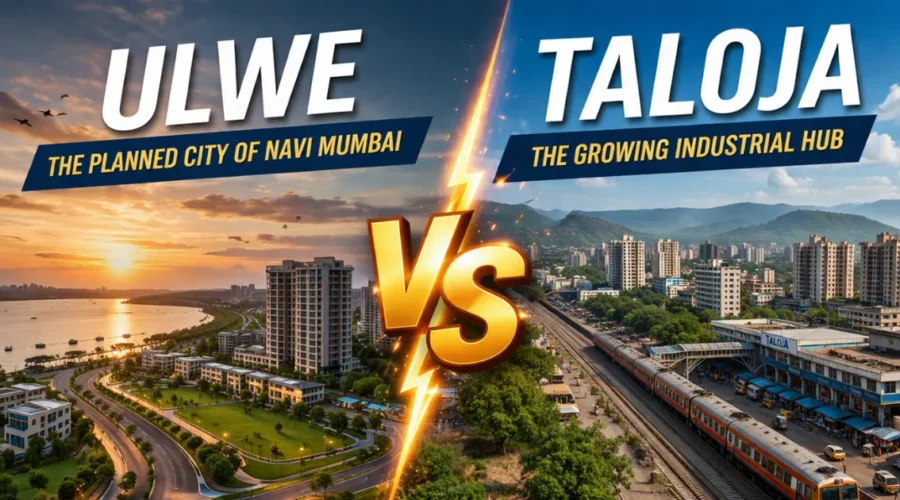
Ulwe vs Taloja: Which Is Better for Property Investment in 2026?
Ulwe is usually the better investment choice in 2026 if your priority is stronger long-term positioning, better rental quality, and higher exit confidence. Taloja can still make sense if your budget is tight and you are comfortable taking more civic and execution risk for a lower entry price. In simple terms, Ulwe is the stronger strategic bet, while Taloja is the lower-cost, higher-friction bet. The right answer depends on your budget, holding period, and risk tolerance.
For a long time, Ulwe and Taloja were sold in the same language: affordable Navi Mumbai, future growth, infrastructure coming soon. That comparison no longer works properly. The airport is now operational. The Atal Setu has already changed regional access. The metro is running in Taloja, but civic execution problems there have not disappeared. So this is no longer a simple “which is cheaper” question. It is a question of what kind of asset you want to hold for the next 5 to 10 years.
Ulwe or Taloja: Which one is right for Investors?
The short answer is this: if you can afford Ulwe without over-stretching, it is usually the better investment market today. If you cannot, Taloja Phase 1 is the more practical fallback than trying to force a poor-quality buy in Ulwe
If your budget is pushing you toward Taloja, then Panvel vs Taloja is the more practical next comparison before you make a final call.
| Investment Metric | Ulwe (2026 Market Reality) | Taloja (2026 Market Reality) |
|---|---|---|
| Primary growth driver | NMIA, Atal Setu, Aerocity ecosystem | Metro Line 1, MIDC, Kharghar spillover |
| Market type | Maturing, premium-leaning growth market | Emerging, budget-driven growth market |
| Approximate actual transaction range | ₹10,500 to ₹11,500/sq. ft. | ₹5,200 to ₹7,000/sq. ft. (varies by phase and project) |
| Typical 1 BHK entry | ₹40 lakh to ₹55 lakh | ₹24 lakh to ₹45 lakh |
| Rental yield pattern | Around 3.5% to 4.0% | Around 2.5% to 3.0% |
| Better for | Long-term strategic investors, rental-focused buyers, stronger resale confidence | Low-budget entry buyers, selective long-hold investors |
| Main risk | Overpaying vs actual market rates, uneven sectors | Water shortage, civic gaps, stalled or weak execution |
Why Ulwe and Taloja Should Not Be Treated as the Same Kind of Investment Market
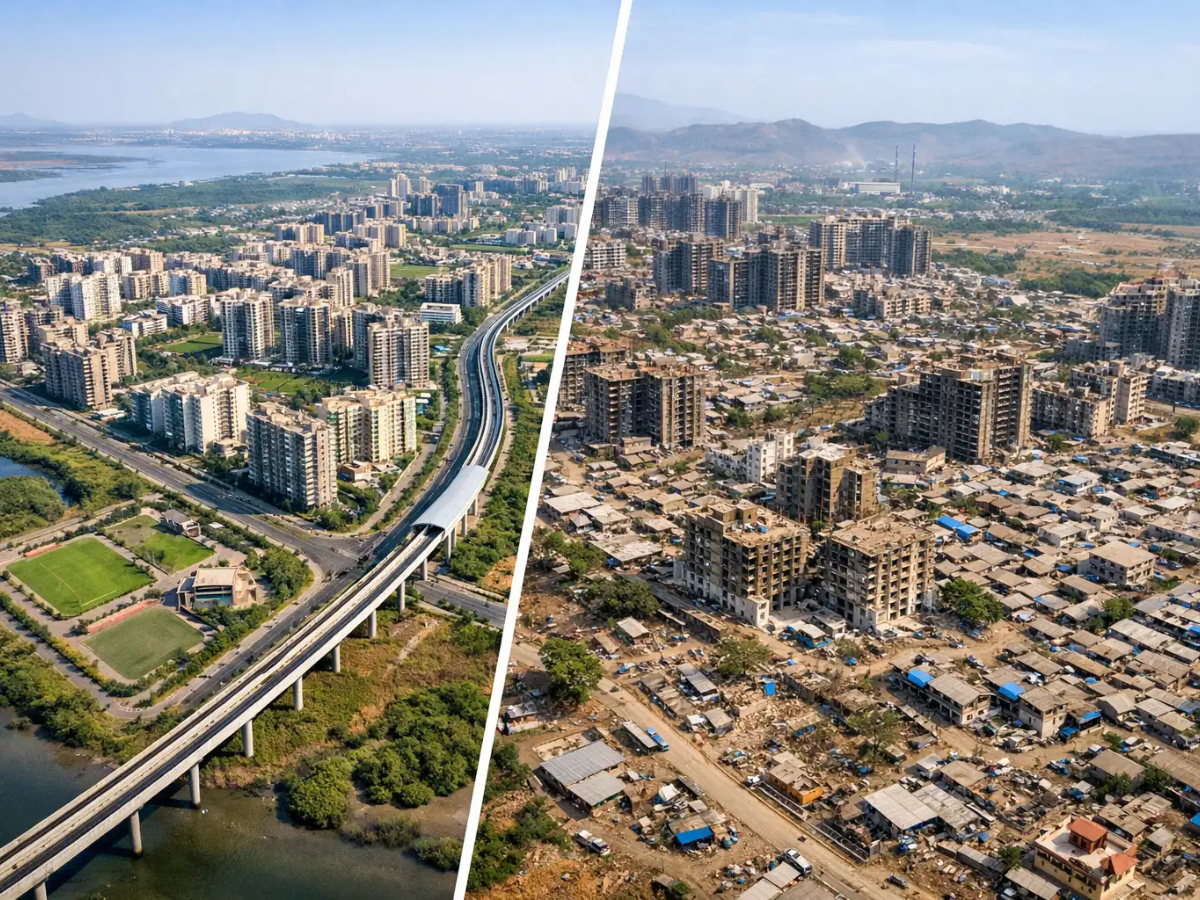
This is where many weak comparison articles go wrong. They treat both places as two versions of the same affordable-growth story. They are not.
Ulwe is not just an affordable node anymore
Ulwe has moved into a different category after the Navi Mumbai International Airport started commercial operations in December 2025 and the Atal Setu became fully usable. That changed not just travel time, but also perception, tenant quality, and buyer profile. Ulwe is no longer being valued only as a future node. It is being valued as a strategically placed airport-linked and trans-harbour location.
That matters because property markets do not move only on infrastructure. They move on who wants to live there, who can pay more, and who believes the location has long-term relevance. Ulwe now has that advantage.
Taloja is not automatically a high-growth bargain
Taloja still has growth potential, but it is a different type of growth story. It is a lower-cost expansion market, not a premium strategic node. It benefits from Metro Line 1, industrial belt demand, and buyers who are priced out of Kharghar and nearby areas. But that does not mean every project or every pocket in Taloja is a good investment.
A cheap square foot rate is not the same as a strong asset. In Taloja, lower prices often reflect real friction: water dependency, delayed civic execution, project quality gaps, or weaker tenant profile.
Which Area Has the Better Long-Term Appreciation Story?
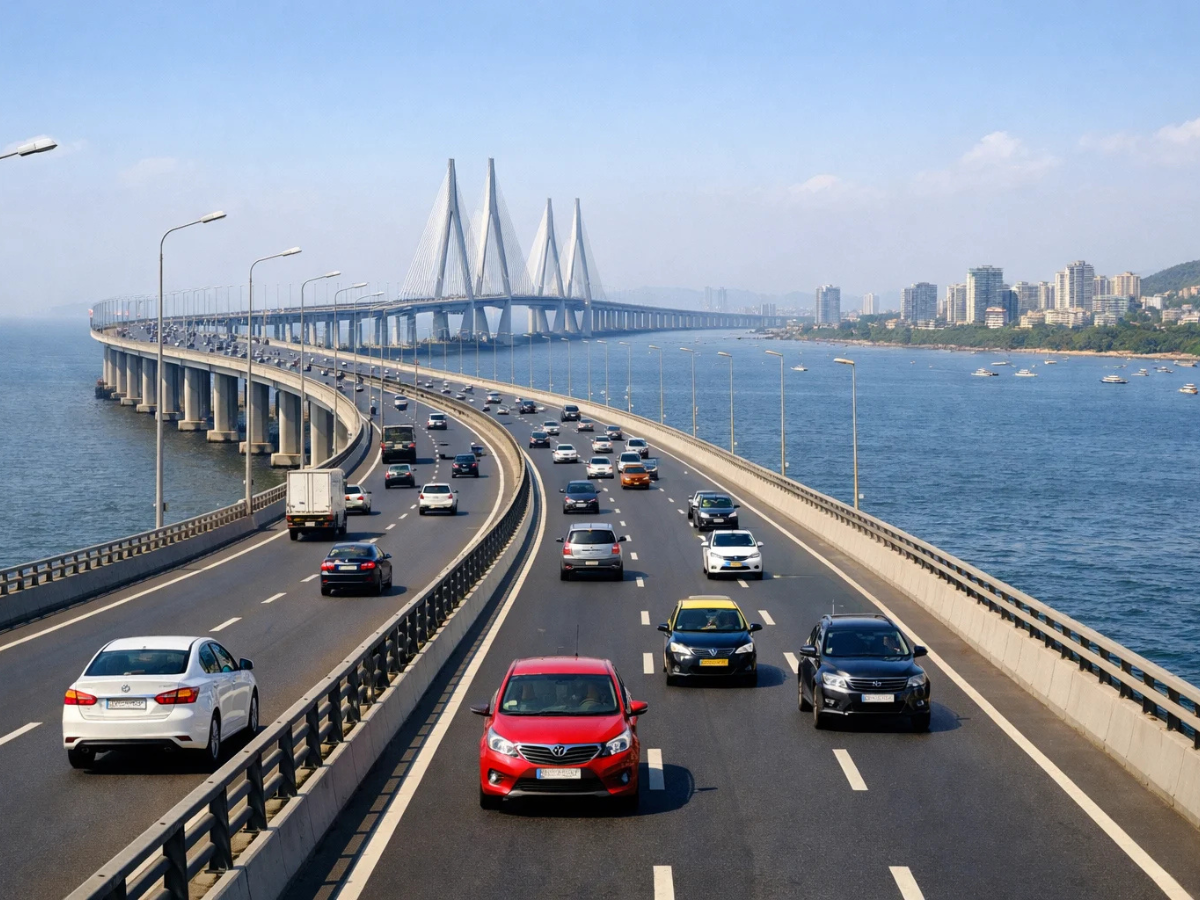
On balance, Ulwe has the better appreciation story for most investors who care about quality of appreciation, not just low-base math.
If Ulwe is looking stronger because of long-term positioning, then Panvel vs Ulwe is the next useful comparison for judging whether Ulwe is still the better growth-market choice.
Ulwe’s airport-linked and regional positioning advantage
Ulwe’s case is built on operational, not theoretical, infrastructure. The airport is open. Atal Setu is open. The Uran railway line is functional, with stations like Bamandongri and Targhar improving access. CIDCO’s Aerocity planning also matters because it supports the idea that this zone is not just a residential spillover pocket. It is expected to attract a larger commercial and corporate ecosystem.
That gives Ulwe a better chance of attracting stronger-paying end users and tenants over time. It also improves resale confidence. A buyer exiting from Ulwe after 5 to 7 years is usually selling into a broader and better-funded demand base.
Taloja’s lower-base upside and where it can still work
Taloja can still deliver appreciation, especially from a lower base, and that is why it remains attractive to first-time investors. Historically, lower-base markets can show strong percentage growth. But percentage growth alone is not the full story.
The question is: how easy will it be to hold, rent, or exit that asset? In Taloja, appreciation depends much more on civic execution, local project quality, and whether the surrounding ecosystem actually matures on time. So yes, Taloja can rise, but it is a more conditional appreciation story.
Which Area Is Better If Your Budget Is Tight?
If your budget is tight, Taloja usually makes more sense than Ulwe. But even here, the answer needs caution.
In real terms, a sub-₹45 lakh buyer has very limited room in Ulwe now. Good 1 BHK inventory in better Ulwe sectors often sits above that comfort zone. Once a buyer tries to force Ulwe into a lower budget, the compromise usually shows up in the wrong place: weaker sector, poor internal roads, drainage issues, or an under-construction project that looks cheap for a reason.
Taloja, especially Phase 1, is more forgiving for budget buyers. A practical 1 BHK with usable connectivity is still possible there without entering extreme financial stretch.
Lower entry price does not always mean better investment
This point is important. Many buyers confuse affordability with value. They are not the same.
A lower entry price helps only if:
- the project is reasonably safe
- daily livability is acceptable
- rental demand exists
- the market is not carrying severe local friction
That is why buying the cheapest available flat in Taloja Phase 2 just because the rate looks attractive can still be a poor decision.
Where budget buyers can misread value in both markets
In Ulwe, low-budget buyers can end up overpaying for weak stock because the location name sounds premium.
In Taloja, low-budget buyers can end up buying too much promise and too little usability, especially in deeper Phase 2 pockets where civic conditions are still uneven.
So if your budget is tight, the better question is not “Ulwe or Taloja?” It is “Can I buy a genuinely usable asset without fooling myself about the compromises?”
Which Area Has More Reliable Rental Demand Today?
Ulwe is clearly stronger if rental reliability matters to you.
Ulwe rental demand: where it is practical and where it is overstated
Ulwe benefits from a more attractive tenant profile. With airport operations underway and broader regional access improved, it can pull aviation staff, airport-linked professionals, logistics personnel, and other working tenants who value proximity and convenience. That generally supports a better rental band and stronger rental confidence.
Approximate rental yield patterns of around 3.5% to 4.0% make more sense here than in Taloja. This does not mean every Ulwe flat will rent fast. Micro-location still matters. A well-located flat near better sectors and practical station access behaves very differently from a unit in a dusty peripheral pocket.
Taloja rental demand: where yield can look better than comfort
Taloja does have rental demand, but it is usually more price-sensitive and more fragile. The tenant base is more dependent on industrial employment, value-seeking households, and practical necessity. On paper, some low-cost acquisitions may appear to offer decent rent-to-price ratios. But on the ground, water issues, maintenance friction, or weaker surroundings can reduce tenant stability.
This is where Taloja often looks better in spreadsheet logic than in lived rental reality.
How Much Does Connectivity Really Change the Investment Case?
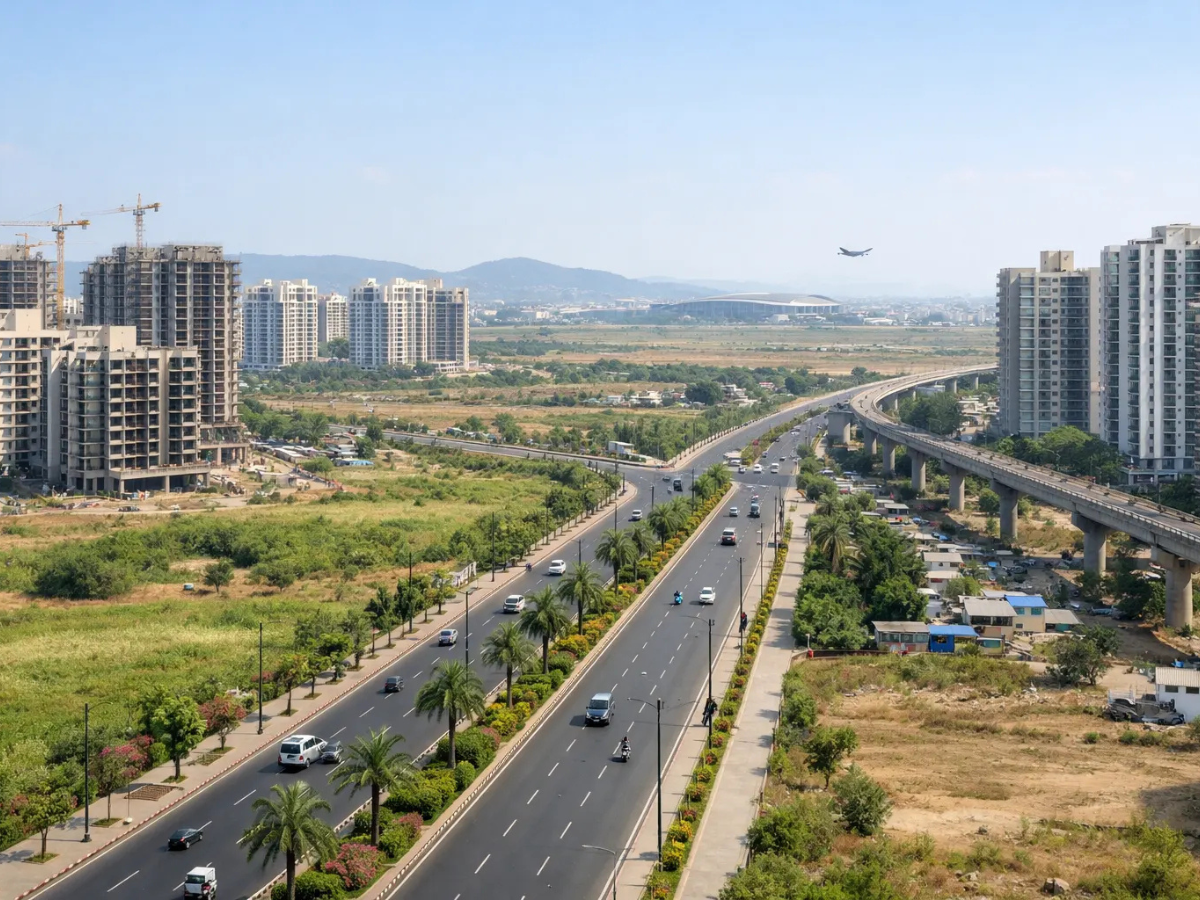
Connectivity matters in both markets, but not in the same way.
In Taloja, Metro Line 1 solves a real local mobility issue. That is useful. It improves practical movement toward Belapur and helps Phase 1 more than Phase 2. But it does not automatically place Taloja in the same class as better-established nodes. Local commuting convenience is not the same as a full regional economic upgrade.
Ulwe’s connectivity impact is much bigger in investment terms. Atal Setu has changed how the location is seen inside the larger Mumbai region. That is not just a travel-time story. It affects business relevance, residential desirability, and buyer psychology. Add the operational airport and rail connectivity, and Ulwe’s case becomes much more than “good transport.”
Why future infrastructure should be treated carefully
This is especially important in Taloja. Buyers should not price future promises as if they are already fully delivered. The delayed Kharghar-Taloja flyover is a good reminder that on-paper infrastructure and real-life convenience often move at different speeds.
In practical property buying, already-usable infrastructure deserves more weight than announced infrastructure.
Which Area Feels Less Risky for a 5 to 10 Year Hold?
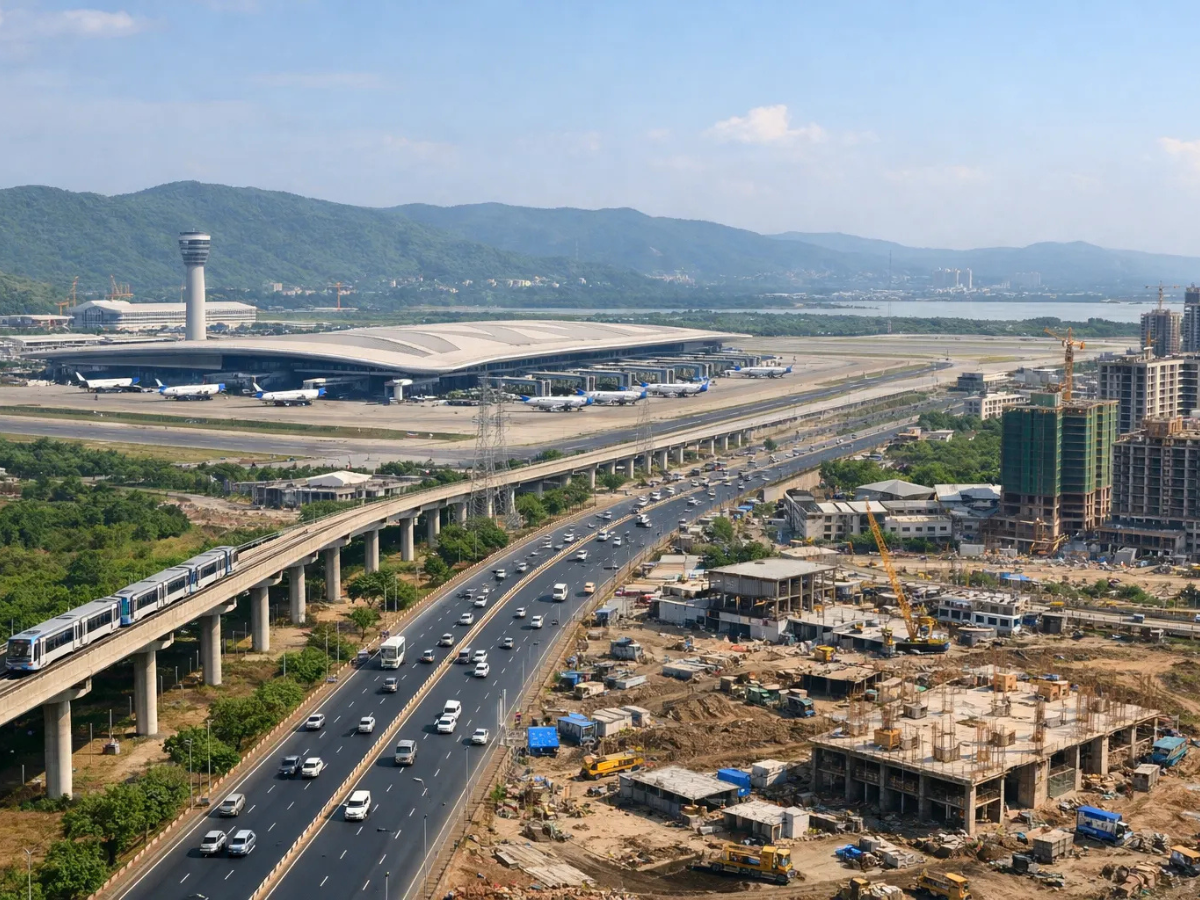
Ulwe usually feels safer for a 5 to 10 year hold, but safer does not mean cheap.
Its main risk is pricing discipline. Ulwe has a visible spread between portal asking rates and actual transaction logic. In simple terms, many sellers ask aggressively, but clearing values are often lower. A careless buyer can still enter badly if they believe inflated listings too easily.
Taloja carries a more serious risk profile. The biggest issue is not merely price movement. It is execution and livability. The ongoing water supply problem is the most important caution here. Early 2026 ground reality shows a major gap between local demand and CIDCO supply, with many societies in some areas still heavily dependent on private tankers. That changes daily living, tenant retention, and even buyer confidence.
On top of that, the MahaRERA action around stalled or weak projects, including the Clan City example in Rohinjan, should make buyers more careful in emerging-budget markets. This does not mean all Taloja projects are bad. It means due diligence matters more here.
Ulwe vs Taloja for Different Investor Types
This is where the decision becomes easier.
First-time small investor
If your goal is simply to enter the market without over-borrowing, Taloja Phase 1 is often the more sensible starting point. But stick to completed or near-completion projects with practical livability.
End user who wants appreciation too
Ulwe is usually the better fit if you want both daily usability and future upside. Better sectors in Ulwe offer a stronger balance between self-use logic and investment logic.
Long-term patient investor
A very patient investor with high tolerance for civic friction may still look at selective Taloja Phase 2 opportunities. But that is not a beginner move. It is a higher-risk bet on future normalization.
Rental-focused buyer
Ulwe is stronger. The tenant profile is better, rent support is better, and the location has more strategic pull.
What Buyers Usually Get Wrong About Ulwe
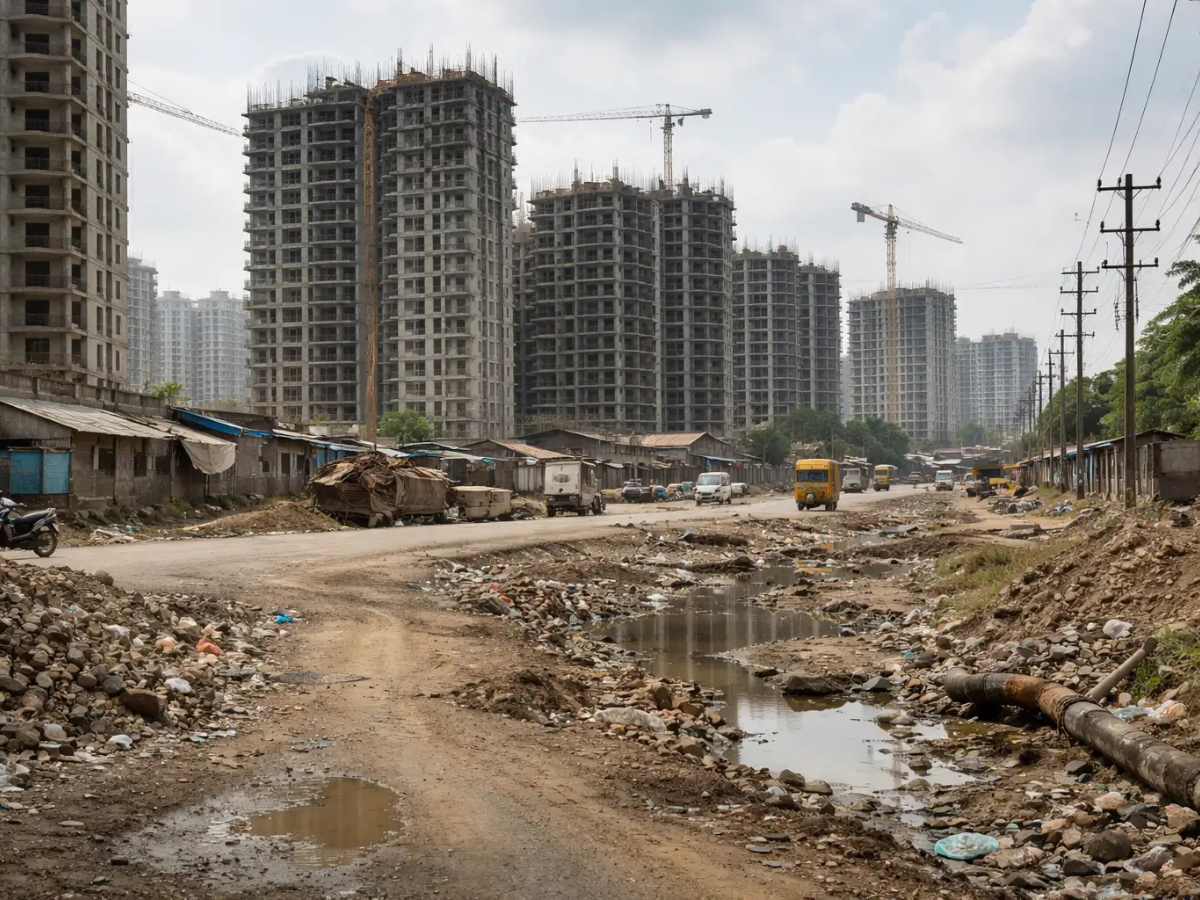
The biggest mistake is treating Ulwe as one uniform market. It is not.
Better-located pockets such as Sectors 19B, 20, and 17 behave very differently from peripheral or still-maturing sectors such as 23 and 24. In the better pockets, the combination of access, daily ecosystem, and buyer comfort is stronger. In weaker pockets, ongoing construction, dust, drainage gaps, and uneven roads reduce real livability.
The second mistake is believing portal asking prices as if they are transaction truth. In Ulwe, this can lead to serious overpayment. The smarter approach is to anchor negotiations to recent registration trends and practical local market movement, not advertisement optimism.
What Buyers Usually Get Wrong About Taloja
The biggest mistake is treating Taloja Phase 1 and Phase 2 as basically the same. They are not.
Phase 1 is more usable today because metro access and lived-in activity give it a more stable base. Phase 2 is where the cheap-entry dream often becomes messy on the ground. Water tanker dependence, construction-heavy surroundings, and slower civic maturity are not small inconveniences. They directly affect how the asset performs in real life.
The second mistake is assuming low price means hidden upside. Sometimes low price is simply the market pricing in inconvenience. That does not make it a bad buy automatically, but it does mean the buyer must be honest about what they are accepting.
So, Which Is Better for Investment: Ulwe or Taloja?
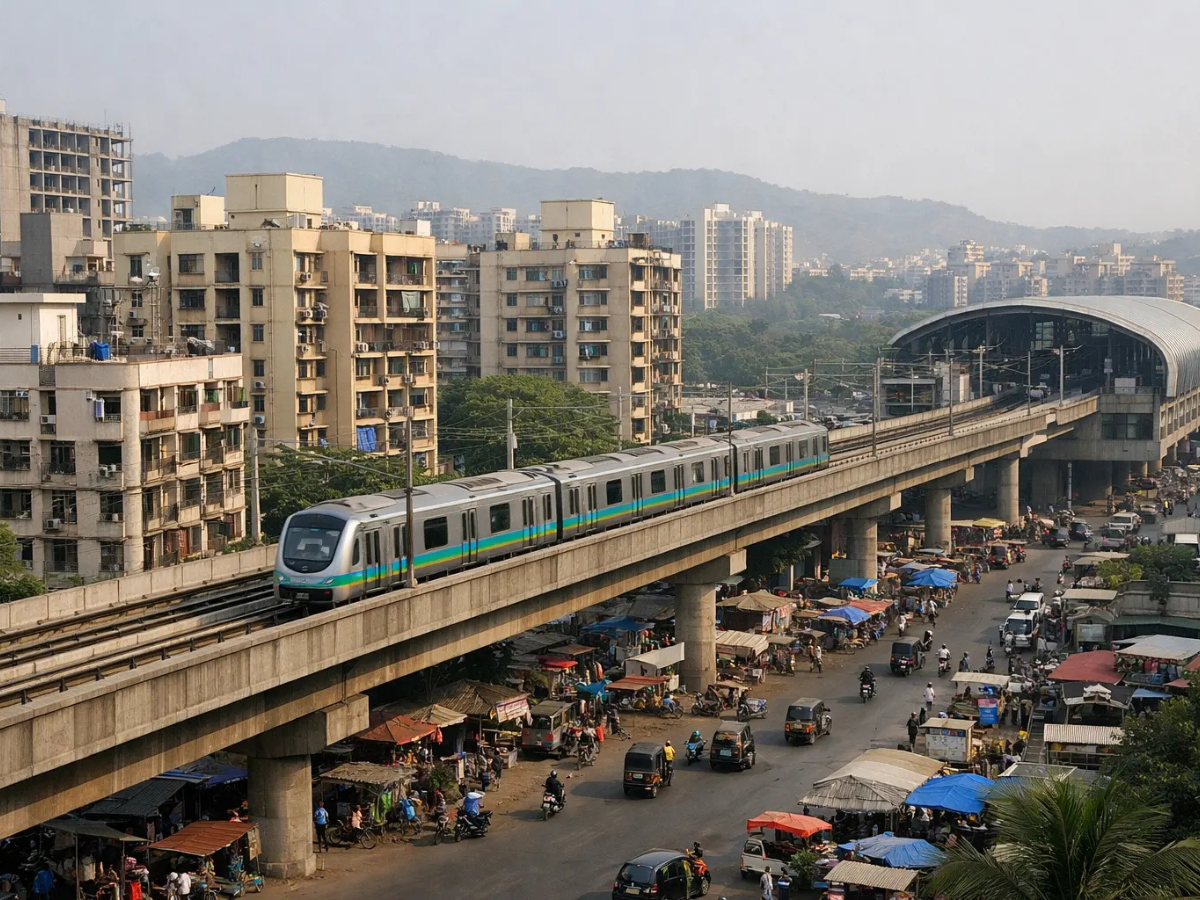
For most buyers comparing the two in 2026, Ulwe is better for investment.
It is better if your goal is stronger long-term positioning, better rental quality, more strategic regional relevance, and a safer 5 to 10 year hold. It is not cheap, and buyers still need to negotiate carefully, but the overall asset quality is usually stronger.
Taloja is not a wrong market. It is simply a more selective one. It makes the most sense when budget is the main deciding factor and the buyer is realistic about civic and execution risk. In that case, Taloja Phase 1 is usually more practical than stretching into weak Ulwe stock or gambling deep inside Phase 2.
Simple decision summary
Choose Ulwe if:
- your budget is above roughly ₹60 lakh
- you want stronger resale confidence
- you care about rental quality
- you are investing for 5 to 10 years
- you want a better-quality growth story
Choose Taloja if:
- your budget is capped below roughly ₹45 lakh
- you need lower ticket entry
- you are comfortable with higher local friction
- you are ready to be selective about phase, project, and execution risk
- you understand that cheap does not mean easy
Conclusion
Ulwe and Taloja should not be treated as equal investment alternatives anymore. In 2026, Ulwe is usually the better investment because it offers a stronger combination of infrastructure relevance, rental quality, liquidity, and long-term confidence. Taloja still has a role, but mostly as a budget-led investment market where returns depend far more on project selection, phase selection, and patience.
So if your question is simply, “Ulwe vs Taloja: which is better for investment?” the practical answer is this: Ulwe is better for most serious investors, while Taloja is better only for buyers who need lower entry cost and are willing to accept more risk.
FAQs
Frequently Asked Questions