

Best Residential Areas in Panvel for Buyers: Where to Buy Based on Budget, Family Needs and Connectivity
The best residential areas in Panvel for buyers are not the same for everyone. New Panvel is usually the most balanced choice for end users, Khanda Colony and New Panvel West work well for station-first practical buyers, Old Panvel still suits buyers who value central convenience and older-stock value, and growth-edge pockets like Kalundre make sense only for buyers who are comfortable waiting. So the right answer depends on what you are buying for, not just which locality sounds popular.
Panvel attracts very different types of buyers. Some want a sensible family home with daily convenience. Some want better commute access. Some are trying to enter the market at a lower ticket and are willing to accept older buildings. Others are buying mainly because they believe the wider Panvel belt will benefit from long-term infrastructure growth.
That is exactly why a generic “top localities in Panvel” list is not enough. In Panvel, the area matters, but the building, the exact pocket, and the buyer’s purpose matter just as much.
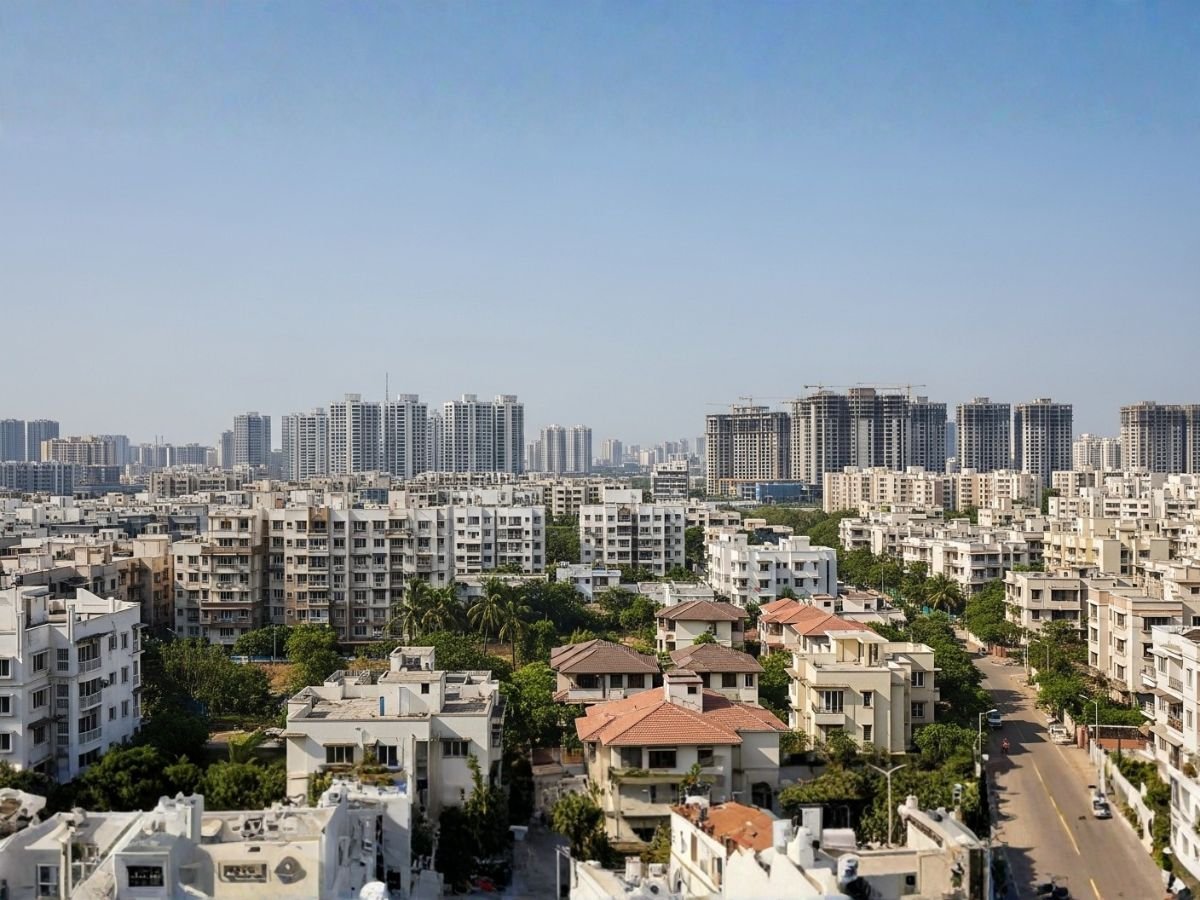
Best Residential Areas in Panvel for Buyers at a Glance
| Area | Best for | Budget level | Stock type | Commute strength | Main caution |
|---|---|---|---|---|---|
| New Panvel | Balanced end-use buyers | Mid to upper-mid | Mix of established and newer stock | Good overall | Not every pocket feels equally strong on daily convenience |
| Khanda Colony / New Panvel West | Commuters and practical end users | Mid to upper-mid | Mixed, with older and mid-age stock in many pockets | Strong for station-led living | Buyers can overpay just for location shorthand |
| Old Panvel | Value-seeking buyers who want central convenience | Lower-mid to mid | Older buildings, legacy layouts | Practical | Building age and paperwork matter more here |
| Kamothe-side Panvel belt | Buyers who want more apartment choice | Budget to mid | Wider apartment supply | Useful | Quality and micro-location selection vary |
| Emerging edges like Kalundre | Long-hold, patience-led buyers | Budget to lower-mid | Growth-stage supply | Weaker today | Not ideal for immediate liveability |
Which Panvel Area Is Best for You Depends on What You Are Buying For
Panvel is one of those markets where the wrong buyer can choose a decent area and still make a poor decision. Why? Because the same locality can feel very different to a family, a commuter, a first-time buyer, or an investor.
If you are buying for family living
Family buyers usually need a more stable answer than investors do. They care about everyday travel, nearby markets, schools, chemists, internal roads, and whether the building feels manageable for real life, not just for a brochure visit.
That is why New Panvel often comes up as the more balanced answer. It tends to work better for buyers who want a practical combination of liveability, familiarity, and city use without depending only on a future-growth story.
If you are buying for daily commute convenience
If your daily rhythm depends heavily on rail access or quick movement toward the station side, then Khanda Colony and parts of New Panvel West can make more sense than a wider “Panvel” search. These pockets often appeal to buyers who want less friction in everyday movement.
Still, station-linked buying should not become blind buying. In many cases, actual walking experience, approach roads, and the exact building location matter more than the area name on paper.
If you are buying for budget value
Value buyers often get drawn toward Old Panvel or older-stock pockets because they may find more practical entry options there. This can be sensible, but only when the buyer is ready to inspect the building more deeply.
In other words, a lower entry cost is not automatically a better deal. If the stock is too old, the maintenance is weak, or the paperwork trail is messy, that “value” can become expensive later.
If you are buying for future upside rather than immediate polish
Then growth-edge pockets like Kalundre can enter the shortlist. But this is where many buyers get misled. Future upside and current liveability are not the same thing.
These areas can suit patient buyers who understand development-stage trade-offs. They are usually a weaker fit for families or first-time end users who want comfort and convenience from day one.
New Panvel Usually Works Best for Buyers Who Want the Most Balanced Option
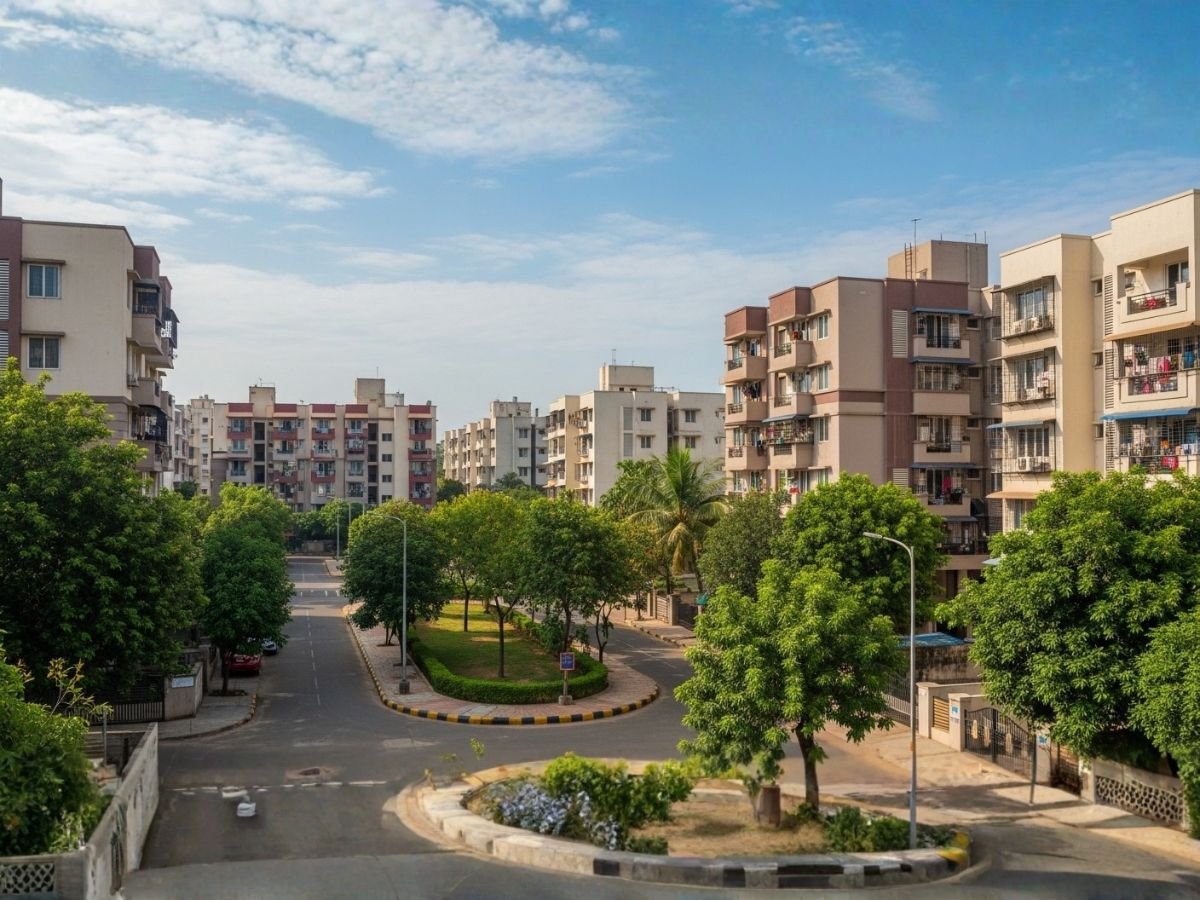
For many end users, New Panvel is often the safest mainstream answer. Not because it is perfect, but because it usually offers the most balanced combination of liveability, familiarity, connectivity, and practical residential use.
What makes New Panvel practical for end users
New Panvel generally works well for buyers who do not want an extreme choice. It is not only about future growth, and it is not only about older value. That middle position matters.
For families, this usually means a better chance of finding a pocket that feels settled enough for regular life. For first-time buyers, it means the area is easier to understand compared with more scattered or overly speculative edges. For local buyers already familiar with Panvel-side movement, New Panvel often feels like the sensible shortlist area rather than a high-risk experiment.
A practical example: a buyer working in Navi Mumbai but wanting slightly more flexibility in stock choice may find New Panvel more usable than chasing only future-led pockets. The area often gives enough daily function without forcing the buyer into the oldest stock or the least developed edge.
Where New Panvel can disappoint buyers
The mistake is assuming that every part of New Panvel performs equally well. It does not. In Panvel, small pocket differences change the experience quite a lot.
Some buyers also pay too much for a “balanced area” label without checking the actual building, the access road, or how convenient the exact location really feels during weekday movement. So yes, New Panvel is often the most balanced answer, but it still needs building-level judgment.
Khanda Colony and New Panvel West Suit Buyers Who Want Better Everyday Access, Not Just a Future Story
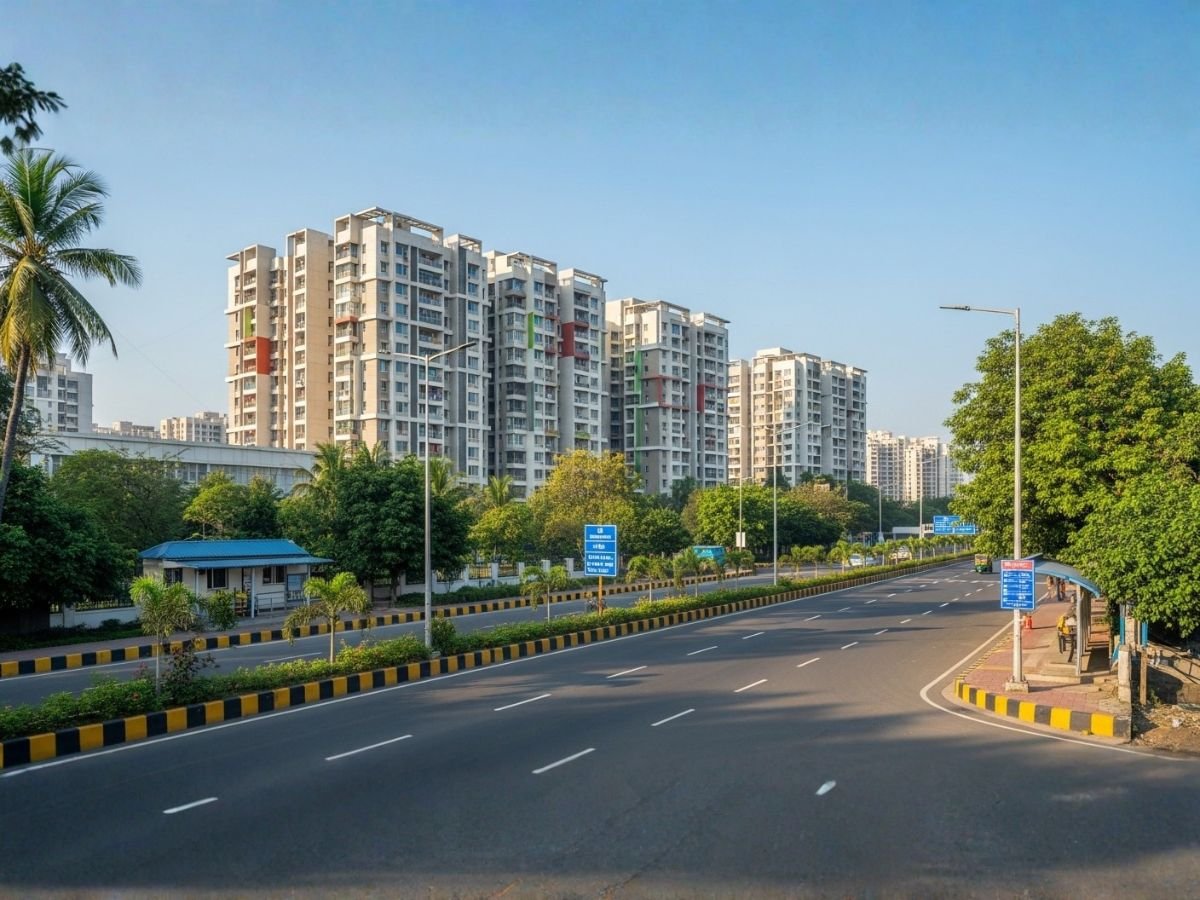
This pocket usually appeals to buyers who want more immediate practicality. Not just the comfort of saying they bought in Panvel, but the everyday advantage of being in a more access-driven part of the area.
Why this pocket appeals to commuters and practical end users
Khanda Colony and New Panvel West often attract buyers who are more sensitive to daily movement. That includes office commuters, buyers who want quicker access patterns, and end users who care about station-side practicality more than long-term hype.
That makes this area especially relevant for buyers asking where to buy a home in Panvel if rail-linked usability matters. Many local buyers do not want a distant future story. They want the area to work from the first month.
This pocket can also suit buyers who prefer a more grounded residential decision. In simple terms, it often feels like a place chosen for use, not only for projection.
What buyers should verify before paying a premium here
The risk here is overpaying just because the area sounds convenient. Not every building in a strong pocket deserves a strong price. Some buyers end up buying the label rather than the actual quality.
Before paying a premium, check:
- how easy the actual station approach feels
- whether the building is aging faster than the area image suggests
- parking and internal access conditions
- whether the daily-use ecosystem around the building is genuinely convenient
- whether the premium is for real usability or just location shorthand
Old Panvel Still Makes Sense for Buyers Who Value Centrality, Convenience and Older-Stock Value
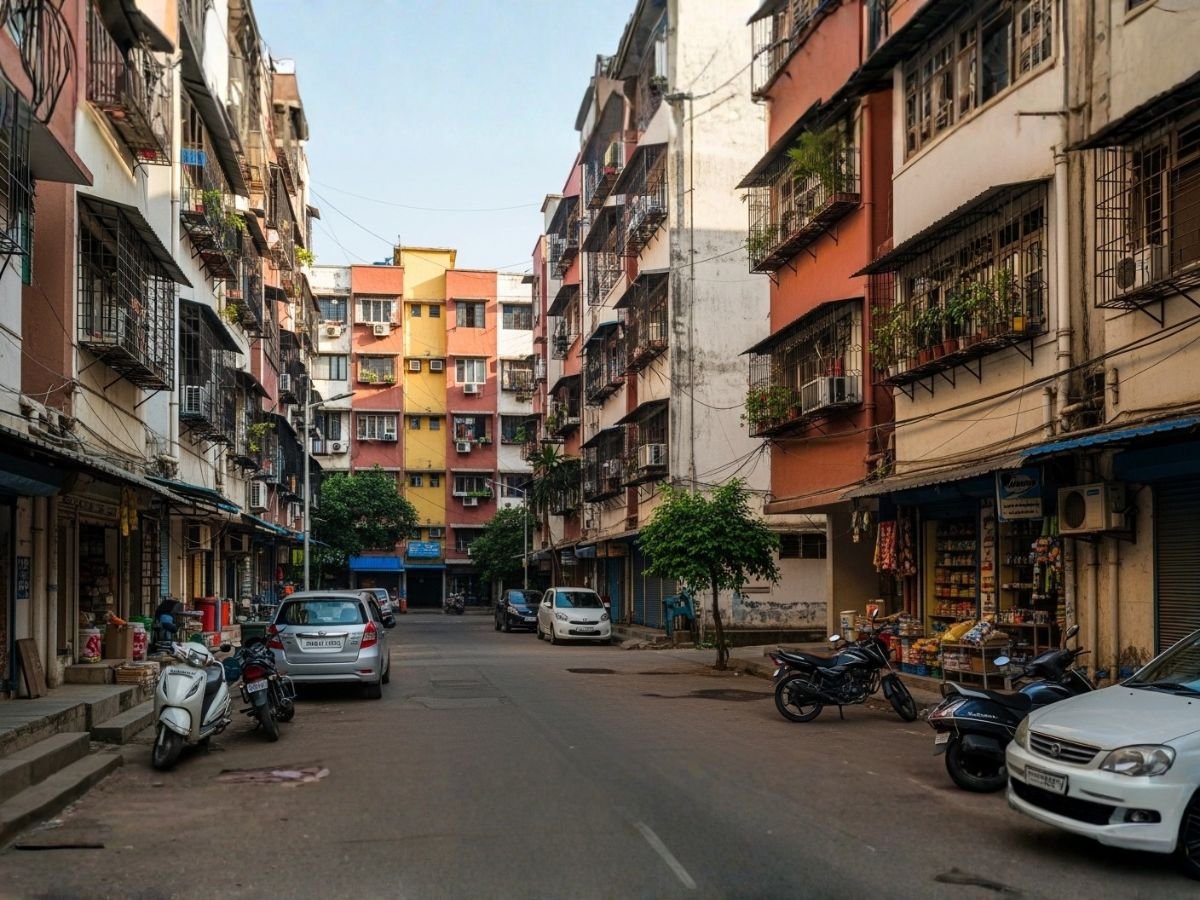
Old Panvel is often underestimated in generic articles because it does not always fit the clean “new growth” narrative. But for the right buyer, it still makes practical sense.
Where Old Panvel is still strong
Old Panvel can work well for buyers who value central convenience, familiarity, and functional city access more than modern branding. In many cases, these buyers are not chasing premium positioning. They want a liveable location that already behaves like a real town ecosystem.
That matters for some families, older buyers, and practical value-seekers. If a buyer is comfortable with established areas and does not need the newest tower format, Old Panvel can still be a very reasonable choice.
It can also suit buyers who want to remain close to a more rooted local ecosystem rather than shifting fully toward newer-growth residential logic.
When older inventory becomes a liability
This is where caution becomes serious. In Old Panvel, the area may still be useful, but the stock can easily become the bigger question.
A buyer should be more careful here about:
- building age
- maintenance quality
- society functioning
- title flow and document continuity
- water, parking, and structural upkeep
- whether the property still feels practical for the next 8 to 12 years
So yes, Old Panvel can be good value. But it is not good value if the building creates too many future headaches.
Kamothe-Side Panvel Belt Gives Buyers More Apartment Choice, But the Fit Is Not the Same for Everyone
Many real buyers compare Panvel with nearby practical residential belts rather than sticking to a strict map label. That is why the Kamothe-side Panvel belt often enters the conversation.
This broader belt can appeal to buyers who want more apartment options and are comparing liveability, access, and affordability together. In many cases, buyers feel they have more room to filter projects, layouts, and society formats here.
But choice is not the same as fit. More supply can also mean more uneven stock. Some buildings may look attractive on first visit but feel weaker on layout efficiency, road approach, crowding, or long-term society quality.
So this belt can work well for practical buyers, especially those comparing end-use options. But it is not a shortcut. It requires more filtering, not less.
Emerging Pockets Like Kalundre Work Only for Buyers Who Understand the Wait, Not for Everyone
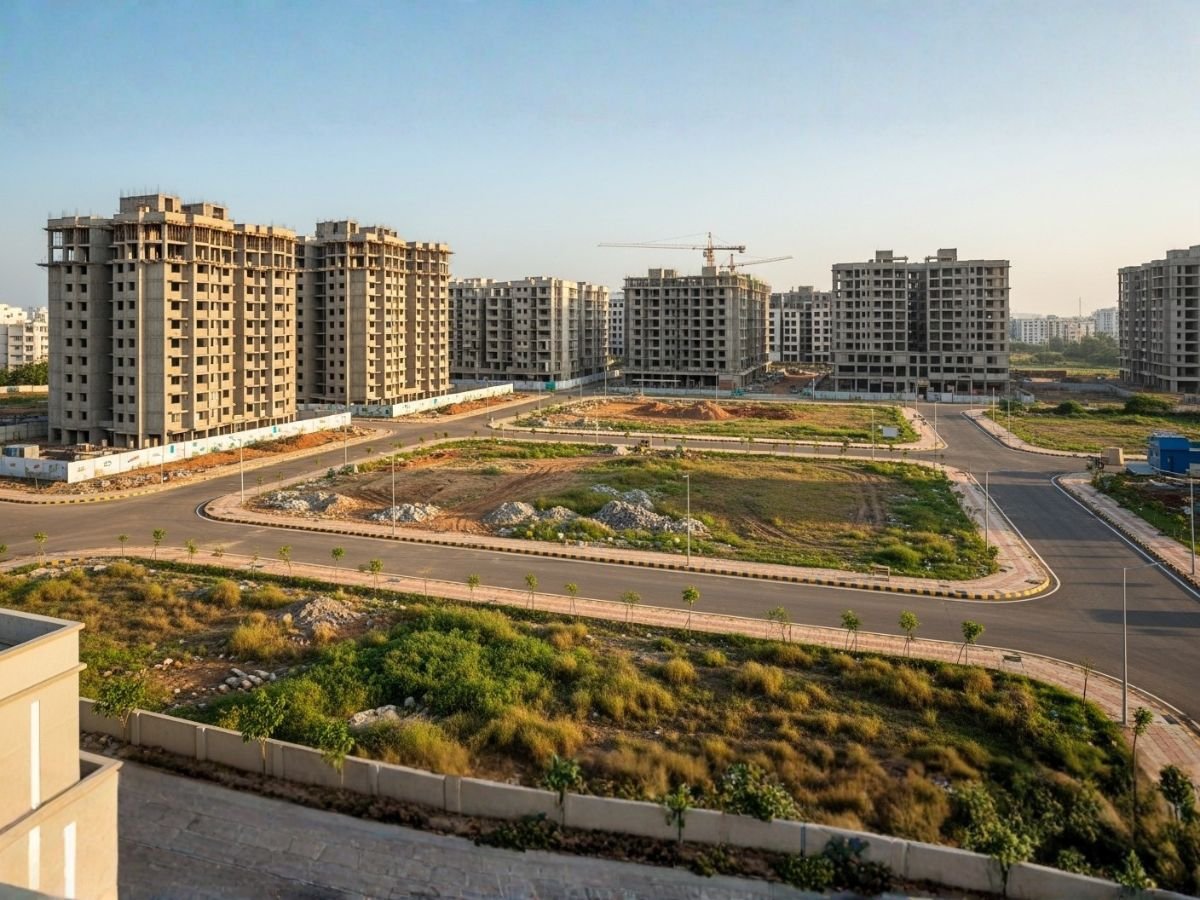
This is the part of the Panvel market where buyers most often confuse possibility with readiness.
Emerging pockets like Kalundre can make sense for buyers who are explicitly buying for a longer horizon. These are usually buyers who can tolerate a less mature ecosystem today in exchange for the possibility that the wider area improves over time.
That is very different from saying such areas are the best residential answer for everyone. They are not.
Who can consider emerging Panvel edges
These pockets may suit:
- long-hold buyers who are not in a hurry
- buyers with a high tolerance for development-stage inconvenience
- investors who understand that future upside is not guaranteed and may take time
- buyers entering at a lower ticket with realistic expectations
Who should avoid buying here for now
These pockets are usually a weak fit for:
- families who want a settled ecosystem immediately
- buyers dependent on smooth daily commute from day one
- first-time buyers who want low-risk clarity
- anyone choosing purely because “Panvel will grow”
That last point matters. Panvel-side growth is a real theme, but growth at the regional level does not automatically make every edge pocket equally good for end use.
Which Area Is Best in Panvel for Families, First-Time Buyers and Investors
A single winner would be misleading. The better approach is to match the area with the buyer.
| Buyer type | Usually best fit | Why it works | Caution fit |
|---|---|---|---|
| Families | New Panvel | More balanced liveability and practical everyday use | Growth-edge pockets if daily convenience matters now |
| First-time buyers | New Panvel or selected Old Panvel / practical older-stock pockets | Easier to understand, stronger use logic, less speculative if chosen carefully | Overstretching for a label or buying weak old stock blindly |
| Commuter-led buyers | Khanda Colony / New Panvel West | Better station-oriented practicality in many cases | Paying too much for location without checking building quality |
| Value-conscious buyers | Old Panvel or carefully filtered wider Panvel belt | Better chance of practical entry if documents and building condition are sound | Mistaking low entry price for low total risk |
| Long-hold investors | Selected emerging pockets like Kalundre | Future-led logic may suit patient buyers | Assuming future infrastructure automatically guarantees end-user demand |
Best Panvel area for families
For most families, New Panvel is usually the safest broad answer. It is not the cheapest and not always the newest, but it often gives the most balanced living experience.
Best Panvel area for first-time buyers
Again, New Panvel often works well. Some first-time buyers can also consider Old Panvel or nearby practical belts if they have someone knowledgeable to help inspect stock quality and paperwork.
Best Panvel area for long-hold investors
Emerging pockets may appeal more here than to end users. But this should be treated as a patience play, not as a guaranteed shortcut.
Worst mismatch examples
A family buying in a development-stage edge area only because it looks cheaper. A commuter buying a weak building just because the area name sounds convenient. A first-time buyer choosing an old building with poor documentation because the ticket looked manageable. These are classic wrong-fit decisions.
What Buyers Usually Miss When Comparing Panvel Areas
The biggest mistake is thinking the locality alone will decide the outcome. In Panvel, that is rarely enough.
The building can matter more than the pin code
A good area with a weak building can still become a bad purchase. Poor maintenance, awkward access, old lifts, weak society management, or unclear paperwork can reduce the real value of even a strong pocket.
Station distance on paper versus actual daily usability
Many buyers compare locations by map distance. But actual usability depends on how the road feels, how safe and direct the approach is, and how practical the movement becomes in real life.
Future infrastructure does not fix weak micro-location selection
This is especially important in Panvel. A wider growth narrative may be real, but it does not rescue every building or every sub-pocket. Buyers still need to ask a simple question: will this exact property make sense even if the wider story takes longer than expected?
Before You Finalise Any Residential Area in Panvel, Check These 10 Things
Before booking or closing any deal, use this short practical checklist:
1. Check the ownership chain and agreement flow properly. 2. If the project is under development, verify MahaRERA registration and current status. 3. Review society paperwork and maintenance quality where applicable. 4. Check the building’s age and whether major repair or ageing issues are visible. 5. Test the actual route to station, market, highway access, or regular travel point. 6. See the area once during a normal weekday, not only on a polished site visit. 7. Check water, parking, internal access, and approach road quality. 8. Study the nearby daily-use ecosystem, not only the flat itself. 9. If rental fallback matters, assess whether the location has real tenant depth. 10. Cross-check registration-side details and document readiness through the proper Maharashtra process, including IGR-related verification where relevant.
For CIDCO-linked or planning-sensitive cases, buyers should also understand whether any local authority condition affects transfer, documentation, or use. Not every Panvel transaction is identical, and paperwork can vary by property history.
So, Which Are the Best Residential Areas in Panvel for Buyers?
If the goal is balanced end use, New Panvel is usually the best overall answer. If the goal is more station-led practicality, Khanda Colony and New Panvel West often make more sense. If the goal is value with central convenience, Old Panvel can still work, but only with stronger building and document checks. If the goal is patient future-led buying, emerging pockets like Kalundre may suit some buyers, but not most end users.
That is the real answer. Panvel does not have one universal best residential area. It has different good areas for different buyer types.
So the smartest way to shortlist Panvel is this: first decide whether you are buying for family life, commute convenience, value entry, or long-term upside. Then judge the building. Only after that should you trust the locality name.
Conclusion
The best residential areas in Panvel for buyers are usually New Panvel, Khanda Colony / New Panvel West, Old Panvel, selected wider Panvel-side apartment belts, and some emerging pockets like Kalundre, but not for the same reasons.
If you want the safest broad answer, start with New Panvel. If daily access matters most, look harder at Khanda Colony and New Panvel West. If budget value matters and you are comfortable checking older stock properly, Old Panvel still deserves attention. And if you are buying mainly for future upside, go to the growth-edge pockets only with patience and clear expectations.
In Panvel, the best area is the one that matches your real use case and survives building-level scrutiny. That is the difference between buying smart and just buying a location name.
FAQs
Frequently Asked Questions