
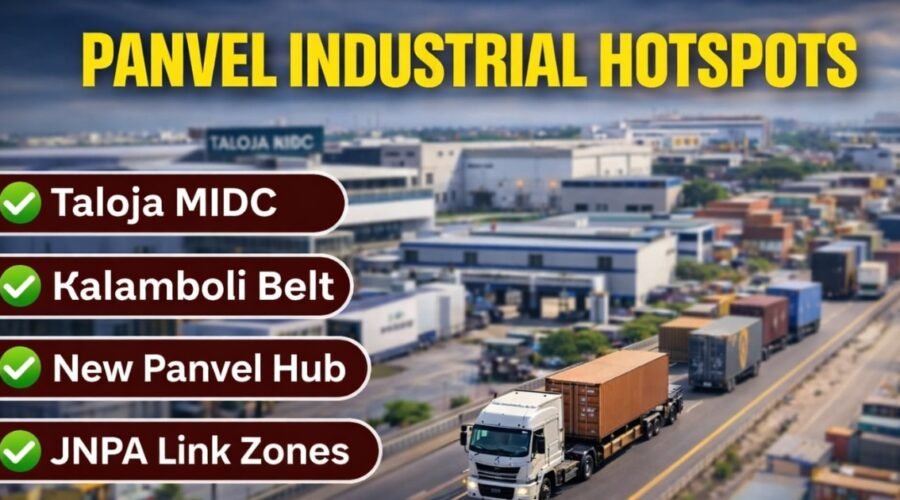
Best Industrial and Logistics Areas in Panvel
There is no one single best industrial and logistics area in Panvel. The right answer depends on what you actually need: EXIM-linked storage near JNPA, Grade-A warehousing, trucking yard space, or a proper industrial belt for manufacturing. In practical terms, Sai Village works best for customs-bonded EXIM use, the Palaspe-Shedung-Chowk side suits highway-led logistics, Patalganga and Taloja MIDC suit serious industrial use, and Kalamboli still works for certain transport-heavy operations despite its congestion and legacy stock.
That is the real answer.
A lot of people still look at Panvel as one broad growth belt. For industrial and logistics decisions, that approach is dangerous. Panvel today is fragmented into very different micro-markets shaped by JNPA access, highway routes, jurisdiction, truck movement rules, land title realities, and whether the asset is meant for warehousing, manufacturing, or transport staging.
If you are choosing an industrial or logistics location in the Panvel region, you should not ask only, “Which area is cheapest?” or even “Which area is closest to the airport?” You should ask, “Which belt actually matches my cargo flow, truck movement, compliance need, and holding strategy?”
Best industrial and logistics areas in Panvel: the short answer
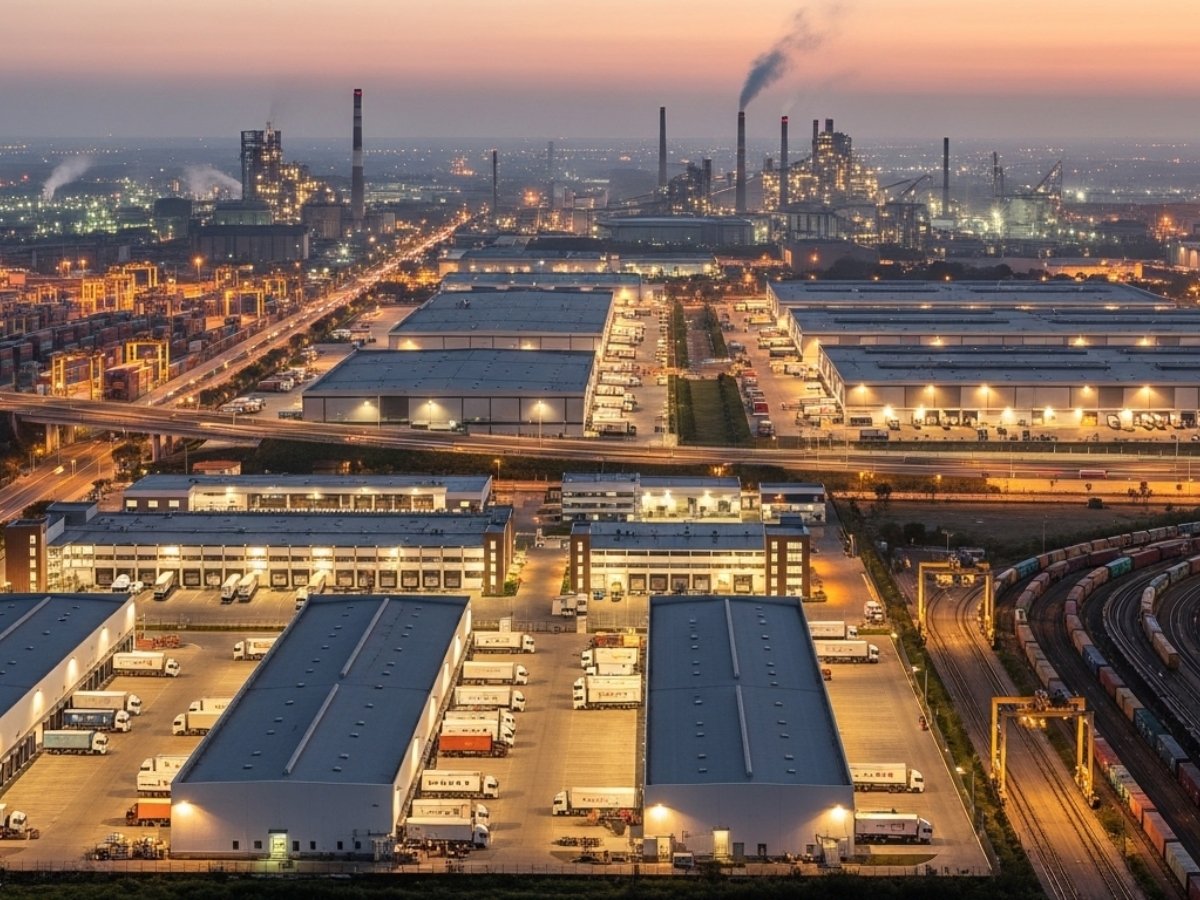
Below is the simplest practical summary.
| Business requirement | Best-fit Panvel-side belt | Why it usually works |
|---|---|---|
| EXIM and customs-bonded storage | Sai Village FTWZ belt | Best fit for import-export users needing customs-linked infrastructure, duty deferment logic, and strong JNPA relevance |
| Grade-A domestic warehousing and 3PL | Palaspe-Shedung-Chowk side and Taloja periphery/Khoni-side logistics corridors | Better for modern warehouse formats, highway-led distribution, and large institutional logistics setups |
| Heavy manufacturing and compliant industrial operations | Patalganga MIDC and Taloja MIDC | Better industrial zoning, stronger utility logic, and more suitable for manufacturing than pure warehouse corridors |
| Trucking yards, break-bulk movement, fleet ecosystems | Kalamboli legacy transport and steel-market side pockets | Still useful where operator ecosystem, parking logic, and heavy transport behaviour matter more than premium building quality |
| Long-horizon land betting | Select NAINA-linked pockets only with full caution | High-risk, patience-heavy strategy; not suitable for quick execution or immediate operational setup |
So, if your question is “Which is the best warehouse or logistics location in Panvel?” the answer is usually not Panvel city core. It is usually the wider Panvel-side belt along highway-connected, truck-practical pockets such as Sai, Palaspe, Shedung, Chowk-side growth stretches, and selected institutional corridors. If your question is about manufacturing, then MIDC-backed belts matter far more than generic logistics narratives.
What actually makes one Panvel area better than another for industry or logistics?
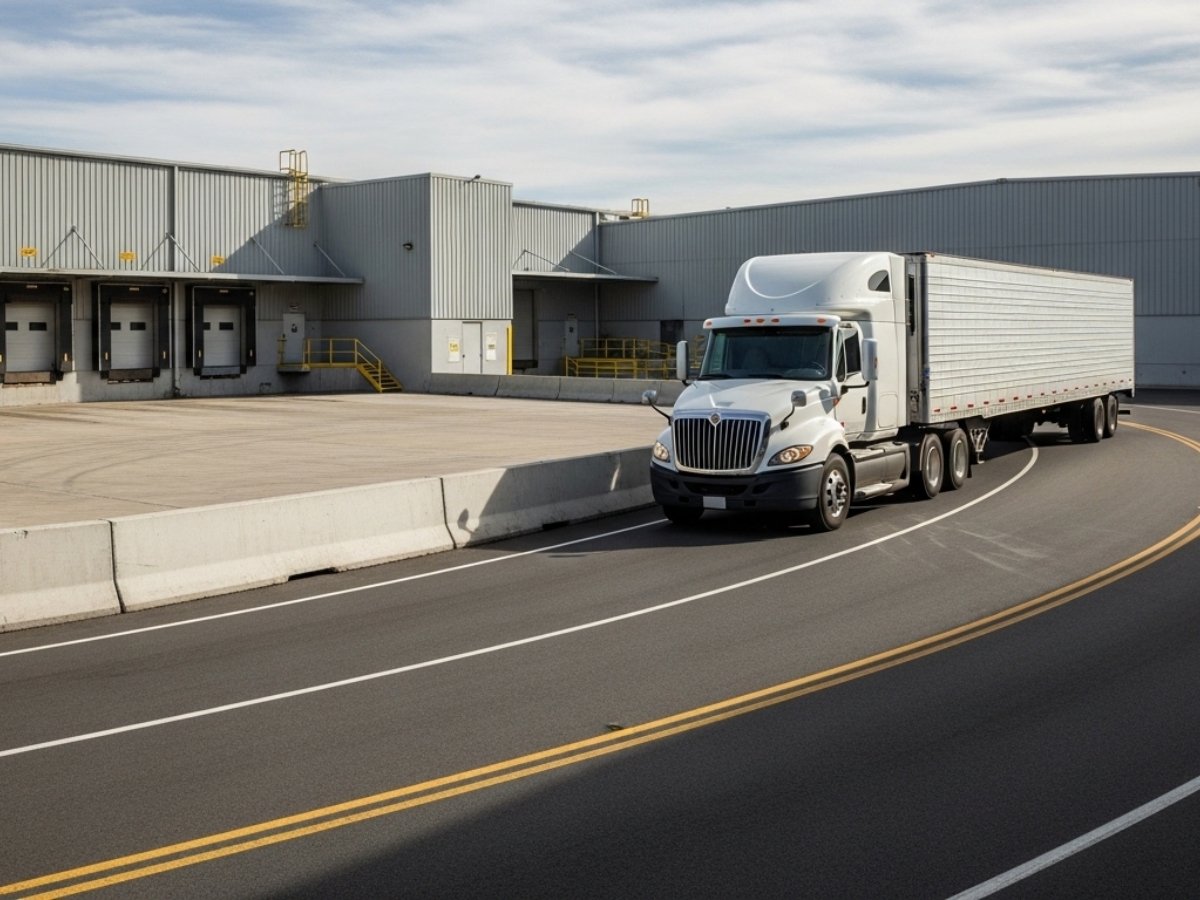
The biggest mistake in this market is judging industrial or logistics land the way people judge residential property. A flat buyer looks at station access, social infrastructure, and future appreciation stories. An industrial user should care more about approach road width, turning radius, title clarity, heavy vehicle restrictions, utility support, and whether the land or building can legally support the intended use.
Road access and truck movement matter more than pin-code prestige
For logistics, the best-looking map location can still fail on the ground. If a trailer cannot move smoothly, if local roads choke near village turns, or if trucks lose hours at bottlenecks, the site becomes operationally weak even if the rate looked attractive.
This is why belts that can benefit from the Pagote-Chowk greenfield highway logic matter so much. The project is important because it aims to bypass chronic freight pain points such as Palaspe Phata, Kalamboli junction, and the Panvel urban core. For occupiers, that is not a small infrastructure story. It changes freight time, fuel cost, fleet planning, and the real usability of outer belts.
Warehousing, industrial use, and EXIM-linked storage should not be mixed
A customs-bonded FTWZ facility is not the same thing as a general warehouse. A general warehouse is not the same thing as an industrial plot. A trucking yard is not the same thing as a Grade-A 3PL park.
This sounds obvious, but many bad decisions start here.
An importer may lose time and money in a regular shed that lacks customs-linked advantages. A domestic FMCG distributor may overpay for a premium EXIM-oriented location they do not really need. A light manufacturer may take warehousing-oriented space and later hit compliance limits around utilities, zoning, or approvals.
Cheap land is not always workable land
In Panvel-side land conversations, “cheap” often means one of three things:
- the area is early and infrastructure is still weak
- the plot has access, zoning, or title complications
- the site is being sold on future story rather than current usability
That is why industrial buyers should not chase price first. The cheaper land is sometimes the most expensive mistake after you add road upgrades, title work, approvals, utility issues, and holding period.
Which Panvel-side belts usually work best for warehousing and logistics?
The strongest warehousing and logistics logic in the Panvel region usually comes from belts that combine highway reach, truck practicality, and land/building formats that can support modern logistics use.
Highway-led warehouse belts
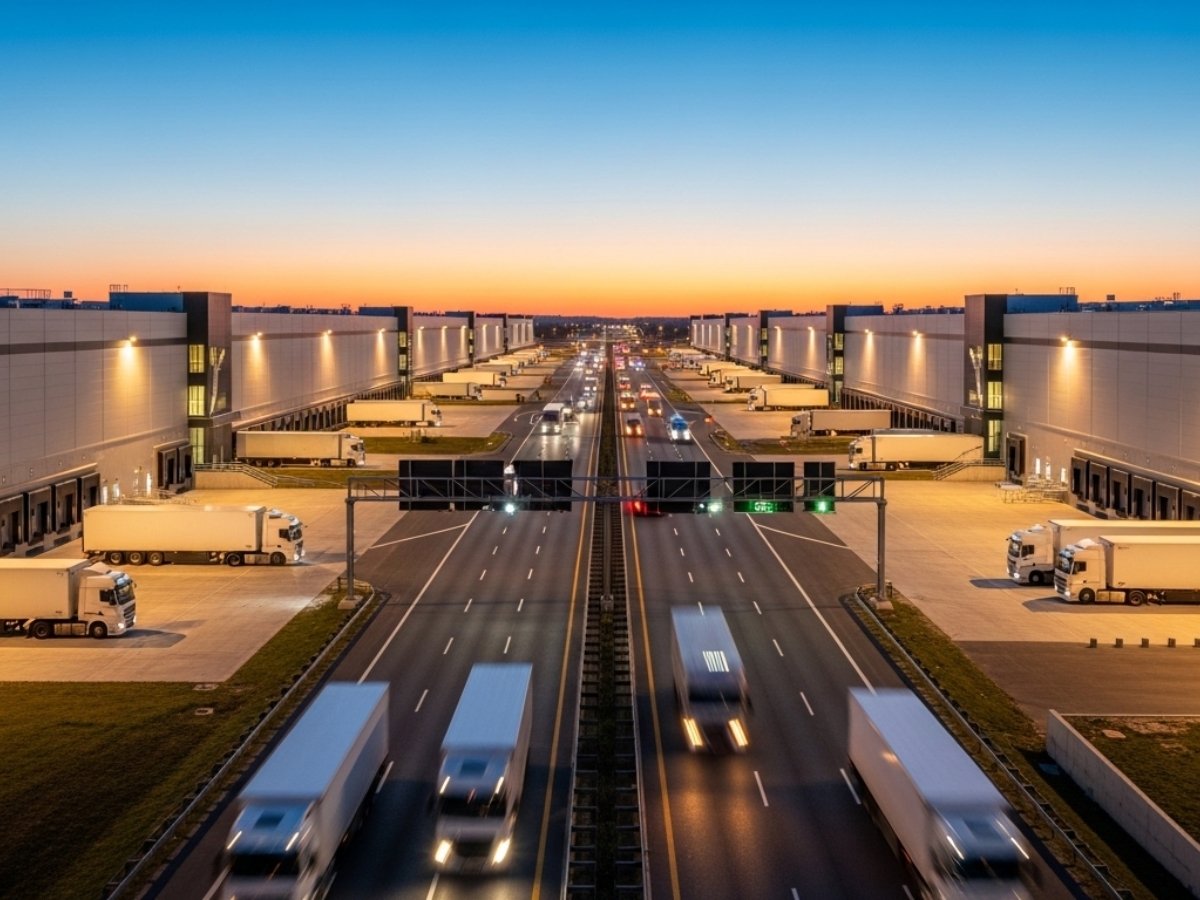
The Palaspe-Shedung-Chowk side is one of the most important logistics directions to watch. This belt matters because it fits the broader freight movement logic of the region rather than depending on inner urban roads. As highway-led connectivity improves, especially with the freight bypass logic tied to the greenfield highway project, this side becomes more relevant for larger-scale warehousing and institutional logistics activity.
For practical users, the appeal is simple. These belts are better suited to trailer movement, larger land parcels, and future-grade warehouse development than older, tighter, congested pockets.
Sai and FTWZ-linked logistics relevance
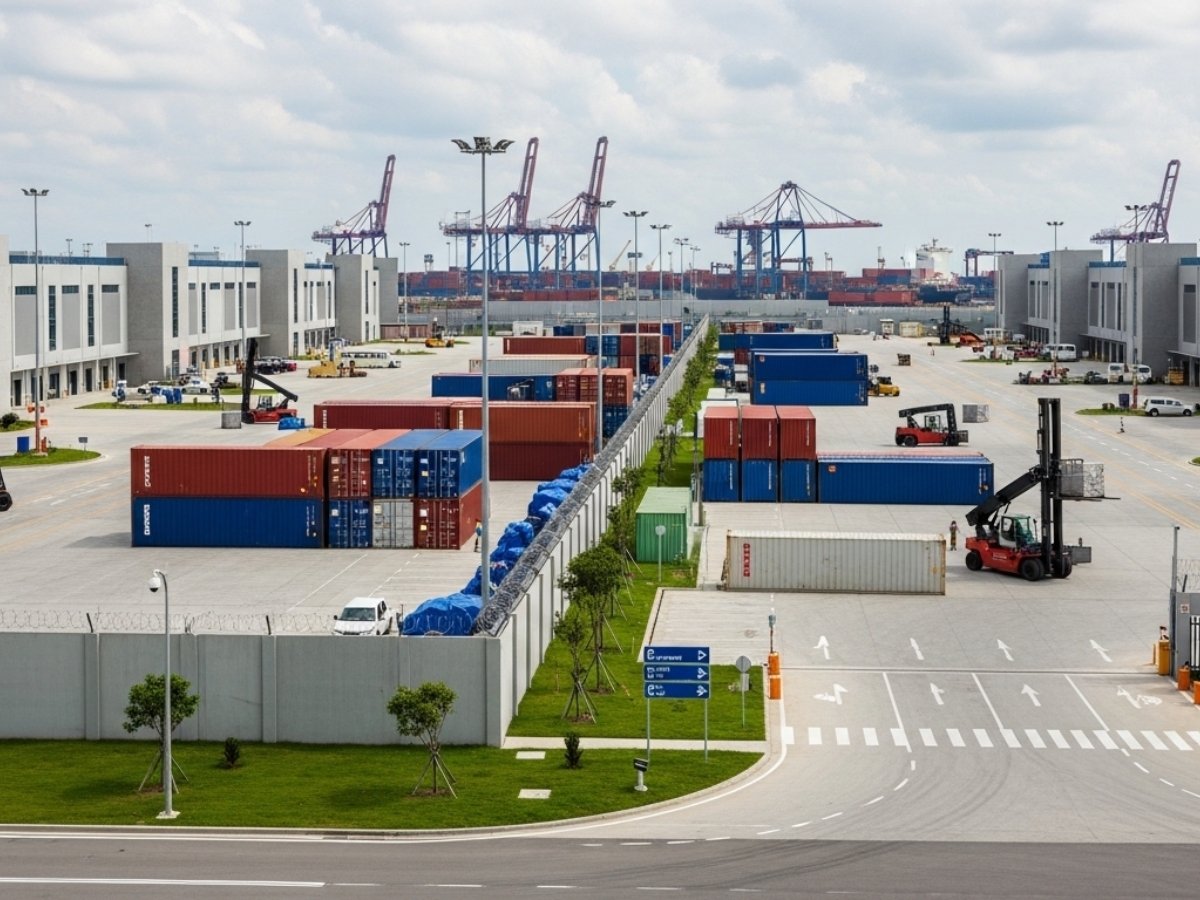
Sai Village stands apart from the rest of the Panvel discussion. It is not just another warehouse pocket. It is a specialised EXIM-linked location.
If your business depends on import-export flow, customs-linked handling, bonded warehousing logic, and proximity to JNPA-linked trade movement, Sai Village is one of the strongest answers in the Panvel region. This is where the FTWZ model matters. It serves businesses that need an entirely different operating framework from ordinary domestic storage.
That also means Sai is not automatically the best answer for everyone. A domestic 3PL or regional distributor may not need FTWZ economics at all.
Pockets that work better for trucking, dispatch, and open yard movement
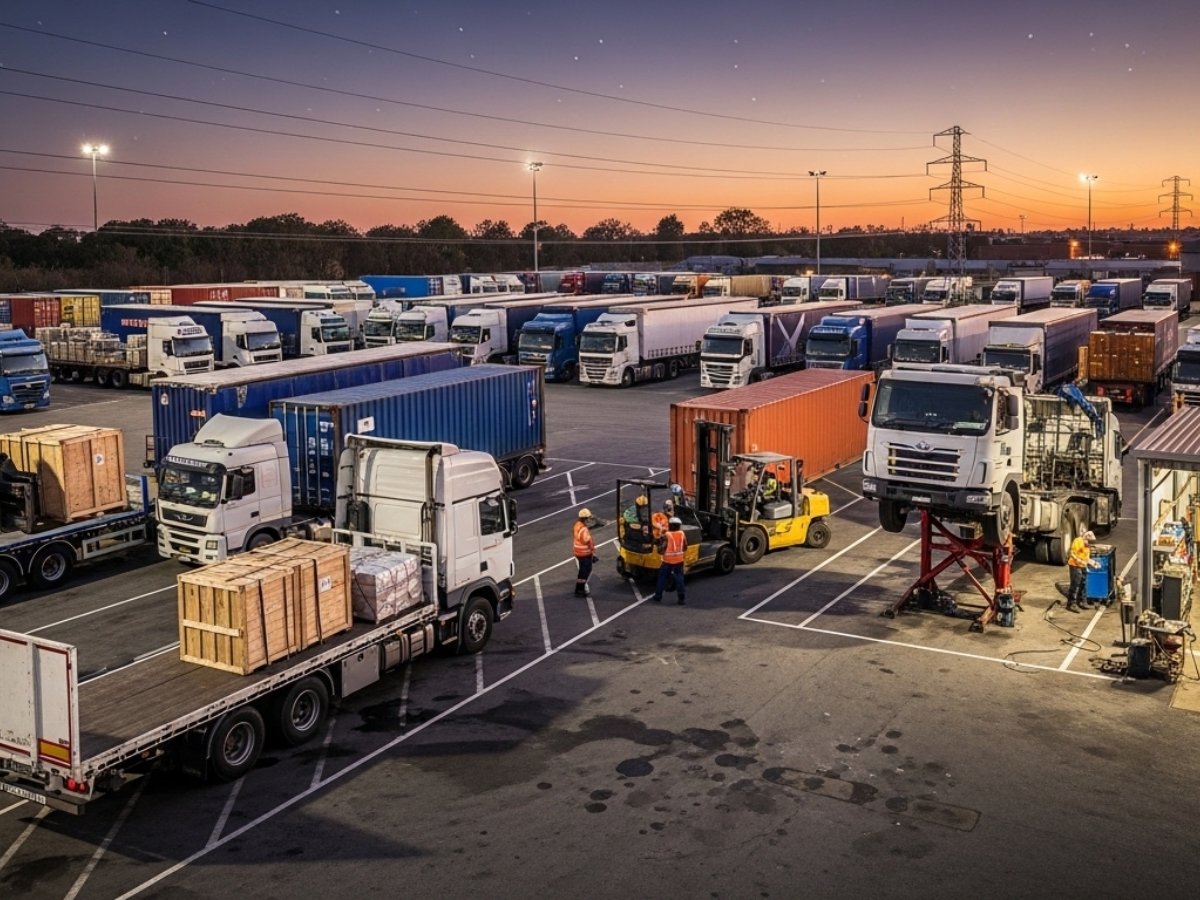
Some operators do not need polished Grade-A warehouse stock. They need open movement, parking, break-bulk handling, fleet support, and a working transport ecosystem. In such cases, function matters more than presentation.
This is where legacy transport-oriented belts still remain relevant. Some Panvel-side pockets work because the local operator ecosystem is already built around truck behaviour, not because the infrastructure looks premium.
Which areas make more sense for industrial units, sheds, and light manufacturing?
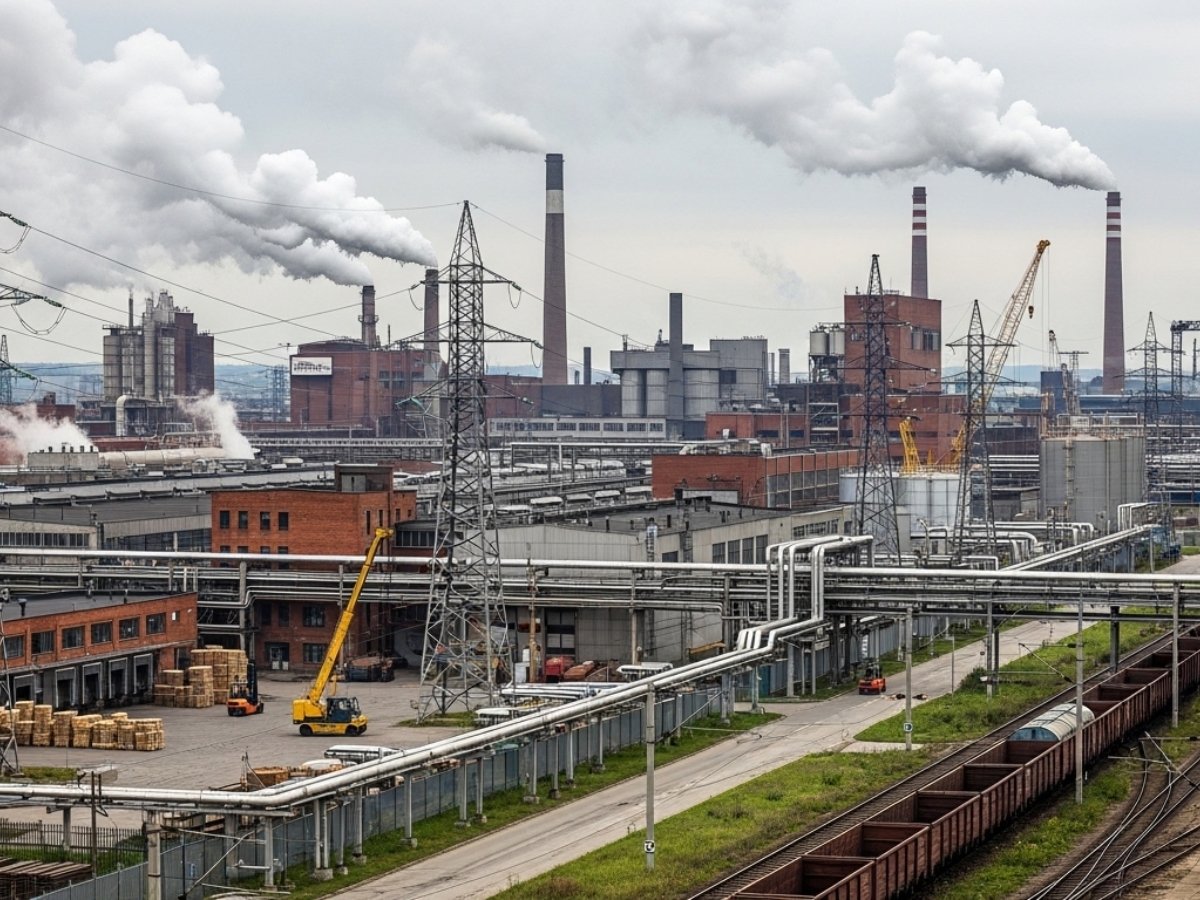
If the business is manufacturing, fabrication, processing, assembly, or any operation that needs industrial compliance and stronger utility support, the logic changes completely.
MIDC-linked or industrially recognised belts
For proper industrial use, Patalganga MIDC and Taloja MIDC are usually more dependable than generic Panvel-side land stories. They have stronger industrial identity, more established regulatory structure, and better logic for users who need manufacturing-compatible land or buildings.
This matters because manufacturing is not just about having a shed. It often needs specific approvals, power support, water, and in some cases pollution-control-related compliance that a pure logistics area may not comfortably support.
Areas better for functional industrial use than for polished logistics stock
Some buyers chase Grade-A-looking warehouse corridors because they feel modern. But if the business is actually light manufacturing or industrial assembly, a functionally strong industrial belt can be a better fit than a cleaner-looking logistics location.
In simple terms, do not buy logistics-style polish when what you need is industrial capability.
Where a buyer may still face execution or compliance friction
Even in industrially useful belts, not every plot or shed is equally easy. Transfer rules, title quality, utility readiness, previous usage history, and local documentation can still create friction.
That is why “MIDC-side” or “industrial area” should not be treated as automatic safety. It is a stronger starting point, not a substitute for due diligence.
Which Panvel areas look attractive on paper but become risky on the ground?
This is the section many buyers need the most.
The Panvel region has a lot of land that sounds exciting in sales pitches. But industrial and logistics use is unforgiving. If access, approvals, or development timing do not match your plan, the site can remain dead capital for years.
Deep speculative stretches
Deep speculative land in outer belts can sound attractive because rates look lower and the area gets tagged with airport, port, or future growth language. But if the logistics user cannot operate there today, the story does not solve the business problem.
Speculative land is only for people who clearly understand long holding periods, slow infrastructure rollout, and low liquidity.
Residential-growth stories sold as logistics opportunities
This is a very common mistake. A location may be part of an airport-influence growth narrative, but that does not make it a logistics-ready zone right now.
Industrial and logistics land needs movement efficiency, horizontal functionality, and regulatory clarity. A place being discussed mainly for future residential or township-style growth can still be a bad logistics choice today.
Locations with weak truck practicality despite cheap rates
A low land rate means very little if the access road is weak, the approach is too tight for trailers, or truck movement gets trapped by restrictions and local choke points.
A logistics site must be judged like an operations manager would judge it, not like a speculative plot investor would judge it.
A special caution on NAINA-linked land
NAINA-related land needs extreme care. The long-term planning story may be real, but many buyers misunderstand the execution reality. One of the biggest traps is assuming that cheap land automatically becomes a ready logistics asset.
The other major issue is the land surrender framework under town planning schemes. In simple terms, a buyer cannot look only at gross land purchased. The actual usable development outcome changes materially after the required surrender for public purposes and growth planning. That changes the whole financial model, especially for horizontal formats like large warehouses, truck courts, and circulation-heavy industrial layouts.
If you want immediate or near-term industrial execution, deep NAINA land is usually the wrong shortcut.
Which area fits which business type?
This is the most useful way to choose.
| Business type | What it usually needs most | Best-fit Panvel-side area |
|---|---|---|
| Importer or exporter | Customs-linked movement, JNPA access, EXIM efficiency | Sai Village FTWZ belt |
| 3PL, e-commerce, FMCG distributor | Grade-A warehousing, dispatch efficiency, highway connectivity | Palaspe-Shedung-Chowk side and selected Taloja-periphery logistics corridors |
| Truck fleet operator or break-bulk handler | Open yards, driver ecosystem, heavy transport behaviour | Kalamboli legacy transport side and highway-touch transport pockets |
| MSME manufacturer or light industrial unit | Industrial zoning, utility support, operational compliance | Patalganga MIDC or Taloja MIDC |
| Long-horizon land investor | Patience, regulatory understanding, infrastructure wait | Select speculative outer belts only with strong caution |
3PL, distribution, and FMCG users
These users usually benefit more from modern warehousing corridors than from legacy transport belts. They need clean layouts, dispatch efficiency, safety compliance, and scalable movement logic.
Heavy transport, open yard, and truck-led operators
For this category, ecosystem matters a lot. Older transport-oriented belts can still work because fleet behaviour, parking logic, mechanics, and support functions are already embedded there.
Light industrial and assembly users
These users should lean toward industrial belts, not generic warehouse corridors. The wrong location can create long-term compliance issues and operational inefficiency.
EXIM-linked operators and customs-sensitive users
This is where Sai clearly becomes a special case. If the business model is genuinely trade-linked, bonded, and port-facing, Sai has a logic most other Panvel-side locations do not.
Should you buy, lease, or wait in these Panvel industrial belts?
The right area is only half the decision. The entry method matters too.
When leasing makes more sense
For most occupiers, leasing is the safer and more flexible option. It protects working capital and allows businesses to match space with actual operational growth rather than locking large capital into land too early.
That is also how major organised operators behave. Large users usually lease high-quality facilities instead of freezing capital in direct land ownership.
When buying land or a shed can be justified
Buying can make sense when the business has stable long-term needs, strong capital backing, and clarity on exact operational requirements. It also makes more sense when the plot or shed has clear legal standing, practical access, and a business model that will not change quickly.
But buying only because “Panvel will grow” is weak logic.
When waiting is smarter than entering early
Sometimes the smartest move is to wait. This is especially true in early-stage land stories where infrastructure, approvals, or route efficiency are still not mature enough to support immediate industrial use.
If the area needs years of road, planning, or market maturation, early entry is not always strategic. It can simply be dead money.
What local checks matter before finalising an industrial or logistics site in Panvel?
A bad local check can destroy an otherwise promising deal.
Access road width, turning radius, and choke points
This is non-negotiable. A trailer must be able to enter, turn, stage, and exit without daily friction. If the route includes narrow internal roads, village bottlenecks, or impossible turns, the location is operationally weak.
Plot title, zoning, MIDC or private status, and permission reality
You must know exactly what you are buying or leasing. Is it MIDC transfer land, private NA industrial land, warehouse-use land, or something else? The answer changes the compliance path completely.
In Raigad-side land matters, local document verification is critical. A proper title search, 7/12 check, and long legal review are not optional.
Utility support such as power, water, drainage, and fire readiness
A site that looks affordable can become expensive very fast if utility readiness is poor. Industrial and logistics users should check power load, water availability, drainage, fire compliance, and whether the building’s actual specifications support the intended use.
Distance is not enough; travel time and truck friction matter
A location may look close on Google Maps and still behave poorly in real freight terms. In the Panvel belt, travel reality is often more important than straight-line proximity.
Panvel vs Kalamboli vs Taloja: when Panvel is the better choice
This comparison should stay simple.
| Area | Best suited for | Practical reality |
|---|---|---|
| Panvel outer belts | FTWZ use, institutional parks, larger future logistics plays | Strong for gateway-led, port-facing, and expanding logistics logic |
| Taloja | Heavy industrial use and some emerging Grade-A logistics relevance | Better for industrial seriousness than for pure marketing story |
| Kalamboli | Legacy transport, steel, trucking, break-bulk ecosystem | Useful but congested, older, and often operationally rough |
Panvel is usually the better choice when the business values gateway logic, JNPA relevance, larger-format logistics direction, or future highway-linked warehousing potential. Taloja is usually stronger when industrial compliance and manufacturing depth matter more. Kalamboli still works when the ecosystem itself is the advantage, even if the area feels older and more congested.
Final verdict: how to choose the best industrial and logistics area in Panvel
If you are an EXIM operator, Sai Village is usually the strongest Panvel-side answer. If you need Grade-A warehousing and highway-led distribution, the Palaspe-Shedung-Chowk direction and selected Taloja-periphery logistics corridors make more practical sense. If you need manufacturing, go where industrial logic is already established, especially Patalganga MIDC and Taloja MIDC.
Panvel is not one single industrial market. It is a set of very different belts, each useful for a different kind of business.
The best choice is not the one with the biggest future story. It is the one that can actually move your goods, support your compliance, and still make sense three years after the transaction.
Conclusion
This topic changes by belt, date, authority, and asset type. So before buying or leasing any industrial or logistics site in the Panvel region, verify zoning, title, access, traffic practicality, and authority-level permissions with a specialised local advocate and on-ground technical team. In this market, small legal or access mistakes do not stay small for long.
FAQs
Frequently Asked Questions