Panvel Land Values, Sheds and Warehouse Trends
Panvel land values, shed demand, and warehouse trends are not moving as one market in 2026. That is the first thing to understand. Ready sheds and compliant warehouses in usable logistics belts are holding stronger because occupiers want immediate operational utility. Raw land is still relevant, but it has become a far more selective play because access, NA conversion cost, planning status, and real truck usability now matter more than broad “Panvel growth” stories.
Panvel Land Values, Sheds and Warehouse Trends: What is the short answer?
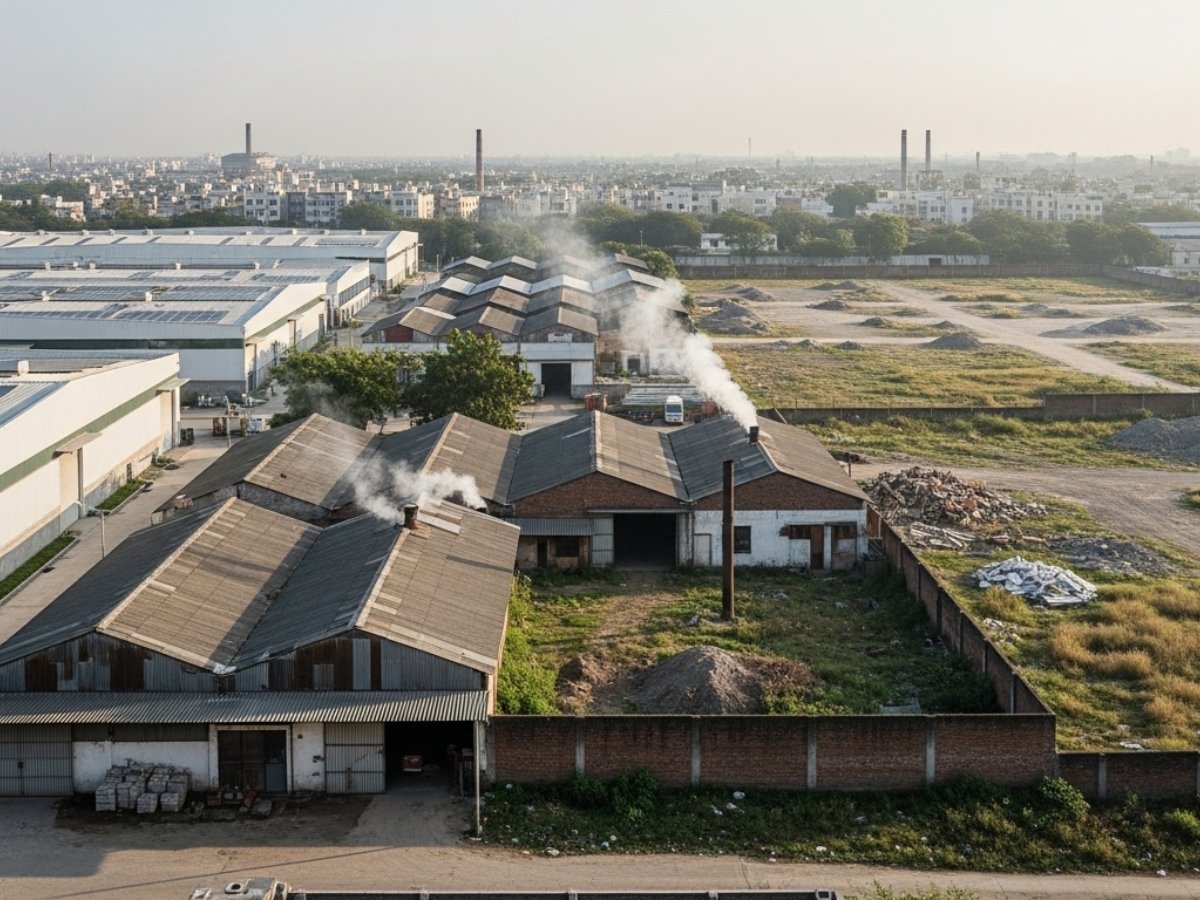
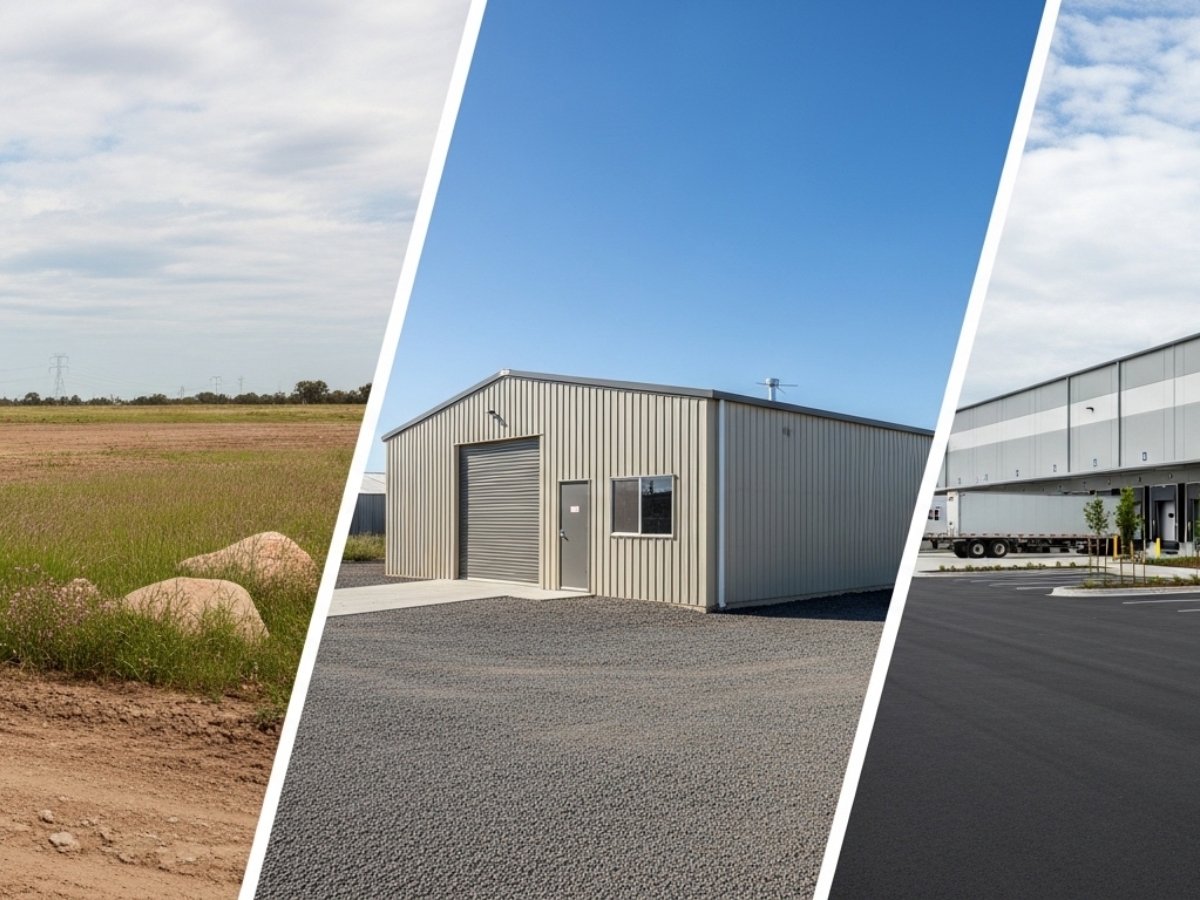
In practical terms, Panvel has become three different markets.
Land is now a selective holding play, not an automatic appreciation story. Sheds are in stronger day-to-day demand because small and mid-sized occupiers need ready space. Warehouses, especially better-grade logistics facilities, are attracting more serious long-term capital because large occupiers are willing to sign longer leases in the Panvel belt than many casual buyers realise.
| Asset type | 2026 market trend | Who it suits best | Main caution |
|---|---|---|---|
| Land | Selective, utility-driven, slower than blind hype | Patient investors, land bankers, future developers | NA conversion cost, planning risk, access risk |
| Ready sheds | Strong local demand, very low functional vacancy in good pockets | MSMEs, distributors, light manufacturers, yield-focused investors | Quality varies sharply from one shed to another |
| Warehouses | Stronger where institutional-quality access and lease structure exist | Large occupiers, 3PLs, long-horizon investors | Not every Panvel-side warehouse deserves Grade A pricing |
A good way to read this market is simple: if the asset can solve an occupier problem today, it is stronger. If it depends mostly on a future story, it needs much more caution.
Why Panvel is not one single industrial or warehouse market
A lot of weak articles make Panvel sound like one flat industrial zone. It is not. The planning authority, road network, flood exposure, and actual occupier use-case change from belt to belt.
The Panvel Municipal Corporation’s Revised and Comprehensive Development Plan 2024–2044 is now a major local authority layer for the merged area, while CIDCO’s NAINA framework still governs large airport-influence land dynamics in its own notified belts. That means the answer changes sharply depending on whether a property sits in a PMC-controlled belt, a NAINA-linked village, or a more established industrial ecosystem near the Taloja side.
Which broad Panvel-side belts behave differently in real market terms?
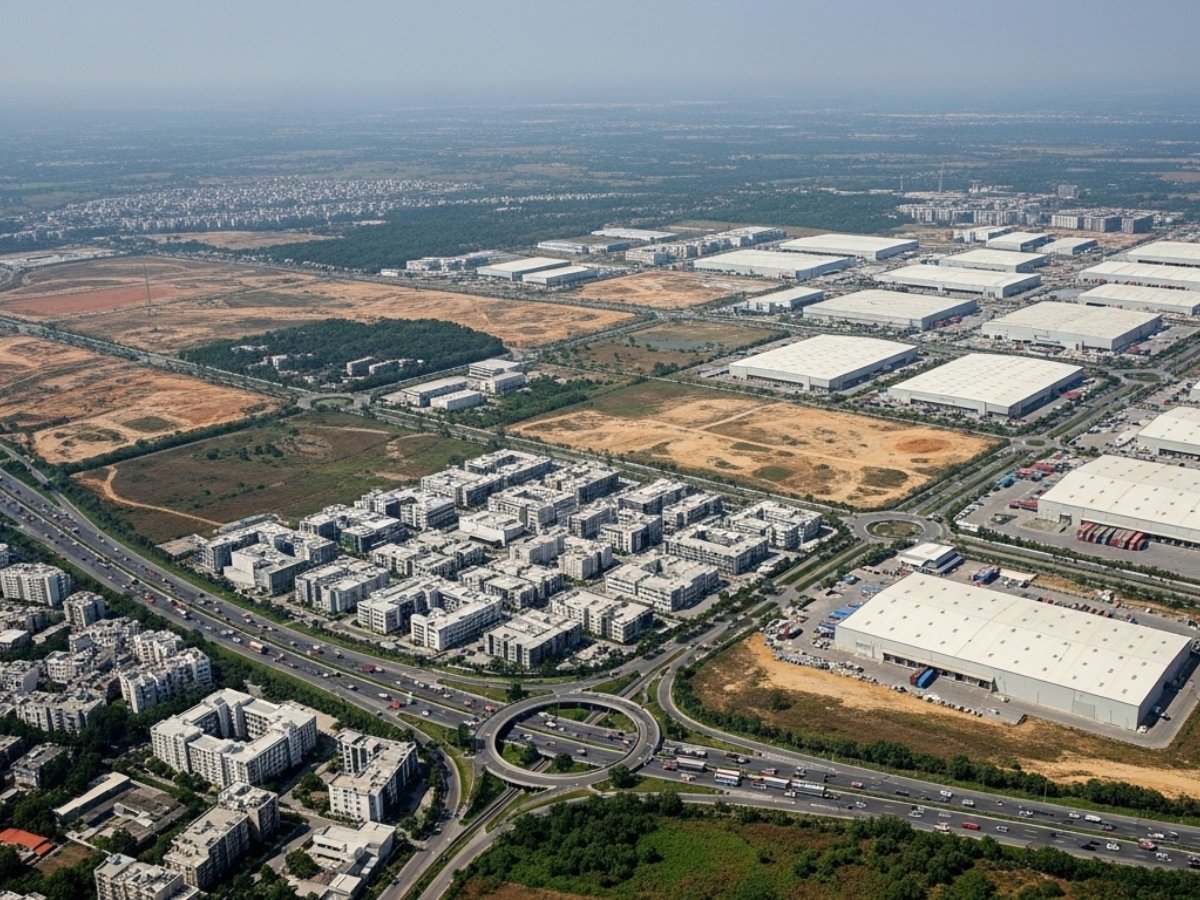
There are three useful buckets.
First, there are highway-linked functional belts such as Palaspe-side pockets where immediate truck movement, frontage, and dispatch practicality drive value. Second, there are larger-box logistics corridors toward belts like Shedung-Chowk where scale and expressway logic become more important. Third, there are deeper speculative land belts where land may look cheaper, but the timeline for true logistics readiness can be much slower.
That difference is not cosmetic. It changes pricing power, tenant depth, and exit liquidity.
Why location quality changes value more than generic Panvel growth stories
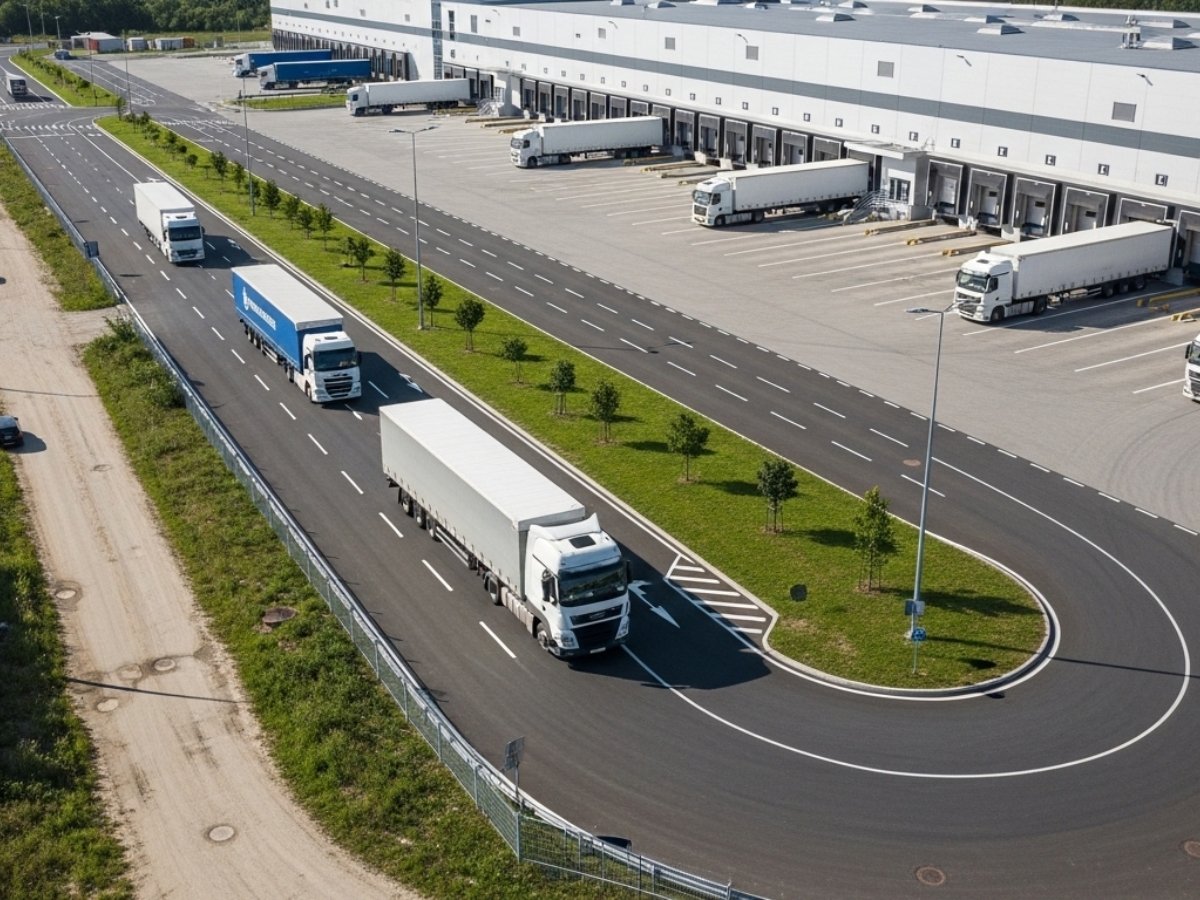
In industrial property, “near airport” or “near highway” means very little if the actual road approach is weak, turning radius is poor, or local congestion kills truck efficiency.
This matters in Panvel because the market is now more execution-driven. The PMC DP, the ongoing NAINA framework, and freight movement realities mean that usable location quality is stronger than narrative quality.
Are land values in Panvel still rising, or has the market become more selective?
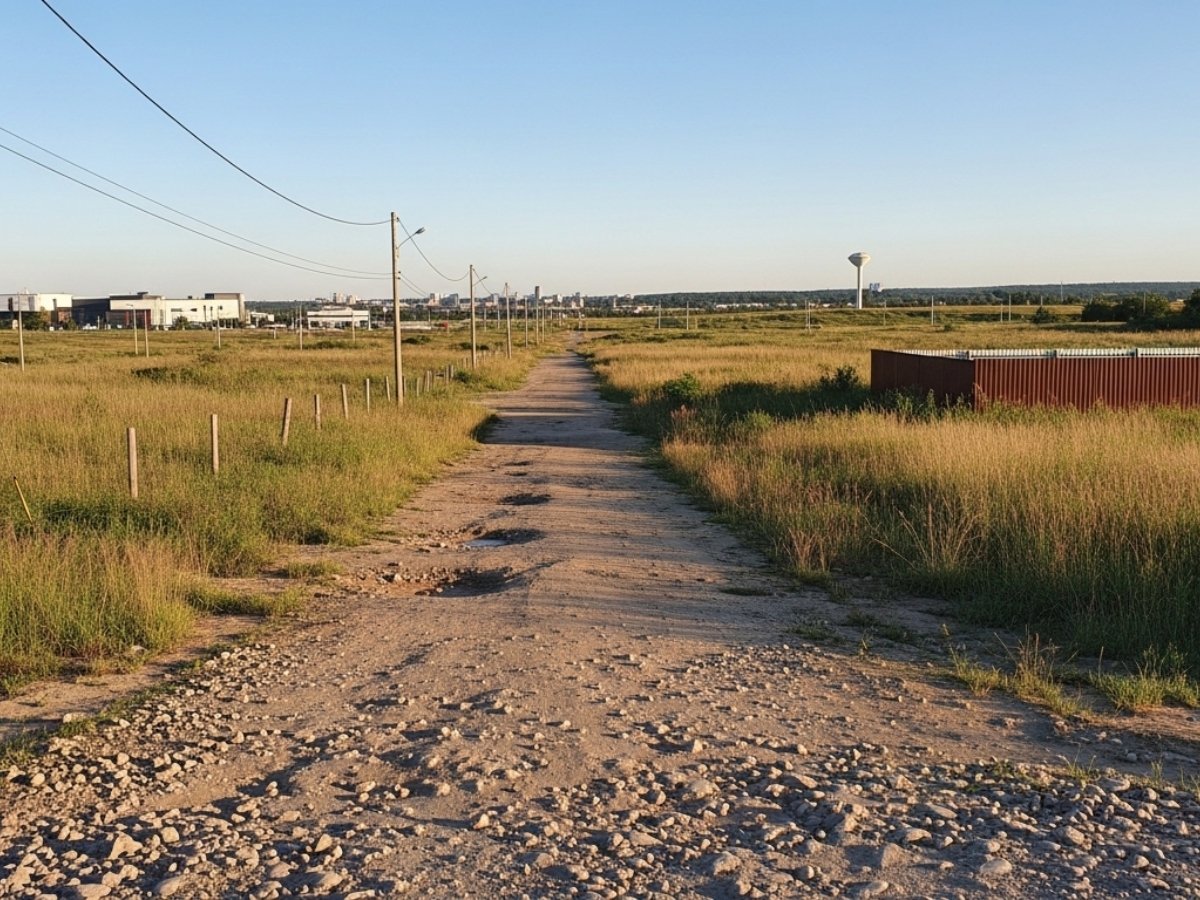
Land is still rising in the better belts, but the market has become much more selective. That is the correct answer.
The easy phase of buying almost any outer-belt parcel and assuming that airport-led appreciation will fix everything is weaker now. Land values are firmer where the plot has real industrial or logistics utility: legal access, better road width, cleaner title, clearer development status, and practical future use. In weaker belts, asking prices may still sound ambitious, but actual liquidity is softer. That gap between quote and transaction is one of the biggest things buyers misunderstand.
What usually pushes land values up in this belt
Land values move faster when the plot is close to serious freight logic, sits in a belt where large-format logistics can actually function, or has a cleaner planning pathway. They also improve when the land is already more usable rather than just theoretically convertible.
The state’s Ready Reckoner remains a valuation baseline for taxation and premium calculation, not a real-time market price. That distinction matters because conversion and compliance costs can materially change viability. Public references for the 2025–26 Ready Reckoner cycle confirm it is still the baseline for valuation and stamp-duty-related calculations.
Where land value looks attractive but is still speculative
Cheap-looking land in deeper belts can become a trap when the buyer underestimates three things: conversion cost, infrastructure timeline, and true transport utility.
This is especially relevant in and around airport-influence planning areas, because CIDCO’s NAINA system is not the same as buying instantly build-ready industrial land. The framework itself is real, and official CIDCO pages continue to show active Town Planning Scheme references, but that does not mean every parcel has equal near-term development readiness.
> Caution: Treat IGR or Ready Reckoner figures only as a taxation and premium anchor. Do not treat them as proof that your exact plot will command that market price in a real industrial transaction.
What is happening to industrial shed demand in Panvel right now?
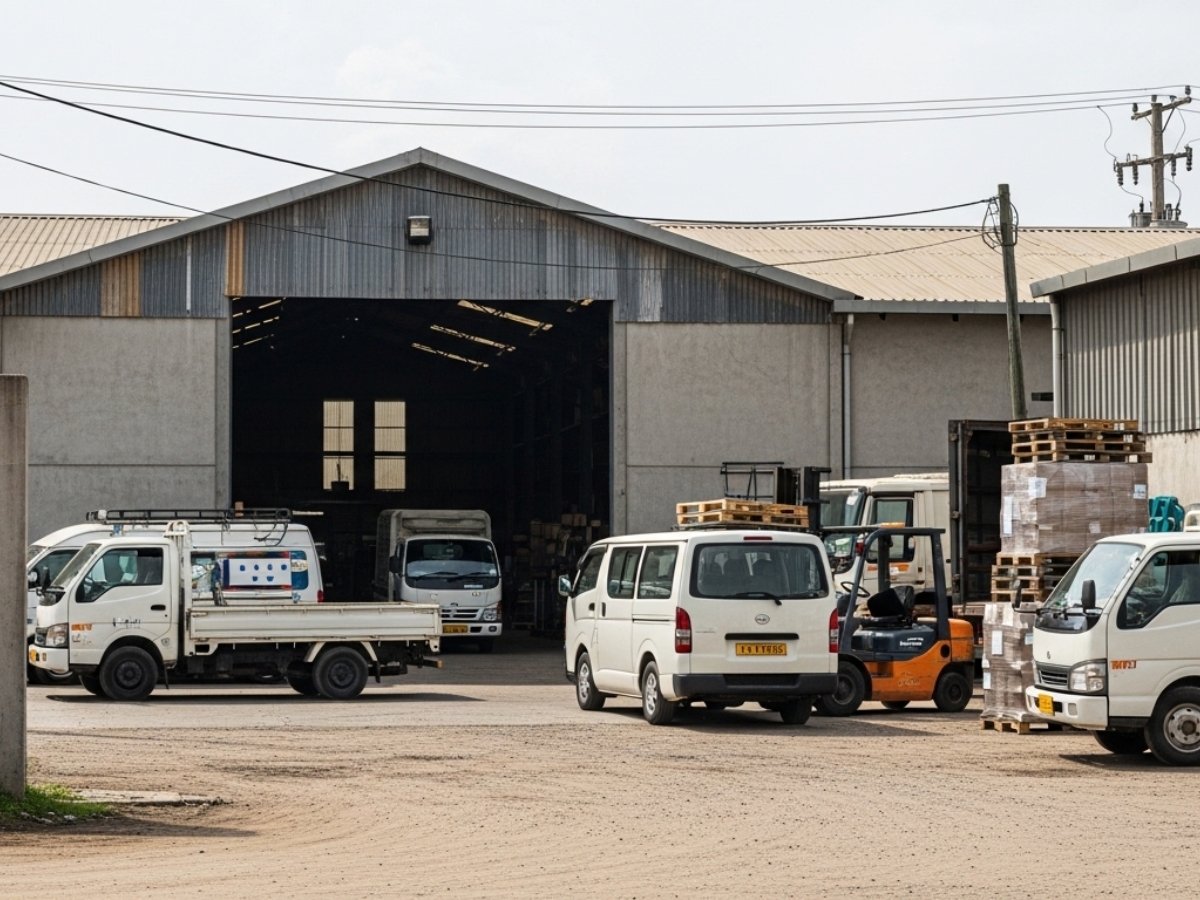
Industrial shed demand is stronger than many casual observers think. The reason is simple: many occupiers do not want to wait for land aggregation, approvals, construction, and fit-outs. They want a ready structure that can start operations faster.
This is why small and mid-sized functional sheds remain important. In Panvel-side markets, a usable shed with decent height, basic power, truck access, and workable flooring behaves very differently from a weak old gala that only looks cheap on paper. The real premium sits in functionality, not in the word “shed” itself.
Which businesses usually prefer ready sheds over land
Light manufacturers, local distributors, auto-linked operators, engineering units, and MSME-type occupiers usually prefer ready sheds over land because time matters. They want to start storage or production, not spend months or years solving land-use friction.
That logic becomes stronger in Panvel because small-bay supply is tighter than broad portal listings suggest. The dossier’s small-bay scarcity framing is consistent with the wider trend of large occupiers taking bigger formal boxes while smaller users compete for limited functional stock. The major leasing data point in Panvel also supports the broader shift toward serious logistics occupation in this belt.
What operational features make one shed command better demand than another
Three things usually matter most: approach quality, usable height, and operational readiness.
A shed with workable clear height, trimix or stronger floor utility, legal loading movement, and reasonable power support will command better demand than a cheaper structure with poor entry and poor truck handling. This is where many buyers make a mistake. They compare only square footage and ignore operating reality.
What is happening to warehouse demand and rents in Panvel-side belts?
Warehouse demand is strongest where the belt supports large-scale logistics operations and where the lease structure itself is bankable.
The clearest proof point is the Adani Logistics sub-lease to Avenue Supermarts in Panvel: 66,250 sq ft, registered in late December 2025, 28-year tenure, six-year lock-in, starting monthly rent of about ₹20.20 lakh, and a 12% escalation every three years. That is roughly ₹30.50 per sq ft per month as a starting benchmark. This is not short-term speculative storage. It is long-horizon supply-chain commitment.
| Warehouse type | Broad 2026 pattern | What supports demand | What weakens value |
|---|---|---|---|
| Better-grade logistics warehouse | Stronger long-term demand | Long leases, usable access, compliance, large occupier fit | Weak last-mile road logic, congestion, shallow tenant pool |
| Basic local warehouse | Still relevant in selective belts | Local distribution, lower cost, practical storage | Poor specs, lower lock-ins, weaker institutional appeal |
Which occupiers are actually driving warehouse take-up
The strongest occupiers are not random short-term tenants. They are larger retailers, 3PL players, organised distribution networks, and operators who need strategic access to the Mumbai–JNPA–hinterland movement pattern.
This is also why Panvel cannot be read only through an airport lens. For heavy logistics and major goods movement, JNPA-side freight logic still matters more than a simple passenger-connectivity story. Recent reporting on JNPA congestion also underlines how freight movement realities remain central to the region’s warehouse economics.
Why bigger warehousing demand does not automatically lift every Panvel property
Because not every property can serve as a serious warehouse asset.
A real warehouse investor is not just buying covered space. They are buying truck movement efficiency, loading viability, fire and safety compliance, long-term tenant confidence, and re-leasing potential. That is why some warehouse stock gets premium attention while nearby stock remains ordinary.
Land vs shed vs warehouse in Panvel: which asset type suits which buyer?
This is where many readers need a straight answer.
If you want immediate yield with moderate scale, ready sheds often make more sense. If you want a long-horizon annuity-style play and can access better-grade stock, warehouses are stronger. If you want land, you should buy it only when you are confident about planning, access, and your patience level.
| Buyer type | Best fit | Why |
|---|---|---|
| Patient land banker | Select land parcels | Upside can be meaningful, but only with compliance and patience |
| MSME investor | Ready shed | Faster leasing, smaller-ticket practicality, stronger local occupier demand |
| Large logistics investor | Warehouse | Better suited for long leases and institutional-grade income |
| Manufacturing user | Shed or industrial-specific land | Depends on power, process, and expansion plan |
| Distributor / supply-chain occupier | Ready warehouse or functional shed | Immediate operational use matters more than narrative |
Which local signals should readers watch before calling this a strong Panvel market?
Do not judge this market only by brochure language. Watch what is actually happening on the ground.
A strong Panvel industrial market should show real road improvement, better freight movement, executed long leases, and occupier confidence. If the story is only based on airport buzz or portal asking rates, that is not enough.
Practical checklist
- Is the road approach truly workable for heavy vehicles?
- Is the belt gaining real occupiers, not just listings?
- Are lease structures improving, not just quote levels?
- Does the planning status support industrial or warehousing use?
- Is the site outside obvious flood-prone or poorly drained trouble pockets?
- Does the area solve an actual logistics problem today?
That last point matters a lot. The PMC DP report itself references the Gadhi River area and flood-management needs, and Panvel’s flood sensitivity is not a theoretical issue. A warehouse in a risky low-lying belt may look cheap until insurance, drainage, and downtime enter the picture.
Which Panvel-side pockets usually make more sense for warehousing, sheds, or land plays?
Pocket logic matters more than city-level hype.
Palaspe-side belts usually make the most sense for immediate dispatch-oriented, highway-linked logistics use, but they also suffer from congestion risk. That means the right property can work very well, but a weak approach road can destroy usability. Recent reporting on JNPA and container-movement congestion supports the broader point that freight friction is still a real cost in this region.
Shedung–Chowk-side belts usually make more sense for larger land plays and bigger-box warehousing logic, especially where scale and expressway access begin to dominate the decision.
Taloja-side industrial fringes remain more relevant where industrial compliance, manufacturing logic, and established ecosystem behavior matter more than pure logistics storytelling.
Deeper interior belts may still suit patient capital, but only when the buyer is honest about time horizon and infrastructure reality.
What usually goes wrong when people read Panvel industrial trends too loosely?
The most common mistake is confusing quote-driven optimism with usable industrial value.
Buyers see “near airport,” “near highway,” or “industrial land” and assume that the answer is obvious. It is not. A plot without practical heavy-vehicle access is not a serious logistics plot. A low-lying belt with flood exposure is not the same as a safer logistics-grade site. A weak shed with poor power and poor loading is not equivalent to a proper operational asset.
Another mistake is assuming all authorities work the same way. They do not. PMC, CIDCO-NAINA, and more established industrial-rule environments can create very different compliance pathways.
Before buying land, a shed, or a warehouse in Panvel, what should you verify locally?
This is the most important practical section of the article.
Check the title first. Then check the authority. Then check the access. Then check flood and drainage. Many buyers do that in the reverse order, or worse, skip half of it.
You should verify whether the property falls under PMC planning logic, CIDCO’s NAINA structure, or another industrial governance context. You should also cross-check whether the plot’s present and proposed land-use status actually supports the use being sold to you. The PMC DP 2024–2044 is directly relevant here for affected belts.
Local due-diligence checklist
- Title clarity and exact jurisdiction
- Existing and proposed land-use status
- Road width, entry geometry, and truck turning radius
- NA status or conversion pathway, where relevant
- Flood-line, drainage, and plinth risk
- Shed or warehouse specification quality
- Lease quality, lock-in, escalation, and tenant profile if buying an income asset
- Whether the rent being quoted is on truly usable area or a dressed-up larger measure
So where does Panvel look strongest right now, and where should buyers stay selective?
Panvel looks strongest today where the asset is already useful.
That means compliant warehouses with serious occupier logic, and functional ready sheds in belts where local businesses can actually operate without daily friction. It also means that the market’s best opportunities are no longer the easiest-looking ones. The safest capital is going into assets that solve supply-chain and operations problems now.
By contrast, buyers should stay much more selective with raw land in deeper or slower-moving belts, especially where planning clarity, NAINA timeline, flood exposure, or real truck usability is still uncertain. Panvel in 2026 is not a blind land-banking market. It is an execution-led industrial and logistics market. The people who will do best here are not the ones chasing the loudest story. They are the ones matching asset type, location, and compliance quality to actual occupier demand.
Conclusion
Panvel land values, sheds and warehouse trends only make sense when read pocket by pocket and asset by asset. Ready sheds and stronger warehouse assets are currently the clearer operational plays. Land is still relevant, but only where compliance, planning clarity, and logistics utility are strong enough to justify the wait.
That is the real local answer: in Panvel, operational readiness now beats generic growth narrative.
FAQs
Frequently Asked Questions