

Best Areas to Live in Seawoods: Which area fits your Budget?
If you are choosing where to live in Seawoods, the answer is not one single “best” sector. For most people, the best pockets usually fall into four buckets: Sector 40 for station-and-mall convenience, Sectors 42 and 44 for balanced family living, Sector 48 for practical value and daily market access, and Sectors 54 to 58 for premium Palm Beach side living. Seawoods works because it combines railway access, mall-led convenience, and Palm Beach Road connectivity, but each pocket behaves very differently on the ground. :contentReference[oaicite:0]{index=0}
Which parts of Seawoods are actually the best to live in?
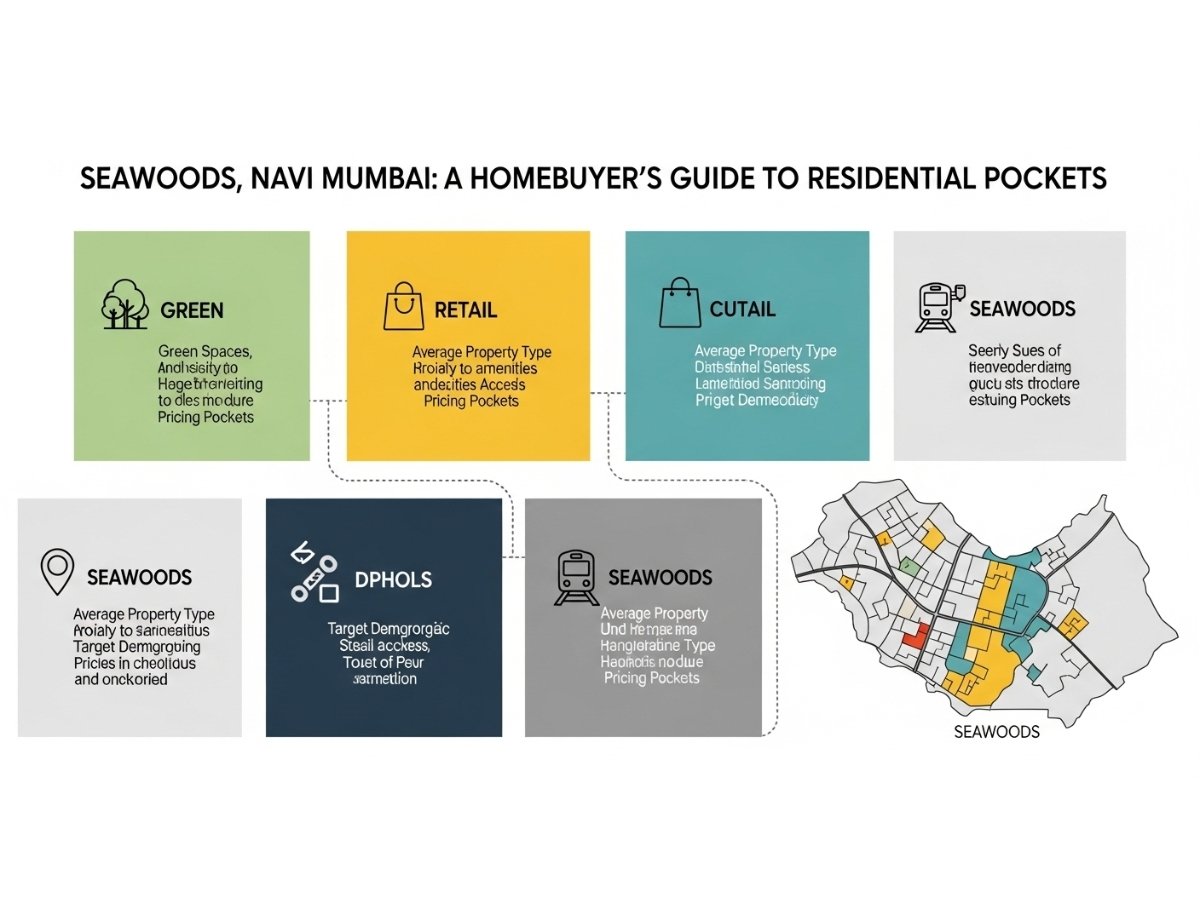
The best areas to live in Seawoods depend on what matters most in your daily life. A railway commuter, a family with children, a senior-citizen household, and a premium buyer looking for a sea-facing tower should not be choosing the same micro-location.
Here is the simple shortlist.
| Seawoods pocket | Best for | Main strength | Main trade-off |
|---|---|---|---|
| Sector 40 | Daily commuters, professionals, convenience-first residents | Walkability to station, Nexus/SGC, offices, retail | Noise, crowding, premium pricing |
| Sectors 42 and 44 | Families, end-users, balanced buyers | Better daily rhythm, schools, D-Mart side convenience, calmer than station core | Older buildings and parking stress in some societies |
| Sector 48 | Value-conscious families, renters, practical living | Market access, bus connectivity, daily errands without much friction | Higher density, footpath congestion, less premium feel |
| Sectors 54, 56, 58 | Premium buyers, large families, private-vehicle users | Palm Beach side openness, township feel, lower density, stronger premium image | Car dependence, higher maintenance, salinity impact, expensive entry |
| Sector 50 | Buyers who want a middle ground between premium and practical | Good residential pull, school access, decent long-term liveability | Not as frictionless as Sector 40, not as exclusive as 54–58 |
So, if someone asks where to live in Seawoods Navi Mumbai, the practical answer is this: choose by life pattern, not by Seawoods branding alone.
How should you divide Seawoods before choosing an area?

Seawoods makes more sense when you stop looking at it as one premium locality and start dividing it into four liveability buckets.
Station-side convenience pockets
This is mainly the Sector 40 side, around the Seawoods-Darave-Karave railway station and Nexus Seawoods / Seawoods Grand Central ecosystem. The station was officially renamed in late 2025, and the integrated transit-plus-retail character remains one of Seawoods’ biggest advantages. :contentReference[oaicite:1]{index=1}
This pocket suits people who want time efficiency more than residential calm.
Palm Beach Road and premium tower side
This is the Sector 54 to 58 belt, especially where Palm Beach Road access, creek-facing openness, township layouts, and lower-density residential planning improve the experience.
This pocket suits buyers who care about space, environment, and status more than station walkability.
Internal family-oriented sectors
This is where Sectors 42, 44, and parts of 50 become very important. These areas usually offer a better balance between convenience and calm. They are not too cut off, but they are also not as chaotic as the station-facing side.
Older-value residential pockets
This is where older CIDCO and early private stock in parts of 40, 42, 44, and 48 still matter. These buildings may not look glamorous, but some of them still work very well for real end-use because of practical layouts, lower loading, and lower maintenance burden.
Which Seawoods pockets are best for people who depend on the railway station every day?

For daily station users, Sector 40 is usually the strongest answer.
The reason is simple. If your routine involves frequent Harbour Line travel, office commuting, or even regular movement toward Thane, Vashi, or Panvel, the time saved by staying near the station is real. Seawoods’ station-linked urban setup is not just a brochure point. The integrated station and retail ecosystem genuinely reduce daily friction. :contentReference[oaicite:2]{index=2}
But this convenience comes with trade-offs. Weekend mall crowds, higher traffic concentration, station movement, and a more transient tenant mix can make the area feel less settled for families who want a quiet neighbourhood culture.
So for station users:
- Best fit: Sector 40
- Second-best fit: parts of Sector 42 if you want near-station access without living inside the most crowded zone
If you rarely use the train, paying a big premium here may not be worth it.
Which parts of Seawoods feel better for premium lifestyle living, not just for the address?
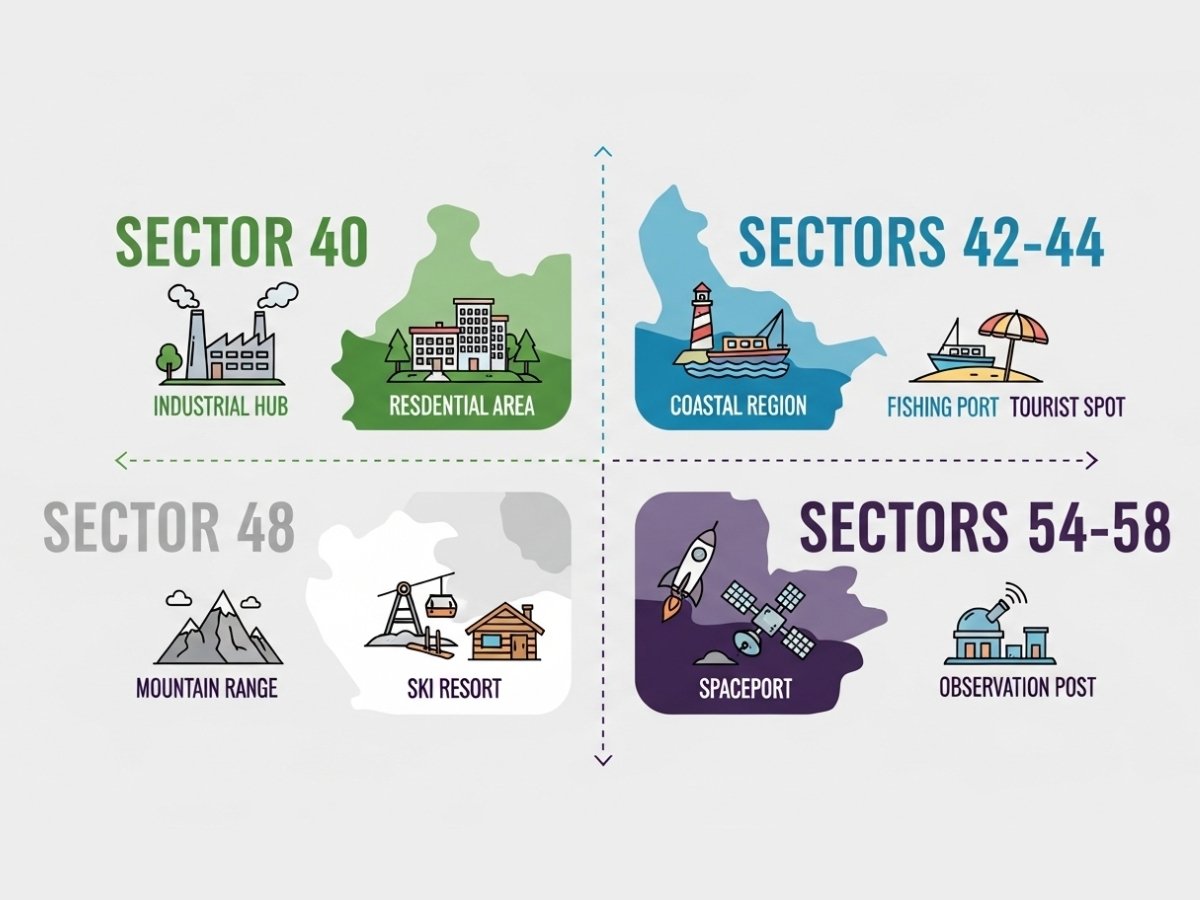
For premium lifestyle living, Sectors 54, 56, and 58 usually make the most sense.
These pockets benefit from the wider Palm Beach Road image, township-style planning in select projects, better openness, and a more insulated residential feel. They are far better for someone who wants broader roads, cleaner visual character, larger gated communities, and a quieter evening environment than what the station side offers.
This is also where Seawoods feels less like a transit hub and more like a premium residential node.
Still, this is where many buyers make a mistake.
> Caution: Palm Beach side living is worth the premium only if you will actually use what it gives you: better environment, larger gated layouts, quieter internal movement, and road-based mobility. If your life is train-dependent, errand-heavy, or budget-sensitive, this premium can become cosmetic rather than practical.
Another reality is maintenance. Salty coastal air and humidity are not small issues in these belts. In sea-facing or Palm Beach side buildings, car bodies, AC outdoor units, external metalwork, and exposed fittings can age faster than in more internal sectors. That does not make the area bad. It just means premium living here has a real upkeep cost.
Which areas make more sense for families who want quieter daily life?
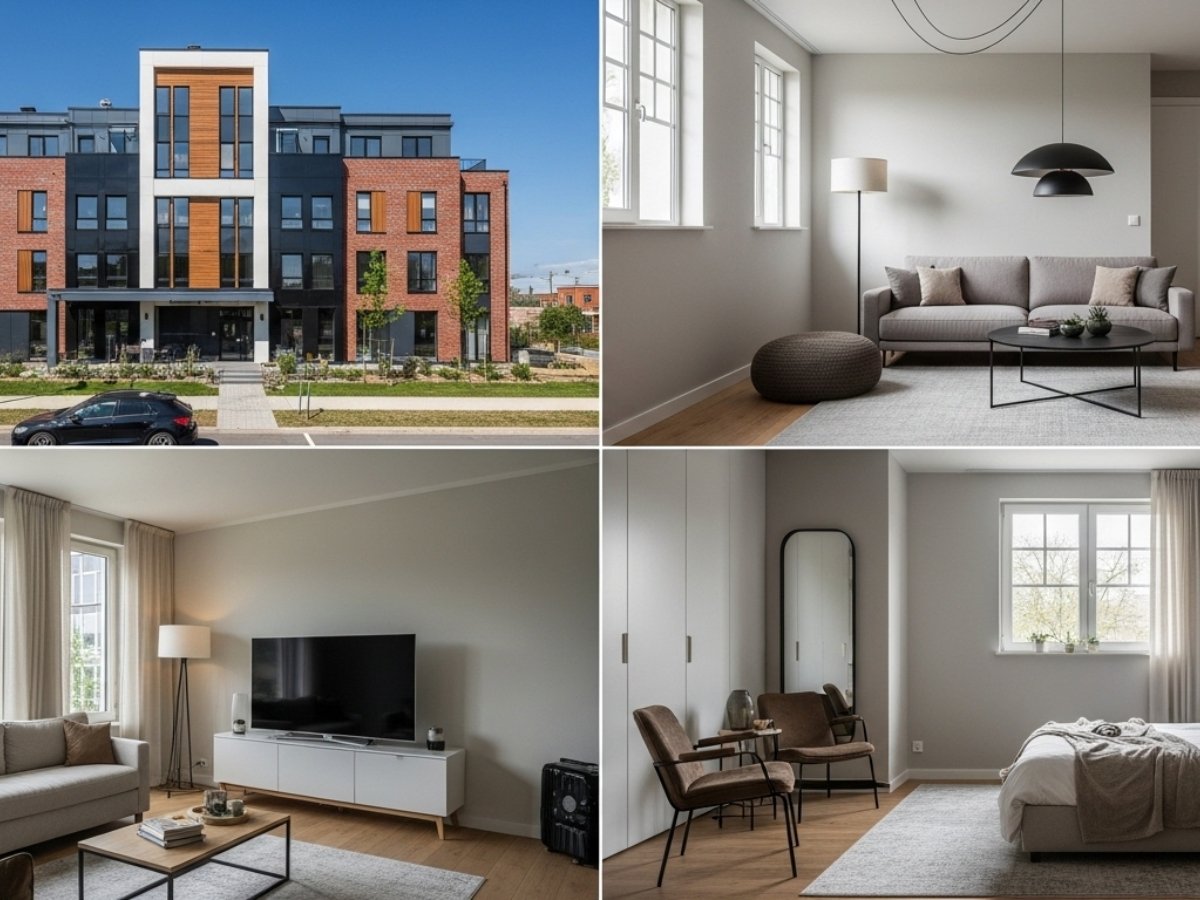
For family living, Sectors 42 and 44 are usually the safest and most balanced answer.
These pockets work because they sit in the middle of Seawoods’ ecosystem. They are close enough to useful infrastructure like schools, daily retail, and mall access, but not as exposed to station-side intensity. That matters more than many buyers realise.
Pockets that balance convenience and calm
Families generally need four things at once:
- manageable daily errands
- children’s movement and school convenience
- a calmer internal road environment
- a society culture that feels lived-in, not purely transactional
That is why Sector 42 and Sector 44 often feel stronger for self-use than more glamorous addresses.
Where older societies still work well for end users
Older societies in these sectors are not automatically inferior. In many cases, they still make sense because room sizes are more usable, maintenance is lower, and the locality rhythm feels more stable.
Yes, parking can be a problem. Yes, lifts, plumbing, waterproofing, and society upkeep vary sharply. But for a family that values functionality over image, some older buildings in these sectors still beat newer towers that are priced far higher.
Are older Seawoods sectors still good to live in, or should buyers focus only on newer towers?
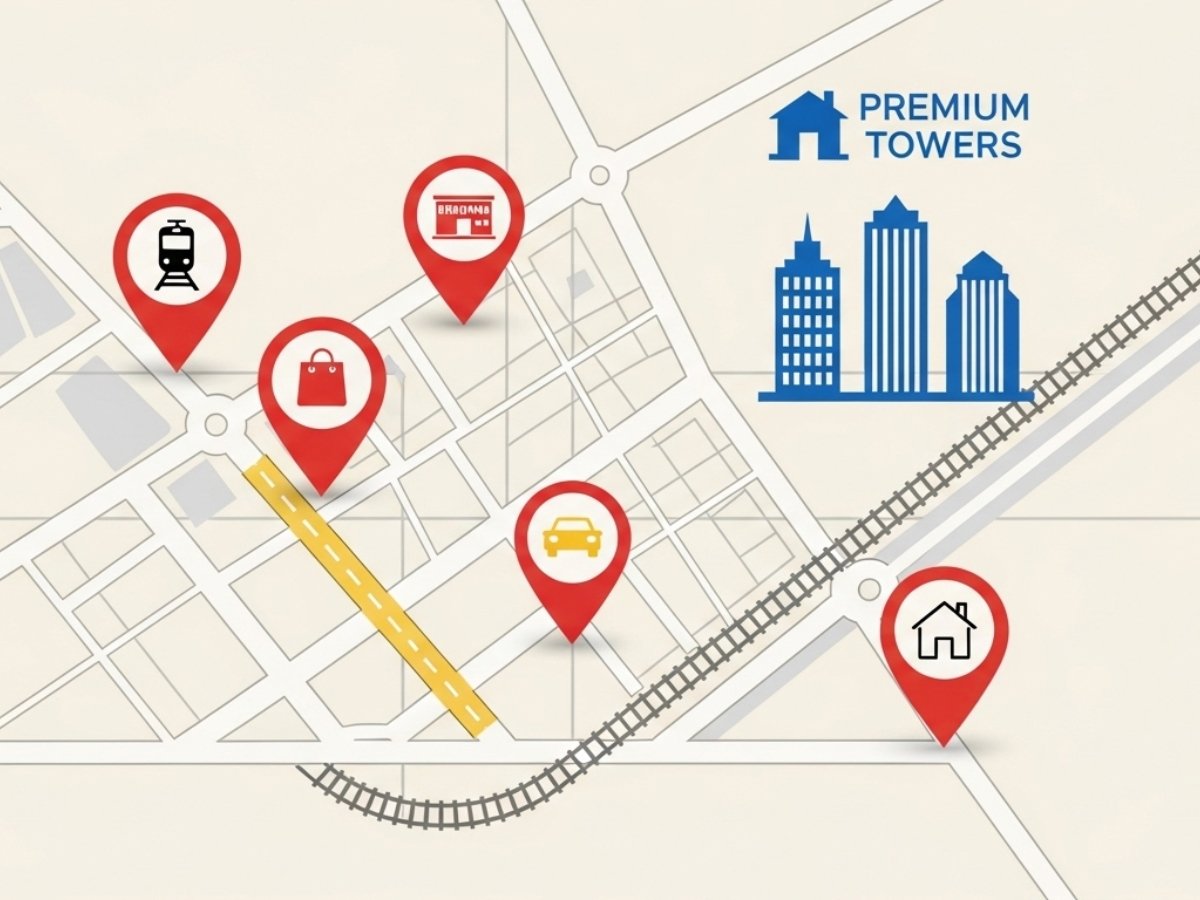
Older Seawoods sectors are still good to live in if the building itself is right. The real question is not old versus new. The real question is functional old versus overpriced new.
| Factor | Older CIDCO / early private stock | New private towers |
|---|---|---|
| Usable room sizes | Usually better | Often lower carpet efficiency |
| Maintenance cost | Usually lower | Usually much higher |
| Parking | Often weak | Usually better planned |
| Immediate repair risk | Higher | Lower in the first few years |
| Amenities | Basic | Strong clubhouse / security / podium features |
| Entry price | More accessible | Premium-heavy |
| End-use practicality | Can be strong | Strong if budget allows |
This is why Seawoods old vs new societies should never be judged by façade alone.
An older flat in Sector 42 or 44 can still be a smart choice for an end-user if:
- the society is structurally maintained
- parking is manageable
- lift and water systems are working properly
- the internal road feel is good
- the resale papers are clean
A new tower makes more sense if you need modern parking, better backup systems, premium common areas, or lower short-term repair headaches.
Which Seawoods areas make more sense if you are renting, not buying?
If you are renting, the best Seawoods pocket depends on whether you want convenience, family practicality, or premium lifestyle.
For many tenants, Sector 40 and nearby station-oriented pockets make the most sense because they reduce daily movement cost. Young professionals and households who value walkability usually prefer this side.
For family tenants, Sectors 42, 44, and parts of 48 often make more financial sense. You may give up some glamour, but you get a more grounded residential environment.
A simple renter example: someone working in Belapur or using the Harbour Line daily may be better off paying a bit more in Sector 40 and saving time every day. But a family that uses school, grocery, tuition, and local routines more than the station may find Sector 44 far more practical.
Which pockets are overrated unless your budget and lifestyle actually justify them?
The most overrated choices in Seawoods are usually the ones bought for image, not fit.
That includes:
- paying top money near the station even when you rarely use rail
- choosing Palm Beach side only for prestige while your routine is still convenience-heavy
- rejecting all older buildings just because they are not tower-format
- assuming mall proximity automatically means better living
> Another caution worth remembering: A famous Seawoods address does not guarantee a better daily life. In some cases, an internal older society with a stable community, decent layout, and workable parking will feel more liveable than a flashy tower in the wrong pocket.
This is where many outstation buyers and NRI buyers get misled. They know the Seawoods brand. They do not always know the internal sector logic.
How does Seawoods compare with nearby options like Nerul and Belapur for living?
Seawoods is strong, but it is not automatically the right answer over Nerul or Belapur.
| Node | Best known for | Better for | Not ideal for |
|---|---|---|---|
| Seawoods | Finished convenience + premium residential image | Buyers wanting mall access, station access, Palm Beach access, strong overall liveability | Buyers seeking cheapest entry or old-node value alone |
| Nerul | Broader value range and older established belts | Families wanting practical layouts and wider choice | People who specifically want Seawoods’ polished ecosystem |
| Belapur | Administrative and business proximity | Professionals tied to CBD Belapur side | People prioritising Seawoods-style residential polish |
So, Seawoods vs Nerul for living usually comes down to this: Seawoods feels more polished and ecosystem-driven; Nerul often gives more range and value. Belapur becomes stronger if your life is tied closely to the CBD side.
What should you verify before choosing a building or sector in Seawoods?
This step matters more than the sector name.
Building age, lift, parking, and maintenance reality
In older Seawoods societies, you need to physically inspect:
- lift condition
- terrace and wall seepage signs
- plumbing and electrical wear
- parking availability, not just promised parking
- compound drainage during monsoon
- society maintenance discipline
Sector choice alone cannot protect you from a badly run building.
Society condition and internal road feel
Visit in the evening, not only in daylight. Check:
- internal road width
- parked-vehicle pressure
- street lighting
- ground-floor dampness
- pedestrian movement comfort
- whether the society feels active or deserted
This becomes especially important in older pockets and in quieter premium belts where internal service roads can feel emptier at night.
MahaRERA, resale papers, and authority-side basics where relevant
For newer projects, use the official MahaRERA portal to verify registration details, declared timelines, and project disclosures. For resale in older Seawoods societies, focus more on chain of title, society papers, share certificate where applicable, municipal dues, and any authority-side or leasehold-linked clarity relevant to the property. :contentReference[oaicite:3]{index=3}
Do not turn this into a theory exercise. Just verify the documents that actually affect possession, ownership comfort, and future resale.
Conclusion
The best area to live in Seawoods depends on what you need every day, not what looks best on a brochure.
- Choose Sector 40 if station access, mall convenience, and time-saving matter most.
- Choose Sectors 42 and 44 if you want the strongest family balance in Seawoods.
- Choose Sector 48 if practical value and daily market convenience matter more than polish.
- Choose Sectors 54, 56, or 58 if you want premium Palm Beach side living and your budget comfortably supports it.
- Choose older stock only after building-level due diligence, not by age prejudice.
In simple terms, Seawoods is one of Navi Mumbai’s best residential nodes, but the right pocket is different for a commuter, a family, a renter, and a premium buyer. That is exactly why micro-location matters more here than the Seawoods name alone.
FAQs
Frequently Asked Questions