

10 Common Mistakes Interior Designers makes in Navi Mumbai
Running an interior design studio takes more than good design skills. Unclear approvals, delayed material orders, inconsistent client communication and weak project documentation can turn promising assignments into stressful ones. These are among the common mistakes interior designers in Navi Mumbai should watch for.
For professionals handling apartment renovations across Kharghar, Nerul, Vashi and surrounding areas, even practical details such as society access and site supervision deserve attention. Here are ten avoidable mistakes and practical ways to address them without overcomplicating daily work.
Studio Management and Client Trust
1. Treating the Studio Like a Storage Space

Scattered samples and unfinished displays can make client discussions difficult. Label finishes and organise the meeting area. A dedicated showroom is not essential: home-based designers can present an organised sample kit and a clear digital portfolio instead.
2. Starting Projects Without Standard Processes

When approvals exist only in WhatsApp chats or memory, misunderstandings become more likely. Use a client brief, itemised bill of quantities (BOQ) and milestone tracker. Record design changes in writing so both parties know what was agreed.
3. Assigning Client Responsibilities Without Proper Training

Junior team members may be asked to communicate deadlines or approve changes without clear authority. Explain who can confirm costs, timelines and specifications. Provide client-handling guidance and an escalation contact for shared residential sites.
4. Maintaining an Inconsistent Business Identity

An outdated Google listing, different studio names on Instagram and a neglected portfolio can confuse prospective clients. Keep contact details, project photographs and service descriptions consistent. Professional presentation should match the experience clients receive offline.
Project Planning and Execution Mistakes
5. Planning Material Procurement Too Late

Waiting until installation week to check availability can disrupt the schedule. Once designs and relevant specifications are approved, identify long-lead materials, confirm vendor timelines and plan deliveries. Check building access before scheduling deliveries.
6. Using Drawings Without Sufficient Client Visualization
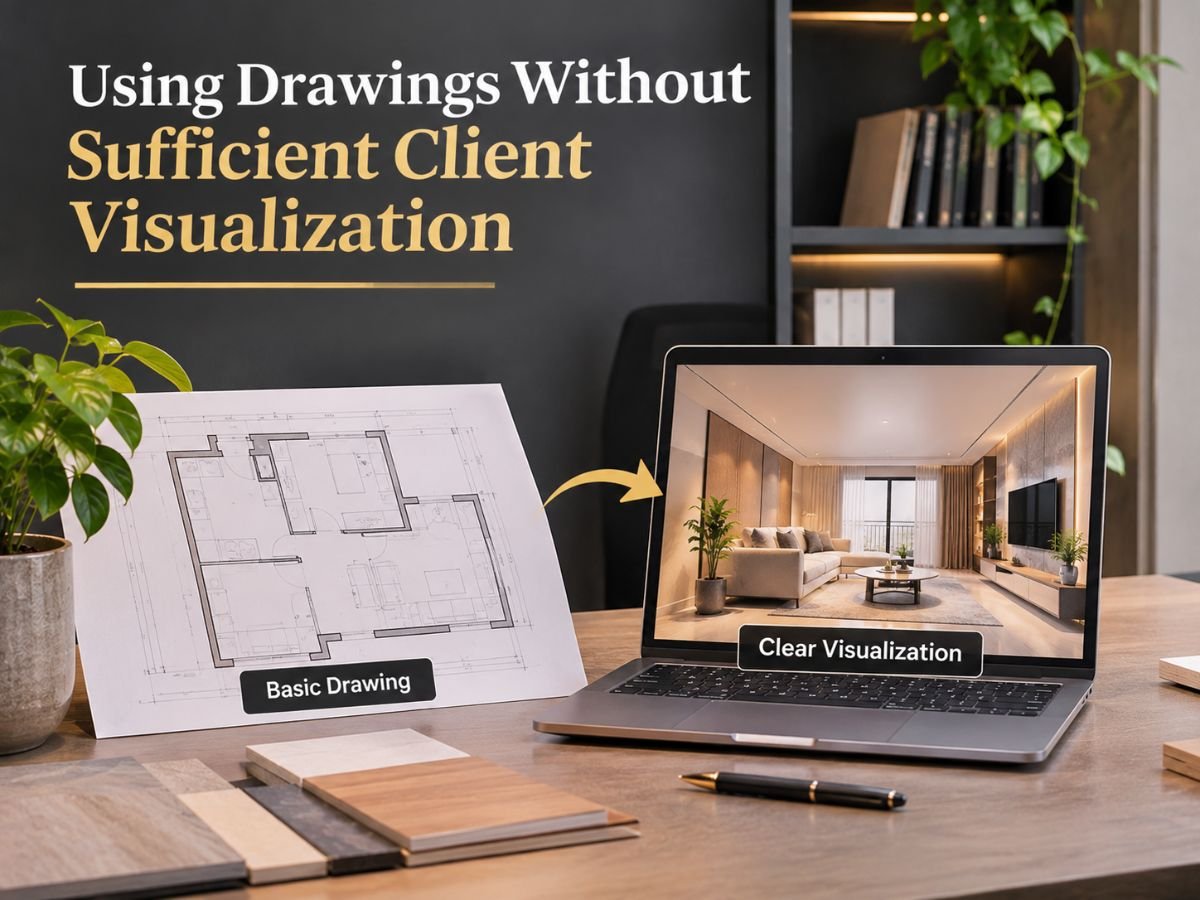
A technical 2D drawing may be accurate but difficult for a homeowner to imagine. Keep detailed working drawings for execution, while using labelled elevations, material samples or simple 3D views to explain key choices. Get written approval for changes.
7. Failing to Document Completed Projects

A finished room photograph rarely explains what the designer actually solved. With homeowner permission, capture before-and-after views, note the brief and describe the solution. Even a short case study can explain the design decisions.
Marketing and Business Visibility Mistakes
8. Depending Entirely on Client Referrals

Recommendations from previous clients are valuable, but their timing is unpredictable. Keep referral relationships strong while making the studio easier to discover independently. An updated profile and clear project descriptions support discovery.
9. Overlooking Relevant Local Search Content

A generic service page may not answer a homeowner’s specific questions. For projects in Kamothe or Seawoods, explain the actual constraints and results. Avoid creating nearly identical locality pages with only the area name changed.
10. Not Collecting and Showcasing Genuine Client Feedback

Satisfied clients may not think to share feedback publicly. After handover, politely request an honest review and respond professionally to what they write. Google’s [review guidance](https://support.google.com/business/answer/3474122) prohibits incentives for reviews. Get consent before publishing videos or home photographs.
What Makes These Challenges Relevant to Navi Mumbai?
Apartment projects may involve society-specific work hours, lift bookings, material movement rules and limited on-site storage. Requirements differ by building, so confirm them before finalising schedules. A delivery slot or building permission missed early can affect several trades later. Designers overseeing sites across Vashi, Kharghar or Panvel should also allow for travel and supervision time rather than applying one standard timeline everywhere.
Quick Self-Audit Checklist for Interior Design Studios
Before accepting the next project, ask:
- Is the scope, BOQ and approval process documented?
- Are material lead times and site-access rules checked?
- Does the client know whom to contact?
- Are completed projects recorded with permission?
- Is business information accurate across platforms?
Conclusion
Better studio management does not require a bigger office or a larger marketing budget. Clear documentation, realistic procurement plans, thoughtful client communication and honest project evidence can make work more dependable. For Navi Mumbai interior designers, reviewing these everyday habits is a practical place to start.
Frequently Asked Questions
1. What are the most common business mistakes interior designers make in Navi Mumbai?
2. How can small interior design studios compete with established brands?
3. What documents should interior designers prepare before starting a project?
4. How can interior designers avoid project delays?
5. Does a small interior design studio need a professional website?
6. How can interior designers build trust with first-time clients?
7. How should interior designers handle client revisions after approval?
Share Your Experience as a Navi Mumbai Interior Designer
Which of these challenges do you encounter most often? I Love Navi Mumbai welcomes practical perspectives from local design professionals, including mistakes we may have missed. Share your experience to help make future industry coverage more useful.