

Introduction
A homeowner renovating a kitchen in Kharghar might start with Google, discover a studio on Instagram, check its reviews and then enquire. Another may receive a referral but still research the business online.
Homeowners find interior designers in Navi Mumbai through Google Search, Maps, referrals, social media and project portfolios. They compare completed work, services, reviews and communication before shortlisting studios. Understanding this journey helps designers present useful information wherever potential clients first encounter their business, whether through a recommendation or an online search.
1. How Homeowners Research Interior Designers Before Contacting Them
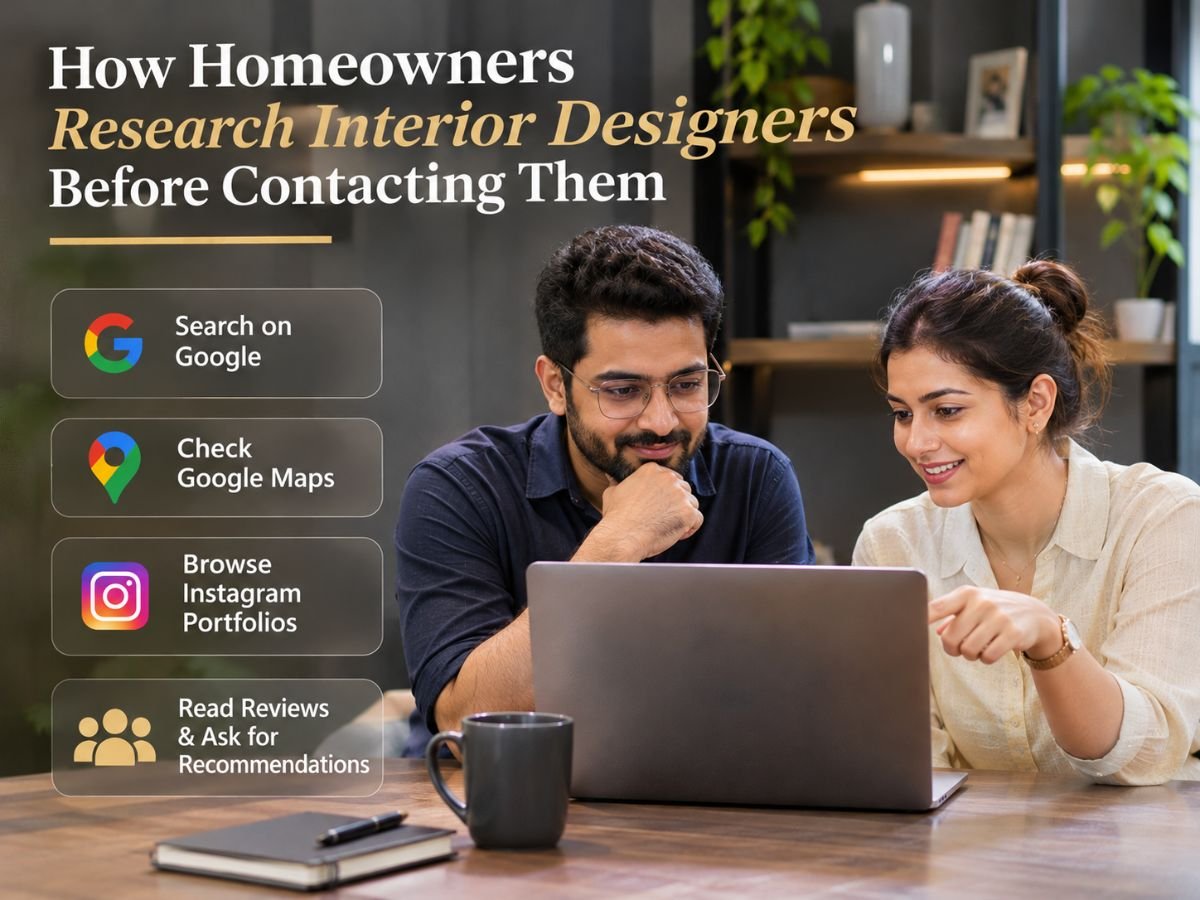
A search for “interior designers near me” can lead to Maps listings, websites and social profiles. Referrals also enter this comparison process.
Homeowners check for similar completed projects, credible reviews and accessible contact details. Missing information can stop an enquiry before a conversation begins, even when the work looks promising.
2. Do Interior Designers Still Need a Professional Website in 2026?
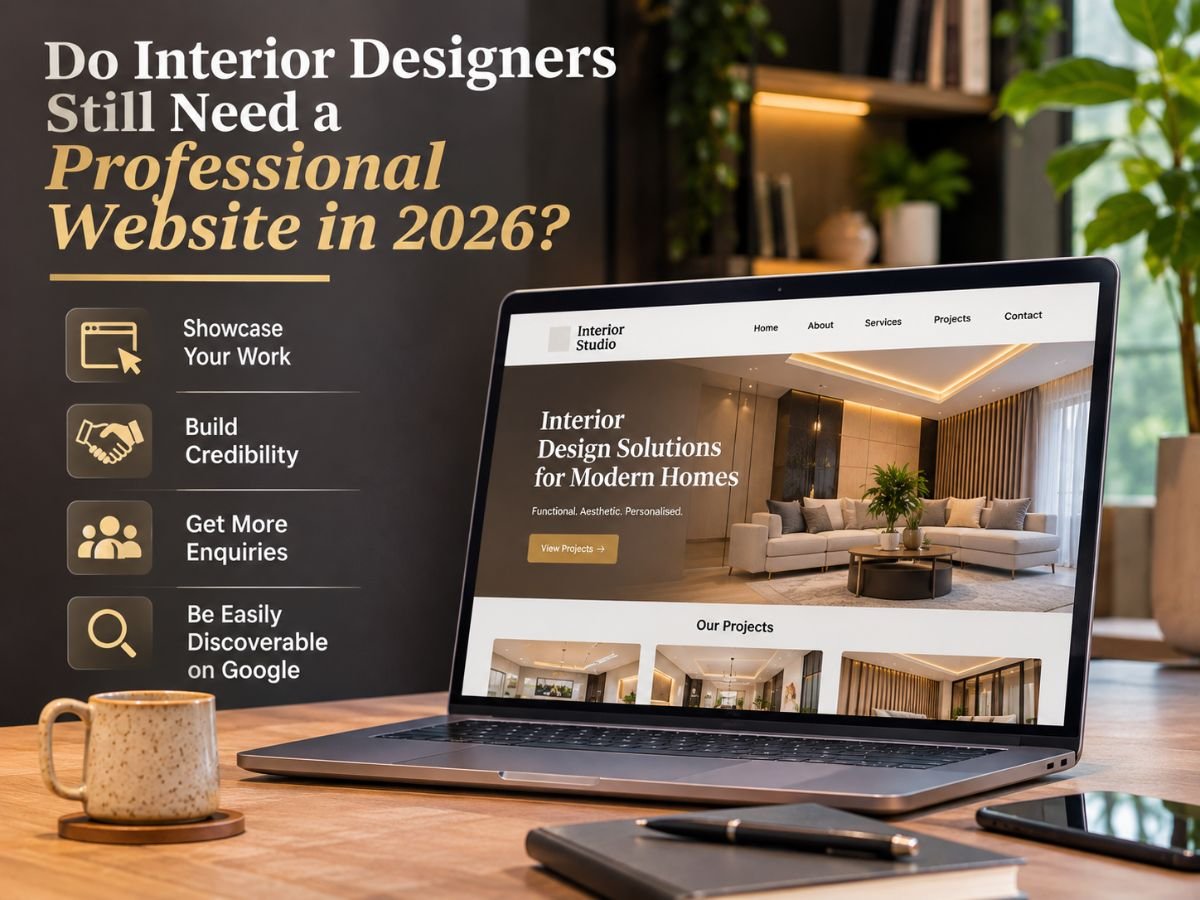
A website brings services, projects, working areas and enquiry details together. Homeowners can explore the business without searching through social posts.
Some smaller studios succeed through referrals or Instagram alone. A website is not compulsory, but it can make evaluating a studio simpler and provide a consistent reference for potential clients.
3. Instagram vs Website: What Builds More Trust?
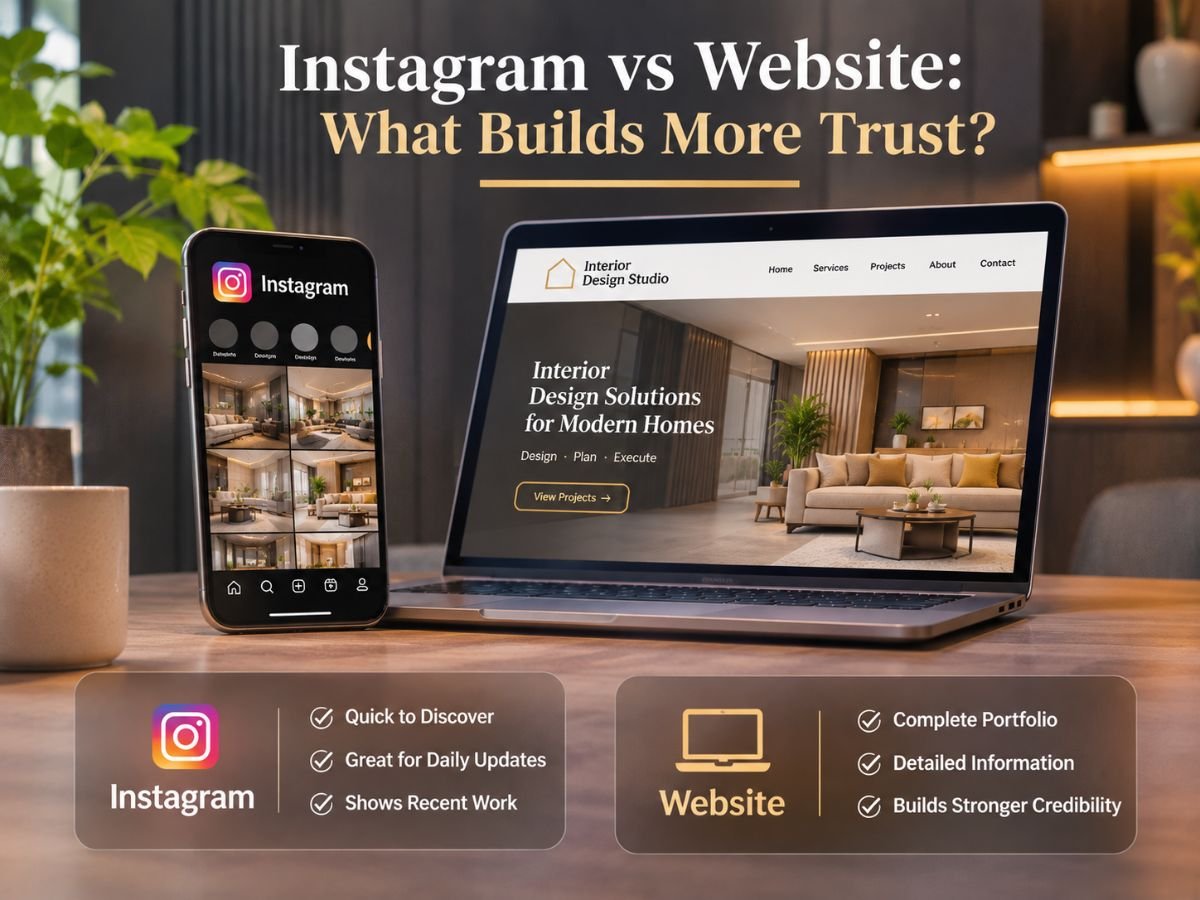
Instagram helps homeowners discover styles and see recent work. A website can explain services, project scope and how consultations begin.
Neither proves quality by itself. When both present consistent details and genuine completed projects, homeowners can make a more informed comparison before deciding whom to contact.
4. How Should Studios Showcase Completed Projects Online?
What a Useful Project Portfolio Should Show
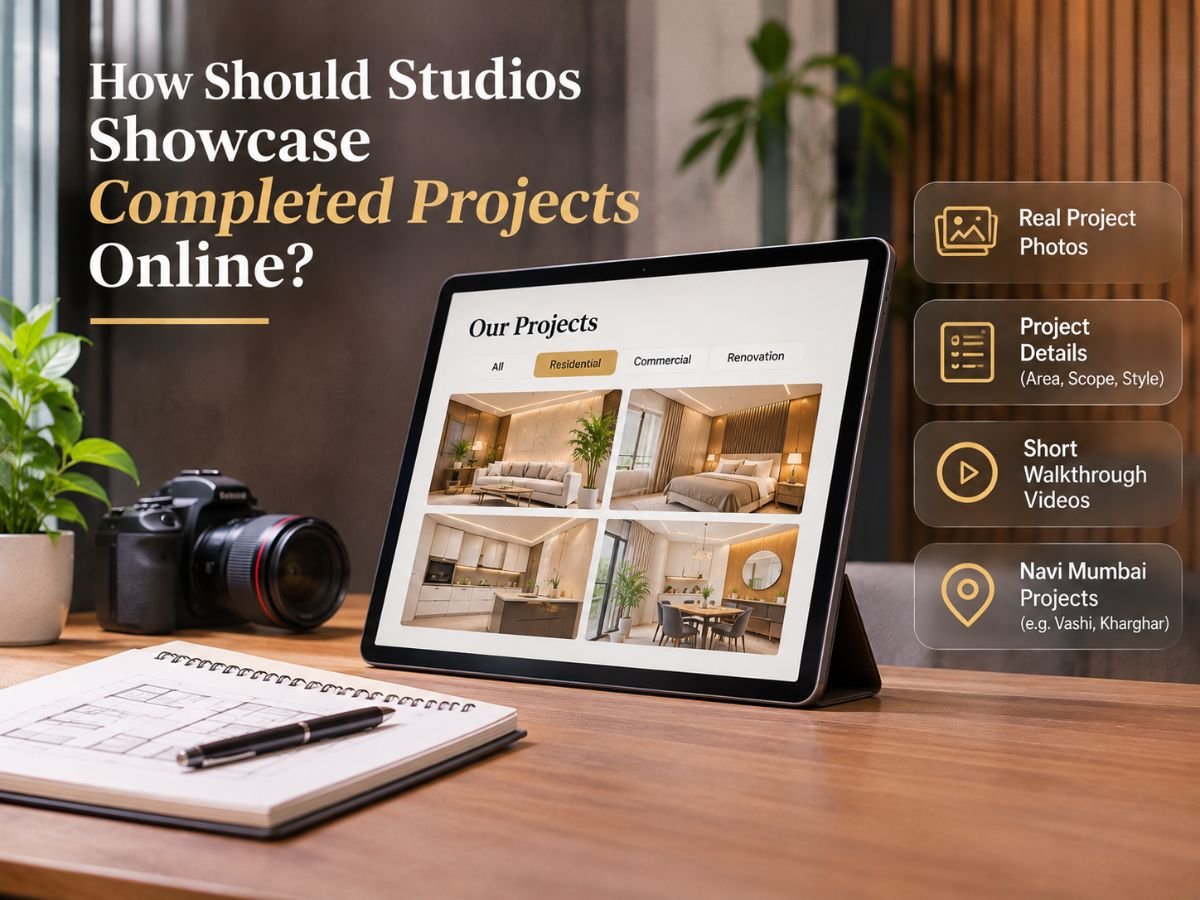
A strong portfolio answers questions, not just displays attractive rooms. Show authentic photographs, identify the property type and describe the work completed.
For example, explaining a storage challenge in a compact Navi Mumbai apartment or a particular material choice adds useful context. Obtain permission before publishing photographs or identifiable client details.
5. Why Enquiries Don't Always Become Confirmed Projects
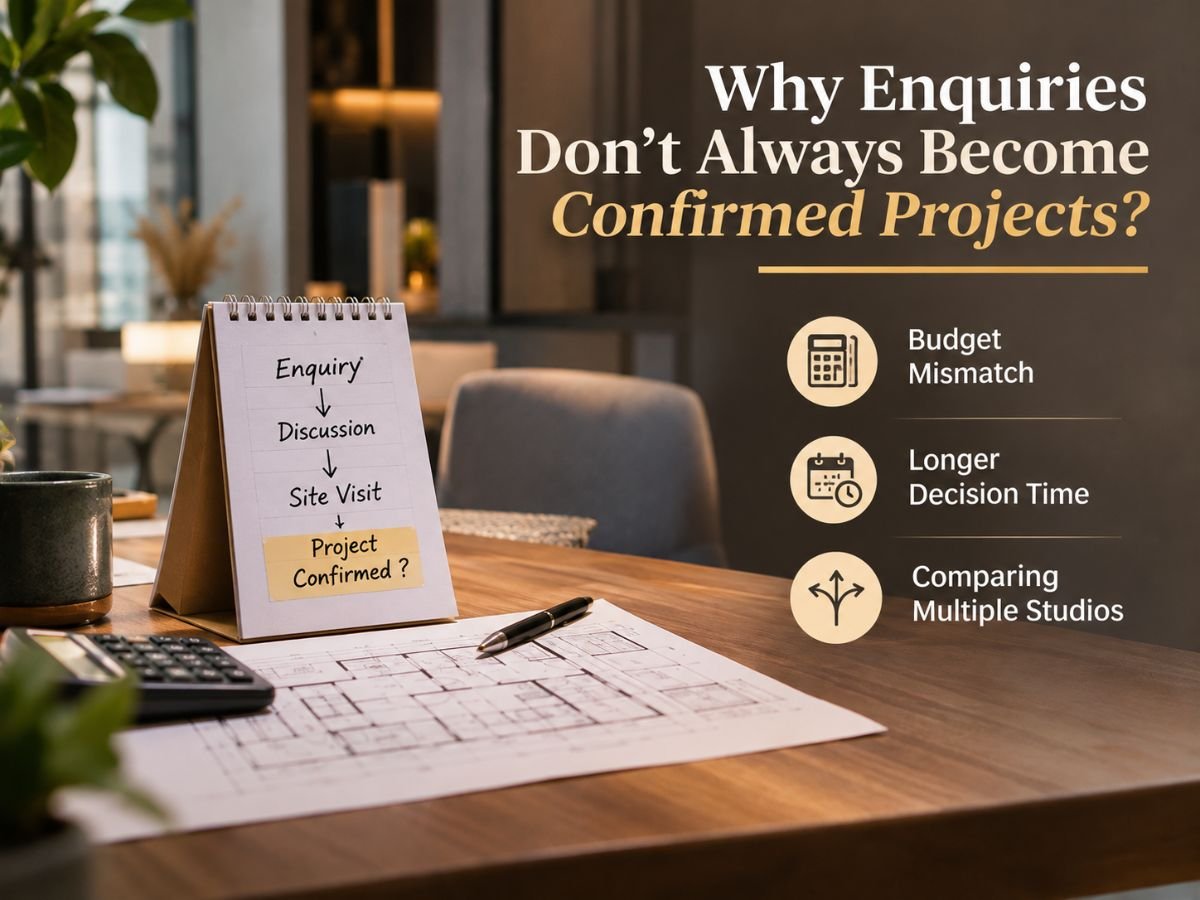
An enquiry shows interest, not necessarily readiness. A homeowner’s budget, scope or timing may not suit the studio.
Slow replies and vague next steps can also interrupt discussions. Asking about the property, expected work, budget range and preferred timeline helps both parties assess fit before spending time preparing detailed proposals.
6. What Information Should Every Interior Design Website Include?
Essential Information Homeowners Look For
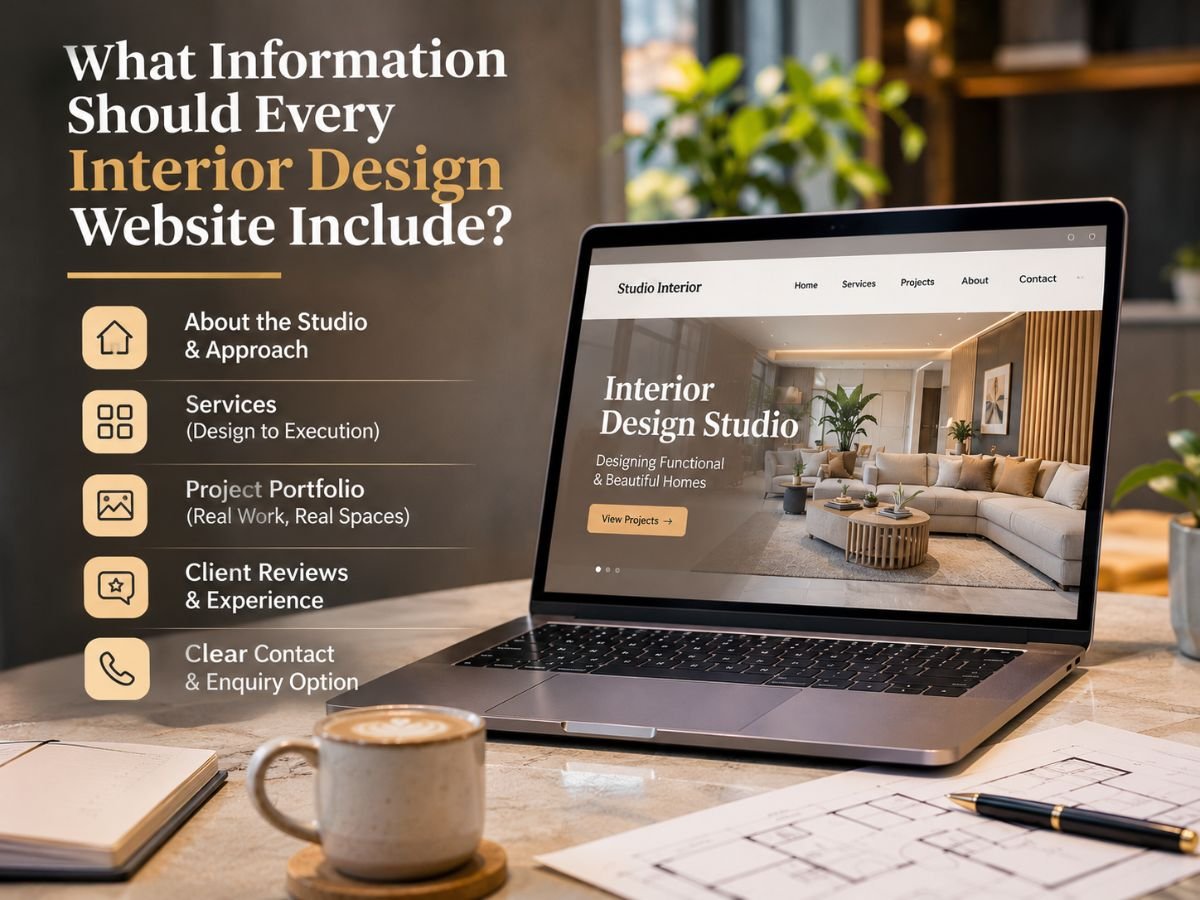
Visitors should find the basics without searching extensively:
- Services and areas: Work offered and locations covered.
- Portfolio: Genuine projects with brief descriptions.
- Business and contact: Who runs the studio and how to reach them.
- Enquiry process: Consultation steps and common questions.
Make every detail readable on a phone, with contact options that are easy to locate.
7. How Google Business Profile Supports Local Discovery
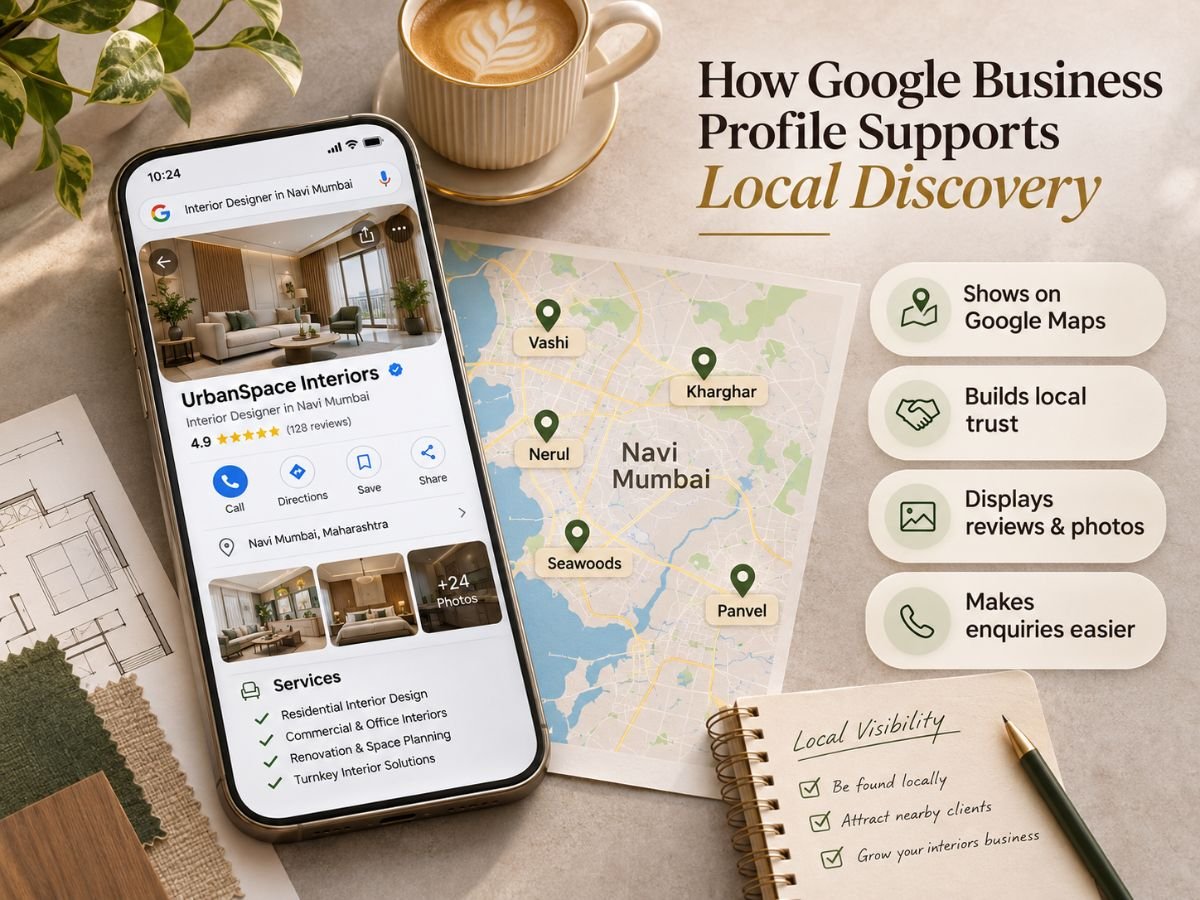
Google Business Profile helps studios present information in Search and Maps. Keep contact details, working hours, categories and services accurate.
Add genuine project photographs and respond to customer reviews. Service-area information should reflect where the studio actually works, rather than an aspirational list of locations.
8. How Studios Should Respond to Negative Online Reviews
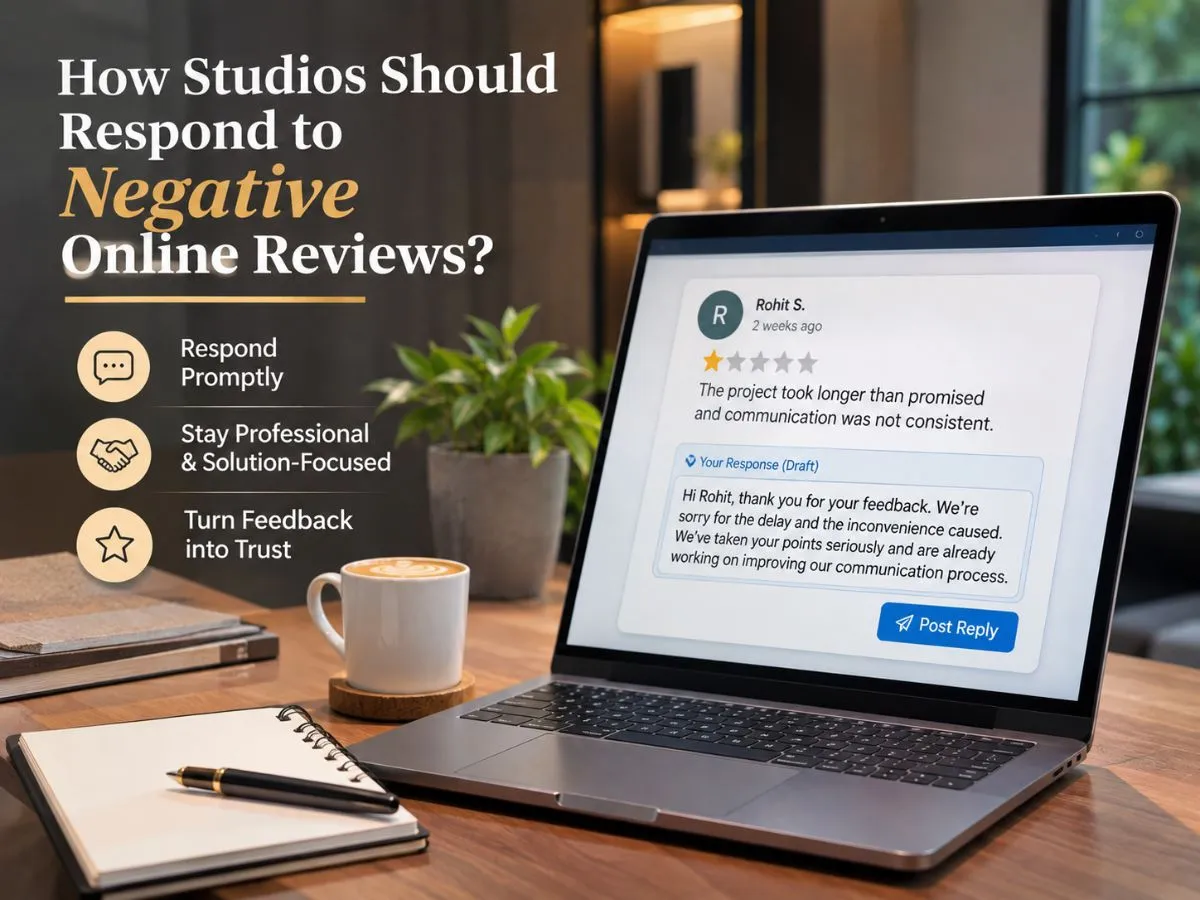
Avoid defensive public arguments. Check project records, acknowledge genuine concerns and explain next steps calmly.
Move conversations involving personal details or complicated disputes into a private channel. Homeowners reading the exchange may assess how responsibly a business handles disagreement, not merely its rating.
9. Can Educational Content Build an Interior Designer's Credibility?

Helpful articles can answer questions before a consultation. Topics might include comparing quotations, planning renovation budgets or preparing an occupied flat for work.
Clear explanations demonstrate the studio’s approach and help homeowners understand what to expect. Publishing blog posts, however, does not automatically improve rankings or generate confirmed projects.
10. What Helps Studios Stand Out in Local Google Searches?
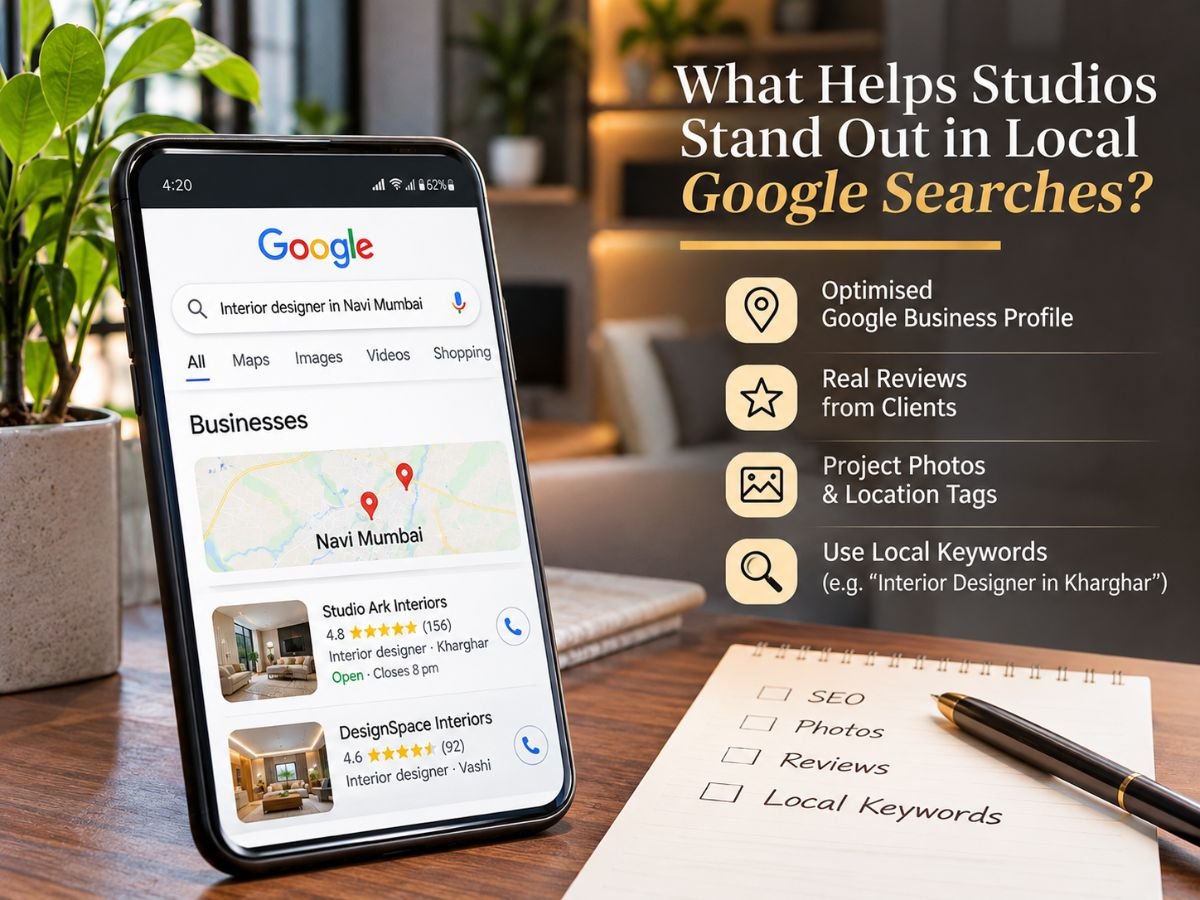
Accurate business details, relevant service pages, authentic reviews and useful portfolios help customers assess local studios.
A mobile-friendly website with clear contact options reduces friction. Check what a homeowner searching in Vashi or Nerul actually sees; no single optimisation guarantees higher rankings.
Conclusion
Homeowners may move between Google listings, Instagram, websites, portfolios and reviews before contacting an interior design studio.
Consistent information, genuine work and clear communication help them make informed decisions. For studios in Navi Mumbai, a useful first step is to search for their own business as a homeowner would and identify what remains unclear or difficult to find.