

CBD Belapur Office Rents and Market Trend: What Tenants and Investors Should Know
CBD Belapur is still one of Navi Mumbai’s most practical office markets, but it is not one uniform rent market anymore. Better buildings, ready-to-use offices, and station-linked or professionally useful pockets usually hold firmer rents, while older and poorly managed stock faces more negotiation pressure. So the real market trend is selective, not flat and not universally rising. In Belapur, rent alone does not decide value. Building quality, parking, access, fit-out, and day-to-day usability matter just as much.
That is the first thing many portal listings do not explain properly.
A small furnished office in a newer tower can look expensive at first glance. But an older unit with lower base rent can still become the costlier option once fit-out work, maintenance, parking stress, and downtime are added. That is why anyone checking office rent in CBD Belapur should look beyond the quoted number and read the market building by building, not only sector by sector.
To make better sense of these numbers, CBD Belapur Commercial Property Guide is a useful read alongside this page.
What is the real office rent range in CBD Belapur right now?
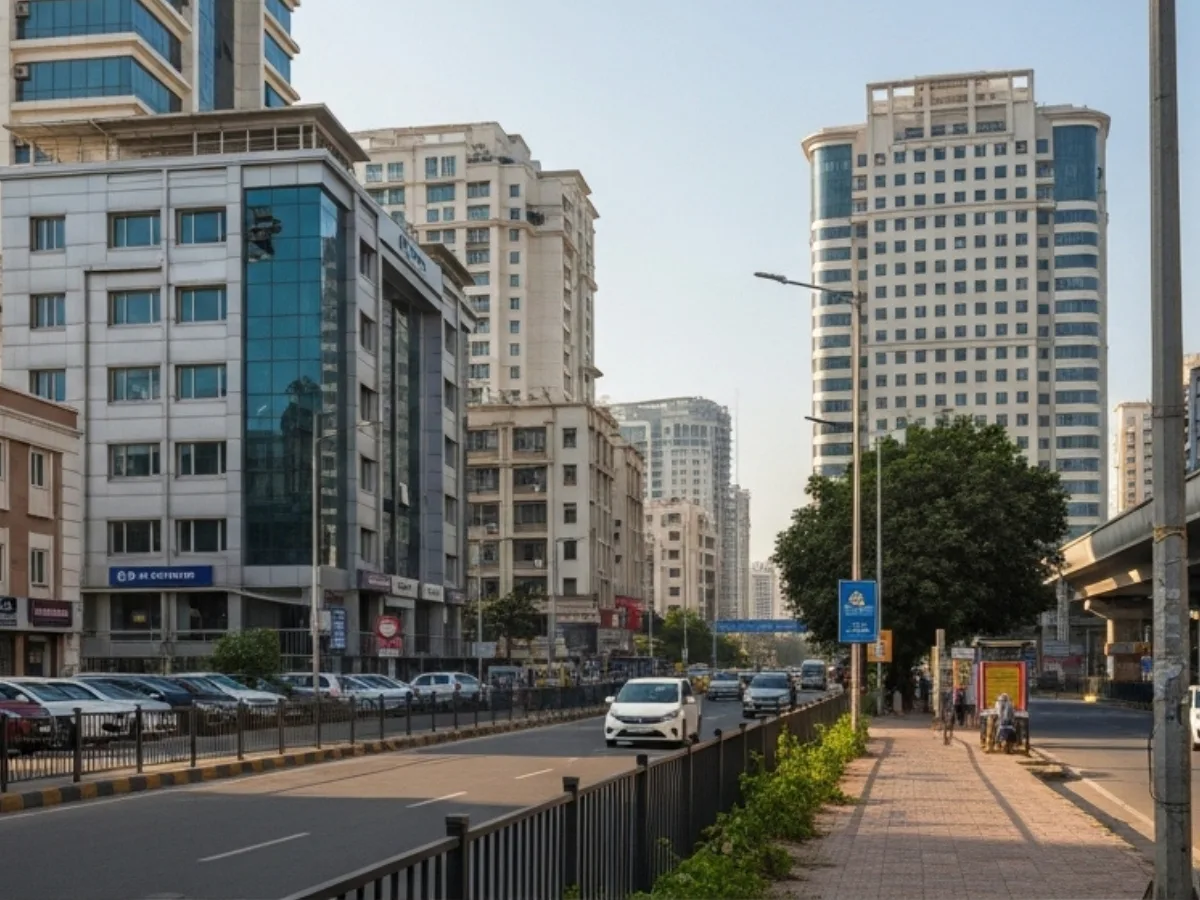
CBD Belapur office rents usually vary by building quality, exact pocket, fit-out condition, and office size. There is no single average that helps everyone. A station-complex office, an older strata unit, and a modern Grade A-style unit in Sector 11 or Sector 15 do not behave the same way.
Quick summary
|
|---|
Small strata offices and older commercial stock
This is where many smaller businesses first enter the market. These offices can work well for firms that care more about function than facade. But quality varies a lot. One older building may still be serviceable because the society is active and the common areas are decent. Another may look tired the moment you enter the lift lobby.
That is why two offices of similar size in Belapur can show a very different rent. The cheaper one may simply be pushing the fit-out and operational headache onto the tenant.
Better-maintained buildings and more functional office floors
Newer or better-managed buildings are where rent firmness is easier to understand. These buildings are not charging only for glass facades. They are usually charging for smoother business operations: better lifts, better backup, cleaner access, better parking logic, more predictable maintenance, and lower day-to-day friction.
That matters in Belapur because many users are not casual office tenants. They meet clients, handle documentation, or depend on regular staff commute.
Fitted offices vs bare units in rent comparison
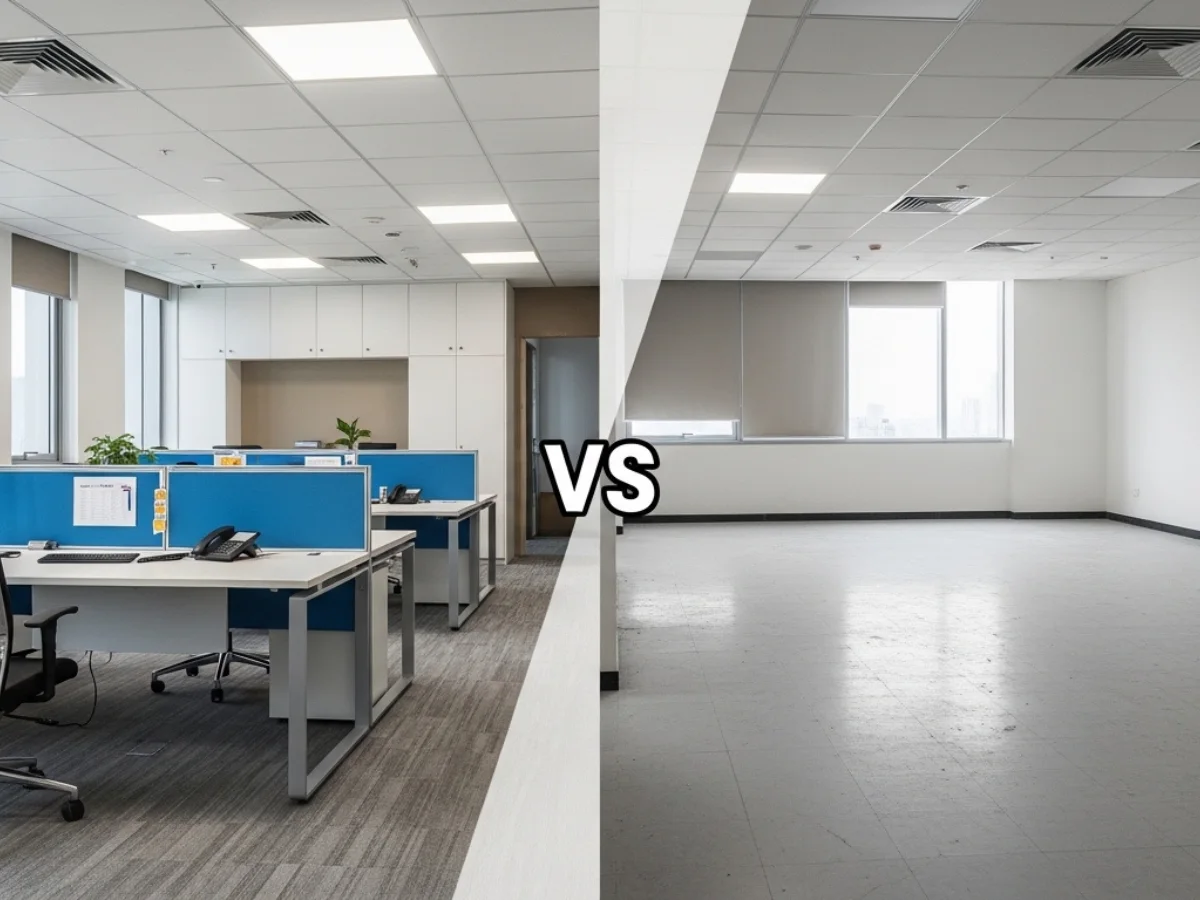
A fitted office often looks more expensive, but many businesses still prefer it. In Belapur especially, small and mid-sized firms usually value speed. They do not want to spend weeks on approvals, contractors, cabling, partitions, air conditioning, and furniture setup before operations can even begin.
A bare shell office can make sense for a stable business with a long lease horizon. But for many users, the effective cost becomes higher once interior spend, delay, and six months’ deposit are included.
You may also want to read Leased Office vs Bare Shell Unit in CBD Belapur if you are comparing rental logic with occupation flexibility.
Why CBD Belapur does not behave like one single office market
Belapur is one node on the map, but on the ground it behaves like multiple office sub-markets at once. That is the real local truth.
A commuter-friendly office near the station solves a different problem than a premium building in Sector 15. A legal consultant’s office requirement is not the same as a back-office team’s requirement. And an investor buying a smaller strata unit is not chasing the same outcome as a corporate occupier looking for efficient large floor plates.
Station-linked and commuter-friendly office pockets
These pockets usually hold stable demand because commute convenience is real, not theoretical. Offices within comfortable walking distance from Belapur station or the metro terminal are easier for employees and easier for smaller firms that rely on public transport users.
This is one reason station-linked offices continue to attract interest even when the building itself is older. Access keeps them relevant.
Professional-services pockets linked to court and administrative use
This is where Belapur becomes different from many other Navi Mumbai office nodes. The presence of NMMC Bhavan, CIDCO Bhavan, Konkan Bhavan, Raigad Bhavan, and the CBD Belapur court ecosystem creates a natural business cluster. Advocates, chartered accountants, compliance consultants, liaison agencies, and related service providers often prefer practical proximity over flashy construction.
For these users, the value of Belapur is not abstract branding. It is operational relevance.
Internal pockets where building quality matters more than location label
Some offices have a Belapur address but do not enjoy the same business advantage. If approach roads are weak, common areas are poorly maintained, parking is uncertain, or visibility is low, the location tag alone does not protect the rent.
That is why broad statements like “Belapur rents are rising” do not help much. Some stock is holding strongly. Some stock is being forced to negotiate.
Which office pockets in CBD Belapur usually hold better demand?
| Pocket Type | Demand Strength | Typical User | Rent Resilience | Visitor Convenience | Investor Suitability |
|---|---|---|---|---|---|
| Station-linked office pockets | Strong | SMEs, consultants, admin-heavy businesses | Moderate to strong | Good for public transport users | Good if turnover and building upkeep are manageable |
| Professional-services corridors near civic/legal anchors | Strong and stable | Advocates, CAs, liaison firms | Strong for the right user profile | Good if location is practical | Better for income stability than speculative growth |
| Premium towers in Sector 11/15 | Stronger for top-end users | BFSI, corporate offices, polished service firms | Strongest in quality stock | Better for clients and structured teams | Good for premium-income strategy |
| Older internal buildings with weak parking or tired common areas | Uneven | Budget-led occupiers | Soft | Often weak | Riskier unless entry price is attractive |
What is the actual market trend in CBD Belapur offices: rising, flat, or selective?

The most honest answer is this: the market trend is selective and quality-driven.
Good offices in good buildings are holding better. Older, badly managed, or operationally inconvenient stock is not getting the same benefit. This is not a simple boom story and not a collapse story either. It is a split market.
Where rents are holding better
Rents usually hold better in offices that solve practical problems. That includes ready-to-move units, buildings with reliable parking, decent common areas, better access, and offices close to station or metro-linked movement.
Premium towers in Sector 11 and Sector 15 are part of this story. They are raising expectations in Belapur. Many tenants now compare not just rent, but what that rent buys in business efficiency.
Where negotiation is still common
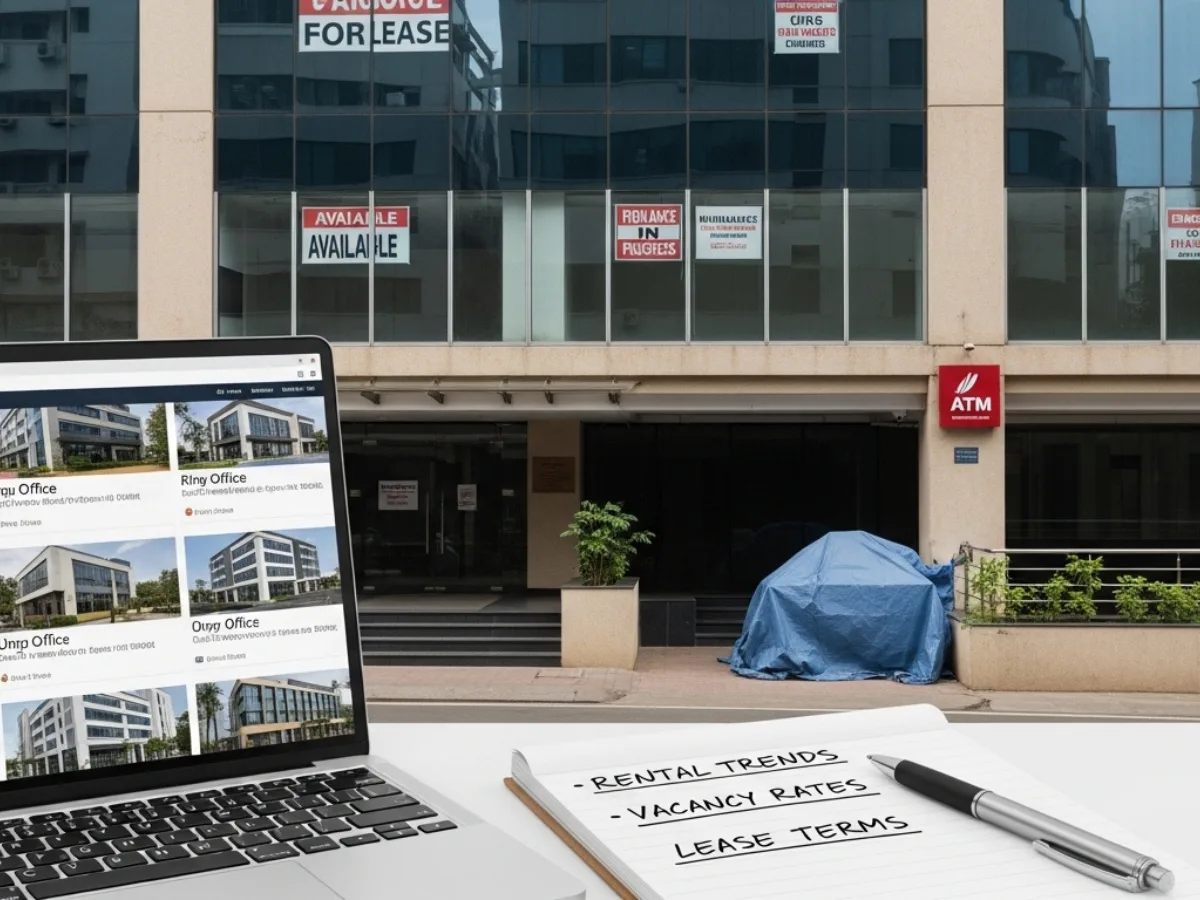
Negotiation remains more common in older Grade B or Grade C-type stock, especially where vacancy is visible, common areas look tired, or multiple similar units are available in the same building. In these cases, asking rent and achieved rent can be meaningfully different.
This matters because many landlords still benchmark themselves using portal listings rather than what tenants are actually ready to sign.
Why building quality and readiness matter more than headline quoting
A modern office with better systems, clearer parking logic, cleaner lobbies, and easier occupancy can command a premium because it reduces friction. A cheaper office with HVAC issues, lift delays, parking confusion, and hidden maintenance pressure can hurt the occupier every single week.
That is the core of the current Belapur office market trend. It rewards readiness and punishes obsolescence.
How should tenants read vacancy and negotiation signals in Belapur?

Formal building-level vacancy data is rarely easy to find in a granular local market. So tenants need to read on-ground signals properly.
Use this checklist during your search:
- Multiple similar listings for the same building or same floor
- Idle-looking floors with little movement during working hours
- Dusty lobbies, weak common area upkeep, or inactive lift banks
- Very aggressive broker follow-up after your first visit
- Quoted rent that softens too quickly when you hesitate
- No real visitor parking activity in a building claiming to be premium
- Maintenance charges that are spoken about vaguely or late in the discussion
- Promises of parking that are not backed by a clearly owned slot
In Belapur, one more thing matters: do not read portal asking rent as market truth. Negotiation margins of around 5% to 15% can still exist, especially in older stock facing prolonged vacancy or high tenant churn.
Best fit for advocates, CAs, consultants, and administrative users
Belapur makes the most sense for businesses that need daily or frequent interaction with the civic, legal, and administrative ecosystem. If your work naturally connects with courts, government offices, approvals, compliance, liaison work, or documentation-heavy client servicing, Belapur can be extremely practical.
For these users, proximity is not a branding luxury. It is workflow efficiency.
Best fit for small business and back-office users
Smaller firms that want a serious Navi Mumbai office, decent commuter access, and a central working base can also find Belapur useful. This is especially true if staff rely on rail and metro movement or if clients are spread across Navi Mumbai, Thane, and Panvel-side corridors.
When Vashi, Airoli, or Nerul may make more sense instead
If your business depends more on corporate image, large-scale tech-style campuses, or a different client catchment, another node may suit you better. Airoli and Mahape make more sense for larger IT and technology-linked occupiers. Vashi may work better for some retail-facing or legacy corporate requirements. Nerul or Seawoods may appeal where the exact catchment and image requirement are different.
Belapur is strong, but it is strong for specific reasons. Businesses should choose those reasons consciously.
Is CBD Belapur a good office investment market or mainly a user market?
CBD Belapur is better understood as a stable income market first and a fast capital-flip market second.
Commercial yields in Belapur are often more attractive than residential yields in Navi Mumbai, with broad yield logic in the 6% to 8% range and, in some cases, better-performing assets doing even stronger on paper. That makes Belapur meaningful for investors who care about cash flow.
But investors should stay realistic. Commercial property is not effortless income.
The entry cost for premium Grade A-style strata ownership is high. Newer assets can demand serious capital. Older stock may offer cheaper entry, but it also brings more maintenance risk, more vacancy risk, and weaker tenant stickiness. The April 2025 CIDCO transfer fee hike also raises friction in secondary sales, which means investors cannot think only about purchase price and rent. Exit cost matters too.
So is Belapur mainly an investor market? Not exactly. It works for both, but with different logic:
- For owner-occupiers, buying can protect the business from future rent inflation and give stability in a useful node.
- For income-focused investors, Belapur can work well if the unit is leaseable, compliant, and in a building tenants actually want to stay in.
- For short-term traders, Belapur is usually not the cleanest speculative story.
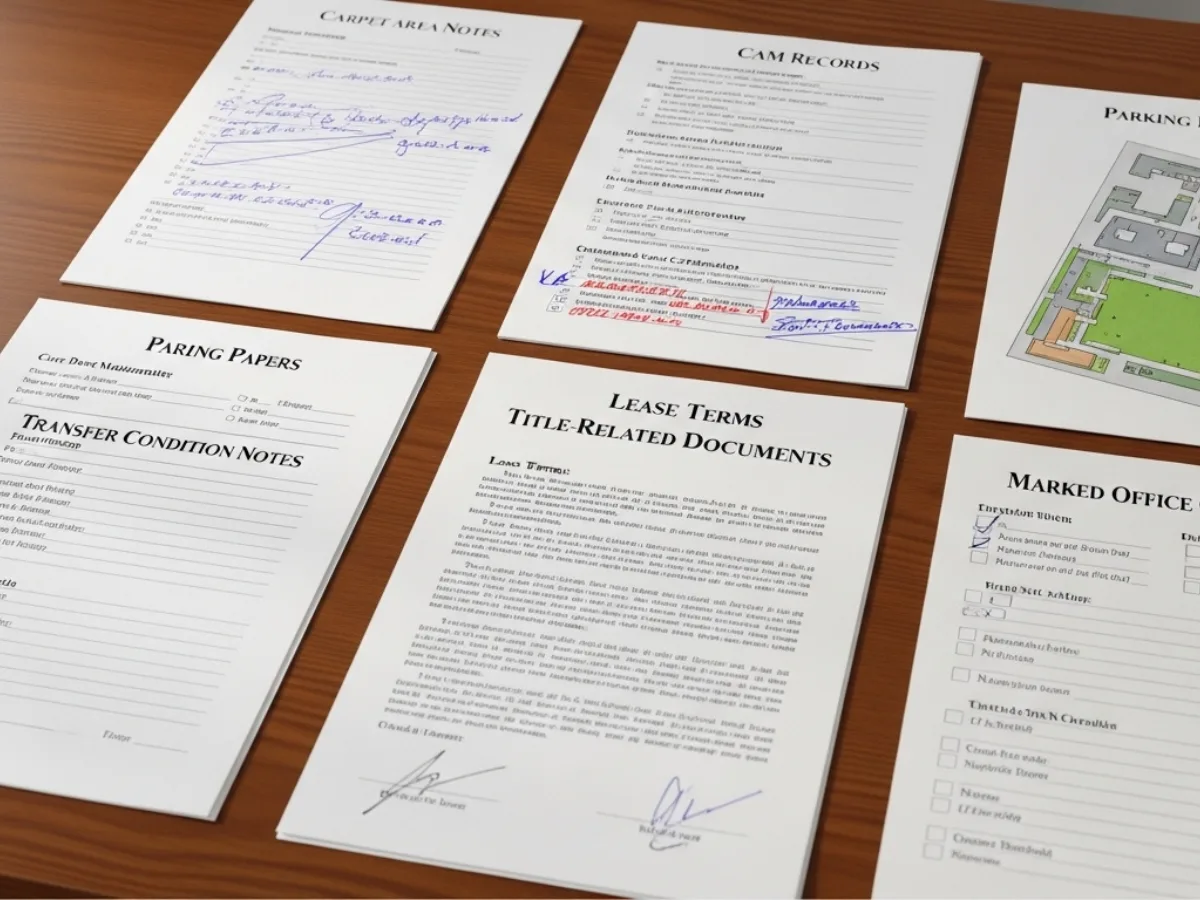
What should you check before signing an office lease or buying an office in CBD Belapur?
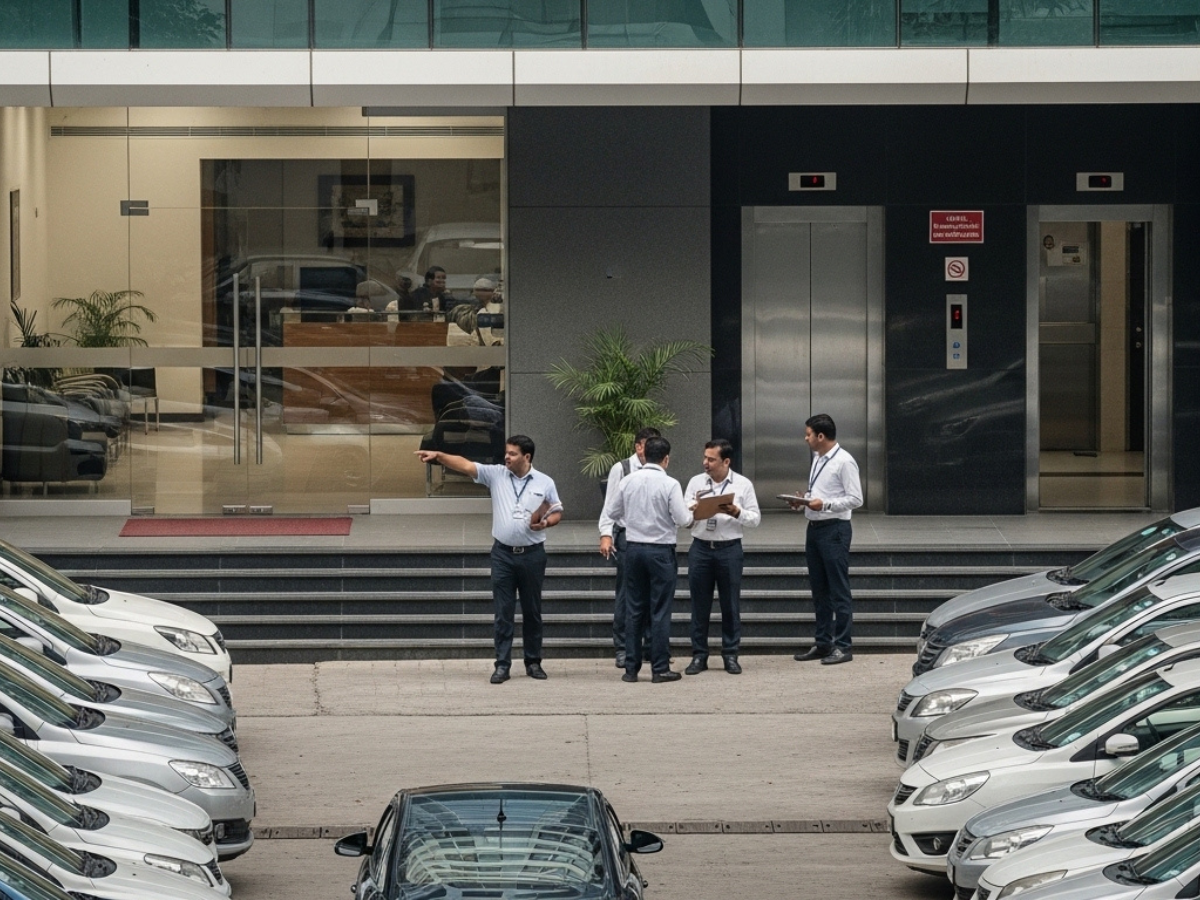
This is where many mistakes happen. A lot of damage is done not by the quoted rent, but by what was never checked.
Before signing, verify these points carefully:
- actual usable carpet area, not just built-up or super built-up claims
- whether the office is genuinely ready to use or needs heavy fit-out spend
- monthly CAM or maintenance and exactly who pays it
- lift condition, power backup, access control, and common area quality
- whether the owner legally has an allotted parking slot
- whether the promised parking rights will be reflected properly in the agreement
- how far the office really is from station, metro, main road, and regular client movement
- whether the building society rules allow your intended office activity without friction
- whether visitor movement is practical for your type of business
- in purchase cases, title clarity, leasehold context, transfer conditions, and related CIDCO-side costs where applicable
Belapur is not the place to rely on verbal comfort. Parking promises, maintenance ambiguity, and area misrepresentation can all become expensive later.
CBD Belapur office rents and trend: the practical verdict
CBD Belapur remains one of Navi Mumbai’s most functional office nodes, but its market is now sharply quality-driven. If you want a clear takeaway, it is this: do not lease the headline rent, lease the building’s operational reality.
A slightly cheaper office in an aging complex may finally cost more once fit-out spend, weak parking, poor maintenance, client inconvenience, and downtime are added. On the other hand, a higher-rent office in a strong building can improve daily business performance enough to justify the premium.
For tenants, this means negotiating harder in weak stock and paying more willingly only where usability is genuinely better. For investors, it means prioritising leaseability, compliance, and tenant comfort over just buying a cheaper square foot. For owner-users, it means matching the office to the business model, not to a portal average.
FAQ's
Frequently Asked Questions