
Ulwe Coastal Road: Benefits, Key Junctions, Importance
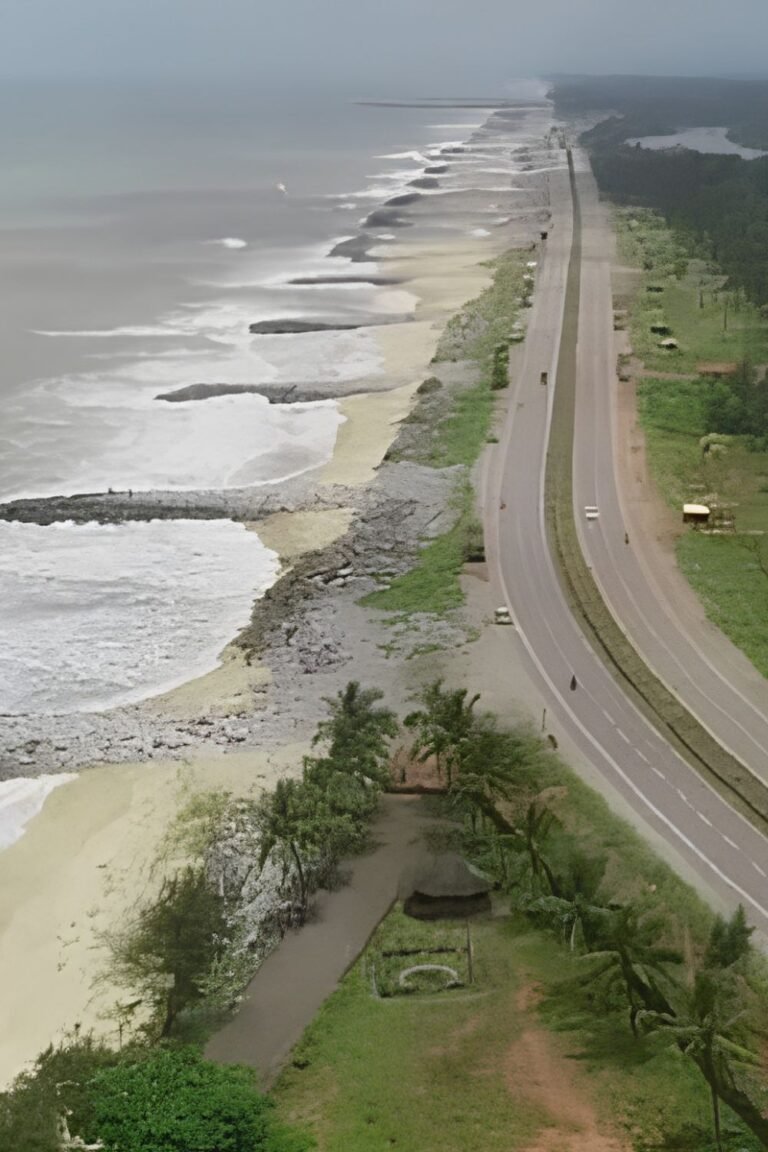
The Ulwe Coastal Road is a six-lane CIDCO road project running 5.8 km from Amra Marg to the Mumbai Trans Harbour Link (MTHL/Atal Setu) junction at Shivajinagar, Ulwe. CIDCO’s 2026-27 budget lists an additional 0.903 km elevated Airport Link Road (ROB), which crosses the Nerul-Uran suburban railway line and Amra Marg (NH 348A) before entering the Navi Mumbai International Airport site. Domestic flight operations at NMIA commenced on 25 December 2025.
Importance
The Ulwe Coastal Road is a major CIDCO connectivity project intended to improve road access between Atal Setu, Ulwe and Navi Mumbai International Airport. CIDCO’s 2026-27 budget lists the current project cost at ₹1,591.32 crore excluding GST.
Key Junctions
- Amra Marg (Belapur)
- MTHL Junction
- Shivajinagar Six-Ramp Interchange: In February 2026, MoEF&CC granted CRZ clearance for MMRDA’s proposed six ramps and allied works at the MTHL Shivajinagar interchange in Gavhan village. All six ramps are designed to connect the existing MTHL alignment with the Ulwe Coastal Road, with one toll plaza proposed on each ramp. This is a separate MMRDA work but is important for direct integration between Atal Setu and the Ulwe Coastal Road.
- NMIA Airport Link Road – 0.903 km elevated ROB
Uninterrupted connectivity with MTHL and NMIA will make transit between Mumbai and Navi Mumbai smoother.
Shivajinagar Six-Ramp Interchange: MoEF&CC granted CRZ clearance on 20 February 2026 for MMRDA’s proposed six ramps and allied works at the MTHL Shivajinagar interchange in Gavhan village. All six ramps are planned to connect the existing MTHL alignment with the Ulwe Coastal Road, with one toll plaza proposed on each ramp. The clearance also requires applicable forest approval and prior Bombay High Court permission for the mangrove-affected area before the relevant work begins. This is a separate MMRDA project and should not be treated as already operational.
Project Specifications
Total Length
A 5.8 km six-lane coastal road from Amra Marg to the MTHL junction at Shivajinagar, Ulwe, together with a 0.903 km elevated Airport Link Road entering the NMIA site.Design Characteristics
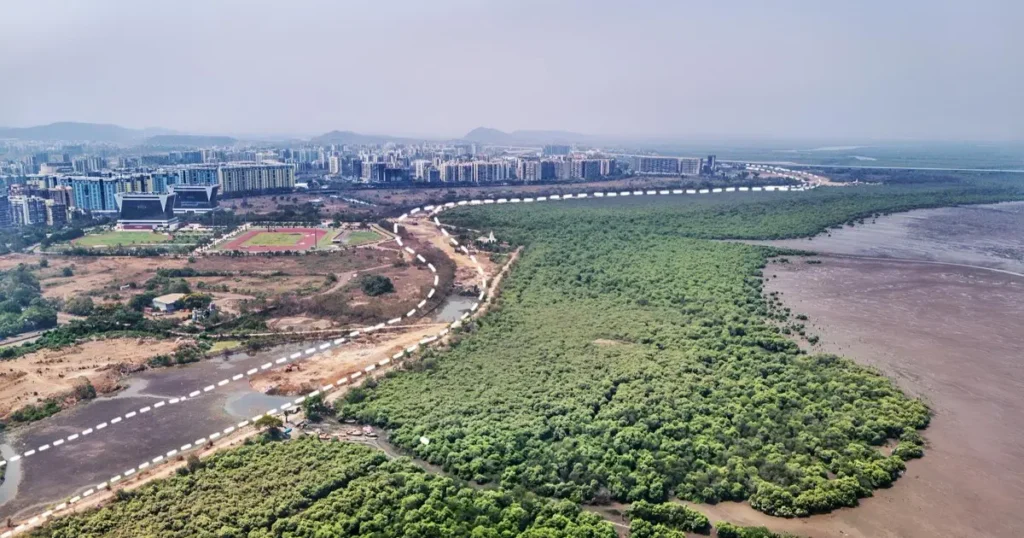
Sections of the road passing through CRZ-IA and CRZ-IB areas are required to be constructed on stilts. The environmental clearance also requires measures to maintain uninterrupted natural tidal-water flow to surrounding mangroves.Construction Timeline
Construction commenced on 31 January 2024. CIDCO’s 2026-27 budget described the Ulwe Coastal Road as being in an advanced stage and stated a 30-month construction period. As that original target window has now reached its end, recent July 2026 reporting places the expected public opening around October-November 2026. This should be treated as a current target until CIDCO formally announces commissioning of the road. Projecting Budget and Finance
CIDCO’s 2026-27 budget lists the total Ulwe Coastal Road project cost at ₹1,591.32 crore excluding GST. Funding Sources
In the budget of CIDCO that may equally benefit with the allocation endorsed by the state or the Centre.
2026-27 Budget Provision
CIDCO’s 2026-27 budget provides ₹800 crore for Ulwe Coastal Road expenditure during the financial year. This is a yearly budget provision and should not be confused with the listed total project cost of ₹1,591.32 crore excluding GST.
Environmental Considerations
- Damage: 3,728 mangroves approved for removal.
- Mitigation: Stilt construction and compensatory afforestation.
- Clearances: CRZ clearance came in November 2023, forest clearance in January 2024, followed by Bombay High Court permission.
On 17 January 2024, the Bombay High Court permitted CIDCO to undertake the project work, including mangrove cutting, subject to compliance with the statutory approvals and environmental conditions.
Real Estate and Urban Development
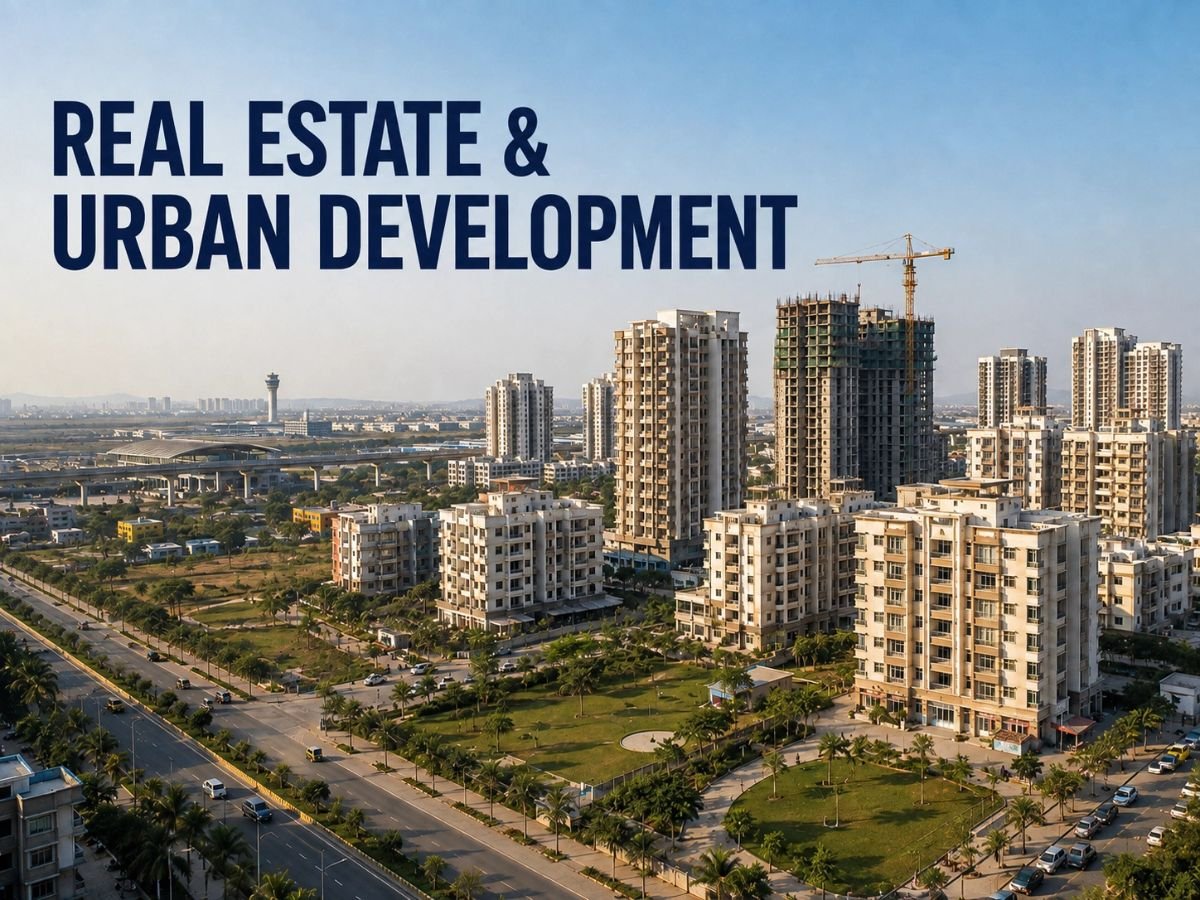
- Impact on Property Values: Improved connectivity expected to enhance property demand in Ulwe and surrounding areas.
- New Developments: New residential and commercial projects anticipated along coastal road corridor.
- Urban Planning Initiatives: Improved infrastructure to assist sustainable urban growth and development.
Traffic Management and Benefits
- Commute Time Savings
- Notable drop in commute time from Navi Mumbai to Mumbai.
- Traffic Congestion Relief
- Once operational, the Ulwe Coastal Road is expected to reduce traffic pressure on existing routes including Palm Beach Road, Amra Marg and NH 348 by providing another direct regional connection toward MTHL and NMIA.
- Logistics Benefits
- Improved access for freight movement, supporting economic engagement.
Commute Time Savings
- CIDCO officials projected that the NMIA terminal could be reached in about 10 minutes after exiting Atal Setu once the complete signal-free connection becomes operational. This is a projected travel time, not a guaranteed journey time; actual savings will depend on traffic, ramp availability and the final opening arrangement.
Future Prospects and Expansion
- Future developments
- CIDCO’s 2026-27 budget proposes a future southward extension of the Ulwe Coastal Road from the MTHL side toward the Dronagiri Coastal Road, with further connectivity to the Karanja-Rewas Bridge. The proposed corridor is currently planned at approximately 13.5 km with a tentative cost of ₹900 crore. The DPR consultant appointment process was still underway, so the final alignment, length and project cost may change after DPR approval.
- Long Term Impact
- Support the aspiration for Navi Mumbai to become a metropolitan city with integrated growth and infrastructure.
Conclusion
The Ulwe Coastal Road is an important connectivity project because it is designed to create a direct road link between Atal Setu and the operational Navi Mumbai International Airport. Once the road and its interchange connections are commissioned, it should provide an additional airport-access route for South Mumbai, Ulwe and nearby economic corridors. Its actual traffic and economic impact will become clearer after the corridor opens fully.
Besides the travel and logistics aspect of this project, it illustrates a growing contradiction between the concept of urbanisation, and sustainable environment; the design – heightened, roads and compensatory plantations – can alleviate intrusion of ecosystems.