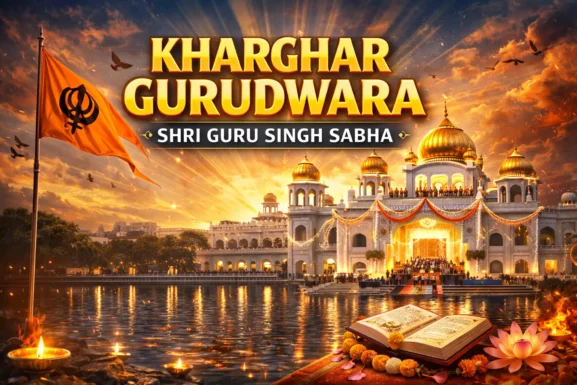
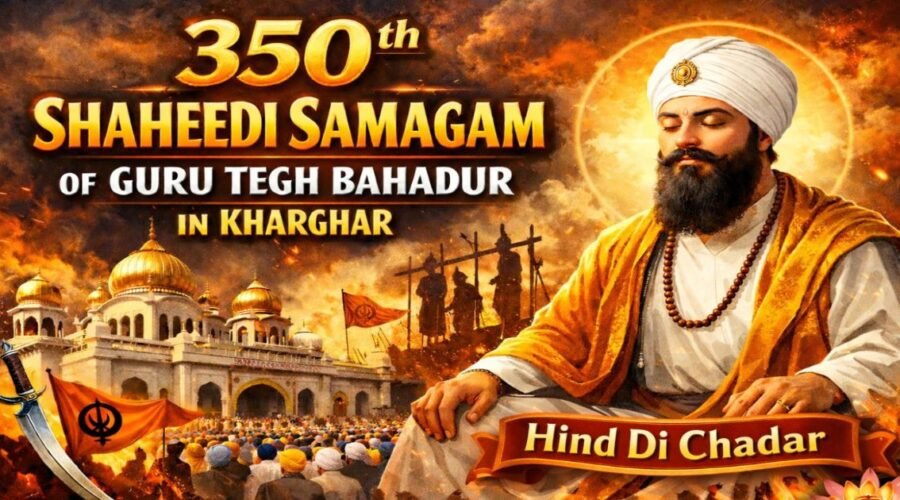
350th Shaheedi Samagam of Guru Tegh Bahadur in Kharghar 2026 (Hind Di Chadar)
Kharghar has hosted big crowds before, but this one feels different. Not because of social media hype, but because the scale is officially being planned like a full-city operation: traffic, health, sanitation, volunteers, and a crowd number that can change how the whole Navi Mumbai belt moves for two days.
This gathering is part of the nationwide commemoration of Sri Guru Tegh Bahadur Ji’s martyrdom, widely remembered as “Hind Di Chadar”. The Government of India has been observing a year-long commemoration, and one of the earliest national-level programmes included the Prime Minister releasing a commemorative coin and stamp in Kurukshetra.
Quick Summary Table
Event Quick Guide: Hind-Di-Chadar
| Item | Details |
|---|---|
| Event Name | Hind-Di-Chadar (Sri Guru Tegh Bahadur Ji 350th Martyrdom Commemoration) |
| Dates | 28 Feb 2026 & 1 Mar 2026 |
| Venue | Owe Maidan / Owe Ground, Sector 29, Kharghar, Navi Mumbai |
| Expected Footfall | ~15 lakh across two days (official estimate) |
| Seating & Capacity | Venue ~5 lakh at a time; main pavilion ~80,000 seating |
| Parking Plan | 30 designated parking sites + temporary Kopra bridge |
| Medical Setup | 5 medical centres + 1 ICU at venue; 350 beds reserved |
| Emergency Number | 112 (ERSS India) |
What is the Hind Di Chadar in Kharghar?
Why this 350th commemoration matters in 2026
Sri Guru Tegh Bahadur Ji’s martyrdom is remembered not just inside Sikh history, but across India’s idea of conscience and religious freedom. That’s why the 350th year is being observed at a national level, and why the Kharghar gathering is being treated as a major civic event, not a routine religious programme.
If you live around Kharghar, Belapur, Taloja, or even the Turbhe side, you already know how one large event can ripple into daily life. Now imagine a weekend where the administration is preparing for 15 lakh visitors and building temporary movement infrastructure like the Kopra bridge to keep the system breathing.
Event overview: location, scale, and what devotees can expect
The confirmed venue is Owe Maidan (Sector 29, Kharghar). As per the official planning release quoted in news reports, the venue is being prepared to hold around five lakh people at a time, with about 80,000 seats in the main pavilion.
The same official planning notes also talk about a full stack of arrangements: traffic management, designated parking, a dedicated pedestrian route from ST/bus drop points, plus security with CCTV and a central control room supported by volunteers. This is the kind of planning you usually see when organisers and authorities expect a very large inter-state movement.
Is Shree PM Narendra Modi Attending this Hind Di Chadar?
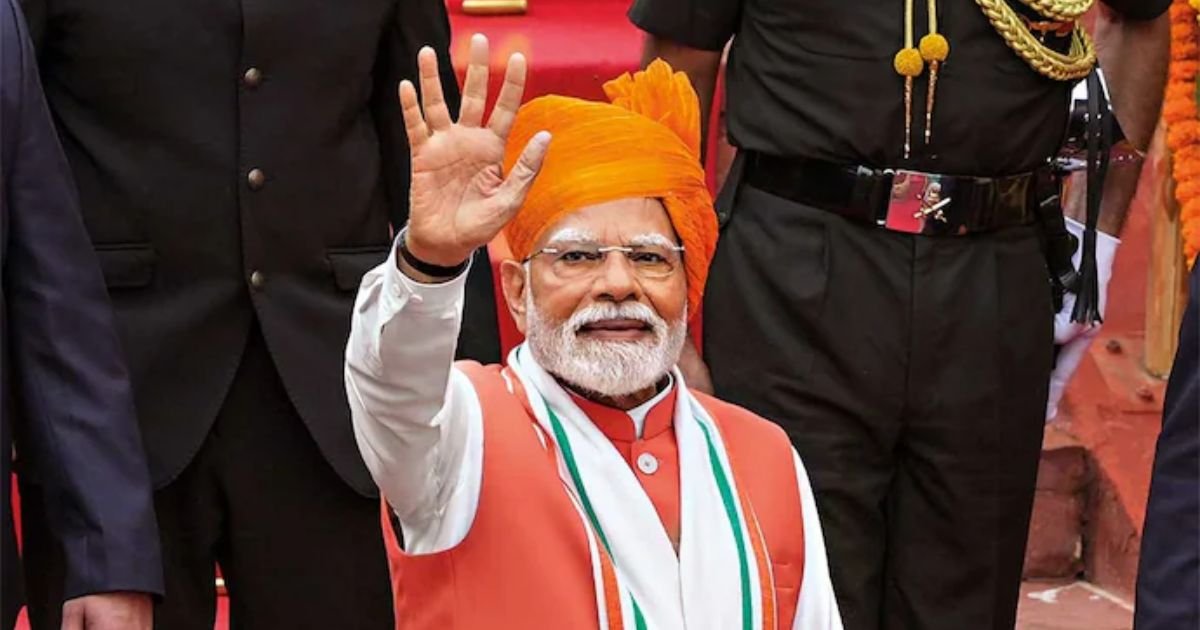
The 350th Shaheedi Samagam at Owe Maidan is a mega-scale event, not just in terms of the 15 lakh expected devotees, but also the high-profile dignitaries arriving in Kharghar. According to official banners and local updates, the expected guest list includes top political leaders and celebrities:
- Shri Narendra Modi: Prime Minister of India
- Shri Amit Shah: Union Home and Cooperation Minister
- Shri Devendra Fadnavis: Chief Minister of Maharashtra
- Shri Eknath Shinde: Deputy Chief Minister of Maharashtra
- Smt. Sunetra Ajit Pawar: Key Dignitary / Representative
- Smt. Madhuri Misal: Minister of State, Minority Development and Auqaf
- Neetu Kapoor: Veteran Bollywood Actress & Special Guest
(Note: VIP movement involves strict security protocols. Commuters are advised to follow Kharghar Traffic Police updates for sudden route diversions near Sector 29 during their arrival.)
Dates, Venue, Entry and Timings
Confirmed dates and venue (Owe Maidan, Sector 29)
The main congregation is scheduled on Saturday, 28 February 2026 and Sunday, 1 March 2026, at Owe Maidan / Owe Ground, Sector 29, Kharghar. This is the core information people search at the last minute, and it’s clearly stated in the official planning coverage.
Because Sector 29 sits close to major Kharghar landmarks and access corridors, even small delays can create a chain effect. If you’ve ever seen the Shilp Chowk to the Central Park side during weekend peak traffic, you already know why the city is planning parking lots and pedestrian channels in advance.
Entry fee and passes
As of the current administrative planning details reported by mainstream coverage, there is no explicit mention of entry passes or ticketing requirements in the published release. That usually suggests open access, but it’s still wise to keep one line for updates as the date comes closer.
“As of now, no official pass requirement is mentioned in the administrative release; check organiser updates closer to the event dates.”
Program schedule
Right now, the public-facing updates are heavy on logistics rather than a minute-by-minute stage schedule. That’s normal when authorities are focused on capacity, safety, and movement planning first.
“We will update this section when an official programme timetable is published.”
Visitor's Practical Guide & Planning
| Section | What You Should Know |
|---|---|
| Current Status of Schedule | Public updates focus on logistics (crowd management, parking, medical setup) rather than minute-by-minute stage timing to prioritize safety. |
| Best Time to Arrive | Early morning arrival is recommended for smoother entry, easier parking, and shorter walking queues. |
| Peak Crowd Expectation | Highest density occurs mid-day to afternoon. Expect slower movement during langar flow peaks. |
| Time Buffer to Keep | Keep a 60–90 minute buffer for parking and walking corridors. The final 2–3 km usually takes the most time. |
| Langar Timing Style | Continuous flow with batch seating. Please follow volunteer instructions for seating and exit to prevent congestion. |
| Exit Planning | Avoid peak dispersal times. Leave slightly early or wait for the crowd wave to thin out before heading to parking or metro. |
How to Reach from Owe Maidan Kharghar to NMIA
By Bus/Train
How to Reach Owe Maidan Kharghar From Kharghar Railway Station
By Navi Mumbai Metro (Line 1): best stations for Owe side
If you want the least stressful entry, the metro is the cleanest option because it avoids parking and reduces time wasted in slow-moving car queues. For the Kharghar belt, stations like Utsav Chowk and Central Park are the most practical touchpoints, and for the Taloja side Amandoot is also part of the corridor.
From these stations, last-mile is usually auto, shared rickshaw, or a managed shuttle if organisers deploy it. The smart move is to treat metro as “your main travel” and keep the final stretch flexible. It saves energy, and on a 15-lakh weekend, energy matters.
By Bus: ST/NMMT drop points and the walk-path plan
For inter-city and inter-state movement, buses and ST drop points are expected to play a major role. That’s why the official planning mentions a dedicated pedestrian pathway from ST and bus drop-off points to the venue. It’s not a random detail, it’s crowd engineering.
So if someone in the family insists “bus se jaayenge”, that’s fine, but prepare them for a structured walk corridor near the venue. Follow barricades and signage, not Google Maps shortcuts through internal lanes. On days like this, shortcuts become choke points fast.
By Road: Mumbai, Thane, Panvel, Pune side approach routes
If you’re driving from Mumbai or Thane, the usual entry is via the Sion–Panvel Highway and Kharghar exits. From Panvel and Pune, the natural flow is Expressway to Panvel, then towards Kharghar. That’s the easy part. The hard part is the last stretch where crowd plus parking control slows everything down.
The official planning already indicates 30 designated parking sites and a special traffic plan. That basically means: private vehicles will be handled in layers, not allowed to float freely near the maidan. If the goal is a smooth visit, treat your car as “transport till parking lot”, not “transport till event gate”.
How to Reach Owe Maidan, Kharghar from Mumbai Airport
By Bus/Train/Metro
Airport to Owe Ground: Full Transit Comparison
| Route Option | Total Duration | Estimated Cost | Transit Summary (Detailed Steps) |
|---|---|---|---|
| Route 1: Metro & BEST/NMMT Bus | 2 hr 7 min | ₹80.00 |
|
| Route 2: Bus & Train & Shuttle | 1 hr 58 min | Approx ₹60 - ₹90 |
|
| Route 3: Express Bus & Rail | 2 hr 0 min | Approx ₹70 - ₹85 |
|
| Route 4: BKC Intermediate Route | 2 hr 14 min | ₹77.00 |
|
Contact Info: BEST: 1800 22 7550 | NMMT: 022 2784 1827 | MMRCL: 1800 22 0221
By Car
Kharghar Traffic Diversions & Parking Map for Feb 28–Mar 1
What is officially confirmed so far
Official planning coverage confirms four key points: a special traffic management plan, 30 designated parking sites, a temporary bridge at Kopra to ease movement, and a dedicated pedestrian pathway from ST and bus drop points. These are not rumours, these are the backbone of the plan being reported from the Konkan divisional commissioner’s office release.
Another confirmed pressure point is the JNPA heavy vehicle ecosystem, where around 25,000 heavy vehicles move daily. Authorities have said traffic regulation is being coordinated with multiple agencies because mixing heavy container traffic with a mega congregation is a safety risk, not just a congestion issue.
Parking
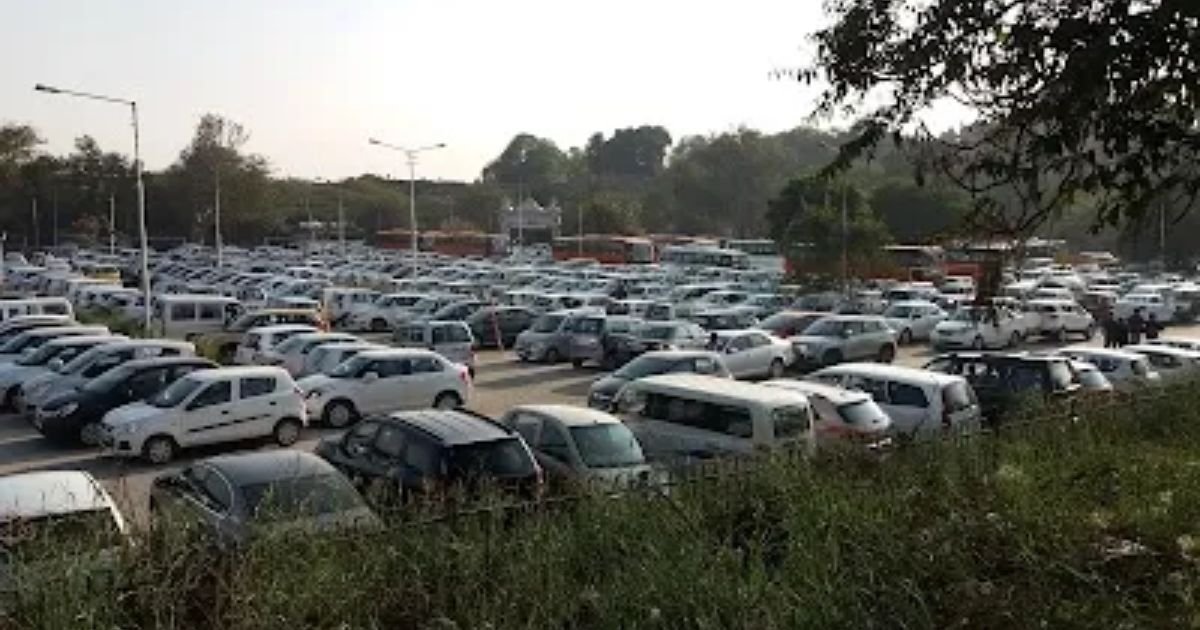
On mega-event weekends, the people who suffer most are those who reach Kharghar and then start “searching for parking”. That searching becomes your biggest delay. The planning clearly points to designated lots, so the smart approach is to accept the parking system early and plan last-mile calmly.
Parking approach table:
| Coming from | Best approach | Smart parking behavior | Last-mile suggestion |
|---|---|---|---|
| Mumbai / Thane side | Enter Kharghar early morning | Use designated lots, avoid roadside parking | Auto or walk corridor |
| Panvel / Taloja side | Prefer metro or bus | Avoid peak noon entry | Metro to Utsav Chowk / Central Park + auto |
| Belapur side | Metro is simplest | Keep buffer time | Metro + short last-mile |
This table is intentionally “simple but usable”. Once Traffic Police publishes the final lot list and gate numbers, you can update only the last-mile lines, the logic remains the same.
Arrangements for Hind Di Chadar Event
Security arrangements (CCTV + control room + volunteers)
For a crowd this size, security isn’t only about “police presence”. It becomes a movement system. The official planning updates mention CCTV surveillance, a central control room, and volunteers deployed across the venue to keep lanes moving and reduce panic triggers like sudden stoppages or wrong-side entry.
If you’ve seen how quickly Kharghar roads tighten during a normal festival weekend, you already know why this matters. The control-room style setup is meant to spot pressure points early and redirect crowds before it turns into a jam at one gate and an empty lane at another.
Medical infrastructure and emergency readiness
The health planning here is unusually specific. Reports based on the administrative release say the venue will have five temporary medical centres plus one ICU facility, and 350 hospital beds (including 75 ICU beds) reserved in nearby hospitals for the two days. That’s serious “mass gathering” preparation, not a basic first-aid tent.
What stands out is the run-up work: 2,159 health camps were reportedly organised before the main event. It reads like the administration used the commemoration to build health readiness and volunteer capacity ahead of time, which is actually the right way to handle a 15-lakh weekend.
Water, sanitation, electricity and crowd discipline
The official planning notes also mention special emphasis on sanitation, water supply, electricity, and lighting so visitors don’t get stuck in dark or dehydrating zones, especially during peak hours. When a gathering is this dense, small discomforts become big problems fast.
For visitors, the “crowd discipline” part is simple but not easy. Follow barricades, don’t cut lines, and pick a clear meeting point for family members outside the busiest lanes. It sounds basic, but in real crowds, basic habits prevent half the emergencies.
What is Langar? Food Arrangements in the Kharghar Event
Langar meaning in simple words
Langar is the Sikh tradition of a free community kitchen, where food is served to everyone without discrimination. It’s maintained by volunteers as seva, and the meal is typically vegetarian so it can be shared by all.
And yes, it’s more than “free food”. It’s an equality practice in public form. People sit together and eat the same meal, which quietly teaches the point without giving a lecture.
What to expect at Owe Maidan: scale, hygiene, timing style
For Hind Di Chadar 2026, the reported scale is massive: langar arrangements for around 2.5 lakh people, with a separate facility planned for about 12,500 people at a time. That design is about flow, so batches can eat, exit, and the next batch enters without crowd crush pressure.
On days like this, hygiene depends on systems and on people. Expect structured serving lines, volunteers guiding seating, and clear disposal points. The best thing visitors can do is cooperate with the rhythm instead of fighting it.
Langar
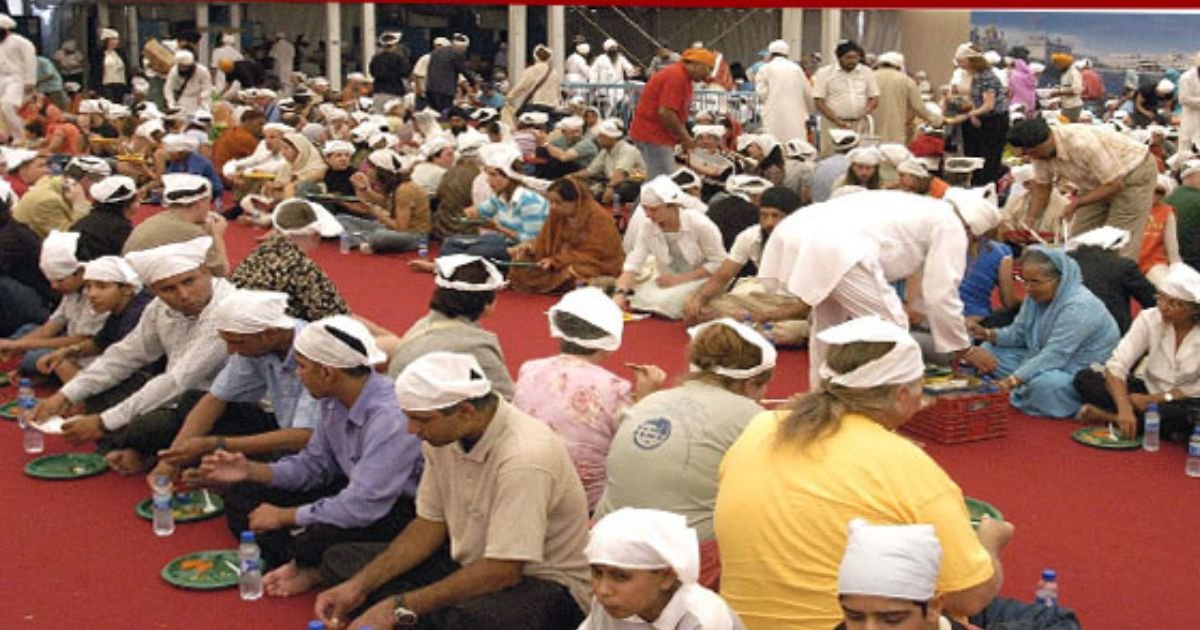
Langar etiquette is mostly about respect and patience. Keep your spot in the line, let seniors go smoothly, and avoid wasting food. The volunteers are managing a city-sized kitchen, so a small delay from one person can ripple to a hundred behind.
Also, keep footwear and belongings disciplined. Large gatherings around gurdwara-style arrangements often have shoe-management and sitting zones, and confusion here is where people lose time and temper. A calm approach feels small, but it keeps the whole area calmer.
Emergency Contacts & Hospitals Near Owe Maidan, Kharghar
Emergency numbers you should save
If you save only one number, save 112, India’s single emergency response number (ERSS). It’s meant for police, fire, and medical emergency routing through the state emergency response centres.
For quick local reference, the NMMC emergency numbers page lists standard services like Police 100, Fire 101, Ambulance 102/108, Child Helpline 1098, etc. Navi Mumbai Police also publish their control-room numbers, including Traffic Helpline 7738393839 and other helplines.
Hospitals near Kharghar/Owe corridor
Below are nearby, real options people in Kharghar-Belapur belt typically use. Please verify on call because emergency desks and routes can change during a mega event weekend.
Emergency Medical Directory - Nearby Hospitals
| Hospital | Area | Full Address | Contact Number(s) |
|---|---|---|---|
| ACTREC (Tata Memorial Centre) | Sector 22, Kharghar | Plot No. 1 & 2, Sector 22, Kharghar, Navi Mumbai – 410210, Maharashtra | 022 2740 5000 Alt: 022 2740 5085 |
| Kharghar Medicity Hospital | Sector 7, Kharghar | Plot No. C/23, Aum Sai CHS, Next to Kharghar Police Station, Next to Royal Tulip, Facing Highway, Sector 7, Kharghar, Navi Mumbai, Maharashtra – 410210 | 70453 99388 86558 64863 |
| Motherhood Hospital | Sector 7, Kharghar | Fountain Square Building, Sector 7, Kharghar, Navi Mumbai – 410210 | 84948 00094 96203 96203 |
| Apollo Hospitals – Navi Mumbai | CBD Belapur (Sector 23) | Plot #13, Parsik Hill Road, Off Uran Road, Sector 23, CBD Belapur, Opp. Nerul Wonders Park, Navi Mumbai – 400614 | 022 3350 3350 022 6280 6280 |
| MGM Hospital & Research Centre | CBD Belapur (Sec 1) | Next to CBD Belapur Police Station, Opp. Belapur Bus Depot, Sec 1, CBD Belapur, Navi Mumbai – 400614 | Emergency
76310 81108
76076 02108 |
10 Sikh Guru's A Quick Guide
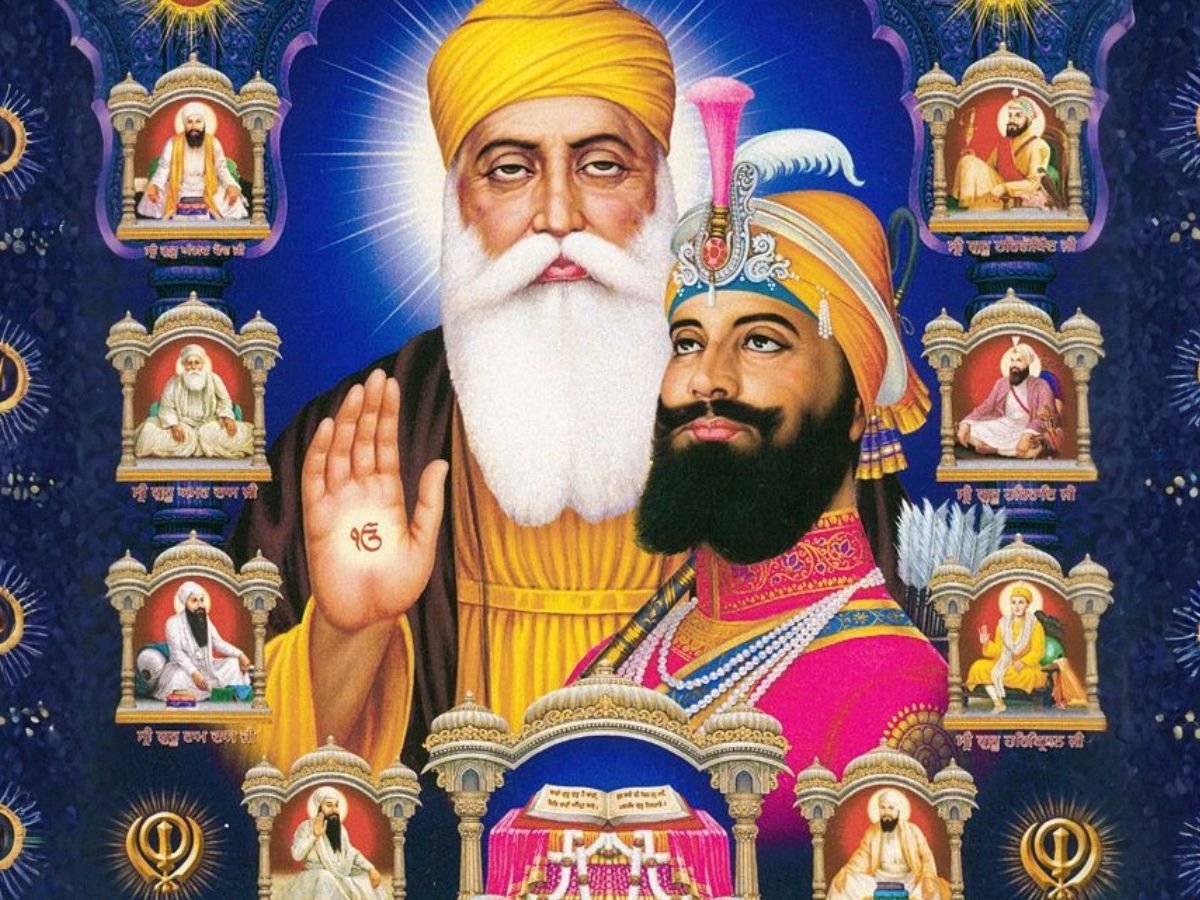
The Ten Sikh Gurus: Core Contributions
| Sikh Guru | Core Contribution |
|---|---|
| Guru Nanak Dev Ji (1st) | Founded Sikhism and introduced the message of one God, equality, honest work, and seva. |
| Guru Angad Dev Ji (2nd) | Strengthened the community and standardised Gurmukhi script, giving Sikh teachings a stable written form. |
| Guru Amar Das Ji (3rd) | Expanded Langar as a social equaliser and built strong community structures through preaching centres. |
| Guru Ram Das Ji (4th) | Founded Amritsar and deepened Sikh spiritual practice through hymns and community organisation. |
| Guru Arjan Dev Ji (5th) | Compiled the Adi Granth (foundation of Guru Granth Sahib) and built the Harmandir Sahib (Golden Temple). |
| Guru Hargobind Ji (6th) | Introduced Miri-Piri, uniting spiritual authority with self-defence and community sovereignty. |
| Guru Har Rai Ji (7th) | Led with compassion and strong discipline, promoting care, healing traditions, and responsible leadership. |
| Guru Har Krishan Ji (8th) | Became Guru at a young age and is remembered for humility and service, especially during suffering and disease. |
| Guru Tegh Bahadur Ji (9th) | Remembered as Hind Di Chadar for defending freedom of conscience and resisting forced conversion pressures. |
| Guru Gobind Singh Ji (10th) | Founded the Khalsa (1699) and ended the line of human Gurus by declaring Guru Granth Sahib as the eternal Guru. |
Who was Guru Tegh Bahadur Ji
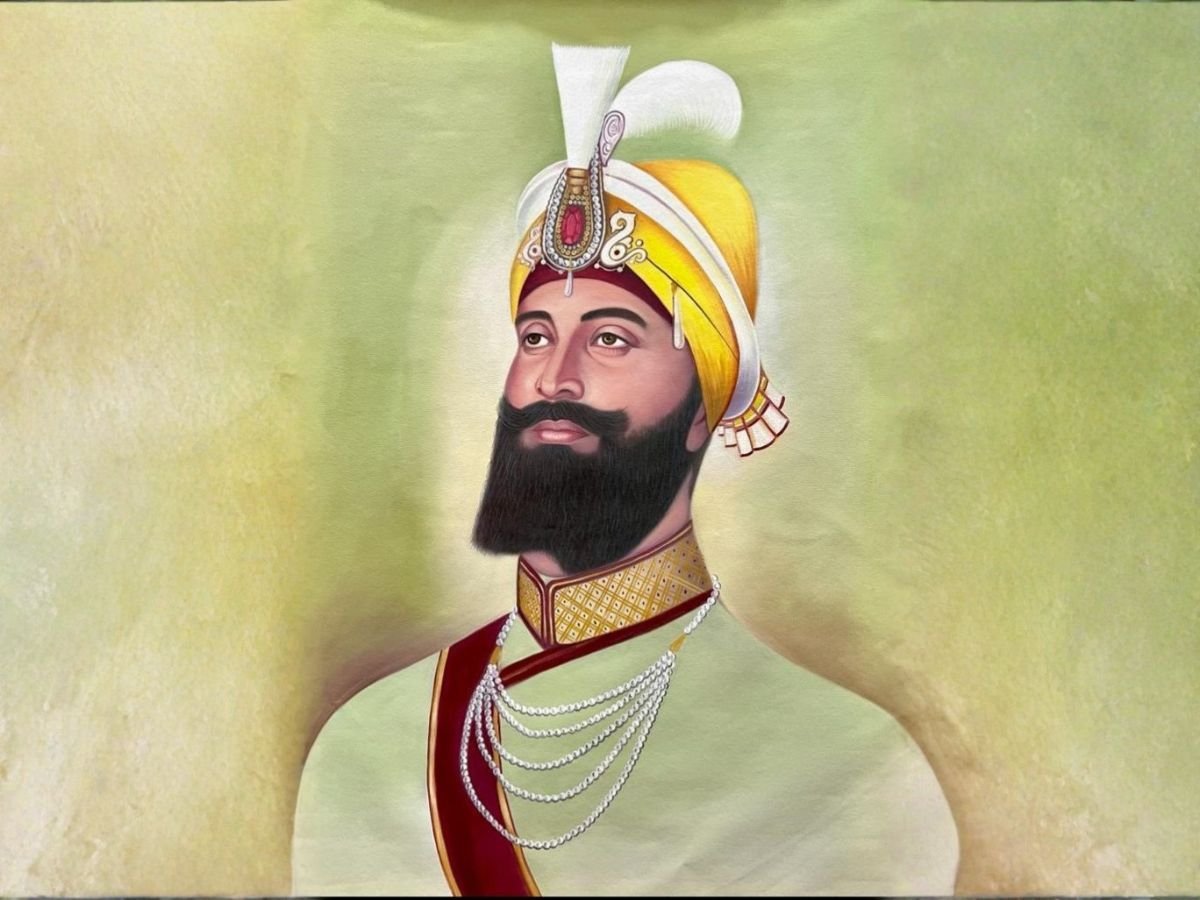
Sri Guru Tegh Bahadur Ji is remembered as the ninth Sikh Guru (1664–1675), and a spiritual leader whose public stand became larger than one community. He is also the father of Guru Gobind Singh, and his teachings are included in Sikh scripture, which is why his life is referenced not only as “history” but as living guidance.
In simple words, his life sits at the intersection of faith, politics, and conscience. The most repeated historical summary is also the most powerful: he was asked to convert or prove divinity through a miracle, and he refused, even when refusal meant death.
Why he is called “Hind Di Chadar”
The title “Hind Di Chadar” is widely understood as a tribute to his defence of the right to practise one’s faith without coercion. Mainstream historical references describe his martyrdom in the context of defending Hindu Brahmins from forced conversion under Aurangzeb’s regime, which is why his legacy is often explained as “protection of religious freedom.”
This is also why the Government of India has framed the 350th commemoration as a national observance. In the Kurukshetra programme, the Prime Minister explicitly referenced this moral stand and the refusal to compromise on principles, linking it to the broader idea of truth and justice.
How Guru Tegh Bahadur Ji became Shaheed
Historical summaries consistently note the sequence: pressure to convert, pressure to demonstrate a miracle, and then execution when he refused both. In most public-facing accounts, the focus remains on the refusal itself, because it frames martyrdom as a decision rooted in conscience rather than fear or politics.
Many Sikh tradition narratives also include the execution of close companions before the Guru’s own death, presented as a method of intimidation. It is enough to state this respectfully without graphic detail, because the core point is the same: the refusal did not bend, even when the cost became personal and immediate.
The legacy today: what this martyrdom represents for India
The reason the Kharghar event has become a mega gathering is not only devotion, but symbolism. A martyrdom remembered for protecting conscience becomes a public message about pluralism, dignity, and moral courage, and that message travels across communities without needing translation.
That’s also why the administrative planning for Kharghar is being treated like a city-scale operation. When a crowd is projected at 15 lakh, it’s not just event management, it’s the city expressing respect through logistics, safety, and discipline.
Tips for Families, Seniors, and First-Time Visitors
Best time to arrive
If your priority is peace, arrive earlier than you think you need to. Crowd patterns in Kharghar tend to tighten after mid-morning on big weekends, and with a 15-lakh projection, even a 30-minute delay can turn into a long queue at parking and walking corridors.
For seniors, plan the day like a gentle routine, not a rushed outing. Reach, settle, hydrate, and only then move deeper into the main pavilion lanes, because the main discomfort on such days is not distance, it’s stop-and-go movement.
What to carry (water, meds, ID, power bank, scarf, etc.)
Carry essentials that reduce dependence on the last-mile market rush. Water, basic medicines, and a charged phone are obvious, but a small local habit helps too: keep one ID and one emergency contact written on paper, because phones die at the worst time. It sounds old-school, but it works.
Also dress for standing and walking. Comfortable footwear matters because the plan explicitly includes pedestrian corridors from drop points, so even if you reach by metro or bus, you will likely walk a meaningful stretch.
Safety basics (children meeting point, emergency plan, heat + dehydration)
With families, decide a meeting point before you enter dense lanes. In Kharghar, people naturally say “Central Park side” or “Utsav Chowk side” when they get separated, but your family should decide on one fixed landmark and stick to it. Confusion increases panic, and panic creates unsafe movement.
If anyone feels dizziness or breathlessness, don’t push through it. The event planning includes medical centres and ICU support, and using them early is safer than waiting for a situation to worsen.
Conclusion
Kharghar will feel like a different city on 28 Feb and 1 Mar 2026. If you are attending, plan like a local: park where you’re told, accept the last-mile walk, hydrate early, and keep your family meeting point fixed. The smoother we move, the safer the whole event becomes.
And if you are not attending, still plan your weekend routes with care. A 15-lakh gathering does not stay inside one ground. It changes the rhythm of Kharghar, Belapur, Turbhe corridors for two days, and it’s better to be prepared than surprise.
FAQs
Frequently Asked Questions
Hind Di Chadar Kharghar event dates?
Venue address of Owe Maidan, Sector 29?
How many people are expected?
Will there be traffic diversions in Kharghar?
Nearest metro station for Owe Village/Owe Maidan?
What is Langar and is it free?
Emergency number in Navi Mumbai?
Is entry pass required?
Why was Guru Tegh Bahadur Ji executed?
Other places to visit in Kharghar
ISKCON Kharghar Temple


Pandavkada Falls Kharghar:
Owe Dam Kharghar

Arjun Kada Waterfall

Little World Mall
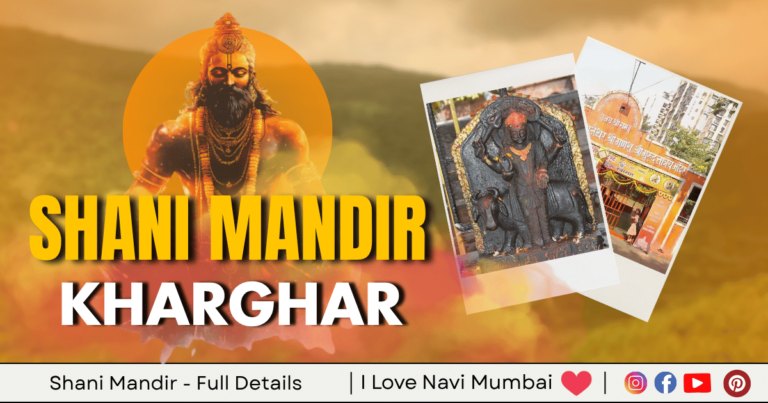
Shani Mandir in
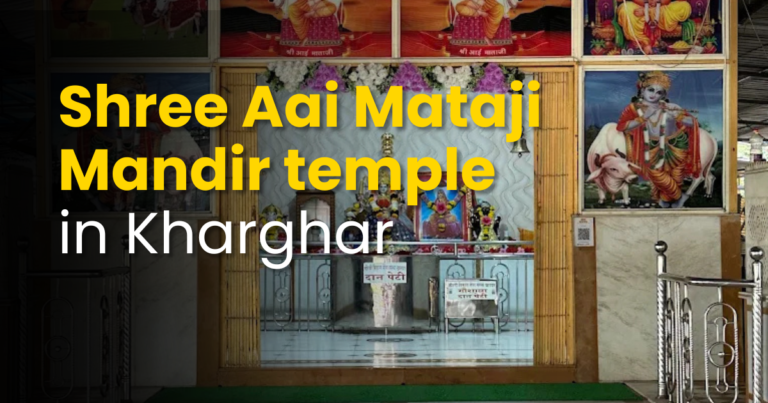
Shree Aai Mataji
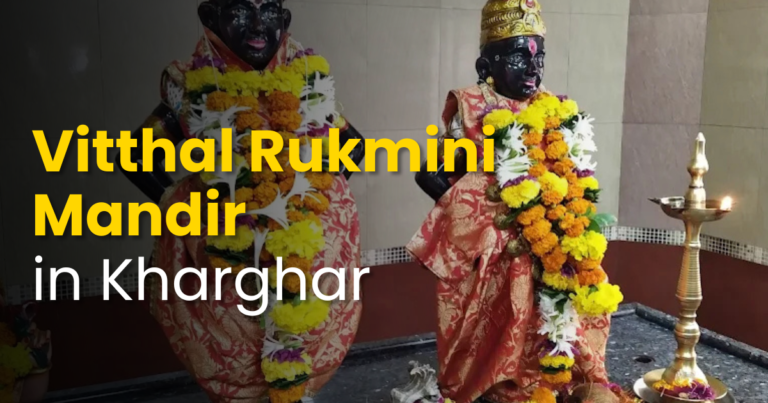
Shree Vitthal Rukhmai
Chinmaya Prerana, Shri