
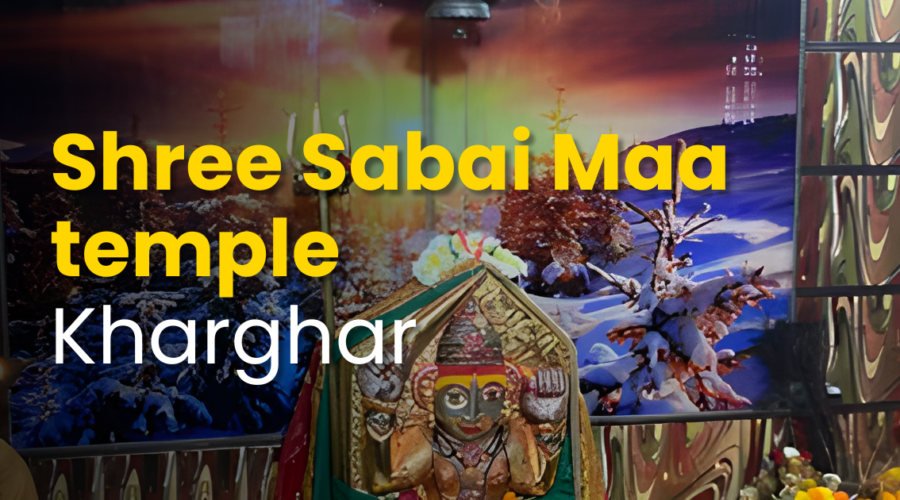
Shree Sabai Maa Temple Kharghar
Shree Sabai Maa Temple in Kharghar is not a name that appears only during festivals or formal poojas. For many families across Navi Mumbai, Panvel, and surrounding pockets, her presence is woven quietly into everyday life. People speak her name during moments of uncertainty, before important decisions, or when life feels slightly out of balance. You will often hear simple, reassuring words like “Sabai Maa baghel” or “Mata sambhal gheil” — phrases that don’t sound dramatic, but carry deep emotional trust built over generations.
In a region changing rapidly with new roads, towers, and lifestyles, devotion to Sabai Maa remains grounded, intimate, and personal. It doesn’t demand grandeur. It asks for faith, discipline, and responsibility values that still survive in many local households.
Who Is Shree Sabai Maa?

Shree Sabai Maa is worshipped as a powerful maternal deity, believed by devotees to be a form of Shakti protective, grounding, and deeply compassionate. Unlike distant or fear-based representations of divinity, Sabai Maa is approached like a mother who listens patiently and intervenes when truly needed.
Her identity has been preserved largely through oral tradition rather than written scripture. Families recount stories of protection during illness, safe returns from journeys, resolution of long-standing problems, and emotional strength during loss. Over time, she came to be regarded as a Kuldevi by certain communities, meaning her presence extends beyond worship into family identity itself. Births, marriages, new homes, and major life decisions often begin with her name.
What makes Sabai Maa’s worship unique is this closeness. There is no rigid formality. Devotees speak to her, not about her.
Planning a full day in Kharghar? After seeking blessings at Shree Sabai Maa Temple, explore the other gems this city has to offer—from the lush Central Park to the scenic Kharghar Hills. 📍 Check out the Best Places to Visit in Kharghar here!
Origin and Spiritual Roots
The spiritual roots of Shree Sabai Maa trace back to rural traditions where faith developed organically, shaped by land, livelihood, and shared hardship. Her worship did not emerge from royal patronage or large temple institutions, but from lived experience families depending on faith as much as effort to survive.
As communities migrated for work and settlement from interior regions toward Maharashtra’s western belt devotion to Sabai Maa travelled with them. The deity did not require relocation of idols or formal temples at first. A small shrine, a framed image, or even a symbolic space within the home was enough to establish her presence.
Over time, as settlements stabilised and populations grew, modest temples emerged, reflecting continuity rather than expansion.
Connectivity to Shree Sabai Maa Temple
By Railway:
Nearest railway stations are Kharghar and Panvel, both well connected to Mumbai, Thane, and Pune local & express trains.By Bus:
Regular NMMT, BEST, and MSRTC buses operate from Navi Mumbai, Panvel, and nearby areas, making the temple easily accessible.By Road:
Well connected via Sion–Panvel Highway, Mumbai–Pune Expressway, and internal Navi Mumbai roads; taxis, autos, and private vehicles are easily available.By Airport:
The upcoming Navi Mumbai International Airport will further improve accessibility; currently Chhatrapati Shivaji Maharaj International Airport (Mumbai) is the nearest major airport.
Everyday Worship and Local Practices
Worship at Shree Sabai Maa temples is simple and consistent. Daily diya lighting, incense, coconut offerings, and quiet prayer form the core of devotion. There is little emphasis on elaborate rituals unless it is a special occasion like Navratri or a community gathering.
Many families observe personal vows visiting the temple after a wish is fulfilled, offering food, or participating in collective aarti. These practices are not enforced but inherited, passed down through observation rather than instruction.
Cultural Importance in a Rapidly Urbanising Region
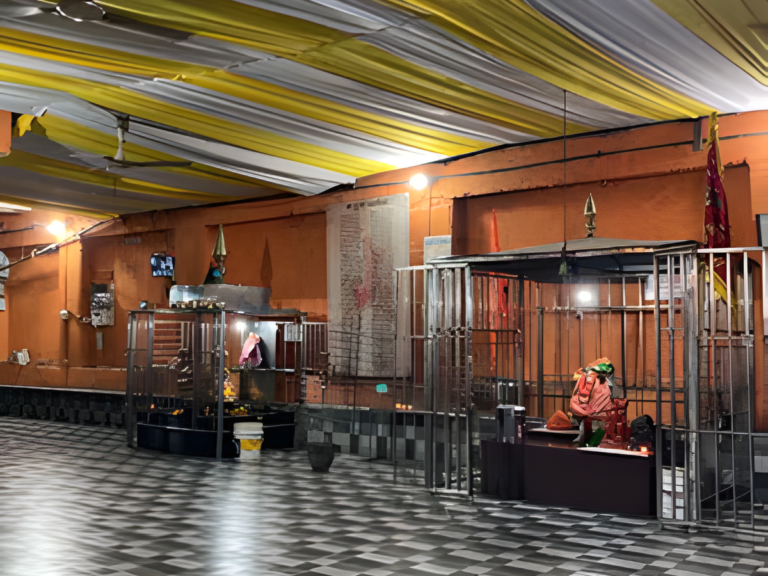
by time constraints and changing priorities. Yet temples like Shree Sabai Maa Mandir quietly resist disappearance by adapting rather than competing.
They coexist with apartments, shops, and traffic. Morning aartis happen before office hours. Evening lamps are lit after work. Faith adjusts without losing its core.
For many residents, especially older generations, these temples offer emotional continuity — a reminder that despite external change, internal anchors remain.
Challenges and Ground Reality
Like many small community temples, Shree Sabai Maa Mandirs face practical challenges. Limited funds, dependence on voluntary service, and lack of formal management structures can affect maintenance and expansion. These temples survive largely on trust and collective responsibility rather than structured income.
Urban pressure also plays a role. Shrinking open spaces and redevelopment sometimes threaten older religious structures. Yet the resilience of belief often ensures relocation or preservation, driven by community effort rather than authority.
Recognising these challenges is important. Faith alone does not sustain spaces awareness and responsible participation do.
Why Shree Sabai Maa Still Matters
Gaushalas play an important role in preserving indigenous cattle, promoting ethical dairy practices, and offering shelter to cows that would otherwise be abandoned, especially in rapidly urbanising regions like Navi Mumbai and Panvel.
At their best, they represent sustainability in action manure is used for compost, cows are allowed to live beyond their milking years, and traditional knowledge of animal care is preserved through generations. However, the ground reality is far more complex. Many Gaushalas struggle with limited funding, overcrowding, inadequate land, and rising veterinary costs, which directly affect the quality of care they can provide.
In some cases, the intention to protect cows exists, but resources fall short, leading to compromised hygiene or insufficient nutrition. Urban pressure has only intensified these challenges, as shrinking open spaces and stricter regulations make it harder to operate shelters responsibly. This contrast between idealism and reality is important to acknowledge, because blind faith or unchecked donations do not always translate into better outcomes for the animals. True support for Gaushalas today requires awareness, accountability, and informed involvement rather than emotional reaction alone. Recognising both the strengths and limitations of these institutions allows devotees and citizens alike to engage more responsibly, ensuring that the
Shree Sabai Maa Temple stands as a quiet symbol of lived faith in Navi Mumbai and Panvel. It reflects how devotion can remain relevant without becoming commercial, how tradition can survive without resisting change, and how belief can feel personal even within a growing city.
Whether you visit regularly or simply acknowledge her presence from afar, Sabai Maa continues to exist in the spaces between routine and hope steady, patient, and enduring.
FAQs
Frequently Asked Questions