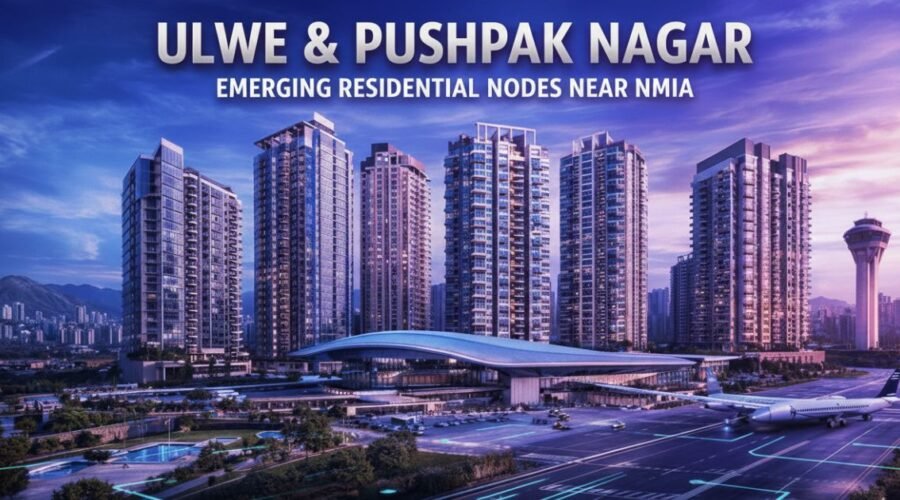
Ulwe & Pushpak Nagar Development: Navi Mumbai’s Airport-Adjacent Residential Hotspots
Ulwe and Pushpak Nagar are no longer just names discussed in Navi Mumbai real estate circles with a sense of future promise. In 2026, these two nodes stand at a very real turning point. The Navi Mumbai International Airport is operational, rail connectivity is active, and CIDCO’s planning is finally visible on the ground. What was once speculative has now become experiential.
I want to be very clear here. This blog is not written from a distance. I was personally in Ulwe and Pushpak Nagar recently, walking through Bamandongri, observing construction activity, talking to local shop owners, and watching the morning rush near the railway station. The changes are not subtle anymore. They are physical, visible, and impossible to ignore. This detailed guide looks at Ulwe real estate 2026, Pushpak Nagar property rates, and the real impact of the Navi Mumbai International Airport on real estate. Not from brochures. From the ground.
Introduction to Ulwe Node
Ulwe is a CIDCO-planned residential node located south of Nerul and Seawoods. From the beginning, it was designed as a structured urban extension rather than an unplanned suburb. Sector-wise development, wide internal roads, planned drainage, and clearly demarcated residential zones are part of Ulwe’s DNA.
When Ulwe was first announced, many buyers hesitated. Development felt slow. Social infrastructure was missing. The airport was only on paper. But standing in Ulwe today feels very different. Families live here. Children wait for school buses. Grocery shops open early. Trains are crowded during peak hours. This is no longer a “future location.” It is a working residential node.
Distance to Navi Mumbai International Airport
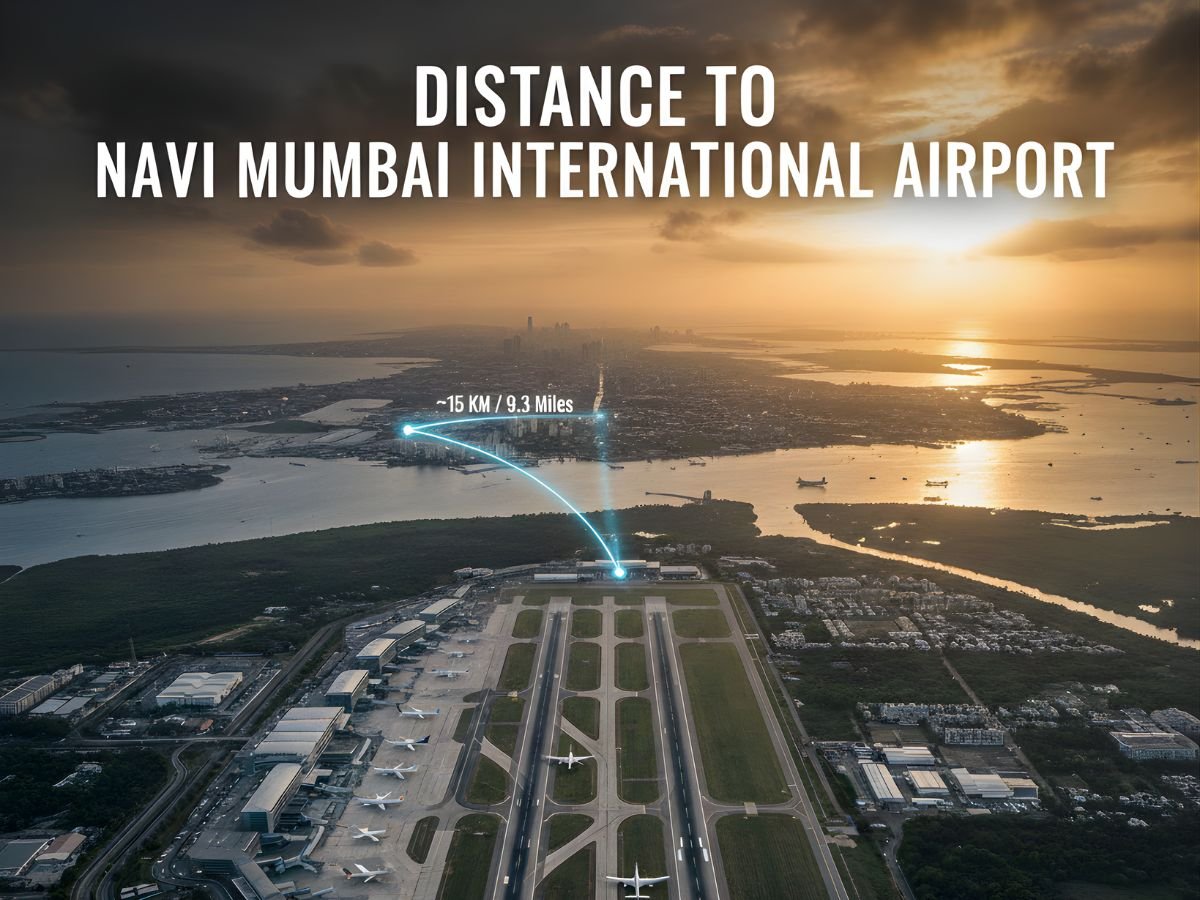
Ulwe’s biggest advantage is its proximity to NMIA. Areas around Bamandongri and Pushpak Nagar are barely 2 to 3 kilometres from the airport terminal. Central Ulwe sectors fall within a 5 to 7 kilometre radius. This closeness is crucial, especially for professionals working in aviation, cargo, hospitality, and airport-linked services.
During my visit, local residents repeatedly mentioned how airport-related employment has already started impacting rental demand. Flats that remained vacant earlier are now seeing enquiries from airline staff and logistics professionals.
CIDCO Planning and Sector Development
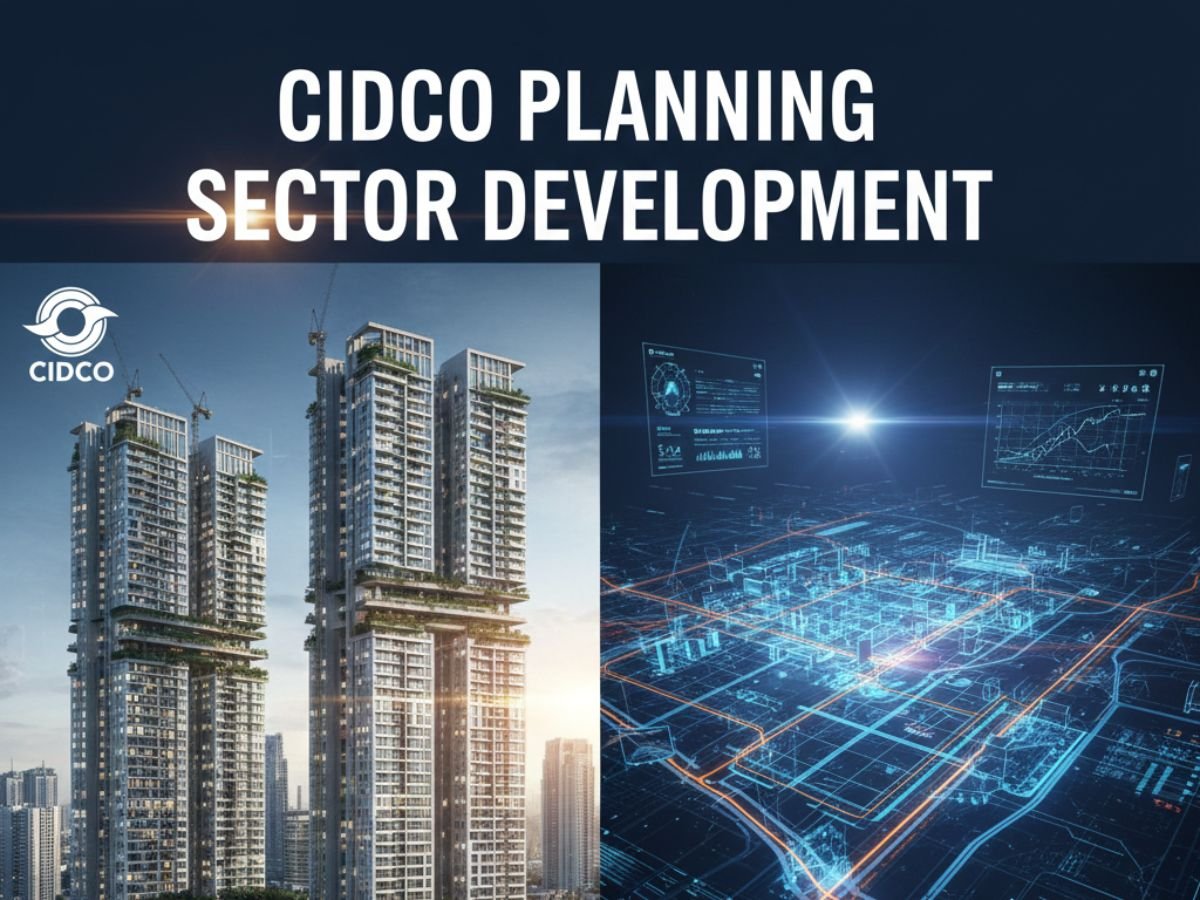
CIDCO’s planning is evident across Ulwe. Roads are wider than older Navi Mumbai nodes. Several internal roads measure nearly 30 metres. Drainage systems are pre-laid, not added later. CIDCO housing schemes, PAP rehabilitation buildings, and private residential projects coexist, creating a mixed but balanced residential ecosystem.
Yes, there are challenges. Water supply issues still exist in some sectors. Footpaths are incomplete in patches. But compared to organically grown suburbs, Ulwe’s problems feel solvable rather than structural.
Pushpak Nagar The Emerging Airport-Focused Node
Current Status of Pushpak Nagar Development
Infrastructure such as internal roads, stormwater drains, and plot demarcation is largely complete. CIDCO has auctioned multiple plots, and many developers are already constructing mid-rise residential buildings. Population density is still low, but that is changing steadily.
Pushpak Nagar property rates reflect this transition phase. In 2023, average prices hovered around ₹6,000–6,500 per sq ft. In 2026, most projects quote between ₹7,000 and ₹8,500 per sq ft, depending on location and construction quality. Projects closer to the airport boundary and main access roads command a slight premium.
Infrastructure Driving Growth in Ulwe and Pushpak Nagar
Rail Connectivity and Bamandongri Station
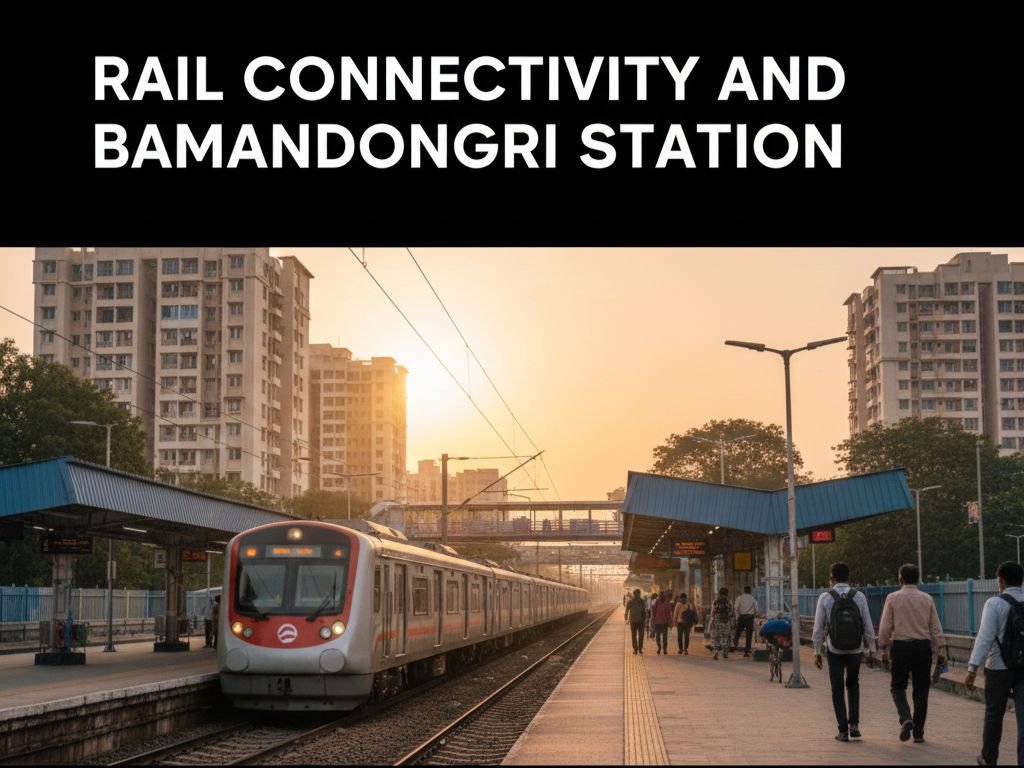
The Uran suburban railway line changed Ulwe’s trajectory. Bamandongri and Kharkopar stations have been operational since 2018, connecting Ulwe directly to Mumbai CST via the Harbour line. The extension to Uran, completed in 2024, further strengthened confidence.
During peak hours, trains from Bamandongri are noticeably crowded. This is a sign of real residential adoption, not speculative holding.
Ulwe Coastal Road Status
The Ulwe Coastal Road is one of the most anticipated infrastructure projects in this region. Once completed, it will connect Ulwe directly to Atal Setu, dramatically reducing travel time to South Mumbai. While construction work causes temporary inconvenience, the long-term impact on property values is expected to be significant.
Metro Connectivity Plans

The Belapur–Khandeshwar metro corridor passes east of Ulwe, with future extensions proposed towards NMIA. Once operational, this will further integrate Ulwe and Pushpak Nagar into Navi Mumbai’s transport network.
Ulwe and Pushpak Nagar Property Rates: Year-wise Reality Check (2023–2026)
Below is a realistic, year-by-year price movement table based on site visits, broker conversations in Ulwe and Pushpak Nagar, and active listings. This shows how Ulwe real estate 2026 and Pushpak Nagar property rates have actually evolved, not just jumped suddenly.
| Location | 2023 Avg (₹/sq ft) | 2024 Avg (₹/sq ft) | 2025 Avg (₹/sq ft) | 2026 Avg (₹/sq ft) |
|---|---|---|---|---|
| Ulwe | 6,500 – 7,500 | 7,200 – 8,200 | 7,800 – 9,200 | 8,000 – 10,500 |
| Pushpak Nagar | 6,000 – 6,500 | 6,500 – 7,200 | 6,800 – 8,000 | 7,000 – 8,500 |
This gradual increase clearly shows airport-led absorption and infrastructure delivery at work. Prices have moved step by step, not overnight, which makes both nodes healthier from an investment perspective.
One Section That Explains Why Buyers Are Choosing These Locations
Many buyers ask a simple question. Ulwe or Pushpak Nagar, why here and why now? From on-ground conversations, these are the most common reasons mentioned by actual residents and investors:
- Proximity to Navi Mumbai International Airport without living directly under flight paths, which keeps livability intact.
- CIDCO-planned layouts with wider roads, proper drainage, and clearer zoning compared to organically grown suburbs.
- Functional rail connectivity via Bamandongri and Kharkopar, making daily travel to Mumbai realistic.
- Entry-level pricing that still allows long-term appreciation, especially when compared to Vashi, Nerul, or Seawoods.
- Growing rental demand from airport staff, logistics professionals, and service-sector employees.
These are not brochure points. These are real reasons people are putting their money here in 2026.
Social Infrastructure and Daily Living Experience
Ulwe’s social infrastructure has improved noticeably. During my visit, I saw active local markets, pharmacies like Apollo Pharmacy and Wellness Forever, clinics, and grocery stores operating throughout the day. Small restaurants, bakeries, and hardware stores now line key internal roads.
Pushpak Nagar is still catching up, but this is expected. As residential occupancy increases, social infrastructure usually follows quickly. CIDCO’s planning includes space for schools, healthcare facilities, and community amenities.
Investment Potential and Practical Concerns
Ulwe real estate 2026 feels stable rather than speculative. Price appreciation has already happened, but rental demand is strengthening. Pushpak Nagar, on the other hand, still offers early-stage entry for long-term investors.
Noise pollution is a common concern due to airport proximity. However, runway orientation, buffer zones, and zoning norms reduce direct impact. During my visit, ambient noise levels felt similar to other active urban areas.
Rental demand is expected to rise steadily post-2026, driven by airport staff, logistics professionals, and allied service industries.
Living Experience on the Ground: What Daily Life Actually Feels Like
This is a section many blogs skip, but it matters the most. When you actually spend time in Ulwe and Pushpak Nagar, you notice small things that never appear in brochures. Morning activity near Bamandongri station starts early. Vendors selling tea, snacks, and newspapers line the road. Grocery shops open before 7 am because residents leave early for work. Auto-rickshaws queue outside society gates during peak hours. These are signs of a functioning residential ecosystem.
In Ulwe, sectors closer to Bamandongri and Kharkopar feel more settled. You see children playing in society compounds, senior citizens walking in the evenings, and delivery riders moving in and out constantly. Pushpak Nagar feels quieter, but not empty. Construction sounds dominate the day, but that is expected in a growing node. The roads feel wider, the layout more open, and the long-term intent clearer.
Who Should Buy in Ulwe and Who Should Consider Pushpak Nagar
Not every buyer fits every location, and this distinction is important. Ulwe suits end-users who want an already livable environment with basic social infrastructure in place. Pushpak Nagar suits buyers who are comfortable waiting a little longer in exchange for potentially higher long-term gains.
From conversations with local brokers and residents, a clear pattern emerges. Families with school-going children prefer Ulwe sectors closer to railway stations. Investors and airport-linked professionals lean towards Pushpak Nagar due to proximity and entry pricing.
Rental Market Reality After Airport Operations
Rental demand is no longer theoretical. In Ulwe, 1 BHK apartments that struggled to find tenants earlier are now seeing consistent enquiries. Airport staff, ground services employees, and logistics professionals prefer locations with predictable commute times. Pushpak Nagar rentals are still stabilizing, but early signs are positive.
Landlords report that tenants now ask specific questions about airport shifts, night travel safety, and connectivity. This shows how closely residential demand is linked to NMIA’s operational ecosystem.
Risks and What Buyers Should Be Cautious About
No location is without risk, and acknowledging this builds credibility. Construction timelines in Pushpak Nagar can vary by developer. Some social infrastructure elements will take time to catch up. Short-term rental yields may fluctuate until population density increases further.
Ulwe faces its own challenges. Traffic congestion during peak hours near station areas is increasing. Water supply consistency still varies by sector. These are growing pains, not deal-breakers, but buyers should be aware.
Rental Market Reality After Airport Operations
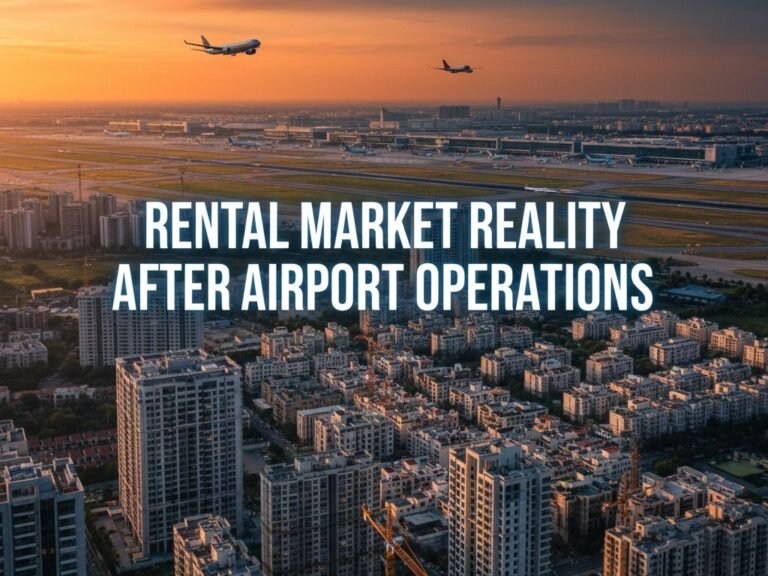
Rental demand is no longer theoretical. In Ulwe, 1 BHK apartments that struggled to find tenants earlier are now seeing consistent enquiries. Airport staff, ground services employees, and logistics professionals prefer locations with predictable commute times. Pushpak Nagar rentals are still stabilizing, but early signs are positive.
Landlords report that tenants now ask specific questions about airport shifts, night travel safety, and connectivity. This shows how closely residential demand is linked to NMIA’s operational ecosystem.
Risks and What Buyers Should Be Cautious About
No location is without risk, and acknowledging this builds credibility. Construction timelines in Pushpak Nagar can vary by developer. Some social infrastructure elements will take time to catch up. Short-term rental yields may fluctuate until population density increases further.
Ulwe faces its own challenges. Traffic congestion during peak hours near station areas is increasing. Water supply consistency still varies by sector. These are growing pains, not deal-breakers, but
buyers should be aware.
Long-Term Outlook: 2026 and Beyond
Looking beyond 2026, Ulwe and Pushpak Nagar sit at the heart of Navi Mumbai’s next growth cycle. Airport-driven employment, improved road connectivity, metro integration, and planned commercial development will continue shaping demand.
Unlike speculative land pockets, these nodes are supported by hard infrastructure. This reduces downside risk and supports steady appreciation rather than volatile spikes.
Ulwe and Pushpak Nagar represent two stages of the same growth story. Ulwe offers stability, livability, and proven demand. Pushpak Nagar offers proximity, planning, and future-forward potential. Neither is a shortcut to instant profit. Both reward patience and informed decision-making.
For buyers and investors willing to look beyond hype and focus on fundamentals, these airport-adjacent nodes stand out as some of Navi Mumbai’s most important residential destinations in 2026 and the years ahead.
FAQs
Frequently Asked Questions