
Khandeshwar Railway Station – Timings, Routes, Parking and Local Tips
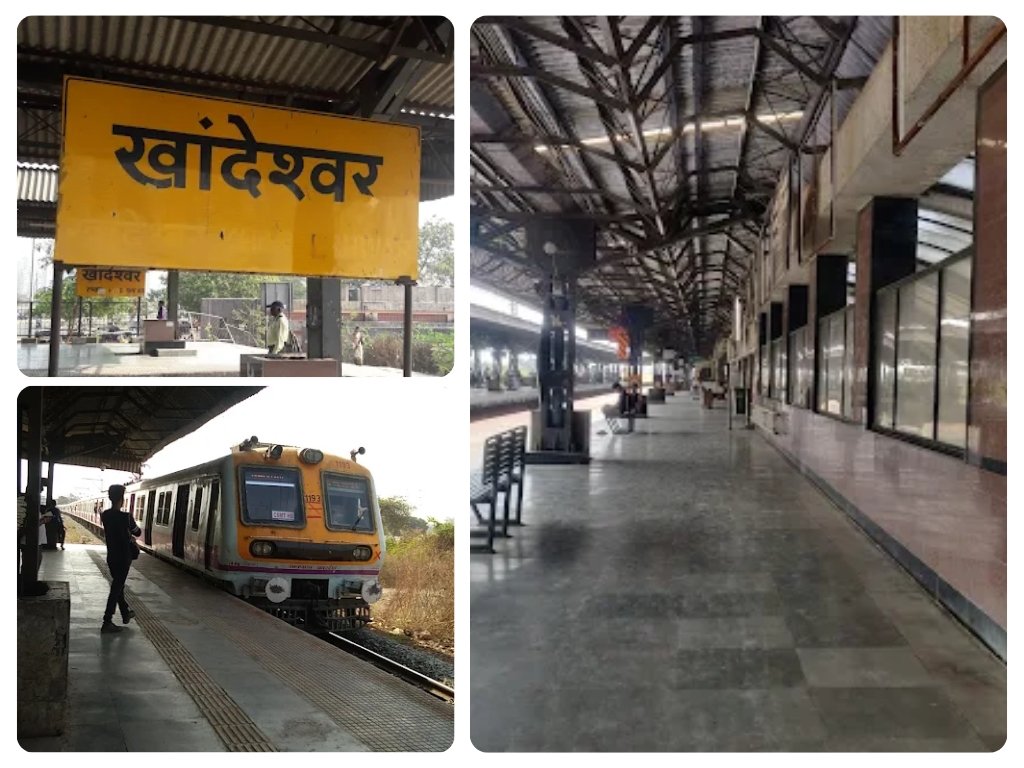
Khandeshwar Railway Station is one of those places in Navi Mumbai that people rarely talk about, yet thousands of lives revolve around it every single day. If Panvel is the heart of Raigad’s railway network and Kharghar is the symbol of planned urban living, then Khandeshwar stands quietly between them, acting as a bridge that connects both worlds.
If you observe the station closely during peak hours, you will realize something interesting. This is not just a transit point. It is a daily battlefield of time, ambition, routine, and survival. Office-goers rushing towards Mumbai, students heading to colleges in Kamothe and New Panvel, vendors selling tea and snacks, and auto drivers negotiating fares with tired commuters. Everything happens here simultaneously.
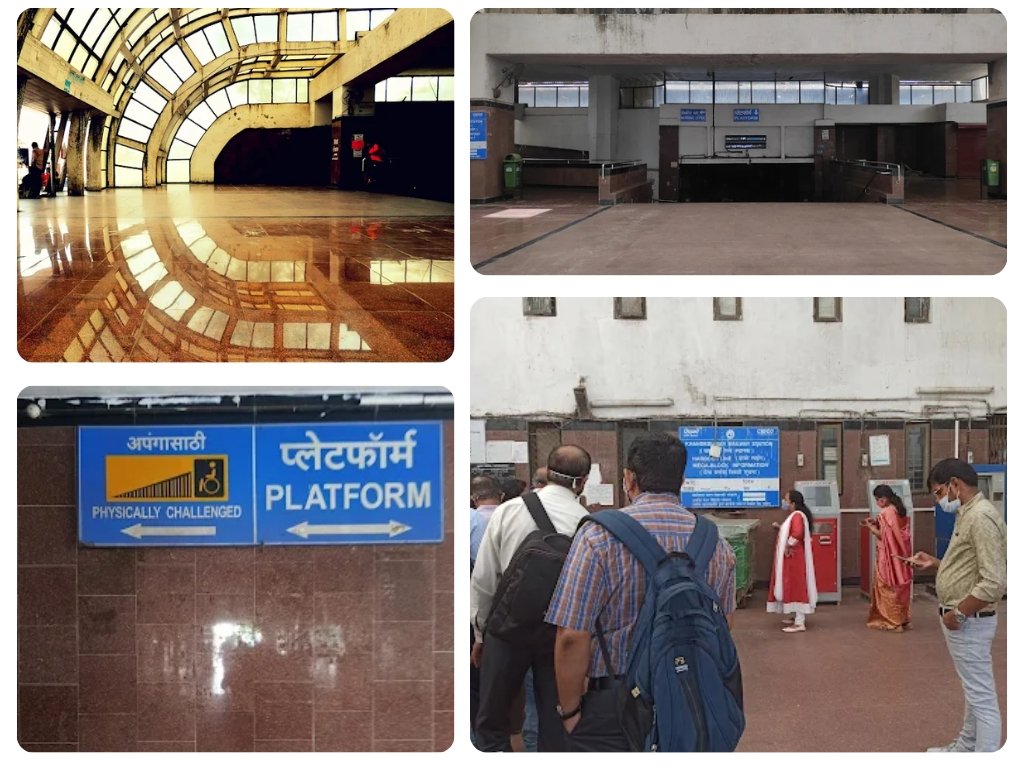
Unlike grand stations like Panvel or modern ones like Seawoods, Khandeshwar does not try to impress anyone. It simply works. And sometimes, that makes it more important than any other station in Navi Mumbai.
Khandeshwar Railway Station – Quick Overview
| Feature | Details |
|---|---|
| Location | Khanda Colony / Kamothe, Panvel, Navi Mumbai |
| Railway Line | Harbour Line – Mumbai Suburban Railway |
| Station Code | KNDS |
| Opened | 1995 |
| Operated By | Central Railway (Mumbai Division) |
| Next Stations | Kharghar (towards CSMT), Panvel (towards Panvel Junction) |
| Metro Connectivity | Belpada Metro Station (Navi Mumbai Metro Line 1) – approx 2–3 km |
| Peak Rush Timings | 7:30 AM – 10:00 AM, 5:30 PM – 8:30 PM |
| Train Frequency | Every 8–12 mins (peak), 15–20 mins (off-peak) |
| Ticketing | UTS App QR, Manual Ticket Counters |
| Parking | Limited paid parking for 2-wheelers & cars |
| Bus Connectivity | NMMT buses to Panvel, Kharghar, Kamothe, Ulwe, Belapur, Airport zones |
| Facilities | Basic toilets, ticket counters, foot overbridge, tea & snack stalls |
| Future Development | Better bus integration, parking upgrades, airport connectivity impact |
Khandeshwar Railway Station Train Connectivity
As a regular traveller, I’ve realized that Khandeshwar Railway Station is one of the most practical stops on the Harbour Line, especially for people living in Khanda Colony, Kamothe, and parts of Panvel. It connects directly to major destinations like CSMT (Chhatrapati Shivaji Maharaj Terminus), Vashi, Nerul, Belapur, and Panvel. You can check train routes and timings on erail.in.
Main Route: CSMT – Panvel
Frequency: Every 8–12 minutes during peak hours
First Train (towards CST): 5:00 AM
Last Train (from CST): 12:05 AM
Travel Time to CST: 70 minutes
Platforms: 2 (Both for UP & DOWN Harbour Line trains)
Personal Tip:
“If you board from Khandeshwar after 8:15 AM, be mentally prepared for heavy crowd. If possible, try the trains between 7:30-8:00 AM. After 8:30 AM, most trains are already packed from Panvel, and getting a seat becomes almost impossible – especially for office-goers and college students.”
Khandeshwar Station Other Train Routes (Trans-Harbour)
One of the most underrated aspects of Khandeshwar Station is its access to the Trans-Harbour Line. This route connects Khandeshwar to Thane, Ghatkopar, Kurla, and Andheri.
For people working in corporate offices in Andheri East, MIDC areas, or business hubs in Thane, this connectivity is extremely valuable. Many commuters who understand the Trans-Harbour network use it as a practical alternative to road travel.
Interestingly, a large section of commuters is still unaware of how powerful this route can be. Those who discover it often find it difficult to go back to more crowded road routes. In this sense, Khandeshwar acts as a silent gateway not only to South Mumbai but also to the eastern suburbs.
Khandeshwar Railway Station to Kharghar (Belpada) Metro Distance
The distance between Khandeshwar Railway Station and Belpada Metro Station in Kharghar is relatively short but strategically important. Depending on the route, it ranges between approximately two and three kilometers.
Auto-rickshaws usually take around five to ten minutes to cover this distance, while walking can take twenty to thirty minutes. Many residents also use two-wheelers to bridge this gap. With the development of Navi Mumbai Metro, the combination of railway and metro has become a common travel pattern for many commuters.
Although the physical distance is small, the convenience it provides is significant. Khandeshwar and Belpada together create a hybrid transit corridor that reflects the evolving transport culture of Navi Mumbai.
Airport Connectivity
The Navi Mumbai International Airport has significantly increased the strategic importance of Khandeshwar Railway Station. With the airport infrastructure rapidly expanding and operations progressing in phases, Khandeshwar has emerged as a key transit point for nearby airport zones. From here, areas like Pushpak Nagar, Ulwe, Dronagiri, and the airport corridor are easily accessible through buses, autos, and private vehicles.
In recent years, Khanda Colony and Kamothe have witnessed growing demand from airport-related professionals, including ground staff, logistics workers, and airline personnel. Compared to Kharghar, property prices and rental values in these areas remain relatively balanced, making them attractive for long-term residential living.
Khandeshwar is gradually emerging as a residential base for people associated with the airport ecosystem. Even before the airport reaches its full operational capacity, its impact is already visible in the local real estate market and daily commuting patterns.
AC & Non-AC Buses From Khandeshwar Station (NMMT + BEST)
| Bus Operator | Bus Type | Route | Connected Areas | Frequency (Approx) |
|---|---|---|---|---|
| NMMT | Non-AC | Khandeshwar ↔ Panvel Station | Panvel East, Khanda Colony | 15–25 mins |
| NMMT | Non-AC | Khandeshwar ↔ Kharghar | Kharghar sectors, Metro Line 1 | 15–25 mins |
| NMMT | Non-AC | Khandeshwar ↔ Kamothe | Kamothe sectors | 20–30 mins |
| NMMT | Non-AC | Khandeshwar ↔ Belapur CBD | CBD Belapur, Nerul | 20–35 mins |
| NMMT | AC | Khandeshwar ↔ Airport Corridor | Pushpak Nagar, Ulwe, NMIA zone | 20–30 mins |
| NMMT | Non-AC | Khandeshwar ↔ Ulwe | Ulwe sectors | 25–40 mins |
| BEST | Limited | Navi Mumbai ↔ Mumbai corridors | Selected Mumbai routes | Limited |
Khandeshwar Railway Station Parking & Accessibility
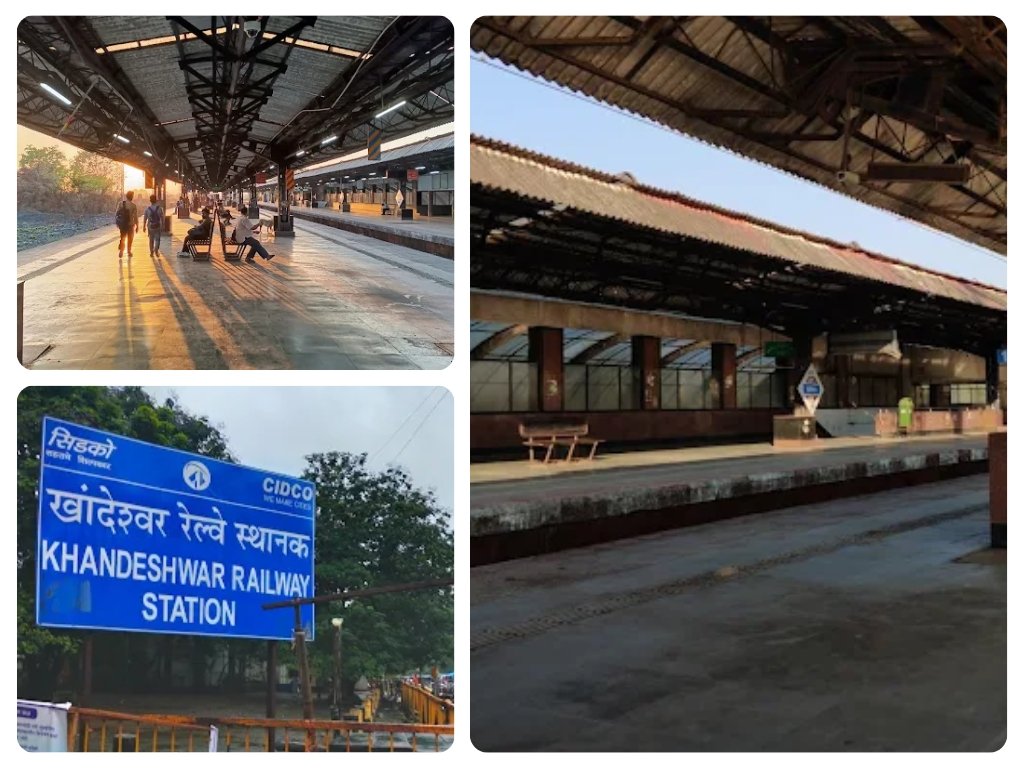
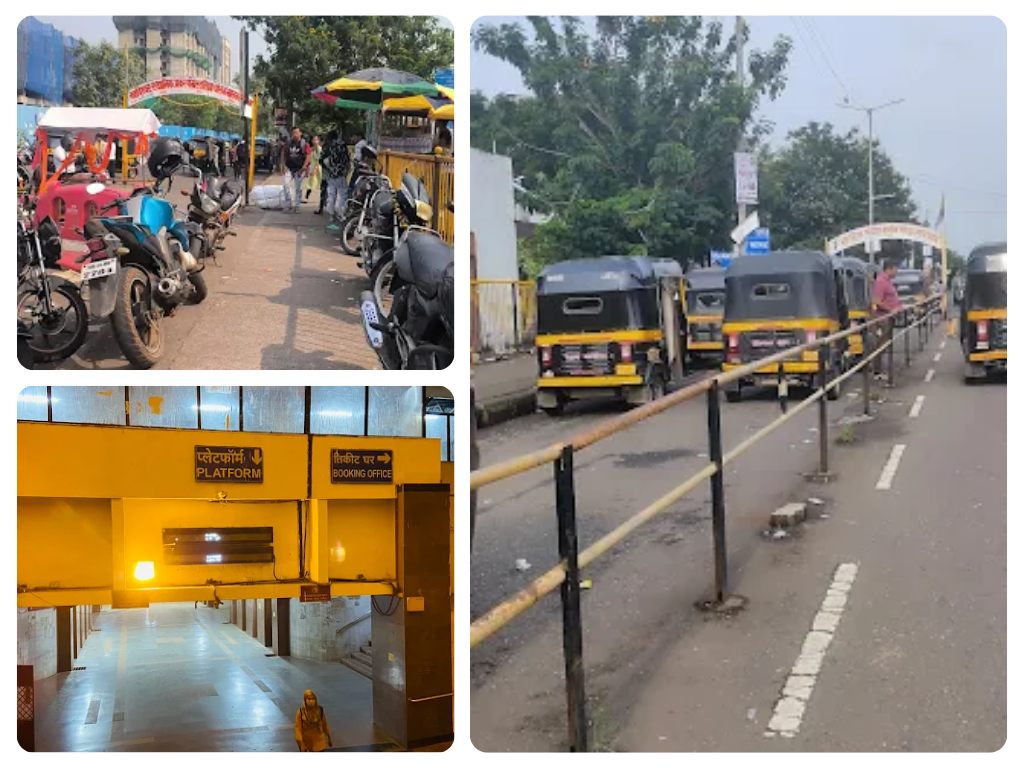
Parking is one of the most challenging aspects of Khandeshwar Station. The station was not originally designed to handle the current volume of vehicles, which has resulted in a shortage of organized parking spaces.
Accessibility to the station is reasonably good, but the lack of structured parking infrastructure creates daily stress for commuters. The station area often feels congested due to the high density of vehicles and pedestrians.
Khandeshwar Railway Station 2-Wheeler Parking
Two-wheeler parking around Khandeshwar Station is largely informal. Many commuters park their bikes on service roads, near flyovers, or close to shops. Although designated parking areas exist, they are insufficient for the number of daily users.
The constant risk of towing adds to the anxiety of commuters. For many residents, parking a bike near Khandeshwar Station feels less like a routine and more like a calculated risk.
Khandeshwar Railway Station Car Parking
Car parking is even more limited than two-wheeler parking. Official parking facilities are few and often located at a distance from the station. Private parking options are available in some residential buildings, but they come at a cost.
Due to these limitations, many car owners avoid using Khandeshwar Station for daily commuting, preferring alternative modes of transport instead.
Khandeshwar Station Safety & Cleanliness Review
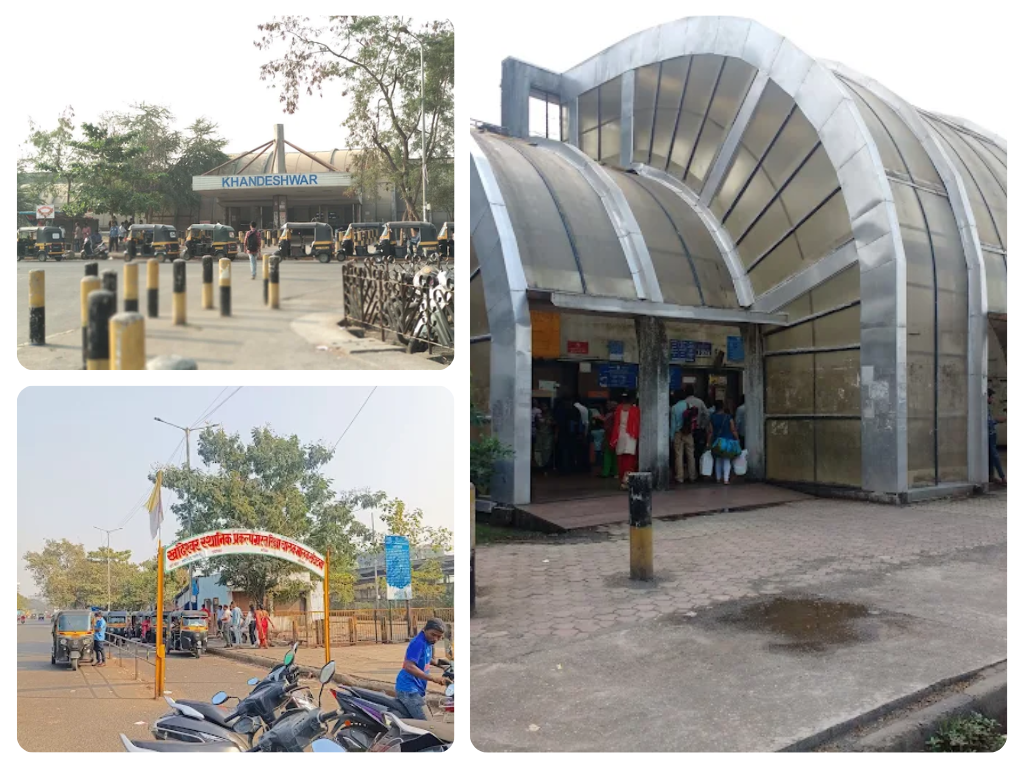
Safety and cleanliness at Khandeshwar Station present a mixed picture. The West side of the station, which opens towards Khanda Colony, feels relatively safer and more active. The presence of shops, temples, and residential areas creates a sense of security even during late hours.
In contrast, the East side, which leads towards Kamothe, appears less organized, especially at night. Limited lighting and reduced activity can make some commuters feel uncomfortable.
Cleanliness is average. Platforms are generally maintained, but subway passages and washrooms often require better upkeep. During monsoons, water leakage and dampness are common issues, highlighting the need for infrastructural upgrades.
How Busy Is Khandeshwar Railway Station?
Khandeshwar Station handles a significant volume of daily passengers. Office commuters traveling towards Mumbai, students from nearby colleges, local residents, and small business owners form the core user base.
Morning and evening peak hours transform the station into a high-energy transit hub, where movement never seems to stop. The crowd may not be glamorous, but it represents the real working population of Navi Mumbai.
Khandeshwar is not a station people talk about often, but it is a station people depend on deeply.
Which Trains Will You Get from Khandeshwar Station?
Khandeshwar Station primarily serves Harbour Line and Trans-Harbour Line trains. Passengers can travel towards Mumbai CSMT, Panvel, Thane, Andheri, and other key destinations using local trains.
Trains from Khandeshwar Towards Mumbai CSMT
Local trains from Khandeshwar towards Mumbai CSMT run via Kharghar, Belapur, Nerul, Vashi, Kurla, and other major stations.
The average travel time to CSMT ranges between seventy and ninety minutes, depending on train frequency and crowd conditions.
For many office-goers working in South Mumbai, Khandeshwar Station is the starting point of their daily journey.
Trains from Khandeshwar to Andheri (via Trans-Harbour Line)
Through the Trans-Harbour Line, passengers can travel from Khandeshwar to Andheri via Thane and Kurla.
This route is particularly useful for people working in Andheri East and surrounding corporate zones. Although the travel time is around sixty to eighty minutes, the connectivity offered by this route is highly valuable.
Popular Train Routes from Khandeshwar
| Route | Line | Approx Travel Time |
|---|---|---|
| Khandeshwar to Panvel | Harbour Line | 5 minutes |
| Khandeshwar to Kharghar | Harbour Line | 5–7 minutes |
| Khandeshwar to Belapur CBD | Harbour Line | 12–15 minutes |
| Khandeshwar to Vashi | Harbour Line | 20–25 minutes |
| Khandeshwar to Kurla | Harbour Line | 40–45 minutes |
| Khandeshwar to CSMT | Harbour Line | 70–90 minutes |
| Khandeshwar to Thane | Trans-Harbour Line | 45–55 minutes |
| Khandeshwar to Andheri | Trans-Harbour Line | 60–80 minutes |
Real Estate & Lifestyle Around Khandeshwar Station
The real estate landscape around Khandeshwar Station is shaped mainly by Khanda Colony and Kamothe. Khanda Colony is considered a mature residential area with relatively higher property values. Current property rates generally range between ₹15,000 and ₹18,500 per square foot. A typical one-bedroom apartment costs between ₹45 lakh and ₹65 lakh, while two-bedroom apartments range from ₹90 lakh to ₹1.3 crore. Rental values remain strong due to consistent demand from families and professionals.
Kamothe is more affordable, with property rates generally falling between ₹9,000 and ₹11,000 per square foot. One-bedroom apartments usually cost between ₹35 lakh and ₹50 lakh, while two-bedroom apartments range from ₹75 lakh to ₹95 lakh. Kamothe attracts students, bachelors, and investors looking for stable rental income.
Around the station, daily life is supported by a practical local market. On the Khanda Colony side, residents have access to D-Mart, Reliance Smart, Wellness Forever, local medical stores, restaurants such as Sansmaran and Gokul Village, and numerous small eateries. Chai stalls, vada pav vendors, stationery shops, and mobile repair stores form an integral part of the station’s ecosystem. On the Kamothe side, the market is more student-oriented, with xerox shops, PG accommodations, budget food joints, and small grocery stores dominating the area.
Does Khandeshwar Station Have Wi-Fi?
Khandeshwar Station does not offer reliable public Wi-Fi facilities. Most commuters rely on mobile data networks such as Jio and Airtel. Network coverage is generally stable, although internet speeds may slow down during peak hours due to heavy usage.
FAQs
Frequently Asked Questions