

MahaRERA Navi Mumbai: A Practical Guide for Homebuyers in 2026
What Is MAHARERA
MahaRERA stands for the Maharashtra Real Estate Regulatory Authority, created under the Real Estate (Regulation and Development) Act, 2016. It was formed to regulate a real estate market that, for years, operated with minimal accountability and uneven power between developers and buyers.
Before RERA, buyers in Maharashtra often depended entirely on a builder’s word. Possession dates shifted casually, layouts changed mid-way, and pricing was based on vague measurements. MahaRERA was introduced to correct this imbalance by converting promises into legally enforceable disclosures.
The Pre-RERA vs Post-RERA Buying Experience
In the pre-RERA era, property buying in Maharashtra was dominated by ambiguity. The concept of “super built-up area” allowed builders to charge for staircases, lift lobbies, and even walls. Buyers rarely knew how much usable space they were actually paying for.
Post-RERA, the only legally recognised unit of sale is carpet area, defined clearly as usable floor space. Every detail, from possession timelines to sanctioned plans, must now match what is uploaded on the MahaRERA portal, creating a digital trail that binds the developer legally.
Pre-RERA vs Post-RERA (2026) Snapshot
| Aspect | Pre-RERA | Post-RERA (2026) |
|---|---|---|
| Area definition | Super built-up | Carpet area only |
| Fund usage | Unregulated | 70% escrow mandatory |
| Possession delays | No accountability | Interest payable |
| Transparency | Builder-dependent | Public digital records |
| Buyer remedies | Civil courts | Dedicated authority |
Why MAHARERA Matters More in Maharashtra Than Other States

Maharashtra has India’s most complex and high-value real estate ecosystem. Cities like Mumbai, Navi Mumbai, Thane, and Pune combine redevelopment, slum rehabilitation, leasehold land, and aggressive infrastructure-led marketing.
Because of this complexity, MahaRERA evolved faster and stricter than most state regulators. By 2026, it has become the most active RERA authority in the country, not only registering projects but actively monitoring construction progress and financil discipline.
If a buyer faces delay, false promises, or possession-related disputes, this guide on how to file a complaint in MahaRERA Navi Mumbai explains the process more clearly.
How MahaRERA Evolved from Regulation to Governance
In its early years, MahaRERA focused mainly on bringing older, incomplete projects into the regulatory fold. Many developments without Occupation Certificates were forced to register and disclose their real status.
By 2026, the authority’s role has shifted toward execution quality. Developers must now honour a five-year defect liability period, meaning any structural defects reported within five years of possession must be fixed by the builder without extra cost.
Maharashtra’s Real Estate Scale in 2025-2026
Maharashtra continues to lead the country in project registrations and grievance resolutions. In 2025 alone, MahaRERA registered 4,282 new projects and disposed of 6,945 complaints, reflecting a system that is no longer symbolic but operationally strong.
Project Registrations by Region (2025)
| Region | Registrations | Rank |
|---|---|---|
| Pune | 1,144 | 1 |
| Thane | 675 | 2 |
| Mumbai Suburban | 587 | 3 |
| Raigad | 384 | 4 |
| Navi Mumbai influence | High | Strategic |
The Digital Integration Advantage
One major reason behind MahaRERA’s effectiveness is its integration with 481 planning authorities across Maharashtra. When a project applies for registration, its Commencement Certificate is digitally verified with authorities like MCGM or NMMC.
This system has largely eliminated the earlier practice of launching projects on forged or partially approved plans, a common risk in fast-growing zones like Panvel and Navi Mumbai.
Quarterly Progress Reports and Real Accountability
Quarterly Progress Reports, once ignored, have become central to buyer due diligence. By 2026, compliance has reached nearly 80%, compared to almost zero at inception.
These reports now act as a living status check. When construction stalls but money continues to be collected, QPRs expose the mismatch, giving buyers early warning signals instead of post-purchase shock.
Key Objectives of MAHARERA
At its core, MahaRERA aims to convert information into enforceable accountability. Transparency in approvals ensures buyers see what is legally sanctioned, not what is artistically rendered.
Financial discipline through escrow accounts prevents fund diversion, while time-bound grievance redressal replaces decade-long court battles with structured regulatory action.
Which Projects Must Be Registered Under MAHARERA

Any real estate project in Maharashtra must be registered with MahaRERA if the land area exceeds 500 square meters or if the project includes more than eight apartments, across all phases.
Before booking any under-construction property, it is important to understand the MahaRERA project registration process in Navi Mumbai and what registration actually confirms.
This rule applies equally to residential and commercial developments, including redevelopment projects that create new saleable units for outside buyers.
The 2026 Grey Area: Order 62/2024
MahaRERA’s Order No. 62/2024 clarified that projects are exempt if they meet either the land size or unit count threshold. This means a luxury villa project with five units on a large plot may legally remain outside RERA.
While this simplifies compliance for small developers, it increases risk for buyers in niche segments where regulatory protection is now optional rather than mandatory.
Which Projects Are Exempt from MAHARERA
Projects that received an Occupation Certificate before RERA came into force remain exempt. Small developments below both threshold limits also fall outside registration.
However, exemption does not equal safety. Even exempt projects require careful scrutiny of land title, approvals, and contractual terms, especially in high-value urban pockets.
How to Check MAHARERA Registration (Step-by-Step)
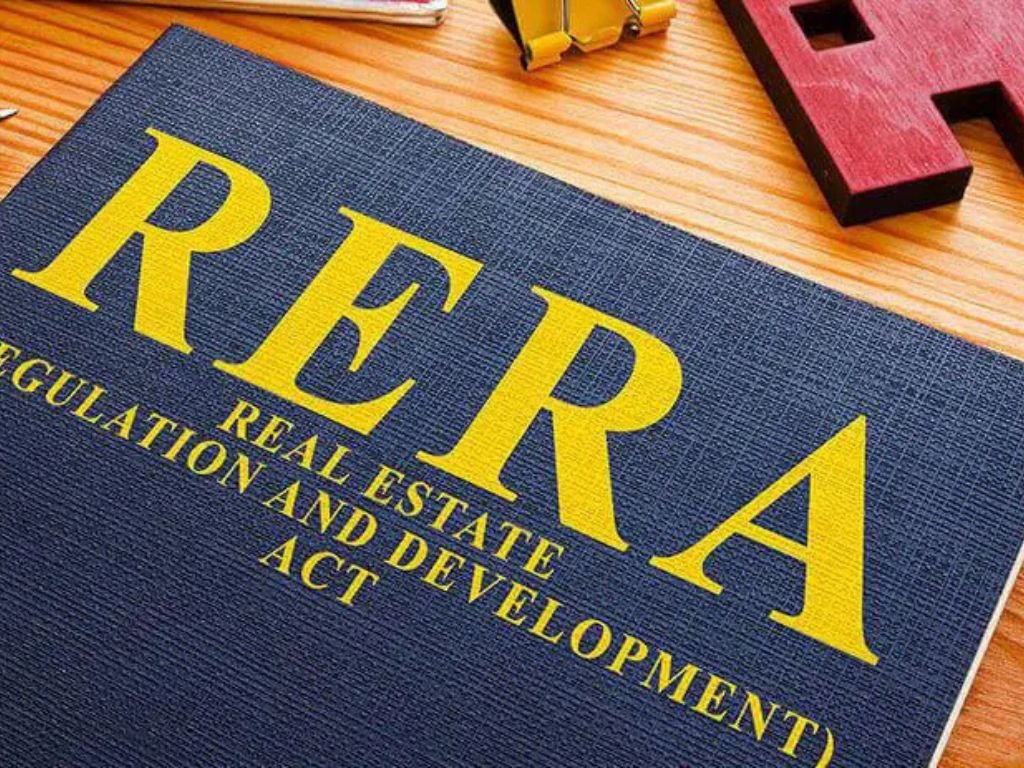
In 2026, the MahaRERA portal has become the single most reliable source of truth for property verification in Maharashtra. Any serious buyer, especially in high-activity zones like Navi Mumbai, must treat this portal as the first checkpoint before even paying a token amount.
The verification process begins at the official MahaRERA website. Under the “Registered Projects” section, buyers can search using the project name, promoter name, or the unique 12-digit registration number. Each registered project opens into a detailed compliance dashboard.
Reading a MahaRERA Project Page Correctly
Most buyers stop after checking whether a registration number exists. That is a mistake. The real value lies in understanding the attached documents, particularly the sanctioned layout, possession date, and approval history.
The possession date declared on MahaRERA is legally binding. If marketing material shows a different date, the portal version prevails. Similarly, sanctioned plans must match what is being sold. Extra floors or wings not reflected here indicate unauthorized construction risk.
Common Mistakes Buyers Make While Checking MahaRERA

A frequent error is assuming that registration guarantees safety. MahaRERA ensures disclosure, not quality or profitability. Buyers also overlook the litigation tab, which quietly reveals disputes, refund orders, and recovery warrants against the developer.
Another mistake is ignoring Quarterly Progress Reports. When a project shows stagnant progress but continues demanding milestone payments, it signals potential fund diversion or execution stress.
What Information Developers Must Disclose on MahaRERA
MahaRERA mandates comprehensive disclosures that convert real estate from a promise-based industry into a data-driven one. These disclosures are not optional and must be updated periodically.
They include land ownership details, development agreements, sanctioned plans, and financial structures. Together, these documents allow buyers to verify whether a project is legally viable and financially disciplined.
Mandatory Disclosures Snapshot
| Disclosure Type | Why It Matters |
|---|---|
| Land title report | Confirms ownership and encumbrances |
| Approved plans | Prevents illegal construction |
| Financial details | Tracks fund usage |
| QPR updates | Shows execution health |
| Professional details | Fixes accountability |
Buyer Rights Under MAHARERA
MahaRERA has clearly defined buyers as “allottees” with enforceable rights. The most critical among these is the right to timely possession as promised in the Agreement for Sale.
Buyers are also entitled to compensation for delays, refunds with interest if they exit a project, and access to all project-related information uploaded on the portal. These rights apply irrespective of market cycles or builder excuses.
Developer Obligations Under MAHARERA
Developers are bound by strict compliance standards once a project is registered. Misleading advertisements, unauthorized plan changes, and fund diversion are direct violations under the Act.
The five-year defect liability period is particularly significant in 2026. Structural defects, seepage, or faulty workmanship reported within this window must be rectified by the builder without additional charges.
The 70:30 Escrow Rule and Financial Discipline
The strongest financial safeguard under MahaRERA is the escrow mechanism. Seventy percent of buyer collections must be deposited into a project-specific bank account and used only for land and construction costs.
Withdrawals are tightly controlled and require certification from an architect, engineer, and chartered accountant. This tri-layer verification has largely eliminated the earlier practice of using one project’s funds to finance another.
Why Fund Diversion Became Rare After RERA
Before RERA, stalled projects often resulted from aggressive land banking funded by buyer money. When market conditions tightened, construction stopped.
In 2026, this risk is significantly reduced. Since withdrawals are linked to actual construction progress, developers cannot access funds unless work is genuinely completed on-site.
MAHARERA and Possession Delays in 2026

Possession delay remains the most common dispute in Maharashtra. Under MahaRERA, any delay beyond the agreed date attracts mandatory interest payable to the buyer.
Importantly, regulatory extensions granted to developers do not override individual buyer agreements. A landmark 2025 ruling clarified that buyer compensation rights remain intact even if MahaRERA grants project-level relief.
Interest Calculation for Delay Compensation
Delay compensation is directly linked to the State Bank of India’s highest Marginal Cost of Funds Based Lending Rate. The formula adds a fixed two percent margin over SBI’s highest MCLR.
As of early 2026, this results in an effective compensation rate ranging between 10.80% and 11.10%, making prolonged delays financially painful for non-compliant developers.
Interest Rate Logic (2026)
| Component | Rate |
|---|---|
| SBI Highest MCLR | ~8.80% to 9.10% |
| Statutory Addition | +2.00% |
| Buyer Compensation | ~10.80% to 11.10% |
How to File a Complaint on MAHARERA
Filing a complaint is now a fully digital process designed for speed. Buyers must create a “Home Buyer” account on the MahaRERA portal and clearly mention the violated section, such as misleading advertisement or possession delay.
The standard complaint fee in 2026 is ₹5,000. For buyers seeking quicker, amicable resolution, the MahaRERA Conciliation Forum offers mediation-based settlement at a fee of ₹1,000, often resolving cases within 45 days.
Why MahaRERA Orders Have Real Enforcement Power
MahaRERA’s biggest strength lies in enforcement. If a developer ignores an order, the authority issues a Recovery Certificate to the District Collector.
The Collector can then attach bank accounts or auction land as arrears of land revenue. This mechanism ensures that RERA orders are not merely advisory but financially enforceable.
MAHARERA vs Consumer Court vs Civil Court

Choosing the right forum is critical. MahaRERA is ideal for possession delays, refunds, and compliance issues. Consumer courts address service deficiency, while civil courts are suited for title disputes.
For most homebuyers in 2026, MahaRERA offers the fastest and most practical relief mechanism.
Forum Comparison Table
| Criteria | MahaRERA | Consumer Court | Civil Court |
|---|---|---|---|
| Speed | 3–6 months | 1–3 years | 10+ years |
| Cost | Fixed ₹5,000 | Claim-based | High |
| Focus | Real estate | Consumer issues | Property law |
| Enforcement | Collector recovery | Execution petition | Decree |
MAHARERA in Navi Mumbai and CIDCO Areas
Navi Mumbai operates under a dual-control structure where MahaRERA regulates project disclosures and buyer rights, while CIDCO controls land ownership. Most residential plots are leasehold, typically for 60 or 99 years, which introduces an additional compliance layer not seen in freehold cities.
This dual authority makes due diligence critical. A project can be MahaRERA registered and still face delays if CIDCO approvals, transfer charges, or lease conditions are unresolved. Buyers who rely only on RERA status often discover these complications too late.
CIDCO Leasehold vs Freehold Conversion Impact (2025-2026)
In 2025, CIDCO introduced a landmark optional scheme allowing conversion of residential leasehold properties into freehold. This policy significantly changed buyer sentiment in nodes like Kharghar and Panvel.
Freehold conversion improves resale liquidity, removes recurring transfer charges, and simplifies mortgage approvals. However, the conversion fee is linked to Ready Reckoner rates, making cost assessment an essential pre-purchase step.
Leasehold vs Freehold Comparison
| Factor | Leasehold | Converted Freehold |
|---|---|---|
| Ownership | Time-bound | Permanent |
| Transfer charges | Applicable | Nil |
| CIDCO approvals | Mandatory | Not required |
| Marketability | Limited | Higher |
Redevelopment Under MAHARERA in Navi Mumbai
Redevelopment projects in Navi Mumbai follow CIDCO-specific policies layered over MahaRERA compliance. As of 2026, CIDCO permits redevelopment with written consent from 51% of society members, replacing the earlier 100% consent requirement.
While this accelerates redevelopment, it also creates friction among minority members. MahaRERA registration applies only when new saleable units are offered to outside buyers. Rehab members often remain outside direct RERA grievance protection, which continues to be a regulatory gap.
CIDCO Housing Projects and Buyer Risk
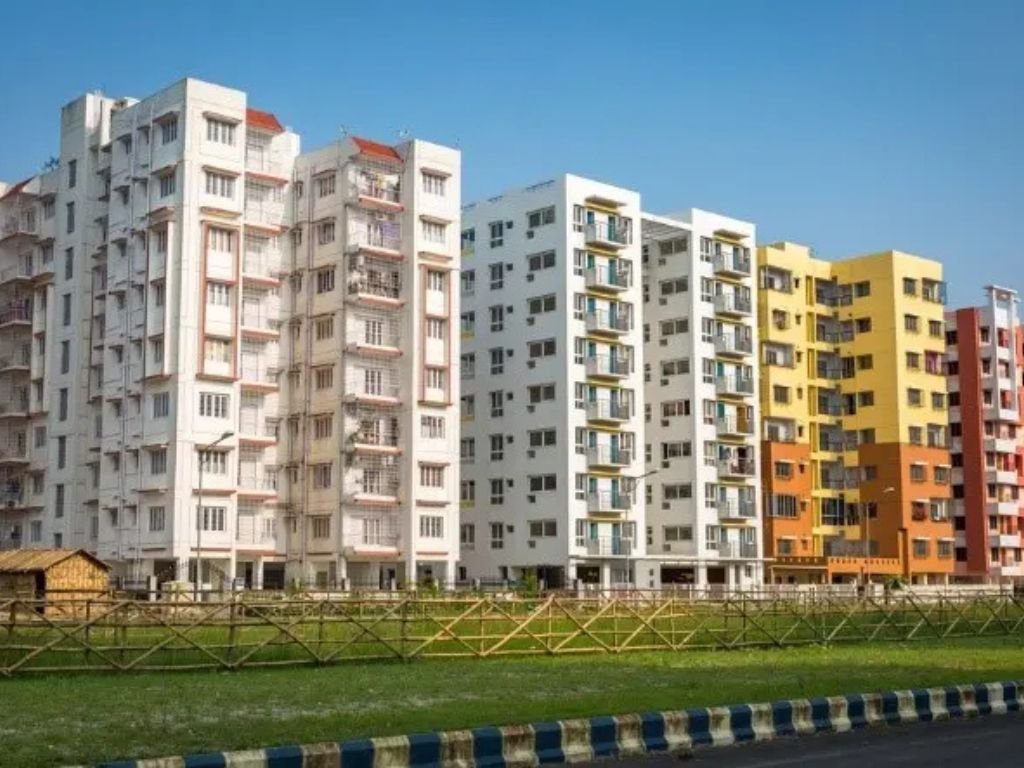
CIDCO-built housing projects follow a different risk profile. CIDCO hands over possession only after obtaining Occupation Certificate, but it does not pay interest for delays in receiving the OC.
This is a crucial distinction. Private MahaRERA-registered projects mandate interest under Section 18, whereas CIDCO projects shift delay risk entirely to the allottee.
Common MAHARERA Myths Buyers Still Believe
Many buyers assume MahaRERA guarantees possession. In reality, it guarantees disclosure and compensation, not construction success.
Another misconception is that RERA-approved projects are risk-free. MahaRERA does not validate land titles or builder solvency, which remain buyer responsibilities.
Limitations of MAHARERA
MahaRERA is a regulatory framework, not an insurance policy. It does not cover fraud in land ownership, insolvency of developers, or delays caused by external infrastructure dependencies.
Construction quality issues beyond the five-year defect liability period also fall outside its protection. Buyers must treat RERA as a transparency tool, not a replacement for legal due diligence.
MAHARERA Checklist Before You Book a Flat

Before booking any property in Maharashtra, buyers should pause and verify core compliance indicators. This checklist acts as a final risk filter.
- MahaRERA registration number verified
- Possession date checked against agreement
- Sanctioned plans matched with brochure
- Litigation tab reviewed carefully
- CIDCO approvals confirmed for Navi Mumbai
Conclusion: Is MAHARERA Enough for Safe Property Buying?
MahaRERA has transformed Maharashtra into one of the most transparent real estate markets in the developing world. For buyers in Navi Mumbai, its impact is strongest when combined with CIDCO verification and document-level scrutiny.
RERA is not a guarantee of success, but it is a powerful accountability framework. In 2026, informed buyers who actively use the portal, understand escrow discipline, and verify local approvals face far lower risk than ever before.
FAQ's
Frequently Asked Questions