
CREDAI MCHI: Maharashtra’s Most Influential Real Estate Developers’ Association
Quick Summary
| Topic | What it means for buyers in Maharashtra | What it means specifically for Navi Mumbai–Raigad |
|---|---|---|
| What CREDAI MCHI is | A powerful developers’ body influencing policy, compliance culture, and market practices | Its Navi Mumbai and Raigad units affect CIDCO, NAINA, Panvel, Taloja decisions |
| Scale and influence | Represents a large developer base in MMR, acts like a quasi-regulatory force via policy, legal action, and representation | Pushes infrastructure, approvals, and clarity where planning and environment rules slow projects |
| Key 2025–2027 leadership | “Mission CARES” period under new president (per report) | Regional leadership becomes important for Ulwe, NAINA, CEPI-related zones |
| Redevelopment relevance | Strong role in Mumbai’s complex redevelopment ecosystem | Impacts spillover demand and buyer mindset, but local planning realities still matter |
| Buyer safety | Membership supports organised practices, but does not replace due diligence | Especially relevant in CIDCO leasehold, NAINA planning, and industrial belt compliance |
| Market mechanisms | Offers like “Zero Stamp Duty” are usually developer-paid packaging | Useful for liquidity planning, but compare it against cash discount options |
What Is CREDAI MCHI? (Simple Explanation for Home Buyers)
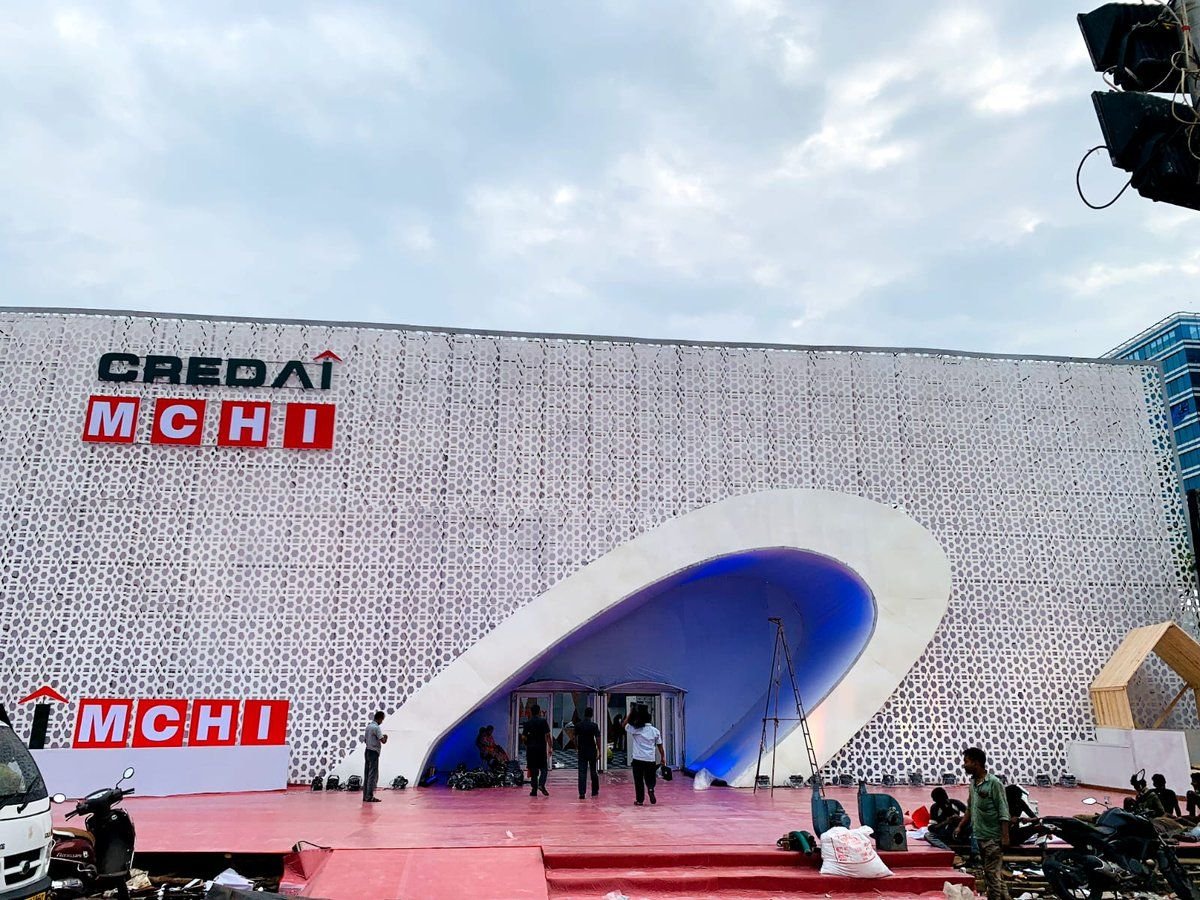
CREDAI MCHI stands for Confederation of Real Estate Developers’ Associations of India, Maharashtra Chamber of Housing Industry. In practical terms, it is a developers’ association that represents a very large segment of the organised real estate industry in Maharashtra, especially across the Mumbai Metropolitan Region, with active influence that extends beyond Mumbai into the wider growth corridors.
For a home buyer, CREDAI MCHI matters because it often operates like a high-level industry interface with the government. When approvals, environmental rules, taxes, or development control regulations create gridlock, such associations push policy clarifications and sometimes fight legal battles that decide whether projects move ahead or remain stuck. Buyers benefit indirectly when the market becomes more rule-based, more transparent, and less chaotic.
History and Evolution of CREDAI MCHI
MCHI began as a Mumbai-focused builders’ body, rooted in a market where land constraints and redevelopment complexity forced developers to organise early. Over time, the association expanded its footprint and relevance as Mumbai’s real estate economy grew outward into the MMR and then into broader Maharashtra growth belts connected to infrastructure and industrial employment.
What changed in the last decade is that it became more than a trade group. In the 2025–2027 period described in the report, CREDAI MCHI is positioned as a policy-influencing institution, using government representations, structured initiatives, and litigation to shape the operating environment for housing supply. That shift is one reason it is discussed as a strategic power centre in Maharashtra real estate.
CREDAI MCHI vs CREDAI BANM – Understanding the Difference Clearly
Geographic Jurisdiction
CREDAI MCHI is described as having a Mumbai-centric core with wider statewide influence through its scale and policy positioning. CREDAI BANM, on the other hand, is framed as Navi Mumbai and Raigad focused, with a mandate that is more local in execution, even if affiliations overlap under the national CREDAI ecosystem.
In Navi Mumbai’s ground reality, this distinction matters. A buyer in Vashi or Nerul may see redevelopment and compliance conversations that feel “MCHI-like,” while a buyer in Kamothe, Panvel, Taloja, or the NAINA belt will often hear BANM and Raigad unit activity more directly, especially around expos, approvals, and local bottlenecks.
Market Orientation
MCHI’s ecosystem is closely tied to high-density urban redevelopment and regulatory structures that define Mumbai’s rebuild story. BANM’s footprint is naturally stronger in greenfield and expansion markets where new inventory, township logic, and infrastructure-led growth define buyer demand.
This is also why the issues look different. In Mumbai, the conversation is often SRA, MHADA, cessed buildings, and rehabilitation obligations. In Navi Mumbai–Raigad, the conversation is frequently CIDCO processes, NAINA planning, environmental clearances near industrial belts, and last-mile infrastructure delivery in sectors that are “launched” before they feel liveable.
Why Both Organisations Coexist
They coexist because they emerged from different market histories and they deal with different planning authorities. Mumbai redevelopment needs one type of representation; CIDCO-led nodes and Raigad’s environment-linked approvals need another type. The report also highlights that memberships can overlap and that joint legal actions happen when a problem hits both ecosystems.
From a buyer’s perspective, coexistence is not a conflict. It is more like two instruments working on the same orchestra, one handling dense-city complexity, the other handling the growth frontier where new supply, industrial housing demand, and infrastructure timing decide the real outcomes.
Role of CREDAI MCHI in Maharashtra’s Real Estate Ecosystem
Policy Advocacy at the State Level
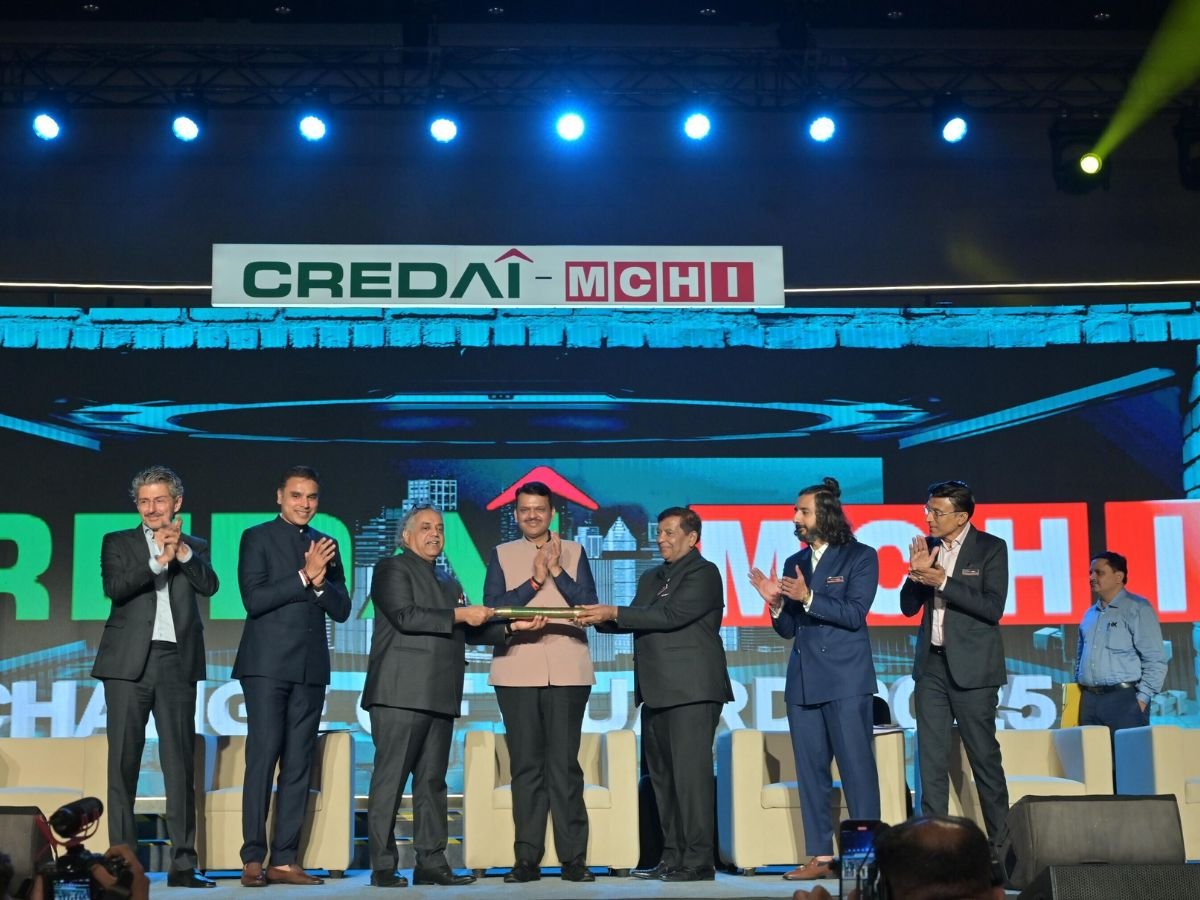
A major role of CREDAI MCHI is to influence policy discussions that affect pricing, approvals, and supply. The report frames its advocacy around areas like stamp duty and registration policy inputs, development regulations interpretation, and representations in housing and urban development policy.
In Maharashtra, small policy tweaks change buyer affordability more than most people realise. If premiums, approval costs, or taxation interpretations shift, the final apartment ticket size changes and the market reacts quickly, especially in mid-segment housing where Navi Mumbai and Panvel buyers sit with strict budgets.
Industry Discipline and Standardisation
CREDAI MCHI also pushes what it calls better industry discipline: ethical marketing direction, compliance awareness, and alignment with MahaRERA norms. This does not mean every member becomes perfect, but it does create pressure for more standard documentation, clearer disclosures, and reduced “wild west” behaviour that buyers often face in unorganised markets.
In practical terms, it supports a culture where the market speaks more in terms of approvals, timelines, and disclosures, not just brochures and promises. In a corridor like Navi Mumbai–Raigad where buyers regularly compare 8–10 projects at once, this standardisation becomes useful because it improves comparability.
Coordination with Government Authorities
The report describes CREDAI MCHI operating as an intermediary with multiple authorities, including state departments and local planning bodies. In MMR, these relationships are crucial because approvals and infrastructure delivery are split across agencies, and friction between agencies is a silent reason why many projects feel delayed beyond what buyers expect.
For Navi Mumbai readers, this matters because CIDCO, NMMC, MMRDA, MPCB-linked environment frameworks, and airport influence planning can all touch the same market. Buyers often see this as “delay,” but in reality it is multi-agency coordination failure, and associations try to reduce that friction through repeated representations and process reforms.
Who Are the Members of CREDAI MCHI?
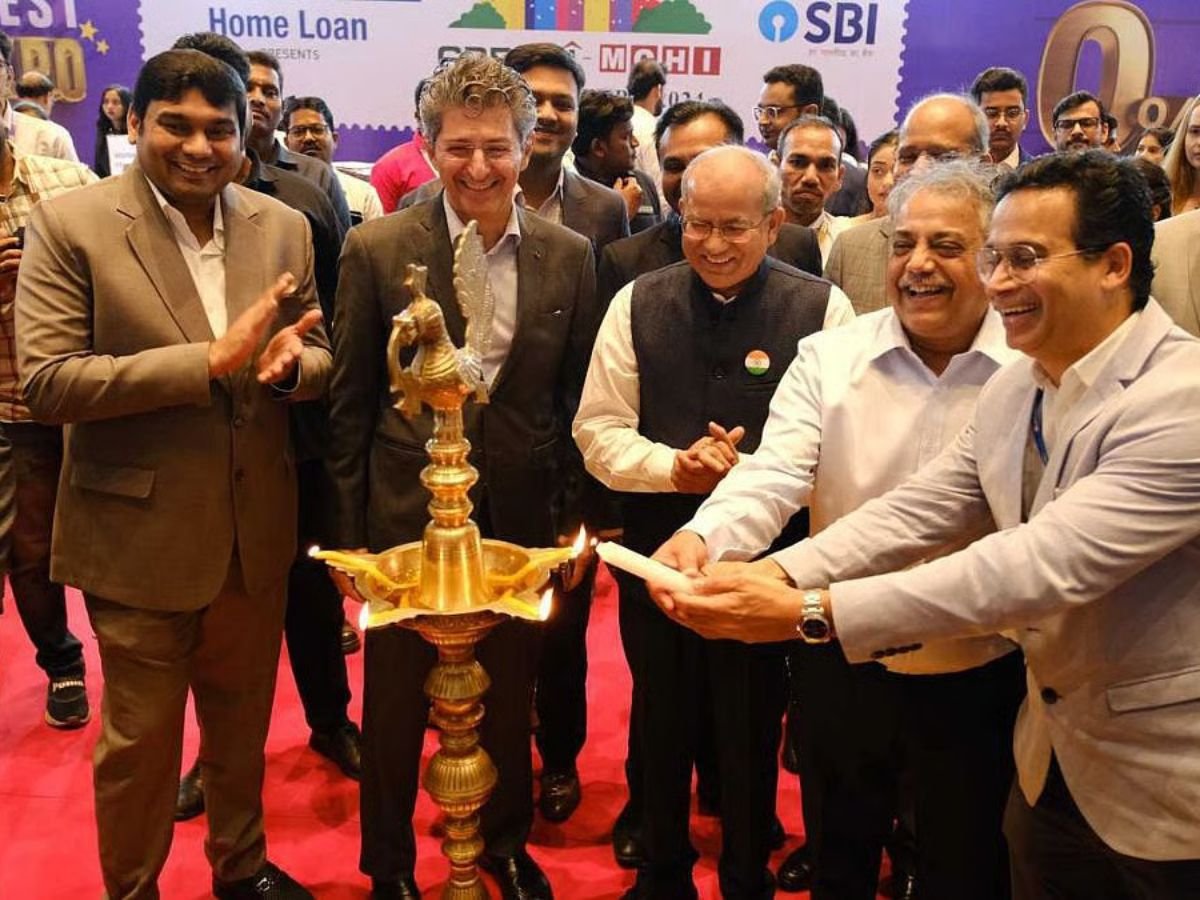
The membership base typically includes large and legacy developers, redevelopment specialists, and groups with pan-Maharashtra presence. The report positions the association as representing a very large number of developers in the MMR, which is why it carries weight in policy circles.
Membership is generally linked to compliance expectations and track record, but buyers should treat it as a credibility signal, not a guarantee. In Navi Mumbai, a simple ground rule works well: membership can improve confidence, yet the project’s approvals, RERA disclosures, land title structure, and possession realism still matter more than the logo on a brochure.
CREDAI MCHI’s Role in Mumbai Redevelopment
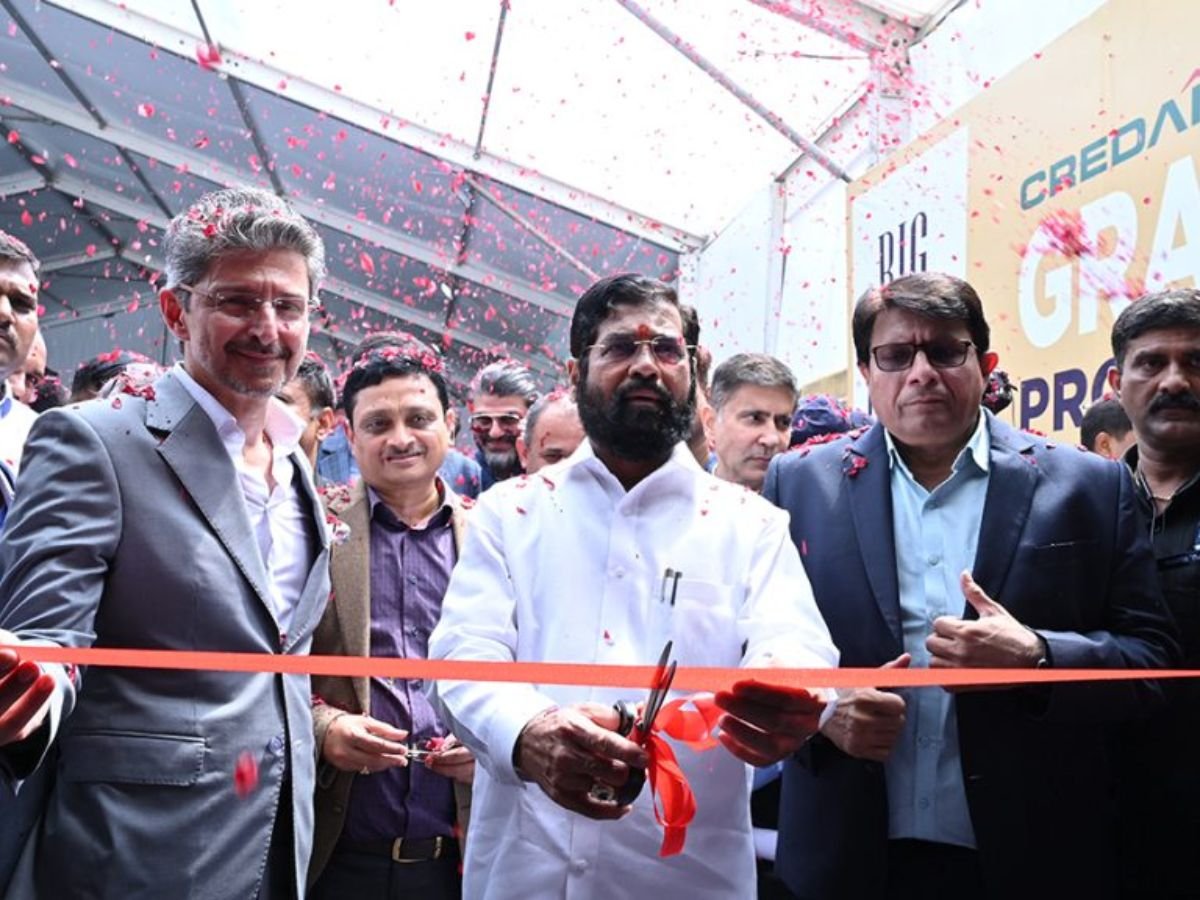
Mumbai redevelopment is not a normal housing market. It is a legal and logistical ecosystem involving rehabilitation obligations, occupant consent, transit arrangements, and high-stakes compliance. The report references the presence of frameworks like SRA, MHADA redevelopment, and the challenges unique to dense-city rebuild projects.
Why should a Navi Mumbai reader care? Because redevelopment pressure in Mumbai often pushes demand spillover into Navi Mumbai’s established nodes and newer corridors. When Mumbai inventory becomes complicated or unaffordable, buyers look toward Seawoods, Nerul, Kharghar, Panvel, and even Karjat-side “hybrid living” options, changing pricing dynamics and inventory absorption.
CREDAI MCHI Property Exhibitions and Buyer Outreach
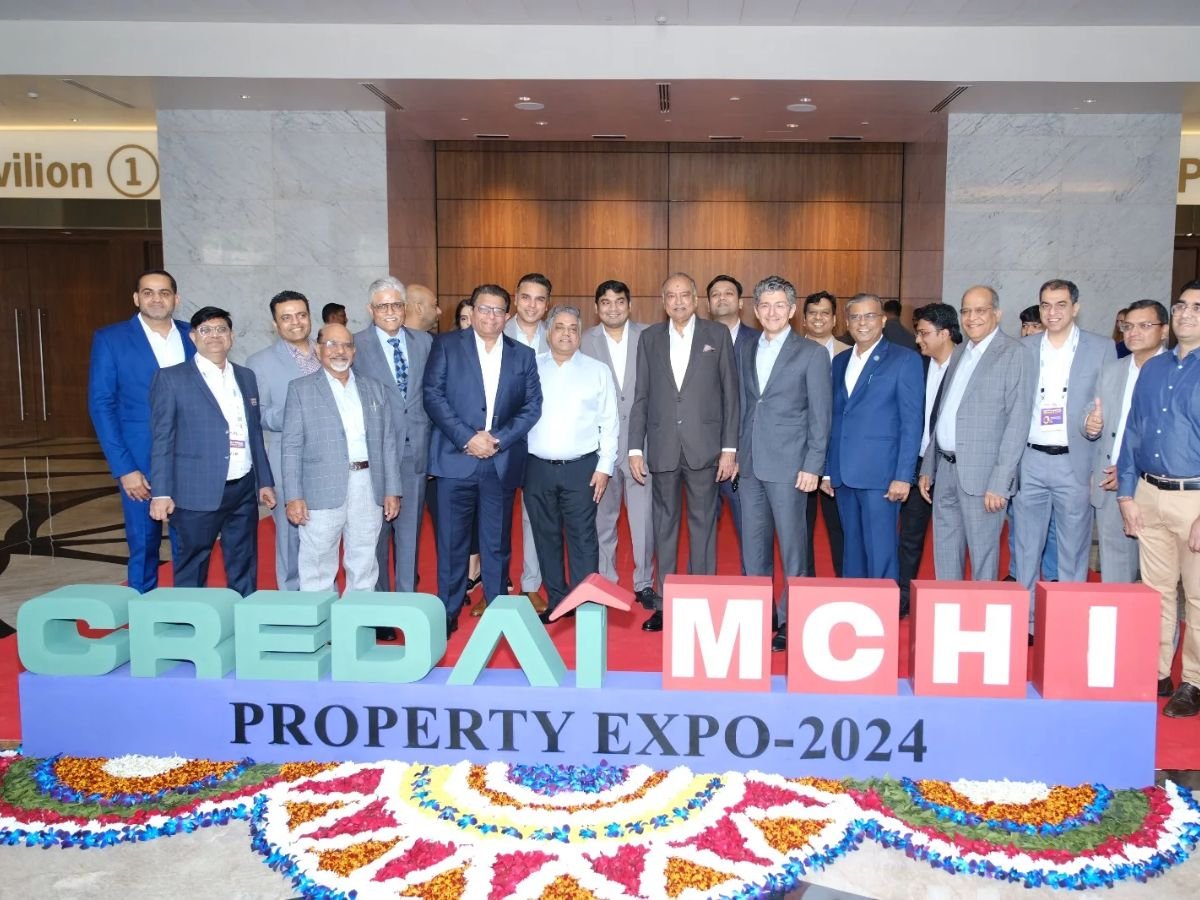
The association runs major property exhibitions and buyer outreach initiatives, typically Mumbai-centric, structured around developer-buyer interaction. The report highlights how expos can consolidate market demand and also operate as education and negotiation zones, where “offers” are packaged for consumer attention.
It also distinguishes this from regional expos like BANM editions in the Navi Mumbai–Raigad belt, which often target mid-segment and affordable buyers more directly. For a buyer, the right way to use an expo is not entertainment. It is a comparison lab: shortlist projects, compare approvals, ask hard questions, and calculate the real cost after registration, GST, parking, and possession-linked payments.
RERA Compliance and Legal Discipline within CREDAI MCHI
The report positions CREDAI MCHI as aligned with MahaRERA compliance culture, including model agreements and disclosure habits, but it also makes a crucial consumer point: membership does not eliminate buyer risk. You still need independent due diligence, because real estate risk is document-driven, not reputation-driven.
In Navi Mumbai, this is even more important due to mixed land structures and planning overlays. Leasehold histories, CIDCO transfer procedures, plot allotment timelines, and environment-linked permissions in industrial belts can create project-specific risks that no association can “blanket cover.” A careful buyer treats associations as context, and documents as the decision.
CREDAI MCHI’s Influence on Maharashtra Housing Policy
CREDAI MCHI’s policy influence is often visible in themes like affordability definitions, stamp duty rationalisation efforts, and regulatory reforms that aim to increase housing supply without breaking the city’s infrastructure capacity. The report also flags the tension between building more and ensuring roads, water, and social infrastructure can handle the density.
In the Navi Mumbai–Raigad corridor, this debate is not theoretical. Nodes like Ulwe and parts of NAINA are a real lesson: land can be allotted, marketing can start, but without utilities and access readiness, a “promising” location stays inconvenient for years. That gap between planning and on-ground delivery is exactly where policy advocacy and execution pressure become market-critical.
The Future Role of CREDAI MCHI (2026–2035)
The report frames the next decade around a few structural realities: redevelopment saturation in many Mumbai zones, expansion into wider MMR growth corridors, and increased institutional capital interest in organised housing. It also points toward more structured models like PropTech adoption and skilling programmes that reshape construction execution over time.
For Navi Mumbai and Raigad, the future conversation is likely to be dominated by airport influence economics, NAINA planning outcomes, industrial workforce housing, and “hybrid living” demand in Karjat-Khopoli-Alibaug style markets. Over 2026–2035, pricing, density, and supply will increasingly be shaped by infrastructure delivery discipline, not just announcements.
Common Myths About CREDAI MCHI
A common myth is that CREDAI MCHI directly controls property prices. The report suggests it acts as a powerful lobby and market organiser, but pricing still depends on supply, approvals, finance, buyer demand, and local execution realities. Influence is real, total control is not.
Another myth is that only very large builders can become members or that membership eliminates risk. Membership may skew toward organised players, but the buyer’s safety still depends on project-specific compliance. The sensible approach is simple: treat membership as a positive signal, then verify approvals, RERA details, and realistic possession promises independently.
Final Verdict – Who Should Pay Attention to CREDAI MCHI?
Mumbai home buyers should track CREDAI MCHI because redevelopment policy, approvals reform, and market mechanisms influence availability and pricing in dense-city markets. If you are comparing projects across Mumbai and MMR, this association’s policy direction often signals where supply and regulation are heading.
Navi Mumbai–Raigad buyers should pay attention because MCHI-linked units and aligned bodies influence CIDCO coordination, NAINA policy debates, and environment clearance outcomes that can decide whether projects launch smoothly or remain stuck. If you want a practical filter, use this: watch the association narratives, but decide using documents, approvals, and on-ground infrastructure readiness. That is where the real truth sits.
FAQs
Frequently Asked Questions