
MahaRERA Project Registration Process in Navi Mumbai (2026 Guide)
The real estate market of Navi Mumbai operates very differently from Mumbai city. Here, most land is not freehold, planning powers are divided, and approvals move through multiple authorities. In such an environment, MahaRERA registration is not just a formality. It acts as the central compliance filter that decides whether a project can legally be sold or advertised.
Since 2025, the enforcement environment has tightened sharply. With the introduction of the MahaCRITI portal and strict surveillance of project data, registration errors now lead to rejections, suspensions, and even marketing bans. Understanding the process correctly has become essential for both buyers and developers in Navi Mumbai.
What Is MahaRERA and Why It Matters in Navi Mumbai
MahaRERA stands for Maharashtra Real Estate Regulatory Authority, established under the Real Estate (Regulation and Development) Act, 2016. Its core purpose is to regulate real estate projects, enforce transparency, and protect homebuyers from misleading sales practices.
In Navi Mumbai, MahaRERA matters more than in many other cities because of CIDCO leasehold land, phased township projects, and overlapping planning jurisdictions. Without MahaRERA compliance, even a technically approved project cannot be legally marketed or sold to buyers.
A RERA-registered project means the promoter has disclosed land title, approvals, finances, and timelines on a public platform. A RERA-exempt project, on the other hand, either falls outside the legal threshold or cannot legally sell units. Buyers often misunderstand this difference, which later leads to disputes.
This registration process makes more sense when seen within the full MahaRERA Navi Mumbai homebuyer guide, especially for buyers comparing multiple projects.
Which Projects Must Be Registered Under MahaRERA in Navi Mumbai

MahaRERA registration is mandatory for most real estate projects that involve sale of units to the public. This applies equally to CIDCO land parcels and privately acquired plots within Navi Mumbai’s municipal limits.
The law does not differentiate between reputed developers and small builders.If a project meets the defined thresholds, registration is compulsory before advertising, booking, or collecting any amount from buyers.
Mandatory Registration Criteria
Any project developed on land exceeding the prescribed area threshold or containing more than the permitted number of units must be registered. This includes new launches as well as ongoing projects where completion certificates were not obtained before the RERA cut-off date.
In Navi Mumbai, even redevelopment and township phases often cross these limits, making MahaRERA registration unavoidable for most mid to large developments.
Projects Exempted From MahaRERA in Navi Mumbai
Certain small redevelopment projects with limited units may fall outside mandatory registration. Similarly, single-building constructions below the defined threshold and projects limited to repair or renovation without new sales may be exempt.
However, exemptions are often misunderstood. Many projects marketed as “small” still legally require registration. Buyers should always verify exemption claims on the MahaRERA portal rather than trusting marketing statements.
Navi Mumbai–Specific Challenges in MahaRERA Registration
Unlike Mumbai city, Navi Mumbai does not have a single authority controlling land ownership and development permissions. This structural difference is the biggest reason for registration delays and rejections.
Developers who follow generic Maharashtra RERA guides often miss local documentation requirements, especially those related to CIDCO leasehold land and planning jurisdiction boundaries.
CIDCO Leasehold Land and Its Impact on Registration
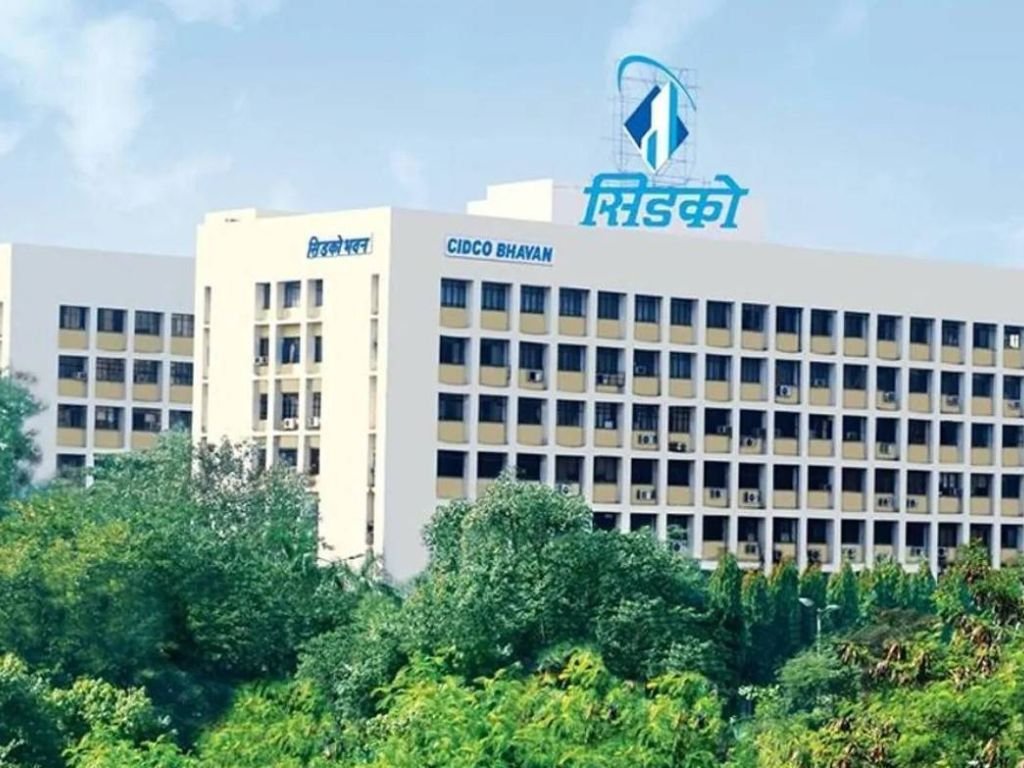
CIDCO is the original landowner for most of Navi Mumbai. Developers usually hold leasehold rights, not ownership. MahaRERA requires clear proof that these leasehold rights are valid, transferable, and free from unresolved conditions.
CIDCO No Objection Certificates, valid lease deeds, and compliance with premium payments are essential. Delays in Panvel, Ulwe, and Kharghar often occur because developers submit incomplete CIDCO documentation during registration.
Phased Projects and Multiple RERA Numbers
Large Navi Mumbai projects are frequently developed in phases, each requiring a separate MahaRERA registration number. While this is legally permitted, it is also commonly misused.
Buyers must verify whether the RERA number shown in advertisements actually matches the specific building or phase they are booking. A valid RERA number for Phase 1 does not automatically cover Phase 2 or future towers.
MahaRERA Project Registration Process in Navi Mumbai
The registration process is now fully digital and controlled through the MahaCRITI system. There is no manual intervention once an application is submitted.
Each step feeds into automated legal, financial, and technical checks, making accuracy critical.
Create Developer Account on MahaRERA Portal
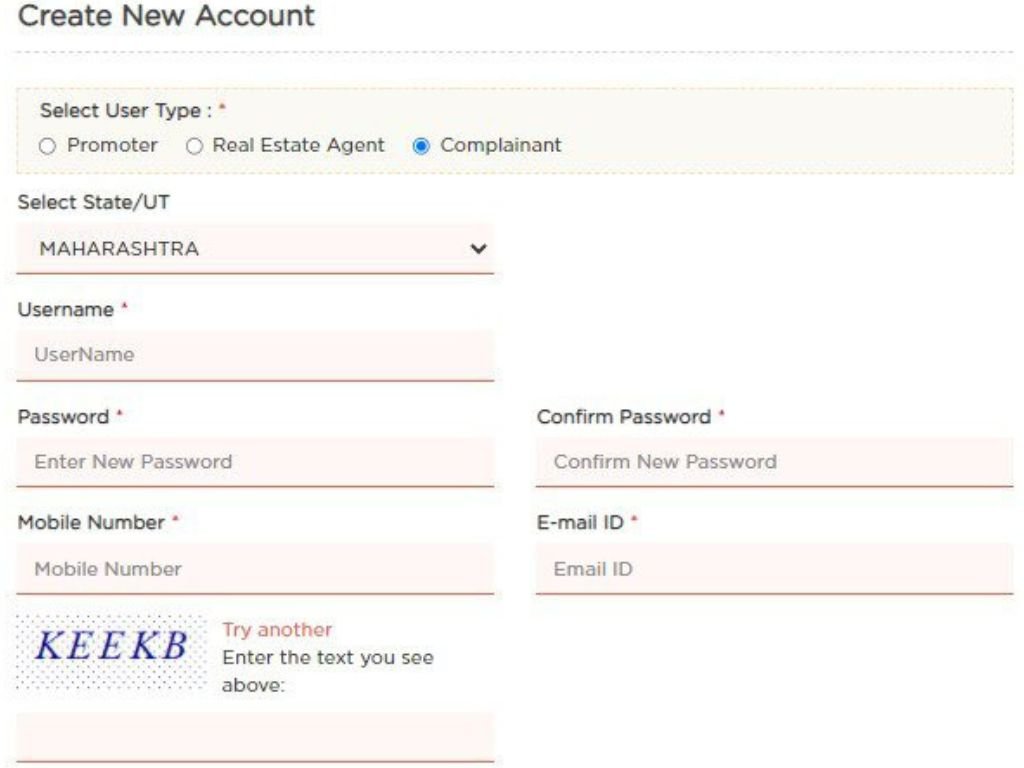
The promoter must register on the official MahaCRITI portal under the correct user category. Selecting the wrong user type restricts access to the project registration module and causes avoidable delays.
Upload Land Title and Ownership Documents
Land records form the backbone of the application. In Navi Mumbai, this typically includes CIDCO lease deeds, tripartite agreements, and encumbrance disclosures rather than simple sale deeds.
Planning Approvals and Sanctioned Layouts
The Commencement Certificate must be issued by the correct planning authority. Projects under NMMC, PMC, or CIDCO jurisdictions cannot interchange approvals without rejection risk.
Project Financial Details and Separate Bank Account
Promoters must declare total project cost and open a dedicated RERA account. Seventy percent of buyer collections are legally locked for construction and land expenses only.
Declaration, Fees, and Final Submission
After uploading declarations and paying statutory fees, the application enters scrutiny. If no discrepancies are flagged, the registration certificate is issued digitally within the standard timeline.
Complete Document Checklist for MahaRERA Registration in Navi Mumbai

MahaRERA registration is not document heavy by accident. The authority’s focus is on proving that land title, planning permission, and financial capability are aligned. In Navi Mumbai, missing even one CIDCO-linked document can stall or reject an application.
Unlike generic Maharashtra projects, Navi Mumbai registrations require extra layers of verification because land ownership and planning control are split between different authorities.
Land and Ownership Documents
Land ownership proof is the most scrutinised part of the application. Since most Navi Mumbai plots are leasehold, simple sale deeds are usually insufficient for legal clarity.
Registered lease deeds, assignment agreements, and complete title search reports establishing the flow of rights from CIDCO to the current developer are mandatory. Any break in this chain triggers legal queries.
CIDCO and Local Authority Approvals
CIDCO documentation is required even when CIDCO is not the planning authority. Lease validity, premium payment status, and mortgage permissions must be clearly disclosed.
At the same time, the Commencement Certificate must come from the correct planning body. Submitting an NMMC approval for a PMC plot or vice versa is a common and costly mistake.
Architect, Engineer, and CA Certificates

Professional certifications form the technical backbone of the registration. These certificates legally bind professionals to the accuracy of project disclosures.
Architect and engineer certificates validate construction scope and progress, while the CA certificate confirms project cost, funding sources, and escrow compliance under the 70 percent rule.
Promoter Declarations and Affidavits
Promoter affidavits declare land title authenticity, litigation status, and project timelines. False declarations now attract stricter penalties due to automated cross-checks under MahaCRITI.
These declarations are not procedural paperwork. They carry legal accountability and are frequently used in buyer disputes.
MahaRERA Registration Fees for Navi Mumbai Projects

Registration fees are structured to filter out non-serious developers. Since 2026, fee enforcement has become strict, with minimum and maximum caps applied without exception.
The calculation is based on carpet area or land area, depending on project type, not on advertised built-up area.
Fee Structure Based on Project Type
Residential projects are charged per square meter of carpet area, while commercial projects attract a higher rate. Plotted developments are calculated on land area.
Each registered phase is treated as a separate project. Large townships in Navi Mumbai often register multiple phases to manage fee exposure legally.
Refunds, Penalties, and Re-submission Charges
Registration fees are generally non-refundable once scrutiny begins. Re-submissions due to document errors may attract additional convenience charges.
Penalties arise when developers advertise or collect money before registration. These penalties are separate from registration fees and are enforced aggressively.
Timeline: How Long MahaRERA Registration Takes in Navi Mumbai
Under ideal conditions, registration is completed within the standard statutory timeline. However, Navi Mumbai projects rarely move under ideal conditions due to jurisdictional complexity.
CIDCO-linked land issues, planning authority mismatches, and incomplete title flows are the main reasons for delays.
Projects on freehold land within clear NMMC limits usually move faster than CIDCO leasehold plots in Panvel, Ulwe, or airport-influenced zones.
How to Check MahaRERA Registration Status of a Navi Mumbai Project
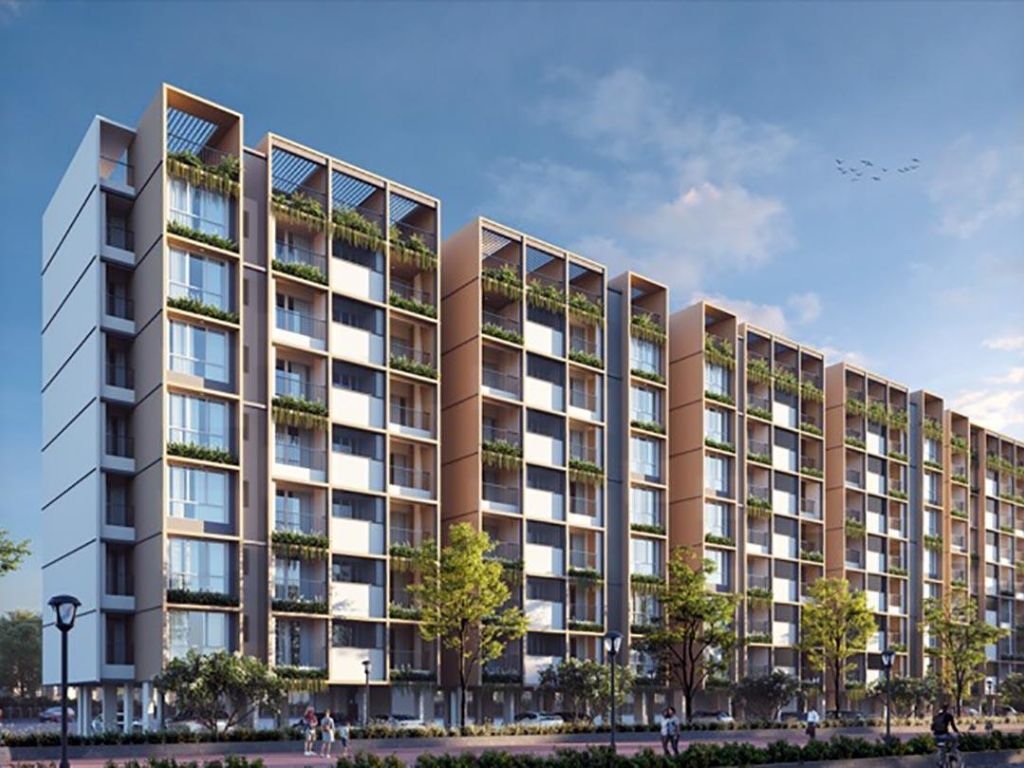
Buyers should never rely on brochures or WhatsApp screenshots for RERA verification. The official portal is the only legally valid source.
Many disputes arise because buyers check only whether a RERA number exists, not whether it applies to their specific building.
Status Check on MahaRERA Website
Search the project using the promoter name or project name on the official MahaRERA portal. Confirm the project status as active and not expired or withdrawn.
Always cross-check the registered address, phase name, and building details with the booking documents.
How to Read RERA Details Correctly
The possession date, approved plans, and phase details matter more than the RERA number itself. A valid number does not guarantee timely delivery.
Buyers should also review quarterly progress updates, which reveal whether construction and fund usage are aligned.
Common MahaRERA Violations Seen in Navi Mumbai Projects
Violations in Navi Mumbai are rarely accidental. Most stem from aggressive marketing or deliberate misrepresentation of project status.
MahaRERA enforcement teams now actively monitor advertisements, hoardings, and digital listings.
Fake or expired RERA numbers, phase mismatches, and manipulated possession timelines are the most frequent violations. These practices expose buyers to financial and legal risk.
Buyer’s Checklist Before Booking a RERA-Registered Flat in Navi Mumbai

A RERA number alone does not make a project safe. In Navi Mumbai, buyers must go one layer deeper because land ownership, approvals, and possession timelines often involve multiple authorities.
Most disputes arise not because buyers skipped RERA checks, but because they stopped checking after seeing a registration number.
Before paying any token amount, buyers should verify that the RERA registration matches the exact building, phase, and possession date being offered. Sales teams often show approvals of an earlier phase to sell a later one.
Banks may approve loans based on basic compliance, but banks do not guarantee delivery timelines or CIDCO transfer clarity. Buyers must independently assess these risks.
MahaRERA Registration vs CIDCO Approvals – Not the Same Thing
This is one of the most misunderstood aspects of Navi Mumbai real estate. MahaRERA and CIDCO operate in completely different legal domains.
MahaRERA regulates sale, disclosure, and delivery commitments. CIDCO controls land ownership, lease conditions, and transfer permissions. A project can be RERA-registered and still face CIDCO-related delays.
What MahaRERA Guarantees
MahaRERA ensures that the promoter has disclosed land title, approvals, finances, and timelines publicly. It also enforces penalties if these disclosures are false or misleading.
RERA protects buyers against arbitrary possession extensions and misuse of funds collected from allottees.
What MahaRERA Does Not Guarantee
MahaRERA does not guarantee that CIDCO will grant lease transfers, extensions, or occupation permissions on time. It also does not resolve planning authority delays.
That is why approvals from bodies like NMMC or Panvel Municipal Corporation remain equally important for buyers.
Penalties for Non-Registration Under MahaRERA in Navi Mumbai
Non-registration is treated as a serious violation. Developers cannot advertise, sell, or collect money for projects that legally require registration.
Penalties include heavy fines, project suspension, freezing of accounts, and public blacklisting. These actions directly impact construction progress and buyer confidence.
In recent enforcement actions, projects were barred from marketing until compliance was restored. Buyers stuck in such projects often face delays even if construction quality is good.
Final Verdict – Is MahaRERA Enough to Trust a Navi Mumbai Project?
MahaRERA has significantly improved transparency and accountability in Navi Mumbai’s real estate market. It has reduced fake launches, misleading possession claims, and fund misuse.
However, MahaRERA alone is not enough. Buyers must also understand CIDCO lease conditions, planning authority approvals, and phase-specific registrations. In Navi Mumbai, safe buying comes from combining RERA verification with local authority awareness.
FAQ's
Frequently Asked Questions