
Siddhivinayak Homes Navi Mumbai: Projects, Prices, Reviews & RERA Status
Quick Summary: Siddhivinayak Homes at a Glance
| Aspect | Snapshot |
|---|---|
| Builder Type | Regional / Local Navi Mumbai developer |
| Operating Model | Partnership firm + project-wise SPVs |
| Active Nodes | Taloja, Ulwe, Dronagiri, Pushpak Nagar |
| Core Segment | Affordable to lower mid-segment housing |
| Land Type | CIDCO leasehold and PAP land (project dependent) |
| RERA Approach | Project-wise MahaRERA registration |
| Head Office | Sector 5, Kharghar, Navi Mumbai |
Who Is Siddhivinayak Homes?
Siddhivinayak Homes is a Navi Mumbai–based real estate developer primarily operating in the city’s emerging and affordable housing belts. Unlike large corporate developers, the group functions mainly through a partnership model, supported by multiple project-specific entities, a structure commonly used by mid-tier builders in the Mumbai Metropolitan Region.
The developer has positioned itself in locations where land costs are lower and demand is driven by first-time homebuyers. Areas such as Taloja Phase 1 and Phase 2 form the backbone of its portfolio, with additional exposure in Ulwe and long-term bets in Dronagiri and Pushpak Nagar. The brand philosophy clearly focuses on price accessibility rather than luxury positioning.
- “In Navi Mumbai real estate, the difference between builders can be significant, so it’s always beneficial to review and compare [top builders in Navi Mumbai] before making a decision.”
Corporate Structure and Developer Identity (Important Clarification)
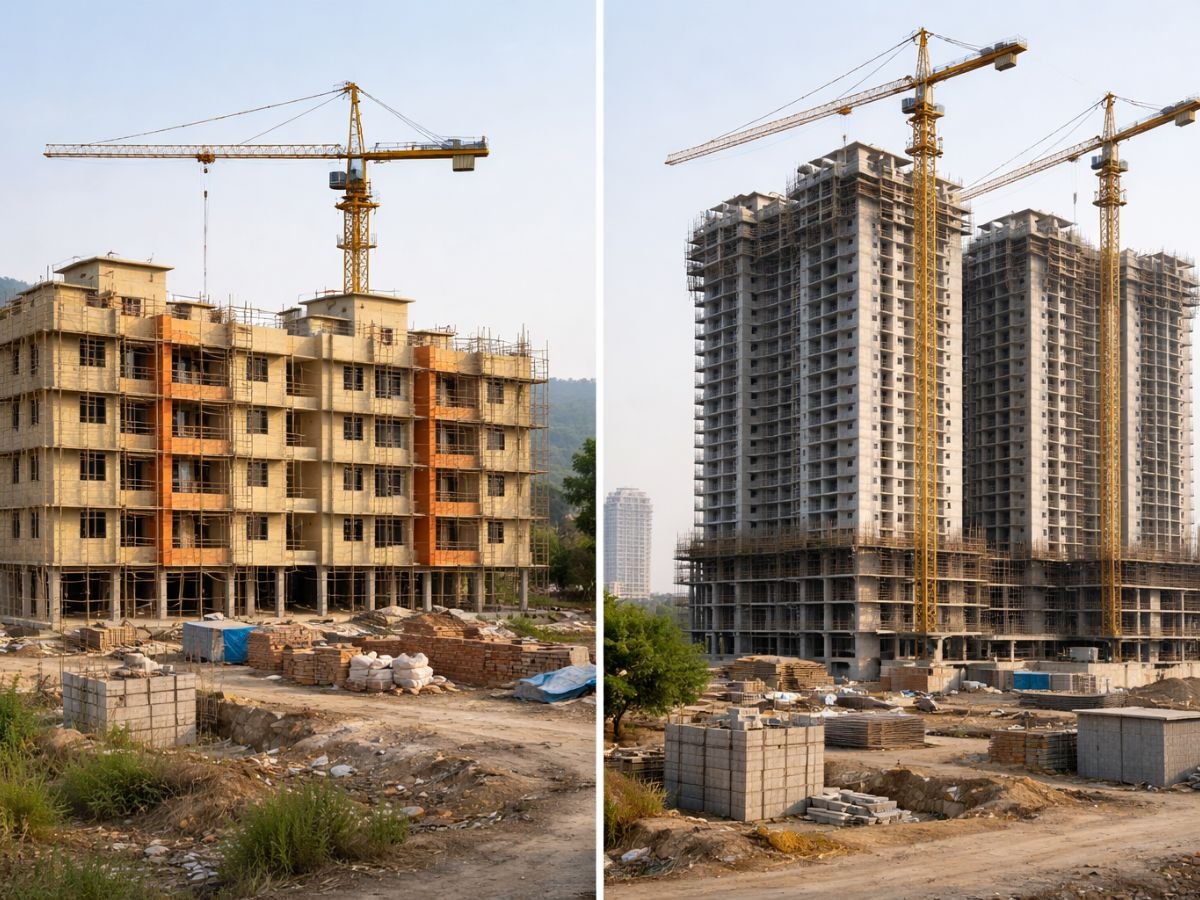
A critical point buyers often miss is that Siddhivinayak Homes in Navi Mumbai is not a single large private limited company operating across all projects. The core entity is a partnership firm, with partners including individuals such as Amol Maruti Rajge, Himatbhai Popatbhai Nakarani, Uday Budhaji Parab, and Shailesh Gangaram Naik, as reflected in legal title and development documents .
For risk management and land acquisition purposes, different projects are executed through separate SPVs. For example, some Taloja projects are promoted under associated entities like Yashodeep Buildcon, while the Ulwe project was developed under a distinct private limited company. This structure is legal, but it means buyers must always verify which exact entity they are signing an agreement with.
Is Siddhivinayak Homes a Local Navi Mumbai Builder?
Yes, Siddhivinayak Homes qualifies as a local Navi Mumbai developer, both in operational footprint and project scale. Its developments are concentrated entirely within Navi Mumbai’s growth nodes rather than across Mumbai city or other states. This local focus allows the developer to price aggressively and acquire land parcels that larger brands usually avoid.
However, being a local builder also means execution quality and regulatory navigation depend heavily on local infrastructure readiness. In Navi Mumbai, where CIDCO approvals, water connections, and Occupancy Certificates often move slowly, local builders face higher operational friction. Siddhivinayak Homes’ performance varies significantly from node to node, making location selection extremely important for buyers.
Siddhivinayak Homes Projects in Navi Mumba
The project portfolio of Siddhivinayak Homes can broadly be divided into three clusters: completed low-rise buildings in Taloja, ongoing high-rise developments in Taloja Phase 2, and isolated projects in Ulwe and Dronagiri. Many projects are marketed collectively under the “Signature City” branding, though they are legally separate buildings rather than a single integrated township.
Completed projects such as Garima, Mahima, Pratima, Riddhima, and Nivanta demonstrate the builder’s ability to deliver G+4 to G+5 structures. The newer pipeline, including Pratima Gold, Sankalp, Atulyam, and Darshan, represents a shift towards G+11 to G+15 towers, which significantly increases construction and compliance complexity.
Project Snapshot Table (Buyer-Friendly View)
| Project | Location | Height | RERA Status | Current Reality |
|---|---|---|---|---|
| Garima | Taloja | G+4 | Registered | Delivered, livability issues |
| Mahima | Taloja | G+4 | Registered | Delivered, resale heavy |
| Pratima Gold | Taloja Phase 2 | G+11 | Registered | Under construction |
| Sankalp | Taloja Phase 2 | G+15 | Registered | Early construction |
| Utopia | Ulwe | G+13 | Registered | No OC, high risk |
| Amazonia | Dronagiri | High-rise | Registered | Long-term project |
Market Context of Siddhivinayak Homes Locations
Most Siddhivinayak Homes projects are located in spillover markets of Navi Mumbai. These are zones absorbing demand from saturated nodes like Kharghar and Vashi. Taloja, in particular, benefits from metro connectivity but suffers from environmental and infrastructure challenges due to its proximity to the MIDC industrial belt.
Ulwe and Dronagiri are future-driven markets, heavily dependent on infrastructure projects like the Navi Mumbai International Airport and MTHL. While price appreciation narratives are strong, regulatory delays and incomplete civic services make these locations suitable only for buyers with a higher risk appetite and longer investment horizon.
Siddhivinayak Homes Price Range – Ground Reality

Siddhivinayak Homes has built its buyer base primarily on aggressive pricing, especially in Taloja and surrounding growth belts. Most projects are positioned in the affordable to lower mid-segment category, with entry prices significantly below Kharghar and Belapur. This pricing advantage is largely driven by lower land acquisition costs and the use of a partnership-led, asset-light development model.
In practical terms, buyers can expect 1 BHK homes to fall in a range that attracts first-time salaried buyers and small investors, while 2 BHK units remain price-sensitive rather than aspirational. However, resale data from completed projects shows that appreciation has been modest, especially where livability issues such as water shortage or industrial pollution are present. Price alone should not be treated as value without context.
Amenities, Floor Plans & Carpet Area Logic
Across most Siddhivinayak Homes projects, carpet areas are designed to maximise internal usable space rather than visual luxury. Typical layouts prioritise living room size and bedroom usability, often at the cost of balconies or decorative circulation areas. This approach appeals to end-users focused on function rather than brochure aesthetics.
Amenities are usually marketed aggressively in newer phases, especially in projects branded under “Signature City.” Clubhouses, gardens, indoor sports, and swimming pools are highlighted, but buyers must verify whether these amenities are phase-specific or shared across multiple buildings. In earlier delivered projects, residents often report delayed or scaled-down amenity access, which is a recurring pattern in budget housing developments.
Construction Quality & Specification Standards
The construction quality of Siddhivinayak Homes varies noticeably between older low-rise buildings and newer high-rise launches. Delivered G+4 and G+5 structures demonstrate basic structural stability, but resident feedback frequently highlights issues such as seepage, plumbing defects, and electrical finishing inconsistencies. These are typical cost-cutting symptoms in the affordable housing segment.
The transition to G+11 and G+15 towers marks a significant technical escalation for the developer. High-rise construction requires stronger foundations, advanced fire-fighting systems, and long-term elevator maintenance planning. While the specifications promised on paper appear competitive, the execution risk is higher, and buyers should not assume the same delivery ease seen in earlier low-rise projects.
Water Supply, Power & Livability Reality (Node-Wise)
Livability remains one of the most critical concerns in Siddhivinayak Homes projects, particularly in Taloja. The area’s dependence on tanker water and borewells is well documented, with many societies reporting irregular supply and high monthly water costs. This is not a temporary issue but a structural limitation linked to delayed municipal infrastructure expansion.
In addition to water stress, Taloja’s proximity to the MIDC industrial zone creates persistent air quality concerns. Multiple resident accounts describe chemical odours during late night and early morning hours, affecting health and daily comfort. In Ulwe, livability challenges stem more from incomplete civic services and regulatory delays rather than environmental pollution, making each location’s risk profile very different.
Siddhivinayak Homes & MahaRERA Compliance
Most Siddhivinayak Homes projects are registered with MahaRERA, which provides a basic layer of legal visibility. Registration details, possession timelines, and project updates are publicly accessible, allowing buyers to independently track compliance. This is a positive indicator, especially in a market where unregistered projects still exist.
However, MahaRERA registration alone does not guarantee timely possession or smooth handover. In several cases, revised possession dates filed with RERA differ significantly from marketing promises. Buyers must always rely on the RERA-declared completion date, not the sales pitch, as this date defines legal liability under the RERA Act.
CIDCO Leasehold or Freehold? Ownership Clarity
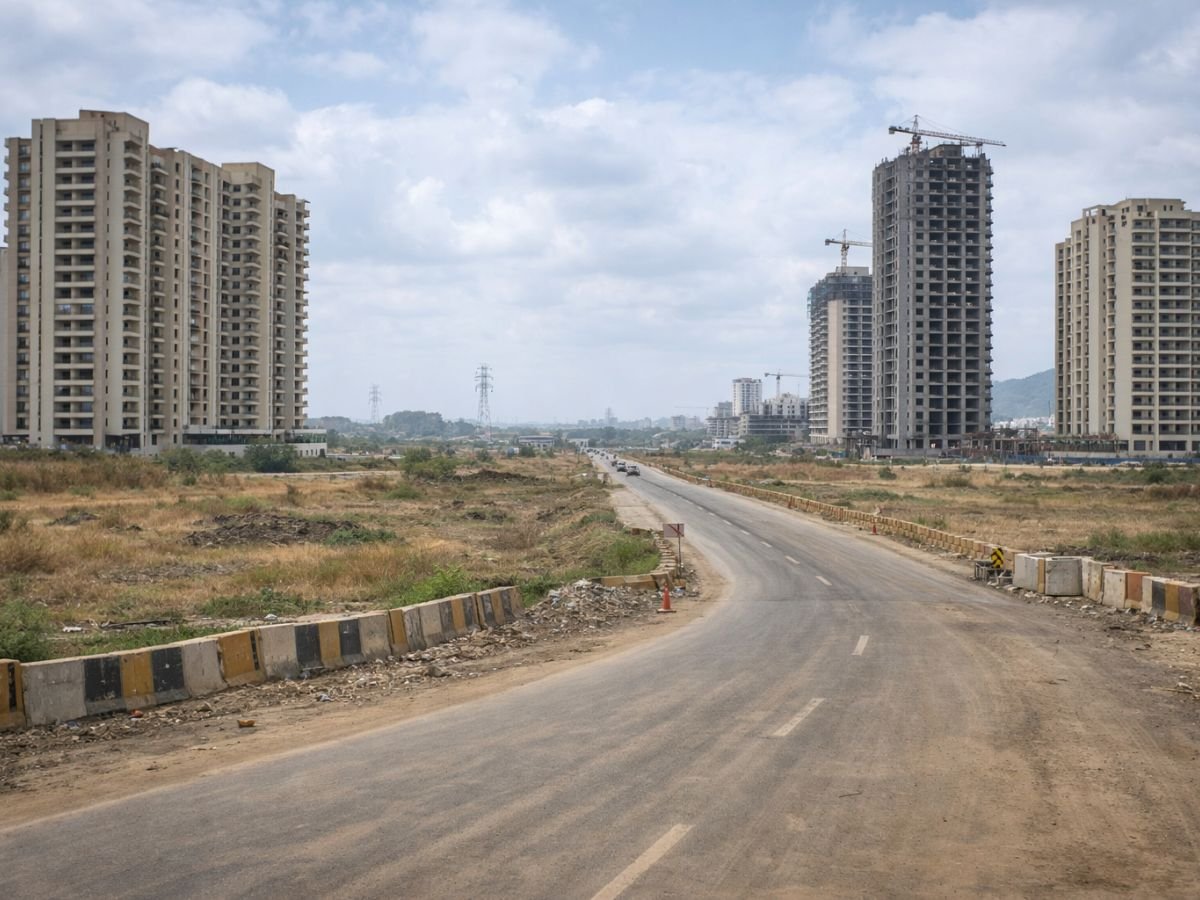
A large portion of Siddhivinayak Homes’ portfolio is built on CIDCO-controlled land or PAP-allotted plots, especially in nodes like Taloja, Ulwe, and Pushpak Nagar. In such cases, buyers do not receive freehold land ownership but a long-term leasehold interest governed by CIDCO conditions.
This has practical implications for transfer charges, mortgage approvals, and resale documentation. While leasehold property is common in Navi Mumbai and not inherently unsafe, buyers must budget for CIDCO transfer fees and understand that future conveyance timelines may differ from freehold developments. Clear disclosure at the agreement stage is essential to avoid post-possession surprises.
Home Loan & Documentation Readiness
Loan eligibility for Siddhivinayak Homes projects depends heavily on documentation status rather than brand perception. Banks typically assess RERA registration, approved plans, stage of construction, and Occupancy Certificate status before sanctioning or disbursing loans. In completed projects without OC, loan availability becomes severely restricted.
Buyers should also review the Agreement for Sale carefully, especially clauses related to possession date, force majeure, and amenities delivery. Society formation, conveyance, and water supply commitments must be clearly defined. Relying on verbal assurances, especially in under-construction projects, exposes buyers to long-term financial risk.
Siddhivinayak Homes Reviews & Buyer Feedback (Ground Reality)
Buyer reviews for Siddhivinayak Homes show a clear split between sales-stage experience and post-possession reality. Many buyers acknowledge that the sales process is smooth, responsive, and personalised, particularly during site visits and booking stages. Pricing and payment flexibility are frequently cited as positives, especially by first-time buyers entering Navi Mumbai’s property market.
However, post-handover sentiment shifts noticeably in several projects. Recurring complaints include leakage issues, inconsistent water supply, slow response from CRM teams, and unresolved common-area defects. In Taloja-based societies, environmental discomfort and infrastructure gaps dominate feedback, while in Ulwe, regulatory uncertainty has caused deeper buyer distress. These patterns indicate execution and after-sales gaps rather than isolated dissatisfaction cases.
Delivery Track Record & Possession Timelines
Siddhivinayak Homes has demonstrated the ability to complete low-rise projects within reasonable timeframes, particularly G+4 and G+5 structures delivered in earlier phases. These deliveries establish that the developer is not a non-performing entity and does possess basic execution capability in less complex construction formats.
The concern arises with newer high-rise projects and specific cases where possession timelines have slipped beyond initial commitments. In some instances, revised completion dates filed with MahaRERA extend significantly beyond marketing timelines. This gap suggests that buyers must align expectations strictly with RERA-declared dates rather than sales projections, especially in projects involving taller structures and heavier amenity promises.
The Ulwe Utopia Case – Understanding the Occupancy Certificate Risk
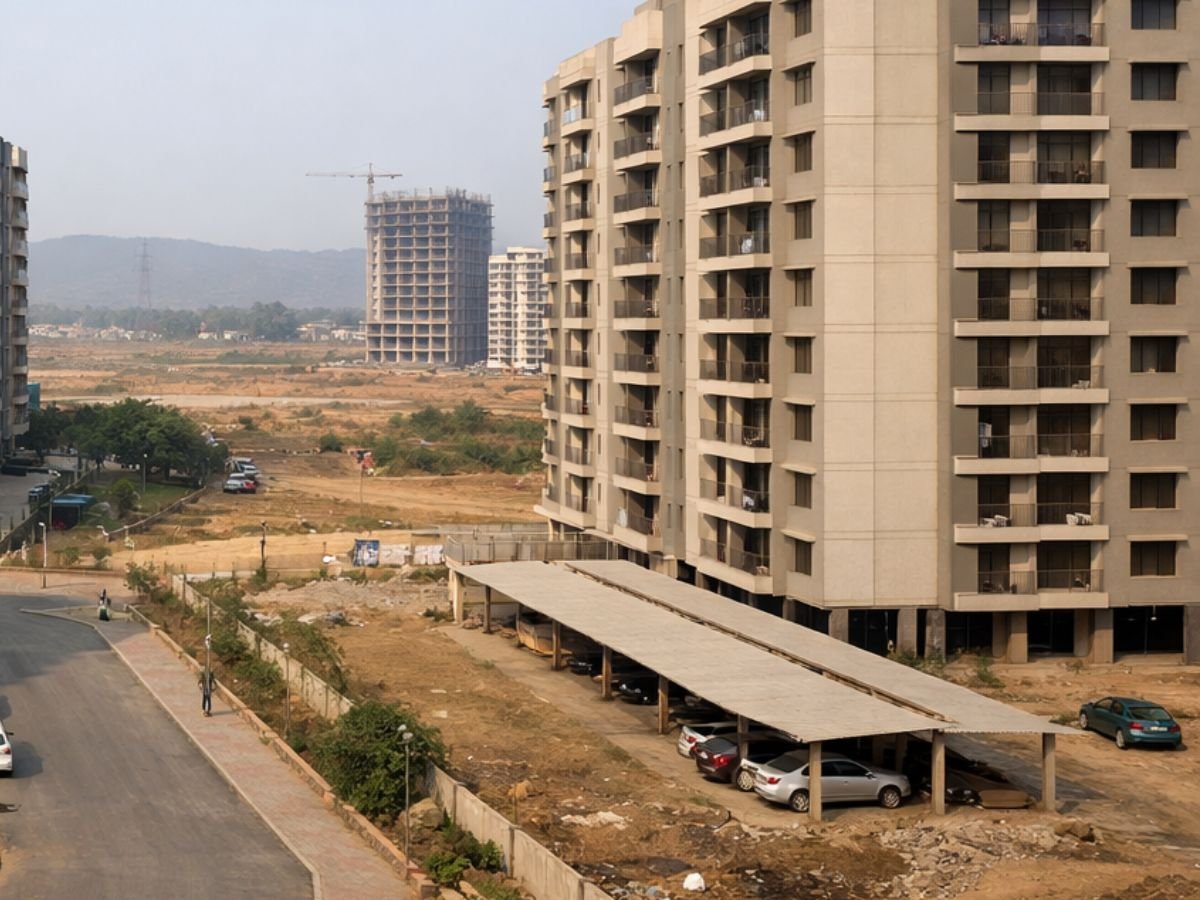
The Siddhivinayak Utopia project in Ulwe represents the most serious risk event in the developer’s portfolio. Despite the building being structurally complete and marketed as ready for possession, the absence of an Occupancy Certificate has resulted in severe legal and practical complications for buyers. Reports of residents being asked to vacate or facing service restrictions underline the gravity of occupying a property without statutory clearance.
From a buyer’s perspective, a missing OC affects every aspect of ownership. Living in such a property is technically illegal, resale becomes nearly impossible, and banks usually refuse loans against such units. The Utopia case highlights why OC verification must be treated as non-negotiable, regardless of how complete or livable a building may appear on site.
How to Track Construction Progress Without Builder Claims
Buyers evaluating under-construction Siddhivinayak Homes projects should rely on independent verification tools rather than verbal updates. MahaRERA’s quarterly progress reports provide objective data on construction status, fund utilisation, and timeline revisions. Comparing these filings with on-site progress helps identify whether work is moving at a pace consistent with promised delivery dates.
Physical site visits remain equally important. Indicators such as active labour presence, structural completion milestones, elevator installation, and fire-safety equipment setup reveal far more than brochures or WhatsApp updates. Buyers should also observe surrounding infrastructure readiness, as incomplete roads, drainage, or water connections often delay final approvals even after buildings are structurally complete.
Siddhivinayak Homes vs Big Developers in Navi Mumbai
Compared to large corporate developers, Siddhivinayak Homes operates with a leaner structure and lower overheads. This allows competitive pricing and quicker land acquisition in emerging nodes, making projects accessible to buyers priced out of premium Navi Mumbai locations. For budget-focused end-users, this positioning can be attractive.
However, big developers typically outperform in areas such as regulatory navigation, infrastructure coordination, and post-possession management. Their projects are more likely to secure timely Occupancy Certificates and maintain long-term asset quality. Choosing between a local builder like Siddhivinayak Homes and a larger brand ultimately depends on a buyer’s risk tolerance, budget flexibility, and long-term holding capacity.
Is Siddhivinayak Homes Safe for First-Time Homebuyers?
Siddhivinayak Homes can be considered conditionally suitable for first-time homebuyers, but only under specific circumstances. Buyers looking for entry-level pricing in Navi Mumbai’s outer nodes may find the cost advantage attractive, especially when compared to established areas like Kharghar or Belapur. The builder’s delivered low-rise projects confirm basic execution capability, which reduces the risk of total non-delivery.
That said, first-time buyers are also the most vulnerable to post-possession issues. Challenges such as water dependency, environmental discomfort, delayed amenities, or documentation gaps can create long-term stress. Buyers without legal guidance or financial buffers should proceed cautiously and prioritise completed projects with verified Occupancy Certificates over under-construction promises.
Things to Verify Before Booking a Siddhivinayak Homes Flat
Before committing to any Siddhivinayak Homes project, buyers must verify project-specific legality, not just brand reputation. MahaRERA registration details, approved building plans, and the exact possession date filed with RERA should be cross-checked independently. Sales timelines mentioned in brochures or site visits should never override statutory filings.
Equally important is clarity on land ownership and future costs. Buyers should confirm whether the project is on CIDCO leasehold land, applicable transfer charges, and responsibility for water supply if municipal connections are unavailable. Reviewing the Agreement for Sale with a local property lawyer is not optional in such developments, especially in growth belts.
Future Growth & Investment Potential (Node-Wise View)
From an investment perspective, Siddhivinayak Homes projects offer mixed prospects depending on location. Taloja’s connectivity improvements through metro access support long-term demand, but environmental factors linked to the MIDC belt may cap appreciation and rental yield. Investors should factor in these permanent locational constraints rather than relying solely on infrastructure announcements.
Ulwe and Dronagiri are future-oriented markets tied to the Navi Mumbai International Airport and port-led development. While price upside exists over a long horizon, regulatory delays and infrastructure readiness remain unpredictable. Projects with distant possession timelines should be viewed as speculative investments rather than stable assets.
Official Office Address & How to Contact Siddhivinayak Homes
Siddhivinayak Homes operates from its registered office in Kharghar, Navi Mumbai, which serves as the central coordination point for sales and administration. Maintaining a physical office presence and a consolidated digital platform adds a layer of credibility, particularly for a partnership-based developer managing multiple projects across different nodes.
Buyers are strongly advised to rely only on official contact channels and authorised site offices. Unverified broker listings and informal WhatsApp offers often omit critical details related to RERA status, possession timelines, or land tenure. Direct verification with the developer’s office reduces the risk of misinformation at the booking stage.
Final Verdict – Should You Buy from Siddhivinayak Homes?
Siddhivinayak Homes is a legitimate regional developer with visible delivery on the ground, particularly in Navi Mumbai’s affordable housing segment. The builder is neither a premium brand nor a fly-by-night operator. Its strength lies in pricing and local market penetration, while its weaknesses relate to execution scale-up, regulatory delays, and livability challenges in certain nodes.
For buyers willing to conduct strict due diligence, prioritise OC-ready projects, and accept location-specific trade-offs, Siddhivinayak Homes can be a workable option. However, buyers seeking hassle-free ownership, strong post-sales support, and predictable timelines may find larger, established developers better aligned with their expectations. The decision ultimately depends on risk appetite, budget flexibility, and long-term intent.
FAQs
Another popular style with a title and description.