
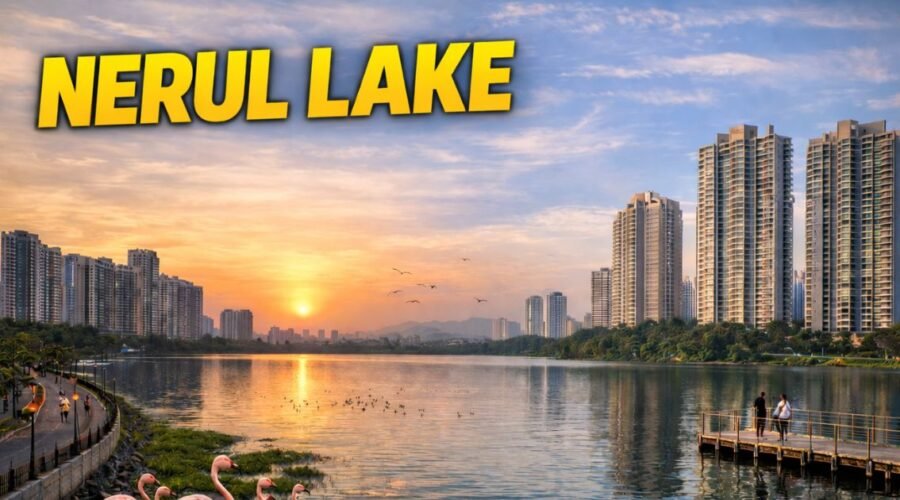
Nerul Lake Navi Mumbai 2026
Nestled in the bustling neighborhood of Nerul, Nerul Lake offers an unexpected pocket of calm in the heart of Navi Mumbai. As the sun rises, its golden rays dance on the still water, reflecting the surrounding trees and distant skyline, creating a scene straight out of a painting. Joggers trace the lake’s winding promenade, families stroll leisurely, and birds flit across the surface, adding life and melody to the morning air.
More than just a body of water, Nerul Lake is a living ecosystem, where seasonal blooms, migratory birds, and aquatic life coexist in harmony. Whether you are a photographer chasing the perfect sunrise, a nature enthusiast seeking peace, or a resident looking for a quiet escape from city noise, Nerul Lake promises a rejuvenating experience. Its green margins, occasional boaters, and calm waters make it a favorite spot for early risers and weekend wanderers alike.
| Parameter (Status 2026) | Details / Risk Level |
|---|---|
| Location Coverage | Sector 21, 26, 27 Nerul East (Stable but pressured) |
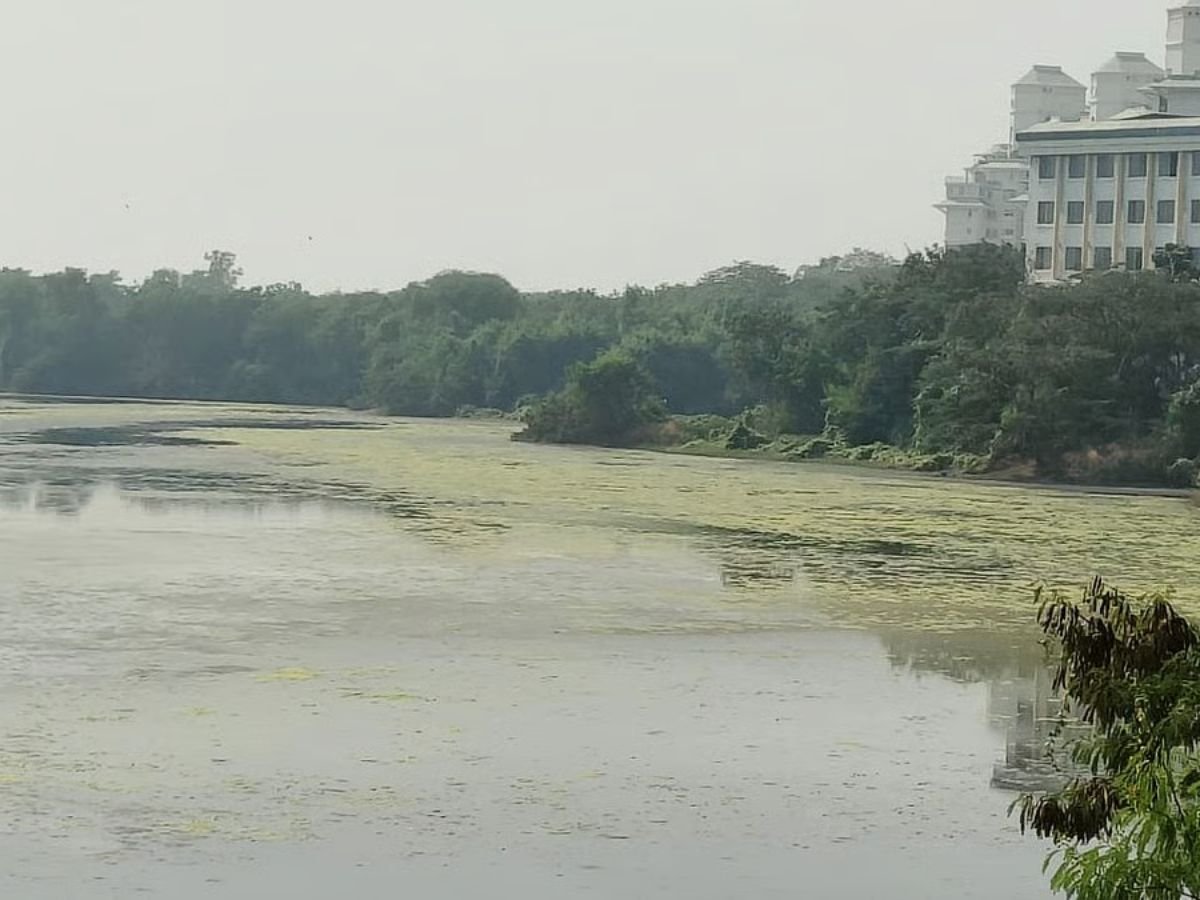
| Ecological Health | Algal bloom & reduced tidal flushing (Moderate–High Risk) |
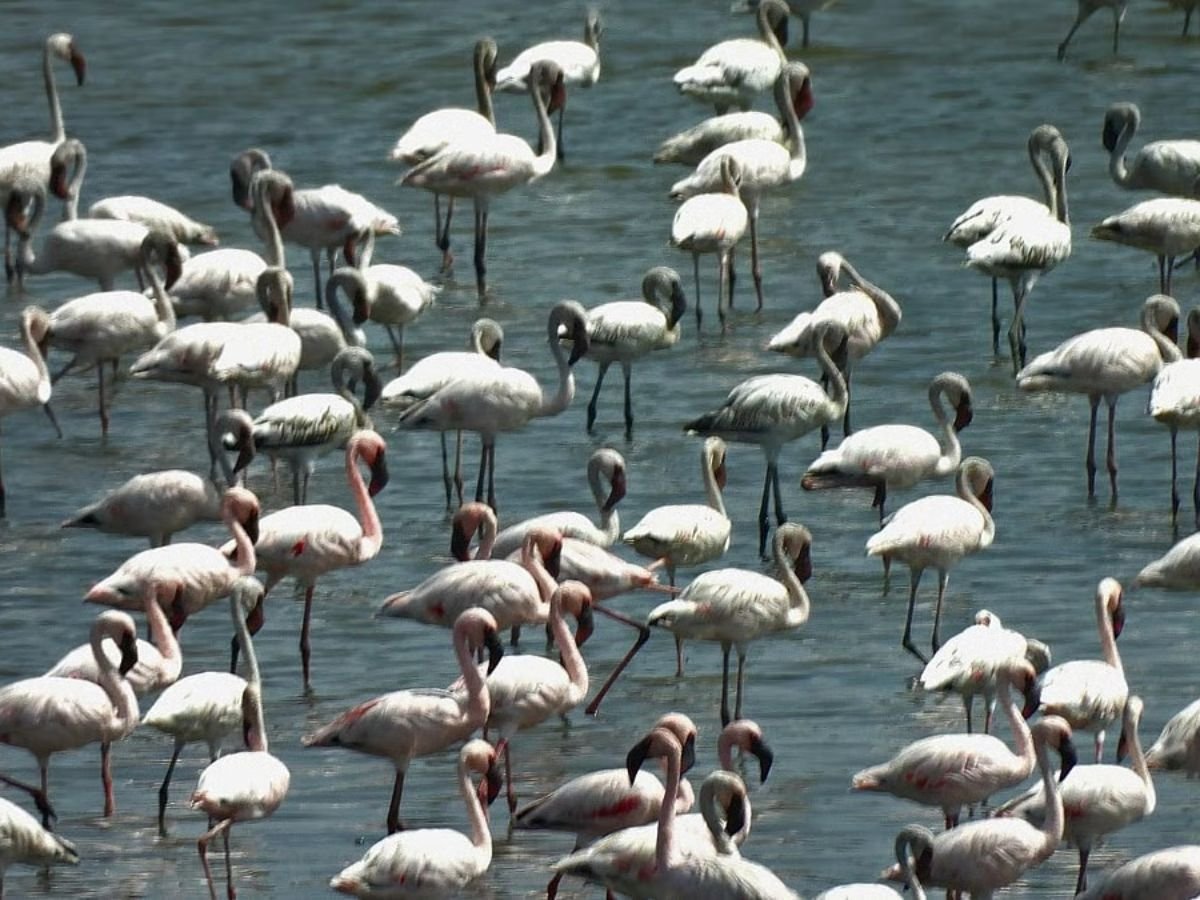
| Flamingo Presence | Seasonal but reduced density (Moderate Risk) |
| Property Rates | ₹23,500–₹28,000 per sq ft (Strong market) |
How To Reach From Nerul To NMIA
Car Routes: Seawoods Lake to Nerul Railway Station
| Route Type | Distance | Travel Time | Main Route Details |
|---|---|---|---|
| Fastest Route (Via Palm Beach Rd) | 4.2 km | 10 min | Palm Beach Rd → Nag Devi Rd → Seawoods Bridge → Master Naresh Chowk |
| Alternative Route 1 (Via Nerul Sector 21) | 4.4 km | 12 min | Seawoods Bridge → Basveshewar Maharaj Marg → Kamladevi Birajdar Marg |
| Alternative Route 2 (Via Rajiv Gandhi Bridge) | 6.1 km | 12 min | Ahilya Gokul Patil Rd → Rajiv Gandhi Bridge → Jagatguru Aadi Shankracharya Marg |
| Route Type | Distance | Time | Main Route Details |
|---|---|---|---|
| ROUTE 1: VIA PALM BEACH ROAD (FASTEST) | |||
| Primary | 4.2 km | 10 min | Palm Beach Rd → Nag Devi Rd → Seawoods Bridge → Master Naresh Chowk |
| ROUTE 2: VIA NERUL SECTOR 21 | |||
| Alternative 1 | 4.4 km | 12 min | Seawoods Bridge → Basveshewar Maharaj Marg → Kamladevi Birajdar Marg |
| ROUTE 3: VIA RAJIV GANDHI BRIDGE | |||
| Alternative 2 | 6.1 km | 12 min | Ahilya Gokul Patil Rd → Rajiv Gandhi Bridge → Jagatguru Aadi Shankracharya Marg |
Road Connectivity
Nerul Lake is located very close to Nerul Railway Station, making it one of the easiest nature spots to reach in Navi Mumbai.
From Nerul Station to Nerul Lake distance is approx. 1.5 to 2 km, and travel time is just 5–7 minutes by auto or 15–20 minutes walking.
Walking Route
From Nerul East exit, you can directly walk towards DPS School and Jewel of Navi Mumbai area. The road is straight and well-developed with footpaths and street lighting. Many locals prefer morning and evening walks from station to lake.
Metro Connectivity
Nerul area will get strong benefit from upcoming Navi Mumbai Metro Line 1 and future metro expansion plans.
Belapur Metro Station → approx. 10–12 min drive to Nerul Lake
Easy auto and cab availability
Upcoming metro expansion towards Nerul and Seawoods will:
Reduce travel time from Kharghar & Taloja
Increase property demand near Nerul Lake
Improve office and residential connectivity
Where Exactly Is Nerul Lake Located?
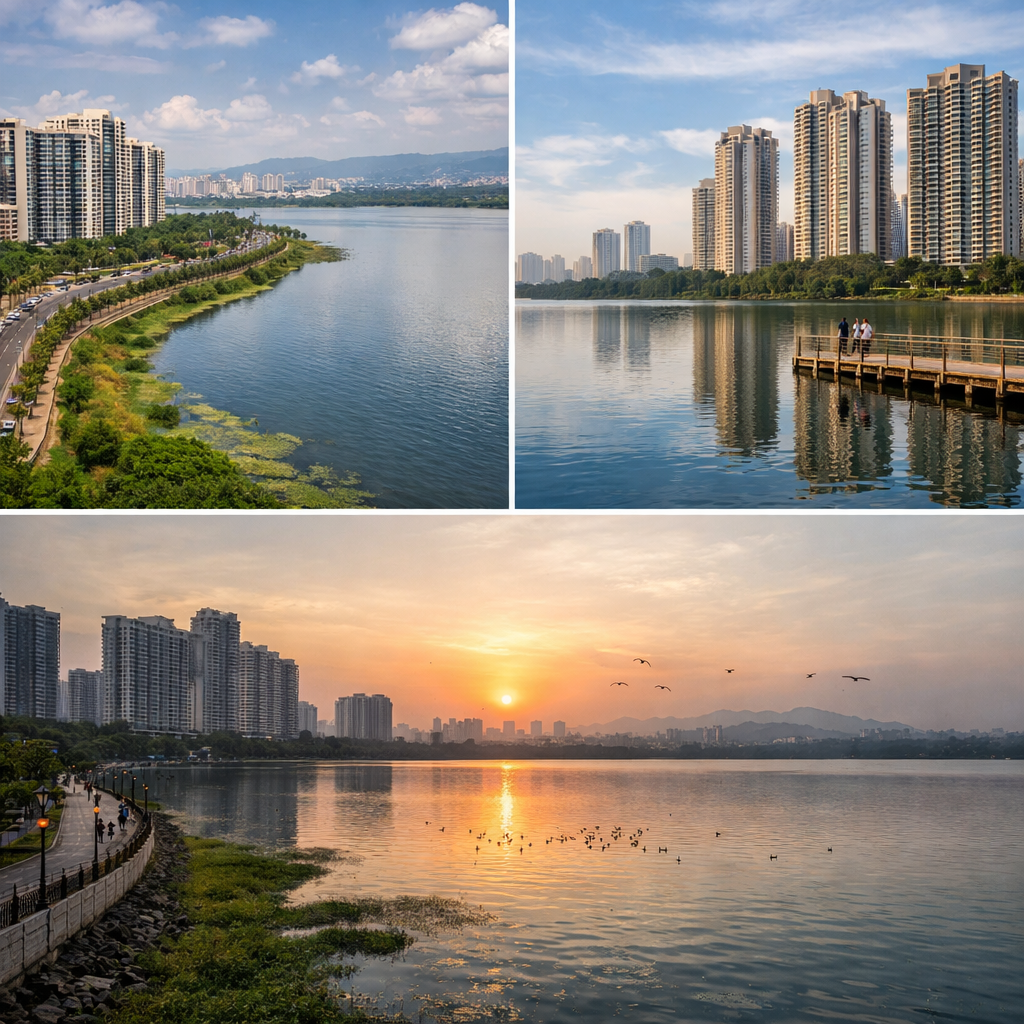
“Nerul Lake is primarily located in Sector 21, Nerul East, Navi Mumbai, closely bordering Palm Beach Road and the Jewel of Navi Mumbai.”
When people say “Nerul Lake,” they usually refer to the waterbody near Sector 21 close to Palm Beach Road. But in reality, it is not just one lake. It is a connected wetland system spread across Nerul East.
This entire network sits inside Navi Mumbai and remains hydrologically linked to the Thane Creek Flamingo Sanctuary, one of India’s most important migratory bird habitats. The lake system stretches between Nerul railway station and Palm Beach Road, surrounded by dense residential towers and major infrastructure corridors.
The location is central, not remote. And that is exactly the problem. The same connectivity that increases property demand also increases ecological pressure. Roads, jetty access and airport connectivity all converge here. On satellite maps, the water now looks squeezed between development. When water is squeezed continuously, natural circulation begins to fail.
How Nerul Was Originally Planned as a Blue-Green Township
When CIDCO planned Navi Mumbai, the goal was clear: build a city that respects water systems instead of fighting them. Nerul’s lakes were designed as stormwater holding ponds and ecological buffers. They were meant to absorb monsoon runoff and release it gradually into the creek.
These lakes were never decorative. They were infrastructure. Flood regulators, temperature stabilisers and biodiversity zones all at once. The original drainage blueprint depended on uninterrupted tidal exchange with the creek. Tidal flushing kept water oxygenated and prevented stagnation.
Over time, however, this planning logic shifted. Wetlands began to be viewed as premium real estate backdrops. Holding ponds became “lake-view lifestyle assets.” Once land started being valued only in square feet, ecological function slowly became secondary.
Understanding the Different Lakes Inside Nerul
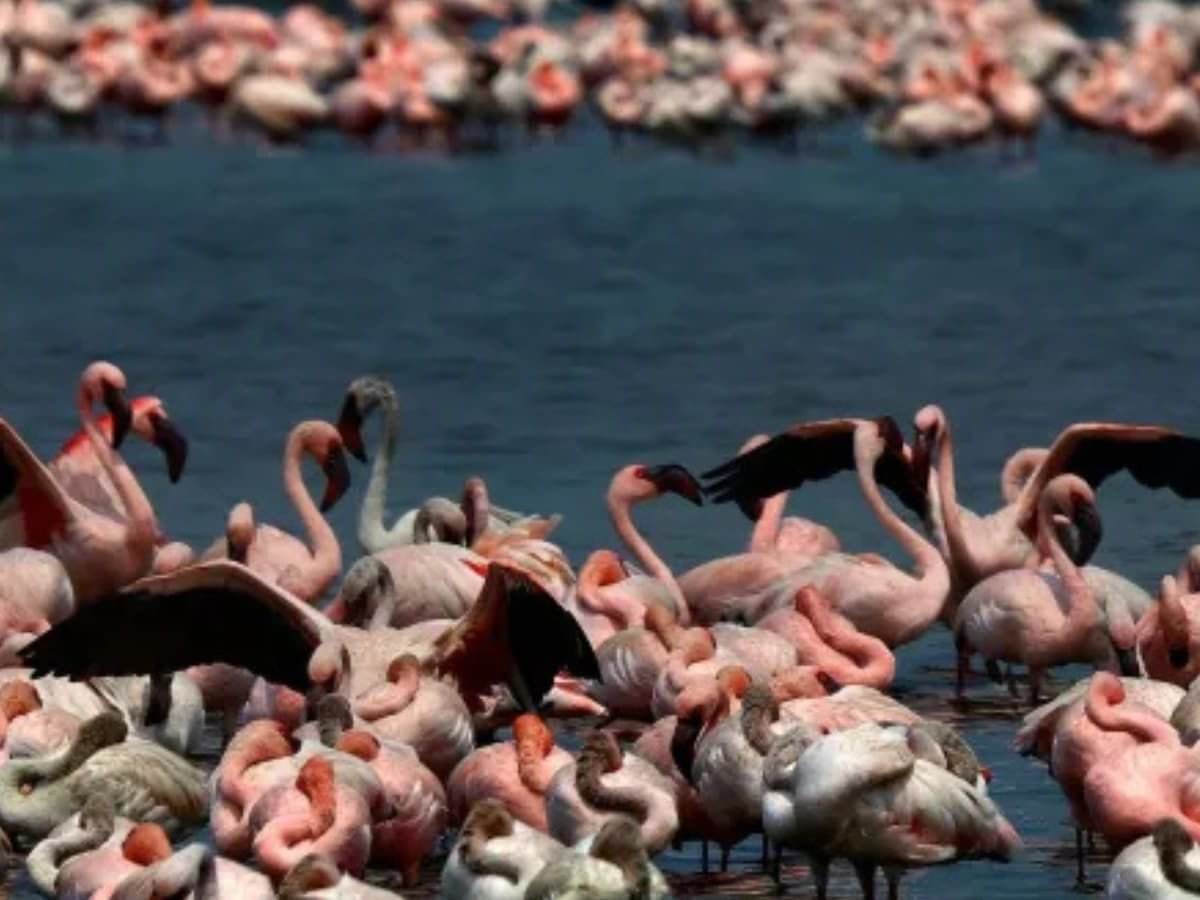
The Nerul lake system is not one uniform waterbody. It is a layered network of engineered ponds and natural wetlands that function together. Sector 21 holding pond acts as a flood buffer and receives heavy urban runoff during monsoon. Today it is also surrounded by premium residential towers, creating a real estate paradox where infrastructure becomes a lifestyle feature.
The Jewel of Navi Mumbai in Sector 26 appears like a landscaped park but remains an intertidal wetland beneath its beautified surface. Tidal movement still influences salinity and sediment flow here. Even minor pollution or debris accumulation affects ecological balance.
DPS Flamingo Lake is the most biologically sensitive zone. It acts as a feeding and resting ground for migratory birds connected to the creek sanctuary. Lotus Lake in Sector 27, smaller but significant, has faced encroachment pressure and debris dumping over the years, making it one of the most fragile parts of the system.
Why Flamingos Are Reducing in 2026
The flamingo decline is not dramatic but noticeable. Environmental observers report algal bloom formation, stagnant water and reduced oxygen levels in certain wetland pockets. This is largely attributed to restricted tidal flushing after nearby infrastructure expansion.
Earlier, tidal channels allowed natural circulation between wetlands and the creek. Narrowing or blocking of these channels reduces oxygenation and increases nutrient accumulation. When stagnant nutrient-rich water warms, cyanobacteria growth accelerates. This reduces food availability for flamingos and sometimes releases harmful toxins.
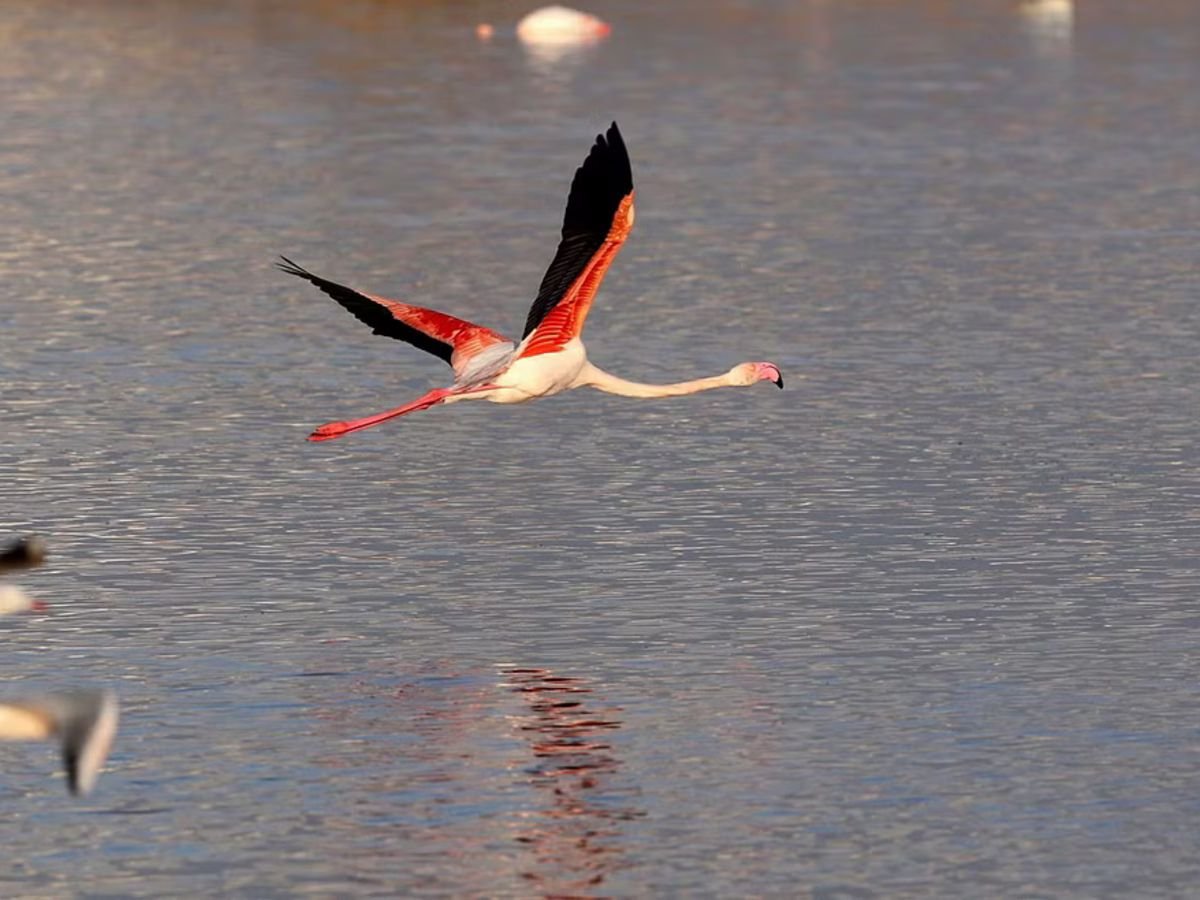
As a result, flamingos now spend less time in Nerul wetlands and more time in deeper creek zones. Migratory birds respond only to habitat quality. If habitat quality declines, they quietly shift.
Infrastructure vs Ecology: Growing Pressure
Connectivity projects like water transport terminals and airport-linked infrastructure have boosted Nerul’s accessibility and property demand. But these developments also alter hydrological patterns. Embankments, approach roads and land reclamation affect tidal flow and sediment movement.
Wetlands are extremely sensitive to such changes. Increased sediment reduces depth, leading to warmer and more stagnant water. Warmer water accelerates algal growth and reduces dissolved oxygen. This chain reaction slowly weakens the entire ecosystem even if the surface still looks calm.
Real Estate Growth vs Ecological Risk
Nerul remains one of the strongest property markets in Navi Mumbai. Lake-facing apartments in Sector 21 range between ₹23,500 and ₹25,000 per sq ft, while premium Palm Beach towers can exceed ₹28,000. Connectivity to the upcoming airport and strong social infrastructure continue attracting investors.
But long-term value of waterfront property depends on water quality. If ecological degradation continues and flamingo presence declines significantly, the emotional premium attached to lake views may weaken. Property markets often react late to environmental stress, but when they do react, correction can be sharp.
Key Reasons Behind Nerul’s Ecological Stress (Main Factors)
- Blocked or narrowed tidal inlets reducing water circulation
- Algal bloom formation due to stagnant nutrient-rich water
- Urban sewage and construction runoff entering holding ponds
- Sedimentation linked to large-scale infrastructure projects
- Festival waste and immersion residue increasing nutrient load
- Delay in official wetland notification and legal protection
These factors together create cumulative stress. No single issue collapses a wetland. Multiple small pressures over time do.
Legal and Administrative Situation
Responsibility for lake maintenance and classification often falls between agencies. The Navi Mumbai Municipal Corporation handles civic maintenance while planning authorities control land classification. Without formal wetland notification under environmental rules, enforcement remains inconsistent.
Court interventions, including directions from the Bombay High Court, have ordered protection and cleanup in certain areas like Lotus Lake. However, long-term ecological restoration requires continuous monitoring and scientific hydrological correction, not just periodic clean-up drives.
Is Nerul Lake Safe for the Future?
Nerul’s lake system has not collapsed. Flamingos still arrive. People still jog along the waterfront. Property demand remains strong. But ecological decline rarely happens overnight. It happens in layers. Reduced flushing, algal growth, declining biodiversity and migratory hesitation.
If wetlands receive formal protection and blocked tidal channels are restored scientifically, recovery is still possible. Wetlands are resilient when allowed to breathe. But if development continues without ecological correction, Nerul risks losing one of its most defining natural assets.
Sometimes cities think they are expanding. In reality, they are shrinking ecologically. And when natural lungs weaken, even the most planned city begins to struggle.
FAQs
Frequently Asked Questions