
Gurudwara Sri Guru Singh Sabha CBD Belapur Navi Mumbai – Timings, Langar, & History
CBD Belapur is where Navi Mumbai feels most official: wide roads, civic buildings, and a steady weekday rush that rarely slows down. In that environment, Gurudwara Sri Guru Singh Sabha stands out as a place where the pace drops instantly, not because the city becomes quiet, but because the space is designed to make people calmer.
This guide is written for real search intent: location, timings, how to reach, what happens inside, and why langar and seva matter here. It also covers the deeper side that internet listings don’t explain well, like the Singh Sabha legacy, the Gurudwara’s architecture, and its civic role through clinics and emergency service.
How to reach from Gurudwara Sri Guru Singh Sabha, C.B.D Belapur to NMIA
By Car
| Route Options | Distance (km) | Duration (min) | Key Landmarks |
|---|---|---|---|
| Route 1 (via Sonkhar) | 6.9 km | 14 min | Kiyaana Beauty Salon, Raj Mens Salon, Nageshvar Mandir |
| Route 2 (via Agri Koli Chowk) | 7.1 km | 15 min | Agri Koli Chowk, Shivaji Chowk, Moreshwar Heritage |
| Route 3 (Alternative) | 7.1 km | 14 min | A1 Cool Service, Kuber Avenue, Multi Level Car Parking (MLCP) |
By Bus
| Bus Number | Origin Stop | Destination Stop | Intermediate Stops | Travel Time | Operator |
|---|---|---|---|---|---|
| S-561 | Ulwe Node | NMIAL Terminal 1 | 4 stops | 16 min | BEST |
| 18AC | Pragati | Targhar / Reti Bandar | 8-9 stops | 15-18 min | NMMT |
| A-3 | Reti Bandar | NMIAL Terminal 1 | 2 stops | 6 min | NMMT |
| 17AC | Ulwe Node | Targhar / Reti Bandar | 8-9 stops | 15-17 min | NMMT |
| A-4 | Reti Bandar | NMIAL Terminal 1 | Non-stop | 7 min | NMMT |
| A-2 | Targhar | NMIAL Terminal 1 | 4 stops | 9 min | NMMT |
How to reach from Gurudwara Sri Guru Singh Sabha, C.B.D Belapur to Railway Station
By Car
| Route Options | Distance | Estimated Time | Key Landmarks |
|---|---|---|---|
| Route 1 (Shortest) | 1.7 km | 6 mins | Agri Koli Chowk, Aai Taru Mata Chouk, Sanjeevan Clinic |
| Route 2 (Alternative) | 2.3 km | 8 mins | Kiyaana Beauty Salon, Raj Mens Salon, Kirtan Samagam |
By Bus
Driving Directions: Gurudwara to Bamandongri Station
| Route Option | Distance | Estimated Time | Main Landmarks & Waypoints |
|---|---|---|---|
| Route 1 (via Agri Koli Chowk) | 1.7 km | 6 mins | Agri Koli Chowk, Aai Taru Mata Chouk, Moreshwar Heritage, Kokan Katta, Sanjeevan Clinic. |
| Route 2 (via Sector 5) | 2.3 km | 8 mins | Kiyaana Beauty Salon, Raj Mens Salon, Integrated Irs Tower, Taxi Stand, Sanjeevan Clinic. |
How to reach from Gurudwara Sri Guru Singh Sabha, C.B.D Belapur to Bus Depot
By Car
| Route Option | Distance | Estimated Time | Key Landmarks |
|---|---|---|---|
| Fastest Route (via Sakaram Patil Marg) | 1.7 km | 8 min | Sonaldeep Rd, Hotel Vishwanand, MGM Hospital, Konkan Bhavan |
| Alternate Route (via YMCA Marg) | 1.8 km | 9 min | YWCA, Rajgobind Hospital, Shahid Rajguru Marg, Belapur Station |
| Longer Route (via Nirmaladevi Marg) | 2.6 km | 10 min | Vasantdada Patil Marg, Reserve Bank of India, Bhau Sakharam Patil Chowk |
By Bus
| Mode & Route | Boarding Point | Intermediate Stop | Final Destination | Total Time | Fare |
|---|---|---|---|---|---|
| Bus No. 52 (NMMT) | Sector 7 (3:57 PM) | N/A (Direct) | Belapur Bus Depot (4:01 PM) | 10 min | ₹7.00 |
| Metro Line 1 (NMMOCL) | RBI Colony (3:54 PM) | Belapur Terminal | Belapur Bus Depot (3:59 PM) | 13 min | ₹10.00 |
How to reach from Gurudwara Sri Guru Singh Sabha, C.B.D Belapur to CSMIA
By Car
| Route Option | Distance (km) | Travel Time | Key Highlights |
|---|---|---|---|
| Route 1 (via NH 48) | 28.7 km | 1 hr 10 min | Includes Tolls, Ghatkopar-Mankhurd Link Rd, Andheri-Ghatkopar Link Rd. |
| Route 2 (via BKC Connector) | 33.7 km | 1 hr 08 min | Includes Tolls, BKC Connector Bridge, Bandra Kurla Complex Rd. |
| Route 3 (via SCLR) | 30.6 km | 1 hr 05 min | Includes Tolls, Santacruz-Chembur Link Rd (SCLR), CST Road. |
By Bus
| Route / Mode | Boarding Point | Transfer Stop(s) | Final Destination | Total Duration |
|---|---|---|---|---|
| Bus 52 → A-37 → Metro Line 3 | Sector 7 (3:57 PM) | Belapur Bus Depot / Kurla Station (W) | CSMIA (5:35 PM) | 1 hr 44 min |
| Bus 52 → Train → Metro L1 → Metro L3 | Sector 7 (3:57 PM) | Kharghar / Kurla / Ghatkopar / Marol Naka | CSMIA (5:31 PM) | 1 hr 39 min |
| Bus 55AC → Train → Bus 348 LTD → Metro L3 | Sector 7 (3:58 PM) | Jui Nagar / GTB Nagar / Dharavi | CSMIA (5:41 PM) | 1 hr 49 min |
| Bus 55AC → Train → Bus 312 | Sector 7 (3:58 PM) | Jui Nagar / Kurla / Gol Building | CSMIA Terminal 1-B (5:51 PM) | 1 hr 59 min |
| Bus C-505 → Metro Line 3 | C.B.D. (4:31 PM) | Income Tax Office (BKC) | CSMIA (6:19 PM) | 2 hr 01 min |
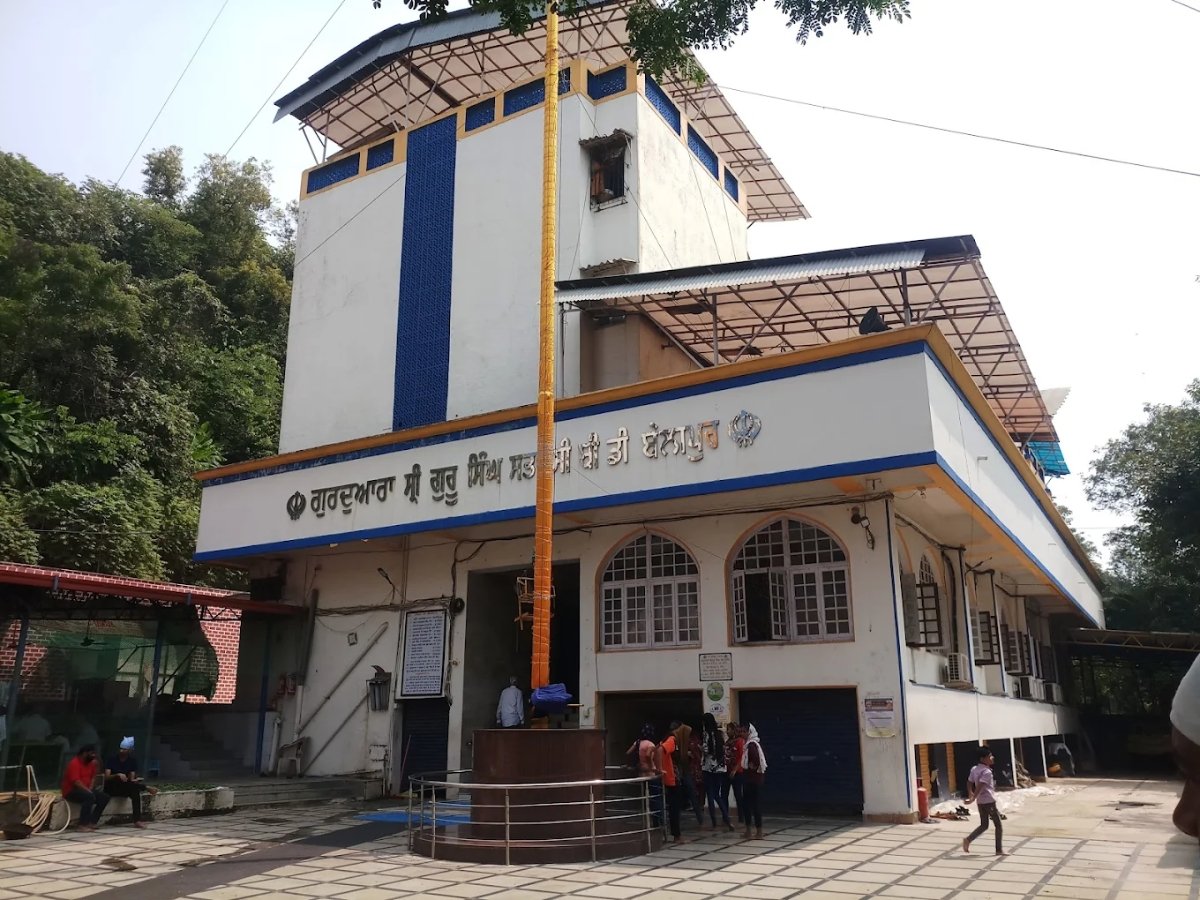
This Gurudwara is a Sikh place of worship where Guru Granth Sahib is honoured as the living Guru, and the Darbar Sahib is the spiritual centre for kirtan, paath, hukamnama, and ardaas. The space is structured to make people sit together as equals, which is why even a short visit feels grounding.
In CBD Belapur, it also functions as a civic institution, not only a religious landmark. The combination of large-scale langar, organised seva, and community welfare services makes it relevant to the wider city, including people who come here for help during difficult phases. It is one of those places that feels calm, but also quietly powerful.
Historical Roots Singh Sabha Movement and Why It Matters Here
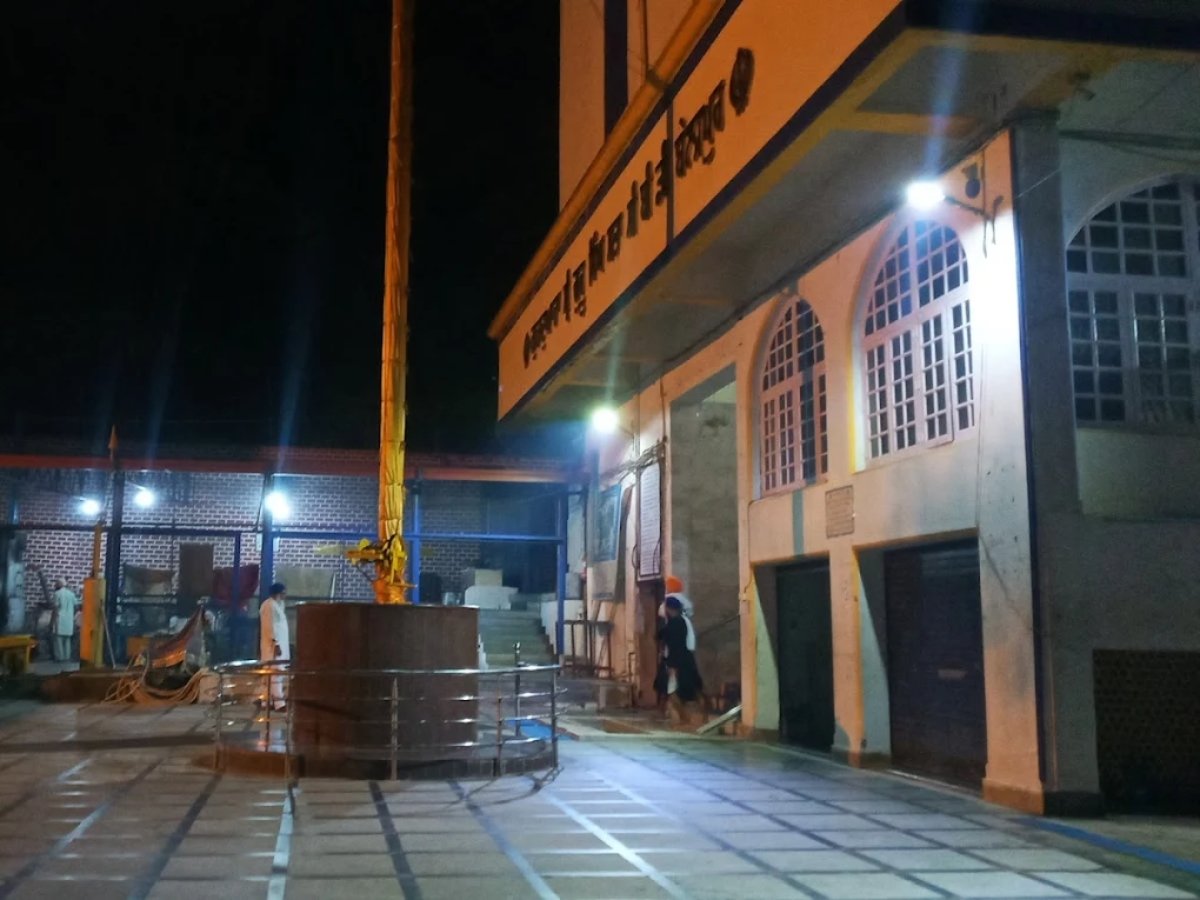
Your research connects the Belapur Gurudwara’s identity to the Singh Sabha Movement that began in Punjab in the 1870s, focused on Sikh revival, education, and the preservation of authentic Sikh practice. This matters because it explains why institutions like this are built with structure, discipline, and community governance, not just devotion.
As Sikh communities moved into industrial and commercial centres like Mumbai, they carried these organisational models with them. The report notes early Singh Sabha presence in the region around the 1940 period, building the base for a stable sangat in what later became Navi Mumbai’s core civic belt. Belapur’s Gurudwara is part of that larger institutional continuity.
Foundation in CBD Belapur 1988 Rented Rooms to a Landmark Campus
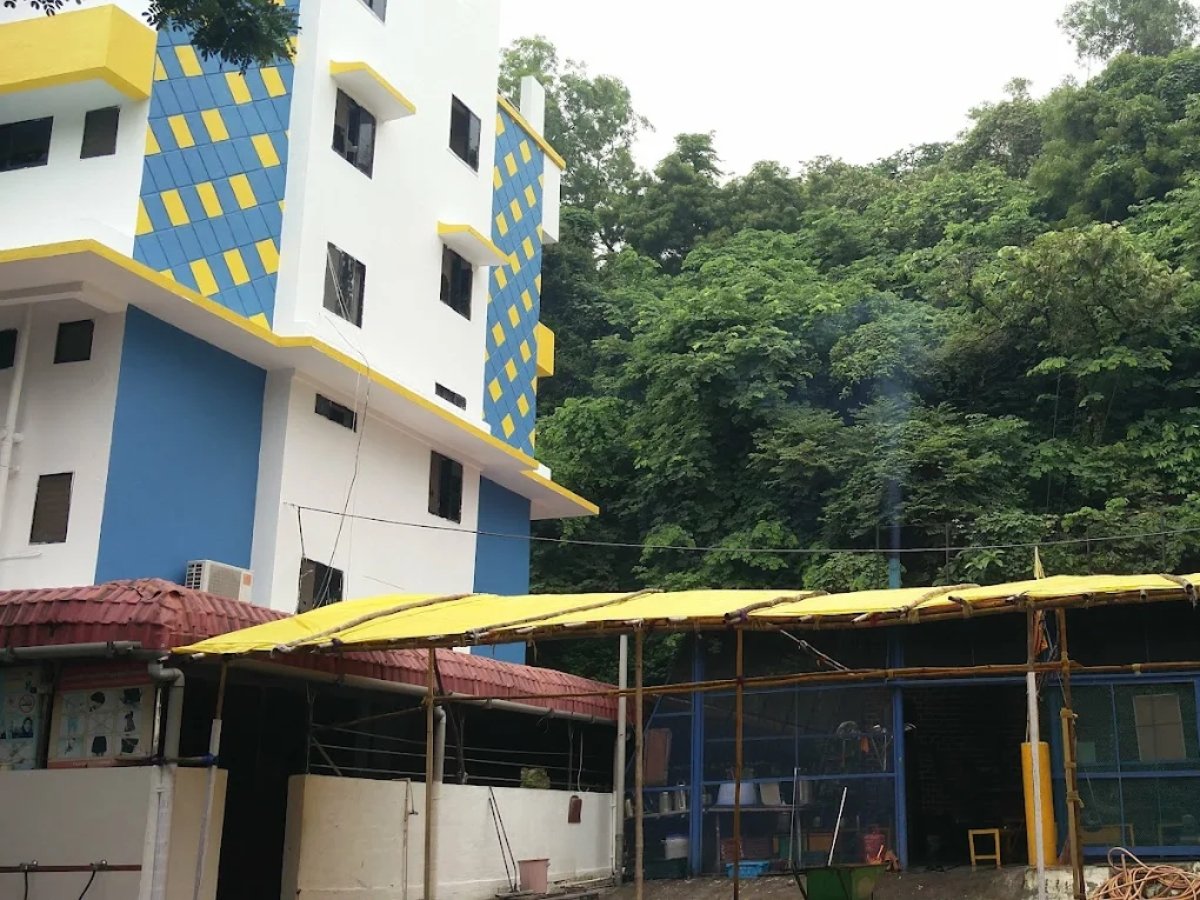
The modern chapter begins in 1988, when operations started modestly in two rented rooms in Belapur, housing the Guru Granth Sahib and serving the local sangat. This detail matters because it shows the Gurudwara grew from necessity and community effort, not from instant large funding or a one-time project.
In 1990, the foundation stone was laid by Sant Baba Shisha Singh Ji of Hazur Sahib, Nanded, a major spiritual authority context in Sikh tradition. That moment marks the shift from a temporary arrangement to a permanent Gurudwara campus meant to serve a growing Navi Mumbai congregation for decades.
Architecture Overview Tradition Meets Modern Navi Mumbai Planning
The Belapur Gurudwara is described as a three-storey institution designed to balance spiritual needs with community logistics. The exterior blends Mughal and Rajput influences that shaped Sikh architectural language, while modern engineering and materials support large gatherings without compromising visibility and movement.
A key urban adaptation mentioned in your research is underground parking for around 90 cars, which is a practical necessity in CBD Belapur’s density and event crowd reality. The use of modern cladding and a grid structure supports space efficiency, while the overall look still communicates “Gurudwara” instantly through dome form and sacred symbolism.
Signature Elements Gold Dome, 75-Foot Stained Glass, Ik Onkar
Your research highlights the central fluted dome with gold leaf, a strong symbolic reference to Sikh spiritual sovereignty and a visual beacon, especially during evening lighting. The façade also features a 75-foot stained-glass window, which turns the front elevation into a landmark and shapes the interior light in a way that feels calm rather than harsh.
Inside the Darbar Sahib, the ceiling carries a gold-embossed Ik Onkar, reinforcing the theological anchor of oneness and equality. These details matter for SEO too, because most internet pages list only address and timings, while your article explains what visitors actually notice and remember. That difference is what helps a guide compete.
The Darbar Sahib Experience What Visitors Feel Inside
The Darbar Sahib is described as a large, well-lit prayer hall that can accommodate around 3,000 worshippers at once, with a gallery that supports overflow during major days like Vaisakhi. The space is designed for clear sightlines and shared participation, so the mood stays disciplined even when the crowd is high.
A typical visit is simple: sit, listen to shabad kirtan, and let the rhythm slow you down. The report notes that weekday attendance is steady and manageable, while evenings and weekends become more active, which matches real Belapur ground reality. If you come with the right expectation, it feels organised, not overwhelming.
Location in CBD Belapur Sector 3A and Why It’s Easy to Reach
Your research places the Gurudwara in Sector 3A, CBD Belapur, which is one of Navi Mumbai’s most connected belts because it sits close to the city’s civic and business core. This location matters for visitors because it is not tucked away inside a distant residential pocket, it is positioned where commuters, office-goers, and families can reach it without long detours.
The same report also notes that the Gurudwara is at walking distance from CBD Belapur Railway Station, which is one of the strongest GEO signals you can use in your introduction and Quick Summary. For first-time visitors, this single fact removes most confusion: reach Belapur station, then complete the last-mile on foot or by a short auto ride, depending on weather and family comfort.
How to Reach Gurudwara Sri Guru Singh Sabha Train, Road, Parking
The easiest route for most people is by train to CBD Belapur station and then last-mile travel, because the Gurudwara’s position aligns with everyday commuter pathways. If you are coming from nodes like Nerul, Seawoods, or Vashi, train access usually stays predictable, and that’s why the Gurudwara attracts people across Navi Mumbai, not only from Belapur.
For those driving, your research highlights a practical advantage: underground parking for about 90 cars, which is rare for a major religious campus in a busy node. This does not mean parking is always easy on peak days, but it shows the infrastructure is designed to handle crowd scale, especially during Sunday gatherings and festival events.
Daily Prayer Cycle From 4:00 AM to Night Sukhasan
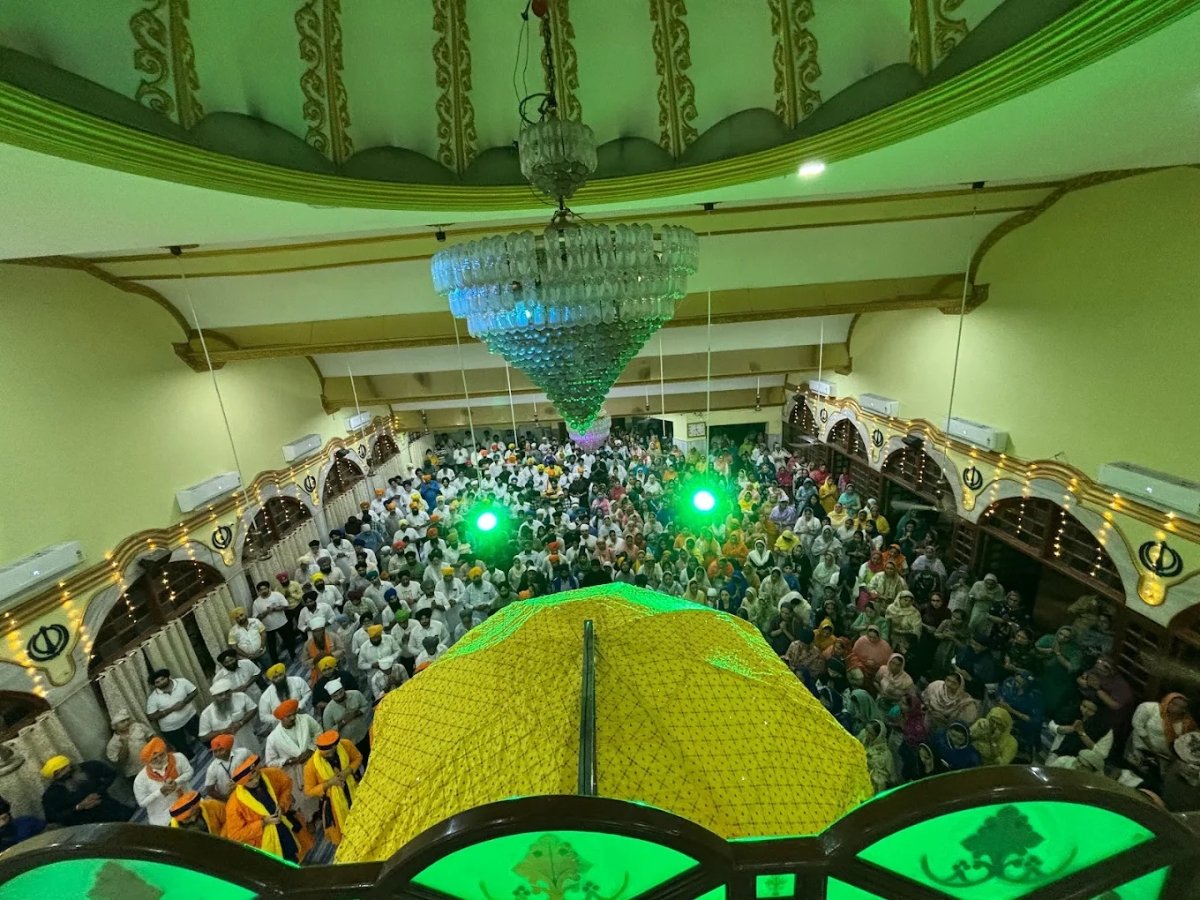
Your research explains that the Gurudwara’s day begins very early, typically around 4:00 AM, when the prayer rhythm starts and the Darbar Sahib atmosphere feels most quiet and inward. This is the time when many devotees prefer to visit because the hall is calmer and the experience is more meditative, especially for those who come before office hours.
As the day progresses, the prayer cycle includes structured components like hukamnama reading, katha, and kirtan, and then closes respectfully at night with Sukhasan. For a visitor, the simplest planning logic is this: mornings are best for silence and reflection, evenings are best if you want to feel the sangat energy. This predictable rhythm is one reason the campus feels stable in a fast city.
Footfall Pattern Morning Calm vs Evening Crowd Reality
The report gives useful crowd numbers that help readers set expectations: mornings typically see around 100 to 150 visitors, while evenings can rise to 250 to 300, reflecting Belapur’s daily work-to-home flow. This is a strong local signal because it matches how CBD Belapur actually behaves, calmer early hours and fuller evenings when people return from offices.
On Sundays, the scale can change dramatically, with attendance described up to 1,000 to 1,500. This is not a warning, it is a planning cue: arrive early, keep buffer time, and expect more organised movement in footwear and seating areas. If you write these numbers responsibly, your article becomes more trustworthy than generic listings that do not explain crowd reality.
Langar at CBD Belapur Gurudwara Ground Floor Hall and Equalit
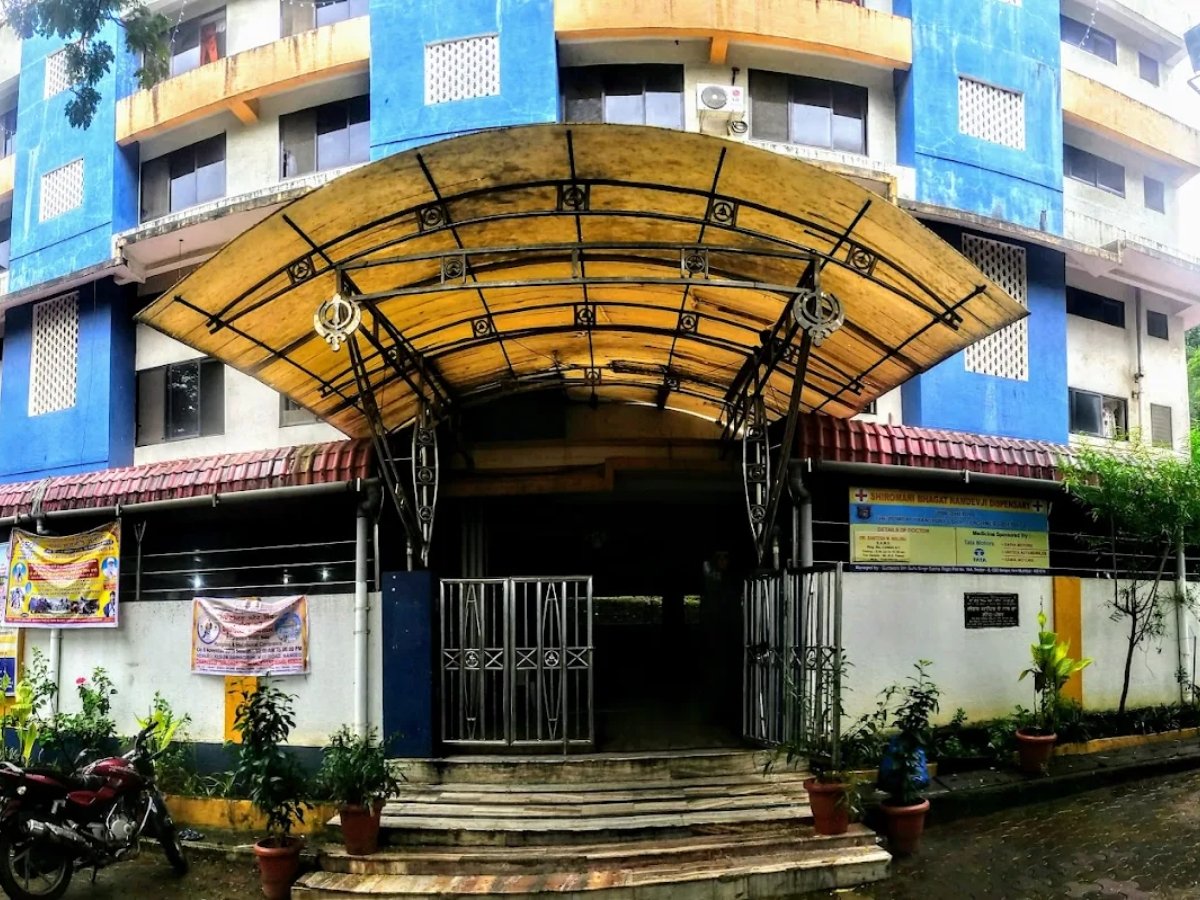
Your research states that the langar hall is on the ground floor, and it is treated as a core part of the Gurudwara, not an add-on. The reason is simple: langar is the most visible expression of Sikh equality, where everyone sits together in pangat and is served the same vegetarian meal. This is why even first-time visitors feel welcomed without needing an introduction.
The same report also highlights how large the system can become, describing peak capability in heavy periods reaching very high daily numbers. The practical takeaway for readers is not the number itself, but the discipline behind it: cooking, serving, and cleaning happen through structured seva so the atmosphere stays dignified. If you arrive on a busy Sunday, patience and calm behaviour are part of the experience.
Langar Scale and Crowd Management Why It Still Feels Organised
Belapur is a civic hub, so footfall can rise quickly, and your research supports that with clear visitor patterns. During high-sangat days, the Gurudwara manages flow through simple systems: seating in pangat, controlled serving, and continuous cleaning. This is why the place can handle large numbers without turning langar into chaos or a “queue fight” situation.
For readers, this section should teach a respectful habit: take only what you can finish, avoid wastage, and follow the line. Langar works because the community treats it as shared worship, not as a food service. When you write it in this tone, your blog becomes more accurate and more human than any directory listing that only says “langar available.”
Seva Model How the Gurudwara Runs Smoothly Every Day
The scale described in your research is only possible because seva is organised like a daily operating system. Volunteers rotate through tasks such as shoe management, kitchen work, serving, cleaning, and basic guidance for visitors. The key thing is that seva is not treated like charity work, it is treated like duty, done quietly, without seeking attention.
This seva culture is also what protects the Maryada standard over years. When a place runs on discipline, visitors automatically behave better because the environment teaches them how to move and sit. In a busy node like CBD Belapur, this is a huge reason the Gurudwara feels stable despite high footfall and mixed crowds.
Charitable Clinics and Dispensary Health Support as Seva
Your research mentions that the Gurudwara campus supports charitable clinics and a dispensary, which is a strong civic role in a city that often needs affordable, reliable health touchpoints. In Sikh tradition, service is not limited to food and prayer, so health support naturally fits the seva model. This is also why the Gurudwara is respected across communities, not only within the Sikh sangat.
For your blog, write this section responsibly and practically. Explain that clinics and dispensary services are part of the Gurudwara’s welfare work, and that visitors should check the latest information at the campus or through official updates. This keeps your page accurate and prevents over-claiming, which is important for long-term trust and ranking stability.
Visitor Rules Maryada for First-Time Visitors in CBD Belapur
Your research implies a large, disciplined campus, and that discipline is protected through basic Sikh maryada. Cover your head before entering, remove shoes at the shoe area, keep your phone silent, and sit respectfully on the floor in the Darbar Sahib. The goal is simple: don’t disturb prayer flow, especially during early morning routines and busy Sunday hours.
CBD Belapur attracts a mixed crowd, so a first-timer may feel unsure at the start. The easiest way to behave correctly is to move slowly, observe for a minute, and follow the sangat rhythm without overthinking. When you approach the space with humility, the visit feels welcoming rather than confusing, and that’s exactly what your blog should help readers achieve.
Photography and Phone Etiquette Respect Before Content
This Gurudwara is visually striking, so people naturally want photos, but the rule is about context. Outside and general exterior shots are usually the least sensitive, because they help with navigation and memory. Inside the Darbar Sahib during prayers, filming and casual selfies can disturb others, so the respectful approach is to keep your phone away and protect the atmosphere.
If someone is a content creator, the safest guidance is permission-first and crowd-first. Avoid recording people who are praying, do not block pathways, and never treat the Darbar Sahib like a shooting set. This advice is small, but it prevents the most common visitor mistakes, and it makes your guide feel practical and culturally aware.
“Oxygen Sewa” During COVID Why Belapur Gurudwara Earned Wider Trust
Your research highlights “Oxygen Sewa” during the COVID peak as a key reason this Gurudwara gained stronger city-wide recognition. This is not a generic “they helped people” statement, it is a concrete service action that reflects the Sikh principle of helping without discrimination. In a crisis, people remember who acts fast and who stays organised, and this is where Gurudwaras often become lifelines.
For your blog, write this section factually and respectfully, without exaggeration. Mention that the service was part of community relief during the pandemic, and connect it to the same institutional discipline that also runs langar and daily operations. This makes the article feel human and real, because it shows the Gurudwara is not only spiritual, it is also dependable in the most difficult moments.
28 Feb & 1 March 2026 Hind Di Chadar Shri Guru Teg Bahadur Sahib Ji 350th Shaheedi Samagam
On 28 February and 1 March 2026, Navi Mumbai is hosting a large-scale “Hind Di Chadar” 350th Shaheedi Samagam in remembrance of Shri Guru Teg Bahadur Sahib Ji. Public coverage points to major preparations and very high expected attendance, with the main programme venue referenced around Owe Ground/Owe Maidan, Kharghar (Sector 29).
For CBD Belapur readers, this matters because Belapur sits on the same core corridor that connects to Nerul, Seawoods, and Kharghar belts, so movement and traffic patterns can tighten on large event days. A practical line you can include is: keep buffer time, check advisories, and verify the latest organiser updates before travel. Also add a responsible note: “We’ll update this section when an official minute-by-minute programme schedule is published.”
FAQs
Frequently Asked Questions