
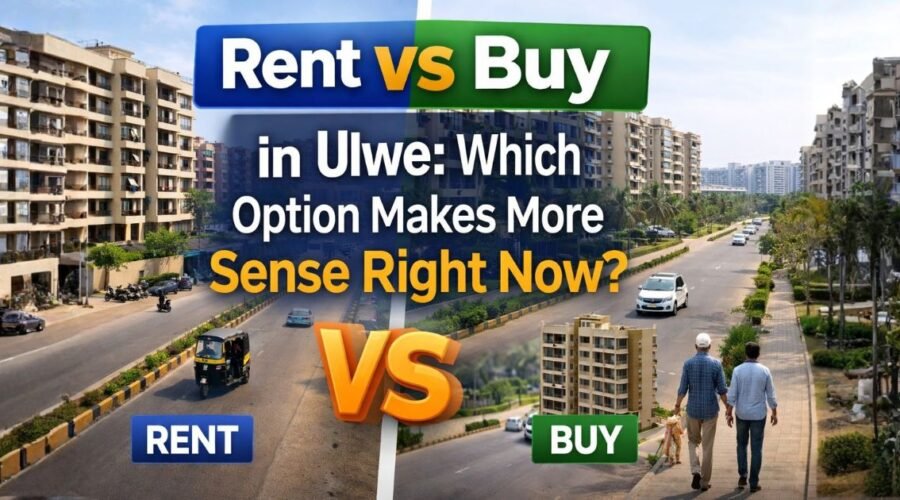
Rent vs Buy in Ulwe: What Makes More Sense in 2026?
If you are unsure about staying in Ulwe for the long term, renting usually makes more sense. If you are planning to stay for many years, have found a legally clear and practically usable micro-location, and can comfortably handle the full cost of ownership, buying can make sense. In Ulwe, this is not a simple rent-versus-EMI question because sector quality, station access, project readiness, and daily livability change the answer.
Ulwe has moved far beyond its old image as only a future-growth area. The airport is operational, the Atal Setu has changed regional access, and local railway connectivity has improved the node’s practical relevance. But Ulwe is still uneven. Some pockets feel far more usable and stable than others. That is why the right decision is not “rent is better” or “buy is better.” The real answer is: rent first if you need flexibility or clarity, buy only when the location and your own timeline are both verified.
Any rent-versus-buy decision becomes more practical when you first understand the Ulwe property rates, because ownership logic depends heavily on current entry cost and pricing reality.
Rent or Buy in Ulwe? The Direct Answer
For most people, the simplest decision rule is this:
| Situation | What usually makes more sense |
|---|---|
| You may stay in Ulwe for less than 3 years | Rent |
| You are still testing the area, commute, or sector | Rent |
| Your EMI would stretch your monthly budget | Rent |
| You found a ready or near-ready flat in a strong micro-location and will stay long term | Buy |
| You are buying mainly because of fear of future price rise, but are unsure of the project or sector | Wait or rent |
| You want stable self-use and can absorb stamp duty, registration, interiors, and maintenance | Buy |
That is the practical starting point. In Ulwe, the decision improves only when you go one layer deeper into local reality.
Why This Decision Is Different in Ulwe Than in More Settled Navi Mumbai Nodes
In more settled nodes like Nerul, Vashi, or Seawoods, the rent-versus-buy decision is more straightforward because daily livability is already more mature across most sectors. Ulwe is different because it is now operationally important, but still not evenly mature.
Ulwe’s rent-versus-buy logic is closely tied to infrastructure momentum, which is why this guide on NMIA/MTHL/Connectivity and Ulwe housing demand helps explain how airport access, Atal Setu, and railway connectivity are shaping real residential demand across the node.
Ulwe is no longer only a future story
The Navi Mumbai International Airport started commercial operations on 25 December 2025. The Atal Setu has already improved road access to Mumbai. Bamandongri and Kharkopar have become real transport anchors, not just map labels. This means buying in Ulwe is no longer based only on brochure-level optimism.
But that does not mean every part of Ulwe is equally ready for end use.
Daily livability still changes a lot from sector to sector
This is where many generic articles fail. Ulwe is a large CIDCO-planned node, but ground reality varies by pocket. One sector may offer better station access, shops, roads, and social comfort. Another may look cheaper on paper but feel weaker in daily life. In some places, even a slightly higher rent in a better-located building may be smarter than buying a flat in a weaker surrounding environment.
That is why average locality price does not solve your decision.
If buying is starting to look like the better option, the next question is who should buy in Ulwe, because this market suits some buyer profiles much better than others.
> Practical caution: In Ulwe, a buyer can be correct financially but still wrong practically. A flat may look affordable and even promising on appreciation, but if the building, water situation, access road, surroundings, or legal readiness are weak, ownership becomes stressful very quickly.
When Renting in Ulwe Usually Makes More Sense
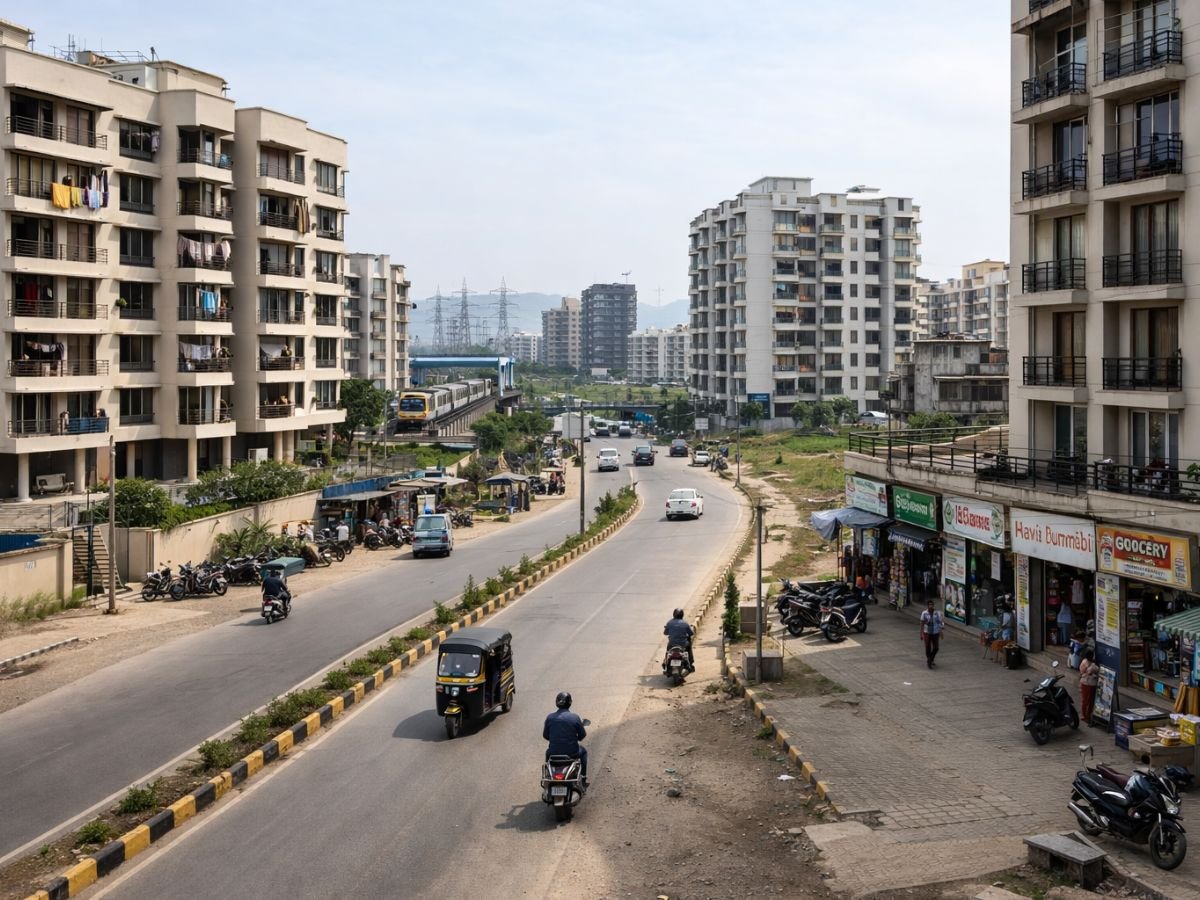
Renting is not a compromise. In Ulwe, it is often the more intelligent first step.
You are unsure about long-term stay
If your job location, family plan, or daily commute may change in the next few years, renting protects you from being locked into a property too early. The break-even logic in Ulwe usually becomes more favorable to buying only over a longer horizon, roughly around 6 to 8 years in many standard cases.
If you may leave sooner, buying can destroy value through friction costs.
You want to test the sector before committing
This is one of the strongest Ulwe-specific reasons to rent. Two buildings may both be called “Ulwe,” but actual experience can be very different. One may have good station access and usable surroundings. Another may still feel isolated, messy, or inconvenient in daily life.
A renter can test the node first. That is a real advantage.
Your EMI would stretch your budget too tightly
Many first-time buyers compare only rent and EMI. That is incomplete. Even if EMI looks manageable, buying also brings down payment, stamp duty, registration, interior work, maintenance, and in many cases brokerage or resale transfer-related overheads. If ownership leaves you financially stressed every month, it is not a smart move.
You want better location quality without immediate ownership pressure
This is common in Ulwe. A family or working couple may prefer renting in a stronger sector near transit and markets rather than buying a cheaper flat in a weaker micro-location. This is not wasted money. It can be a better lifestyle decision and a better risk decision.
Renting in Ulwe usually makes sense if:
- You are likely to stay for a short or uncertain period
- You want to understand the area before purchasing
- You are not fully convinced about a specific sector
- You want flexibility if water, access, or society quality becomes an issue
- You want to avoid large upfront buying costs for now
When Buying in Ulwe Usually Makes More Sense
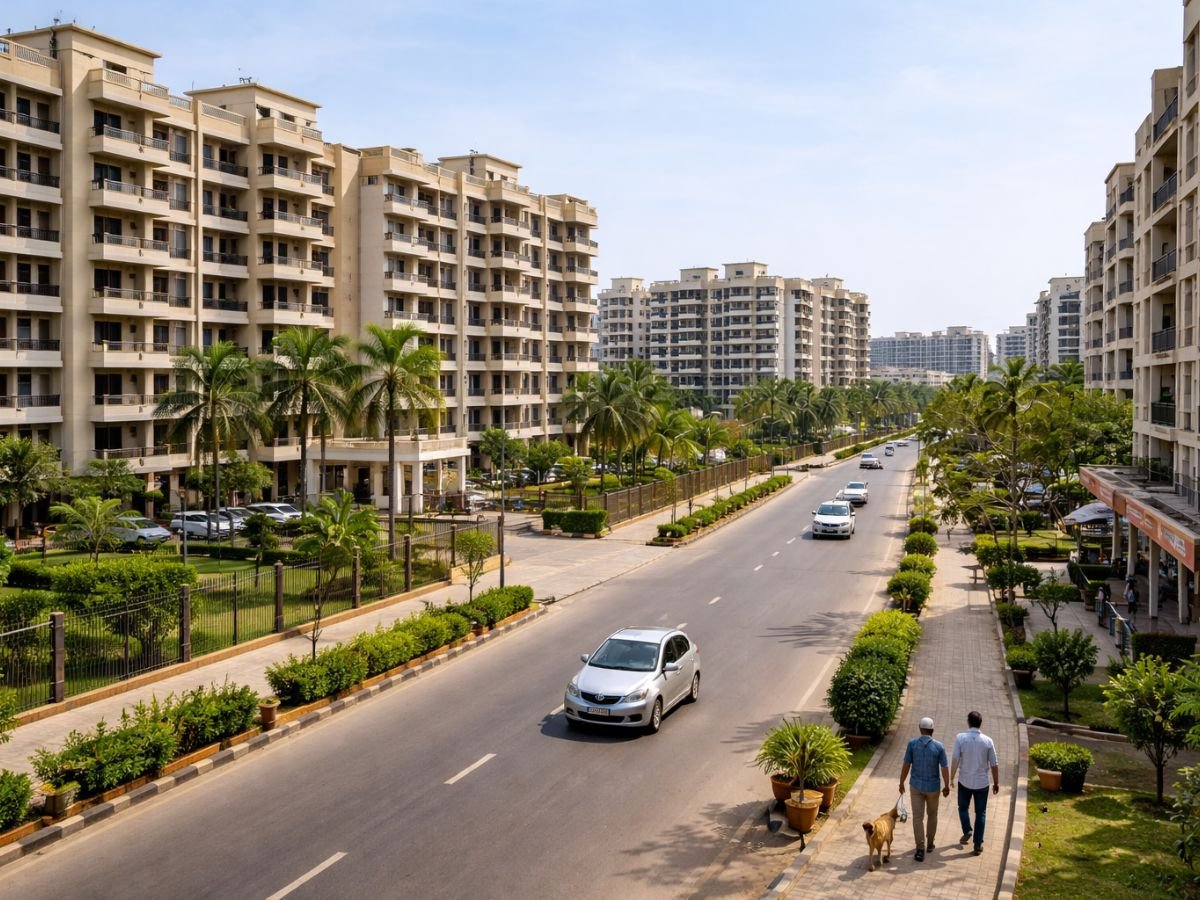
Buying can absolutely make sense in Ulwe, but only under the right conditions.
You are planning to stay for years, not months
If you are buying for self-use and can see yourself living there for a long period, ownership starts making more sense. Ulwe is no longer only a speculation story. It has real connectivity, real demand drivers, and a growing rental and residential base.
A long holding period gives buying enough time to absorb its heavy entry costs.
You have found a verified micro-location, not just a good brochure
This is critical. A good purchase in Ulwe is rarely about the full node. It is about the exact sector, exact road, exact project, and actual surroundings. Stronger station-linked or better-established pockets naturally reduce regret.
Sectors such as 17, 19, 9, and 21 show very different value profiles. Sector 17 works better for budget-led entry and resale activity. Sector 19 benefits strongly from Bamandongri-side transit logic. Sector 9 and Sector 21 are more premium and lifestyle-led.
You are buying ready or near-ready stock with usable surroundings
For self-use, ready or near-ready properties are usually safer than buying only on future promise. A flat with real surroundings, real access, and visible livability is far easier to judge than a project sold mainly on future upside.
This matters even more in Ulwe, where execution gaps can still affect the actual resident experience.
You want long-term entry before further area maturity
Buying can also make sense for people who believe Ulwe still has medium-term upside, but the keyword is disciplined buying. That means not blindly chasing under-construction inventory just because the airport is active.
Buying in Ulwe usually makes sense if:
- You have a clear long-term stay plan
- You are buying in a legally and physically verified project
- The flat is ready or close to usable possession
- Your budget remains comfortable even after all hidden costs
- You are choosing micro-location quality over just lower ticket size
Rent vs EMI in Ulwe Is Only the First Comparison, Not the Final One
This is where many buyers make the biggest mistake.
Monthly rent versus monthly EMI
A typical Ulwe 1 BHK asking rent may broadly range from around ₹12,000 to ₹22,000 depending on size, furnishing, building, and exact location. In some cases, entry-level rents may start below this, and better-finished stock may go higher. For 2 BHKs, rents often move into a noticeably higher band depending on configuration and sector.
At the same time, buying in Ulwe often means property price indicators broadly falling around ₹8,000 to ₹10,500 per sq ft in many practical parts of the node, while some premium or peak inventory can go higher. But these are market indicators, not guaranteed final deal values.
So yes, EMI matters. But it is only the visible part of the cost.
Down payment, registration, and interior cost
A buyer must bring in a down payment, usually around 20% in a standard financed purchase. Then comes stamp duty and registration. In Navi Mumbai, stamp duty and registration are governed through Maharashtra registration rules, and actual total payable depends on buyer category and current rates. Female buyers may get some concession benefits, while registration is capped in certain value bands.
Then comes interiors. Even a modest 1 BHK can require a few lakhs to become comfortably livable. A 2 BHK can require much more.
Maintenance, brokerage, vacancy, and move flexibility
Renters avoid most of these ownership burdens. Owners do not. Society maintenance in Ulwe can itself become a regular monthly outflow, especially in projects with more amenities. On the resale side, there may also be local transfer-related costs, brokerage, society processes, and other administrative friction.
Here is the more useful comparison:
| Cost or factor | Renting in Ulwe | Buying in Ulwe |
|---|---|---|
| Monthly payment | Rent only | EMI + maintenance |
| Upfront money | Deposit + brokerage in some cases | Down payment + stamp duty + registration + interiors + possible brokerage |
| Flexibility | High | Low |
| Exposure to legal/project risk | Low | High |
| Protection from water/society issues | Easier to relocate | Harder to exit |
| Long-term equity build-up | No | Yes |
| Liquidity of money | High | Low |
| Best for | Testing, short stay, uncertain plans | Long-term self-use, verified purchase |
That is why a “my EMI is close to rent” argument is often misleading.
In Ulwe, Micro-Location Can Matter More Than the Buy-vs-Rent Formula
This is probably the most important local point in the entire article.
Station access changes usability
Bamandongri and Kharkopar are not small details. In Ulwe, access to these stations can directly improve daily comfort, commuter practicality, and rental appeal. A flat closer to a meaningful transit anchor can remain more usable and more liquid than a cheaper one in a weaker pocket.
Sector quality changes daily life
Sector-to-sector difference in Ulwe is real. Some areas have stronger road logic, better surrounding activity, more retail presence, and better resident confidence. Others still feel more patchy. This affects both renters and buyers, but it hurts buyers more because they are locked in.
Ready surroundings matter more than projected growth
A future-facing node like Ulwe creates a common buyer trap: ignoring today’s usability because tomorrow sounds exciting. That is risky. Ready surroundings matter. Internal road quality matters. Walkability matters. Nearby essentials matter. Society condition matters.
> Example: A couple working between Navi Mumbai and Mumbai may rent a slightly costlier 2 BHK near a better-connected sector with easier access to Bamandongri or Kharkopar. Financially, that may look less “asset-building” than buying a cheaper flat deeper inside a weaker pocket. But practically, the rented option may save time, reduce frustration, and allow a better final buying decision later.
Renting a Better-Located Flat Can Be Smarter Than Buying a Poorer-Located One
This is a counterintuitive point, but in Ulwe it is often true.
Imagine two options:
- Option A: Rent a better-kept flat in a stronger pocket with good station access, usable roads, and better daily convenience
- Option B: Buy a cheaper flat in a less proven location only because the ticket size looks manageable
Many first-time buyers assume ownership is automatically wiser. It is not. If the purchased flat is in a location you do not enjoy living in, has water dependency issues, poor surroundings, or weaker exit comfort, then the “ownership win” becomes much less attractive.
A good rented flat in a better location can buy you time, clarity, and lifestyle stability. In Ulwe, that is not small. That is strategy.
Does Buying in Ulwe Make Sense for Investors or Only for End Users?
It can make sense for both, but not for the same reason.
Rental yield logic
Ulwe’s rental market has become more meaningful because of airport-linked demand, connectivity improvements, and a growing base of professionals and commuters. Broad rental yield patterns in the area can look attractive compared with older, more expensive Mumbai markets.
Compact 1 BHK and modular 2 BHK units near transit-linked sectors tend to make more sense for yield-focused buyers than large emotional purchases in weaker-demand formats.
Appreciation logic
Ulwe still has appreciation potential, but it should not be sold as guaranteed growth. The airport, Atal Setu, and wider infrastructure ecosystem support the long-term case. But appreciation will still depend on sector, product type, legal clarity, and supply behavior.
Buying only because “airport aa gaya, ab sab kuch double hoga” is not sound investor logic.
Why investor math and resident math are not the same
An investor may accept a flat that is not ideal for family self-use if the rental demand is strong and purchase economics are right. A resident cannot think like that. A resident lives with the water issues, commute pain, maintenance burden, and daily discomfort.
So the same Ulwe property can be acceptable for one type of buyer and wrong for another.
> Simple difference: End users should prioritize livability first. Investors should prioritize demand durability, entry price discipline, and exit comfort.
What First-Time Buyers in Ulwe Often Underestimate
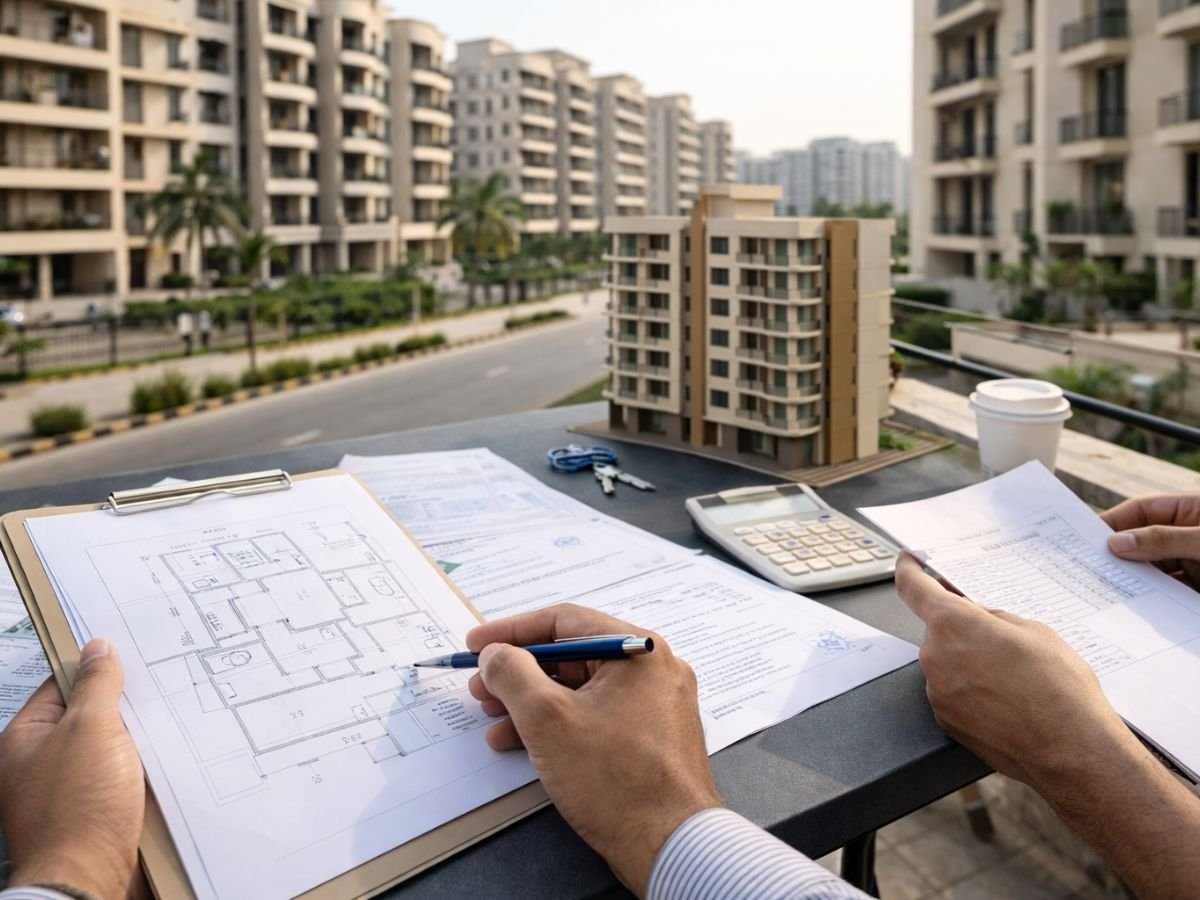
This is where local authority content must be honest.
Legal and project verification
Before buying, project verification is not optional. MahaRERA should be checked where relevant. Project status, approvals, timelines, complaint history if visible, and promoter credibility all matter. On resale purchases, title flow, occupancy status, outstanding dues, and lender-related issues matter even more.
Do not use MahaRERA as a decorative checkbox. Use it because it affects your money.
Real possession readiness versus sales promise
“Almost ready” and “actually usable” are not the same thing. In Ulwe, a buyer should verify not just construction stage but also water readiness, lift condition, society functioning, access road quality, and real building occupancy.
A partially occupied tower in a messy surrounding environment can feel very different from what site marketing suggests.
Resale liquidity and exit comfort
Not every Ulwe flat will be equally easy to resell. Flats in stronger sectors, with cleaner documentation, working societies, and better transport logic usually have better exit comfort. Overpriced or weakly located inventory can sit for longer.
That matters even if you are buying for self-use. Life changes.
> Buyer caution box: Before booking or buying in Ulwe, verify project status, title chain, possession reality, water backup, maintenance structure, and exact sector usability. If you skip these and buy only because prices may rise later, you are taking avoidable risk.
A Simple Decision Framework: Who Should Rent, Who Should Buy, and Who Should Wait
| Buyer type | Better decision | Why |
|---|---|---|
| Young professional with uncertain job location | Rent | Keeps flexibility and protects capital |
| Family new to Ulwe and unsure about sector fit | Rent first | Lets you test real livability before ownership |
| First-time buyer with stable long-term plan and ready property shortlisted | Buy | Ownership starts making sense when location and timeline are clear |
| Budget buyer stretching heavily for under-construction unit | Wait or rent | High risk if finances are tight |
| Yield-focused investor targeting transit-led compact units | Buy selectively | Works only with disciplined entry and clear tenant demand |
| Buyer driven mainly by FOMO around airport growth | Wait | Fear is not a purchase strategy |
Conclusion
For Ulwe, the smartest answer is not “always rent” or “always buy.” It is this:
Rent in Ulwe if you want flexibility, are still testing the area, may stay only for a few years, or are not fully convinced about the exact sector and project. Buy in Ulwe if you are planning a long stay, have identified a strong micro-location, are choosing ready or near-ready usable stock, and can comfortably handle the full ownership cost beyond EMI.
For many practical buyers, the best strategy is not choosing between rent and buy immediately. It is renting first in Ulwe, learning the node properly, and then buying in the same node only after the location proves itself in real life.
FAQs
Frequently Asked Questions