

Best Residential Sectors in Vashi: Where to Live, Buy or Rent in 2026
The best residential sectors in Vashi are usually Sector 14, Sector 28, Sector 29, and parts of Sectors 9 and 10, because they balance residential comfort, daily convenience, and long-term livability better than more commercial pockets. For commuters, Sectors 17 and 30A can work very well. For premium buyers, Juhu Nagar and the Palm Beach side feel stronger. But in Vashi, the sector matters a lot. The pin code alone is not enough.
Vashi is one of those places in Navi Mumbai where people assume everything is equally good because the node is old, central, and well known. That is not how it works on the ground. Some sectors are calm and residential. Some are practical but ageing. Some are great for the station but weaker for family comfort. Some carry premium pricing mainly because of location image, waterfront character, or redevelopment potential.
That is why this guide is not a generic Vashi praise article. It is a practical sector-by-sector decision guide for buyers, renters, families, commuters, and investors.
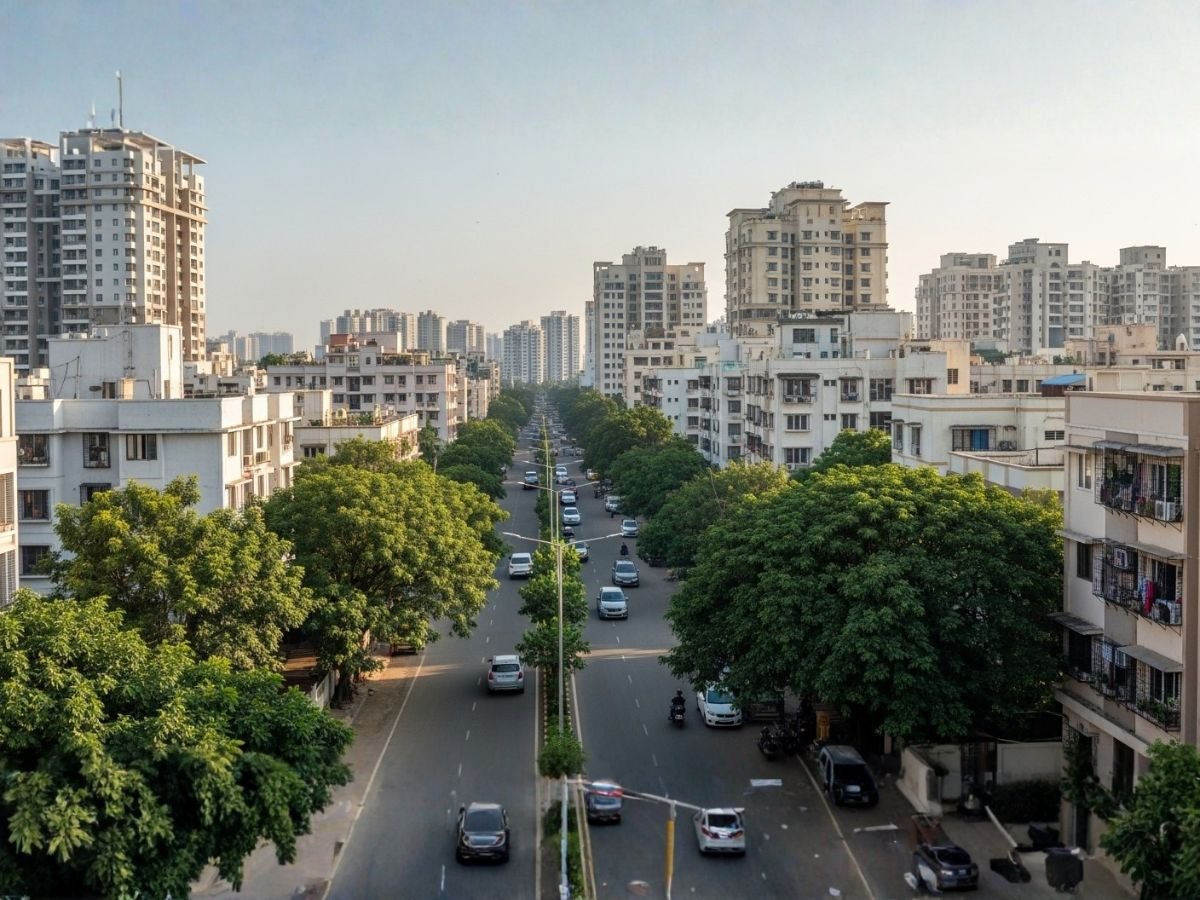
Best Residential Sectors in Vashi at a Glance
| Sector / Pocket | Best For | Main Strength | Main Caution | Overall Fit |
|---|---|---|---|---|
| Sector 14 | Balanced end users | Good residential feel, decent central access, strong daily convenience | Nearby traffic spillover can matter depending on exact pocket | Strong buy and family fit |
| Sector 28 | Premium end users | More residential, cleaner feel, lower commercial disturbance | Higher entry cost and station is not a walk for everyone | Strong buy and premium family fit |
| Sector 29 | Balanced buyers | Good internal residential character with practical city access | Society quality can vary by building | Strong end-user fit |
| Sectors 9 and 10 | Families | Strong school and hospital access, established liveability, redevelopment upside | Construction activity in some redevelopment pockets | Strong family buy fit |
| Sector 17 | Daily commuters and renters | Immediate station and highway convenience | Parking shortage, traffic, mixed-use pressure | Strong commuter and renter fit |
| Sector 30A | Commuters | Good transport convenience and practical movement | Less calm than interior residential sectors | Good commuter fit |
| Juhu Nagar | Premium buyers | Strong residential image, larger homes, premium pricing power | Expensive and not necessary for every buyer | Premium buy fit |
| Sectors 6 and 8 | Niche luxury end users | Waterfront vibe, low-density feel, bungalow-style environment in parts | Limited stock and weaker daily transit convenience | Luxury niche fit |
| Sector 26 | Budget-conscious practical buyers | Lower entry pricing for Vashi standards, functional daily life | Farther from core Vashi comfort and station lifestyle | Practical buy/rent fit |
What Actually Makes a Sector in Vashi Good for Residential Living
In Vashi, the best sector is not automatically the one closest to the station or the one with the highest price per square foot. A good residential sector usually has four things working together: manageable noise levels, practical access to daily needs, acceptable building quality, and enough separation from commercial overflow.
Station access versus internal peace
This is one of the biggest trade-offs in Vashi. Sectors near Vashi station and the main commercial belt are convenient, especially for office-goers, but they often come with more traffic, more noise, and more parking stress. Interior or Palm Beach-side sectors usually feel calmer, but they may need an auto, bus, or a longer commute to reach the station.
That is why a sector that looks strong on Google Maps is not always the best one for living. A five-minute shorter commute can also mean living next to constant movement.
Schools, hospitals, markets, and daily walkability
For families, Vashi still has a major advantage over many newer Navi Mumbai nodes: the social infrastructure is already mature. Sectors around the stronger residential belt benefit from established schools, hospitals, markets, clinics, and daily shopping access.
This is especially relevant in a place like Vashi because the real value is not just road connectivity. It is the fact that the daily life system is already working.
Mixed-use activity, traffic, and commercial spillover
Some sectors look central and attractive on paper, but the actual experience can feel tiring. Commercial spillover brings delivery vehicles, roadside parking, retail rush, waste management issues, and pedestrian congestion. This is common in the busier station-adjacent and market-linked parts of Vashi.
So yes, centrality matters. But too much mixed-use activity can reduce residential comfort sharply.
Building age, parking, and society upkeep
This is the most important caution point in Vashi. A large part of the node has older CIDCO-era stock, including many low-rise and ageing cooperative buildings. That means buyers should not judge a sector only by name. They must judge the specific building.
NMMC’s dangerous buildings survey for 2025-26 flagged 501 buildings across its jurisdiction, with 51 in the C-1 category requiring immediate demolition. On top of that, buildings above 30 years are under structural audit requirements under Section 265A, with the March 31, 2026 compliance deadline being especially relevant for older stock. In simple words: do not buy an older resale flat in Vashi without checking structural audit compliance.
Quick checklist before you shortlist a sector in Vashi
- Is the sector mainly residential or heavily mixed-use?
- Will you walk to the station daily, or use auto/bus anyway?
- Is the building older than 30 years?
- Has the society handled maintenance, lifts, parking, and repairs properly?
- Is the micro-pocket prone to congestion or monsoon inconvenience?
- Are your main daily needs nearby, or only the location name is strong?
- Are you paying for actual livability or only the Vashi premium?
Which Are the Best Residential Sectors in Vashi Overall
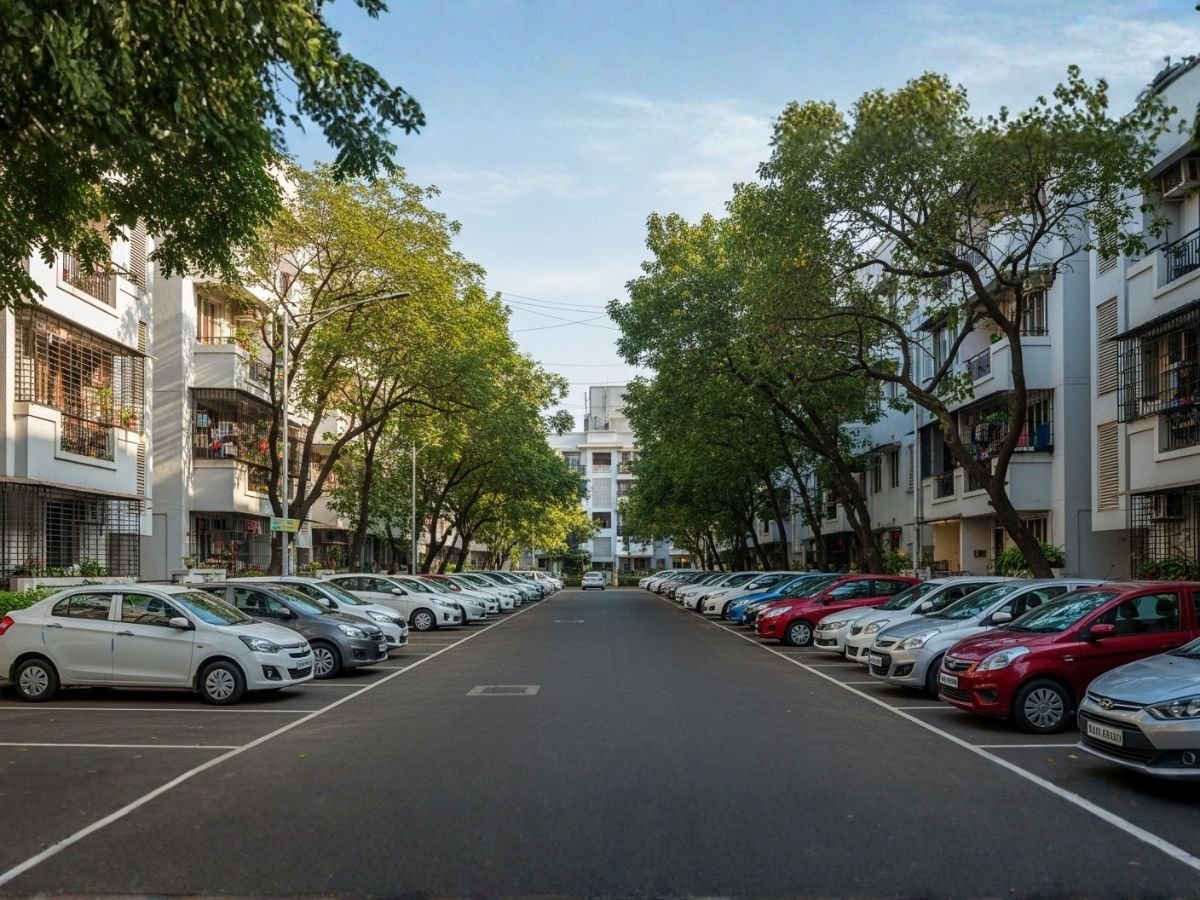
If the question is overall residential balance, the strongest sectors are usually Sector 14, Sector 28, Sector 29, and parts of Sectors 9 and 10.
Sector 14 works well because it stays fairly central without becoming as tiring as the busiest mixed-use belts. It suits buyers who want practical Vashi living without going too far toward either the heavy commercial zone or the ultra-premium side.
Sector 28 is one of the better picks for buyers who want a more residential, slightly polished feel. It tends to attract stronger end-user interest because it offers a better balance between calm surroundings and access to the wider Vashi ecosystem.
Sector 29 also deserves attention. It may not always dominate casual online discussions, but it works well as a balanced residential pocket for buyers who care more about day-to-day comfort than pure station-side convenience.
Sectors 9 and 10 are especially important because they combine family suitability with upgrading potential. They already have strong social infrastructure, and redevelopment activity is changing the quality of the housing stock in a meaningful way.
Best Vashi Sectors for Families Who Want Daily Convenience
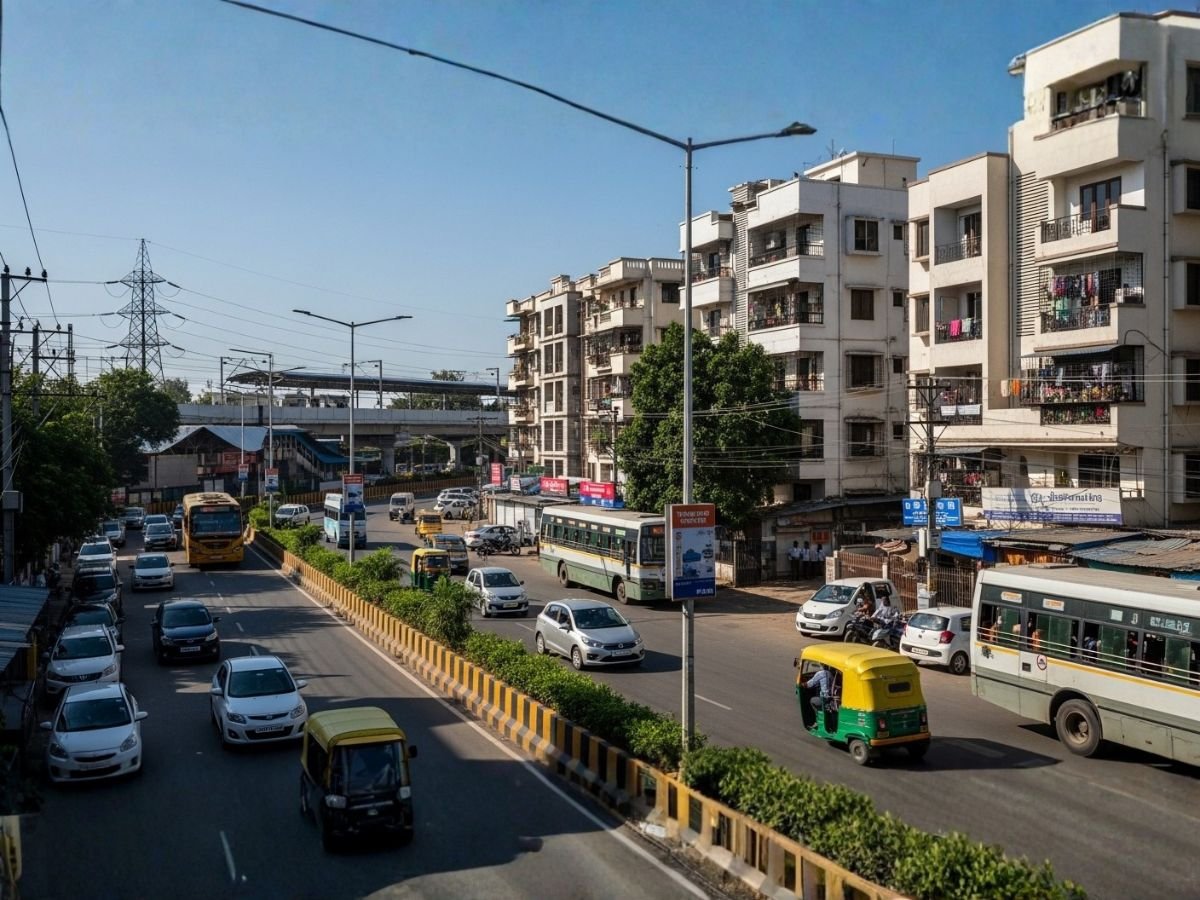
For families, Sectors 9, 10, and nearby better-maintained residential pockets remain among the strongest choices in Vashi.
The reason is simple. Families usually do not choose a home only on station distance. They care more about schools, hospitals, grocery convenience, internal road safety, a quieter environment, and a society where daily life feels manageable. In that framework, the family-friendly part of Vashi is different from the commuter-friendly part of Vashi.
Fr. Agnel, St. Mary’s, Fortis Hiranandani, PKC Hospital, and the established market ecosystem strengthen this side of Vashi’s family appeal. That does not mean every building here is ideal. It means the sector logic itself is stronger for families than purely commercial belts.
There is also a second layer here. Redevelopment in parts of Sector 9 and nearby pockets is modernising old stock. That can improve long-term residential quality, but it can also bring temporary construction disturbance. A family buyer should weigh both.
Best Vashi Sectors for Working Professionals and Daily Commuters
For working professionals who need to reach local trains, highways, Thane, BKC, Lower Parel, or other business districts quickly, Sectors 17 and 30A are among the most practical choices.
These sectors work because they reduce everyday commute friction. The benefit is very real. When a person travels daily, even a 10 to 15 minute saving on station access matters. This is why renters and young professionals often accept a smaller flat or a noisier environment in exchange for location efficiency.
But this is also where many people make a mistake. They assume that the best commuter sector is automatically the best residential sector. It is not. Sector 17 especially can feel congested. Parking pressure is real. Commercial spillover is real. Traffic stress is real. NMMC’s planned multi-level parking projects in sectors like 17 and 30A are relevant, but the current ground reality still needs caution.
Example: A corporate commuter going to BKC five days a week may happily choose a smaller or older flat in Sector 17 because the station access saves time every single day. A family with two children usually gets more long-term value from Sector 9 or 14, even if the station is not equally convenient.
Which Vashi Sectors Feel More Premium and Which Feel More Practical
The premium side of Vashi is not always the same as the most practical side.
Juhu Nagar, parts of the Palm Beach-facing belt, and waterfront-influenced pockets like Sectors 6 and 8 feel more premium because of lower density, larger homes in some cases, cleaner surroundings, creek-side character, and stronger location image. This is where Vashi’s upper-end buyer often looks, especially when comparing it with premium zones in Nerul or Seawoods.
Approximate early-2026 market ranges support that gap. Vashi overall sits roughly in the ₹20,477 to ₹31,450 per sq ft band, while Juhu Nagar-type premium pockets can move into the ₹32,250 to ₹35,300 per sq ft range. That premium is not random. It usually reflects location quality, stock type, and redevelopment or luxury positioning.
On the other hand, practical value is easier to see in places like Sector 26. This pocket does not carry the same glamour, but it offers a more accessible entry point by Vashi standards, with approximate rates around ₹13,410 per sq ft as of early 2026. That makes it relevant for budget-conscious buyers who want the Vashi ecosystem without paying the full Palm Beach or Juhu Nagar premium.
The important thing is this: expensive does not always mean best for everyone. A mid-income family or practical commuter may get better real-life value from a less fashionable but more workable sector.
Which Sectors in Vashi Need More Care Before You Buy or Rent

This is where most generic articles fail. In Vashi, some sectors and micro-pockets need much more caution than their brand value suggests.
Central does not always mean comfortable
Busy central pockets may look attractive because they are near retail, offices, and transport. But comfort can drop quickly when the same roads are packed with commercial parking, delivery traffic, and pedestrian overload.
Older CIDCO stock can become a real risk
Many older JN-type buildings and ageing societies in Vashi may look affordable compared with new towers or redeveloped stock. But cheaper entry can turn into a serious liability if the building’s structural condition is weak or the audit status is unclear.
For any older resale building, especially if it is above 30 years old, ask for structural audit compliance and do not rely only on the broker’s verbal comfort. This is not an optional due diligence step in Vashi anymore.
APMC-side spillover and low-lying inconvenience matter
Areas closer to the APMC influence zone, Vashi gaon side near the toll approach, and certain low-lying or traffic-heavy points can face local inconvenience during monsoon or during peak movement hours. Not every nearby sector is equally affected, but this is exactly why building and micro-pocket selection matter more than the sector number alone.
Buy, Rent or Invest? How Sector Choice Changes the Answer in Vashi
The right sector changes depending on why you are entering Vashi.
| User Type | Better Sector Traits | Likely Better Pockets |
|---|---|---|
| End user buyer | Residential calm, good social infrastructure, stable society quality | Sector 14, Sector 28, Sector 29, parts of Sectors 9 and 10 |
| Renter | Commute convenience, station access, practical daily movement | Sector 17, Sector 30A |
| Family buyer | Schools, hospitals, quieter roads, daily convenience | Sectors 9 and 10, Sector 14 |
| Investor | Redevelopment upside, demand depth, strong location memory | Sectors 9 and 10 redevelopment zones, select premium pockets |
| Luxury end user | Waterfront or premium image, lower density, bigger layouts | Juhu Nagar, Sectors 6 and 8, Palm Beach side |
For renters, Vashi can still make sense despite the premium because commute savings are often worth the extra rent. As of early 2026, broad rental bands in Vashi are roughly ₹25,000 to ₹35,000 for 1 BHK, ₹38,000 to ₹60,000 for 2 BHK, and ₹65,000 to ₹1.2 lakh or more for 3 BHK depending on sector, stock quality, and exact project.
For investors, the older Vashi logic of buying any resale stock and waiting is weaker than before. The smarter investment lens is more selective now. Redevelopment zones in sectors like 9 and 10, especially where credible developers are active, may offer stronger medium-term upside than random old-stock buying.
How to Shortlist the Right Sector in Vashi for Your Budget and Lifestyle
By this point, the better question is no longer “Which is the best sector in Vashi?” It becomes “Which sector fits my real life?”
Use this shortlist method:
1. Start with your daily pattern If you are a train commuter, station-side access matters more. If you are a family, schools and internal comfort matter more.
2. Decide whether you want residential calm or central movement Many buyers say both. In Vashi, you usually have to prioritise.
3. Check the building age before getting emotionally attached In Vashi, this step is critical. A good sector cannot rescue a weak building.
4. Verify audit and compliance for older stock Especially for buildings over 30 years old.
5. Check actual parking, not brochure parking Ask where the car is parked today, not where it can be parked in theory.
6. Measure real walking time and road comfort “Near station” on a map is not always easy in actual heat, traffic, or rain.
7. Judge the micro-pocket, not just the sector number Two buildings in the same sector can offer very different living conditions.
For under-construction or redevelopment-linked projects, buyers should also verify MahaRERA details and possession timelines directly instead of relying only on sales talk. Examples from the current Vashi redevelopment market include projects such as Godrej Bayview and Akshar Panchratna, where official MahaRERA records matter more than broker promises.
Final Verdict: So, Which Residential Sectors in Vashi Are Best
If you want the best overall residential balance in Vashi, start with Sector 14, Sector 28, and Sector 29. These sectors generally offer the most complete mix of residential comfort, practical access, and long-term livability.
If you are a family, Sectors 9 and 10 are among the strongest choices because of schools, hospitals, and established daily-life convenience.
If you are a daily commuter or renter, Sectors 17 and 30A can make excellent sense, but only if you accept the trade-off of more traffic, parking pressure, and commercial activity.
If you want premium Vashi and budget is not the main issue, Juhu Nagar and select Palm Beach-side or waterfront-influenced pockets remain stronger.
If you want practical Vashi at a lower entry point, Sector 26 deserves a look.
The final truth is simple: the best residential sector in Vashi is the one that matches your lifestyle and building-quality filter, not the one with the loudest reputation.
Conclusion
Vashi is still one of Navi Mumbai’s strongest residential nodes, but it is no longer a market where any sector is automatically a safe pick. The best sectors are the ones that match your use case clearly. For balanced living, think Sector 14, 28, and 29. For family convenience, think 9 and 10. For commute-first living, think 17 and 30A with open eyes. And for any older building, do the structural due diligence properly. In Vashi, that one step can matter more than the sector name itself.
FAQs
Frequently Asked Questions