

Godrej Properties Ltd: Should Navi Mumbai Buyers Shortlist This Builder?
Godrej Properties Ltd is worth shortlisting in Navi Mumbai, but not as a blind brand pick. In this market, Godrej Bayview in Vashi, Godrej Varanya in Kharghar, and Godrej City in Panvel are three very different decisions. The right verdict depends on the node, the project phase, the exact promoter entity, the possession timeline on record, and whether the premium actually improves your daily life or only your confidence “In Navi Mumbai real estate, the difference between builders can be significant, so it’s always beneficial to review and compare [top builders in Navi Mumbai] before making a decision.”
Quick Summary
| Factor | Practical verdict |
|---|---|
| Overall verdict | Yes, Godrej deserves a place on the shortlist, especially for buyers who value brand-backed execution scale and lower promoter-default risk. But the name alone is not enough. |
| Best local fit | Bayview suits premium Vashi end users better. Varanya suits buyers comfortable paying for newness, metro access, and a long wait. Godrej City Panvel suits long-horizon township buyers more than immediate-yield seekers. |
| Main check before booking | Match the Godrej-branded project with the exact promoter entity, exact MahaRERA registration, and exact phase you are buying into. |
| Main caution | A strong brand can reduce some financial anxiety, but it does not eliminate execution delays, amenity disputes, or the risk of overpaying for a story that is already priced in. |
Is Godrej Properties Ltd actually worth shortlisting in Navi Mumbai?
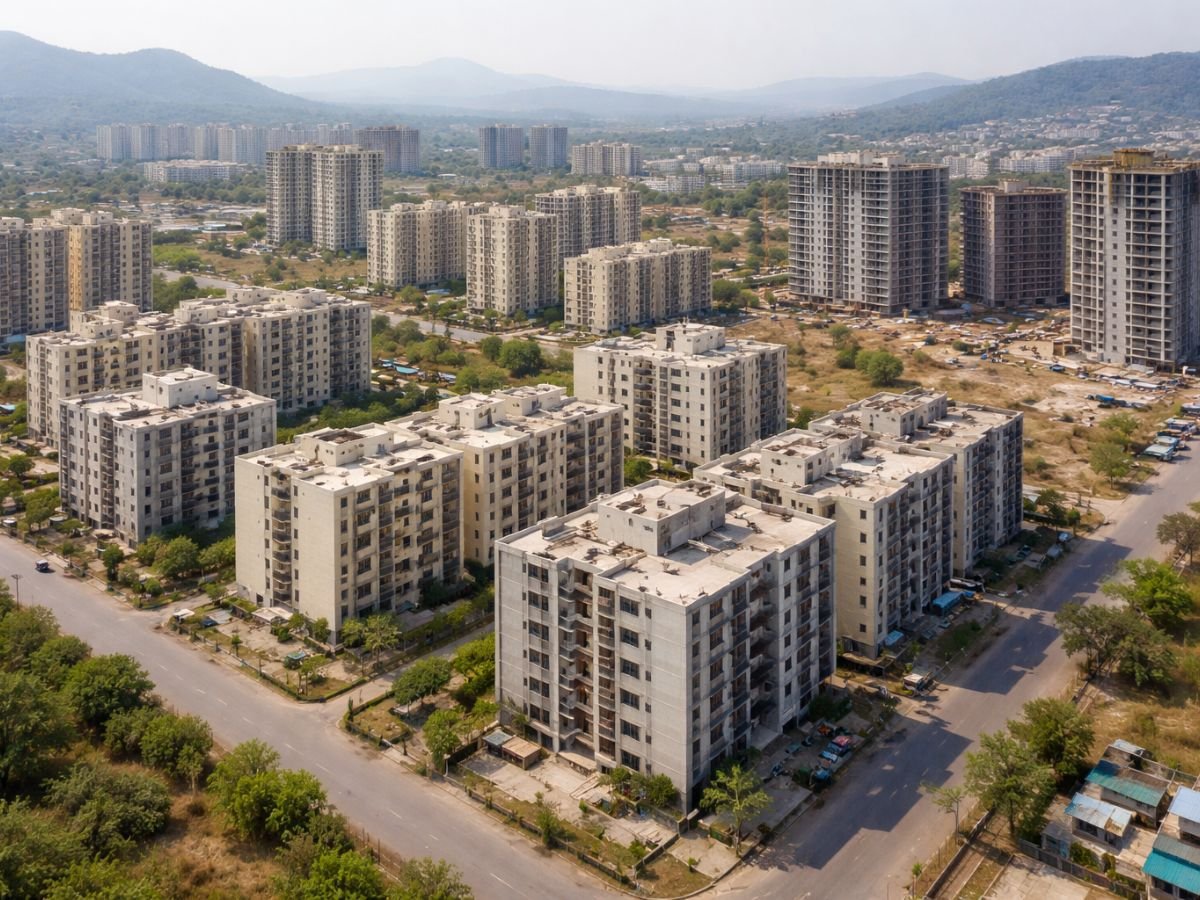
Yes, for many buyers it is. Godrej Properties is not a random builder profile that became famous through advertising. It is one of India’s biggest listed residential developers and has the balance-sheet strength, scale, and market visibility that many local buyers actively look for when they want to reduce promoter-level risk.
But the correct local verdict is still this: shortlist, then verify hard. A buyer comparing Vashi, Kharghar, and Panvel is not comparing one clean Godrej story. They are comparing three different micro-markets, different possession horizons, and different legal structures under the same master brand. That is where this topic becomes practical, not promotional.
Why Godrej cannot be judged in Navi Mumbai with one single builder verdict
Because Godrej’s Navi Mumbai relevance is not one product. It is a premium mature-node play in Vashi, a premium-growth and transit-led play in Kharghar, and a township-plus-infrastructure play in Panvel. Those are not interchangeable buyer decisions.
The legal structure also changes from project to project. Godrej Bayview is linked to Suncity Infrastructures (Mumbai) LLP. Green Terraces at Godrej City Panvel is linked to Caroa Properties LLP, in which Godrej Properties Limited is a partner. This is a normal real-estate structure, not a red flag by itself, but it means buyers should stop treating the brand name as the full legal answer.
Kharghar adds another layer. Godrej Varanya itself is marketed and registered phase-wise. So even within one branded project, the legally relevant phase matters. A buyer who ignores that can easily assume all promised amenities, timelines, and construction status move together when they may not.
A completed or well-performing Godrej project in one belt does not automatically prove that another under-construction Godrej project in another node will feel identical in finishing, delivery pace, or customer experience. In Navi Mumbai, node logic still matters.
Which Godrej-linked projects matter most for Navi Mumbai buyers right now
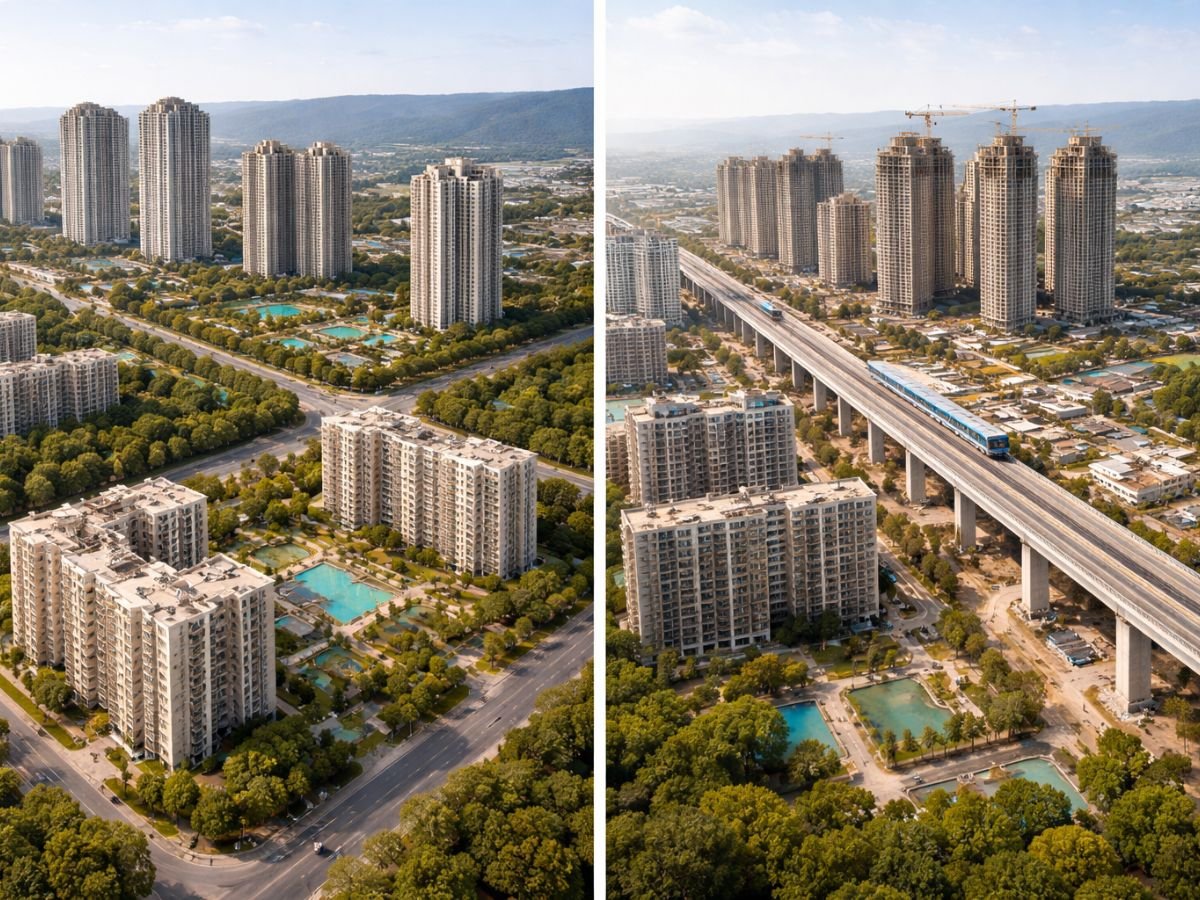
These are the three Godrej-linked names that matter most to a Navi Mumbai buyer right now.
Godrej Bayview in Vashi
Godrej Bayview is the clearest premium Vashi play. It is positioned in Sector 9, Vashi, one of the more established and better-understood urban pockets in Navi Mumbai. This is not a frontier bet. This is a premium product in a mature node where branded fresh supply is limited.
The buyer here is usually not chasing the cheapest entry point. They are paying for Vashi itself, for a new branded tower in a location where much of the surrounding stock is older, and for the daily-life convenience that comes with a mature node.
Godrej Varanya in Kharghar
Godrej Varanya is the Kharghar premium-growth bet. It is relevant because Kharghar is not just a residential node anymore. It has become one of the most closely watched belts in Navi Mumbai due to metro access, educational institutions, highway connectivity, and the wider airport-growth narrative.
But Varanya should not be read lazily as “good because Godrej plus Kharghar.” The practical question is whether the buyer is comfortable paying launch-level premium pricing for a project where the wait is long and where the value case depends heavily on future product quality, transit convenience, and lifestyle packaging.
Godrej City Panvel and the township-style Panvel-side play
Godrej City is the long-horizon Panvel-side story. This is not mainly for someone who wants quick rent or immediate self-use convenience. This is more of a township, ecosystem, and future-corridor play.
That matters because Panvel-side logic is different from Vashi and different from Kharghar. Buyers here are often buying into the airport-region future, larger-format planning, and long-term urban expansion. That can work, but it needs patience. It also needs document discipline, because township marketing often sounds much bigger and more unified than the exact phase you are legally purchasing.
Quick comparison table
| Project | Node | Market vibe | Best fit | Main caution |
|---|---|---|---|---|
| Godrej Bayview | Vashi | Mature premium urban upgrade | Affluent end users and local upgraders | High ticket size, premium justified only if Vashi itself matters to you |
| Godrej Varanya | Kharghar | Premium-growth, metro-linked, future-facing | Family buyers who want new stock and can wait | Easy to overpay if you compare poorly against ready resale |
| Godrej City Panvel | Panvel-side | Township and long-horizon infrastructure play | Patient investors, NRIs, long-term planners | Not ideal for immediate rental yield or quick flipping |
What kind of buyer fits Godrej best in Vashi, Kharghar, and Panvel-side locations?
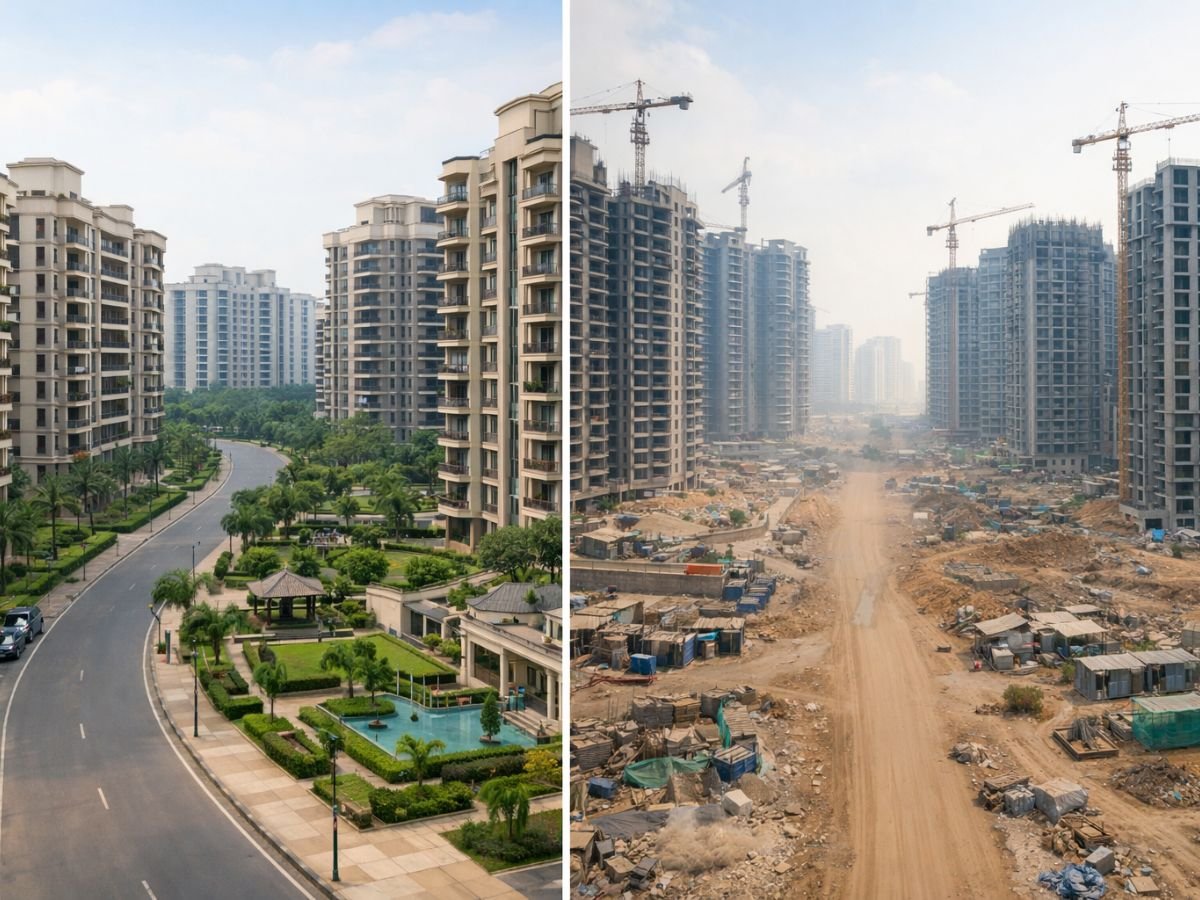
The easiest way to judge Godrej properly is by buyer fit, not brand popularity.
For premium end users, Bayview in Vashi makes more sense than the others. These are buyers who already know why Vashi matters: better-established markets, familiar civic rhythm, stronger convenience, and the comfort of living in a mature node instead of waiting years for the surrounding ecosystem to catch up.
For family buyers with a premium-growth mindset, Varanya in Kharghar can make sense. This is especially true for buyers who value metro access, newer planning, podium amenities, and Kharghar’s education-and-connectivity story. But they should be honest with themselves: are they buying because the project suits them, or because the brand made a long wait feel emotionally safer?
For long-hold investors, Panvel-side Godrej City is the more logical fit. This is for people who are comfortable parking capital for years and who believe in airport-region expansion, township planning, and the gradual strengthening of the Panvel belt.
For buyers who should probably skip, the answer is simple: budget-stretched end users, short-term ROI hunters, and anyone who needs immediate rental income or possession certainty. These buyers often get trapped by launch excitement and national-brand comfort while ignoring timing and price discipline.
Buyer-fit matrix
| Buyer type | Bayview Vashi | Varanya Kharghar | Godrej City Panvel |
|---|---|---|---|
| Premium end user | Strong fit | Selective fit | Weak fit |
| Family buyer | Strong fit | Strong fit if timeline is acceptable | Selective fit |
| Long-hold investor | Selective fit | Selective fit | Strong fit |
| Immediate rental-yield buyer | Weak fit | Weak fit | Weak fit |
| Budget-sensitive buyer | Weak fit | Weak fit | Selective fit only if entry price and phase fit your plan |
Does the Godrej brand actually reduce risk, or does it only improve shortlist confidence?
It does reduce some risk. A company of Godrej’s size is not the same risk profile as a smaller unknown developer with weak execution capacity or poor capital strength. Buyers are not wrong to value that.
But the Godrej brand does not erase project-level friction. That distinction matters. A big brand can lower the fear of outright project abandonment or promoter-level collapse. It cannot guarantee that everything will move exactly as marketed, that amenity delivery will feel seamless, or that every possession target discussed by sales teams will convert into a friction-free handover.
That is why buyers should separate four different things:
| What buyers assume | What is actually true |
|---|---|
| Big brand means zero risk | No builder gives zero risk |
| Big brand means on-time everything | Delays and amenity gaps can still happen |
| Big brand means easy resale | Resale depends on entry price, market cycle, and local demand |
| Big brand means no legal complexity | Project-level entities, registrations, mortgages, and NOCs still matter |
So the honest answer is this: Godrej improves shortlist confidence. It can reduce bankruptcy-style anxiety. But it does not replace verification, negotiation discipline, or common sense.
What should you verify before booking any Godrej project in this belt?
This is the most important section in the entire article. Trusting the master brand is not enough. In Navi Mumbai, especially in premium or township launches, buyers should verify the following before they move beyond token payment stage.
Check the exact promoter entity and MahaRERA registration
Do not rely on the billboard name alone. Match the exact promoter entity shown in MahaRERA, brochures, booking forms, and the agreement. If the project is under Suncity Infrastructures (Mumbai) LLP or Caroa Properties LLP, that exact name matters. Your payment trail and your agreement documents should reflect the same legal structure clearly.
Check phase, tower, and possession timeline instead of trusting the master brand
This is especially important in Kharghar and Panvel-side projects. One Godrej-branded township or large-format project may have multiple registrations, multiple towers, and multiple delivery stages. The phase you are buying into is the phase that matters legally. Not the whole sales presentation.
Also be careful with “target possession” language. Sales timelines and legal timelines are not always the same thing. Buyers should read the registered timeline, not only the marketing pitch.
Check mortgage, NOC, and agreement-level cost disclosures
If a project or phase is mortgaged to a bank, understand what that means in simple terms. It usually means the bank financed the project and the builder must obtain a No Objection Certificate for the sale of your unit. This is standard project finance, but the buyer must track the process properly. Do not treat it casually.
Also check which costs are excluded from headline price. Many buyers compare only brochure pricing and then feel shocked by the final agreement value after GST, stamp duty, registration, floor rise, club charges, or other add-ons.
Check whether the local premium matches the actual daily-life benefit
This is where many buyers fail. Ask one blunt question: what exactly am I getting in return for paying more?
In Vashi, the answer may be a rare branded new tower in a mature node.
In Kharghar, the answer may be better entry-node access, metro convenience, and a newer lifestyle product.
In Panvel, the answer may be township scale and long-horizon infrastructure-led upside.
If that specific benefit does not matter to your life or investment plan, the premium may not be justified.
Verification checklist
- Match the exact promoter entity on MahaRERA, booking form, and agreement
- Verify the exact phase and tower registration
- Read the possession timeline on record, not just sales language
- Ask for clarity on mortgage and NOC process if applicable
- Check excluded charges before comparing total outflow
- Confirm whether the key amenities promised are part of your registered phase
- Visit the micro-location and judge whether the premium actually improves daily convenience
Where the Godrej premium may be justified and where buyers can still overpay
In Vashi, the premium is easier to defend. A new branded premium tower in a mature node is not common. If the buyer specifically wants Vashi, wants a fresh product, and can comfortably afford the ticket size, the pricing logic is at least easier to understand.
In Kharghar, the premium needs stricter thinking. This is where many buyers overpay simply because the packaging feels cleaner, the amenities feel better, and the brand gives emotional reassurance. But if a ready resale flat in the same wider zone gives more carpet area, earlier usability, and lower total outflow, then the buyer must ask whether the premium is solving a real problem or simply creating a more expensive version of the same location.
In Panvel, buyers usually overpay when they expect immediate airport-led gains. The airport story is real. The larger infrastructure story is also real. But that does not mean every under-construction township unit bought at today’s price will suddenly re-rate in the short term. A Panvel buyer should think in years, not in festival-season speculation.
A wealthy Vashi upgrader paying more for Bayview may still be making a rational decision because the premium buys immediate node quality and a better product in a mature market.
A budget-conscious Kharghar end user paying heavily for Varanya while ignoring ready resale options nearby may be making an emotional decision, not a practical one.
A patient NRI buyer using Panvel as long-term asset parking may find the Godrej premium acceptable because brand comfort matters more to them than immediate cash flow.
How does Godrej compare with resale stock and other developers in the same local market?
Godrej is not automatically the best answer. It is one route.
Against resale stock, Godrej usually wins on newness, brand perception, amenities, parking quality, façade quality, and overall product freshness. Resale usually wins on immediate usability, zero GST, visible society culture, larger older carpet sizes in some cases, and better understanding of what you are buying on day one.
Against local builders, Godrej usually wins on scale, financial confidence, and perception of execution seriousness. Local builders may still win on carpet efficiency, negotiability, immediate possession visibility, and sometimes better price-to-space logic.
Against other national developers, Godrej competes well on brand standing and premium product positioning. But for the buyer, the comparison should still come down to node, possession horizon, and whether the project’s legal and commercial structure is actually cleaner or just better marketed.
Practical comparison table
| Route | Best when | Main upside | Main downside |
|---|---|---|---|
| Godrej new launch | You want branded fresh inventory and can wait/pay more | Product quality, large amenities, stronger brand comfort | High premium, longer wait, stricter corporate process |
| Strong local ready project | You want visible on-ground reality now | Immediate possession, clearer comparison, often better value | Brand prestige may be lower, amenities may be simpler |
| Mature resale flat | You want practical use over launch excitement | Zero GST, known society, immediate use | Older building, older parking/planning, lower aspirational appeal |
So who should shortlist Godrej Properties Ltd, and who should stay cautious?
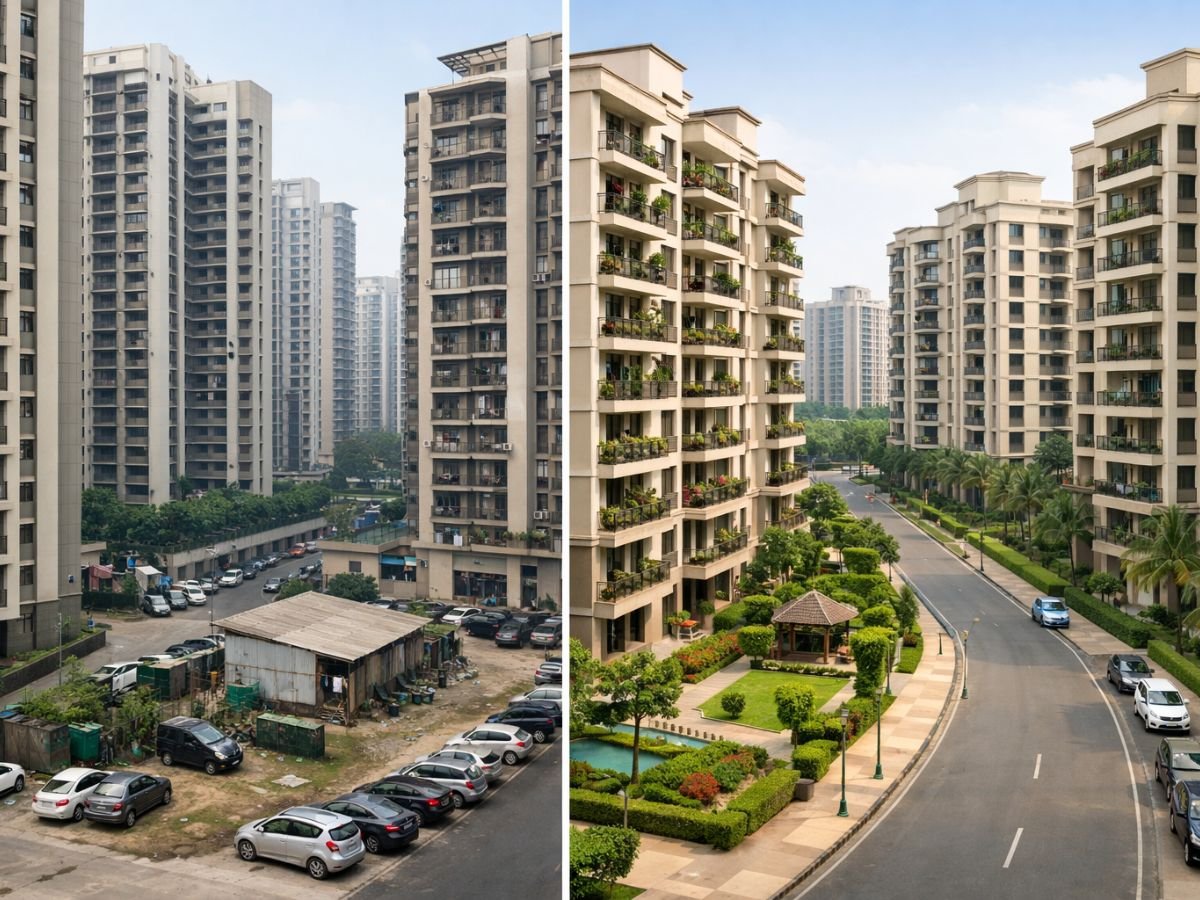
Shortlist Godrej Properties Ltd if you are a premium Vashi buyer, a family buyer in Kharghar who accepts long timelines and wants metro-linked new stock, or a long-horizon Panvel buyer who believes in township living and infrastructure-led growth but is not expecting overnight returns.
Stay cautious if you are buying mainly because the brand made you feel safe, if your budget is already stretched, or if you have not checked the entity name, the exact registration, the phase scope, and the real possession horizon. In Navi Mumbai, overpaying usually happens when the buyer purchases certainty in theory while ignoring the actual document trail.
The final verdict is simple. Godrej is one of the stronger builder shortlists a Navi Mumbai buyer can make, but the win comes only when you treat each project as its own legal, pricing, and lifestyle decision. Bayview is the stronger premium Vashi fit. Varanya is the sharper but riskier premium-growth Kharghar fit. Godrej City is the clearer long-hold Panvel fit. The brand helps. The documents decide.
Conclusion
Godrej Properties Ltd is worth shortlisting in Navi Mumbai, but only buyer by buyer and project by project. Choose Bayview if your goal is premium Vashi living in a mature node. Choose Varanya only if you are comfortable paying a premium for Kharghar’s future-facing convenience and a longer wait. Choose Godrej City Panvel if you are playing the long game around township living and airport-region growth.
Do not buy just because the name feels safe. Buy only after the legal entity, phase registration, possession horizon, cost structure, and local premium all make practical sense for your use case.
FAQs
Frequently Asked Questions