
Navi Mumbai Property Investment Guide
Navi Mumbai is still a good place to invest in property, but not in the old easy-money way here you will find Navi Mumbai Property Investment Guide. In 2026, the better strategy is to match your budget, timeline, and risk tolerance with the right node, asset type, and project stage. Mature nodes like Vashi and Nerul usually suit rental stability, while growth corridors like Ulwe and Panvel suit longer holding periods. The wrong match can lock money for years with weak rent, slow resale, or avoidable legal trouble.
A lot of buyers still enter this market with one vague belief: airport aa raha hai, bridge ban gaya hai, metro aa gayi hai, so everything will go up. That is exactly where mistakes begin.
Navi Mumbai does have strong structural advantages. It is a planned urban region with distinct nodes, transport-led growth, and a deeper end-user base than many speculative outskirts around Mumbai. But it is not one single market. A property in Vashi behaves very differently from a property in Dronagiri. Even within the same node, a sector near the station, market, and daily convenience belt can perform very differently from an inward or still-maturing pocket.
Is Navi Mumbai Still a Good Place to Invest in 2026?

Yes, but the reason has changed.
The 2010 to 2020 style speculation story was largely about buying before infrastructure became visible. In 2026, big infrastructure is no longer just a brochure talking point. The Atal Setu effect is already reshaping travel logic around Ulwe, Chirle, and Panvel. Metro-side behavior has already changed parts of Kharghar and Taloja. The airport story is no longer an “announcement phase” fantasy. Much of that narrative is already priced into asking rates in many corridors.
That does not mean the market is finished. It means blind speculation is weaker, and sharper investing matters more.
Today, Navi Mumbai works best when you think in three layers:
1. Demand depth
Can this property attract a real tenant or buyer without heroic marketing?
2. Exit liquidity
If you need to sell in three to five years, how many serious buyers will actually consider this micro-location?
3. Holding comfort
Can you carry vacancy, maintenance, registration costs, and possible delays without stress?
That is why a modest flat in an older but functional Nerul pocket may outperform a flashy far-off project in resale ease. Not because the second one looks worse, but because the first one has stronger lived demand.
What Kind of Property Investor Are You Actually?
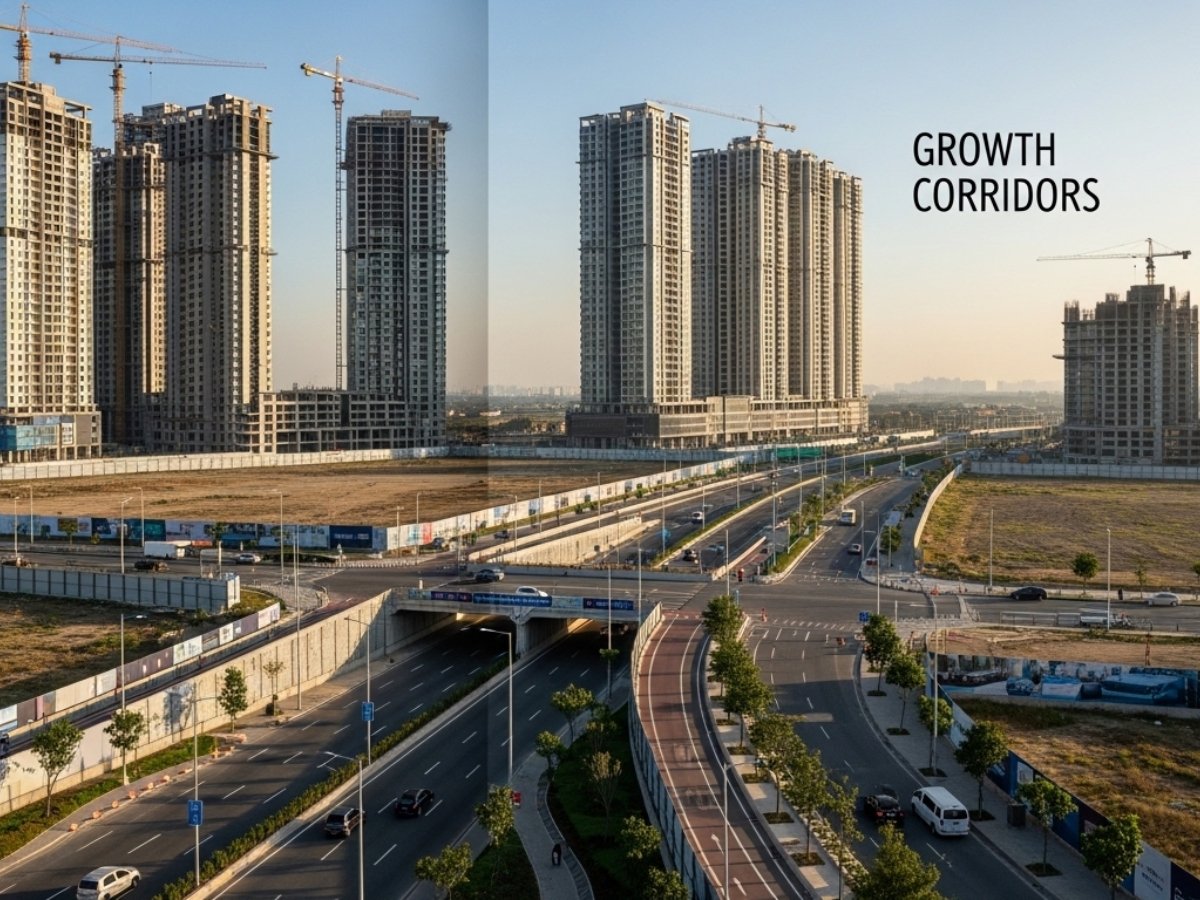
This question sounds basic, but it changes everything.
Many people say they are “investing,” but what they really want is emotional comfort, family usability, and future flexibility. Others say they are buying for end-use, but they are also expecting strong appreciation and easy resale. When these goals mix without clarity, people overpay.
You are a cash-flow investor if:
- monthly rent matters immediately
- vacancy bothers you
- you want lower stress
- you prefer predictable areas over big promises
You are a growth investor if:
- you can hold for 5 to 7 years
- you can tolerate weak early rent
- you accept civic gaps and delayed maturity
- your main target is capital appreciation, not current income
You are a hybrid investor if:
- you may live there later
- you want decent rent now and decent appreciation later
- you care about schools, transport, markets, and future salability
Most retail buyers in Navi Mumbai are actually hybrid investors. That is why they should be very careful about buying purely on future infrastructure hype or purely on low ticket size.
Which Areas Fit Which Investment Goal in Navi Mumbai?
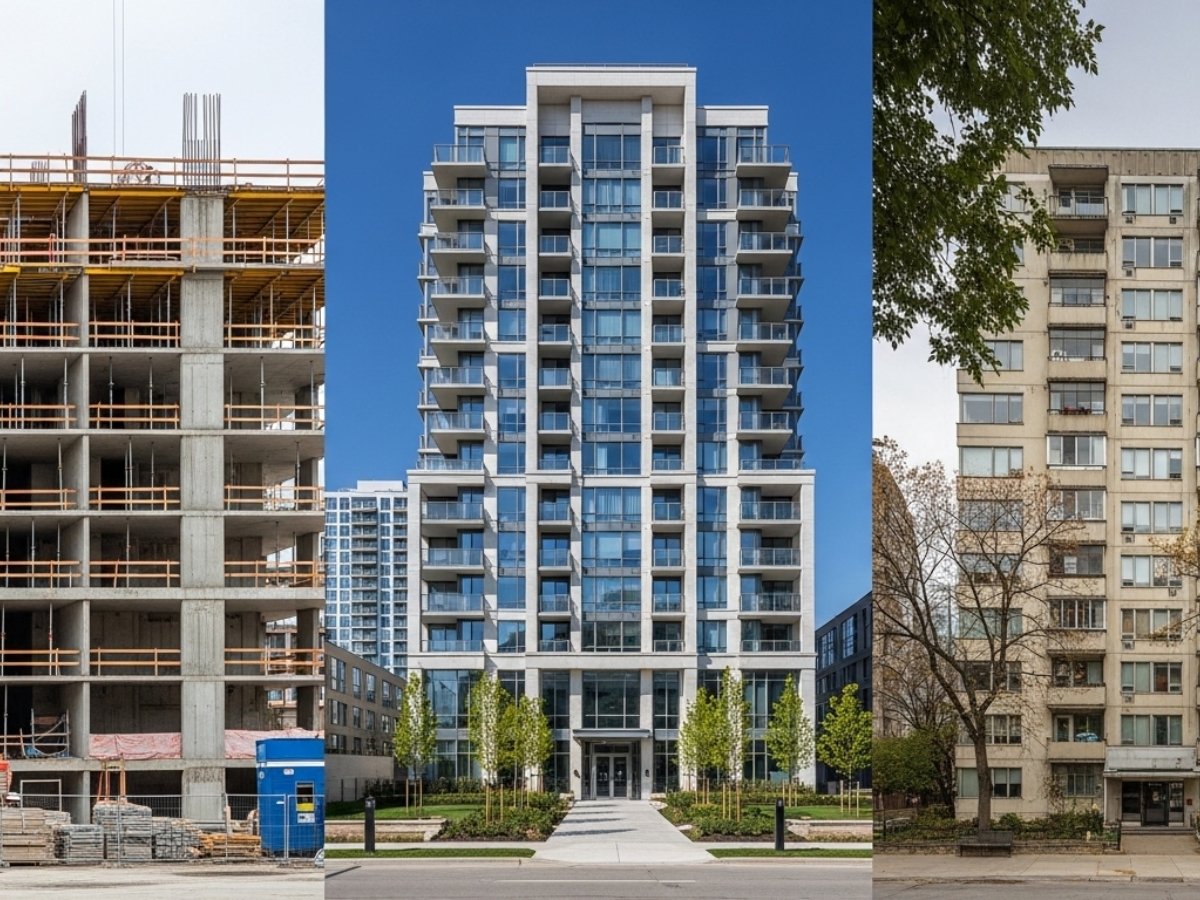
The better way to classify Navi Mumbai is not by geography, but by financial behavior.
Mature Rental and Stability Zones: Vashi, Nerul, Seawoods
These are the safer nodes for rental certainty, everyday livability, and resale comfort.
They usually work for buyers who want:
- lower vacancy risk
- better station-linked demand
- established markets and social infrastructure
- stronger exit confidence
The trade-off is simple. Entry price is higher, and percentage-based appreciation is often more moderate because the base is already strong. Palm Beach-facing prestige belts may preserve value well, but they are not always the best place for high percentage upside.
For many investors, this is boring money. But boring money often survives better.
Balanced Nodes: Kharghar and Belapur
These locations sit between maturity and growth.
Kharghar has depth, visibility, institutions, road connectivity, and broad buyer recognition. But it is not one clean answer. Sector-level variation is massive. A better-located Kharghar property with real connectivity and easier daily movement behaves differently from an inward sector that depends heavily on future convenience.
Belapur is smaller in emotional hype, but it often benefits from administrative relevance, connectivity, and a more settled urban profile.
These nodes suit:
- end-users with investment discipline
- buyers who want a mix of rent plus long-term value
- people who want a more practical middle path
Growth Corridors: Ulwe and Panvel
These are the stronger names when the conversation shifts to longer-hold appreciation.
Ulwe has moved from “future possibility” to a more active commuter story because of regional connectivity. But inner civic quality still varies a lot. Road finish, drainage, market maturity, and last-mile feel can lag behind pricing in some pockets.
Panvel has scale, transport relevance, and future-facing interest. But that does not mean every Panvel micro-market works. “Near airport influence” and “good investment” are not the same thing. Noise, access logic, real tenant demand, and immediate livability still matter.
These areas suit:
- patient investors
- buyers who can handle a longer holding period
- people okay with uneven maturity across sectors
Higher-Risk Speculative Pockets: Taloja Deep Sectors and Dronagiri
These can look attractive on paper because the entry ticket feels accessible.
But cheap entry alone does not make an investment smart. In such pockets, investors often face one or more of the following:
- weak rental demand
- delayed social infrastructure
- overdependence on future catalysts
- slower resale
- environmental or industrial belt concerns in select pockets
This is where many first-time investors get trapped by rate-per-square-foot logic without asking the harder question: who will actually rent or buy this later?
Why the Same Node Can Give Very Different Outcomes
This is one of the most important truths in Navi Mumbai.
A 5 km difference can change yield, resale speed, and tenant quality. A project near a station, market, school belt, and daily convenience zone usually behaves better than a project in the same node but with awkward approach roads, poor walkability, or unfinished surroundings.
Take Kharghar as a simple example. A better-connected sector near major movement routes often attracts stronger real demand and smoother exits. More inward sectors may still work, but they depend more heavily on metro comfort, buyer patience, and future ecosystem maturity.
The same logic applies to Ulwe, Panvel, and Taloja. Do not buy the node. Buy the micro-market.
Under-Construction, Newly Ready, or Older Resale: Which Stage Is Smarter?

There is no single best stage. Each one solves one problem and creates another.
Under-Construction
This is where buyers chase upside. The price may look better at entry, and payment stages can feel manageable.
But under-construction also carries the highest execution risk. Delay risk is real. Rent starts only after possession. If the buyer needs income quickly, this is often the wrong choice. GST and additional project-linked costs can also widen the total outflow.
Best for: patient investors with strong holding capacity.
Newly Ready
This is often the most comfortable segment for serious buyers.
You can see the actual building, actual surroundings, actual approach road, and real possession readiness. If Occupancy Certificate is in place, one major layer of uncertainty reduces. The downside is that builders may already price in visible completion and nearby infrastructure.
Best for: hybrid investors and cautious end-users.
Older Resale
Resale can offer practical advantages such as better location, stronger occupancy, and more honest neighborhood visibility. In many mature nodes, older resale buildings may still outperform new projects in usability and rent logic.
But resale is not automatically cheap. Renovation cost, society condition, parking issues, older layouts, and maintenance burden can reduce effective return.
Best for: buyers who can judge real utility beyond superficial age.
Flat, Plot, or Leased Commercial Unit?
This depends more on investor type than on trend.
Residential Flat
For most retail investors, this remains the safest format. It is easier to understand, easier to finance, and usually easier to resell than a plot or empty commercial space.
Plot
Plots can offer stronger upside in select corridors, but they bring zero rental income, higher idle-capital risk, and the need for stronger title discipline and ongoing monitoring. For average investors, this format is often harder than it looks.
Leased Commercial Property
This is where yield usually looks better on paper. A pre-leased commercial asset can produce stronger returns than residential, especially when tenant profile and lease structure are solid.
But commercial is not beginner-friendly. One vacancy event can hurt badly. Re-leasing time, fit-out dependence, micro-location sensitivity, and tenant-specific risk are much higher. An empty shop is not a passive asset. It becomes an active problem.
What Numbers Matter More Than the Brochure Rate?
The brochure rate is one of the least useful numbers in real decision-making.
What matters more is the total ticket size and the net return logic.
Check these numbers instead:
- carpet area, not just built-up storytelling
- loading effect
- stamp duty and registration
- GST where applicable
- parking and floor-rise charges
- club or amenity charges
- advance maintenance
- renovation or fit-out cost
- realistic monthly rent, not imagined rent
- vacancy assumption
- net yield after maintenance, not gross headline rent
A very common mistake in Navi Mumbai is comparing two projects only on base rate. The smarter comparison is total acquisition cost versus actual rent potential and exit ease.
Legal and Authority Checks You Should Never Skip
This part is where many “good deals” become expensive mistakes.
MahaRERA Check
For under-construction or recently delivered projects, MahaRERA is the first serious stop. It is more useful than any sales presentation because it helps verify project status, committed dates, and basic registered details.
Do not rely on verbal possession promises when the registered timeline tells another story.
Occupancy Certificate Matters More Than Fancy Amenities
If a project does not have proper OC where required, the risk level changes sharply. Possession without full legal comfort is not the same as safe ownership experience. Water, regularity, finance confidence, and resale ease all become weaker.
CIDCO Transfer and Leasehold Reality
A lot of Navi Mumbai land works within CIDCO-linked legal structures. Buyers do not need to fear that automatically, but they do need to understand it properly.
CIDCO transfer is not just paperwork drama. It can affect cost, process time, and resale handling. This is especially important in older properties, resale transactions, and land-linked structures where the buyer assumes everything is simple after registration.
One Practical Rule
If the file set is unclear, the title story is incomplete, or the chain of approvals feels confusing, stop before token payment. Clarity before token is cheap. Clarity after token is expensive.
What Investors Most Commonly Get Wrong in Navi Mumbai
Many mistakes repeat so often that they almost look normal.
Mistake 1: Buying a story instead of buying demand
“Airport aa gaya toh rates udd jayenge” is not a full investment thesis.
Mistake 2: Ignoring exit liquidity
A property is not good just because you bought it cheap. It is good if someone else will also want it later.
Mistake 3: Confusing luxury features with better rent
A small flat in a costly luxury setup may struggle to give a strong net yield once maintenance is deducted.
Mistake 4: Believing asking price equals market reality
Quoted rates and actual transaction comfort are not the same.
Mistake 5: Skipping night-time and peak-time site checks
A road that looks wide at 2 pm may feel very different in office traffic or monsoon conditions.
Decision Matrix: Where Should You Invest Based on Budget and Goal?
Shortlist Checklist Before You Pay a Token
Use this before getting emotionally attached to any unit.
Conclusion
The best property investment in Navi Mumbai is not the cheapest unit, the newest tower, or the project with the loudest infrastructure story. It is the property that matches your investor type, sits in a workable micro-market, survives legal scrutiny, and remains easy to hold and easy to exit.
If you want stable rent and less stress, mature nodes like Vashi, Nerul, and Seawoods usually make more sense. If you want measured upside with patience, look at selected parts of Ulwe and Panvel. If you want balance, Kharghar and Belapur remain strong but highly location-sensitive choices. And if you are entering purely because the ticket size looks low, slow down. In Navi Mumbai, buying the wrong micro-market can cancel out the entire investment logic.
A good property here is not just about growth. It is about demand depth, legal clarity, holding comfort, and resale reality. That is the real investment filter in 2026.
FAQs
Frequently Asked Questions