
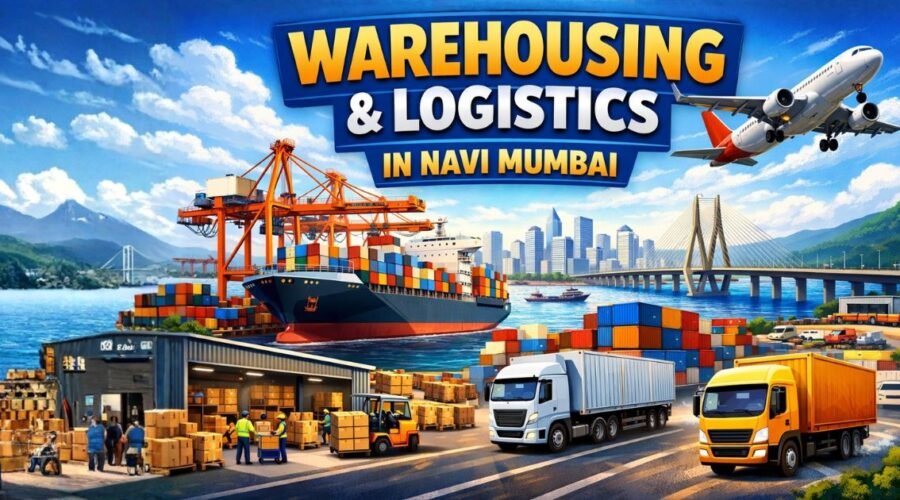
Warehousing and Logistics in Navi Mumbai: Complete Guide to Hubs, Fit, Risks and Growth
Navi Mumbai is one of the strongest warehousing and logistics bases in western India, but only when the operation matches the right belt. JNPA-Uran-Dronagiri side works better for port-led cargo, Kalamboli and Panvel side suit highway distribution, Taloja fits industrial storage, and Turbhe-TTC side is usually better for faster city-facing supply and higher-spec occupiers. The biggest mistake is treating the whole region like one uniform warehouse market. :contentReference[oaicite:0]{index=0}
That answer has become even more important now. JNPA still handles roughly half of the containerised cargo volume across India’s major ports, NMIA has been launched with an initial cargo capacity of 0.5 million metric tonnes a year, and official airport communication positions cargo as a core part of the project rather than a side feature. Add Atal Setu and the practical reality of time-based truck restrictions into Mumbai, and Navi Mumbai starts behaving less like an “overflow” market and more like a working logistics system of its own.
Quick summary: which belt works for what?
| Belt | Usually best for | Why it works | Main watch-out |
|---|---|---|---|
| JNPA, Uran, Dronagiri | EXIM cargo, container staging, port-linked warehousing | Direct port logic, SEZ and large logistics-park ecosystem | Not ideal for everyday city distribution if road friction is high |
| Kalamboli, Panvel side | Regional dispatch, 3PL, e-commerce, Maharashtra-facing distribution | Strong road access, larger land parcels, established warehousing cluster | Congestion, truck parking pressure, municipal outgo can vary |
| Taloja | Industrial storage, manufacturing-linked dispatch, heavier-format space | Industrial ecosystem, MIDC logic, larger-format utility | Monsoon waterlogging and local movement friction matter |
| Turbhe, TTC, Mahape side | Urban distribution, pharma, cold chain, fast-moving city supply | Better city-facing access, stronger power and business ecosystem | Higher land and occupancy cost |
| Vashi-APMC side | Perishables, market-linked trading and supply movement | Trading and perishables ecosystem | Urban congestion and tighter operational space |
Why Navi Mumbai has become one of the region’s most important warehousing and logistics bases
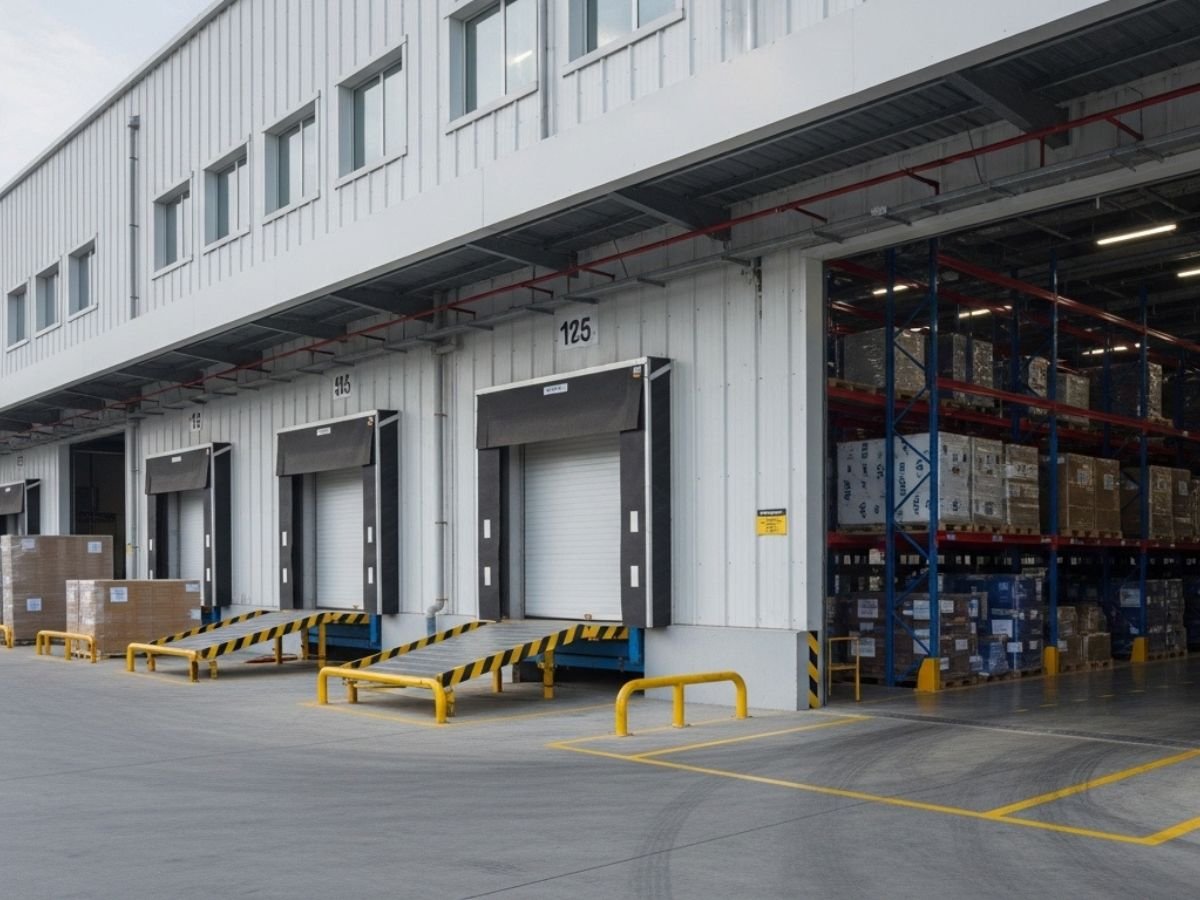
Navi Mumbai works because several logistics layers meet here at the same time. JNPA gives it deep port relevance. NMIA adds future air-cargo and time-sensitive logistics relevance. The wider Mumbai market is already India’s largest warehousing market by stock in Knight Frank’s Q1 2025 data, so Navi Mumbai is operating inside a very large regional demand system, not a small local one.
But the real reason businesses keep looking here is practical, not glamorous. If heavy vehicles face restricted entry during peak hours in Mumbai, then warehousing nodes on the Navi Mumbai side automatically become staging, waiting, and sequencing points for fleets. That changes the value of truck aprons, lay-bys, yard space, and approach roads. A cheap unit with no holding capacity can become expensive very fast.
The other thing that changes the answer is connectivity quality, not just connectivity headlines. MMRDA describes the Mumbai-Navi Mumbai link as materially reducing travel time, which helps time-sensitive urban supply. But that does not mean every warehouse near the bridge suddenly becomes operationally superior. For city-distribution vans, yes, better access matters a lot. For heavy container freight, road hierarchy, port movement and yard handling still matter more.
Which parts of Navi Mumbai serve which logistics role
JNPA, Uran and Dronagiri side for port-led and container-linked movement
This belt is the cleanest answer for import-export cargo, container-linked storage, and businesses that genuinely live around port movement. JNPA is not a small supporting port. It remains India’s largest container port among major ports by throughput, and that scale shapes the entire belt around it.
This side also has serious park-scale logistics development. Welspun One’s JNPA logistics park inside the JNPA SEZ alone spans 55 acres with over 3.6 million sq ft of development potential, which tells you the market is being built for large institutional-grade logistics, not only small godowns.
What it does not automatically do well is everyday city distribution. A business sending frequent small vehicles into dense consumption zones may find a port-side location operationally awkward. So this belt is powerful, but only for the right model.
Kalamboli, Panvel side and nearby belts for larger storage and highway distribution
If your business logic is dispatch across Maharashtra, Pune-side movement, or wider regional distribution, Kalamboli and Panvel side usually make more sense than a purely port-facing location. Knight Frank’s Mumbai warehousing analysis places Panvel in the southern corridor near JNPT and the upcoming airport, and notes that the cluster has organised Grade A supply, adequate land parcels, and rising occupier share. It also maps Palaspe, Uran Road, Taloja and Patalganga into this wider Panvel warehousing cluster. :contentReference[oaicite:7]{index=7}
In plain words, this is where warehousing starts behaving like a distribution machine rather than only a port extension. For 3PL operators, e-commerce regional fulfilment, and multi-destination dispatch, that matters a lot.
Taloja for industrial storage, manufacturing-linked movement and larger-format space
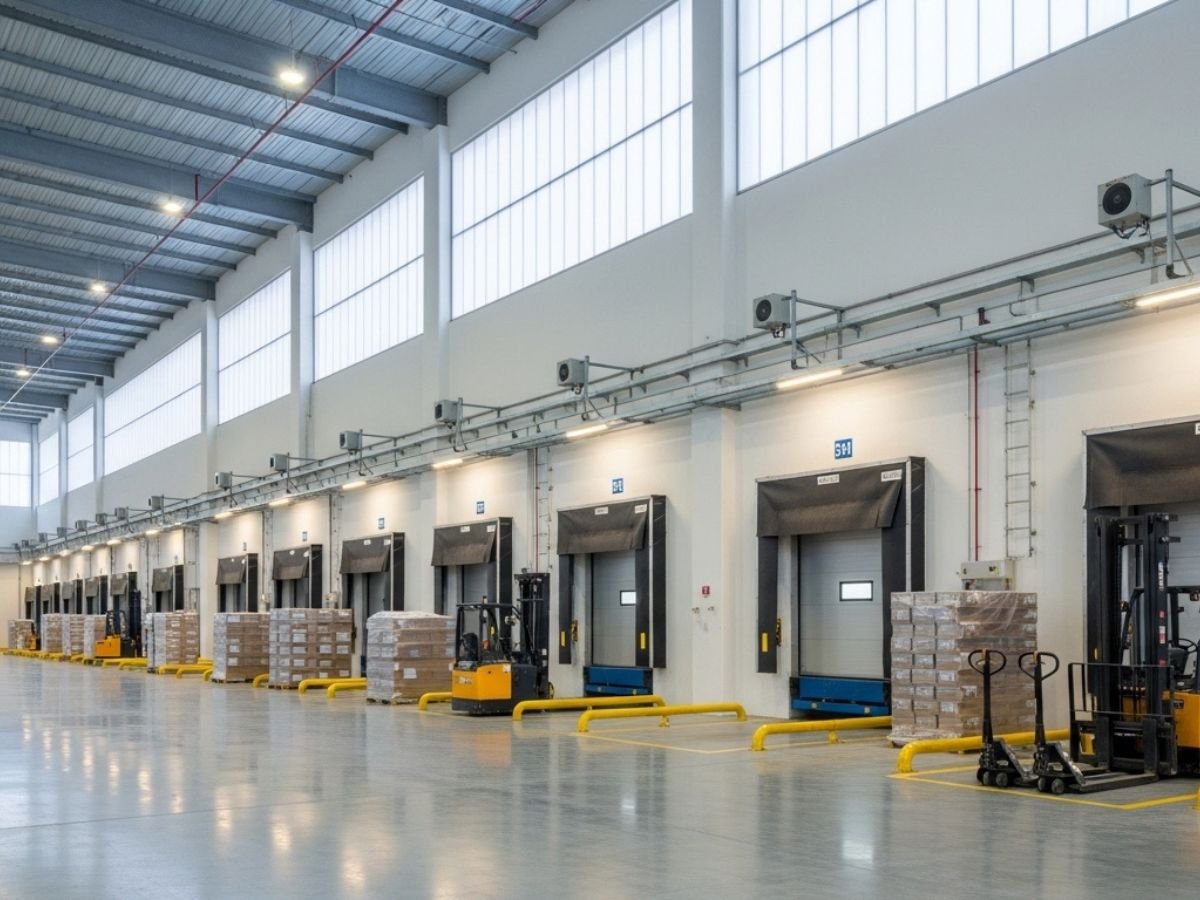
Taloja is not just “warehouse space.” It is an industrial ecosystem first. That is why it naturally works better for factory-linked storage, raw material holding, engineering and chemical-related support, and heavier industrial dispatch than for premium city-facing logistics. The advantage here is industrial fit and utility. The downside is that operational comfort is lower.
Monsoon risk also cannot be dismissed here as a minor inconvenience. Local reporting has documented flooding in Taloja MIDC’s engineering and chemical zones after heavy rain. So a user attracted only by rent should think twice. In Taloja, plinth level, drainage, approach road behaviour and waterlogging history matter almost as much as the rent itself.
Turbhe, TTC-side and city-facing belts for faster urban distribution and industrial supply
Turbhe, TTC and Mahape side usually make more sense for occupiers who need faster movement into established city catchments, higher service reliability, and a more urban business environment. This is where city-facing supply, pharma logistics, higher-spec occupiers and faster turnaround models feel more natural.
Why? Because the value here is not only storage. It is response time. If the business loses money when stock reaches late, or when cold-chain reliability breaks, this side often justifies its premium better than a far cheaper but slower belt.
Vashi-APMC influence where perishables, trading and market-linked movement matter
This is a smaller but very real layer of the Navi Mumbai logistics story. If the cargo is tied to perishables, trading flows, mandi-linked movement, or fast market supply, then the Vashi side has its own relevance. It is not a giant box-warehouse logic like Panvel-side or JNPA-side, but it can still be operationally important for specific categories.
Which Navi Mumbai belt fits your business type best
Import-export and EXIM-linked operatorsFor EXIM players, JNPA-side logic is still the strongest answer. Trying to save some rent by moving too far away can create hidden transport and handling friction that kills the original saving. 3PL and contract logistics companies3PL players usually need flexibility more than prestige. That is why Kalamboli and Panvel-side options often make more operational sense. They allow regional routing, broader servicing and better highway logic without forcing the operator into a purely port-centric model. Knight Frank’s market data also shows 3PL remains a major occupier base in India’s warehousing market. E-commerce and regional distributionFor e-commerce, the right answer depends on whether the operation is city-delivery heavy or region-dispatch heavy. If the business is trying to cover multiple directions across MMR and beyond, Panvel-Kalamboli logic is usually stronger. If the business is truly hyper-fast city supply, then selective city-facing nodes can work better even at a higher cost. Cold chain, pharma and sensitive cargoThis is where people often make a costly mistake. They assume every “near airport” or “near city” location suits cold chain. It does not. Cold chain needs more than distance. It needs power reliability, fit-out quality, compliance discipline, and lower day-to-day disruption risk. NMIA’s official cargo positioning includes GDP-compliant cold zones, a Pharma Excellence Centre and a perishable cargo village, which makes airport-linked specialised logistics a serious theme. But that benefit is mainly for time-sensitive and specialised cargo, not for ordinary bulk storage. Industrial storage and factory-linked dispatchIf storage is tightly linked to manufacturing, Taloja still deserves strong consideration. But here, site quality matters more than location label. Two units in the same industrial belt can behave very differently in rain, truck movement, floor performance and environmental risk. What a good warehouse in Navi Mumbai needs beyond square feet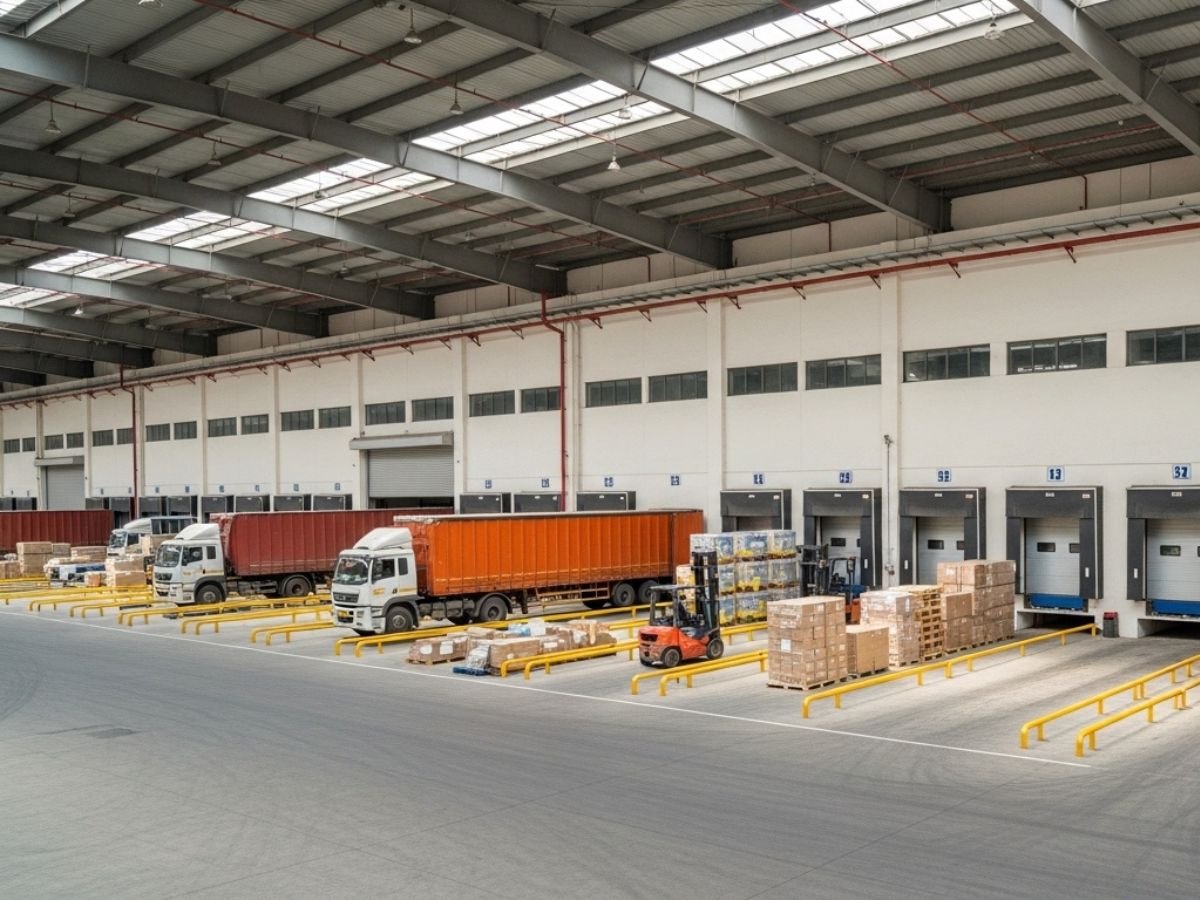 A warehouse is not good because the broker says it is “spacious.” It is good when operations keep moving without daily friction. Modern Grade A expectations in India usually include about 12-metre clear height, strong FM2-grade flooring, and floor loading in the 5T/sqm range or above, along with adequate truck apron, road width and safety compliance. Those specifications matter because high racks, forklifts and dense throughput punish weak buildings very quickly. In Navi Mumbai, external usability is equally important. Because truck movement into Mumbai can be time-restricted during peak hours, yard space and staging become operational assets, not optional extras. A visually impressive warehouse with no real truck holding area can become a daily headache. Before shortlisting any site, check these points on the ground:
One very common mistake in Navi Mumbai is choosing by rent sheet alone. Cheap rent plus weak access road plus no staging usually turns into an expensive warehouse. How JNPA, NMIA, MTHL and major corridors are changing logistics logicThese projects matter, but not equally for every user. JNPA helps port-led users directly. That is obvious. NMIA helps time-sensitive, higher-value, specialised cargo much more than it helps ordinary storage. MTHL improves travel time and can help city-facing and fast-response distribution. But none of these should be treated like a blanket “everything will appreciate” slogan. The NMIA story is especially important now. Official communication puts phase-one cargo capacity at 0.5 million metric tonnes annually, and Business Standard reported that Mumbai airport’s dedicated freighter operations are expected to pause from August 2026 to May 2027 during runway and apron works. That combination can push more attention toward Navi Mumbai’s air-cargo ecosystem. But the benefit will be strongest for cargo that genuinely needs air-freight speed, compliance and handling quality. It is not a universal uplift story for every warehouse near the airport. So if you are an e-commerce regional distributor using mainly road networks, do not overpay just because somebody says “airport side.” If you are moving pharma, perishables, electronics, or express cargo, then airport-linked logic becomes much more serious. Lease or buy warehouse space in Navi Mumbai: what makes sense for occupiers and investorsFor most occupiers, leasing is the safer starting point. It protects capital, keeps flexibility alive, and reduces the risk of getting trapped in the wrong node. This matters because warehousing needs change faster than many first-time users expect. Dispatch patterns change. Cargo mix changes. Vehicle mix changes. Staffing logic changes. Buying makes more sense when the operator is very sure about long-term node fit, has legal capacity to handle transfer and title complexity, and believes the site will remain operationally right for many years. In Navi Mumbai, “buying” often means buying rights in a leasehold ecosystem, not enjoying a simple freehold story. That point is regularly misunderstood. This is also where buyers must be careful about RERA assumptions. In Maharashtra, industrial-unit disputes have not enjoyed the same simple protection path that ordinary residential buyers assume. Official MahaRERA material itself refers to the 2022 Techno Drive Engineering appellate ruling while dealing with industrial-project advertising issues, so industrial and warehouse buyers should not casually assume standard RERA-style comfort applies in the same way. Which approvals, authority checks and documents matter before you commitThis section is where many costly mistakes can be avoided. First, understand the land and title structure. In much of Navi Mumbai, warehouse and industrial land is tied to authority frameworks such as CIDCO or MIDC. That means transfer permissions, NOCs, permitted use and premium-sharing issues can matter much more than outsiders expect. Do not treat the deal like a simple freehold resale. Second, verify permitted use on paper. A warehouse user should not rely only on what the previous occupier did. Check sanctioned use, fire compliance, occupancy position, and whether your actual operation matches what is legally allowed. Third, take labour compliance seriously. The Maharashtra Mathadi, Hamal and Other Manual Workers Act, 1969 is real law, and it applies to scheduled employments in Maharashtra. In practical terms, manual loading-unloading in relevant belts is not something an operator should budget casually or assume can be bypassed with private arrangements. :contentReference[oaicite:17]{index=17} Fourth, read the lease deed properly. Escalation, lock-in, fit-out rights, loading hours, vehicle movement, subletting restrictions and restoration conditions can all affect profitability. The ground realities many first-time occupiers underestimate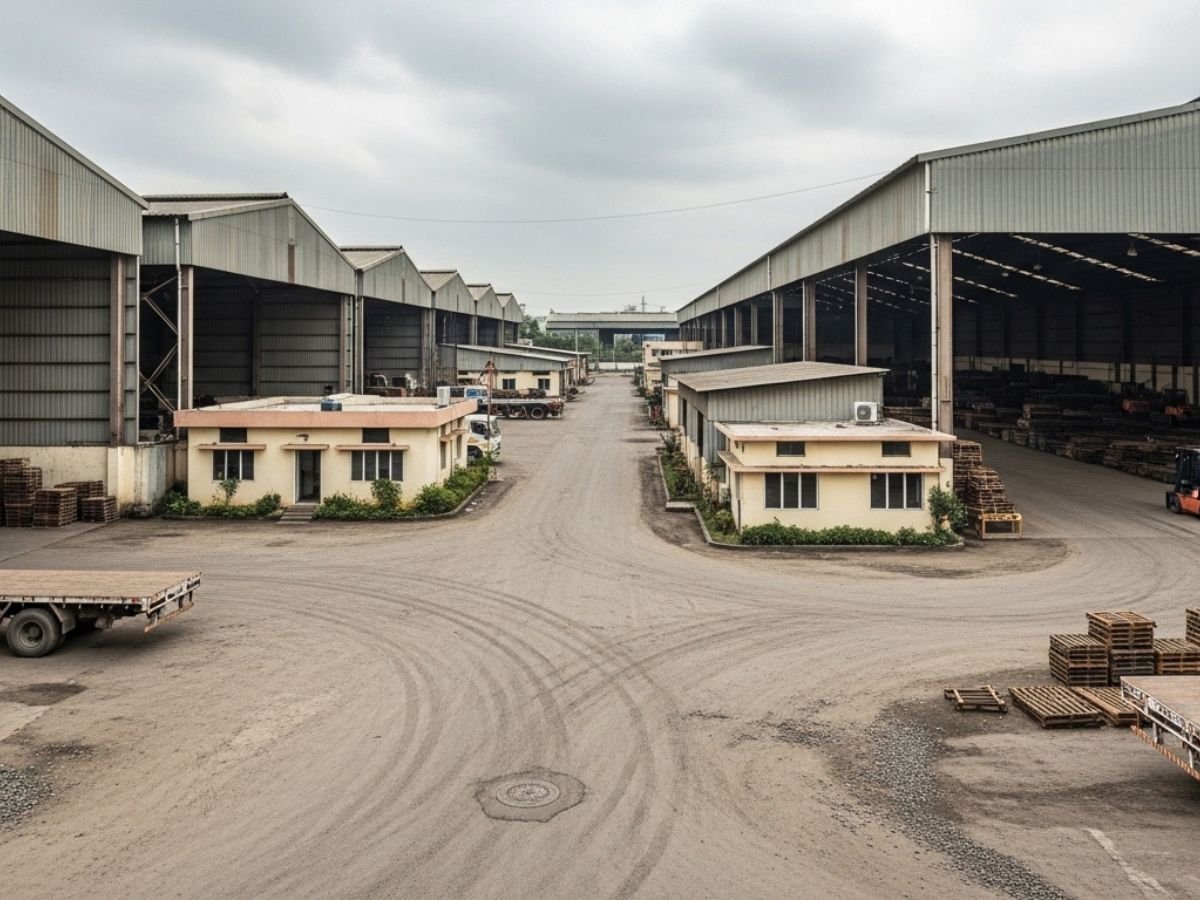 This is where real operations separate from brochure logic. The first hidden issue is staging. Because heavy vehicles face time-based entry restrictions into Mumbai during peak hours, Navi Mumbai warehouses often become waiting zones by default. If the plot cannot absorb that waiting function, the operation starts failing outside the gate even before it fails inside the warehouse. :contentReference[oaicite:18]{index=18} The second hidden issue is local friction. A warehouse may look fine on Google Maps and still fail in daily use because of a bad approach road, poor drainage, narrow turning, or local loading friction. This is why site visits must happen at actual movement hours, not only in the afternoon when everything looks calm. The third issue is monsoon behaviour. Taloja MIDC has seen flooding in industrial zones during heavy rain, and nearby Panvel-Kalamboli pockets also face waterlogging episodes in the monsoon. So for these belts, do not sign before checking drainage history, plinth level, surrounding runoff pattern, and whether the road dies in the first serious rain. :contentReference[oaicite:19]{index=19} The fourth issue is municipal and local operating cost. Even within the broader Navi Mumbai-Panvel logistics geography, taxes and civic outgo do not behave uniformly. If two sites are in different authority zones, their ongoing cost structure may not be comparable. Always ask for the latest property-tax bill and maintenance outgo on the exact premises you are evaluating. When Navi Mumbai is the right answer and when it is notNavi Mumbai is the right answer when your business needs one or more of these things: port access, airport-side cargo relevance, Maharashtra-facing distribution, stronger multimodal connectivity, city-facing response time, or better institutional-grade logistics infrastructure. It is also a strong answer when cargo quality matters more than just cheap rent. Pharma, cold chain, organised 3PL, structured EXIM, and better-quality industrial warehousing all find real logic here. But Navi Mumbai is not automatically the right answer for everyone. If your only goal is a very large low-cost footprint, with no serious dependence on JNPA, NMIA, South Mumbai access, or the wider MMR consumption system, then paying Navi Mumbai premiums may not make sense. In that situation, lower-cost belts outside this ecosystem may work better. Quick checklist before finalising a warehouse or logistics site in Navi MumbaiUse this before token, LOI or final negotiation:
conclusionWarehousing and logistics in Navi Mumbai is not one market. It is a set of specialised belts solving different problems. If you need port-led cargo logic, look toward JNPA-Uran-Dronagiri. If you need highway distribution, Kalamboli and Panvel side usually make more sense. If your storage is factory-linked, Taloja deserves attention but demands caution. If you need faster city-facing movement, pharma logic or higher-spec response time, Turbhe-TTC side is often the better answer. That is the real local truth. In Navi Mumbai, the winning move is not finding the cheapest warehouse or the most hyped location. It is matching the right logistics model to the right node, then checking title, labour, truck staging, drainage and daily friction before you sign. FAQsFrequently Asked Questions Is Navi Mumbai good for warehousing?
Yes, but not as one single market. It is good because it combines JNPA, airport-side cargo development, major road connectivity and multiple sub-markets for different logistics functions. The right belt matters more than the city name.
Which area is best for warehouse space in Navi Mumbai?
There is no one best area. JNPA-Uran-Dronagiri is stronger for port-led cargo. Kalamboli-Panvel is usually stronger for regional road distribution. Taloja is stronger for industrial storage. Turbhe-TTC side is usually better for faster city-facing and higher-spec operations.
Is JNPA-side location always better for logistics?
No. It is better for port-linked and container-driven operations. It is not automatically better for city distribution, urban replenishment or all 3PL models.
Does NMIA automatically increase demand for every warehouse belt?
No. NMIA is far more relevant for air-cargo-sensitive businesses such as pharma, perishables, electronics and express cargo than for ordinary bulk storage.
Should a business lease or buy warehouse space in Navi Mumbai?
Most occupiers should lease first unless they are very sure about long-term node fit and can handle leasehold-title complexity. Buying can make sense, but only after legal and operational clarity.
 Shashank HibareShashank Hibare is a real estate professional who contributes to I Love Navi Mumbai (ILNM), focusing on the city’s evolving property market. Related Posts |
|---|