
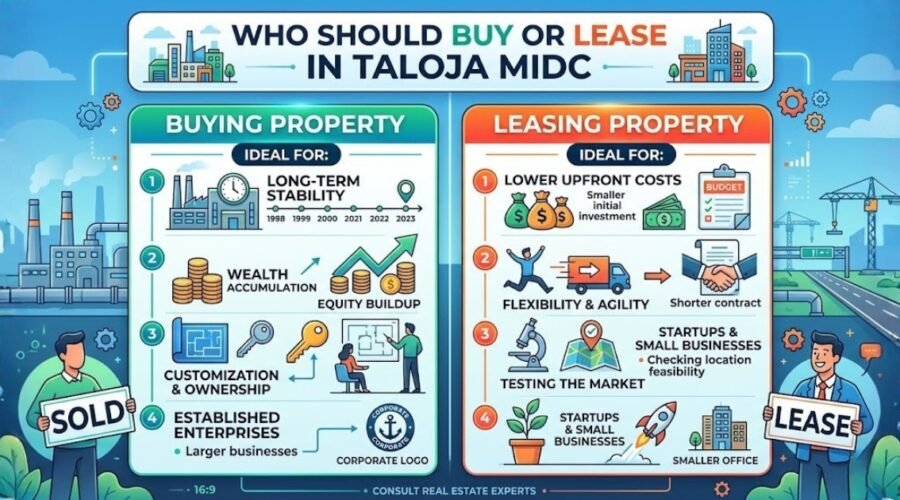
Who Should Buy or Lease in Taloja MIDC
Taloja MIDC is best for serious industrial occupiers, not for every buyer or tenant. Buying usually suits chemical, process, engineering, and long-horizon manufacturing users who need permanent control over fit-out, utilities, and expansion. Leasing usually suits 3PL, warehousing, light industrial, and trial-stage users who need speed and flexibility. If your business depends on subsidy-led project math, polished corporate surroundings, or casual passive investing, Taloja MIDC is usually the wrong first shortlist.
One more thing needs to be settled early. In MIDC, you are not buying freehold land in the usual sense. The standard MIDC framework is leasehold, commonly for 95 years, and even primary allotment runs through MIDC’s own systems and conditions. That single point changes how you should think about ownership, transfer, mortgage comfort, exit, and long-term control.
Taloja also sits inside Panvel taluka, and Panvel is listed in Group A under PSI 2019. That means normal MSMEs should not casually assume backward-area style benefits. The PSI document specifically says Group A units are not eligible for the power tariff subsidy, and broad stamp duty exemptions mainly apply in Group C, D, D+, no-industry, aspirational, and naxal-affected areas, with Group A and B exceptions being much narrower.
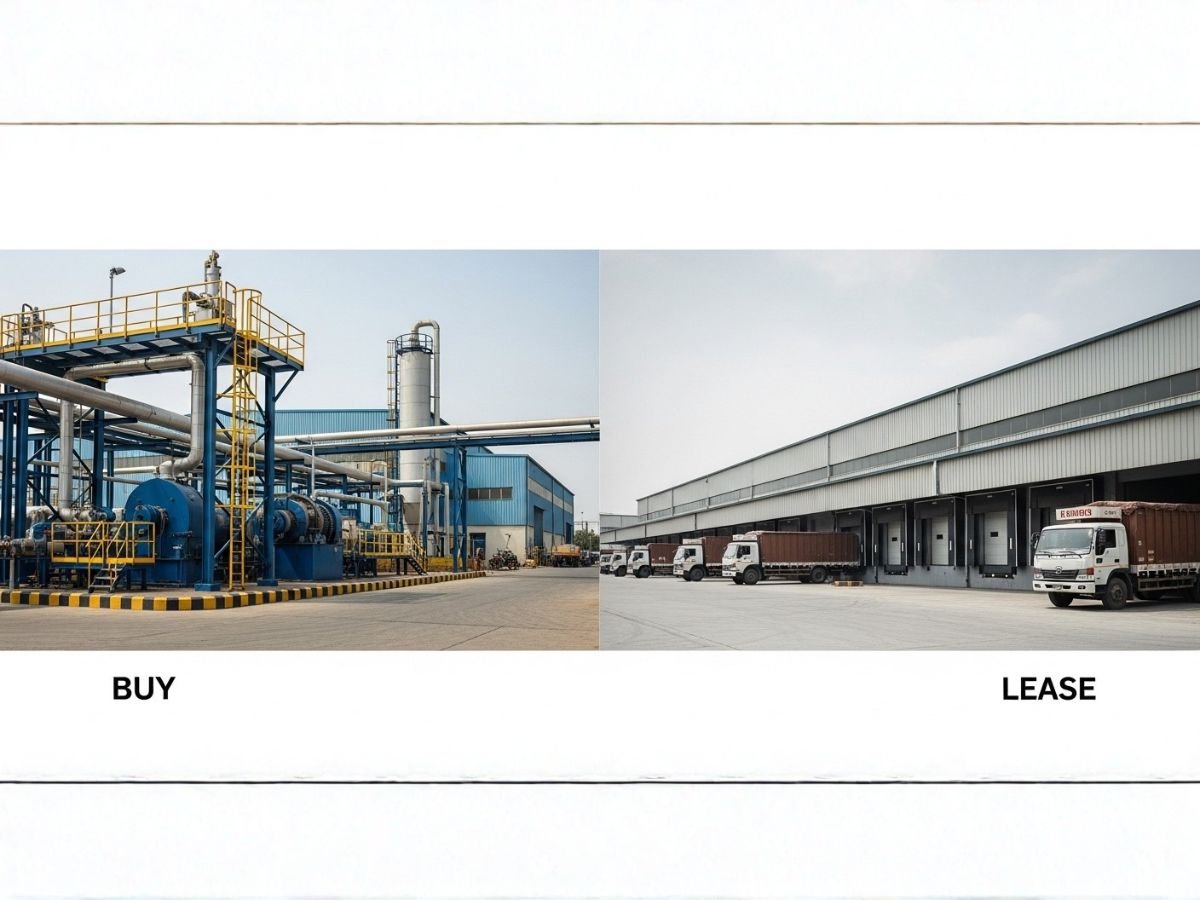
Quick answer: which type of buyer or tenant fits Taloja MIDC best?
The table below is the practical version. It is based on MIDC leasehold rules, Taloja’s chemical-industry character, the subletting framework, and Panvel’s PSI status.
| Business type | Buy / Lease / Avoid | Why Taloja MIDC may fit | Main watchout |
|---|---|---|---|
| Red-category chemical or process unit | Buy | Heavy compliance, fixed treatment setup, long horizon | MPCB scrutiny, CETP dependence, on-site treatment cost |
| Heavy engineering or fabrication unit | Buy | Machinery, load-bearing setup, deep customization | Layout, crane movement, road access, power |
| 3PL, warehouse, e-commerce fulfillment | Lease | Flexibility, faster start, easier scaling | Pocket selection matters more than headline rent |
| Light industrial or assembly user | Lease first | Lets you test demand before locking capital | Check legality of built-up unit and truck access |
| Self-use MSME with stable 15+ year plan | Maybe buy | Control can beat rent escalation over time | Leasehold transfer cost and capital lock-in |
| Passive investor buying just for “future story” | Usually avoid | Taloja is occupier-led first | Blind land bets can go wrong badly |
| Corporate office, BPO, image-led HQ | Avoid | Industrial environment is the wrong product | Staff commute, heavy traffic, basic surroundings |
Which businesses are the strongest fit for Taloja MIDC?

Manufacturing and engineering users
Taloja MIDC makes the most sense when the property is a working business asset, not just a line item in a portfolio. Engineering, fabrication, machinery-led production, processing, and operationally heavy businesses usually understand the value of industrial zoning, power infrastructure, loading space, and the ability to make the premises work around the plant, not around office aesthetics.
That is why buying starts becoming logical for some occupiers here. If your machines, foundation loads, utility lines, storage logic, and production flow are not easily movable, long-term control matters more than flexibility. In that case, ownership of leasehold rights can be more useful than being at the mercy of a landlord every few years.
Process and chemical-linked users
This is one of the biggest reasons Taloja MIDC is not a generic industrial belt. MIDC itself lists Taloja among Maharashtra’s 13 chemical zones, and MPCB’s Red category list includes many of the industries commonly associated with Taloja-type industrial ecosystems, such as basic chemicals, dyes and dye intermediates, fermentation-linked processes, industrial gases, foundry operations, and several high-pollution manufacturing activities.
The effluent side is equally important. The Taloja CETP has a 22.5 MLD treatment capacity, operating in two phases of 12.5 MLD and 10 MLD, and an additional 5 MLD expansion was recorded as under progress in the NGT-linked status report. MPCB’s own current CETP listing still shows Taloja CETP at 22.5 MLD. So yes, Taloja has shared treatment infrastructure, but that does not mean every process user can enter casually. Your business still remains subject to MPCB categorization, discharge norms, and the practical ability to build compliant primary treatment before discharge into the network.
For this type of user, buying often makes more sense than leasing. Once you spend serious money on utility setup, storage safety, treatment systems, ventilation, or internal process layout, frequent relocation becomes expensive and irrational.
Warehousing, storage, and light industrial users
Taloja is no longer only a chemical story. It is increasingly relevant for warehousing, storage, and logistics-linked users too, but not every part of Taloja solves the same logistics problem. Modern demand in the region has pushed rental movement in Taloja upward, and market listings in early 2026 still show many industrial sheds in the mid-20s to mid-30s per sq ft range depending on quality, height, frontage, and age. A recent Mumbai industrial market report by Cushman & Wakefield also notes rental growth in Taloja alongside TTC MIDC and the JNPT–Uran Road corridor.
For these users, leasing is usually smarter than buying first. A warehouse operator or 3PL company often needs clear height, docking, yard utility, and fast operational deployment more than permanent land control. Contract cycles change. Client mix changes. Floor area needs change. Leasing keeps the business lighter.
Owner-users who need long operational control
This is the simplest buy case in Taloja MIDC. If the property is being bought for your own factory, your own process, and your own 10 to 20 year operating horizon, buying can make sense. If the business is still experimental, still subsidy-sensitive, or still unsure about final scale, buying can become a burden much faster than people expect.
When does buying in Taloja MIDC make more sense than leasing?
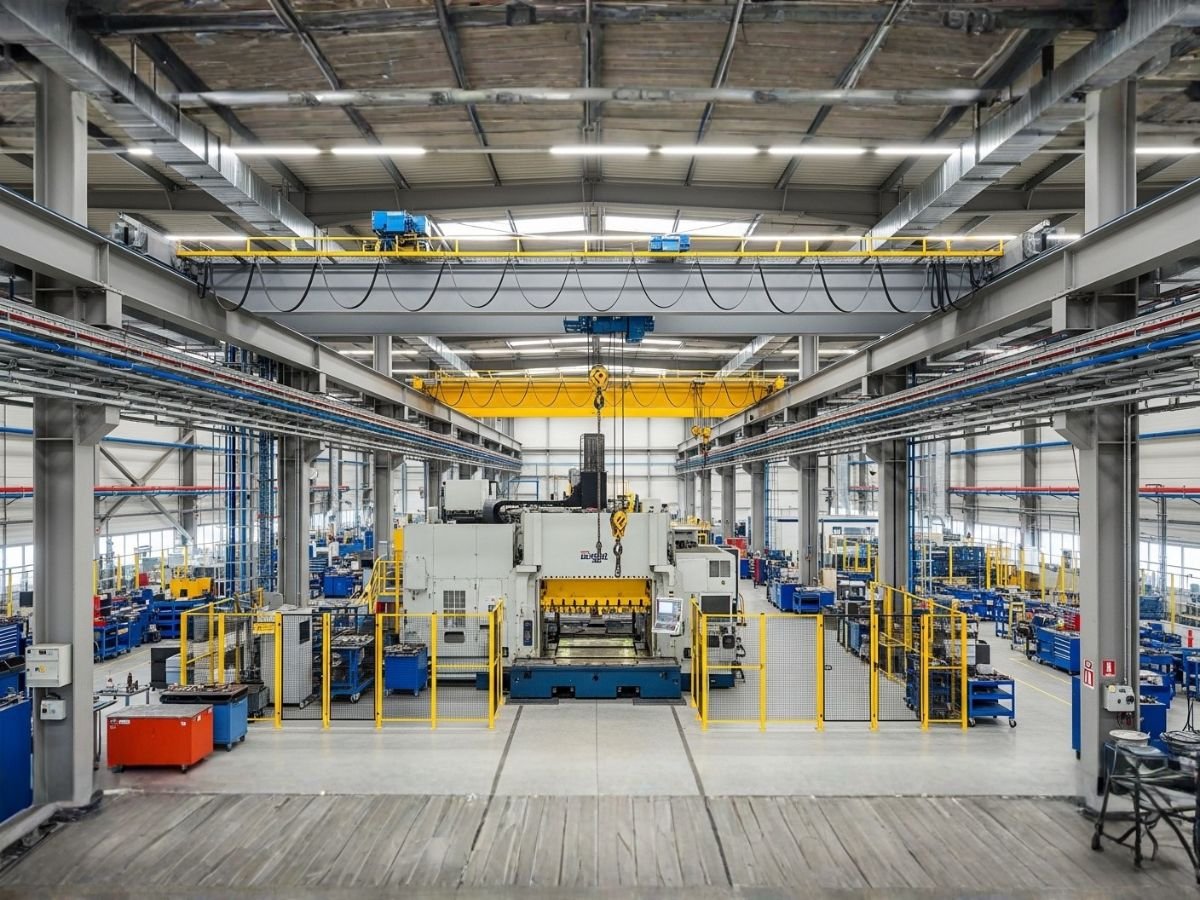
Buying makes more sense in Taloja when your business needs control more than flexibility.
The first trigger is heavy customization. If you need machine foundations, crane-ready setup, special ventilation, compliant chemical storage, on-site treatment, or a layout that is expensive to recreate somewhere else, leasing looks cheaper only in the beginning. Over time, the lack of control becomes the cost.
The second trigger is time horizon. MIDC’s standard allotment and lease documentation is structured around long tenure, typically 95 years. That does not make every purchase good, but it does mean the framework is designed for long-term industrial occupation, not for casual short holding.
The third trigger is capital strength. A buyer in Taloja should never think only in terms of the seller’s quote. The official MIDC land-rate system currently shows Taloja at ₹12,100 per sq m and Addl. Taloja at ₹15,460 per sq m for industrial land-rate reference. Those official rates are relevant for MIDC-side calculations and permissions, while actual resale pricing can still move very differently depending on plot condition, construction, access road, and legal status.
The fourth trigger is self-use clarity. Taloja is not the right place to buy blindly just because “land will appreciate.” It is an occupier-first market. If you cannot clearly explain why your business needs this specific industrial ecosystem, buying is usually premature.
One more practical warning matters here. MIDC’s own allotment guidelines state that no permission will be given for transfer of plot for the next five years and for sub-letting of plot in that initial period under the relevant allotment condition. So anyone thinking they will simply buy and quickly flip or informally sublet should slow down and read the rules properly.
When is leasing in Taloja MIDC the smarter move?

Leasing is smarter when speed, flexibility, and working-capital protection matter more than land control.
This is why 3PL players, warehouse users, overflow storage operators, light industrial tenants, and businesses entering Navi Mumbai for the first time often do better with a lease. Instead of locking large capital into a leasehold acquisition, they can put that money into machinery, racking, vehicles, inventory, compliance upgrades, and staff ramp-up.
Leasing also works when the business is still proving itself. Maybe demand is real, but not stable enough. Maybe a new client has come in, but only on a three-year cycle. Maybe the company wants a Taloja footprint, but is not yet sure whether the old core zone, fringe belt, or Additional Taloja-type pocket is the right operational answer. In all such cases, leasing first is rational.
But the lease must be legal. MIDC’s own service page says subletting is allowed only with permission, the charges are calculated at 3% of the prevailing premium rate per annum on the occupied area, charges are payable in advance, and subletting is allowed up to 10 years. It also says the charge difference becomes recoverable after three years at prevailing rates, and even recovery can be made from the occupier if the allottee does not pay.
> Important: If a landlord offers you a casual leave-and-license style arrangement without proper MIDC subletting permission, do not treat that as a small paperwork issue. In Taloja MIDC, that can create major trouble for legal occupation, operating approvals, and future compliance.
Who should avoid Taloja MIDC or shortlist other belts first?
Some businesses should step back early instead of forcing a wrong fit.
If you need a polished corporate environment, white-collar talent comfort, client-facing aesthetics, or a normal commercial office ecosystem, Taloja MIDC is usually the wrong product. This is still an industrial belt with heavy vehicle movement, utility-led layouts, and a strong chemical and process legacy.
If your MSME project depends heavily on subsidy math, Taloja can also disappoint you. Since Panvel is in Group A under PSI 2019, you should not build your project assumptions around backward-area style incentives. That mistake alone can make a project look viable on paper and weak in reality.
And if you are a passive investor who does not understand occupier demand, utility readiness, truck geometry, compliance burden, or leasehold transfer mechanics, Taloja is not a forgiving market. A non-compliant industrial asset in the wrong pocket can stay “cheap” for a very good reason.
What part of Taloja MIDC changes the answer?

This is where most weak articles fail. They say “Taloja MIDC” as if it is one uniform industrial decision. It is not.
The old core belts and the deeper chemical-side pockets behave differently from newer fringe or Additional Taloja-style areas. For chemical and process users, proximity to the right network and treatment logic matters more. For warehouse and large-vehicle users, road geometry, turning radius, main-road frontage, and container movement matter more.
That is why the 45 m DP road matters. MMRDA’s project page describes it as a 3.26 km, 45 m wide road connecting Taloja MIDC Road to old NH4, with a project cost of ₹98.51 crore. The same official page also showed an extended completion timeline till August 18, 2025. The practical lesson is simple: do not assume one infrastructure headline has solved every access problem inside Taloja. Check the exact approach road, last-mile entry, and day-to-day truck movement for the actual unit you are shortlisting.
For warehouse users especially, this changes everything. A good shed in the wrong internal pocket can be worse than a slightly costlier shed with better approach, loading apron, and cleaner trailer movement.
What must buyers and tenants check before saying yes in Taloja MIDC?
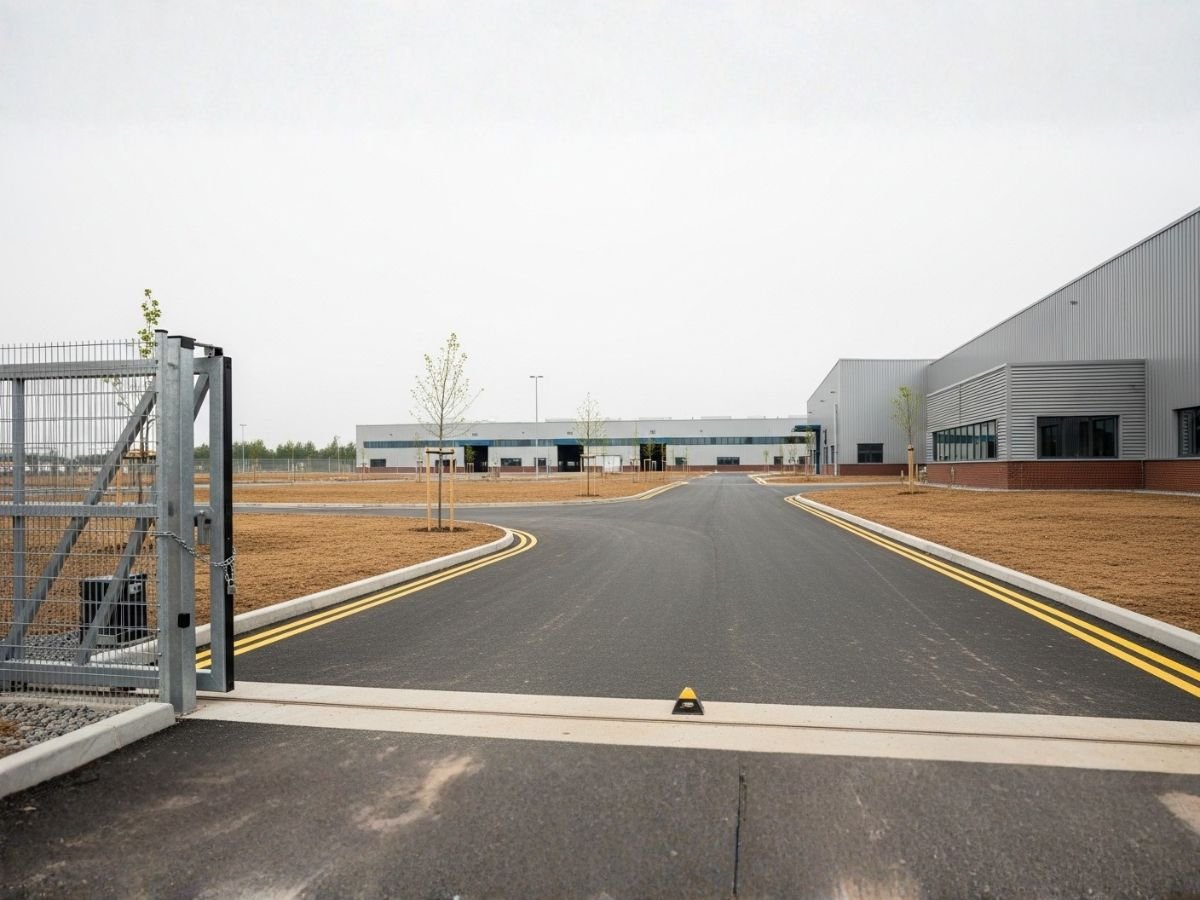
Before you agree on anything, check these four things properly.
- Leasehold chain and MIDC permissions
Confirm whether the property is an original allotment, a transfer, or a legal subletting case. Do not assume normal freehold logic applies.
- Built-up legality and completion status
Ask for sanctioned plans, building completion record, and whether the built-up area you are paying for is actually the legal, approved, usable area. MIDC’s allotment guidance itself refers to BCC and production-linked conditions.
- Environmental and process suitability
If your activity is process-linked, do not assume CETP presence is enough. Check MPCB category, discharge burden, required treatment, waste handling, and whether your actual activity profile is feasible.
- Road, loading, and worker movement
Visit at working hours, not only on Sunday or after rain. In Taloja, road width and movement conditions can change the usefulness of the same square footage.
Buy vs lease in Taloja MIDC: the blunt decision table
| Situation | Buy | Lease | Why |
|---|---|---|---|
| You need permanent process setup | Yes | No | Shift cost will be too high later |
| You are entering Taloja for the first time | Usually no | Yes | Learn the pocket before locking capital |
| You run 3PL or contract warehousing | Rarely first | Yes | Demand and space size can change fast |
| You need heavy machinery and long production horizon | Yes | Maybe | Control matters more than flexibility |
| You are subsidy-dependent | Usually no | Maybe elsewhere | Group A changes project math |
| You are buying for passive future appreciation only | Usually no | Not relevant | Taloja rewards occupiers more than casual speculation |
| You need image-led office use | No | No | Wrong location product |
Three realistic examples
1) A polymer or chemical process unit
A mid-sized process manufacturer that needs Red-category suitability, internal treatment investment, utility-heavy layout, and a 15 to 20 year operating horizon should usually think from a buy perspective. The sunk cost in compliance and setup is too large to keep shifting every few years.
2) A 3PL or e-commerce fulfillment user
A logistics operator needing 40,000 to 60,000 sq ft of high-clearance usable space, but working on rolling client contracts, should usually lease in the right Taloja pocket first. Their priority is not emotional ownership. It is fast start, scalable space, good vehicle movement, and better capital use.
3) A small manufacturing MSME relying on subsidy support
A new MSME whose project only works if it gets strong capital or tax-linked state support should not casually assume Taloja is right just because it is in the Navi Mumbai side. Since Panvel is Group A, that subsidy assumption can break. For such a user, the smarter decision may be to avoid Taloja and compare lower-group industrial belts first.
Conclusion
Taloja MIDC works best for businesses that treat industrial real estate as an operating tool, not as a casual investment story. Buy here when your business needs deep control, long tenure, and expensive physical setup that is hard to move. Lease here when you need speed, flexibility, and the freedom to test the right pocket before committing capital. And if your business depends on office polish, easy subsidies, or blind appreciation, Taloja MIDC is probably not your best first shortlist.