
Who Should Invest Near JNPA and Dronagiri?
If you are looking at property near JNPA and Dronagiri, the short answer is this: this belt suits patient, long-horizon investors, port and logistics ecosystem buyers, and people comfortable with a slower-maturing location. It does not suit everyone. If you want instant family-lifestyle comfort, strong ready rental demand from day one, or a quick flip for easy profit, this is usually the wrong place to enter.
That is the most important thing to understand before anything else. Too many pages treat Dronagiri like a simple “future growth” story. In reality, this is a selective investment zone. The upside logic is real, but the buyer fit matters even more.
JNPA remains one of India’s major port ecosystems, and its SEZ side has operational warehousing, manufacturing, food processing, trading, and FTWZ activity. JNPA states that its SEZ has been operational since June 24, 2020, with completed core infrastructure and multimodal connectivity by road, rail, sea, and air. CIDCO’s nodal plan also continues to show Dronagiri as a formal Navi Mumbai node, which matters because this is not random fringe land; it sits inside a planned regional framework.
Quick Summary: Who Fits This Belt Best?
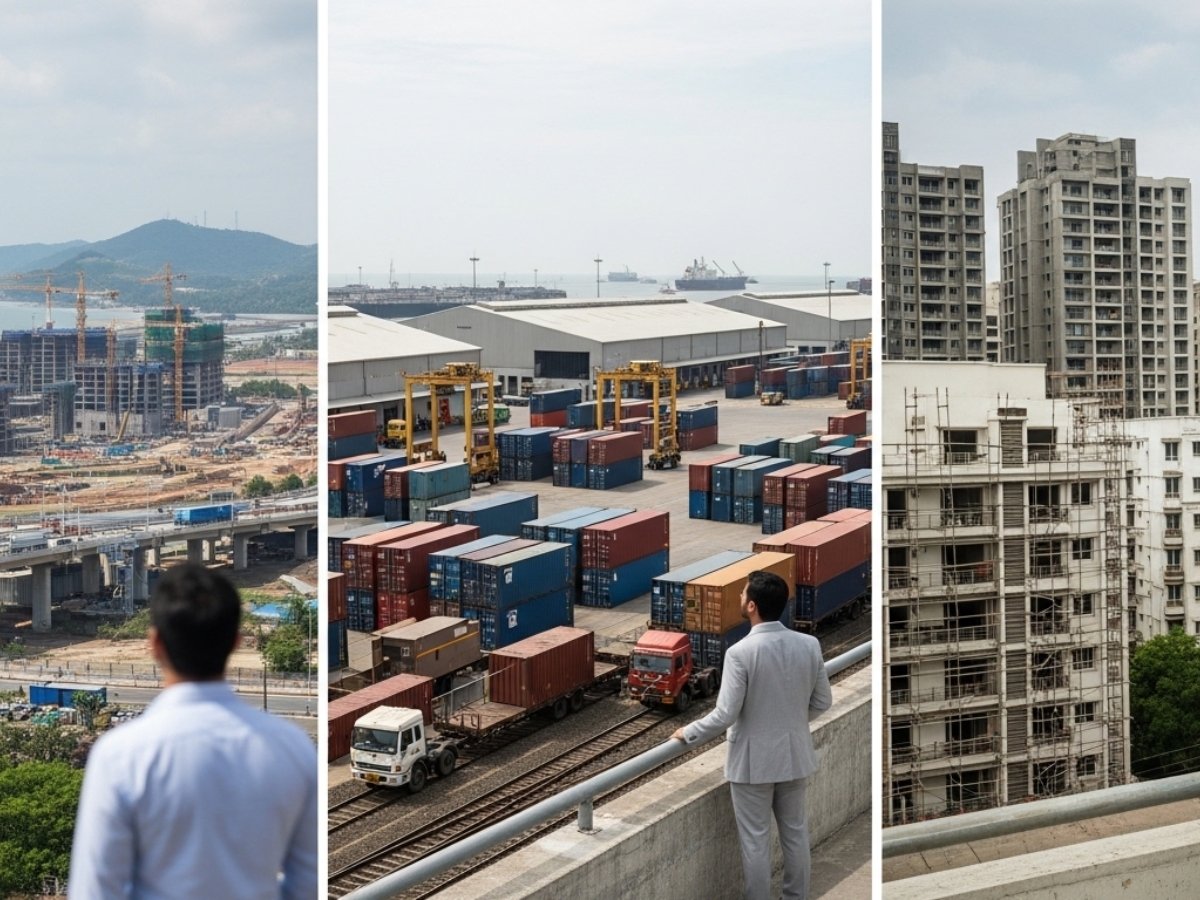
| Buyer type | Fit level near JNPA and Dronagiri | Why |
|---|---|---|
| Long-horizon investor | Strong fit | Can wait for gradual area maturity and infra-led demand to deepen |
| Port, logistics, EXIM, warehousing ecosystem buyer | Strong fit | The local job and movement logic actually connects with the belt |
| Budget-conscious investor seeking lower-entry exposure | Good fit | Entry logic can feel more practical than mature premium nodes |
| Family buyer wanting polished lifestyle from day one | Weak fit | Social infrastructure and lived maturity can still feel selective |
| Short-term flipper | Weak fit | Exit speed and premium resale are not always easy |
| Pure rental-yield buyer | Mixed to weak fit | Rental depth depends heavily on micro-location, unit type, and real user base |
| End user working nearby | Good fit in the right project | Self-use plus future upside can make more sense than pure speculation |
Who Is This JNPA–Dronagiri Belt Actually a Good Fit For?
The best buyers here are not just “investors.” They are specific types of investors.
The Long-Horizon Investor Who Can Wait for Area Maturity
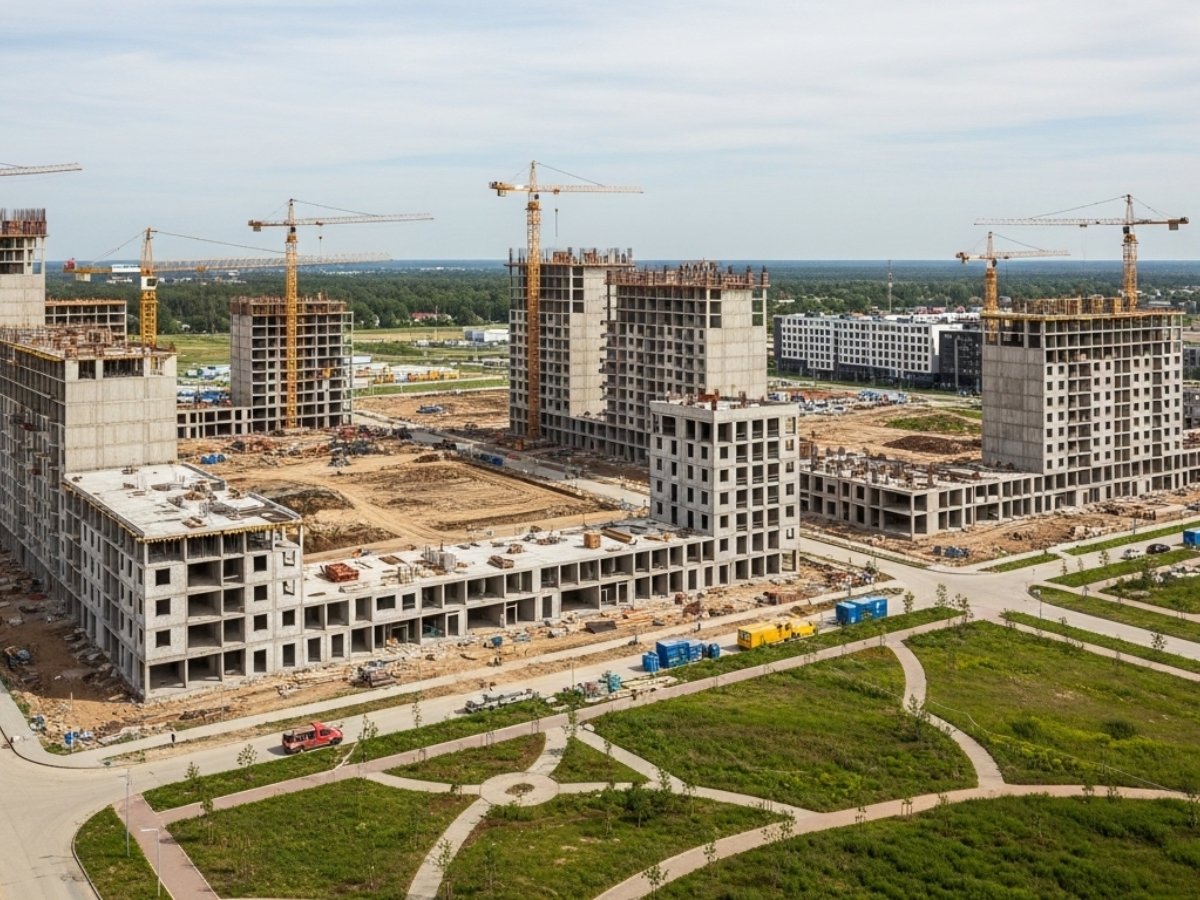
This is probably the clearest fit. If you are entering with a 6 to 12 year mindset, and you understand that value creation in such belts usually comes in phases rather than in one straight line, Dronagiri starts making more sense.
The attraction is simple. You are buying into a belt linked to port, SEZ, transport, and long-term regional planning logic. That can create appreciation support over time. But the keyword is time. Not three quarters. Not one festival season. Not one hype cycle.
The Logistics, Shipping, Warehousing, or Port-Linked Worker-Buyer
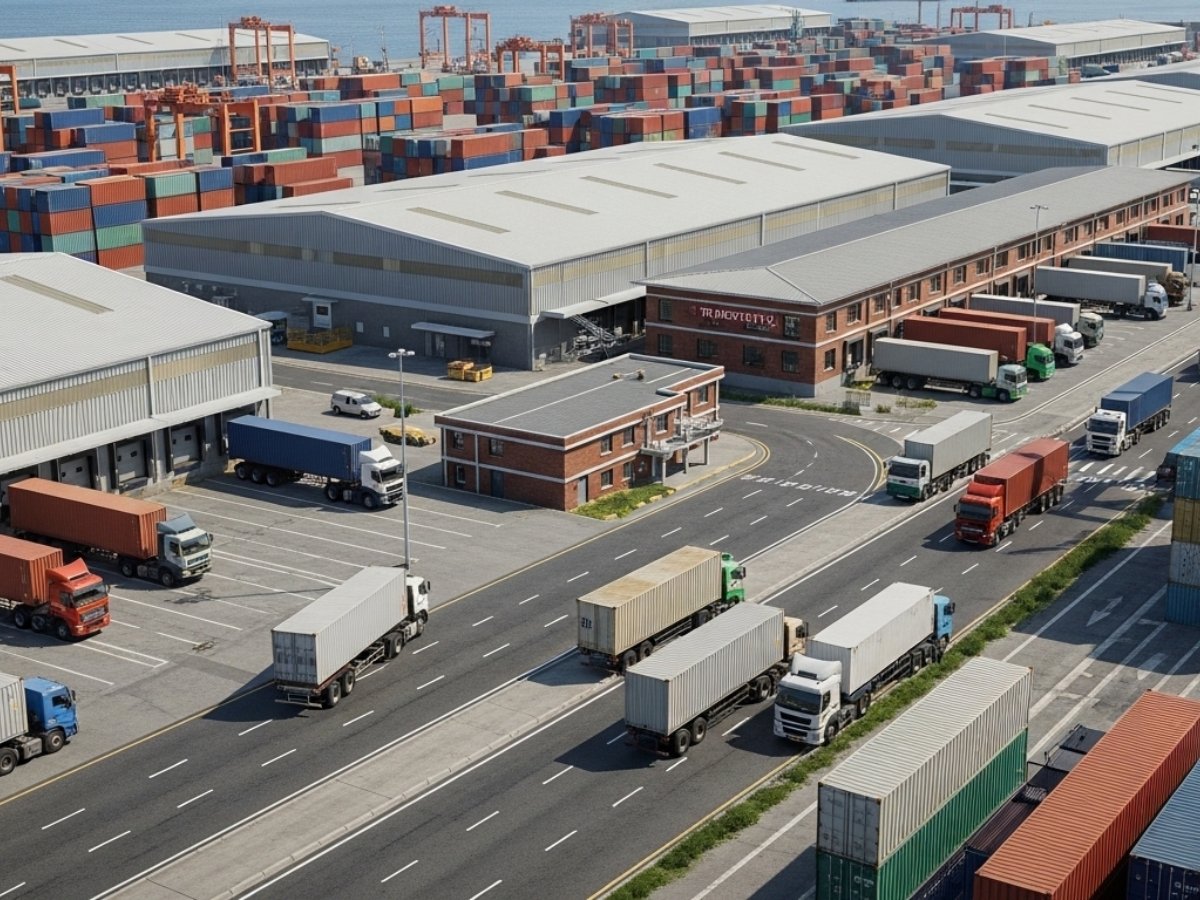
This is where the local logic becomes much more practical.
If your work, family income, or daily routine is already connected to JNPA, transport operations, container movement, shipping agencies, customs support, warehousing, freight, or industrial logistics, then buying nearby can be more sensible than it looks on a map. In such cases, even moderate rental or resale performance may not be the whole story. Daily convenience and future relevance matter too.
JNPA’s own rail-access information notes that the port is linked to Indian Railways through a lead line serving Jasai on the Panvel–Uran section, and that the port has full-length rail lines serving existing container terminals. That does not automatically make every nearby home a winner, but it does explain why this belt attracts interest from buyers who think in logistics terms rather than only residential glamour terms.
The Buyer Looking for Lower-Entry Residential Exposure Than Mature Premium Nodes
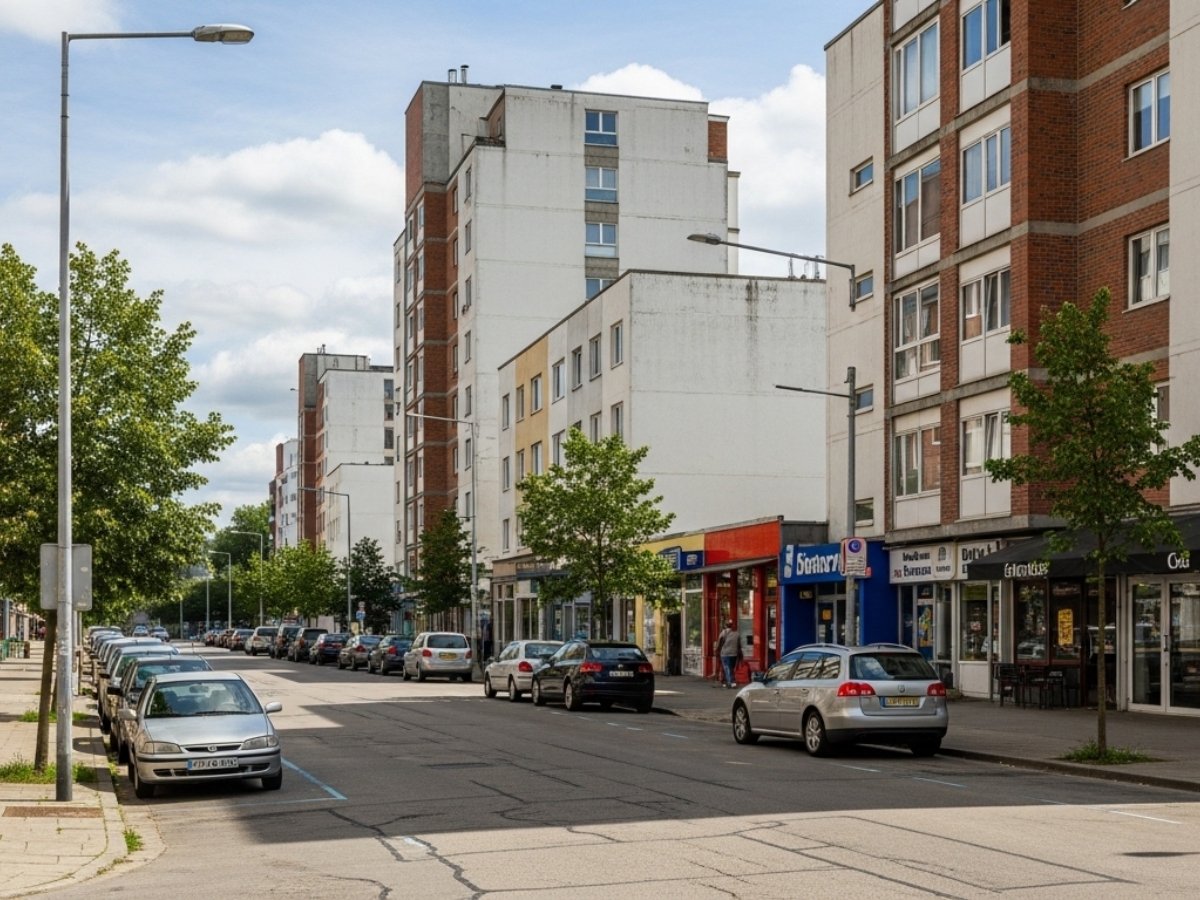
Many buyers do not have the budget for more mature Navi Mumbai pockets but still want a planned-node story with a long runway. For them, the JNPA–Dronagiri side can feel financially more reachable.
That said, a lower entry point is not enough on its own. Cheap pricing is not a thesis. If the project is weak, the access is poor, the unit is oversized for local demand, or the builder execution is slow, a low ticket can still become a bad investment.
The Investor Who Values Future Utility More Than Present-Day Polish
Some buyers are okay with a developing belt if the strategic logic is strong. They do not need an instantly premium neighbourhood. They want a place where the wider ecosystem can deepen with time.
This is the right mindset here. If you need a polished, socially mature, always-convenient residential environment today, you may end up disappointed. If you can accept a belt that is still becoming itself, the answer changes.
Who Should Avoid Investing Near JNPA and Dronagiri?
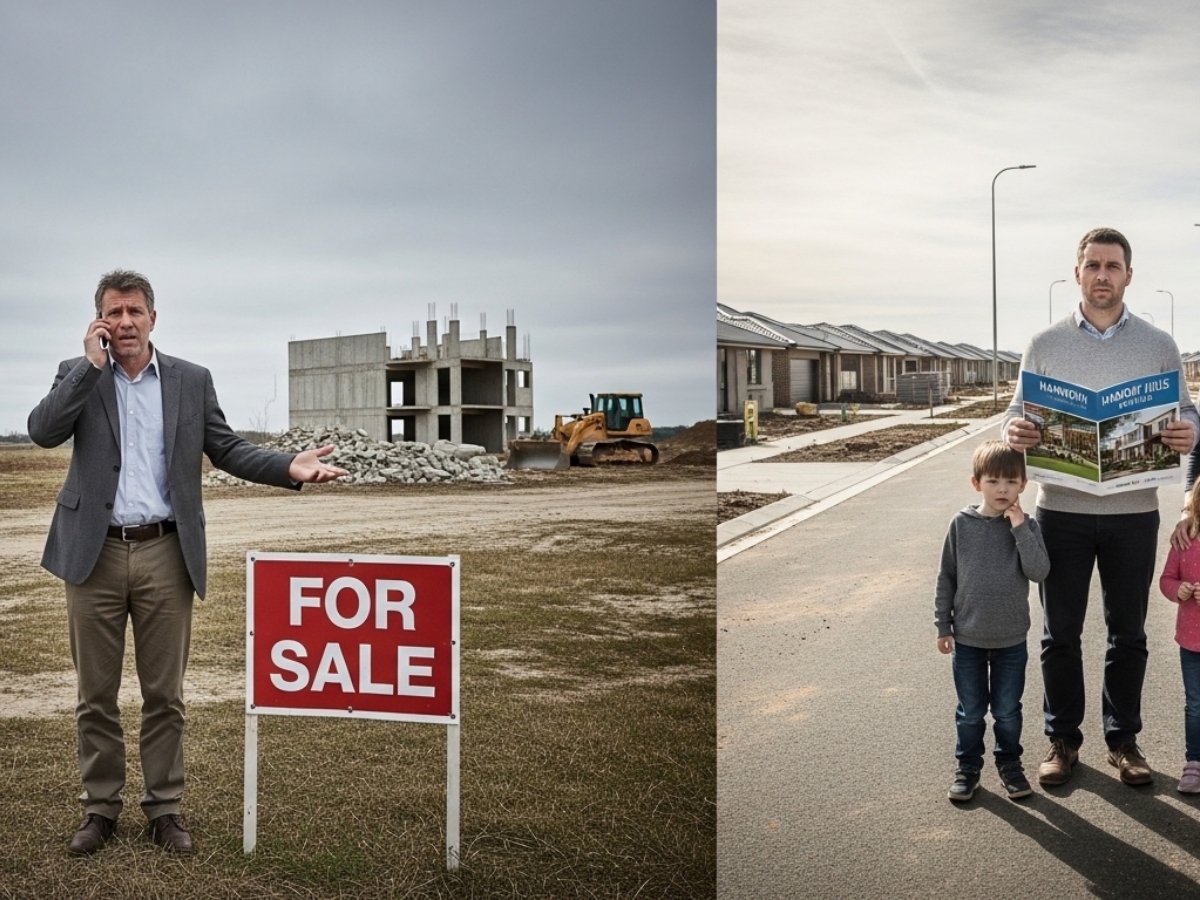
This is the section many generic blogs skip, but it is the section that usually saves people money.
The Short-Term Flipper
If your plan is to buy and exit quickly at a big premium, this belt is usually not the safest choice.
Short-term gains in developing locations depend on timing, project selection, and broader market mood. They are not guaranteed just because a port, SEZ, or infra story exists nearby. In places like this, the wrong project can sit for longer than you expect.
The Investor Expecting Instant Premium Rental Demand
Be careful here.
Rental demand near JNPA and Dronagiri is not the same as rental demand in mature residential nodes with stronger school, retail, daily-service, and station-linked ecosystems. The tenant base can be narrower. The acceptable ticket size can also be lower. If you buy a unit that looks good only in brochures but does not match actual local affordability or daily use patterns, rental performance can disappoint.
The Family Buyer Who Needs Full Lifestyle Comfort Immediately
If you are buying for self-use and want a fully matured family environment from day one, you should be much more selective.
For some households, a developing belt is acceptable. For others, especially where school routine, elderly convenience, strong daily shopping comfort, or social-life maturity matter a lot, this location may feel early. In such cases, a more mature node can be the wiser decision even if the upside story feels less dramatic.
The Buyer Who Cannot Tolerate Delay, Uncertainty, or Holding Risk
This is very important.
MahaRERA is useful because it lets buyers verify project registration, extensions, and possession-stage information. But registration is not a guarantee of smooth delivery, easy resale, or strong post-possession quality. Buyers still need to check construction progress and documentation carefully. If you are uncomfortable with uncertainty, choose ready or near-ready stock, or consider a more mature market instead.
Is This a Rental Play, an Appreciation Play, or a Self-Use-With-Upside Play?
For most buyers, this belt is more of an appreciation and long-horizon positioning play than a pure rental machine.
Where Rental Demand Can Come From
Rental demand can come from:
- port and logistics-linked employees
- warehousing and transport ecosystem workers
- nearby operational or industrial support users
- local households seeking relatively lower-cost accommodation
But that does not mean rental demand is deep across all projects and all unit sizes. Small, practical units in better-located, better-connected projects usually make more sense than large lifestyle-heavy units priced beyond what the real tenant base wants.
Why Appreciation Logic Is Often Stronger Than Immediate Rental Logic
The area’s attraction comes more from its strategic placement in a larger economic and planning corridor than from instantly mature residential behaviour.
JNPA’s SEZ page says 54 plots have been issued LOIs covering 320 acres, with 10 units and 1 FTWZ already operational, and other units in different stages. That is meaningful ecosystem evidence. But for a residential buyer, the question is different: how quickly does this wider economic activity translate into broad, consistent homebuyer and tenant demand? That translation is often uneven.
When Self-Use Can Make More Sense Than Pure Investing
If you work nearby, or your family has a real location-linked reason to live here, self-use can actually reduce the pressure of waiting for pure investor returns.
That is often the smarter lens. Instead of asking only, “Will this double fast?”, ask, “Does this improve my daily life enough that future upside becomes a bonus rather than the only reason I bought?”
What Kind of Property Makes the Most Sense Near JNPA and Dronagiri?
Location thesis alone is not enough. Asset selection matters.
Ready Flat vs Under-Construction Flat
In this belt, ready or near-ready property often deserves extra respect.
Why? Because in a still-maturing market, execution risk matters more. If you buy under-construction, you are taking not just market risk, but also builder-timeline risk. MahaRERA possession-stage guidance itself reminds buyers to verify possession-related documentation properly before taking over.
If the price gap is reasonable, ready stock can reduce risk sharply.
Budget Apartment vs Larger Lifestyle Unit
Usually, the practical choice is the smaller, more liquid, more tenant-friendly unit.
A modest apartment that fits real affordability and real local demand is often safer than a larger premium flat bought only because the brochure promises a “future destination.” Exit becomes harder when your unit is too expensive for the actual catchment.
Plot Thinking vs Apartment Thinking
Some buyers get attracted to land-style thinking in emerging belts. That can work for certain profiles, but it usually requires even more patience, stronger title clarity, and deeper local knowledge.
For normal readers and ordinary investors, apartments are usually easier to understand, easier to compare, and easier to verify through project-stage and builder checks. But even then, do not assume all apartment stock is equally bankable or equally liquid.
Why Do Some Investors Like This Belt in the First Place?
Because the underlying story is not imaginary. It is just often oversimplified.
Port and Logistics Ecosystem Logic
JNPA is a major cargo and logistics ecosystem. Its SEZ has operational industrial and warehousing activity, and the port side has real freight movement logic, not just brochure language.
That gives the belt a base narrative stronger than many random “future growth” suburbs.
Planned-Node Logic
CIDCO’s nodal plan continues to identify Dronagiri as a node within Navi Mumbai’s planned structure. This matters because planned urban frameworks often age better than unstructured peripheral development. But again, planned does not mean instantly mature.
Relative Positioning Logic
For investors priced out of polished nodes, Dronagiri can look like a “before it fully matures” entry. That is fair, as long as the buyer is honest about the waiting period and the asset chosen.
But What Can Still Go Wrong Here Even If the Story Sounds Strong?
Quite a few things.
Delay and Project Execution Risk
A good macro story cannot save a weak project. Always check MahaRERA registration, extensions, and current status. A location can be promising while a specific project is still a poor choice.
Weak Real Rental Absorption
Some projects are marketed like they will instantly attract a strong tenant base. That is not always true. Rent depends on actual employment patterns, daily connectivity, and the unit’s usability. A big, expensive apartment can struggle more than a smaller practical one.
Exit Risk in the Wrong Stock
In developing belts, resale is not only about price. It is also about trust, readiness, bankability, and buyer comfort. Ready stock with cleaner paperwork often exits better than pure promise-driven inventory.
Overpaying for the “Future” Story
This is common. Buyers hear port, SEZ, planning, and future connectivity, and then ignore present reality. If you pay a price that already assumes most future gains are priced in, your margin of safety falls.
How Should an Investor Decide Between Dronagiri, Ulwe, and a More Mature Node?
This is one of the most practical comparisons.
| Choice | Best for | Usually weaker for |
|---|---|---|
| Dronagiri / JNPA side | Patient investors, logistics-linked buyers, lower-entry long-horizon plays | Fast-flip buyers, instant lifestyle seekers, premium rental assumptions |
| Ulwe | Buyers who want a more visible residential growth narrative and broader end-user familiarity | Those seeking a more directly port-linked thesis |
| Mature nodes like Nerul, Seawoods, Vashi, Kharghar | Buyers wanting stronger current livability, deeper resale comfort, and broader tenant/end-user depth | Buyers chasing lower entry into an earlier-stage growth belt |
A simple way to think about it:
- Choose Dronagiri if your thesis is patience, ecosystem adjacency, and selective entry.
- Choose Ulwe if you want a more mainstream growth story with stronger residential recognition.
- Choose a mature node if you want today’s convenience, stronger current market depth, and lower patience risk.
What Should You Verify Before Booking Any Property Near JNPA and Dronagiri?
This is the non-negotiable checklist.
Practical Verification Checklist
- Check the project on MahaRERA
- See whether the project has had extensions
- Compare brochure claims with actual stage on site
- Check CIDCO-related title and transfer clarity where applicable
- Verify actual approach road and daily usability, not just pin location
- Ask what kind of tenant or buyer realistically fits this unit
- Prefer clarity on possession, occupancy, and documentation over only “future appreciation” talk
- Be extra careful with oversized units or projects priced mainly on story
MahaRERA’s possession-stage guidance specifically stresses checking original and photocopies of key documents before possession, which is a useful reminder for buyers in emerging belts where execution quality can vary widely.
So, Who Should Invest Here, in One Practical Final Answer?
You should seriously consider investing near JNPA and Dronagiri if you fit most of these points:
- you have a long investment horizon
- you understand port and logistics-side area logic
- you are comfortable with a location that may mature in stages
- you are choosing a practical, liquid property type
- you are not depending on instant premium rental income
- you are ready to verify project status and paperwork properly
You should probably avoid this belt if you want quick flipping, immediate polished family living, or easy rental performance without doing much project-level filtering.
Conclusion
Near JNPA and Dronagiri, the right investor is not the loudest optimist. It is the patient, selective, reality-based buyer.
This belt can make sense for long-horizon investors, logistics-linked households, and buyers looking for an early-stage but planned-node opportunity with genuine economic logic behind it. JNPA’s operational SEZ and multimodal connectivity, along with CIDCO’s continued Dronagiri node planning context, are real positives. But those positives do not remove project risk, rental limits, or maturity gaps.
So the practical answer is simple: invest here only if your buyer profile matches the belt. If it does, Dronagiri can be a sensible long-term bet. If it does not, a more mature Navi Mumbai node will usually give you a calmer and more predictable experience.
FAQs
Frequently Asked Questions