

How to Buy or Lease Industrial Property in Navi Mumbai: Areas, Process, Rules and Checks
In Navi Mumbai, buying industrial property usually makes sense when your business is stable, your activity will stay in one belt for years, and the property is legally transferable under the right authority. Leasing usually makes more sense when you need flexibility, want to protect working capital, or are still testing location fit. The right answer depends on belt, property type, power, truck access, environmental permissions, and whether the land sits under MIDC, CIDCO, or another regime.
That is the real starting point. This is not like choosing a normal office or a shop. In industrial property, a cheap deal can still be a bad deal if the truck cannot enter, the required power load is not possible, the MPCB category does not fit your activity, or the transfer paperwork is not clean.
Quick Summary
| Business profile | Usually better move | Typical format and belt | Main thing to check first |
|---|---|---|---|
| Established manufacturer with long-term plans | Buy | MIDC plot or ready shed in Taloja, Pawane, Rabale, or similar industrial belt | MPCB fit, BCC, transfer premium, fire and power compliance |
| Growth-stage MSME that wants faster start | Lease or buy a small ready unit | Industrial gala or smaller shed in TTC-side pockets | Building usability, lease terms, maintenance, approvals |
| 3PL or logistics operator | Lease | Warehouse in Turbhe, Kalamboli, Panvel-side, or Dronagiri belt | Truck movement, floor load, dock access, subletting or landlord permissions |
| First-time industrial occupier | Usually lease first | Smaller ready shed, gala, or warehouse depending on activity | Whether the location truly fits the operation before capital gets locked |
| Investor without operational knowledge | Be very selective | Only clean, usable, legally clear stock | Transfer regime, tenant depth, capex risk, compliance burden |
Should You Buy or Lease Industrial Property in Navi Mumbai Right Now?
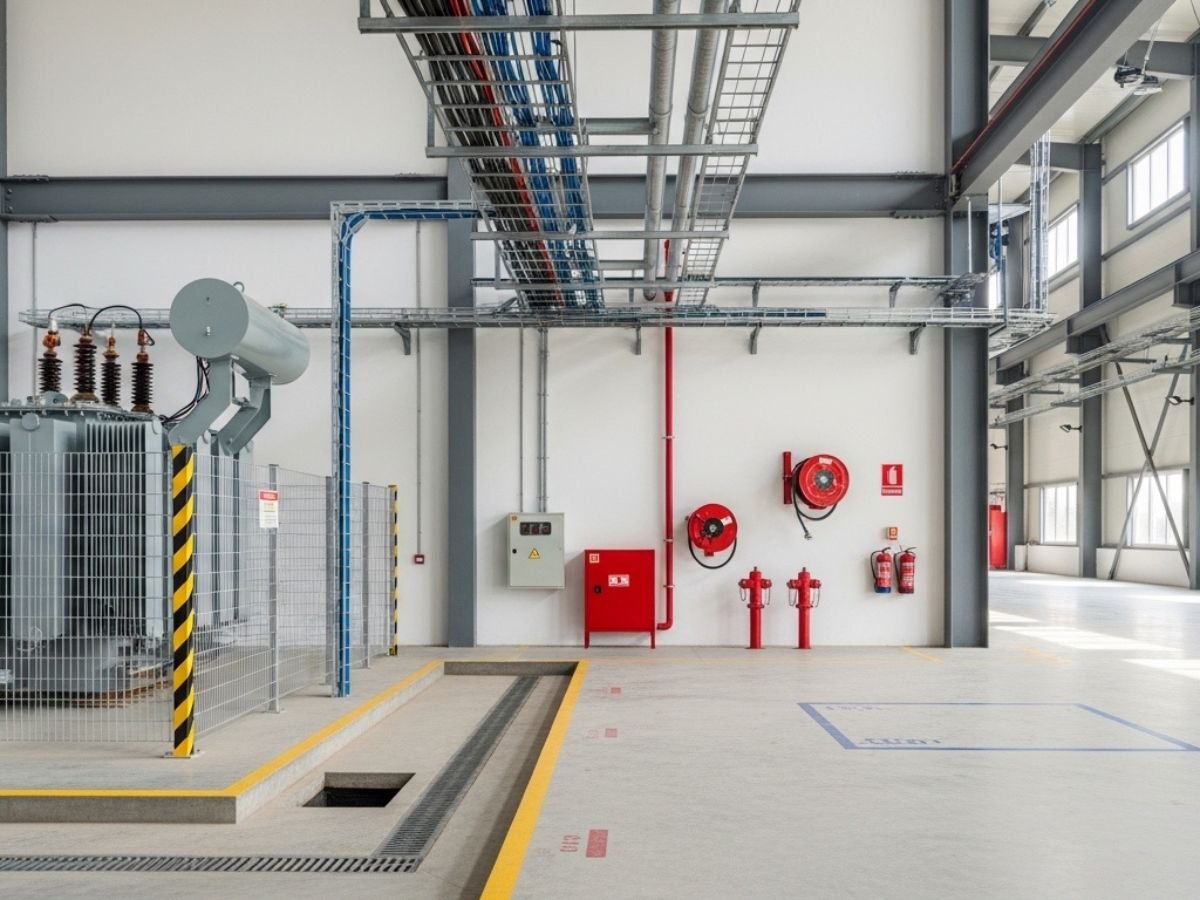
For most readers, the straight answer is simple. Buy when your business is steady, your activity is unlikely to shift, and you can absorb the real acquisition cost beyond the quoted deal value. Lease when you need speed, capital flexibility, or a trial period before committing to a belt or a property type.
This matters even more in Navi Mumbai because many industrial assets are not simple freehold transactions. MIDC plots operate under a controlled leasehold framework. CIDCO-linked industrial land also does not behave like freehold land. Transfer, subletting, activity change, and even basic usability can depend on authority permissions, not just the owner’s willingness to sign.
A buyer usually wins in three situations. First, when the business needs long-term operational certainty and wants to avoid rising rent and subletting costs over time. Second, when the property is genuinely clean from a transfer and compliance angle. Third, when the location itself is irreplaceable for the business, such as a fabrication unit near a known supplier ecosystem or a logistics user needing direct access to a specific highway or port corridor.
A lessee usually wins in three other situations. First, when the business is still validating its demand or location fit. Second, when the business cannot afford to freeze large capital in land and premium charges. Third, when flexibility matters more than ownership, especially for 3PL operators, distributors, or SMEs that may upsize, downsize, or shift belts within a few years.
Buy vs Lease Decision Matrix
What Kind of Industrial Property Are You Actually Looking For?This is where many buyers go wrong. They say “industrial property” as if all industrial assets solve the same problem. They do not. Industrial plotAn industrial plot suits businesses that want full control over building design, loading layout, height, yard planning, and future expansion. It makes the most sense for serious manufacturers and some long-horizon owner-occupiers. But plots come with the biggest discipline burden. In MIDC-style frameworks, utilization milestones matter. A plot that does not have the right building completion trail can trigger painful transfer consequences. In practice, the difference between a developed and an undeveloped plot can completely change the financial viability of the deal because transfer premiums may jump sharply if the plot is treated as “open” or underutilized. Ready shed or factory buildingA ready shed is useful when speed matters. The structure is already there, so the business can focus on fit-out, machinery, utility load, and operations instead of spending months on construction. Still, a ready shed is not automatically safer. The buyer may inherit old structural problems, weak floor loading, poor drainage, a provisional fire setup instead of a final one, or a building that works only for the previous user’s activity. A shed that looks usable in photos can still fail your process badly. Industrial gala or strata unitIndustrial galas and strata units suit light assembly, packaging, electronics, smaller MSMEs, and some service-linked industrial uses. They are common where the land cost is too high for every occupier to buy a full plot or standalone shed. In Navi Mumbai, these units need extra care. Some industrial strata projects may come under MahaRERA if the project crosses the applicable thresholds. Some smaller projects can sit in grey areas, so buyers should verify the exact project status on the official MahaRERA portal instead of assuming that every gala project is either covered or exempt. Warehouse or logistics unitWarehousing logic is different from manufacturing logic. A logistics user may need clear height, dock efficiency, circulation space, heavy floor load, large turning radius, and smooth highway or port linkage. A beautifully built industrial gala is useless if the business needs 30-foot clear height and fast truck turnaround. That is why warehousing decisions in Navi Mumbai usually lean toward Turbhe, Kalamboli, Panvel-side belts, or the JNPA-facing side depending on movement pattern. Not every industrial property is a warehouse just because it has a shutter and open floor area. Which Navi Mumbai Belt Fits Your Operation Best?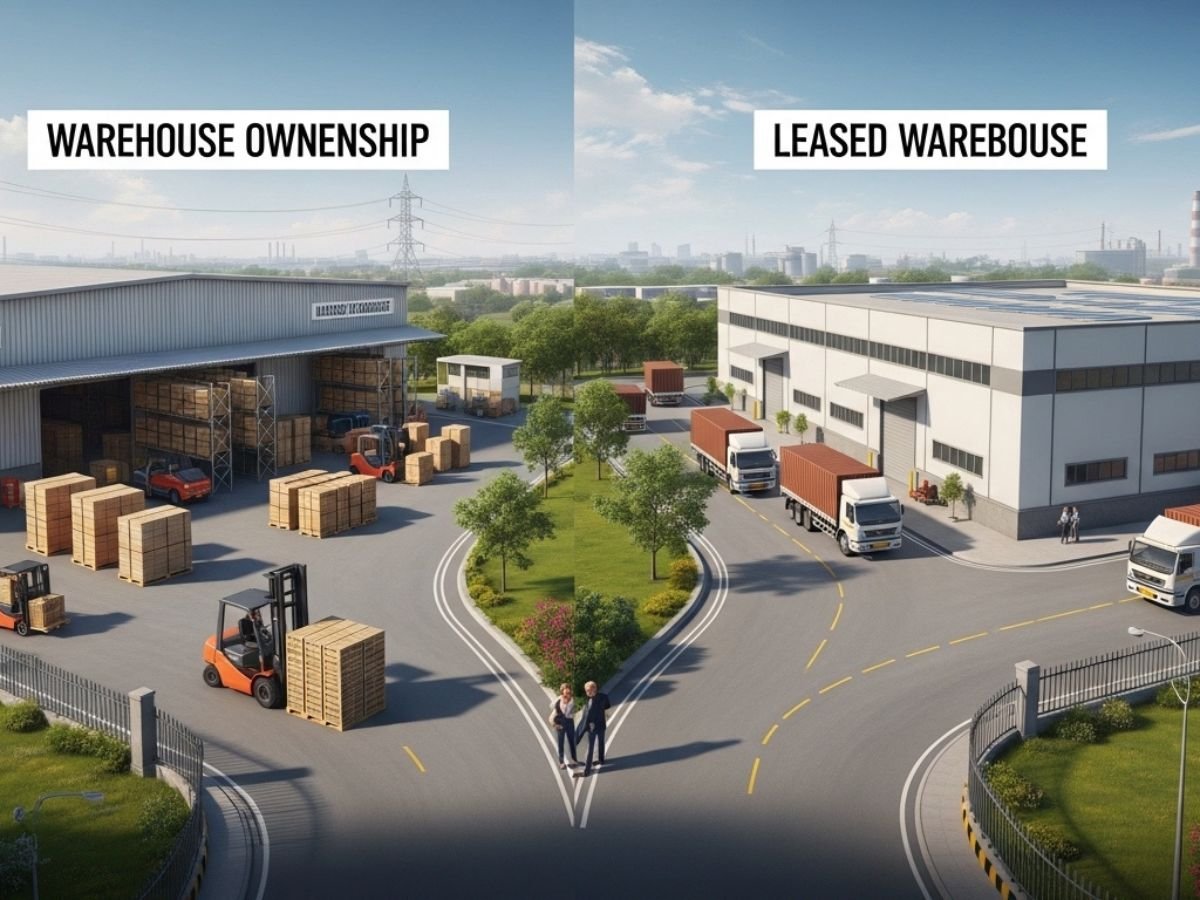 There is no single best industrial area in Navi Mumbai. The right belt depends on the kind of business you are running. TTC belt for urban-access industrial useThe TTC corridor is not one single market. Airoli and Mahape lean more toward IT, ITES, and knowledge-led occupancy in many pockets. Rabale and Pawane make more sense for engineering MSMEs, fabrication, service workshops, and light industrial use. Turbhe has stronger logistics and storage relevance because of its movement advantage and wider business catchment. This belt works best when staff access, city connectivity, and faster business turnaround matter. It works less well when the business needs very large land parcels, heavy polluting operations, or uninterrupted movement of large articulated trucks through tighter internal pockets. Taloja belt for larger and heavier industrial setupsTaloja is where the scale usually starts making more sense for heavier industry. It is the natural conversation for chemicals, pharmaceuticals, process industries, and other activities that need a more traditional heavy industrial environment. But this is also the belt where readers should be the most careful with environmental assumptions. Taloja has operated under serious scrutiny because of pollution history and CETP-linked constraints. If your process generates effluent, you cannot treat the site purchase as the main event and the approvals as a formality. In some cases, environmental viability is the real deal-maker or deal-breaker. Kalamboli and Panvel-side belts for highway-linked movementKalamboli and Panvel-side industrial logic is often highway logic. These belts matter when cargo movement, regional dispatch, and linkages toward NH48, the Expressway side, or wider logistics routes are central to the business. Kalamboli especially has movement geometry that matters. Heavy truck operations need road width, turning comfort, stacking practicality, and smooth loading yard design. A property may look attractively priced, but if large vehicles cannot move efficiently in and out, the rent or purchase price stops being the real question. Uran-Dronagiri-JNPA side for port-led and EXIM-linked operationsIf the business is driven by port-led logistics, container movement, EXIM storage, or port-facing supply chain logic, this side deserves serious attention. Dronagiri and nearby belts have a very different relevance compared with TTC-side industrial stock. This is not only about distance on a map. It is about operational rhythm. A user working around JNPA-linked movement thinks differently from a city-facing engineering unit in Pawane or a light manufacturing user in Rabale. Before You Shortlist Anything, Check These 7 Industrial Fit QuestionsBefore you get impressed by a rate, a shed size, or a broker pitch, ask these seven questions:
These checks sound basic. They are not. In industrial property, these are the checks that save lakhs and sometimes crores later. How the Buying Process Usually Works for Industrial Property in Navi Mumbai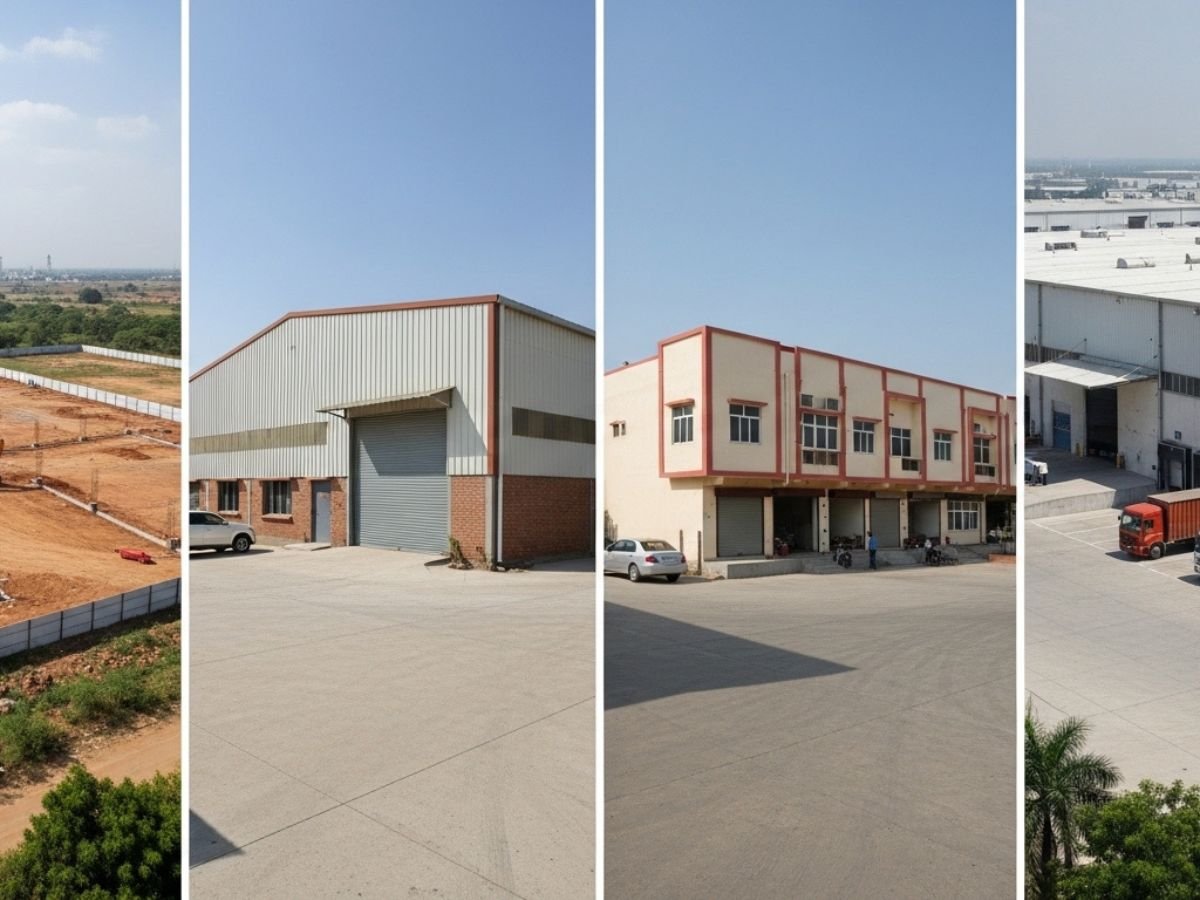 Buying industrial property here is a legal and authority-driven process first, and a normal real estate deal second. For MIDC assets in particular, a buyer should assume that the process can take a few months, not a few days. Shortlisting and first screeningAt the first stage, do not just compare area and rate. Compare use-case fit, authority regime, basic compliance trail, and transfer feasibility. A cheap asset under the wrong regime or with missing utilization proof can become a very expensive mistake. This is also where you should ask an early and uncomfortable question: is this property being sold because it is genuinely good stock, or because transfer, compliance, or operational issues are about to surface? Title and transfer verificationThis stage is not optional. You need the original lease deed or title trail, previous assignments, authority conditions, mortgage status, no-dues position, and whether any retrospective liabilities can still hit the buyer. In MIDC cases, one of the most important distinctions is whether the plot is treated as developed or undeveloped. Broadly, a developed plot with the required utilization proof may attract a 10 percent differential premium framework on transfer. An undeveloped or open plot can face a much harsher 30 percent framework and practical restrictions. That single distinction can alter the whole deal. Technical and operational inspectionThe legal file can look decent and the site can still fail your business. This is where engineers, fire consultants, and operational teams matter. Check actual clear height, slab condition, loading arrangement, drainage, transformer space, floor vibration, and truck path. If the property will handle storage, inspect it like a warehouse. If it will handle production, inspect it like a factory. Those are not the same inspection exercises. Negotiation, token, agreement, and registrationThe negotiation should not focus only on the visible sale consideration. It should account for transfer premium, pending dues, capex burden, fit-out cost, and any activity-linked restrictions. Never let the seller use the line “all papers are okay” as a substitute for real verification. Also, token money should not move casually. In industrial deals, paying token without seeing the key compliance and transfer file is not confidence. It is risk. How the Leasing Process Changes the Risk, Cost, and Flexibility EquationLeasing reduces upfront capital pain, but it does not remove legal risk. It simply changes the risk. LOI, lock-in, deposit, rent escalation, and fit-out clausesA proper industrial lease needs more than rent and deposit. It should clearly define the fit-out period, lock-in duration, escalation pattern, power deposit, restoration obligations, maintenance responsibility, and who bears authority-linked charges where applicable. This is especially important on MIDC-linked land. Standard leave-and-license thinking is not enough. If the unit sits on an MIDC leasehold and the arrangement amounts to subletting, formal permission and charges may come into play. What tenants must confirm before signingA tenant should confirm that the landlord has the right to create the arrangement, that the property can support the intended activity, and that the site is not already sitting on unresolved compliance defaults. Tenants also need clarity on who pays any MIDC subletting charge. That cannot be left vague. MIDC subletting itself is not free. The framework discussed in the research dossier points to an annual charge of 3 percent of prevailing land rate for industrial or commercial use and 1 percent for IT or ITES use, with later adjustment risk when prevailing rates change. That means a low initial rent can still become a heavier cost structure over time. When leasing is clearly safer than buyingLeasing is clearly safer when the business is new, the activity is mobile, or the demand picture is still forming. It is also safer when the user needs an industrial presence now but cannot wait through a long transfer process. For many first-time occupiers, a clean lease in the right belt is better than a rushed purchase in the wrong belt. MIDC, CIDCO, Private Estate, or Standalone Land: Why the Ownership Regime Changes the Deal This section changes the quality of the whole decision because ownership regime controls what is possible later. MIDC land is not ordinary freehold land. It is a regulated industrial framework, usually on long lease tenure, with transfer premiums, utilization rules, subletting controls, and change-of-use restrictions. That is why readers should not think only in terms of seller, buyer, and rate. The authority remains part of the transaction logic. CIDCO-linked industrial land also needs caution. CIDCO leasehold conditions, transfer charges, and NOCs still matter. A lot of noise has gone around about freehold conversion, but the major conversion push has been around residential categories, not a blanket industrial freehold reality. Industrial buyers should assume the leasehold framework still matters unless their specific property papers prove otherwise. Private estate or standalone non-MIDC land may look more flexible at first glance. Sometimes it even looks cheaper. But that lower entry cost can hide weaker infrastructure, missing industrial ecosystem support, poorer road planning, or tougher compliance burden on the occupier. In industrial property, lower acquisition cost does not always mean lower business cost. > Caution: Never compare an MIDC plot, a CIDCO-linked industrial parcel, and a private estate unit as if they are the same legal product. They are not. The transfer path, activity fit, authority approvals, and hidden liabilities can differ sharply. Which Documents Matter Most Before You Pay Token or Deposit?If you want one section to print and carry, this is the one.
If the seller or landlord hesitates to show these documents properly, do not treat it as a minor delay. In industrial transactions, that hesitation often tells you more than the brochure ever will. What Hidden Costs Make an Industrial Deal Look Cheaper Than It Really Is?Industrial deals often become expensive after the handshake, not before it. The first hidden layer is transfer cost. In MIDC-style transactions, the transfer premium framework itself can be heavy, and the difference between a developed and undeveloped plot matters enormously. The second hidden layer is change-of-use or activity mismatch. If someone casually says the property can be “converted later,” remember that change of use can trigger a premium, and in the research material this was flagged at 15 percent of the applicable ASR or prevailing MIDC land rate in certain cases. Then comes the operating capex nobody talks about at site visit stage. Transformer space, electrical work, floor strengthening, fire upgrades, drainage repair, dock modification, and yard improvements can turn a bargain into a burden. On some properties, even CETP-related contributions or environmental compliance spend can become material. There is also the ULC risk. For some older industrial histories, retrospective recovery can still surface. This is exactly why industrial buyers should separate quoted deal value from actual landed cost. What Usually Goes Wrong in Navi Mumbai Industrial Deals?This is where the article becomes real. The manufacturer’s zoning trapA buyer finds a low-priced industrial shed and assumes any industrial activity can run there. After the purchase, the required MPCB permission does not come because the activity and the belt do not match. The real mistake was not the rate. It was the assumption that “industrial” is one universal legal category. The logistics operator’s road-width trapA logistics firm takes a neat warehouse in an older pocket because the indoor area is attractive. Only after signing do they realise the internal road approach and turning geometry do not work for their 40-foot vehicle movement. The warehouse is technically there, but the operation is crippled. This type of mistake is very easy to make in parts of TTC-side stock where internal movement practicality can matter more than the built-up area shown in the listing. The strata buyer’s compliance blind spotA first-time MSME buyer books an industrial gala because the ticket size is manageable and the building looks modern. Later, questions arise around project approvals, possession timing, or whether the exact project needed MahaRERA registration and under which interpretation. The buyer assumed that because the building looked formal, the compliance picture must also be formal. That is not how industrial real estate works. Clean appearance is not the same as clean paperwork. So Who Should Buy, and Who Should Lease?A stable manufacturer with long-term production plans should usually lean toward buying, but only after hard due diligence. Ownership gives control, protects against future rent inflation, and suits businesses that know exactly why they need that belt. A growth-stage MSME should often start by leasing unless the unit is small, clean, and genuinely aligned to its business. Flexibility matters a lot in the early years. Wrong ownership can trap the business faster than wrong rent. A 3PL or warehouse-led operator should usually lean toward leasing unless the logistics pattern is permanent and the site is exceptionally strategic. In logistics, movement efficiency and scale flexibility often matter more than title ownership. An investor should be the most cautious of all. Industrial property can look rewarding on paper, but if the investor does not understand authority regime, tenant depth, capex, and compliance burden, the asset can become illiquid very quickly. conclusionIf you want the shortest honest answer, it is this: buy industrial property in Navi Mumbai only when your business is stable, your activity clearly fits the belt, and the transfer and compliance file is strong enough to survive real scrutiny. Lease when flexibility, speed, and capital protection matter more than ownership. In this market, the smartest industrial decision is usually not the cheapest one and not the one with the best brochure. It is the one where physical fit, legal fit, and business fit all align. That is what makes an industrial property workable in Navi Mumbai. FAQsFrequently Asked Questions Is it better to buy or lease a shed in Navi Mumbai?
Buying is better when the business is stable, long-term, and sure about the exact location. Leasing is better when the business wants speed, flexibility, or lower upfront capital exposure. The final answer depends on the belt, the activity, and the legal regime behind the property.
Can industrial property in MIDC be freely transferred or sublet?
No, not in the casual way many buyers assume. MIDC-linked assets operate under a controlled framework where transfers, subletting, and other changes can involve permissions, conditions, and charges. That is why industrial property due diligence here is much stricter than a normal rent or resale deal.
Which belt is better for manufacturing and which is better for warehousing?
Heavy or process manufacturing generally fits Taloja-type industrial logic better, subject to environmental and infrastructure suitability. Warehousing and logistics usually fit Turbhe, Kalamboli, Panvel-side belts, or the JNPA-facing side better depending on movement patterns. Light engineering and many MSME uses often fit Rabale or Pawane-type logic more naturally.
What should I check before taking an industrial unit on lease?
Check activity fit, landlord authority to lease, power availability, truck access, floor condition, fire compliance, and whether any authority-linked subletting or usage permissions are required. Also confirm who bears additional charges tied to the land regime. Never sign only on the basis of rent and deposit.
Is Ready Reckoner enough to judge industrial property value?
No. Ready Reckoner or ASR can be a reference point, not final market truth. Industrial value depends heavily on belt, authority regime, truck movement, power, compliance, structure quality, and the cost of making the property truly usable.
 Shashank HibareShashank Hibare is a real estate professional who contributes to I Love Navi Mumbai (ILNM), focusing on the city’s evolving property market. Related Posts |
|---|