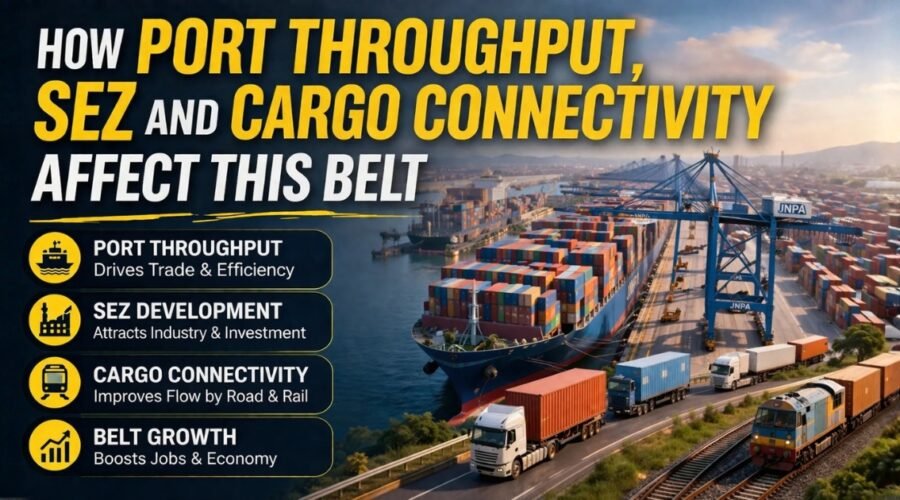
How Port SEZ and Cargo Connectivity Affect the JNPA–Dronagiri Belt
Port throughput, SEZ activity, and cargo connectivity do make the JNPA–Dronagiri belt stronger, but not equally for every property type. In real terms, this belt becomes strongest for logistics, warehousing, industrial users, and patient land investors. It becomes only selectively stronger for workforce housing and support-commercial demand. It does not automatically become a premium residential market just because JNPA is growing, the SEZ is active, and the freight corridor is now complete.
If you want the short answer, it is this: here, capital usually performs best when it follows cargo utility, not brochure language. That is the main logic readers need to understand before putting money into this belt.
| Asset type | Impact of port throughput + SEZ + cargo connectivity | Practical reading |
|---|---|---|
| Warehousing and logistics | Very strong | This is where the belt has the clearest structural case |
| Industrial plots and sheds | Strong | Best where access, approvals, and utility fit are real |
| Workforce housing and support-commercial | Moderate | Works selectively near real employment demand |
| Premium residential appreciation bets | Weak to selective | Livability and civic friction still limit the upside |
Why does port throughput matter to property here at all?
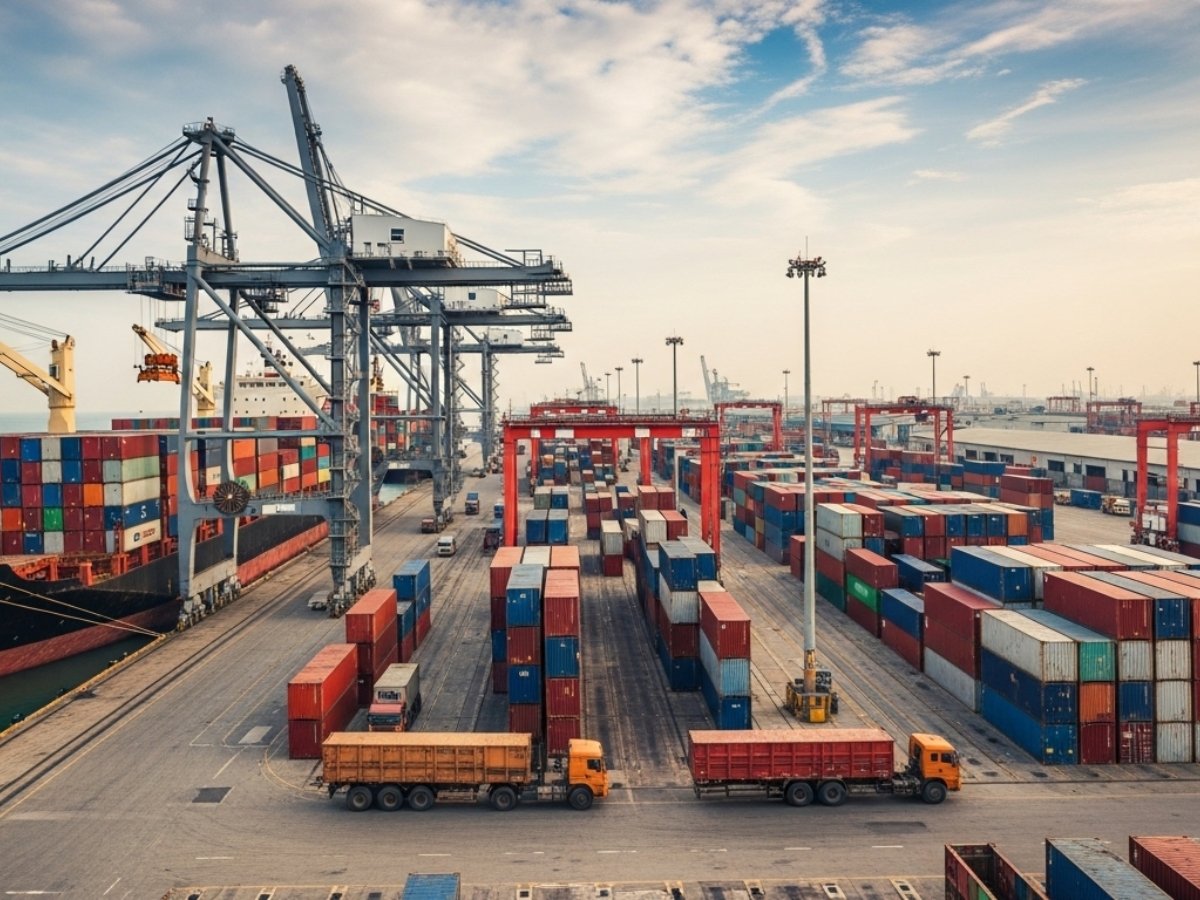
Port throughput is not just an economic number. It is a land-use force. JNPA handled about 102.01 million tonnes of cargo and 8.17 million TEUs in FY 2025–26, with container traffic rising 11.94 percent year on year. That scale means more containers, more storage, more sorting, more truck movement, more freight handling, and more pressure on the surrounding belt to function as a logistics support geography.
This is the first place many generic articles fail. They talk about “port growth” as if it automatically means all nearby plots become rich. That is not how this belt works. Higher throughput mainly benefits property that can directly serve freight activity: warehouses, industrial land, staging areas, transport-linked support facilities, and well-located business land.
In simple words, when cargo rises this sharply, the surrounding belt is not rewarded because it is “near a port.” It is rewarded because it becomes useful to the port ecosystem. That difference matters. A warehouse investor and a luxury flat buyer are not reading the same market here.
Cause and effect in one line
Higher cargo throughput leads to stronger demand for freight-support land. Stronger freight-support demand pushes up the relevance of industrial and logistics property first. Residential value does not rise at the same speed unless civic livability also improves.
How does the SEZ change the story beyond the port itself?
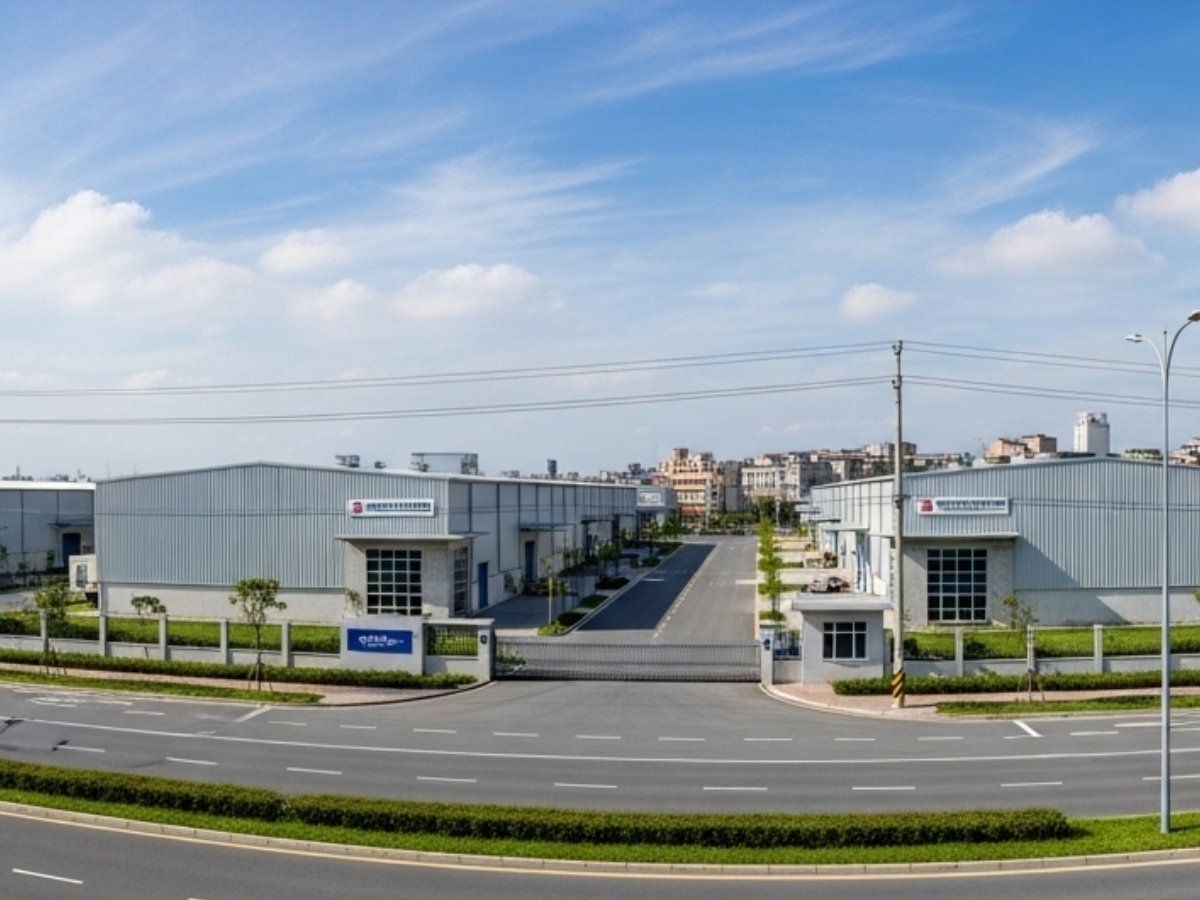
The JNPA SEZ changes the story from pure cargo transit to organized industrial clustering. Official JNPA material describes it as a multi-product port-based SEZ spread across 277.38 hectares, with about 163 hectares of leasable land. It is operational, offers 60-year leases through auction, and already has plots issued to multiple units, including an FTWZ presence and operational units across warehousing, manufacturing, food processing, trading, and related sectors.
That matters because an SEZ is not just “land near the port.” It is a more regulated, better-prepared, clearer industrial environment. JNPA also highlights that the SEZ has key approvals and infrastructure in place, while its Special Planning Authority-style setup and single-window clearance approach reduce execution friction for occupiers inside the zone.
So the SEZ creates a two-speed market.
Inside or closely tied to the SEZ, industrial users get a cleaner business case. Outside the SEZ, the wider belt still matters, but land quality, approvals, administration, and access can vary much more.
That is why recent SEZ auction outcomes should be read carefully. News coverage quoting JNPA officials said SEZ plots fetched roughly ₹8 crore to ₹8.5 crore per acre, far above reserve levels. But that pricing belongs to plug-and-play SEZ land with a very specific regulatory and infrastructure profile. It should not be copied blindly onto ordinary external plots in the wider Uran or Dronagiri belt.
Port-only effect vs port + SEZ effect
| Driver | What it does |
|---|---|
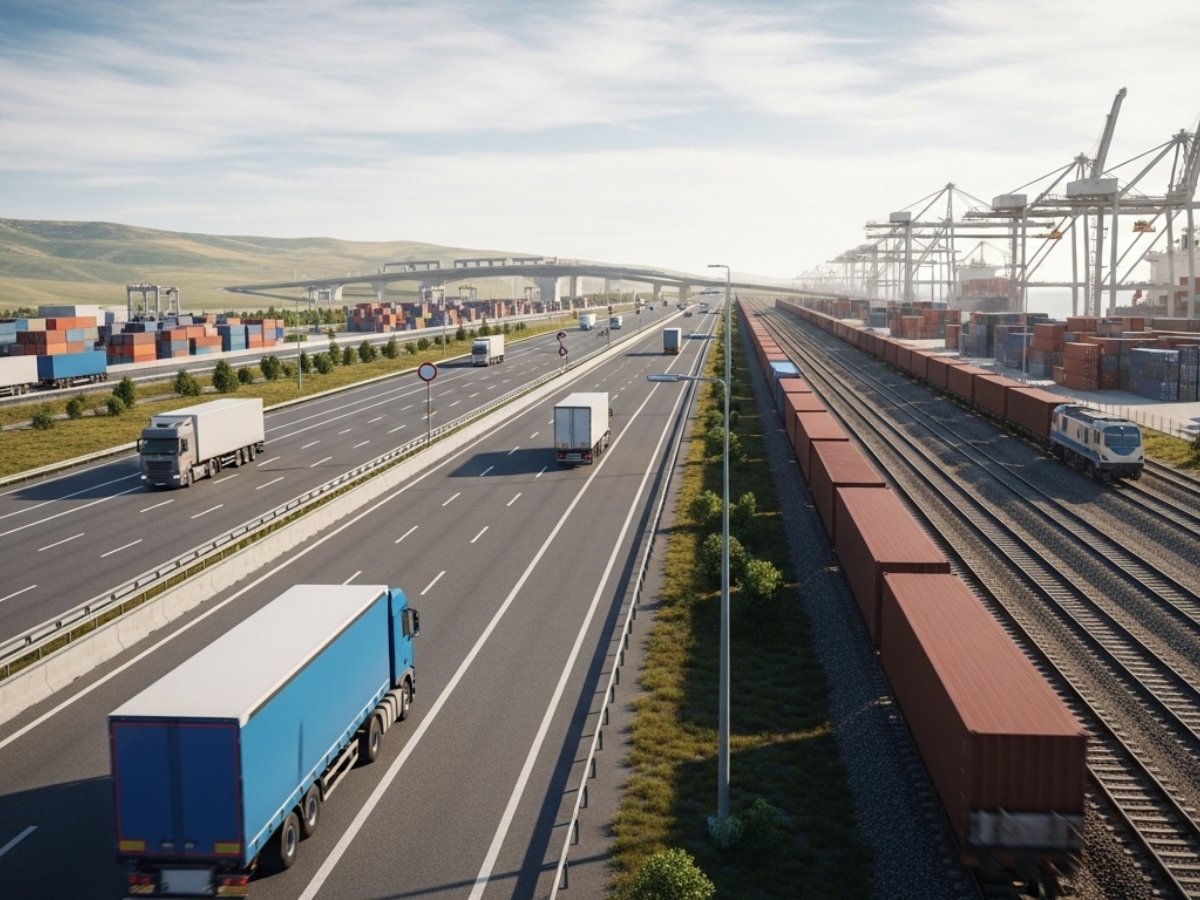
| Port alone | Creates cargo movement, truck activity, and demand for freight-support land |
| Port + SEZ | Adds value-added industrialization, export activity, better execution environment, and stronger occupier clustering |
Which connectivity links actually make this belt stronger?
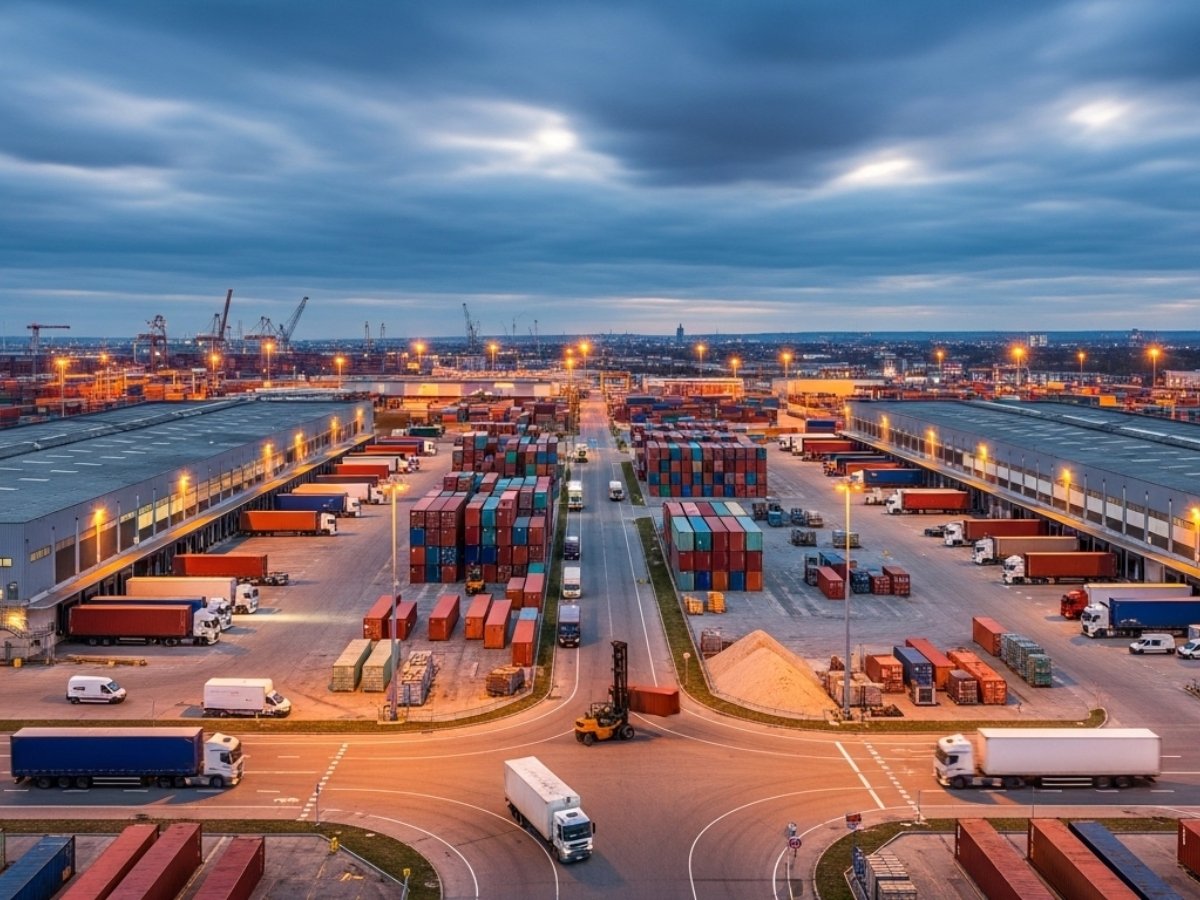
Not all connectivity in this belt does the same job. This is one of the most important practical distinctions.
Road connectivity
JNPA says the SEZ is connected by NH348A and is close to major infrastructure including MTHL. Official SEZ material says the MTHL linkage and broader road access improve the zone’s attractiveness. The practical meaning is straightforward: road connectivity helps executive travel, supplier access, staff movement, and surface distribution.
But road connectivity has two faces in this belt. Good access improves business usability. At the same time, freight-heavy corridors can worsen local comfort, especially where civilian movement and heavy-truck movement overlap.
Rail and freight connectivity
This is the real cargo game-changer. JNPA’s SEZ material specifically highlights proximity to the Dedicated Freight Corridor and the suburban rail connection. Separately, reporting in April 2026 stated that the full 1,506-km Western Dedicated Freight Corridor was completed after the March 31, 2026 trial on the final JNPT-side section. That makes the freight story here materially stronger than it was even a few months earlier.
Why does that matter for property?
Because freight rail does not behave like a commuter line. It changes evacuation efficiency, reduces dependence on highway-only cargo movement, and strengthens the case for large warehousing and sorting facilities in the port hinterland. In other words, WDFC does more for logistics land than a simple “rail connectivity” headline suggests.
Airport linkage
JNPA says the upcoming Navi Mumbai International Airport is about 15 km from the SEZ, while the Nhava Sheva suburban rail connection is about 2 km from the SEZ. JNPA also highlights MTHL and DFC proximity in the same official connectivity pitch.
The airport angle should also be read properly. NMIA does not replace maritime cargo. What it does is strengthen executive mobility and potentially support high-value, low-weight cargo logic over time. That is useful. But the core engine of this belt is still port cargo plus industrial logistics.
Which types of property usually benefit first, and which do not?

This is where the article becomes truly useful.
The strongest early beneficiaries are usually industrial plots, logistics land, sheds, and warehouses. The state’s own valuation system supports that reading. The Step 2 dossier notes that the IGR Maharashtra eASR for 2025–26 places Dronagiri industrial base value at about ₹71,400 per sq m, above the residential base value of about ₹58,800 per sq m. That inversion is not a small detail. It is the clearest official-style signal that the land-use logic here is more industrial than residential.
The second layer is worker-housing and support-commercial demand. When cargo, warehouses, and industrial units deepen, nearby demand can rise for practical housing, transport-linked services, repair, food, storage-related businesses, and local convenience activity. But this is functional demand, not glamorous demand.
The weakest category is generic residential appreciation bought only on future-story hype. That is where many retail investors get trapped. They assume that because the macro story is strong, any residential inventory nearby will behave like a mature end-user suburb. Usually, that is the wrong reading.
Does cargo growth automatically increase residential demand in this belt?
No, not automatically.
Cargo growth creates employment and business movement. But premium residential demand depends on a different checklist: smoother internal mobility, social infrastructure, comfortable commuting, cleaner environment, better retail depth, and day-to-day quality of life. Those do not rise just because TEU numbers rise.
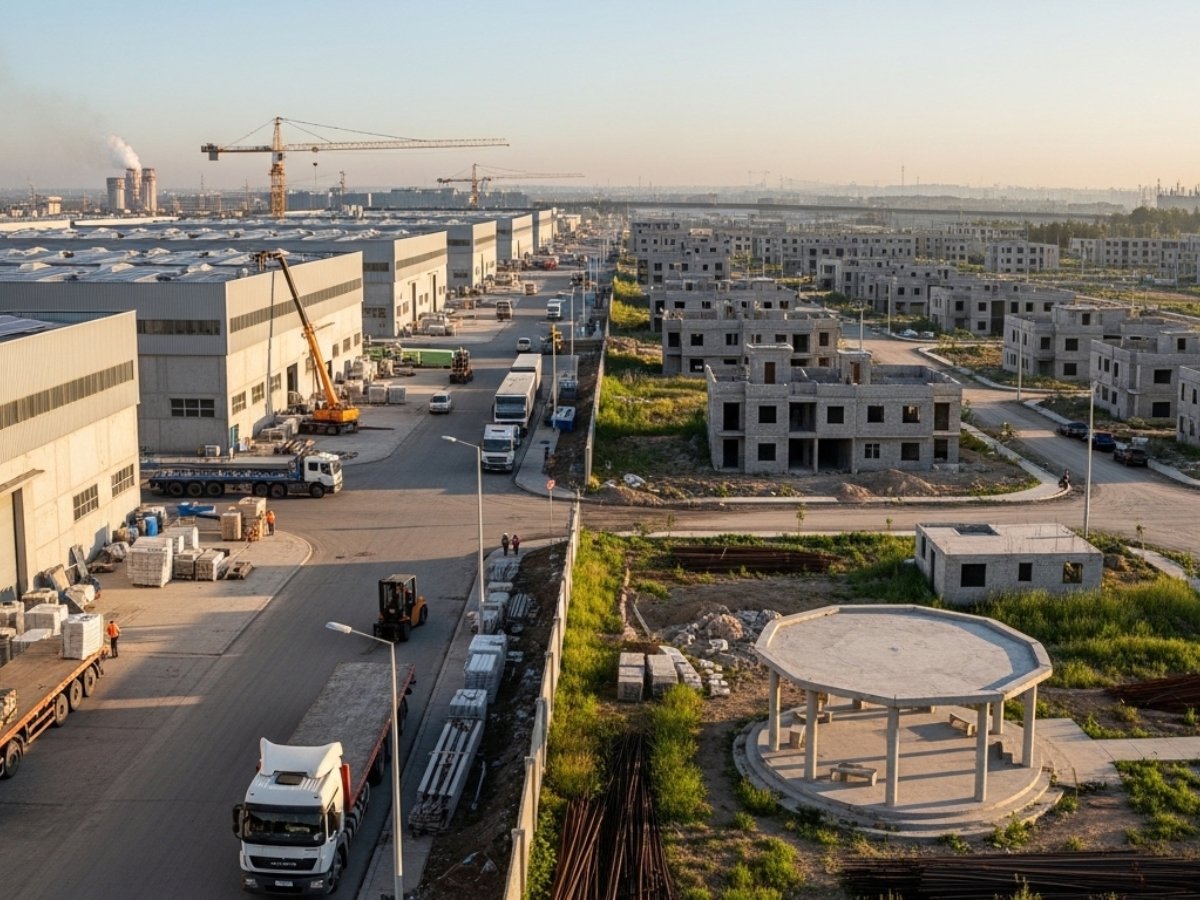
This is where Dronagiri-side reality matters. The Step 2 research points to severe congestion on the road between Sector 50 and Sector 56, linked in part to planning friction and traffic pressure. Local reporting in 2024 also described market-related congestion on this same corridor. That kind of friction is not a side issue. For residential buyers, it directly affects comfort, resale mood, and how the area feels in daily use.
The same is true of the wider environment. A belt that thrives on freight utility can also carry heavy-truck movement, dust, noise, and awkward traffic interfaces. So yes, there can be workforce rental demand. Yes, some local housing can remain relevant. But that does not make the whole belt a premium residential story.
> Caution: In this belt, strong industrial logic and weak residential ease can exist at the same time.
What changes when throughput rises but the surrounding belt is still maturing?
A lot changes, but not always in the way brochures suggest.
When throughput rises, the corridor becomes more economically valid. The problem is that economic validity and civic maturity do not move at the same speed. The JNPA side may be growing in freight strength, but the surrounding belt can still face patchy roads, localized congestion, uneven services, and authority-transition friction.
That civic friction matters because property is not just about location. It is also about carrying cost and ease of holding. Reporting in 2024 said the Supreme Court’s interim order required Panvel property owners to pay PMC property tax dues from assessment year 2021–22 onward, not from earlier retrospective years. That clarification matters in practical investment math. Buyers cannot assume legacy low-cost holding conditions forever.
So the correct reading is this: throughput can validate the corridor before the corridor feels fully comfortable. That is why logistics capital may move faster than residential confidence.
Which buyer types should care most about these three drivers?
Logistics occupiers and warehouse investors
This group should care the most. JNPA’s cargo scale, the operational SEZ, and the completed WDFC together make a strong structural case for freight-linked property in the broader belt. For logistics users, this is not just a story. It is a workflow advantage.
Industrial users and export-linked businesses
Also a high-fit group, especially if they can access better-prepared industrial environments or locations that genuinely benefit from port, freight, and SEZ adjacency. The more a business depends on movement efficiency, export logic, or organized industrial support, the more relevant this belt becomes.
Long-horizon land investors
This group can still find logic here, but only with discipline. They need to check title, zoning, exact pocket, approach roads, tax exposure, and realistic end use. Blind land banking in the name of “future growth” is not the right strategy.
Residential buyers
This group needs the most caution. End-users employed in the port-industrial ecosystem may still find functional value. Workforce rental strategies may also work in selected pockets. But speculative residential buying based only on infrastructure headlines remains a much weaker thesis than industrial or logistics buying.
What local risks can weaken the port-growth story for property buyers?
The biggest risk is wrong extrapolation.
Many people see high SEZ auction values and assume all nearby land deserves similar pricing. That is poor analysis. SEZ land is a special product with approvals, infrastructure, and a different execution environment. External land is not automatically equivalent.
The second risk is micro-location mismatch. “Dronagiri belt” sounds neat on paper, but actual usability varies sharply. A plot with poor heavy-vehicle access, awkward turning radius, or weak approach quality can fail the very logistics case that supposedly justifies its valuation.
The third risk is holding-cost underestimation. PMC tax reality is now part of the equation, and investors who ignore civic cost pressure can get their ROI badly wrong.
The fourth risk is residential overexpectation. A freight ecosystem can generate jobs and activity while still failing to support premium residential appetite.
Red-flag checklist
- Buying land because it is “near JNPA” without checking usable access
- Applying SEZ pricing to ordinary external plots
- Confusing commuter connectivity with freight connectivity
- Ignoring PMC-side holding costs
- Assuming industrial strength guarantees luxury-residential demand
- Trusting only broker narrative and not ground conditions
How should a buyer or investor actually read this belt on the ground?
Start with the asset type, not the story.
If the asset is industrial, warehousing, or logistics-linked, then port throughput, SEZ activity, and cargo connectivity genuinely strengthen the case. If the asset is premium residential, you need a much stricter filter.
Then check the exact pocket. Belt-level branding is not enough. The practical difference between a cleaner CIDCO-planned stretch and a friction-heavy local approach road can be huge.
Then check operational connectivity, not just map distance. A property can be technically close to the SEZ or port and still be weak for logistics use if truck movement is awkward or surrounding traffic conditions work against commercial usability.
Finally, check whether demand is occupier-led or only broker-led. Real occupier demand behaves differently. It shows up in active leasing, practical site visits, utility checks, and business movement. Pure story-driven demand often stays on brochures and WhatsApp forwards.
So, do port throughput, SEZ and cargo connectivity make this belt genuinely stronger?
Yes, they do. But they make it stronger in an asymmetric way.
They strongly improve the belt for freight utility, logistics land use, industrial clustering, and warehouse relevance. They selectively help workforce housing and related support demand. They do not, by themselves, make the belt a premium residential winner.
That is the real local reading.
If you are a logistics operator, industrial occupier, or patient investor who understands cargo-led land use, this belt deserves serious attention. If you are buying a residential plot only because the port is busy, the SEZ is active, and big infrastructure has arrived, you need much more caution.
Conclusion
The JNPA–Dronagiri belt is becoming more important, more active, and more structurally valuable. But it is not becoming everything at once.
This is a belt where port throughput, SEZ maturity, and cargo connectivity create real, durable strength for utility-first property. That means warehouses, industrial plots, sheds, logistics ecosystems, and selected long-horizon business land have the clearest case. Residential demand can exist, but it remains more functional than aspirational in many pockets.
So if you want the cleanest conclusion: in this belt, the winning capital usually follows freight relevance, not headline excitement.
FAQs
Frequently Asked Questions