
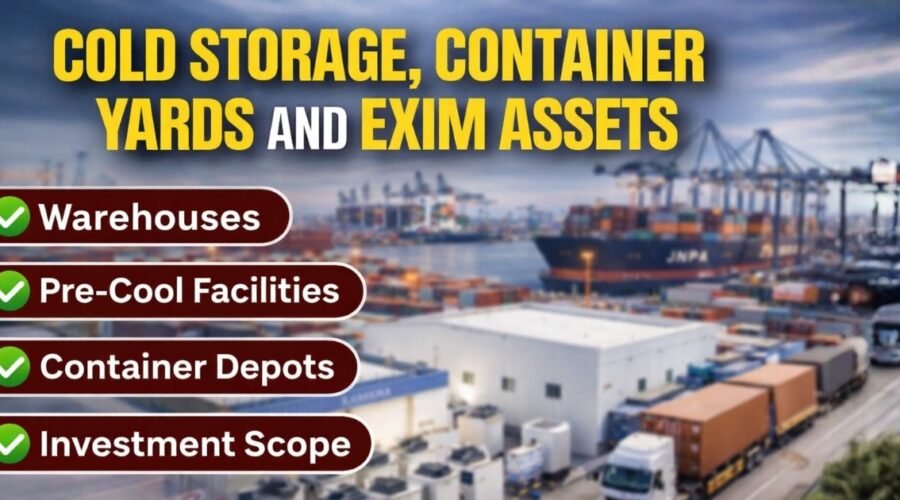
Cold Storage, Container Yards Assets near JNPA
Cold storage, container yards assets near JNPA can make real sense, but only when the asset matches actual cargo flow, operator need, compliance burden, and road-port connectivity. This belt is not one uniform market. A container yard, a reefer-led cold facility, and a broader EXIM warehouse may all sit “near JNPA,” but they do not carry the same demand depth, risk, capital profile, or tenant logic.
JNPA is no longer just a large port on paper. It is India’s biggest container port, recently crossed the 8 million TEU mark in FY 2025–26, and also hit record throughput of 100 MMT. Its adjacent SEZ covers 277.38 hectares, has roughly 163 hectares of leasable land, and plots there are allotted on 60-year lease terms through e-tender and e-auction. That matters because the surrounding asset story is no longer only “buy land near the port.” It is now about whether the format you choose actually fits a faster, more regulated, more multimodal logistics ecosystem.
Cold storage, container yards and EXIM-linked assets near JNPA: what is the short practical answer?
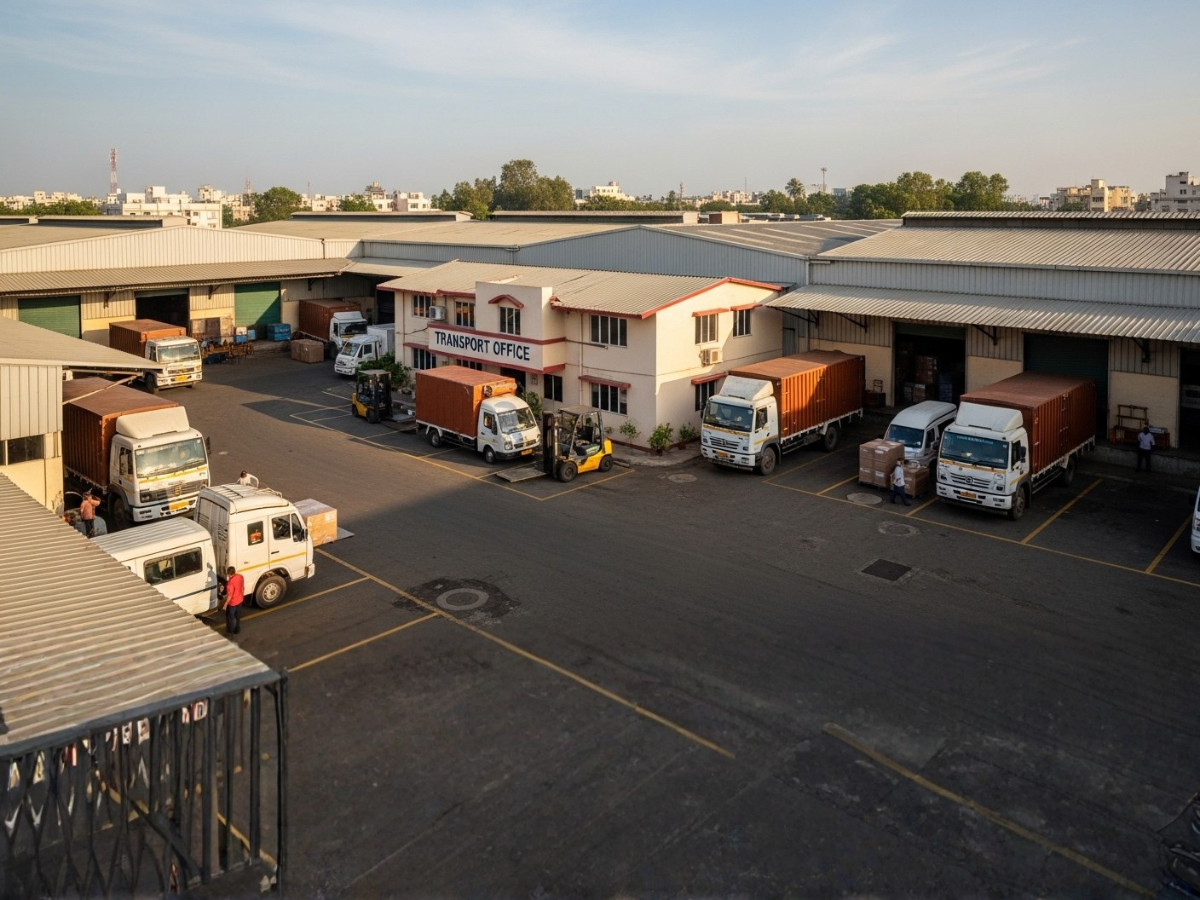
The short answer is this: container-linked support assets usually have the broadest practical demand near JNPA, cold storage can work but only for narrower and more technical use-cases, and generic “EXIM-linked” assets are often oversold unless the operator, cargo category, customs model, and location geometry are already clear.
| Asset type | Usually makes sense for | Main strength near JNPA | Main risk |
|---|---|---|---|
| Container yards / empty container support yards | Shipping-linked, container handling, repair, staging, support operations | Port ecosystem fit, movement efficiency, land-intensive use | Wrong land, weak access, idle utilization |
| Cold storage / reefer-led facilities | Perishables, pharma, frozen cargo, temperature-sensitive EXIM users | High-value niche demand, technical edge | High capex, power dependency, narrow buyer pool |
| Broader EXIM-linked warehousing / bonded / FTWZ-type assets | Importers, exporters, value-added storage, customs-linked users | Cash-flow and customs efficiency | Wrong licensing structure, vague demand claims |
That is the first thing many people miss. Near JNPA, not every logistics-looking property is equally strong. The belt rewards operational fit much more than storytelling fit.
What exactly counts as an EXIM-linked asset near JNPA, and what does not?
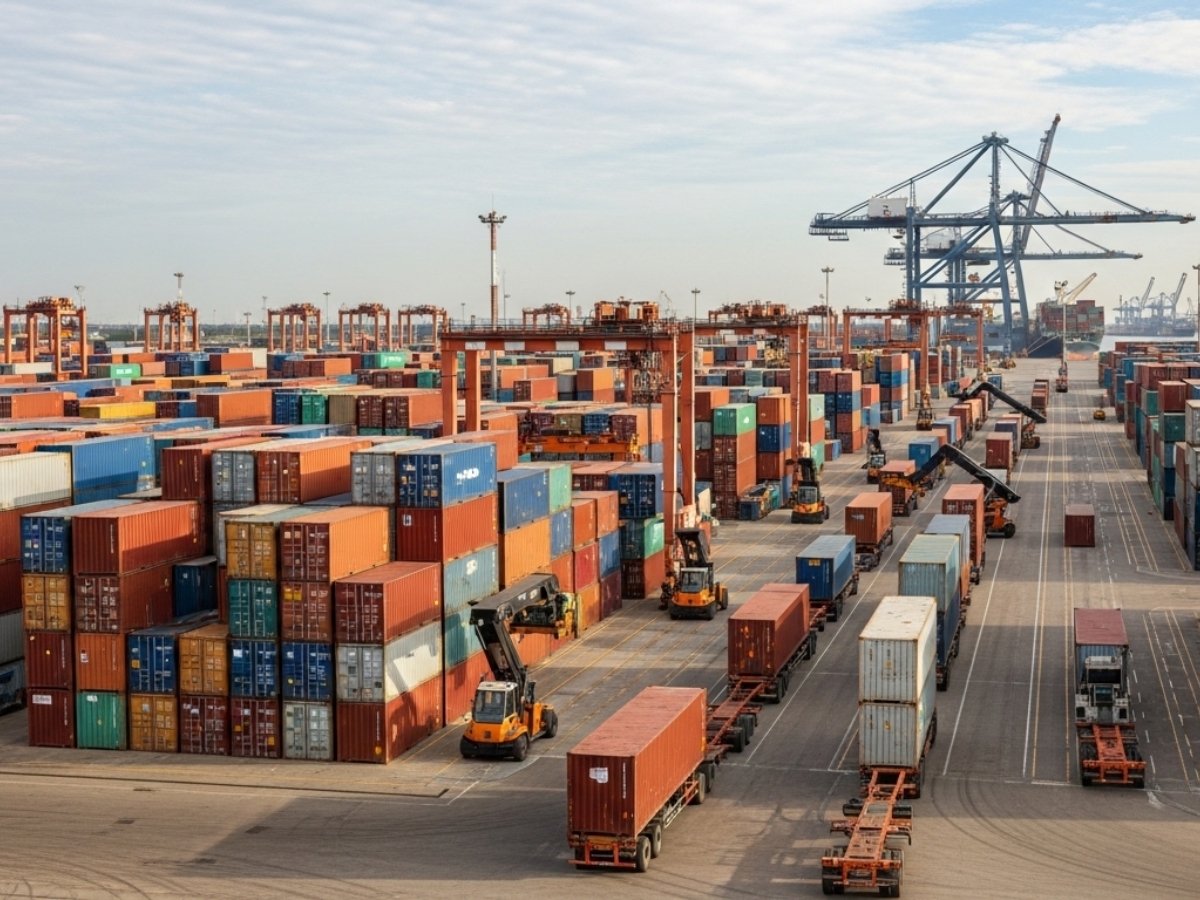
An EXIM-linked asset near JNPA is not just any industrial or warehouse property sitting in Uran, Dronagiri, or Panvel-side belts. In practical terms, it should connect meaningfully to import-export movement, customs processes, storage compliance, or container ecosystem requirements.
Cold storage and reefer-linked facilities
Cold storage is not simply “a warehouse with cooling.” Near JNPA, it usually means a technical facility for temperature-sensitive cargo such as frozen food, chilled produce, dairy-linked stock, meat, seafood, pharma, or reefer-dependent supply chains. FSSAI guidance requires proper temperature discipline, and it explicitly states frozen food storage should be -18°C or below. That means this category is far more engineering-heavy than a standard warehouse.
Container yards, empty yards, and repair-handling formats
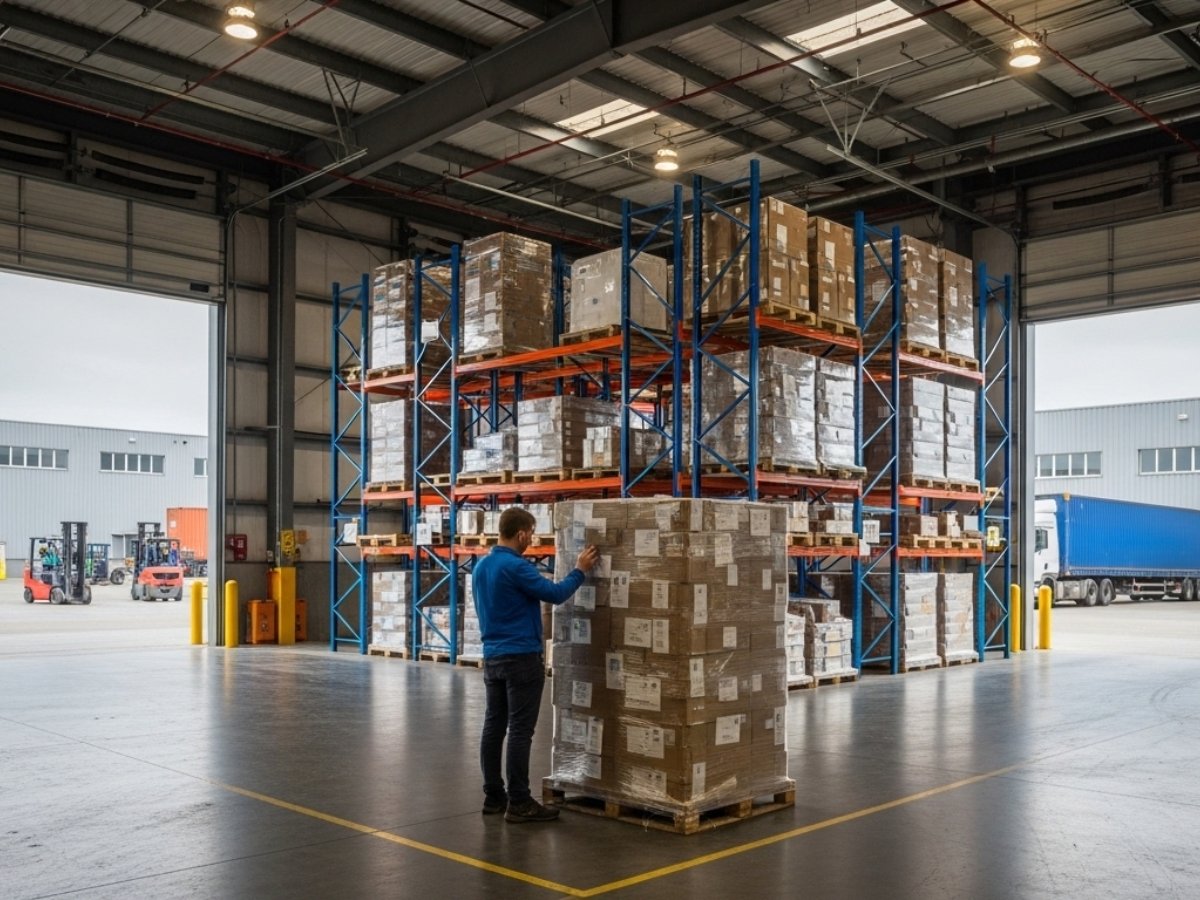
Container yards are not ordinary open plots. They are staging, storage, repair, cleaning, or handling spaces for empty or loaded containers, and their commercial value depends heavily on truck flow, stacking logic, yard discipline, flooring quality, and closeness to the container ecosystem. JNPA itself floated an auction in 2025 for an Automated Empty Container Yard for handling, storage, repair, and cleaning of empty ISO shipping containers, which shows this is a real operating category, not a theoretical one.
Broader EXIM-linked assets such as bonded, FTWZ, and customs-facing warehousing
This is the broadest bucket, and also the one most easily misused in marketing. In reality, EXIM-linked assets may include bonded warehousing, FTWZ-type setups, customs-facing storage, or manufacturing and warehousing under customs-linked frameworks. Under the Customs Act, public, private, and special warehouses are separately recognized under Sections 57, 58, and 58A. So if someone says “EXIM warehouse,” the next question should be: what kind, under which framework, and for which cargo or user?
What does not automatically count? A random godown, a speculative plot, or a generic industrial shed with weak access and no customs, port, reefer, or container logic behind it.
Which of these asset types usually has the strongest real demand near JNPA?

In most practical cases, container-linked support assets and broader port-facing warehousing formats have deeper natural demand than cold storage.
That is because JNPA’s scale is already proven. It is handling record throughput, remains India’s leading container port, and sits next to a functioning SEZ ecosystem with FTWZ and industrial occupier activity. So assets that directly support the port’s container and EXIM rhythm usually have the strongest base-case logic.
Cold storage can still work, but it is narrower. It is strongest where there is a clear reefer, perishable, food-processing, or pharma-oriented use-case. Without that, cold storage becomes an expensive box searching for a problem to solve. It is not enough to say, “the port is nearby, so frozen logistics will come.”
The weakest bucket, in many cases, is the vague one: “EXIM-linked asset” sold without a defined user story. That phrase sounds strong, but unless it is tied to actual customs-linked operations, container handling needs, or a clear warehousing model, it can become a loose label rather than a reliable business case.
Which businesses or buyers are actually the right fit for each asset type?
This is where the article becomes useful. The right question is not only “is the asset good?” It is “good for whom?”
Operator-led users
Cold storage near JNPA usually fits:
- food import-export businesses
- perishable agri exporters
- seafood or frozen protein supply chains
- pharma and controlled-temperature users
- operators who can manage uninterrupted temperature control, dock handling discipline, backup systems, and technical maintenance
Container yards usually fit:
- shipping-linked operators
- container handling and repair businesses
- logistics companies with box movement needs
- operators who understand yard planning, turn time, flooring, and trailer movement
Investor-led buyers
For investors, the pecking order is different.
A passive investor generally understands a leased warehouse faster than a cold chain plant or a container yard. Cold storage and yard assets can be strong, but they are usually operator-dependent asset classes, not easy passive-rent products. That distinction matters a lot.
Businesses that should lease, not buy
If the user is still testing cargo flow, volume consistency, or customer mix, leasing is often smarter than buying. This is especially true in cold storage, where a wrong capex decision can lock money into an underused technical facility. It is also true for yard formats where utilization depends on real movement, not just land ownership.
Which belts near JNPA make more sense for cold storage, container yards, and EXIM support assets?
This belt should be read pocket by pocket, not as one giant port halo.
Dronagiri-side and JNPA SEZ influence
This is the clearest port-facing logic zone. JNPA’s SEZ is already operational, has its own DCPR framework, and has seen substantial land allotment. Because it is inside a more structured industrial-port ecosystem, it makes the most sense for serious EXIM-linked users, FTWZ-type logic, specialized warehousing, and businesses that genuinely need to stay close to port workflows.
For cold storage, this side is attractive only when the business truly needs sea-linked import-export movement or a fast connection into a multimodal chain. For container yards, this belt has much more natural logic because it is tied directly to box movement and port adjacency.
Uran-side and approach-road logic
Uran-side and nearby approach belts can suit land-intensive logistics formats, but the buyer must be careful. This is where people often start buying based on “future growth” instead of current operating fit. Some pockets can work well for yards, parking, support land, or spillover logistics use. Others are just speculative land stories wearing logistics language.
Panvel-side support corridors
Panvel-side and broader inland support corridors are not as “port-front” in feel, but that does not make them weak. For many occupiers, especially those balancing port linkage with inland distribution, labor reach, airport connectivity, and larger belt access, Panvel-side logic can actually be more practical than forcing everything right beside JNPA.
This is one of the big ground realities in Navi Mumbai. The most suitable location is not always the one with the strongest port headline. Sometimes it is the one that better balances sea access with distribution flexibility.
Why “near port” is not enough to make an EXIM-linked asset work
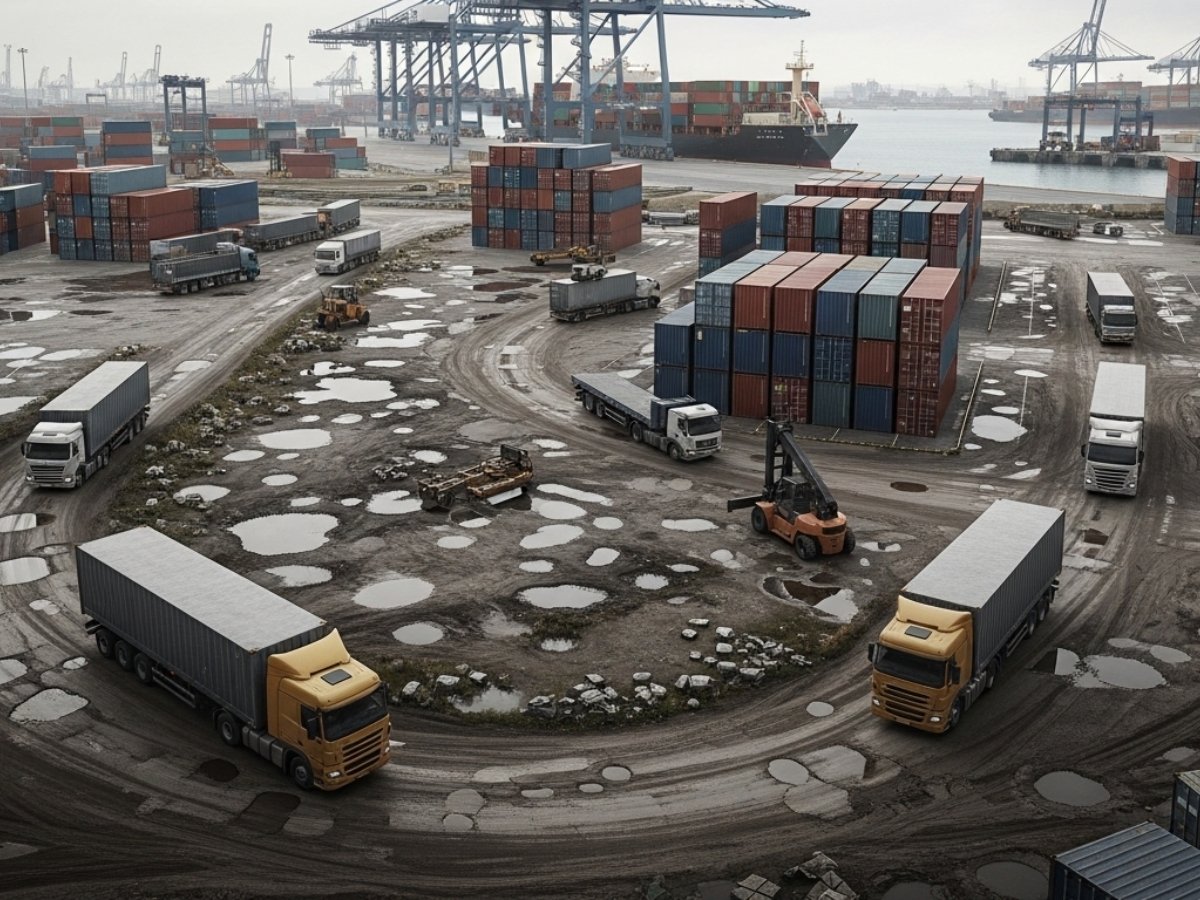
This is the trap line in this entire category.
A property can be near JNPA and still be the wrong EXIM asset because of:
- weak internal road geometry
- poor truck turning movement
- drainage or monsoon vulnerability
- insufficient holding area
- power instability
- no real cargo-fit
- wrong compliance readiness
- no operator tie-up
The JNPT connectivity story is definitely improving. Government-backed road connectivity works to link the port include the Karal Phata interchange, Gavan Phata interchange, NH-348 sections, and NH-4B works. NMIA now adds another major layer, with Phase 1 designed for 20 million passengers per annum, creating a stronger air-sea logistics story in the region. But better macro-connectivity does not rescue a bad micro-asset.
That is the real difference between a good EXIM property and a good sales pitch.
Conclusion
investing near JNPA only works when you match the right asset to the right location and real demand. Cold storage is useful only if there is steady perishable cargo and strong connectivity, otherwise it becomes expensive to maintain. Container yards usually make more sense because they directly depend on port activity and logistics movement, especially in well-connected areas. EXIM-linked assets can also work, but only where there is proper support like transport, customs, and tenant demand. So instead of following hype, the smart approach is to focus on what actually functions well on the ground in that specific micro-location.