
Navi Mumbai Residential Real Estate Guide
Navi Mumbai is not one single residential market. A flat in Vashi, a tower in Seawoods, a project in Kharghar, a new launch in Ulwe, and an affordable unit in Taloja can all behave very differently in price, liveability, rental demand, legal comfort, and future upside. The right choice depends on five things first: your budget, your commute direction, whether you want ready or under-construction stock, your self-use versus investment goal, and how much uncertainty you can tolerate.
What makes Navi Mumbai residential real estate different from Mumbai, Thane, and other nearby markets?
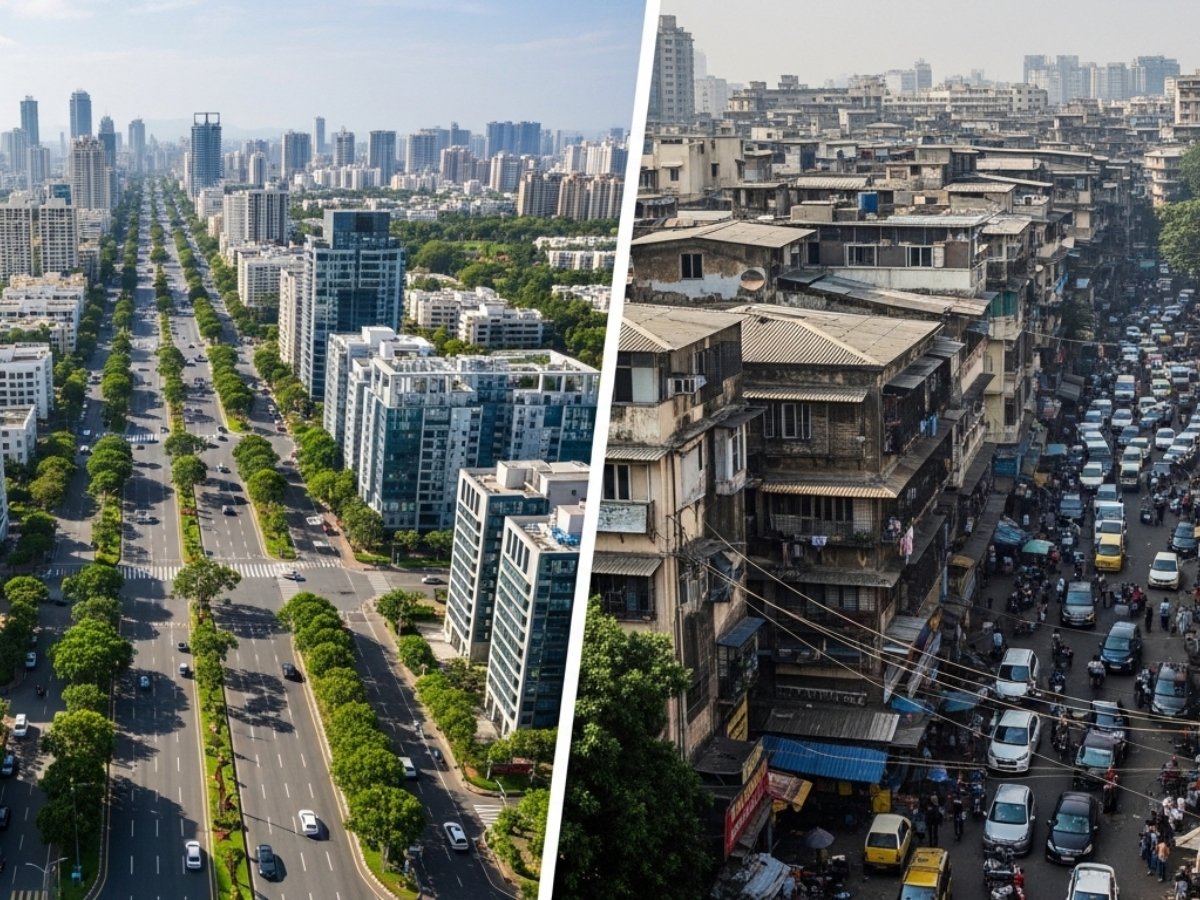
The biggest difference is simple: Navi Mumbai was planned, but it is not uniform. That matters.
Unlike Mumbai, where space is tight and many micro-markets are shaped by old congestion patterns, Navi Mumbai gives buyers a wider range of layouts, road widths, township formats, and sector planning. Unlike Thane, where growth often feels more organic and patchy, Navi Mumbai still carries the legacy of CIDCO planning, node-based development, and clearer spatial structure.
But that planning history also creates a more complicated buying process. Land history, authority control, civic experience, and transfer rules can change from one belt to another.
Quick market summary
| Market lens | Navi Mumbai reality |
|---|---|
| City structure | Planned city, but deeply fragmented by node and authority |
| Best known advantage | Better space-value ratio than Mumbai in many segments |
| Main buyer mistake | Treating all nodes as the same market |
| Key authority split | CIDCO legacy planning, NMMC-managed mature nodes, PMC-side growth belts |
| Best for | Buyers who compare areas practically, not emotionally |
| Biggest hidden issue | Utility, legal, and all-in cost differences between nodes |
| Core rule | Good on map is not always good for living or investing |
In practice, Navi Mumbai works best for buyers who want more clarity, more space, and better road-station balance than Mumbai, but are willing to do more node-level homework before committing.
Which type of buyer is Navi Mumbai actually best for?
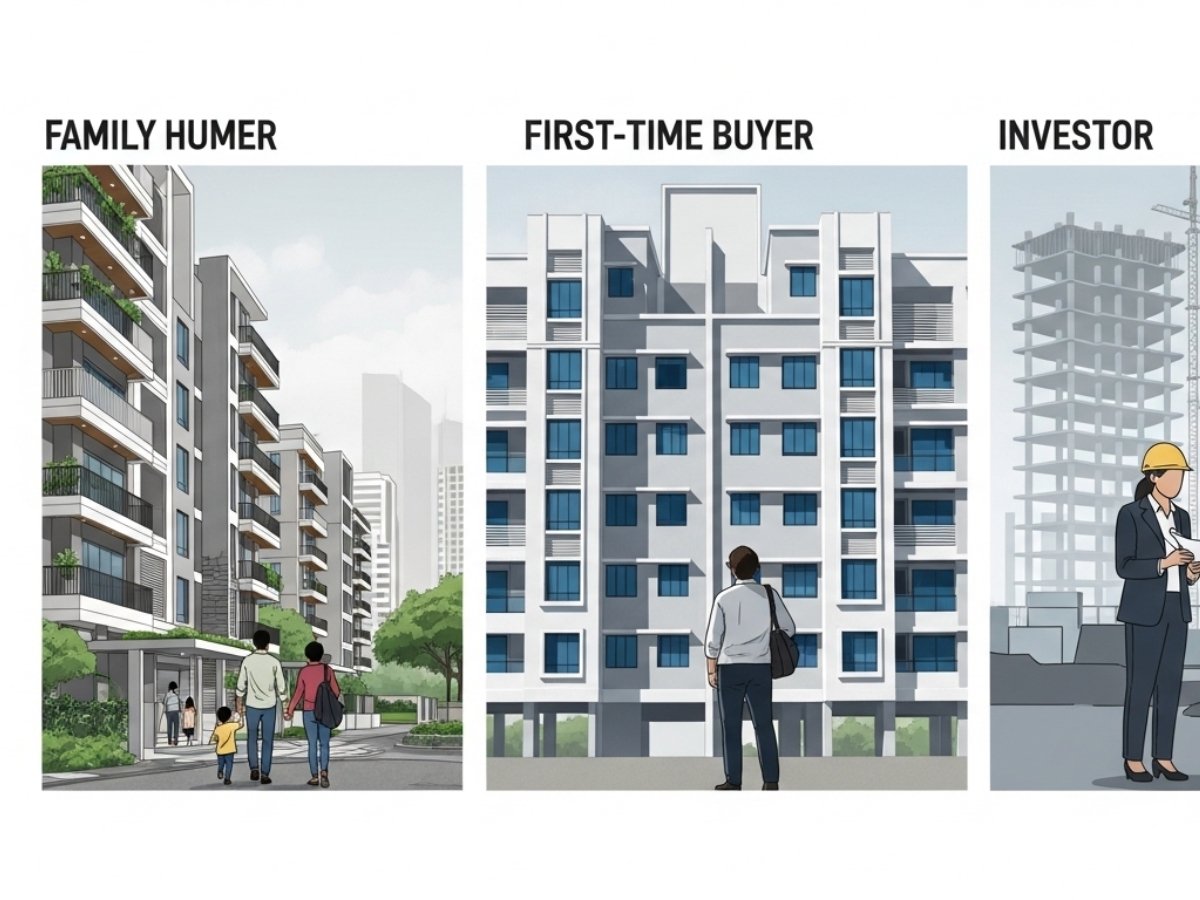
Navi Mumbai suits some buyers extremely well and disappoints others quickly.
Families looking for space, schools, and daily convenience
Families usually do best in mature nodes such as Nerul, Seawoods, and parts of Vashi. These areas offer stronger day-to-day predictability: established schools, hospitals, markets, station access, and better resale comfort. The trade-off is price. In many cases, you pay more for stability than for future upside.
First-time buyers trying to escape Mumbai pricing pressure
This group often moves toward Kharghar, Panvel-side projects, Ulwe, and Taloja. These areas can offer better carpet area for the budget, newer stock, and more project choice. But affordability on paper can hide water issues, commute friction, or possession risk.
Investors seeking appreciation versus investors seeking rental stability
These are two different games.
If the goal is rental continuity, Airoli, Ghansoli, Kharghar, Nerul, and some Seawoods pockets are stronger because they already have working ecosystems. If the goal is long-hold appreciation, Ulwe and Panvel-side belts may look more attractive, but only for buyers who accept current civic gaps and longer market maturation.
Who should be careful? A buyer who wants low risk, immediate comfort, and limited surprise cost should not blindly chase airport-influence or brochure-heavy new launch stories.
How should you divide Navi Mumbai before choosing an area?
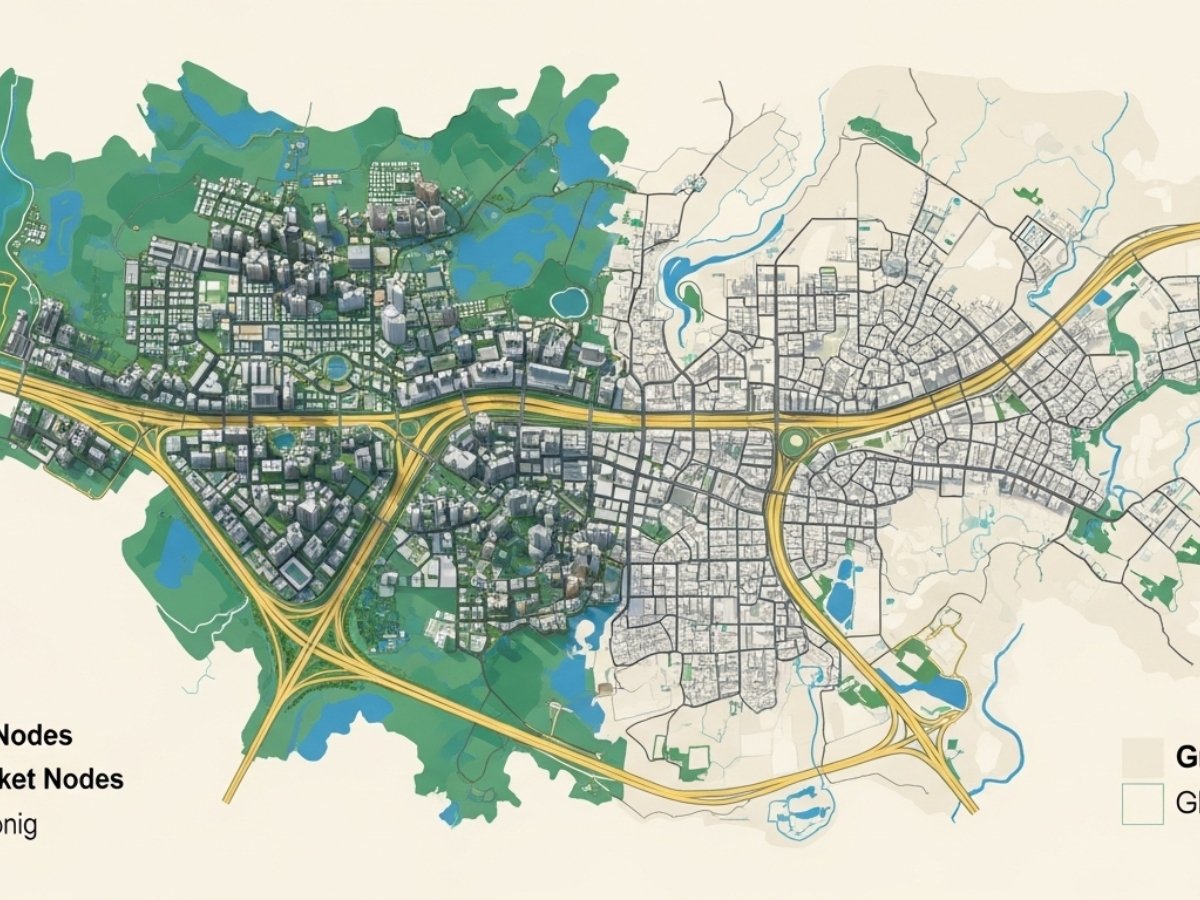
Before comparing areas, divide the city into three practical buckets.
Mature residential nodes with stronger liveability and resale comfort
These include Vashi, Nerul, and Seawoods. They are more established, more expensive, and generally easier to understand as living markets. Social infrastructure is stronger. Resale comfort is usually better. The drawback is that a lot of stock is older, and older buildings need sharper scrutiny around condition, society finances, maintenance burden, and redevelopment dynamics.
Mid-market nodes balancing price and practicality
Kharghar, Airoli, and Ghansoli sit in this bucket, though each behaves differently. Kharghar is broader, more aspirational, and more mixed. Airoli and Ghansoli are more commuter- and office-linked in residential logic. These areas often balance practicality and price better than premium mature nodes, but not all problems disappear here.
Growth belts shaped by Panvel-side expansion, airport influence, and new launches
Ulwe, Panvel, and Taloja fall into this category. These are not fake growth stories, but they are also not finished residential ecosystems everywhere. They can make sense for entry-level buyers and patient investors. Still, this is where buyers are most likely to get trapped by optimistic projections, underpriced base quotes, and civic underdevelopment.
Which Navi Mumbai nodes make the most sense for self-use, rental income, and long-term investment?
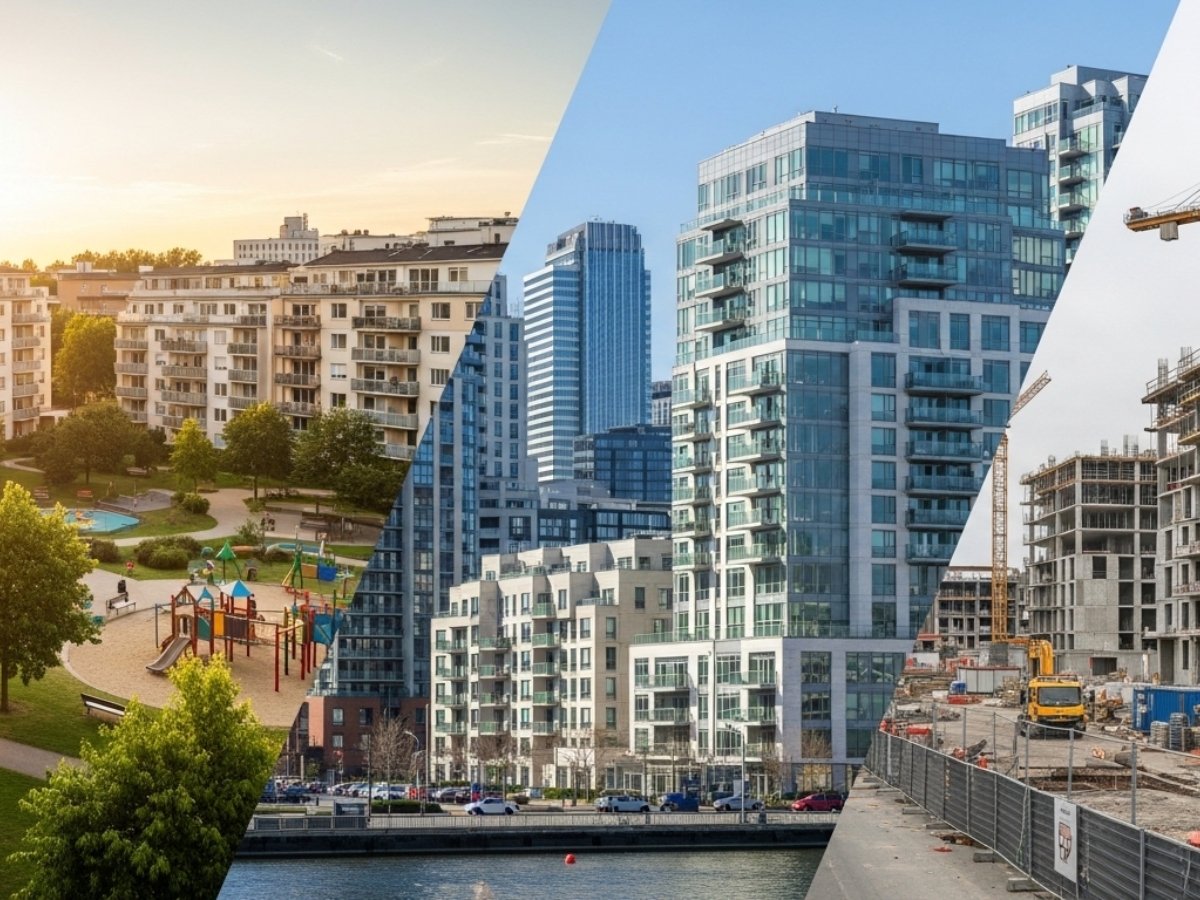
This is where many articles become useless. A “good area” is not automatically good for every objective.
| Objective | Better-fit nodes | Why they fit | Who should avoid |
|---|---|---|---|
| Self-use stability | Nerul, Seawoods, Vashi | Mature infrastructure, family comfort, resale confidence | Buyers chasing lowest entry cost |
| Rental continuity | Airoli, Ghansoli, Kharghar, Nerul | Corporate pull, education demand, deeper tenant flow | Investors expecting explosive appreciation quickly |
| Long-term growth hold | Ulwe, Panvel, selective Kharghar, selective Taloja Phase 2 | Infrastructure-led upside, new launch concentration, lower entry in some pockets | Buyers needing immediate comfort and zero uncertainty |
| Budget-led end use | Panvel, Taloja Phase 2, some Ulwe pockets | Better space for budget, newer projects | Buyers who cannot tolerate utility or infrastructure gaps |
Best fit for self-use stability
Nerul and Seawoods are often easier to recommend to family buyers than hype-heavy growth belts. They are not cheap, but the daily living equation is stronger. Vashi also remains solid, especially for buyers who value connectivity and an established neighbourhood feel over shiny new towers.
Best fit for rental demand and tenant continuity
Airoli and Ghansoli benefit from the office and industrial-corporate ecosystem on the Thane-Belapur side. Kharghar also stays relevant because of institutional pull, educational demand, and its broad residential base.
Best fit for future-growth buyers with patience
Ulwe and Panvel remain the classic patience markets. They can reward a long holding period, but they should not be treated as plug-and-play family destinations in every pocket yet.
How do Kharghar, Nerul, Seawoods, Vashi, Panvel, Ulwe, Taloja, Airoli, and Ghansoli differ in residential logic?
| Node | Main residential logic | Typical strength | Main caution |
|---|---|---|---|
| Kharghar | Upgrade node with township feel and wide planning | Good mix of self-use, education, and medium-term growth | Utility strain and water stress in some pockets |
| Nerul | Balanced mature family node | Strong liveability, schools, resale comfort | Premium pricing in better pockets |
| Seawoods | Premium transit-oriented family-professional market | Station linkage, lifestyle, stronger brand value | Higher entry cost and maintenance burden in premium complexes |
| Vashi | Mature gateway node with established life infrastructure | Connectivity, convenience, older spacious stock | Aging buildings and renovation/redevelopment decisions |
| Panvel | Expansion belt with broad price range and future integration logic | Entry flexibility, township stock, long-term upside | Micro-location quality varies sharply |
| Ulwe | Airport- and MTHL-influenced growth market | Appreciation story, newer stock, strategic location | Water and ecosystem maturity remain uneven |
| Taloja | Budget housing and affordability market | Lower entry point, project inventory depth | Phase-specific air quality and liveability issues |
| Airoli | Corporate-linked commuter node | Rental depth, work connectivity | Less “lifestyle premium” than top family nodes |
| Ghansoli | Mixed office-residential demand zone | Tenant continuity, practical commuting | Not every sector has equal residential quality |
A useful shortcut is this:
- For settled living: Nerul, Seawoods, Vashi
- For practical mid-market balance: Kharghar, Airoli, Ghansoli
- For future-growth appetite: Ulwe, Panvel
- For budget-led buying: Taloja Phase 2, selective Panvel-side belts
Should you buy ready-to-move property or under-construction property in Navi Mumbai?
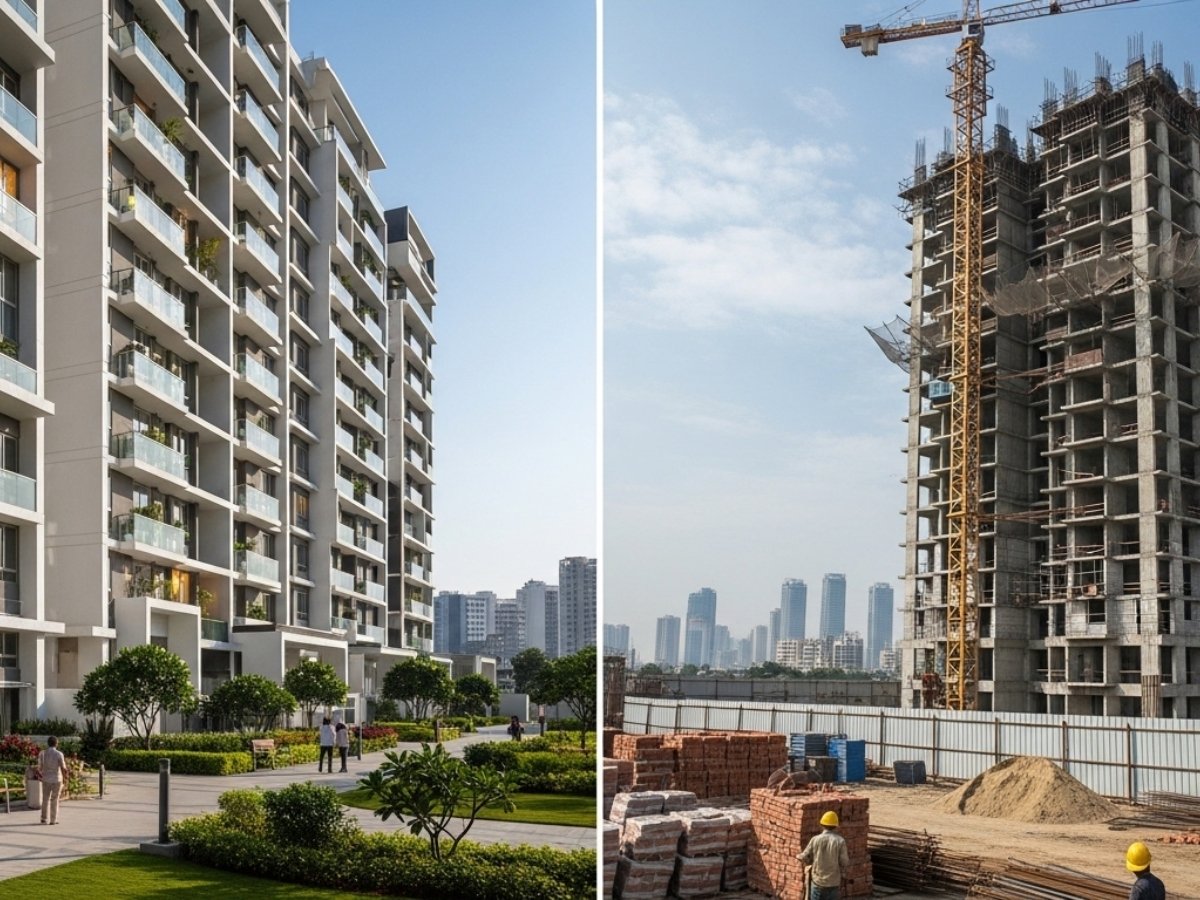
For most end-users in Navi Mumbai, ready-to-move is the safer answer.
Where ready stock makes more sense
Ready stock works better in mature nodes and for buyers who value legal clarity, possession certainty, and actual inspection. In resale, you can see the building condition, society quality, parking reality, water availability, and real maintenance culture. That matters more than brochure aesthetics.
Where under-construction can still be rational
Under-construction can still make sense in Panvel, Ulwe, and selective Kharghar or Taloja projects where you are deliberately buying future inventory at an earlier stage. But this only works when the project has strong legal visibility, live site progress, realistic timelines, and your own cash-flow tolerance is strong.
What MahaRERA and possession-stage checks should change your decision
Do not rely on launch marketing. Verify the project on MahaRERA first. Check active registration, timeline, disclosed approvals, and progress reporting. A buyer in 2026 also has to be more careful because lapsed and non-compliant projects have become a serious regulatory issue.
Ready vs under-construction decision box
Choose ready stock if:
- you are buying for self-use
- you want low risk
- you are already paying rent
- you care more about liveability than launch-stage upside
Choose under-construction only if:
- you are comfortable with delay risk
- you can audit MahaRERA status properly
- you understand total cost escalation
- you are buying with a 5-10 year view, not a 12-month fantasy
What actually drives residential value in Navi Mumbai beyond brochure claims?
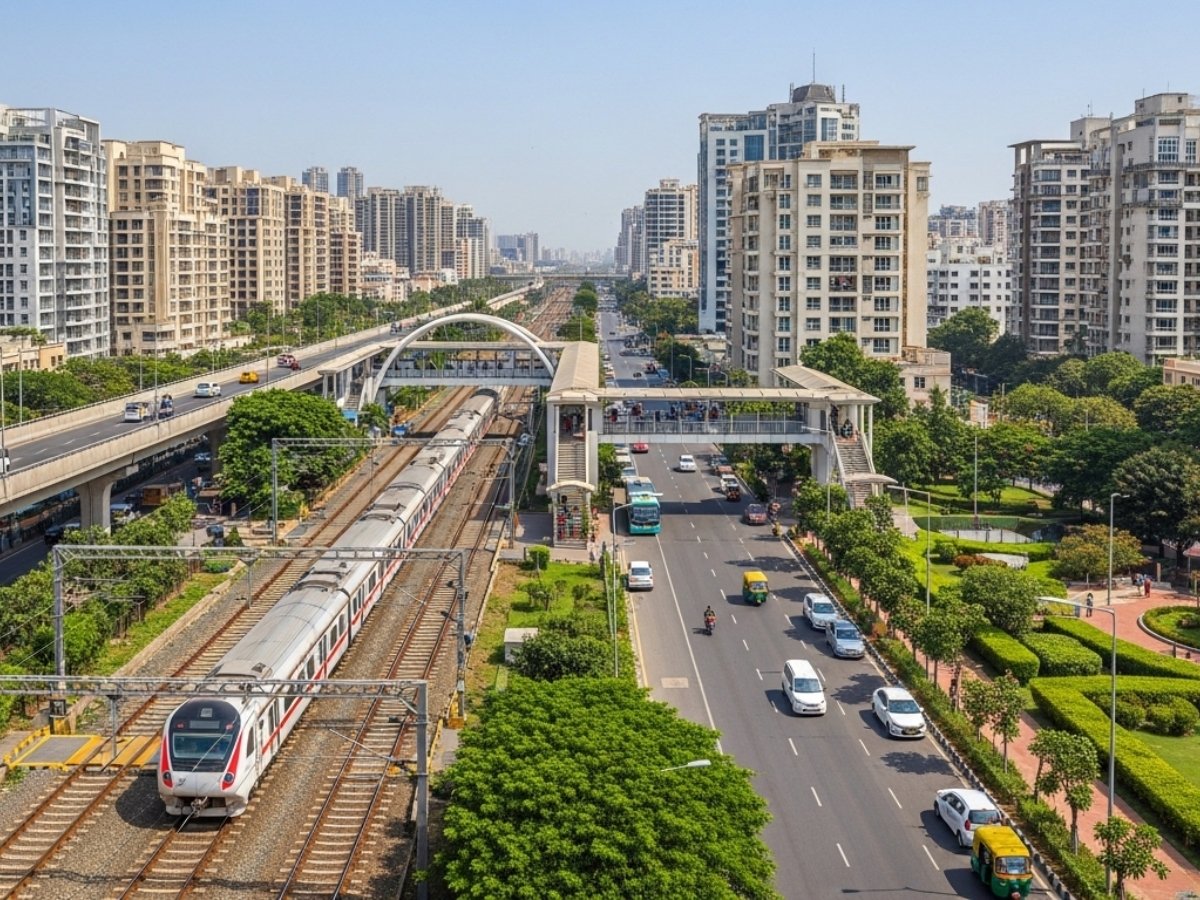
The real value drivers are more boring and more powerful than marketing slogans.
Railway and station access
Station-linked convenience still matters deeply. Seawoods proves this clearly. So do parts of Nerul, Vashi, and commuter-led belts. Daily friction reduction supports both self-use value and rental resilience.
Palm Beach, Sion-Panvel, Thane-Belapur, and road-link practicality
Road names sound impressive in ads, but the question is operational access. Does the road actually reduce your daily travel pain? Does it help your work direction? Does it create reliable connectivity or only a map premium?
Metro, airport, and major infrastructure influence without overhyping it
Yes, metro and airport matter. But not equally for every node.
The Navi Mumbai Metro improves the Kharghar-Taloja belt logic more directly than it improves Vashi or Airoli daily life. The airport and Atal Setu have stronger direct relevance for Ulwe and Panvel-side buyers than for established northern nodes. Paying an “infrastructure premium” only makes sense when the infrastructure actually changes your own utility or the area’s long-term demand base.
Daily life factors: schools, hospitals, markets, open space, and flooding sensitivity
This is where real decisions are won.
A family will usually gain more from reliable schools, a hospital network, and functional retail than from speculative airport storytelling. Similarly, localized waterlogging or unreliable water supply can quietly damage both quality of life and resale value over time.
How should buyers read property pricing in Navi Mumbai without getting misled?
The base rate is not the real cost. This is one of the biggest traps in the market.
A quoted rate may refer to a new launch, a specific floor, a smaller carpet configuration, or a headline-ready project that becomes much more expensive once parking, PLC, floor rise, GST, stamp duty, registration, and maintenance are added.
Why one node never has one true rate
Every node has stock variation. A premium tower near a key road or station and an older building in the same node are not the same product. Even within the same locality, liveable, legally clean, and well-maintained stock may command a very different rate from a weak building with unclear paperwork or poor society management.
New launch pricing versus usable resale pricing
In many cases, resale gives more truth. You can see what you are buying. A new launch may offer freshness and future upside, but resale often offers better clarity on carpet utility, neighbourhood behaviour, and actual occupancy quality.
Carpet area, parking, floor rise, PLC, and all-in cost traps
A practical buyer should always ask for the full all-in number, not just the advertised figure.
What legal and authority checks matter before booking or buying a home here?
This is the most important section in the guide. Many buyers lose money not because they chose the wrong node, but because they skipped the right checks.
What to check on MahaRERA
For under-construction property, verify:
- active registration
- promised completion timeline
- quarterly progress updates
- uploaded approvals and disclosures
- whether the project shows any serious compliance concern
When CIDCO matters and why buyers should not ignore it
CIDCO matters because large parts of Navi Mumbai carry legacy planning and land-allotment structures linked to CIDCO. In resale, buyers must understand whether the property still carries leasehold implications, whether transfer charges apply, and whether any freehold conversion has actually been completed.
Do not assume all old CIDCO-related complications have vanished just because a policy exists.
How IGR Maharashtra helps as a valuation anchor, not truth of deal quality
Ready reckoner or ASR values are useful. They help you understand government valuation logic for stamp duty and certain statutory calculations. But they do not tell you whether a deal is smart, a building is strong, or the society is healthy.
Why OC, society status, conveyance, and actual possession condition matter in resale
A resale flat is not safe simply because someone is already living there. You still need to verify:
- Occupancy Certificate
- title chain
- society records and dues
- share certificate, where applicable
- parking status
- maintenance dues
- actual possession condition
- whether the building is functionally aging beyond what the price justifies
What are the most common mistakes residential buyers make in Navi Mumbai?
The first mistake is buying the story instead of the asset.
The second is ignoring commute direction. A home that looks good on Sunday may become a daily burden on Tuesday.
The third is underestimating utility reality. Water problems, monsoon sensitivity, or pollution impact may not show in the sales office.
The fourth is misreading affordability. Buyers stretch for the booking amount but ignore parking, floor rise, PLC, maintenance, society charges, future repair costs, and CIDCO-side transfer liabilities where relevant.
The fifth is assuming all emerging nodes will mature at the same pace. They will not.
If your budget is limited, where should you compromise and where should you not?
Limited budget does not mean bad buying. It means disciplined buying.
Compromise on flat age, not on legal clarity
An older but legally comfortable flat in a better micro-market is often smarter than a flashy under-construction promise with weak verification.
Compromise on amenities, not on commute fit
Clubhouses impress during visits. Commute pain destroys satisfaction slowly. Choose accordingly.
Compromise on future upside claims, not on present liveability
Do not pay extra only because someone says airport, metro, or growth corridor. Pay extra only if the property still works without that promise.
What is the smartest way to shortlist a residential property in Navi Mumbai in 2026?
Use this shortlist framework:
1. Define your purpose first: self-use, rent, or long-hold investment. 2. Lock your real all-in budget, not just agreement value. 3. Choose node by commute direction, not social media hype. 4. Separate ready stock and under-construction stock clearly. 5. For under-construction, verify MahaRERA before token. 6. For resale, verify OC, title chain, society dues, and transfer implications. 7. Visit at real-life timing, not only weekend daylight. 8. Check water reliability, approach roads, and monsoon vulnerability. 9. Compare maintenance burden, not just EMI. 10. Shortlist only properties that still make sense even if future infrastructure takes longer than expected.
Conclusion
The smartest way to use Navi Mumbai residential real estate in 2026 is to stop thinking of it as one market. Mature nodes like Nerul, Seawoods, and Vashi are stronger for stable living. Airoli, Ghansoli, and Kharghar work better where rental, commute, and mid-market practicality matter. Ulwe, Panvel, and selective Taloja or growth belts suit buyers who have patience and can handle transition-stage uncertainty.
So do not ask only, “Which is the best area?” Ask the better question: “Which node matches my budget, commute, stock preference, legal comfort, and purpose?” Once you answer that honestly, Navi Mumbai becomes much easier to shortlist and much harder to regret.
FAQs
Frequently Asked Questions