

Best Areas to invest in Navi Mumbai
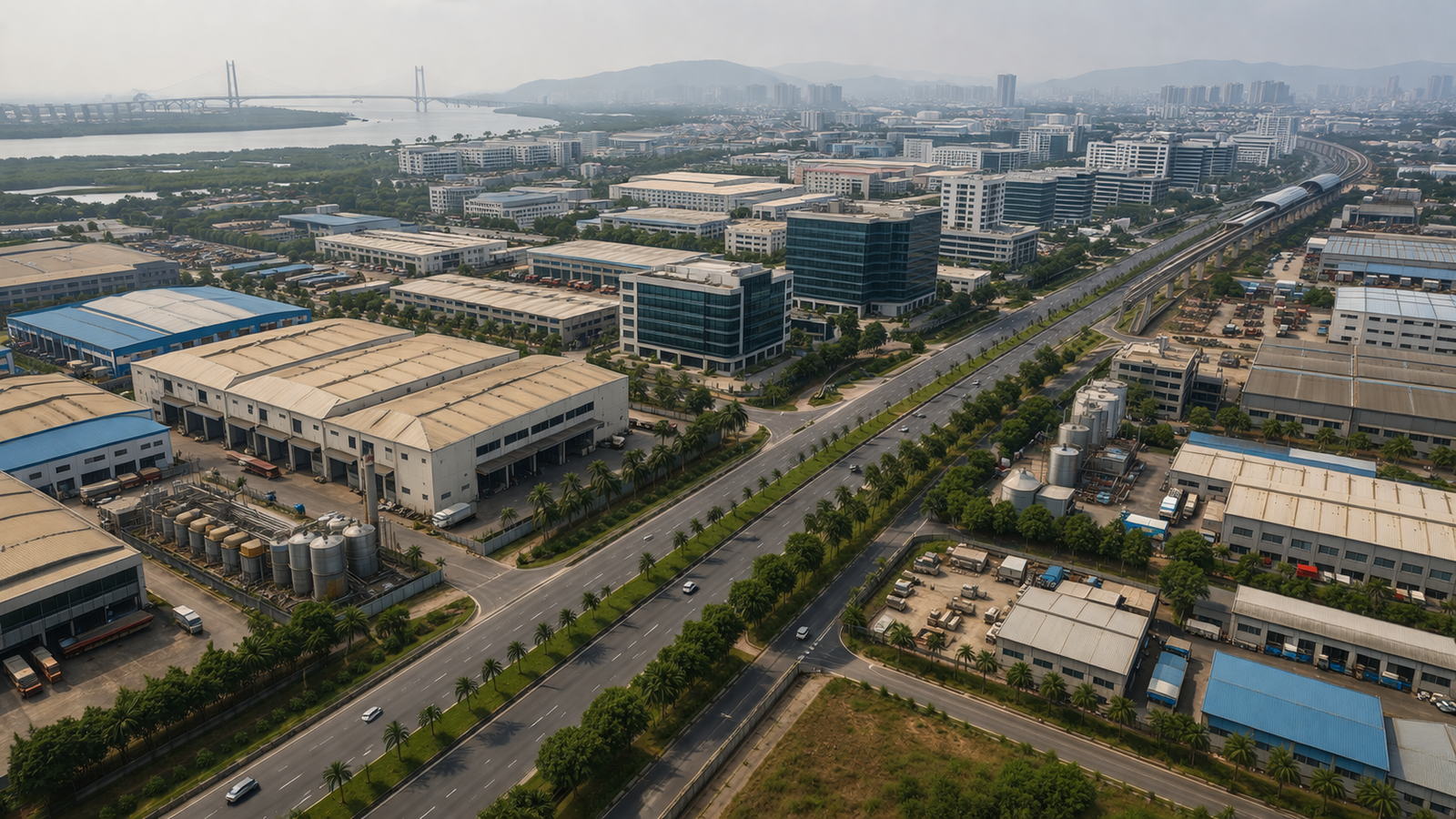
The best areas to invest in Navi Mumbai residential property are not the same for every buyer. In 2026, Ulwe usually stands out for airport-linked long-term upside, Panvel for broad transport-led growth, Kharghar for the best end-use plus investment balance, and Nerul or Seawoods for stability and rental confidence. Taloja and other lower-entry areas can work, but only for selective buyers who fully understand the civic and project-level risks.
Navi Mumbai is no longer a market where people are buying only on future promises. The airport is operational. The Atal Setu is already changing commute patterns. Metro Line 1 is already part of daily movement in the Kharghar-Belapur-Taloja belt. That changes the answer completely.
Today, the real question is not simply where to invest in Navi Mumbai. The real question is what kind of investment you want. Do you want stronger appreciation, more dependable rental demand, lower-risk wealth preservation, or a practical home that can also grow in value over time? Once that is clear, the shortlist becomes much sharper.
Which areas are actually the best to invest in Navi Mumbai residential property right now?
| Area / Node | Approx. 2026 Price Band | Typical Strength | Best For | Main Caution |
|---|---|---|---|---|
| Ulwe | ₹8,000 – ₹16,600/sq ft | Airport-led long-term upside | Appreciation-focused buyers with medium risk tolerance | Sector quality varies sharply |
| Panvel (New) | ₹10,000 – ₹15,000/sq ft | Broad regional connectivity | Budget-conscious long-term investors | Need micro-location filtering |
| Kharghar | ₹14,000 – ₹21,000/sq ft | Strong balance of livability and growth | End users who also want upside | Premium pockets can be expensive |
| Seawoods | ₹18,000 – ₹26,000/sq ft | Strong rental liquidity | Yield-focused premium investors | High entry ticket |
| Nerul | ₹16,000 – ₹24,000/sq ft | Stable lifestyle and long-term compounding | Wealth preservation and mature-market buyers | Lower upside than emerging corridors |
| Vashi | ₹18,000 – ₹28,550/sq ft | Premium centrality and preservation | High-budget conservative buyers | Yield is decent, but entry cost is high |
| Pushpak Nagar | ₹7,000 – ₹13,000/sq ft | Early airport-linked potential | Higher-risk long-hold investors | Social infrastructure is still developing |
| Taloja | ₹6,000 – ₹10,000/sq ft | Low entry point | Only highly selective budget buyers | Serious water and civic stress |
So, if someone asks for the best places to buy property in Navi Mumbai, the honest answer is this:
- For capital appreciation: Ulwe, selected Kharghar pockets, Pushpak Nagar
- For rental confidence: Seawoods, Nerul, Vashi
- For balanced end-use plus investment: Kharghar
- For broad long-term growth at a lower budget: New Panvel belt
- For very low-budget entry with high caution: Taloja and similar peripheral belts
Why there is no single best area in Navi Mumbai for every property investor
A lot of weak real estate articles make the same mistake. They assume that if an area has one growth trigger, it is automatically a good investment for everyone. That is not how Navi Mumbai works in 2026.
Capital appreciation, rental income, and stability are not the same thing
An area that gives stronger appreciation may not give easy rental income today. An area that gives very strong rental demand may not give explosive price growth. A mature premium node may protect wealth well, but not multiply it as fast as an emerging corridor.
This is why Seawoods and Ulwe should not be judged by the same lens. Seawoods works because of stable demand, premium tenant profile, and low vacancy logic. Ulwe works because the airport and connected transport infrastructure have pushed it from speculation into actual absorption, but its internal quality still changes sector by sector.
Mature nodes and growth corridors reward buyers differently
NMMC-administered mature belts such as Vashi, Nerul, and Seawoods usually offer stronger civic comfort, better public-space quality, more dependable water and waste systems, and faster tenant acceptance. Emerging CIDCO-led or Panvel-side growth areas often offer better entry points and stronger upside potential, but they can still come with friction around utilities, roads, or social infrastructure.
In simple words, the more upside you chase, the more selective you need to be.
Ulwe: Is it still the strongest airport-led residential investment story?
Yes, Ulwe is still one of the strongest airport-linked residential investment stories in Navi Mumbai, but only if you stop treating it as one uniform market.
The airport started operations on 25 December 2025 and moved into 24-hour operations in February 2026. That matters because Ulwe is no longer being sold only on a future narrative. It is now being pulled by actual proximity logic. Aviation staff, airport-linked service workers, logistics-linked demand, and buyers who want to position themselves near that ecosystem are all part of the story now.
Where Ulwe still looks strong
Ulwe remains attractive because it sits at the point where multiple demand stories meet: airport access, Atal Setu influence, suburban rail access through pockets linked to Bamandongri and Kharkopar, and the upcoming Ulwe Coastal Road.
The Ulwe Coastal Road, which was around 60 percent complete in early 2026, matters more than many people realise. Once it becomes operational, some sectors will benefit far more than others because direct access to the airport-side movement corridor changes both convenience and liquidity.
This is why Ulwe property investment still makes sense for buyers who want long-term appreciation and can handle a market that is still uneven internally.
Where the Ulwe story gets overstated
Not every part of Ulwe is equally investable. This is where many outside buyers go wrong.
A flat in a better-connected sector near working roads and station access is a very different product from a flat in a deeper internal sector dealing with construction chaos, dumper movement, broken access roads, or uneven utilities. Just because the airport is working does not mean all local civic problems have vanished.
Caution box: Ulwe is a strong long-term growth area, but buyers should not buy on the words “airport nearby” alone. Sector-level filtering matters. Internal roads, rail access, surrounding density, and actual livability matter more now than they did in the speculation phase.
Panvel: Does wider regional connectivity make it a smarter long-term bet than pure airport hype?
For many buyers, yes. Panvel is often the smarter long-term bet if you want broader, more diversified growth rather than a single-theme airport story.
Panvel’s strength is that it is not dependent on one project. Its value comes from being a regional gateway. The Mumbai-Pune Expressway, Sion-Panvel corridor, rail importance, planned Panvel-Karjat connection, logistics activity, and NAINA-linked expansion together create a wider base of demand.
Why Panvel works beyond one infrastructure theme
This is what makes Panvel different from highly narrative-driven markets. Even if one project takes time, Panvel still retains relevance because its geography itself is strategic. It connects people, goods, and longer-distance movement. That makes Panvel property investment more resilient than many brochure-heavy stories in the MMR.
This is especially important for buyers who want exposure to long-term Navi Mumbai growth but do not want to rely only on airport adjacency as the reason for buying.
Which type of buyer usually fits Panvel best
Panvel suits:
- buyers with moderate budgets
- families who want a growth corridor with usable long-term relevance
- investors who prefer broader infrastructure backing over sharp hype cycles
- people willing to hold for the medium to long term
A practical example helps. A buyer with around ₹60 lakh to ₹75 lakh may find more rational options in selected New Panvel or Panvel periphery pockets than in premium mature nodes. That does not automatically mean higher short-term returns, but it often means better long-term logic with less civic risk than deeper distressed affordability zones.
One important point: Panvel is not one single clean story either. Old Panvel, New Panvel, Khanda Colony-side belts, and deeper NAINA-linked areas behave differently. Buyers should not assume that every Panvel pin code offers the same investment quality.
Kharghar: Is this the most balanced area for end-use buyers who still want investment upside?
In many cases, yes. Kharghar is probably the strongest answer for buyers who want a practical home today and still want a healthy long-term investment case.
This is what makes Kharghar different from many other nodes. It is already livable, already established, and yet still posting strong growth. Approximate 2026 market averages place it around ₹14,000 to ₹21,000 per square foot, and the broader growth pattern has remained strong.
Why Kharghar holds value differently from emerging nodes
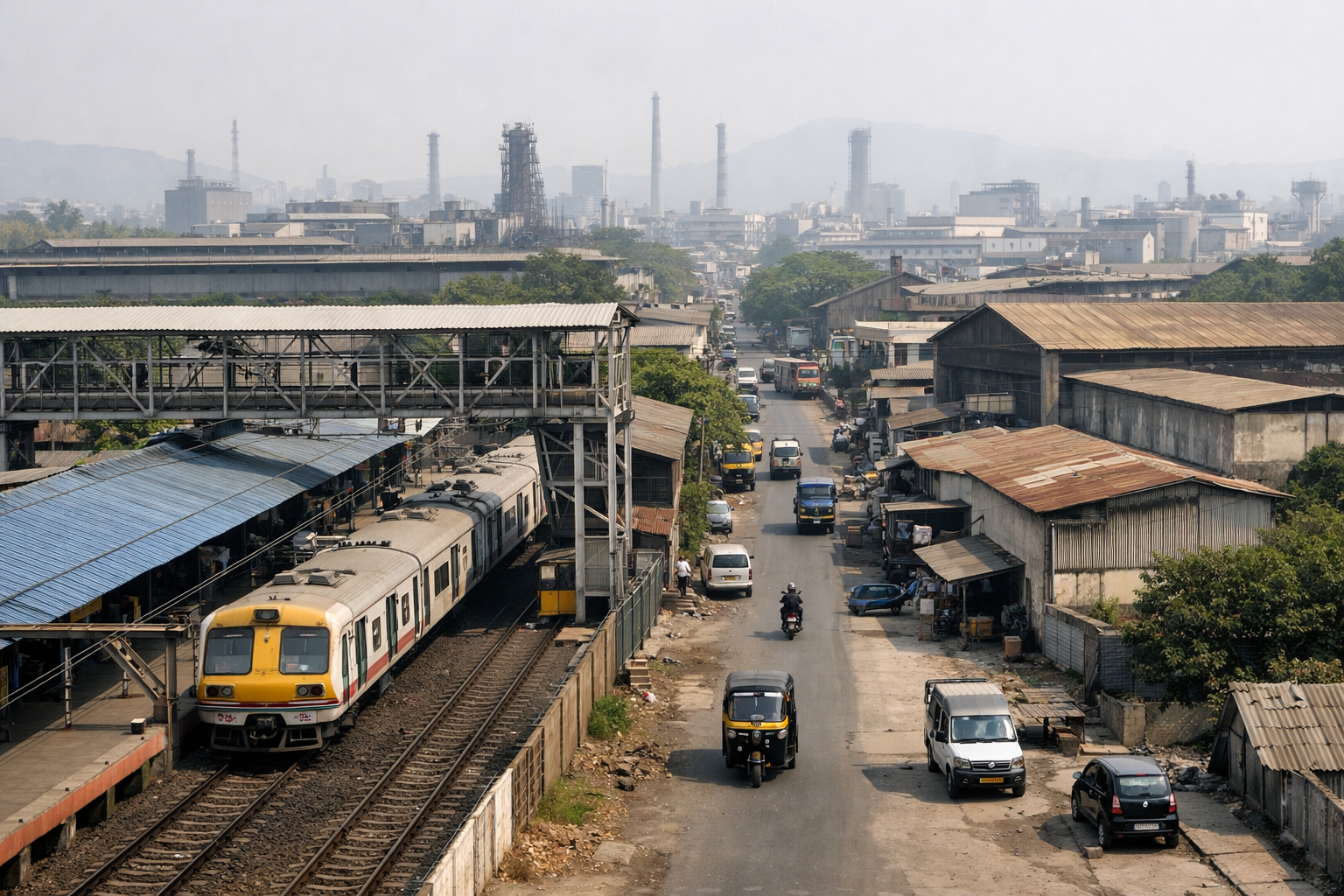
Kharghar benefits from a rare mix:
- established social infrastructure
- education ecosystem
- central public spaces like Central Park
- Metro Line 1 integration
- strong family demand
- continued long-term infrastructure support
The Kharghar-Belapur Coastal Road story is important here. The proposed interchange over the Sion-Panvel corridor has the potential to improve movement quality in a very practical way. This is not just a headline project. It affects daily friction, and in property markets, reducing friction often improves long-term value stability.
That is why Kharghar investment potential remains strong. It is not only about future dreams. It is about a mature node receiving another layer of infrastructure support.
Where buyers still need selectivity inside Kharghar
Kharghar is strong, but not all sectors are equal. Some central sectors offer more stable value logic, better daily convenience, and better end-user depth. Premium golf course-adjacent or high-end pockets behave differently from mid-market family sectors.
Also, buyers should not assume Kharghar is “too late” just because it is more developed. In many real markets, maturity reduces upside. But Kharghar’s 2026 profile suggests that maturity and growth are both still in play here, especially for buyers who think in five- to ten-year terms.
Nerul and Seawoods: Better for stability, premium demand, or rental confidence?
These nodes make more sense for stability, premium demand, and rental confidence than for aggressive appreciation chasing.
That does not make them weak investments. It makes them a different kind of investment.
Why these nodes are less about explosive upside
Nerul and Seawoods are already premium and well-established. Entry costs are higher. Naturally, that reduces the scope for dramatic percentage jumps compared with newer corridors. But these nodes compensate through liquidity, livability, and tenant depth.
Seawoods especially stands out for rental logic because of the Seawoods Grand Central ecosystem and the broader premium convenience it offers. Nerul is slightly different. It is often less about flashy growth and more about settled demand, centrality, and long-term wealth preservation.
Where they still win for practical investors
They win in four ways:
- stronger tenant acceptance
- lower vacancy fear
- better civic baseline
- higher resale comfort
A buyer who wants rent support, lower day-to-day location risk, and a market that does not depend on future delivery stories will often feel safer in Nerul or Seawoods than in an emerging growth belt.
Quick comparison:
- Seawoods: stronger rental machine, premium convenience, high entry cost
- Nerul: strong lifestyle stability, long-term compounding, redevelopment logic in older pockets
- Vashi: central business relevance, strong preservation value, but expensive
If the goal is best area in Navi Mumbai for rental income, Seawoods usually enters the shortlist very quickly.
Taloja, Roadpali, Dronagiri and other lower-entry areas: opportunity or affordability trap?
These areas are not automatic traps, but they are definitely the parts of the market where buyers can make the worst mistakes.
Low entry price creates emotional comfort. But in real estate, cheap entry can hide expensive problems.
Where budget-led investors can still find logic
A lower-budget investor who cannot enter Kharghar, Nerul, Seawoods, or premium Ulwe may still need options. That is where peripheral belts come into the conversation. Some pockets can work for very patient buyers who are comfortable with long holding periods and understand that civic maturity may come slowly.
This is why these locations are not to be dismissed blindly. But they must be filtered much more harshly.
What often goes wrong in deeper peripheral bets
The dossier makes this very clear. Taloja’s water supply gap has been serious, with supply far below demand, causing long cuts, tanker dependence, and resident frustration. That is not a small quality-of-life issue. It directly affects tenant comfort, maintenance costs, and resale sentiment.
Then there is the project-risk angle. Peripheral Raigad-side and similar growth belts need much stricter MahaRERA checks because suspended or lapsed projects are a real concern. If a buyer ignores this, the low price can turn into trapped capital.
Dronagiri brings another type of caution. On paper, it sounds attractive because of port and airport narratives. On the ground, access, heavy-vehicle movement, and development limitations can reduce the practical advantage.
Caution box: Taloja, Dronagiri, and similar lower-entry zones should be treated as selective opportunities, not default bargains. Buyers should check water reliability, road usability, actual occupancy, and MahaRERA status before even discussing price negotiation.
Which Navi Mumbai area suits your investment goal best?
| Investment Goal | Best-Fit Area | Why It Works | Main Caution |
|---|---|---|---|
| Capital appreciation | Ulwe | Airport-led absorption, coastal road upside, still lower entry than mature premium nodes | Sector selection is critical |
| Conservative rental income | Seawoods | Strong corporate demand, premium convenience, faster tenant turnover | High ticket size |
| Premium stability and wealth preservation | Nerul / Vashi | Mature civic quality, strong resale confidence, settled demand | Upside is steadier, not explosive |
| End-use plus long-term investment balance | Kharghar | Good livability today with continued growth logic | Some premium pockets may stretch budgets |
| Broad long-term regional growth | Panvel | Rail-road-logistics relevance, diversified growth base | Need to avoid weak or remote micro-locations |
| Low-budget entry with high risk tolerance | Selected Panvel periphery / very selective Taloja | Lower ticket size | Civic and project-level risk rises sharply |
If someone wants the best area in Navi Mumbai for capital appreciation, Ulwe and selective Kharghar pockets usually deserve the first look.
If someone wants the best area in Navi Mumbai for rental income, Seawoods often looks stronger than flashier growth stories.
If someone wants the safest blend of living quality and long-term appreciation, Kharghar stays one of the strongest answers.
What local signals should decide your area choice more than broker pitch lines?
This section matters because by 2026, the easy growth stories are already known. What separates a smart buy from a weak buy is now the local filter.
Station access and road usability
In Navi Mumbai, the difference between “near station” and “actually convenient to station” can be huge. Internal roads, traffic flow, and last-mile practicality change everyday usability. This matters especially in Ulwe, Panvel-side pockets, and peripheral growth belts.
CIDCO and land-history context
CIDCO’s optional leasehold-to-freehold conversion policy is a very important market development. For buyers, this can improve future resale liquidity because it reduces one of the big friction points historically associated with some secondary transactions. This is not a glamour topic, but it matters in real money terms.
Society quality, possession reality, and water or civic friction
A society with poor occupancy, tanker dependence, weak maintenance systems, or unfinished surroundings is not just a visual issue. It affects rental demand, resale speed, and long-term confidence. Taloja is the clearest example of why civic friction can suppress the practical value of cheap entry.
Rental demand from real users, not brochure logic
Do not assume that any area near a big project will automatically get tenants. Rental demand comes from usable daily life. It comes from access, convenience, schools, work routes, public movement, and actual resident confidence.
Use this quick due diligence checklist before shortlisting any area:
- Check the project’s current MahaRERA status
- Confirm whether the specific sector or pocket has dependable internal road access
- Ask how water supply works in reality, not only on paper
- Understand whether the property is on leasehold or converted/freehold terms where relevant
- Compare the micro-location, not just the node name
- Verify whether rental demand is actual or only projected
- Check if civic comfort is NMMC-grade, CIDCO-managed, or still developing under Panvel-side realities
- Review approximate prevailing transaction levels through market data, not only asking quotes
Which areas should buyers approach carefully even if the story sounds exciting?

The easiest mistake in Navi Mumbai is to fall in love with a growth story before checking whether daily life has caught up.
NAINA-linked belts, deep airport-influence narratives, and remote peripheral zones often sound exciting because they are explained using future maps. But buyers should be very careful where the sales pitch is stronger than the current ecosystem.
A few patterns deserve caution:
- locations sold only on proposed future infrastructure
- areas where heavy truck or container movement hurts daily comfort
- areas where municipal or water systems are clearly under stress
- projects where surrounding occupancy is weak
- very cheap launches in belts where social infrastructure may take years to catch up
This does not mean such areas can never work. It means the burden of proof is higher.
A simple shortlist: if you had to pick only 2 or 3 areas based on budget and goal
Sometimes the reader does not want theory anymore. They want a shortlist. Fair enough.
If your budget is around ₹50 lakh to ₹70 lakh
Look first at selected New Panvel-side pockets and similar practical periphery options with real connectivity logic. These areas usually make more sense than blindly chasing the cheapest stock in stressed civic zones.
If your budget is around ₹80 lakh to ₹1.2 crore and you want growth
Shortlist Ulwe and selected Kharghar sectors.
Ulwe makes sense if you want stronger upside and can handle a medium-risk growth story. Kharghar makes sense if you want a more balanced asset that is easier to live in and easier to understand.
If your budget is premium and you want rental strength
Shortlist Seawoods first, then Nerul depending on your exact target segment.
Seawoods is usually the cleaner yield story because of its tenant liquidity. Nerul works well too, but often attracts a slightly different comfort-seeking buyer profile and more stability-oriented logic.
Ulwe is usually better for sharper airport-led appreciation. Panvel is usually better for broader, more diversified long-term growth. So the answer depends on whether you want concentrated upside or wider regional resilience.
Final verdict
If the goal is to choose the best areas to invest in Navi Mumbai residential property in 2026, the cleanest practical answer is this:
- Choose Ulwe if you want airport-linked long-term upside and can filter sectors carefully.
- Choose Panvel if you want a broader, more resilient regional growth story at a relatively accessible entry point.
- Choose Kharghar if you want the best overall balance between living quality and long-term investment logic.
- Choose Seawoods or Nerul if you care more about stability, rental confidence, and premium wealth preservation than aggressive upside.
- Choose Taloja or similar low-entry belts only with strong caution, deep due diligence, and full acceptance of civic and project-level risk.
That is really the heart of the matter. In Navi Mumbai, the best area is no longer decided by the loudest future promise. It is decided by how honestly you match your budget, risk tolerance, holding period, and everyday practicality with the right node.
FAQs
Frequently Asked Questions