
Bhagwati Group Navi Mumbai: Reality Check, Projects, Prices & 2026 Investment Analysis
If you are searching for Bhagwati Group Navi Mumbai reviews, this detailed 2026 analysis will give you a clear and honest understanding of the builder’s projects, pricing, construction quality, and long-term investment potential. Over the years, Bhagwati Group has developed multiple residential and mixed-use projects across key Navi Mumbai locations like Kharghar, Airoli, Nerul, and Ulwe. Buyers today are not just looking for flats; they are looking for reliability, livability, and future appreciation. This blog explores Bhagwati Group’s real market reputation, project quality, pricing trends, and whether investing in Bhagwati projects in Navi Mumbai actually makes sense in 2026 for end users and investors.
Navi Mumbai Needed a Different Kind of Innovation
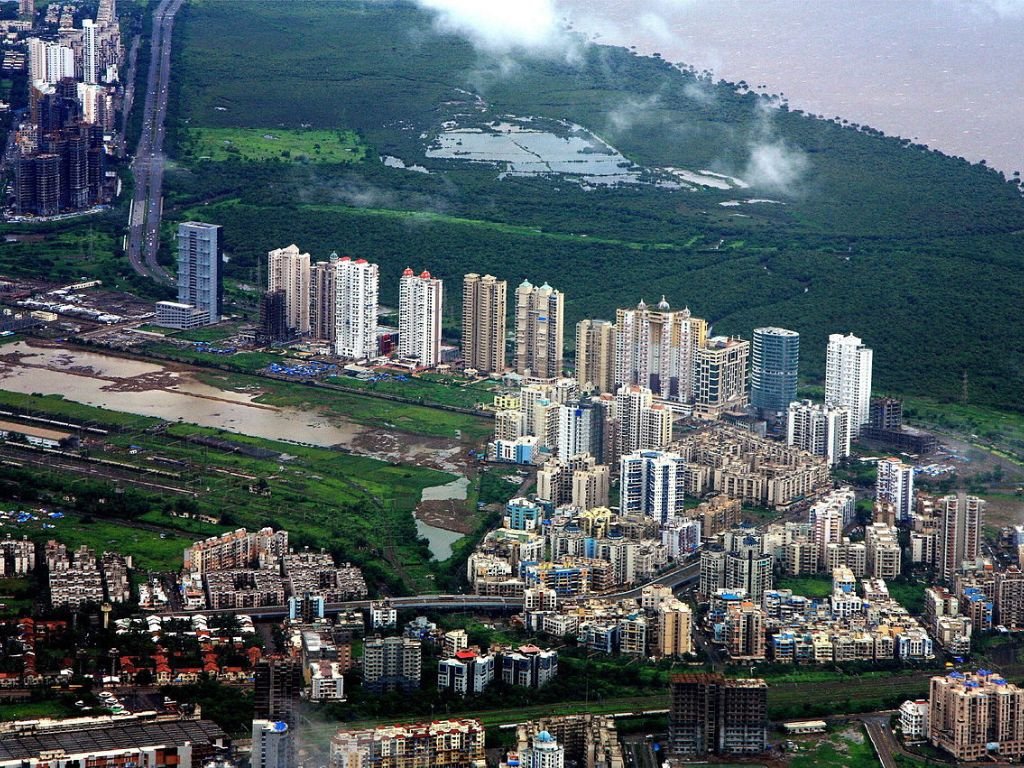
Mumbai thrives on chaos. Navi Mumbai doesn’t. From CIDCO sectors and zoning rules to height restrictions and planned open spaces, this city punishes short-term thinking. Early development focused almost entirely on housing supply. Build fast. Sell faster. Innovation wasn’t part of the discussion.
That changed when infrastructure timelines became visible. Metro lines, corporate parks, improved highways, and the airport narrative shifted buyer expectations. People stopped looking only for a roof. They started asking for homes that made sense to live in ten years later. This shift is where Bhagwati Group’s philosophy aligned naturally with the city’s evolution.
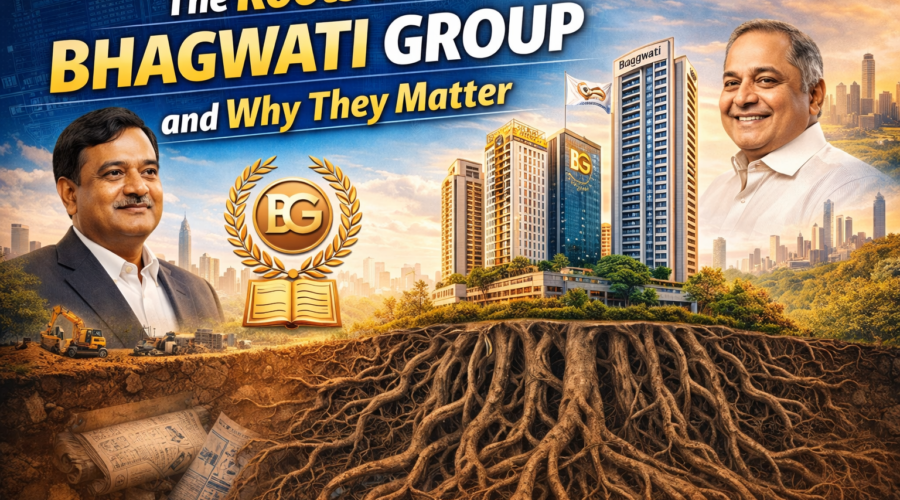
The Roots of Bhagwati Group and Why They Matter
Bhagwati Group didn’t appear fully formed. Its origins go back to the early 1980s, when Navi Mumbai itself was still being tested as a concept. Over decades, the group expanded across residential, commercial, and mixed-use developments in nodes like Vashi, Nerul, Kharghar, and later Airoli and Ulwe.
This long timeline matters because builders who survive multiple market cycles develop discipline. They understand that hype fades quickly, while poor planning is exposed only after possession. Bhagwati’s growth was never about building the tallest tower first. It was about understanding density, buyer psychology, and the slow maturation of a planned city.
Key Projects and Residential Pricing Table
| Node | Project | RERA ID | Approx Rates (/sq ft) | Why It Matters |
|---|---|---|---|---|
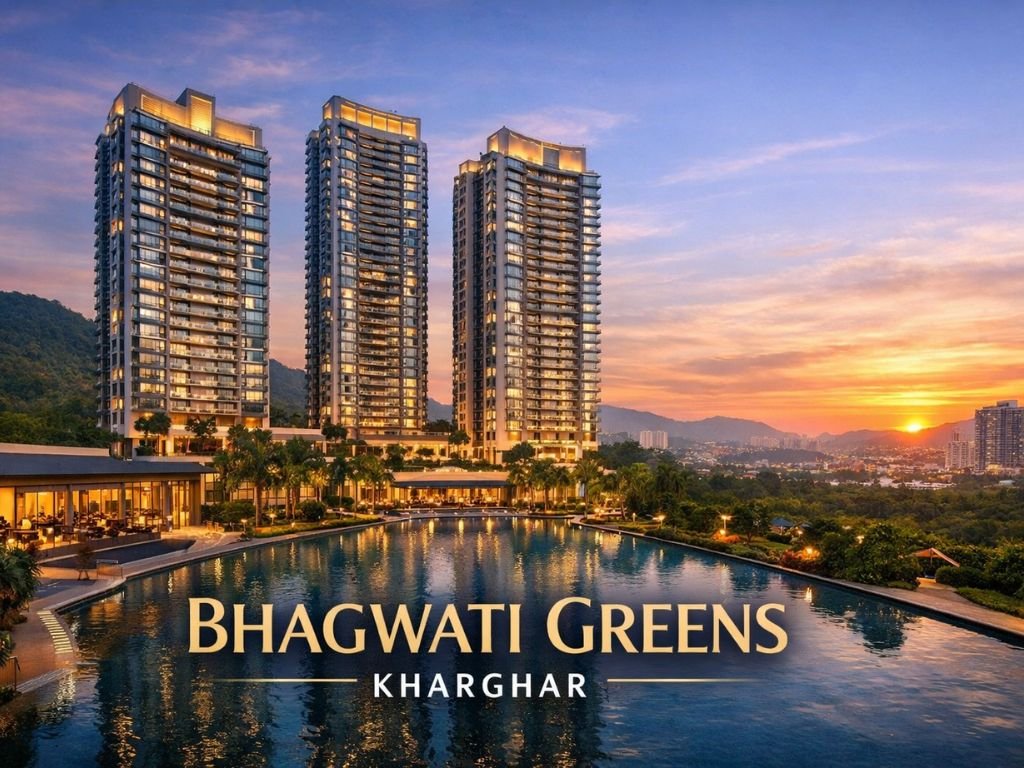
| Kharghar | Bhagwati Greens III | P52000003952 | 14,000–18,000 | Metro impact, family demand, community layouts |
| Nerul | Premium Residential | N/A | 18,000–25,000 | Mature node, rental stability, lifestyle access |
| Airoli | Bhagwati Celestria | N/A | 18,000–23,000 | IT-linked demand, skyline views, premium amenities |
What Innovation Looks Like on the Ground
| Area | Practical Application |
|---|---|
| Planning | Integrated layouts, density management |
| Design | Cross ventilation, usable balconies, sunlight maximization |
| Sustainability | Rainwater harvesting, STP, EV readiness, resource efficiency |
| Compliance | MahaRERA registration, structured approvals, documentation transparency |
Bhagwati Projects in Kharghar: Price & Livability
Kharghar remains Bhagwati’s strongest market.
Current price: ₹14,000–₹18,000/sqft
Demand drivers:
Central Park
ISKCON Temple
Tata Memorial Hospital
Ryan & Apeejay schools
Metro connectivity
Bhagwati projects here focus more on livability than luxury branding, which suits long-term residents.
Bhagwati Group Airoli Projects & Price
Search trend: Bhagwati Group Airoli project
Airoli has transformed into a premium IT-driven residential hub.
Price range: ₹18,000–₹23,000/sqft
Key demand factors:
Mindspace & IT parks
Thane & Mulund connectivity
D-Mart and lifestyle infra
Creek and skyline views
Projects like Bhagwati Celestria target professionals working in IT and corporate zones.
Kharghar: Getting Density and Livability Right
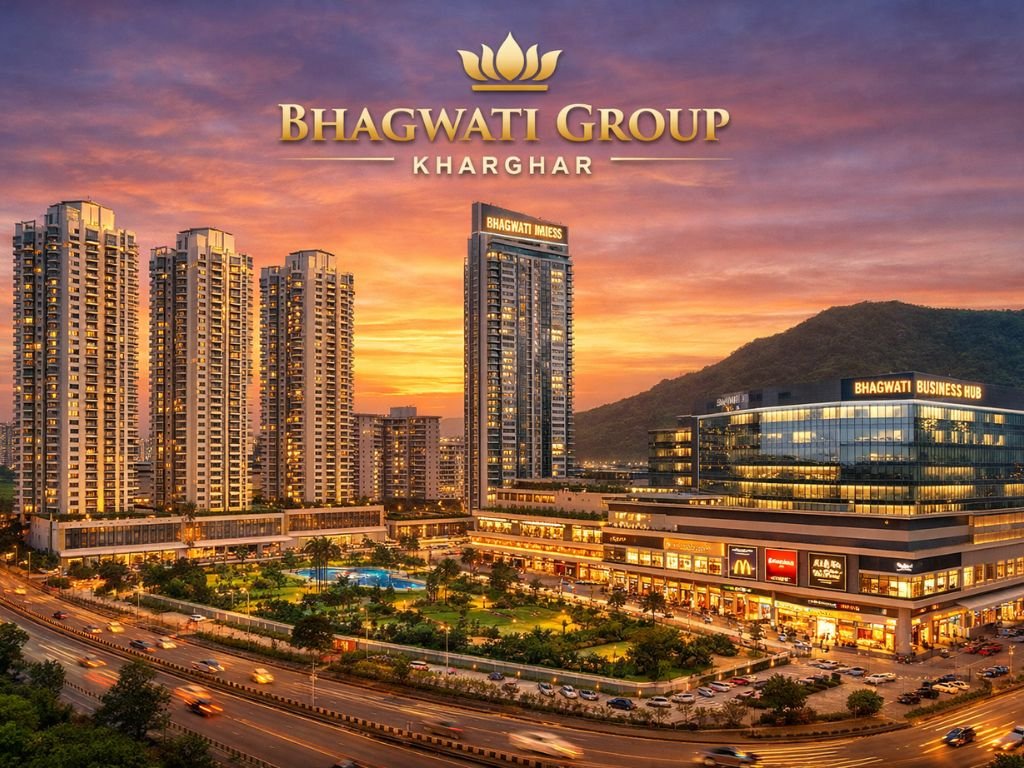
Kharghar is a sensitive test case. It is close enough to CBD Belapur to remain relevant and large enough to punish careless development. Bhagwati’s projects here reflect an understanding of scale rather than an obsession with luxury branding.
Current residential prices in Kharghar range between 14,000 and 18,000 per square foot for new developments, depending on sector and connectivity. At this pricing, buyers expect more than construction quality. Daily life here revolves around Central Park, ISKCON Temple, Tata Memorial Hospital, schools like Ryan International and Apeejay, and routine conveniences such as D-Mart in Sector 7, Reliance Smart, and local vegetable markets near Sector 12.
There is also a quieter spiritual layer that shapes daily movement. ISKCON Temple is not just a landmark; it defines weekend rhythms. Pandavkada Ganesh Mandir and small Hanuman temples tucked between sectors quietly anchor communities. Innovation in Kharghar was never about luxury statements. It was about making high-density living feel breathable.
Airoli: Vertical Ambition and Lifestyle Integration
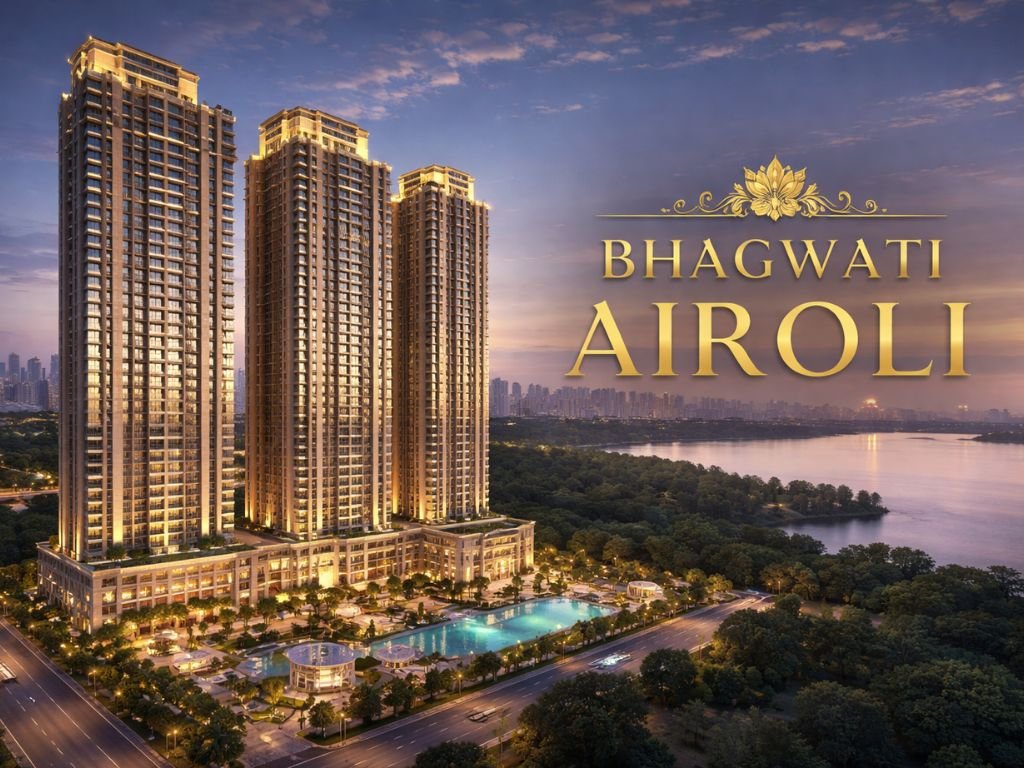
Airoli represents a different phase of Bhagwati Group’s innovation journey. Its proximity to Thane and Mumbai reshaped buyer expectations entirely. Corporate parks, IT campuses, and improved connectivity pushed the market toward premium, vertical living.
Residential prices in Airoli currently range between 18,000 and 23,000 per square foot for premium projects. Bhagwati’s developments here focus on taller towers, larger amenity decks, and layouts that maximise views and daylight. Living in this node means proximity to Mindspace, Reliable Tech Park, Mulund connectivity, D-Mart Airoli, healthcare facilities, and everyday local eateries.
Projects like Bhagwati Celestria, often associated with the ‘New Palm Beach’ narrative, highlight creek views and skyline visibility as core lifestyle drivers rather than marketing add-ons.
Temples, Community, and Cultural Continuity
One aspect of Bhagwati Group’s work rarely appears in brochures, but locals recognise it immediately. Alongside residential and commercial projects, the group has supported temple and mandir spaces within larger community zones.
In Navi Mumbai, temples function as more than places of worship. They act as social anchors. Morning walks end there. Elderly residents find routine. Festivals bring otherwise disconnected societies together. By allocating space and execution capability to these faith anchors, Bhagwati acknowledged that cities are built not only with concrete, but with shared habits and belief systems.
Sustainability as a Long-Term Decision
Bhagwati’s approach to sustainability is quiet but intentional. Rainwater harvesting, sewage treatment plants, EV charging readiness, and natural airflow planning do not sell homes on their own. But they matter over time, especially when maintenance costs begin reflecting smarter resource use. In a city that grows denser every year, these decisions quietly shape livability far more than brochure-friendly features.
Why Navi Mumbai Needed Practical Builders, Not Loud Ones
CIDCO planning, zoning rules, and infrastructure timelines reward builders who think long term. Early development focused on speed: build fast, sell faster. But once metro plans, corporate parks, and the airport became real, buyer expectations changed.
People stopped asking only for a flat.
They started asking: Will this building still feel good after 10 years?
This is where Bhagwati Group Navi Mumbai projects began aligning naturally with the city’s evolution.
Bhagwati Group Navi Mumbai History & Growth
Bhagwati Group’s roots go back to the early 1980s, when Navi Mumbai itself was still being tested as a planned city.
Over time, the group developed projects across:
Vashi
Nerul
Kharghar
Airoli
Ulwe
Builders who survive multiple market cycles learn discipline.
They understand hype fades quickly, but poor planning shows up after possession.
Bhagwati’s growth wasn’t about building the tallest tower first.
It was about understanding density, family living, and long-term demand.
Where Innovation Gets Tested After Possession
No large builder escapes friction. Bhagwati Group has faced project delays, post-possession maintenance complaints, and water supply challenges in certain CIDCO-dependent nodes. Some of these issues are systemic. Others reflect internal operational gaps.
Innovation does not end at construction. It is tested after handover, when buyers stop being prospects and start living in the buildings.
Market Position and Buyer Fit
In today’s market, Bhagwati occupies a middle position. Compared to national brands, it often offers better value and more practical layouts. Compared to smaller developers, it offers scale, compliance, and execution capability. This positioning is both a strength and a challenge.
Bhagwati Group works best for long-term end users, families who value community living, and investors aligned with infrastructure-led growth. For buyers who understand how Navi Mumbai evolves, transitional nodes still offer meaningful upside.
Navi Mumbai Growth Impact on Bhagwati Projects (2026–2030)
Navi Mumbai Airport: +20–35% potential
Metro expansion: +15–25%
Road connectivity upgrades: +10–18%
High-growth nodes:
Ulwe
Kharghar
Airoli
The Next Phase of Innovation
The next phase of innovation for builders like Bhagwati will not be architectural. It will be operational. Stronger facility management, clearer post-possession communication, and digital systems for societies will define long-term reputation. Bhagwati Group has the foundation. Whether it fully earns a Tier-1 perception depends on how seriously it treats life after possession.
Final Reflection
Innovation in realty is not about being the loudest builder in the room. It is about homes that still function after ten years, societies that don’t feel chaotic, and layouts that age gracefully.
Bhagwati Group’s journey mirrors Navi Mumbai itself: planned, imperfect, and slowly improving. For buyers who truly understand this city, that kind of innovation feels real enough.
FAQ's
Frequently Asked Questions