Blogs

Everything about Navi Mumbai

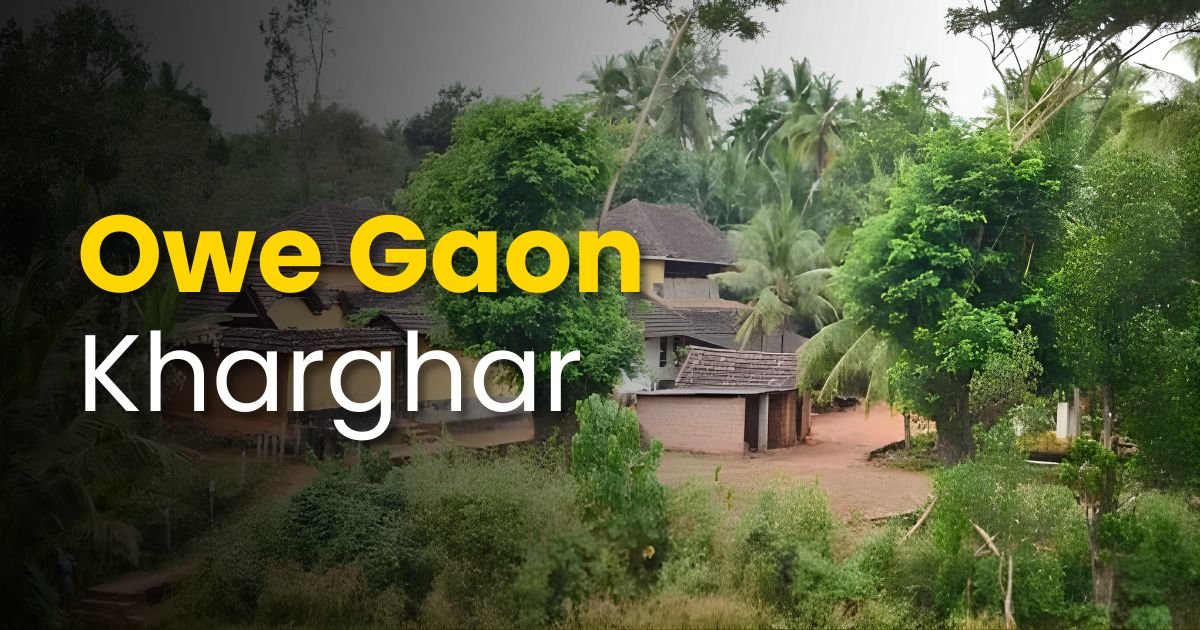
Owe Gaon Kharghar

Owe Gaon is one of those places in Navi Mumbai that does not try to compete with the city around it. It does not announce development loudly or promise a lifestyle it cannot deliver. Instead, it exists quietly within Kharghar, holding on to a rhythm that feels older, slower, and more personal. Surrounded by fast-growing sectors, new residential projects, and infrastructure corridors, Owe Gaon feels like a pause in the middle of movement. Life here is not shaped by deadlines or glass buildings, but by routine, familiarity, and long-standing relationships. Even today, when the word “Upper Kharghar” is used frequently in property discussions, Owe Gaon continues to live on its own terms. Quick Facts About Owe Gaon Owe Gaon is located in Sector 30, Kharghar, Navi Mumbai, close to the foothills and not far from the Taloja MIDC industrial belt. It lies roughly five kilometers from Kharghar Railway Station and is well connected by road and public transport. The area includes the original village settlement as well as Owe Camp, which houses families relocated decades ago under rehabilitation schemes. The population is a mix of original villagers, Project Affected People families, and newer residents who have moved in due to relatively affordable housing options. The internal layout of the village remains organic, with narrow lanes and clustered homes rather than planned sector grids. The Origins of Owe Gaon: A Brief Historical Context The history of Owe Gaon is closely linked to displacement and rehabilitation. Many families living here today were relocated from other parts of Maharashtra due to large infrastructure projects, including dam and industrial developments. Owe Camp emerged as a settlement for these families, who were promised long-term stability and basic civic support. While Kharghar developed as a planned node under CIDCO, Owe Gaon remained partially outside the main planning focus. Over time, this created a situation where modern development grew around the village, but the village itself retained its older structure and lifestyle. This history continues to influence how residents view new projects and announcements.There is awareness here that development brings both opportunity and pressure, and people tend to evaluate it carefully rather than accepting it blindly. Why Owe Gaon Truly Feels Like Home Owe Gaon feels like home because people are not anonymous here. Residents know their neighbors, shopkeepers recognize regular customers, and daily interactions are personal rather than transactional. Life is not curated for outsiders. It is lived for the people who stay here year after year. Newcomers often mention that it does not take long to feel familiar with the area. This sense of belonging comes from consistent human interaction, something that is becoming rare in rapidly developing urban pockets. A Culture of Togetherness Community life in Owe Gaon is shaped by shared spaces and shared challenges. Festivals are celebrated collectively, discussions happen openly at tea stalls and outside homes, and local issues are addressed through group conversations rather than individual complaints. This culture of togetherness has been strengthened by years of dealing with common concerns such as water supply, road conditions, and environmental impact from nearby quarrying. People here are used to standing together, not because it looks good, but because it is necessary. Simple Living with Urban Support Life in Owe Gaon is simple, but it is not isolated. Residents enjoy a quieter lifestyle while remaining close to urban facilities. Schools, hospitals, offices, and commercial areas in Kharghar and Panvel are accessible without having to live in constant congestion. Daily essentials are managed within the village, while larger needs are fulfilled by nearby developed sectors. This balance allows residents to enjoy calm surroundings without sacrificing access to city infrastructure. Connectivity: Peaceful Yet Perfectly Connected Connectivity is one of the understated strengths of Owe Gaon. While it does not sit at the center of Kharghar, residents manage daily travel efficiently through multiple transport options.  By Train Kharghar Railway Station is the nearest suburban station and is approximately five kilometers away. Most residents reach the station using buses or auto-rickshaws. The station connects to the Harbour Line, making travel toward Belapur, Vashi, and Panvel practical for daily commuters. By Road Road connectivity links Owe Gaon to internal CIDCO roads and major routes leading toward Panvel, Belapur, and Taloja. Although internal village roads are narrow, external access routes function well for daily travel. By Metro The Navi Mumbai Metro has started influencing mobility in this region. While the nearest metro stations are not within walking distance, bus and auto connectivity to metro points has improved access to business and commercial areas. Public Transport Public buses are the primary mode of transport for many residents. Regular services connect Owe Gaon to Kharghar Station, Belapur CBD, Ghansoli, and Taloja MIDC. Auto-rickshaws provide reliable last-mile connectivity. Close to the Airport, Without Losing Its Quiet One of the lesser-talked-about advantages of Owe Gaon is its future proximity to Navi Mumbai International Airport (NMIA). While the village itself remains far from airport noise and daily congestion, it benefits from being located within a comfortable driving distance through Panvel and upcoming highway corridors. For residents, this means easier access to domestic and international travel without the pressure of living in an airport-dominated zone.   Real Estate in Owe Gaon: Prices, Demand Real estate in Owe Gaon remains more grounded compared to central Kharghar sectors. It attracts end users and long-term holders rather than speculative investors. Property Prices (July 2026) As of July 2025, realistic property prices in Owe Gaon range between ₹10,500 and ₹12,000 per square foot for older buildings and resale properties. Newer constructions closer to Sector 30 and the Upper Kharghar belt may be priced slightly higher, depending on amenities and construction quality. These rates remain lower than premium Kharghar sectors, making Owe Gaon attractive for buyers looking for affordability. Rent Estimates Rental values are stable and practical. One-bedroom units generally attract tenants working in Taloja MIDC or nearby service sectors, while two-bedroom units are preferred by families. Rent levels are moderate and reflect the area’s non-speculative nature. Popular

Read More
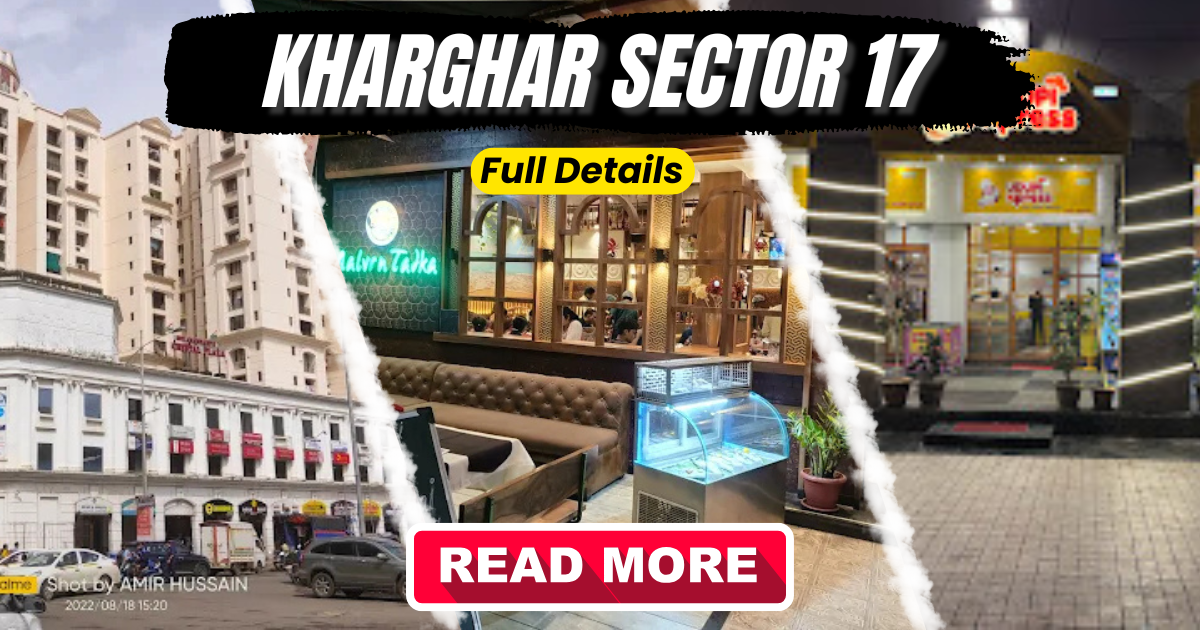

Sector 17 Kharghar: Introduction & Real Estate Overview (2025)

If you’ve lived in Kharghar long enough, you start recognising the difference between sectors that look good on paper and sectors that actually work in real life. Sector 17 falls firmly into the second category.It doesn’t announce itself. There’s no landmark shouting its name. You usually reach it while moving between familiar parts of Kharghar, and that’s exactly why people underestimate it. Sector 17 is not isolated, not chaotic, not experimental. It sits quietly in the lived-in heart of Kharghar. By 2025, Sector 17 has grown into a steady, dependable residential pocket. It’s the kind of place where residents know their surroundings, routines are predictable, and daily life doesn’t require constant adjustment. For many families and long-term residents, that reliability becomes the biggest luxury. The Residential Structure of Sector 17 Sector 17 is primarily a residential-focused sector, shaped during a phase when Kharghar’s planning emphasised usability over vertical density. Most buildings here are cooperative housing societies, a mix of mid-rise and select taller structures. The layouts are practical, with reasonable spacing between buildings, internal roads that don’t feel cramped, and fewer abrupt commercial intrusions. The resident profile reflects this structure. Families form the backbone of the sector. Many residents have lived here for years, even decades. Working professionals choose Sector 17 for its balance between connectivity and calm. Senior citizens appreciate the manageable scale and familiar environment Morning walks and school preparations Office commutes without last-minute chaos Afternoons that stay relatively quiet Evenings that belong to families, not traffic Nights that genuinely slow down There is commercial activity, but it’s purpose-driven. Grocery stores, clinics, salons, and service shops exist to support residents, not to attract outside crowds. That keeps Sector 17 residential in character, even as the city around it grows busier.   Why Sector 17 Kharghar Is Getting Attention As Kharghar matures, buyers are becoming selective. Instead of chasing new launches, many are choosing sectors where infrastructure is already tested. Sector 17 fits that mindset. It sits close to central Kharghar without absorbing its congestion. Roads connect smoothly to neighbouring sectors. Schools, healthcare, and daily essentials are already operational. There’s no waiting period for livability. Families are drawn to the sense of stability. Retirees like the scale and routine. Investors see Sector 17 as a low-volatility residential market where demand doesn’t spike and crash.   Current Real Estate Prices in Sector 17 Kharghar (2025) ₹12,500 – ₹21,000 per sq.ft The variation depends largely on building age, maintenance quality, floor level, and proximity to internal connecting roads. Older cooperative societies still offer relatively accessible entry points, especially for end-users who prioritise space and location over modern branding. Typical price observations include: 1 BHK flats ranging from ₹70 lakh to ₹1 crore2 BHK flats usually priced between ₹1.3 crore and ₹1.9 crore3 BHK flats starting around ₹2.2 crore and moving higher in premium societies Rental demand here is stable and family-oriented. A 2 BHK typically rents for ₹20,000 to ₹30,000 per month depending on furnishing and society condition. Tenant turnover is lower compared to more student-heavy sectors.   Commercial Property Rates Commercial real estate in Sector 17 is limited and deliberately understated. The sector supports only neighbourhood-level commerce. Clinics, pharmacies, grocery stores, salons, coaching classes, and small offices form the bulk of commercial activity. There are no large office parks or destination retail spaces. Commercial property prices usually range between: ₹18,000 – ₹60,000 per sq.ft Units facing main approach roads or junctions attract higher prices due to steady residential footfall. Interior shops are more affordable but still viable because demand is consistent and local. Sector 17 was never designed to be commercial-heavy. That restraint helps preserve its residential identity and long-term livability. Real Eastate Agences Vastu Vihar Property Celebration Properties Local Brokers Future Outlook: Where Prices Are Headed (Up to 2035) Metro connectivity improvements, smoother road networks, and the long-term impact of the Navi Mumbai International Airport are expected to support residential demand indirectly. Importantly, Sector 17 is positioned to benefit without absorbing infrastructure-related congestion. Over the next 10–15 years, price appreciation here is expected to be steady and sustainable. This is the kind of sector that rewards patience rather than speculation. Major Residential Projects in Sector 15 Kharghar Sector 17 is home to established housing societies rather than high-profile launches. These societies focus on functional layouts, usable common spaces, and community living. Amenities are practical, not extravagant. Most residents here are long-term occupants, which creates a cooperative and familiar neighbourhood atmosphere. That long-term residency is what gives Sector 17 its settled feel.   Connectivity & Transportation: Sector 17 Kharghar Railway AccessKharghar Railway Station is reachable via autos and buses. Harbour Line services connect residents to Vashi, Nerul, Belapur, and South Mumbai. Metro ConnectivityNearby metro stations have improved internal mobility across Kharghar, reducing dependence on road travel. Bus ServicesNMMT and BEST buses operate regularly, connecting Sector 17 to Belapur CBD, Panvel, and Mumbai routes. Road ConnectivitySector 17 enjoys smooth access to internal Kharghar roads and reasonable proximity to the Sion–Panvel Highway without constant highway noise. Top Digital Marketing, Printing & Business Services Printing & Business Services Crystal Jumbo Print Swastik- Stationery & Book Store Banks & Daily Essentials: Sector 17 Khargha  ICICI Bank  HDFC Bank Nature, Parks & Outdoor Spaces CIDCO Garden Vastu Vihar Internal Parks Healthcare & Wellness Facilities Medical Stores Apollo Pharmacy Wellness Forever Dhanwantri Medical A-1 Medical Store Hospitals & Clinics Yashwant Multispeciality hospital KHARGHAR MULTISPECIALITY HOSPITAL Alpha One Multispeciality Hospital  Gyms, Yoga & Fitness Studios Gyms Physc Gym  Traance.fit Dance Classes Red Studio Dance Icact Dance Institute and Fitness Studio The Little Angels Preschool & Activity Center Shopping, Lifestyle & Local Businesses Grocery & Supermarkets More Hypermart A-1 Supermarket Local Vegetable Market Lifestyle & Fashion Designer Boutiques Dry Cleaners & Laundr Toys, Gifts & Stationery Choice Stationery & Xerox Archies Gallery Vastu Vihar Stationery & Gift Center Modern Books & Stationery Clothing, Tailors & Jewellery Clothing Cotton plus Peacock Collections Cambridge  Jewellery Stores Fancy Store & Imitation Jewellery   Local Gold & Silver Smiths Personal Care,

Read More

Miraj Cinema Panvel

Miraj Cinema Panvel is located at Plot No 1/3, Shubham Commercial Complex, Near Punjab National Bank, New Panvel Sector 11, Navi Mumbai – 410206, Maharashtra, a landmark-based address that makes it easy to find for both locals and first-time visitors. The cinema enjoys a solid online reputation with an overall 4.0 rating, based on 6,506 reviews, as reflected by the JD Rating Index, which aggregates ratings from across the web. Most viewers praise the sound quality, ticket pricing, and convenient location, while occasional complaints are usually limited to weekend crowding. In terms of movies, Miraj Cinema Panvel regularly screens the latest Bollywood releases along with popular Marathi films, South Indian dubbed movies, and select Hollywood titles, making it a dependable choice for a wide range of moviegoers Miraj Cinema Panvel at a Glance Panvel has this strange ability to feel busy and familiar at the same time. Trains coming in from every direction. Autos lining up outside the station. Old Panvel moving at its own pace, while New Panvel keeps adding floors, shops, and shortcuts every year.  For people living in and around Panvel, this cinema doesn’t need an introduction. You don’t say the full name. You just say “Miraj” and everyone knows where you mean. Sector 11 side. Near PNB. Inside that commercial complex where something is always happening. Coaching classes, banks, food joints, and in the middle of it all, a cinema that has become part of the local routine. Location & How to Reach Miraj Cinema Panvel Panvel has this strange ability to feel busy and familiar at the same time. Trains coming in from every direction. Autos lining up outside the station. Old Panvel moving at its own pace, while New Panvel keeps adding floors, shops, and shortcuts every year.  For people living in and around Panvel, this cinema doesn’t need an introduction. You don’t say the full name. You just say “Miraj” and everyone knows where you mean. Sector 11 side. Near PNB. Inside that commercial complex where something is always happening. Coaching classes, banks, food joints, and in the middle of it all, a cinema that has become part of the local routine. Reaching from Panvel Railway Station Most people coming here start their journey from Panvel Railway Station. It’s the main lifeline of the area, connecting Harbour Line, Central Line, and long-distance routes. The distance from the station to the cinema is roughly 1.5 to 2 kilometres. On paper, that sounds short. In reality, it depends on the time of day. Autos are the most common option. Walk out of the station, cross toward the auto stand, and say “Miraj Cinema, Sector 11.” You won’t need to explain further. During normal hours, the ride takes about 8 to 12 minutes. Fare usually falls between ₹30 and ₹50, depending on traffic and time. Walking is possible too. Some people actually prefer it in the evening. It takes around 15 to 20 minutes, cutting through New Panvel’s market stretch. You pass small shops, snack stalls, pharmacies, and coaching classes along the way. It’s not a silent walk, but it feels very Panvel. Bus Connectivity and Nearby Stops If you’re someone who relies on buses, you’re covered. NMMT buses run frequently through Sector 11, and MSRTC buses operate nearby routes as well. The nearest bus stop is commonly referred to as the Sector 11 / PNB stop, which is hardly 200–300 meters from the cinema entrance. From the stop, it’s a short, flat walk. For people arriving from other parts of Navi Mumbai or even from interiors of Raigad district, the ST Bus Depot in Panvel is another reference point. From there, an auto ride to the cinema usually takes 5 to 10 minutes. Coming by Cab or Auto from Nearby Areas Cabs and app-based taxis work well in this area. Ola and Uber both operate reliably, though surge pricing can kick in during late evenings or weekends. From areas like Kharghar or Kamothe, expect a travel time of 20 to 25 minutes, traffic permitting. Autos are available almost all day and night. Even after late shows, you’ll usually find autos waiting outside the complex or passing by on the main road. That’s one underrated advantage of this location. You don’t feel stranded after a 10:45 pm show. Airport Connectivity (Current and Upcoming) If you’re coming from Chhatrapati Shivaji Maharaj International Airport, the distance is around 40-45 km. Depending on traffic, cab travel can take anywhere between 75 to 100 minutes. It’s not ideal, but it’s manageable if planned properly. The upcoming Navi Mumbai International Airport changes the picture entirely. Once operational, the cinema will be just 10-12 km away from the airport, translating to an expected cab time of 20-30 minutes. For frequent flyers or people visiting Panvel briefly, this will make Miraj Cinema one of the closest quality multiplex options near the airport zone. Metro Status (Important Clarification) As of now, there is no direct metro connectivity to Miraj Cinema Panvel. The Navi Mumbai Metro Line 1 operates on the Belapur–Taloja stretch. Panvel’s metro connection is planned but not operational yet. Until then, train, auto, and road remain the practical choices. Overall, the cinema’s biggest strength is how naturally it fits into Panvel’s transport ecosystem. You don’t need special planning. You don’t need buffers of extra time. Whether you’re coming from the station, a nearby sector, or even another town, reaching Miraj Cinema Panvel feels straightforward. And in a city that’s growing as fast as Panvel, that simplicity matters. Movie Experience at Miraj Cinema Panvel Miraj Cinema Panvel offers a comfortable and reliable movie-going experience without unnecessary frills. The screens are well-sized with sharp digital projection and balanced colors, making both action films and dramas enjoyable. Dolby Atmos sound stands out, delivering clear dialogue and immersive effects without being overpowering. Seating is cushioned with decent legroom, and recliner options are available for those wanting extra comfort. Clean auditoriums, smooth crowd movement, and a lively local audience especially on weekendsn add to the overall

Read More

Sector 11 Kharghar: The 2025 Ultimate Guide to Property Rates & Lifestyle

There’s a very particular feeling you get when you enter Sector 11, Kharghar. It doesn’t hit you immediately, and that’s the point. It’s not flashy like some newly hyped pockets, and it’s not sleepy either. It sits somewhere in between. Settled. Busy. Slightly chaotic on weekdays. Surprisingly calm on certain Sundays. In 2025, Sector 11 stands as one of Kharghar’s most functionally complete residential pockets. It’s the kind of place people don’t always brag about on social media, but quietly choose when they want daily life to work without too much drama. Schools, metro access, grocery stores, parks, banks, clinics. All of it stitched together in a way that feels practical rather than aspirational. From a real estate lens, Sector 11 has moved out of the “upcoming” category. This is no longer a speculative market. Prices have matured, inventory has aged, and buyers here are far more aware than they were five or ten years ago. Whether you’re an end-user planning to stay long term or an investor looking for stability rather than explosive returns, Sector 11 now plays a very specific role in the larger Kharghar story.   The Residential Structure of Sector 11 Sector 11 is not uniform, and that’s important to understand. Residential development here happened in layers. The older CIDCO-allotted societies and large government housing clusters form the backbone of the sector. These buildings may not look glamorous, but they come with wider internal roads, functional layouts, and communities that have been living together for years. Maintenance is usually predictable, and most residents know each other by face, if not by name. Then come the mid-age residential buildings, roughly 8 to 15 years old. These societies strike a balance. Better lifts, slightly modern facades, covered parking, and a more mixed population of owners and tenants. Families upgrading within Kharghar often prefer this category because it feels familiar but not dated. In the last few years, newer high-rise developments have entered the picture. These projects come with amenities, podium parking, gyms, and the promise of a lifestyle upgrade. They also bring higher density and, sometimes, higher expectations than the surrounding infrastructure can immediately support. This contrast is very visible in Sector 11, and it shapes both pricing and daily experience. Why Sector 11 Kharghar Is Drawing Attention The attention Sector 11 is getting in 2025 isn’t accidental. It’s the result of several practical advantages coming together. Connectivity plays a big role. Metro access has reduced dependency on the suburban railway network, and road connectivity to Belapur, Panvel, and Taloja makes daily movement manageable. For working professionals, this translates to time saved, and that matters more than brochure promises. Another factor is completeness. Sector 11 doesn’t rely heavily on neighbouring sectors for everyday needs. You don’t have to plan a special trip for groceries, basic shopping, or banking. This self-sufficiency is quietly valuable, especially for families and older residents. There’s also a sense of familiarity. Many people who grew up in Kharghar or rented here earlier eventually try to buy in Sector 11 when budgets allow. It’s not exciting in a shiny-new way, but it feels dependable. That emotional comfort does influence buying decisions, even if people don’t openly admit it. Current Real Estate Prices in Sector 11 Kharghar (2025) Pricing in Sector 11 has stabilised, but it hasn’t stagnated. The market here reflects maturity rather than slowdown. Residential Property Rates Average Price/sq. ft.: ₹12,293 – ₹17,600, with ranges from ₹9,259 to ₹18,750+. 2 BHK Flats: Popular configuration, with prices generally between ₹86.8 Lakhs to ₹1.85 Crores. Overall Range: Properties range from 1-5 BHK, with total property values from ₹46 Lakhs to ₹5.59 Crores for larger units. Trends: Strong demand for spacious units (2 & 3 BHK) for both investment and rental income, with projected growth.   Commercial Property Rates Shops/Retail: Smaller shops (around 230-300 sq. ft.) listed around ₹55 Lakhs to ₹60 Lakhs. Office Spaces: Bare shell office spaces (approx. 980 sq. ft.) available for around ₹1.2 Crores. Overall Market: Strong rental demand, with attractive yields due to area development.   Price Overview (2025 Estimates) Average Rate: Around ₹17,000 – ₹18,000 per sq ft, with some transactions showing higher averages. 1 BHK: ₹62.5 Lakhs – ₹80 Lakhs. 2 BHK: ₹1.2 Crore – ₹2.5 Crore. 3 BHK: ₹1.5 Crore – ₹3.5 Crore.  Future Outlook: NMIA, Coastal Road & ICP The Navi Mumbai International Airport continues to influence sentiment, even if much of its impact is already priced in. Sector 11 benefits indirectly by being close enough to matter but far enough to avoid constant noise and congestion. The Coastal Road and improved intercity connectivity projects may further strengthen accessibility, especially for professionals commuting across nodes. However, realistic buyers understand that returns here will be gradual, not explosive. Infrastructure Completion Plans (ICP) within Kharghar focus more on service upgrades than expansion. Water management, internal roads, and public facilities will decide how comfortably Sector 11 absorbs future population growth. BKC 2 (International Corporate Park): Its proximity to Sector 11 is a major value driver. By 2025, the “BKC 2 effect” has started reflecting in the steady appreciation of property prices here. Kharghar-Belapur Coastal Road: Physical progress is now highly visible in 2025. Once fully operational, this will drastically improve connectivity between Sector 11 and South Navi Mumbai/CBD Belapur. Major Residential Projects in Sector 11 Kharghar: Future Crystal Corner: Offers 2 & 3 BHK apartments, RERA approved, with modern amenities and completion expected by late 2027. Uma Ananta: Features 2 & 3 BHK units, RERA registered, with carpet areas from 594 – 920 sqft, under construction. Shreeji Estrella: Offers larger units (1047 sqft) with higher price points in Kharghar. Varsha Balaji Heritage: A ready-to-move option with spacious 2 & 3 BHKs. K5 Emporio: Provides 2 & 3 BHK homes with a pool, gym, and clubhouse in Kharghar. Arihant Aalishan: A ready-to-move project with apartments in the ₹1 Cr+ range. Platinum The Reserve: A luxury project in Kharghar Sector 11, offering 1, 2, & 3 BHKs. Mahaavir Exotique: Features 1, 2

Read More

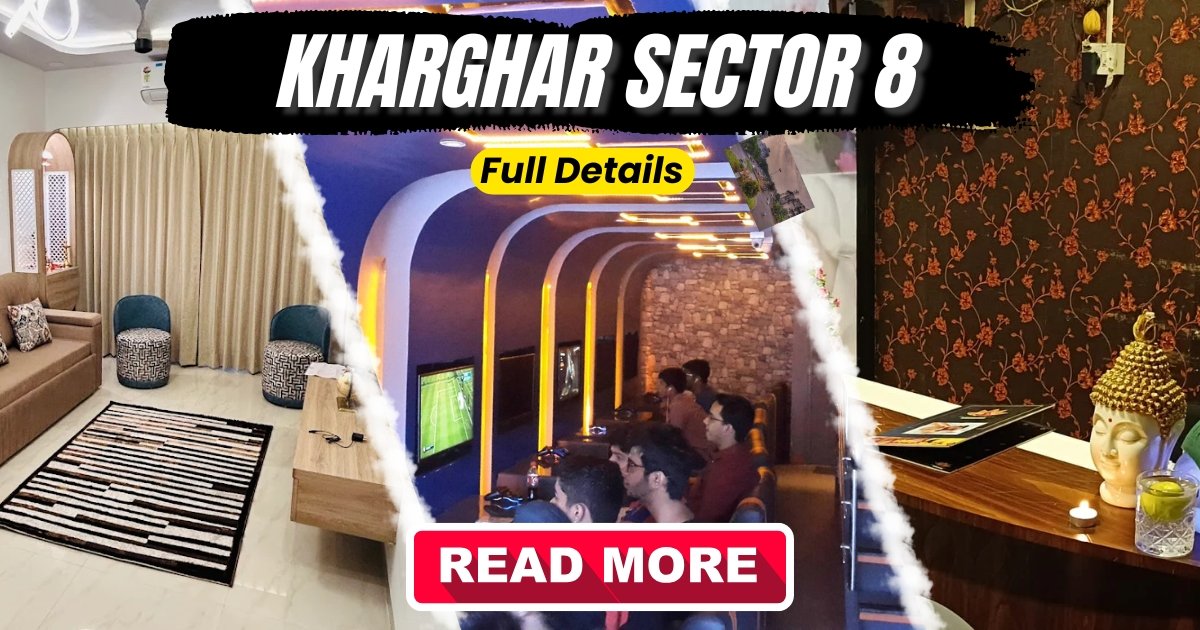
Sector 8 Kharghar: Introduction & Real Estate Overview (2025)

Sector 8 is not the loudest part of Kharghar. It doesn’t market itself. It doesn’t chase attention. And yet, if you talk to people who’ve lived in Kharghar long enough, this sector keeps coming up quietly in conversations. Usually with a pause. Located at a crucial entry point of Kharghar,  Sector 8 has grown into one of those neighbourhoods where daily life feels sorted. Roads make sense. Distances feel manageable. Essentials are nearby. And over the years, that reliability has turned into value.Developed under the planning framework of CIDCO, Sector 8 reflects old-school Navi Mumbai logic. Functional zoning. Breathing space. No unnecessary clutter. In 2025, as buyers become more practical and less speculative, this sector is seeing renewed attention for exactly those reasons. The Residential Structure of Sector 8 The residential character of Sector 8 is stable, mature, and community-driven. This is not a sector filled with glass towers or under-construction promises. Most buildings here are already lived in, tested by time, and surrounded by real neighbourhood ecosystems. You’ll mainly find mid-rise cooperative housing societies, many of them built in the late 1990s and early 2000s. These buildings may not have flashy clubhouses, but they offer something increasingly rare in Navi Mumbai- usable carpet areas. Rooms feel proportional. Balconies exist. Ventilation works. There are also a few newer residential developments and redeveloped societies that add modern amenities like lifts, covered parking, and security systems, but the sector has largely resisted overdevelopment. That restraint is a strength, not a limitation. Why Sector 8 Kharghar Is Getting Attention The attention Sector 8 is getting in 2025 is not hype-driven. It’s correction-driven. Buyers today are doing something different. They’re asking better questions. How far is the station, really? Are hospitals walkable? Does traffic trap you inside the sector? What happens during monsoons? Sector 8 answers most of these questions comfortably.Its proximity to major transport routes, the Kharghar Bus Depot, metro connectivity, and everyday infrastructure makes it feel efficient. Not exciting. Efficient. And for families, working professionals, and senior citizens, that efficiency translates directly into quality of life. Current Real Estate Prices in Sector 8 Kharghar (2025) Current Real Estate Prices in Sector 8 Kharghar (2025)Residential Property Rates As of 2025, residential property prices in Sector 8 Kharghar typically range between ₹14,000 to ₹18,500 per sq ft, depending on building age, floor, condition, and parking availability.Older CIDCO-style buildings usually transact on the lower end of this range, while newer or renovated societies push toward the higher side.A realistic price snapshot looks like this: 1 BHK flats generally fall between ₹85 lakh to ₹1.15 crore2 BHK flats range from ₹1.25 crore to ₹1.75 crore3 BHK flats, which are limited in supply, often cross ₹2 crore Year-on-year, Sector 8 has seen an average appreciation of around 6-7%, which is steady rather than explosive. And that steadiness is precisely what attracts end-users who plan to stay long-term. Commercial Property Rates Commercial real estate in Sector 8 is limited but functional. Small shops, clinics, and offices along internal roads and near residential clusters usually trade between ₹22,000 to ₹30,000 per sq ft.Rental demand remains consistent, driven by daily-need businesses rather than speculative retail. This keeps vacancy low and footfall dependable. Future Outlook: Where Prices Are Headed (Up to 2035) Sector 8 is not expected to become a speculative hotspot. And that’s actually its biggest advantage.With infrastructure projects like metro expansion and improved road connectivity stabilising over the next decade, price appreciation is expected to remain moderate but reliable. Conservative projections suggest annual appreciation of 6-8%, with sharper jumps around major infrastructure completions.By 2035, Sector 8 is likely to be viewed as a “safe hold” micro-market – similar to how older sectors in Vashi are perceived today.Major Residential Projects in Sector 8 KhargharSome well-known residential societies in Sector 8 include:Goodwill GardensNeelsidhi OrnateMultiple CIDCO housing clustersSmaller cooperative societies along internal roadsThese are not luxury developments. They are lived-in communities, and that authenticity adds long-term value. Major Residential Projects in Sector 8 Kharghar Some well-known residential societies in Sector 8 include: Goodwill GardensNeelsidhi OrnateMultiple CIDCO housing clustersSmaller cooperative societies along internal roadsThese are not luxury developments. They are lived-in communities, and that authenticity adds long-term value. Connectivity & Transportation: Sector 8 Kharghar Connectivity is one area where Sector 8 quietly does better than most people expect. It doesn’t rely on a single mode of transport or a future promise. Instead, it benefits from a layered transport network that has evolved over time. Rail, metro, buses, and road access all work together here, which is exactly why daily movement feels manageable even during peak hours. For residents, this means flexibility. If one option feels crowded or delayed, there is usually another workable alternative close by. Railway Access: The Daily Lifeline For thousands of residents in Sector 8, Kharghar Railway Station remains the primary commuting anchor. Located roughly 1.5 to 2 kilometres away, the station is far enough to avoid constant noise and congestion, yet close enough to be reached quickly. Autos and shared rickshaws are easily available throughout the day, especially during office hours. Many residents also rely on NMMT buses or two-wheelers to reach the station. During peak hours, this flexibility helps commuters adjust their routines rather than feel stuck.The Harbour Line connectivity makes Kharghar Railway Station particularly valuable. Direct access to nodes like Vashi, Nerul, Belapur, and further toward CST ensures that Sector 8 remains well-connected to major employment and commercial zones. Metro Connectivity: Changing Internal Movement The arrival of the Navi Mumbai Metro has subtly but significantly changed how residents move within Kharghar. While it may not replace long-distance travel, it has reduced dependence on autos and private vehicles for short, intra-node journeys. For residents of Sector 8, nearby metro stations around Utsav Chowk and adjoining sectors are easily accessible. This has made routine travel such as visiting markets, schools, or neighbouring sectors quicker and more predictable. What stands out is how the metro has benefited senior citizens and students. Short trips that earlier required waiting for autos

Read More

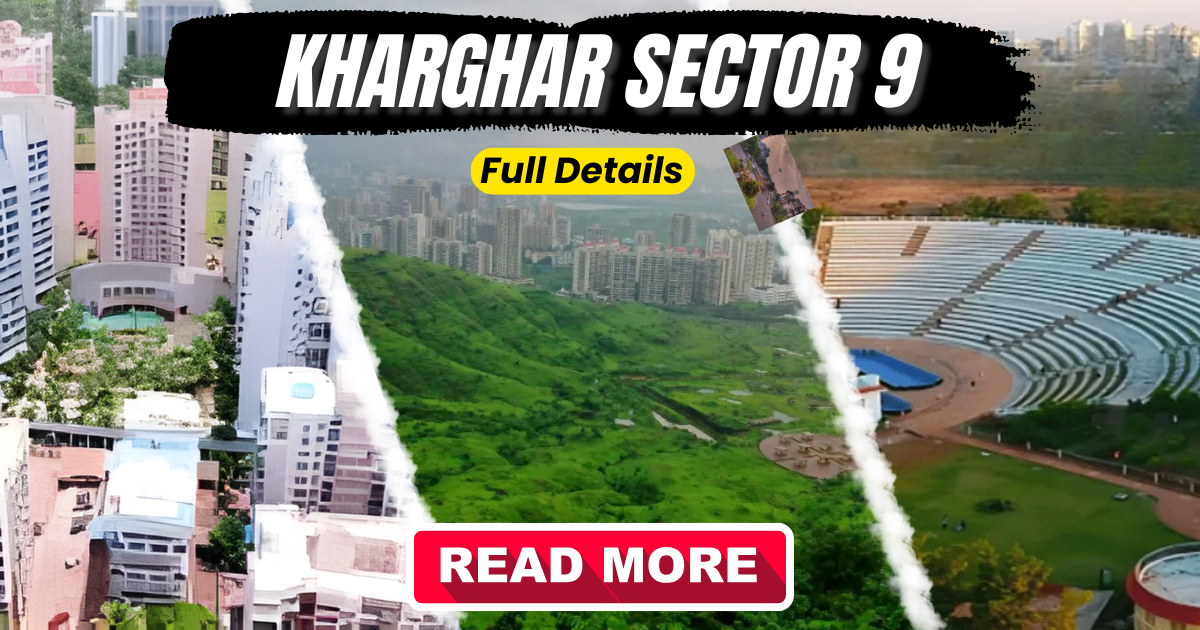
Sector 9 Kharghar: Introduction & Real Estate Overview (2025)

 If you’ve spent enough time in Kharghar, you’ll know this feeling. You turn off a busy road, cross one signal, maybe two, and suddenly things slow down. Not dramatically. Just enough to breathe. That’s Sector 9 for you. It doesn’t shout for attention. It doesn’t try to compete with central Kharghar’s buzz or Upper Kharghar’s open spaces. Sector 9 sits quietly in between. Balanced. Settled. Familiar.This is one of those sectors people often move into accidentally and then stay for years. Sometimes decades. Not because it’s flashy, but because daily life here works without demanding too much effort.In 2025, Sector 9 has grown into a dependable residential pocket. Mature enough to feel secure. Active enough to stay relevant.   The Residential Structure of Sector 9 Sector 9 across Navi Mumbai (Vashi, Ulwe, Ghansoli, New Panvel) features diverse residential structures, predominantly multistorey apartments (2/3 BHKs), offering a mix of ready-to-move and under-construction options, with modern amenities like gardens, gyms, and proximity to infrastructure, catering to various budgets but characterized by ongoing development and evolving property values Why Sector 9 Kharghar Is Getting Attention Kharghar as a whole has grown up.But Sector 9 sits in a slightly different spot. It’s early enough to still promise potential, yet developed enough to feel like a place you could actually live today. That sweet spot rare in Navi Mumbai is exactly what’s making people take notice. Thoughtful residential planning – Wide roads, green pockets, and CIDCO-style sector layout make it structured and livable. Close to established neighborhoods   Gharkul and Sector 7 are just a stone’s throw away, giving Sector 9 the benefit of mature social vibes without losing its own identity. Social infrastructure at hand – Schools, hospitals, and daily conveniences are nearby, so you don’t have to go hunting for essentials. Peaceful and clean – Compared to more commercialized sectors, traffic and noise are noticeably lower here. Room to breathe – Less congestion, more open space, and quieter streets make it a sector that ages gracefully. Current Real Estate Prices in Sector 9 Kharghar (2025) Residential Property Rates In Kharghar’s Sector 9 (and nearby areas in late 2025), expect 1 BHKs from ~₹40L-₹1 Cr+, 2 BHKs from ~₹70L-₹2 Cr+, and 3 BHKs from ~₹1.2 Cr-₹3 Cr+, with rates averaging around ₹12,000-₹16,000+/sqft carpet, depending on project, age, amenities (like Codename Cloud City, Arihant Clan), and specific location, with rising metro connectivity boosting prices.  Typical price observations: 1 BHK: ₹35  Lakhs – ₹80 Lakhs  (Some projects start lower, others go higher).  2 BHK: ₹75 Lakhs – ₹2.5 Crore+ (Newer, premium ones can exceed this).  3 BHK: ₹1.2 Crore – ₹3 Crore+ (Luxury projects command higher rates).    Commercial Property Rates Commercial real estate in Sector 9 is modest and practical. Small retail units, clinics, medical stores, salons, and service offices dominate the commercial landscape. There are no large office complexes, which keeps the residential nature intact. Commercial property rates generally range from ₹19000 to ₹35,000 per sq.ft. Shops facing main internal roads or near junctions attract higher prices due to consistent footfall from residents. Because commercial supply is limited and local-demand driven, these properties tend to hold value rather than fluctuate sharply.   Future Outlook: Where Prices Are Headed (Up to 2035) This is a sector that benefits from Kharghar’s overall development rather than individual mega-projects. Improved metro usage, better road management, and the long-term impact of the Navi Mumbai International Airport will indirectly support demand. Over the next 10–15 years, Sector 9 is expected to remain a stable residential choice. Price appreciation is likely to be gradual rather than dramatic. That’s exactly why risk-averse buyers and long-term investors prefer it.Sometimes, the best investments are the ones that don’t keep you guessing. Major Residential Projects in Sector 9 Kharghar Sector 9 is home to several established housing societies rather than headline-grabbing projects. Buildings here are known for functional layouts, reasonable open spaces, and community living. While amenities may not be extravagant, they are adequate for daily life. Most societies attract residents who plan to stay rather than flip properties quickly. That long-term occupancy gives the sector a settled, neighbourhood feel. Connectivity & Transportation: Sector 9 Kharghar Connectivity is one of those things people say they care about until daily life actually tests it. This is where Sector 9 Kharghar quietly performs better than expected. It doesn’t sit right on top of chaos, yet it plugs into every major transit layer, rail, road, metro, bus, and future air connectivity. The result is less daily stress and stronger long-term value.   Railway Access: The Daily Lifeline The closest railway access point is Kharghar Railway Station, part of Mumbai’s Harbour Line. This station connects directly to: Vashi Nerul Belapur South Mumbai corridors Peak-hour frequency is realistic for daily commuting, and last-mile connectivity via autos, buses, and shared mobility makes the station usable rather than symbolic. For office-goers working anywhere between Navi Mumbai and South Mumbai, this station quietly anchors daily life. You don’t feel stranded here, and that matters more than distance on a map. Nature, Parks & Outdoor Spaces Green Valley Park Temples, Spiritual Places & Culture Shree Radha Krishna Mandir Healthcare & Wellness Facilities Medical Stores Shree Sai Medical & General Store Om Sai Medical & General Store Balaji Me Ganesh Medical & General Store Hospitals & Clinics Omkar Clinic Balaji Clinic New Life Medical & General Store Local Market Mini Market Laxmi Super Market Home Decor Furnishings & Sofa Maker Shopping, Lifestyle & Local Businesses Toys, Gifts & Stationery Kiddie Land Clothing, Tailors & Jewellery Kaya’s Boutique Style & Stitch Tailors Jewellery Mahavir J Rishabh Jewellers Personal Care, Salons & Spas Style & Smile Unisex Salon Style & Smile Unisex Salon The Hair Studio Shree Beauty Parlour Food, Cafes & Entertainment Restaurants & Cafes Roadies Koffeehouz Malvan Tadka Vivace Cafe Base1 Gaming & Esports Cafe Conclusion This is a sector built on balance. Not too quiet. Not too chaotic. Well-connected, yet liveable. It suits families who value routine, professionals who want manageable commutes, and investors

Read More

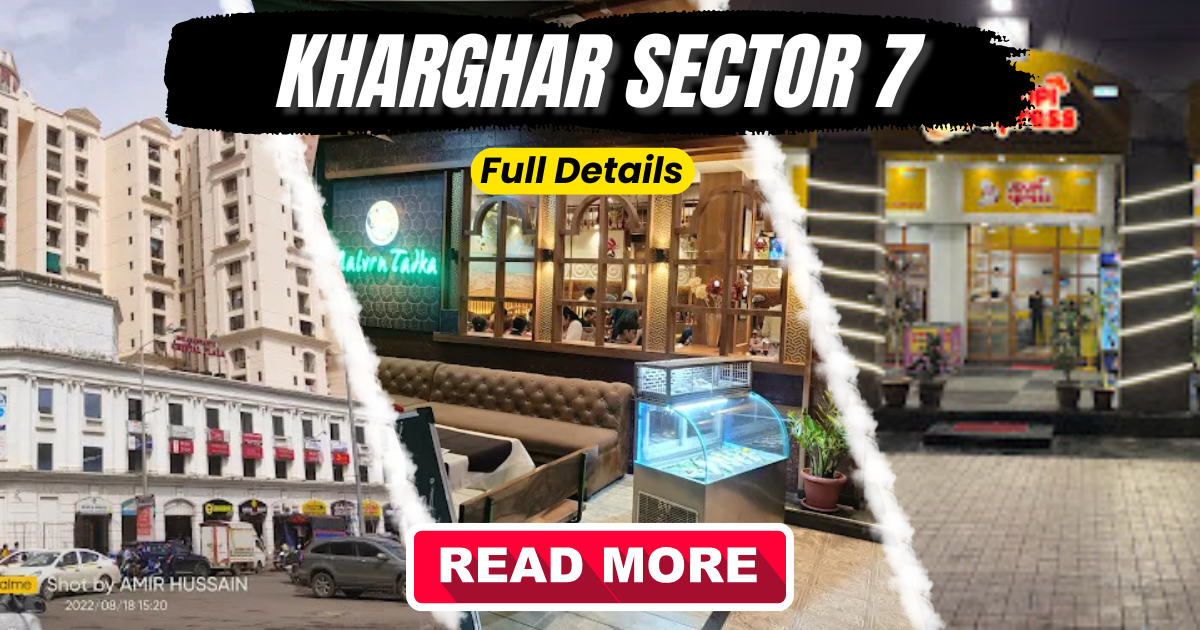
Sector 7 Kharghar: Introduction & Real Estate Overview (2025)

If you’ve ever approached Kharghar from the Sion-Panvel Highway, you know the moment when the chaos of the city slowly fades and a calm, organized neighborhood emerges. That’s Sector 7 for you. Located just 1.2 km from Kharghar Railway Station, this area has long been considered a “premium gateway” into Navi Mumbai’s growing residential nodes. Unlike the newer, busier sectors of Upper Kharghar, Sector 7 feels established, mature, and, honestly, a little like stepping into a quieter, easier-paced city.   The Residential Structure of Sector 7 Why Sector 7 Kharghar Is Drawing Attention Sector 7 it has quietly become one of the most sought-after addresses in Kharghar. And it’s not hype. It’s fundamentals. Here’s why: Proximity to Kharghar Railway Station and easy access to the Sion-Panvel Highway Walkable streets and low traffic density compared to sectors like 35 or 36 Established social infrastructure: schools, hospitals, parks, and retail Early luxury developments that have stood the test of time Ready access to upcoming mega-projects like NMIA and the Coastal Road Investors notice it for its scarcity of new land, families notice it for its livability, and professionals notice it for connectivity. It’s that rare combination.   Current Real Estate Prices in Sector 7 Kharghar (2025) Residential Property Rates Residential prices in Sector 7 have been climbing steadily over the past decade. As of 2025: Average Price: Around ₹15,000 – ₹22,100 per sq. ft.. 2 BHK Flats: Expect prices from roughly ₹1.45 Crore to ₹1.95 Crore. 3 BHK Flats: Prices typically start from about ₹2.14 Crore to ₹2.5 Crore. Overall Range: Properties can range from ₹1.12 Cr up to ₹3.96 Cr.  This range depends on: Age of the building Floor and apartment orientation Maintenance and society facilities Exact location within the sector Older luxury societies like Hiranandani Crystal Court still command high premiums due to brand reputation and spacious layouts, while slightly smaller or mid-tier projects remain more approachable for end-users.   Commercial Property Rates Commercial spaces are fewer here, mainly concentrated near the main road and Utsav Chowk entry points. Prices typically range from  Average Rate: Can range from ₹28,000 – ₹31,000+ per sq ft for ready office spaces. Office Spaces: Around ₹85 Lakh for 300 sq ft, up to ₹1.6 Crore for 610 sq ft. Shops: Starting from approximately ₹80 Lakh to ₹1.3 Crore for 300-450 sq ft. Premium Spaces: Expect higher rates for well-located, modern commercial properties.  Real Estate Agents Sarayu Real Estate Agent, Kharghar, Navi Mumbai BHARAT ENTERPRISES, Property Consultant – Real Estate Agent Saltbox Housing Rahul Property SINHA PROPERTIES Crystal Plaza By Hiranandani Sai Raj Property Dealer Unique Associates New Sky Infra Realty Marketing Pvt Ltd Avighna Homes RERA Easy The Landmark Future Outlook: NMIA, Coastal Road & ICP The upcoming Navi Mumbai International Airport (NMIA), expected in late 2025/early 2026, and the Kharghar-Belapur Coastal Road will further re-rate property values. Sector 7 sits in the “Goldilocks Zone”: close enough for a fast commute, far enough to avoid flight noise.The International Corporate Park (BKC 2) will also drive demand for family-sized homes from senior executives, boosting rental yields from the current 3.5–4.2% to potentially 4.5% by 2027–28.   Major Residential Projects in Sector 7 Sector 7 is dominated by long-standing, well-maintained projects that have defined its “premium” label: Hiranandani Crystal Court CHS: Well-known society, offering 2 BHKs. Shah Heights: Features 2, 3, 4, 5 BHKs. Tharwani Heritage: Offers 2, 3 BHK apartments. Patel Aum Sai: Provides 2, 3, 4 BHK options. JHV The Hard Rock: Offers 2, 3 BHKs. Simran Residency: Another key residential building. Crystal Plaza: A prominent complex in the area.  Each project attracts a slightly different crowd: end-users looking for stability, families upgrading homes, and investors chasing rentals from the white-collar workforce linked to upcoming corporate hubs. Connectivity & Transportation: Sector 7 Kharghar Railway Access The Kharghar Railway Station, part of the Harbour Line, is about 1.2 km from Sector 7. A 10–15 minute walk or a quick auto ride gets you onto the line connecting:Harbour Line: Kharghar Railway Station provides access to the Mumbai suburban network Vashi Nerul Belapur South Mumbai Peak-hour frequency is reliable, making daily commutes manageable without the stress of longer shared rides that other sectors demand.   Metro Connectivity Navi Mumbai Metro: Metro Line 1 serves the area, with Utsav Chowk Station offering easy commutes.  The Science Park Metro Station (Metro Line 1) is roughly 300–800 meters from various points in Sector 7. Fully operational since late 2023, the metro has transformed internal mobility, cutting dependence on private vehicles and providing quicker access to Belapur, Taloja, and beyond. Road Network Major Highways: Directly linked to Sion-Panvel Highway and Mumbai-Pune Expressway for quick access to Mumbai, Thane, and Pune. (MTHL): Future completion will drastically cut travel time to South Mumbai. Local Roads: Central Park Road and Amra Marg improve intra-sector and airport access. Key Junction: Utsav Chowk is a central point, though it can be traffic-prone. Public Transport & Services Buses: Routes like 24AC, 52AC, 71, A-504, AC-53 serve the sector. Taxis/Autos: Easily available for short-distance travel. Logistics: Numerous transporters and courier services operate here for cargo needs. Top Digital Marketing, Printing, & Business Services Digital Marketing Agencies Digi Skyrocket Innovations Decilabs – Animation Video Company Printing Services New Shreeji Prints HASTI STATIONERY & XEROX Ambika Stationery & Xerox Print Plus Social Infrastructure: Schools, Colleges, and Healthcare Educational Institutions Category Institutions Preschools Ginger Blue International Pre School,Mahua’s International Pre School,Shrvan Daycare Centre,Kidsmania,Angel’s Nest Pre School & Day Care,Little Blossoms & Dhiman Coaching Classes   Colleges Satyagrah College,Modern Shikshan Prasarak Mandal’s College,Pace Junior Science College Parks Cidco Sector-7 Park: A smaller park specifically in Sector 7. Banking, Retail, and Local Businesses Banks Punjab National Bank (PNB) ICICI Bank Bank of India HDFC Bank AU Small Finance Bank Grocery & Supermarkets Shivraj Supermarket Kirana Stores Pooja Super Market Kailash Kirana Store Navdurga Super Market Shree Samarth Kirana Apna Bazar (Mini) Ganesh Kirana & General Store Balaji Super Market Om Sai Kirana Store Mahadev Super Market Shrinath Grain Stores Swastik General Stores

Read More

Girija Welfare Association Kharghar

Nestled in the planned, leafy lanes of Sector 12, Kharghar, Girija Welfare Association stands as a beacon of hope. Established in 2004, this NGO has grown from a small initiative into one of Navi Mumbai’s most comprehensive social care organizations. Unlike typical NGOs that focus on a single demographic, Girija bridges generations-providing a home for orphaned children, a sanctuary for abandoned seniors, and care for patients battling stigmatized illnesses such as HIV/AIDS and Cancer.   The Visionary Foundation: How Trombay Inspired Change The story of Girija Welfare Association is deeply personal. In the late 1990s, Mr. Vasant Kunjar, Founder & President, worked at Nirmaya Niketan, an HIV/AIDS hospital in Trombay. He noticed a heartbreaking truth: while patients received medical care, their children-often healthy but stigmatized-were left with nowhere to go after their parents passed away. Determined to make a lasting difference, Mr. Kunjar, along with Mrs. Sumitra Kunjar, established Girija in 2004. While Mr. Kunjar provided the vision and resources, Mrs. Kunjar brought a maternal, gender-sensitive approach, ensuring that Girija felt like a home rather than an institution. Location & How to Reach One of the best things about Girija Welfare Association is its prime yet peaceful location. Nestled in Sector 12, Kharghar, behind the Mini Market and near Shivaji Chowk, it’s easy to find but tucked away enough to feel private and safe. GPS coordinates: 19.0322, 73.0645. Connectivity by Train The nearest station is Seawoods-Darave on the Harbour Line. From there, a short auto-rickshaw ride of about 5-10 minutes takes you directly to the NGO. The upcoming Navi Mumbai Metro stations like Kendriya Vihar and Pethapada also bring the location closer to students and office-goers, making public transport even more convenient. Connectivity by Road Sector 12 is well connected via Palm Beach Road and other main roads, allowing easy access for cars and taxis. Auto-rickshaws from nearby sectors make the last-mile commute smooth. Parking is available on local streets near the Mini Market, though arriving early is recommended during peak hours. Bus Connectivity Public buses connect Prime Mall to several parts of Navi Mumbai and beyond. Routes passing through Kharghar make it accessible for people coming from Belapur, Panvel, and even parts of Vashi. Bus travel here is functional, not fancy. Students, office workers, senior citizens. Everyone uses it. And because Prime Mall is close to main internal roads, getting down at the nearest stop does not feel inconvenient. Airport Connectivity While the Navi Mumbai International Airport is still upcoming, its development has already changed how people perceive Kharghar. Prime Mall, being relatively close to the Panvel and Ulwe belt, is expected to benefit indirectly once airport operations begin. For now, Chhatrapati Shivaji Maharaj International Airport remains the primary option, accessible via road in about one to one and a half hours, depending on traffic. Not ideal, but manageable. Institutional History & Leadership Girija Welfare Association was formally incorporated in 2004, at a time when Navi Mumbai was growing as a planned city but social safety nets lagged behind. The NGO’s inception was deeply personal for Vasant Kunjar. His work at Nirmaya Niketan HIV/AIDS Hospital in Trombay exposed him to the harsh reality of children left orphaned after losing parents to stigmatized diseases. These “nowhere children,” as he saw them, needed more than food or shelter-they needed guidance, love, and hope.Supporting him in this mission is Mrs. Sumitra Kunjar, described as the “pillar of strength.” She brings a gender-sensitive approach, overseeing health, nutrition, and daily care, ensuring children and seniors are not only safe but genuinely nurtured. Together, they form a dual-leadership model that blends administrative efficiency with familial warmth.The human story here is compelling: two individuals, their hearts driven by personal experiences, built an institution that continues to impact hundreds of lives across Navi Mumbai. Services & Facilities – Where Care Meets Community Walking through the Girija Welfare Association, it’s impossible not to feel the diversity of lives it touches. This is not just an NGO; it’s a multi-generational ecosystem of care, blending children’s education, senior citizen support, and specialized healthcare. Girija Balgruha -A Home for Children The Balgruha is the heart of the association’s pediatric work. Housing 30 boys aged 6–17, it provides more than just shelter. These are children often caught in “broken families” or left behind due to tragic circumstances. Each child is not just a resident but a story in progress-learning, healing, and building resilience. The Balgruha emphasizes education and vocational training. Children receive support in basic academics, English language skills, and even digital literacy, bridging gaps that often exist in underprivileged households. Volunteers frequently organize “mind sharpness” sessions and games, making learning interactive.One can imagine the laughter echoing through the halls during cricket matches or board game sessions, a small but powerful antidote to life’s hardships. It’s a space where care is personalized, avoiding the impersonal feeling often found in large institutions.   Senior Citizen Home-Dignity in Aging While children find their foundation at the Balgruha, seniors find comfort and companionship at the Girija Old Age Home. Housing around 60 residents, many abandoned or financially vulnerable, the facility focuses on holistic care. Medical aid is available 24/7, and residents engage in activities that keep both mind and body active. The dormitory-style accommodation, described as “cozy” by visitors, ensures a sense of community rather than isolation. Regular health awareness programs, like organ donation sessions in partnership with the MOHAN Foundation, keep residents connected to the larger social discourse.Walking the corridors, one can almost hear the quiet hum of lives being respected, where each resident’s dignity is prioritized over bureaucracy or cost-cutting. HIV/AIDS Foundation- Specialized Care At the heart of Girija’s mission lies its commitment to children living with HIV/AIDS, aged 5-17. Social stigma makes these children difficult to place in conventional care, but at Girija, they find protection, medical monitoring, and nutrition tailored to support compromised immunity.This is a space where empathy meets expertise. Staff track medications, nutritional intake, and overall health, while ensuring the children feel safe and loved, rather than labeled

Read More

Prime Mall in Kharghar

There are some places in a city that don’t scream for attention. They don’t have giant LED screens or glossy billboards shouting discounts. They simply exist. Quietly. Reliably. And over time, they become part of people’s routines. Prime Mall in Kharghar is exactly that kind of place.If you ask a first-time visitor, they might say it looks modest. Maybe even simple. But if you ask someone who has lived in Kharghar for a few years, their answer changes. This mall is where errands get done. Where students kill time between classes. Where parents stop by after school pickups. Where small businesses survive, adapt, and grow. It does not try to compete with Seawoods Grand Central or Inorbit Vashi. It does not need to.Prime Mall plays a different role. It is woven into daily life. I have seen it on slow weekday afternoons, when the corridors feel calm and familiar. And I have seen it during festive weeks, when the same corridors suddenly feel alive, noisy, almost chaotic. That contrast is what makes it interesting. This is not a destination mall. This is a neighborhood mall, and there is a big difference. Quick-Look Table  Feature  Details  Location  Sector 12, Kharghar, Navi Mumbai  Primary Use  Retail, Professional Offices, Coaching Centers, Salons  Metro Access  Pethapada & Kendriya Vihar (Line 1)  Highlight  Practical, Budget-friendly, and Community-centric Location & How to Reach Prime Mall is located in Sector 12, Kharghar, Navi Mumbai. The address might look ordinary on Google Maps, but the surroundings give it character. Residential societies line the nearby roads. Small grocery stores, stationery shops, and local eateries sit just outside. You can tell this area was designed for people who actually live here, not just pass through. Sector 12 itself is one of those pockets of Kharghar that feels settled. Not too new, not too old. The kind of place where shopkeepers recognize faces and security guards nod at regular visitors. Prime Mall sits comfortably within this ecosystem, not dominating it, but supporting it. Connectivity by Train For anyone using the local train network, Kharghar Railway Station is the nearest major stop. From the station, Prime Mall is roughly a 20 to 25 minute walk. Most people prefer taking an auto rickshaw, especially in the afternoon heat. That ride usually takes less than ten minutes, depending on traffic. What really changed the game though is the Navi Mumbai Metro. Stations like Kendriya Vihar and Pethapada brought Prime Mall closer to people who earlier depended only on trains or buses. Metro connectivity has quietly increased footfall, especially students and office-goers who prefer quick, predictable travel. Connectivity by Road Road connectivity has always been one of Kharghar’s strengths. Wide internal roads, planned junctions, and direct access to the Sion–Panvel Highway make driving relatively stress-free compared to other parts of Mumbai. Reaching Prime Mall by car or two-wheeler is straightforward. Autos are easily available from all nearby sectors, including Sector 10, Sector 15, and Sector 20. For residents, this mall often becomes a “quick stop” rather than a planned outing. That convenience is its biggest asset. Parking exists, though it can feel limited during peak hours or when events are happening inside the building. Locals have adapted. Some park a little away and walk. Some come at off-hours. It’s one of those unspoken adjustments people make without complaining too much. Bus Connectivity Public buses connect Prime Mall to several parts of Navi Mumbai and beyond. Routes passing through Kharghar make it accessible for people coming from Belapur, Panvel, and even parts of Vashi. Bus travel here is functional, not fancy. Students, office workers, senior citizens. Everyone uses it. And because Prime Mall is close to main internal roads, getting down at the nearest stop does not feel inconvenient. Airport Connectivity While the Navi Mumbai International Airport is still upcoming, its development has already changed how people perceive Kharghar. Prime Mall, being relatively close to the Panvel and Ulwe belt, is expected to benefit indirectly once airport operations begin. For now, Chhatrapati Shivaji Maharaj International Airport remains the primary option, accessible via road in about one to one and a half hours, depending on traffic. Not ideal, but manageable.   Prime Mall Layout and Zones Ground Floor The ground floor is where life happens. This is the busiest zone, especially during mornings and evenings. You will find daily-need stores, small retail outlets, and service-oriented shops here. People come in with purpose. Buy. Fix. Collect. Leave. There is no confusion in layout. Shops are visible. Signboards are simple. It feels practical. Parents with kids, elderly residents, delivery personnel. Everyone moves comfortably here. Upper Floors As you move up, the atmosphere shifts. The upper floors house salons, offices, coaching centers, boutiques, and activity spaces. This is where Prime Mall reveals its second identity. Not just shopping, but work and learning. Some floors feel quieter during weekdays. Others come alive in the evenings when classes end and offices close. This uneven rhythm might feel odd to outsiders, but locals understand it. Prime Mall adapts to time, not the other way around. Food & Dining Food at Prime Mall is not about luxury dining. It is about familiarity. Inside and around the mall, you will find small eateries, snack counters, and restaurants that serve comfort food. Places where the menu does not change much because it does not need to. Regulars already know what they want. Nearby restaurants offer North Indian meals, quick Chinese, snacks, and tea spots that become unofficial meeting points. A typical meal for two around this area usually falls between ₹300 to ₹600, depending on where you eat. People often eat here before or after shopping, not as the main attraction. And that is okay. Prime Mall was never meant to be a food destination. It is a supporting act. Reliable. Consistent. Entertainment & Multiplex This is where expectations need to be managed. Prime Mall does not have a multiplex or large entertainment zone. Movie lovers usually head to Little World Mall, Seawoods, or Vashi

Read More

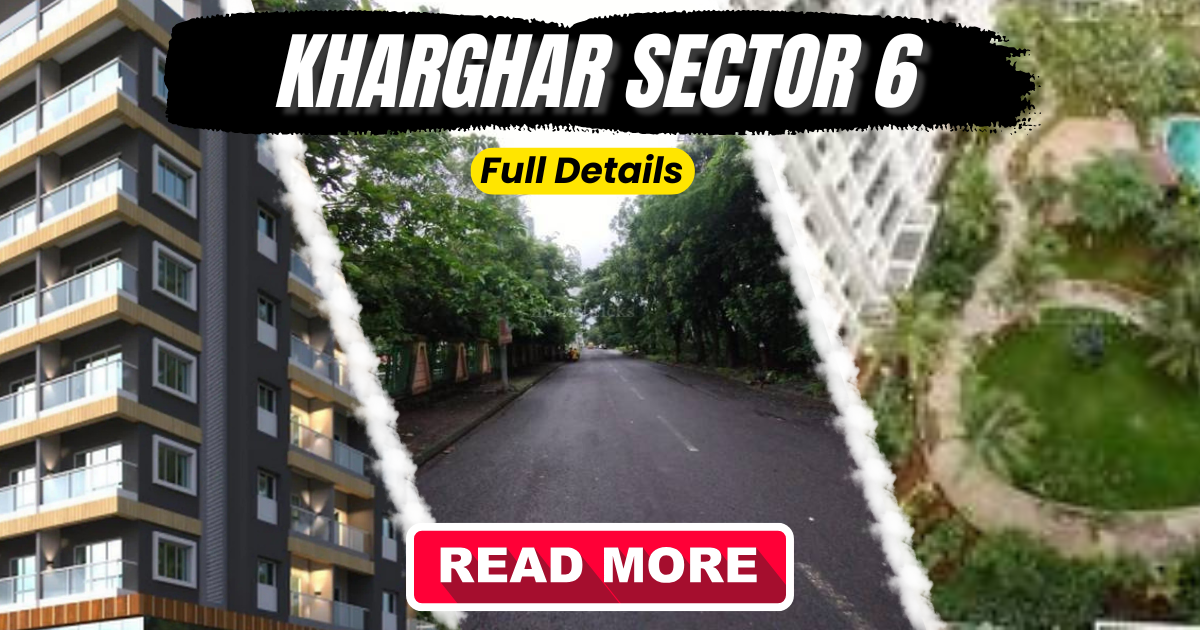
Sector 6 Kharghar: Introduction & Real Estate Overview (2025)

2+ View Gallery × ❮ ❯ If you’ve ever entered Kharghar directly from the Sion–Panvel Highway, Sector 6 is usually the first part of the node that greets you. No slow transition. No quiet buffer. You’re suddenly in it. Traffic flowing, buses pulling in, autos waiting, students crossing roads, offices opening shutters. This is one of the oldest and most active residential sectors in the node. Long before Upper Kharghar started attracting attention, Sector 6 was already living a full daily life. People moved here not because it was peaceful, but because it was practical. And over time, practicality turned into stability. Today, Sector 6 sits at an interesting crossroads. It’s developed, lived-in, and slightly chaotic. But it’s also one of the most connected pockets of Kharghar. For many residents, that trade-off makes complete sense. Price Trends Year Months ₹16 K₹14 K₹12 K₹10 K₹8 K Sec-6 Kharghar ₹14.2 K Kharghar (Avg) ₹11.8 K Explore Projects By Configuration Explore Sector 6 Kharghar Projects 1 BHK Sector 6 🏠 AVG PRICE ₹65 L – 75 L AVG RATE ₹11.5K / ft² 2 BHK Sector 6 🏢 AVG PRICE ₹1.15 Cr+ AVG RATE ₹12.8K / ft² 3 BHK Sector 6 🏢 AVG PRICE ₹1.85 Cr+ AVG RATE ₹13.5K / ft² The Residential Structure of Sector 6 Kharghar has expanded dramatically over the years, but Sector 6 has never really lost Let’s be honest, Kharghar as a whole has grown up. But Sector 6 sits in a very different spot within that maturity. It doesn’t offer the silence of upper sectors or the “new launch” excitement of developing pockets. What it offers instead is certainty. Developed enough to function without gaps. Central enough to stay relevant. Connected enough to keep demand alive. That combination is becoming rare in Navi Mumbai. People are paying attention to Sector 6 for reasons that only become obvious once you live here. Key factors driving interest: Strategic positioning along the Sion–Panvel Highway, making daily commuting predictable Proximity to Kharghar Railway Station and Kendriya Vihar Metro, strengthening multi-modal connectivity Strong rental ecosystem driven by students, professionals, and long-term tenants Dense social infrastructure already in place, not “coming soon” Commercial Property Rates Commercial real estate in Sector 6 is far more active than in quieter upper Kharghar sectors, and that directly influences both demand and pricing. As of 2025, commercial property prices in Sector 6 generally fall between: ₹12 ,000 – ₹25 ,000 per sq.ft Future Outlook: Where Prices Are Headed (Up to 2035) This is not a “buy today, double tomorrow” location. Appreciation here is driven by infrastructure consolidation rather than speculation. The operational metro, sustained highway importance, and proximity to major employment zones keep demand stable.The Navi Mumbai International Airport will further strengthen Sector 6’s appeal for professionals who need fast airport access without moving to newer, less developed nodes.By 2030–2035, Sector 6 is expected to hold its position as a core utility sector. Prices will grow steadily, rentals will remain liquid, and vacancy risks will stay low. Current (Avg. 2025):  Average prices in Kharghar range from ₹12,000 to ₹18,000 per sq. ft., with Sector 6 specifically witnessing average property rates around ₹21,900 per sq. ft. as of late 2024, a 29.2% increase over the past five years. By 2030: Average prices in the general Kharghar area could reach[ [ ₹18,000–₹20,000]  sq.  By 2035: Real estate values are estimated to potentially climb t[ ₹24,000–₹30,000 per sq. ft., with specific areas like Sector 6 seeing high appreciation due to proximity to key infrastructure   Major Residential Projects in Sector 6 Kharghar Sector 6, Kharghar, features many residential projects like Ak Hitech Sapphire, Shah Arcade, Kesar Harmony, Regency Gardens, Hills Residency, and Concrete Sai Saakshaat, Kamdhenu Eden Garden, offering 1, 2, 3, and 4 BHK options with various amenities, from ready-to-move to under-construction, catering to different budgets and preferences in this sought-after Navi Mumbai area Shah Group: Shah Arcade, Shah Alpine Ak Hitech Associates: Ak Hitech Sapphire.  Neelkamal Builders: Neelkamal Gokul. Raj Homes:  Hills Residency (Raj Homes S V Developers).  Concrete Builders: Concrete Sai Saakshaat (Wing E). Kamdhenu Realities:  Kamdhenu Eden Garden, Kamdhenu Pride. J M M Homes: J M M Savli CHS. Bus Services NMMT and BEST buses operate extensively through Sector 6. Routes connect to Panvel, Belapur CBD, Vashi, Chembur, and even Mumbai city routes. For many residents, buses remain the most dependable option. Sector 6 sits right along the Sion–Panvel Highway. This is both its strength and its challenge. Highway access is immediate, but traffic noise is part of the deal. For residents who commute daily, the convenience usually outweighs the discomfort. Sai Sakshaat, bus stop Regency Garden,bus stop Gharkul bus stop How To Reach Sector 6 Kharghar to NMIA Reaching Navi Mumbai International Airport from Sector 6, Kharghar is convenient and straightforward by road. You can travel by car or taxi via Sion–Panvel Highway or internal CIDCO roads, making the journey comfortable and time-efficient. NMMT and BEST buses also operate from Kharghar towards Ulwe–Panvel and nearby airport-access routes, offering an affordable public transport option for daily commuters and travelers heading to Navi Mumbai International Airport from Sector 6, Kharghar. Sector 6 to NMIA Route Car Route: Sector 6 (Kharghar) to Navi Mumbai Int’l Airport Swipe left to see full table → Phase Detailed Driving Directions Route Summary Start Head east on Saraswati College Rd. Take turns at Rahul Stambh and Vaviya Xerox to align with the main road. Pass the church and take the 2nd exit at Utsav Chowk onto Pravesh Marg. Turn right at Savera Cafe, pass “Teen Bandar”, and merge onto the Sion-Panvel Highway. Distance: ~1.7 km Time: ~7 mins Main Transit Drive on the highway (keep left for flyover) and take the exit toward NH348A (Ulwe) near Block D. Make a sharp left at Kai. Kumari Krishnabai Chowk. Follow signs past HDFC Ergo and Aarush Veg Treat. Keep right on NH348A to take the flyovers, passing the Yacht Building. Main Roads: Sion-Panvel Hwy NH348A (Ulwe) Distance: ~10.4 km Arrival Take the final exit

Read More