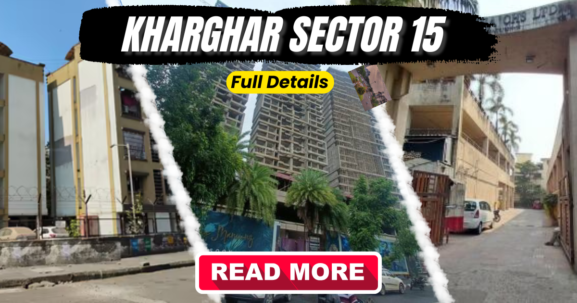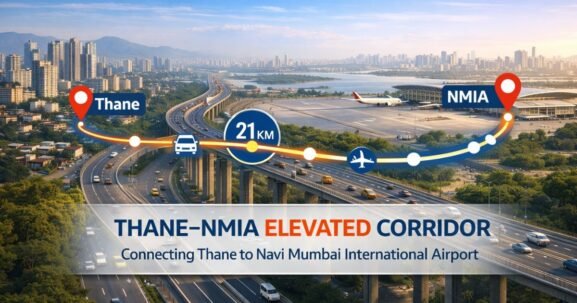

Sector 17 Kharghar: Introduction & Real Estate Overview (2025)
If you’ve lived in Kharghar long enough, you start recognising the difference between sectors that look good on paper and sectors that actually work in real life. Sector 17 falls firmly into the second category.It doesn’t announce itself. There’s no landmark shouting its name. You usually reach it while moving between familiar parts of Kharghar, and that’s exactly why people underestimate it. Sector 17 is not isolated, not chaotic, not experimental. It sits quietly in the lived-in heart of Kharghar. By 2025, Sector 17 has grown into a steady, dependable residential pocket. It’s the kind of place where residents know their surroundings, routines are predictable, and daily life doesn’t require constant adjustment. For many families and long-term residents, that reliability becomes the biggest luxury.
The Residential Structure of Sector 17

Sector 17 is primarily a residential-focused sector, shaped during a phase when Kharghar’s planning emphasised usability over vertical density.
Most buildings here are cooperative housing societies, a mix of mid-rise and select taller structures. The layouts are practical, with reasonable spacing between buildings, internal roads that don’t feel cramped, and fewer abrupt commercial intrusions.
The resident profile reflects this structure. Families form the backbone of the sector. Many residents have lived here for years, even decades. Working professionals choose Sector 17 for its balance between connectivity and calm. Senior citizens appreciate the manageable scale and familiar environment
- Morning walks and school
- preparations
- Office commutes without
- last-minute chaos
- Afternoons that stay
- relatively quiet
- Evenings that belong to
- families, not traffic
- Nights that genuinely slow down
There is commercial activity, but it’s purpose-driven. Grocery stores, clinics, salons, and service shops exist to support residents, not to attract outside crowds. That keeps Sector 17 residential in character, even as the city around it grows busier.
Why Sector 17 Kharghar Is Getting Attention
As Kharghar matures, buyers are becoming selective. Instead of chasing new launches, many are choosing sectors where infrastructure is already tested. Sector 17 fits that mindset.
It sits close to central Kharghar without absorbing its congestion. Roads connect smoothly to neighbouring sectors. Schools, healthcare, and daily essentials are already operational. There’s no waiting period for livability.
Families are drawn to the sense of stability. Retirees like the scale and routine. Investors see Sector 17 as a low-volatility residential market where demand doesn’t spike and crash.
Current Real Estate Prices in Sector 17 Kharghar (2025)
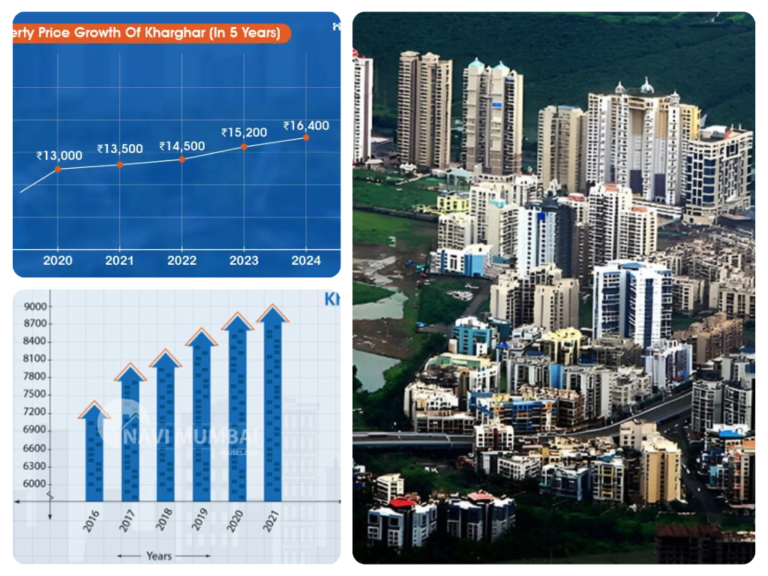
₹12,500 – ₹21,000 per sq.ft
The variation depends largely on building age, maintenance quality, floor level, and proximity to internal connecting roads. Older cooperative societies still offer relatively accessible entry points, especially for end-users who prioritise space and location over modern branding.
Typical price observations include:
1 BHK flats ranging from ₹70 lakh to ₹1 crore
2 BHK flats usually priced between ₹1.3 crore and ₹1.9 crore
3 BHK flats starting around ₹2.2 crore and moving higher in premium societies
Rental demand here is stable and family-oriented. A 2 BHK typically rents for ₹20,000 to ₹30,000 per month depending on furnishing and society condition. Tenant turnover is lower compared to more student-heavy sectors.
Commercial Property Rates
Commercial real estate in Sector 17 is limited and deliberately understated.
The sector supports only neighbourhood-level commerce. Clinics, pharmacies, grocery stores, salons, coaching classes, and small offices form the bulk of commercial activity. There are no large office parks or destination retail spaces.
Commercial property prices usually range between:
₹18,000 – ₹60,000 per sq.ft
Units facing main approach roads or junctions attract higher prices due to steady residential footfall. Interior shops are more affordable but still viable because demand is consistent and local.
Sector 17 was never designed to be commercial-heavy. That restraint helps preserve its residential identity and long-term livability.
Real Eastate Agences
- Vastu Vihar
- Property Celebration
- Properties Local Brokers
Future Outlook: Where Prices Are Headed (Up to 2035)
Metro connectivity improvements, smoother road networks, and the long-term impact of the Navi Mumbai International Airport are expected to support residential demand indirectly. Importantly, Sector 17 is positioned to benefit without absorbing infrastructure-related congestion.
Over the next 10–15 years, price appreciation here is expected to be steady and sustainable. This is the kind of sector that rewards patience rather than speculation.
Major Residential Projects in Sector 15 Kharghar
Sector 17 is home to established housing societies rather than high-profile launches.
These societies focus on functional layouts, usable common spaces, and community living. Amenities are practical, not extravagant. Most residents here are long-term occupants, which creates a cooperative and familiar neighbourhood atmosphere.
That long-term residency is what gives Sector 17 its settled feel.
Connectivity & Transportation: Sector 17 Kharghar
Railway Access
Kharghar Railway Station is reachable via autos and buses. Harbour Line services connect residents to Vashi, Nerul, Belapur, and South Mumbai.
Metro Connectivity
Nearby metro stations have improved internal mobility across Kharghar, reducing dependence on road travel.
Bus Services
NMMT and BEST buses operate regularly, connecting Sector 17 to Belapur CBD, Panvel, and Mumbai routes.
Road Connectivity
Sector 17 enjoys smooth access to internal Kharghar roads and reasonable proximity to the Sion–Panvel Highway without constant highway noise.
Top Digital Marketing, Printing & Business Services
Printing & Business Services
- Crystal Jumbo Print
- Swastik- Stationery & Book Store
Banks & Daily Essentials: Sector 17 Khargha
- ICICI Bank
- HDFC Bank
Nature, Parks & Outdoor Spaces
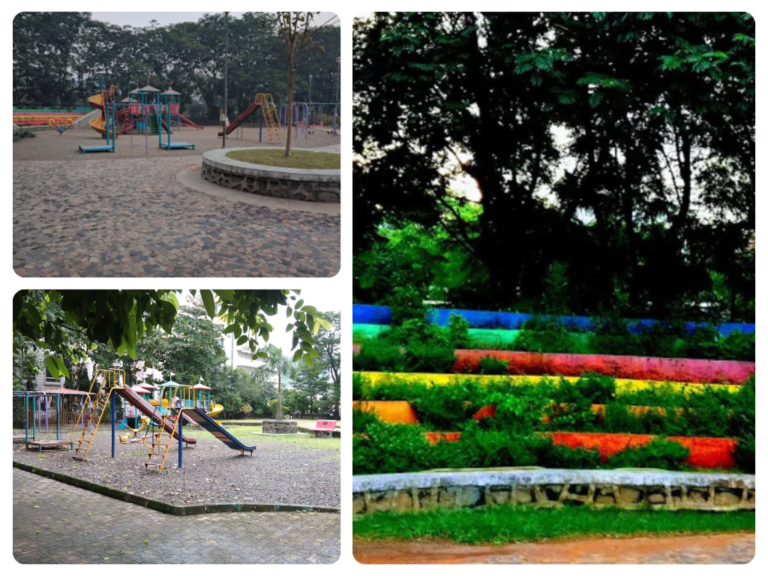
- CIDCO Garden
- Vastu Vihar Internal Parks
Healthcare & Wellness Facilities
Medical Stores
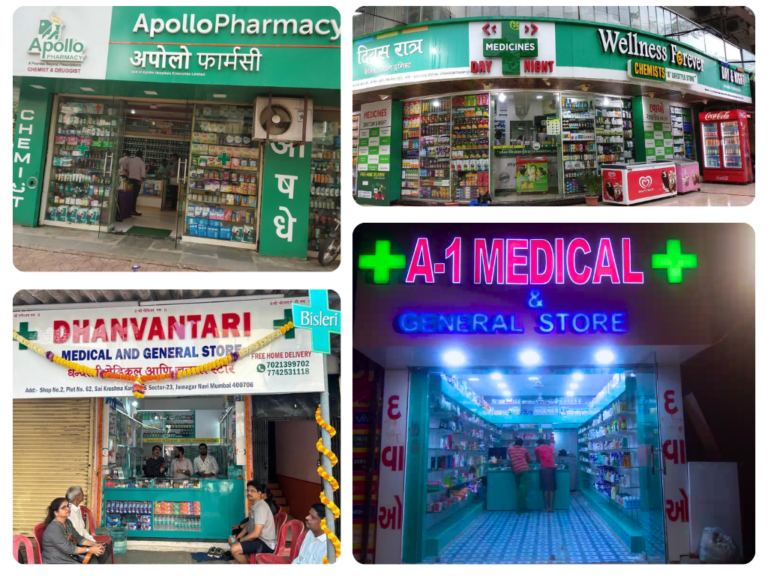
Apollo Pharmacy
Wellness Forever
Dhanwantri Medical
- A-1 Medical Store
Hospitals & Clinics
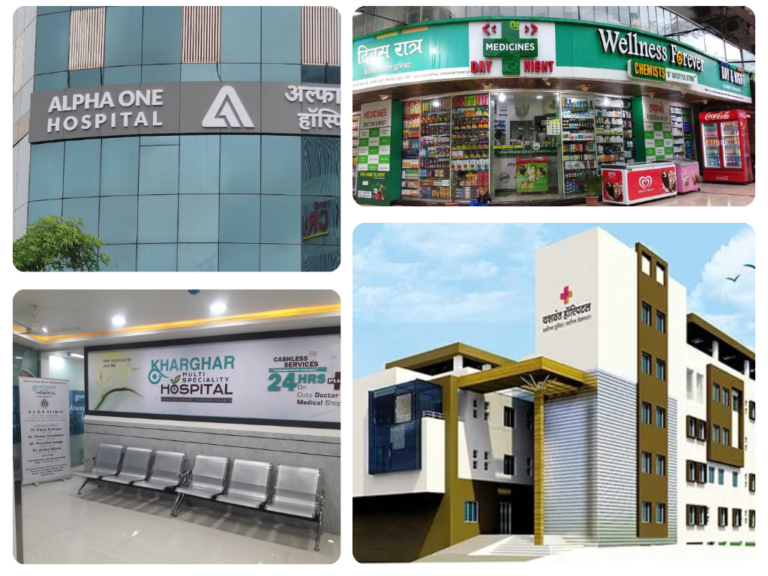
Yashwant Multispeciality hospital
KHARGHAR MULTISPECIALITY HOSPITAL
Alpha One Multispeciality Hospital
Gyms, Yoga & Fitness Studios
Gyms
- Physc Gym
- Traance.fit
Dance Classes
- Red Studio Dance
- Icact Dance Institute and Fitness Studio
- The Little Angels Preschool & Activity Center
Shopping, Lifestyle & Local Businesses
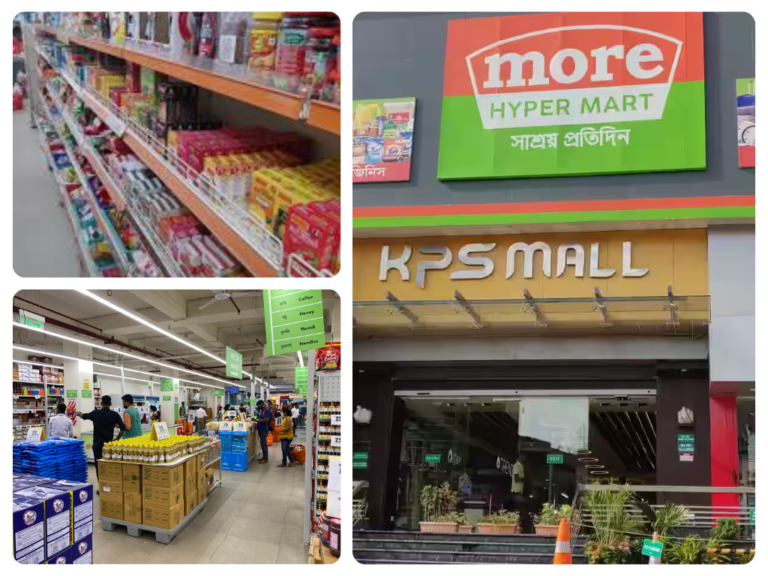
Grocery & Supermarkets
- More Hypermart
- A-1 Supermarket
- Local Vegetable Market
Lifestyle & Fashion
- Designer Boutiques
- Dry Cleaners & Laundr
Toys, Gifts & Stationery
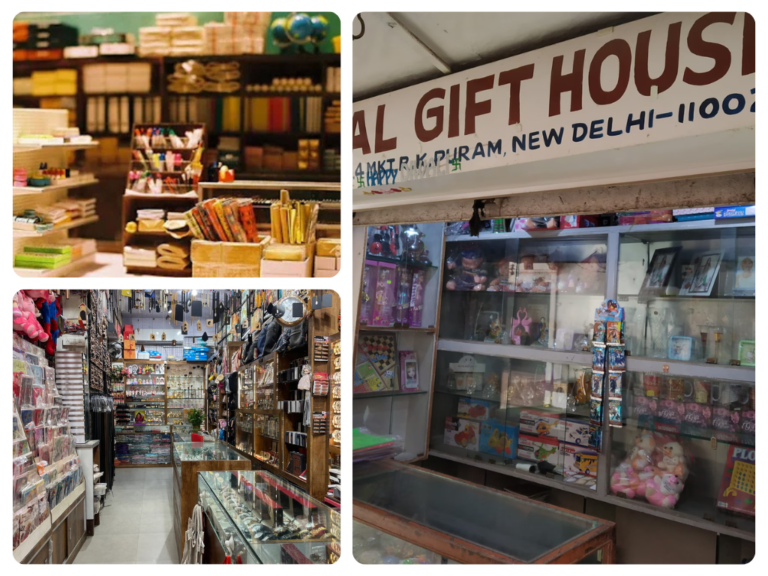
Choice Stationery & Xerox
Archies Gallery
Vastu Vihar Stationery & Gift Center
Modern Books & Stationery
Clothing, Tailors & Jewellery
Clothing
- Cotton plus
- Peacock Collections
- Cambridge
Jewellery Stores
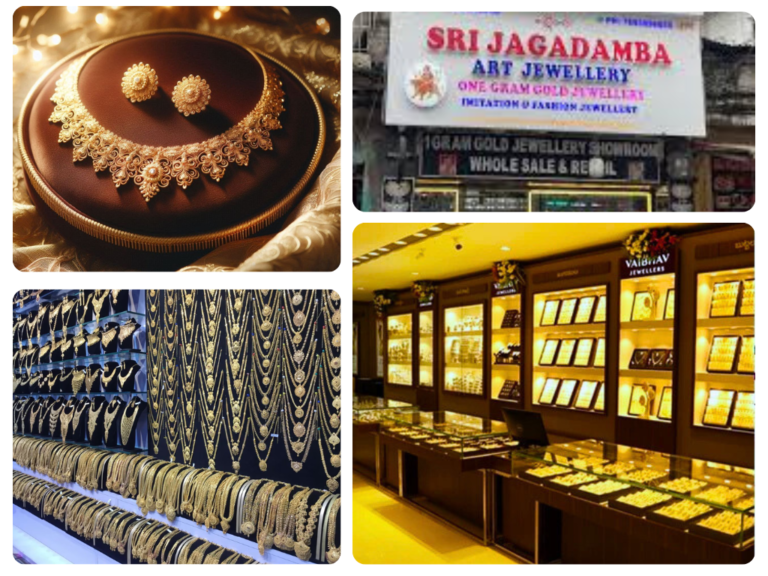
Fancy Store & Imitation Jewellery
Local Gold & Silver Smiths
Personal Care, Salons & Spas
Namastey Salon
Majestic Salon, Spa & Academy Kharghar
Food, Cafes & Entertainment
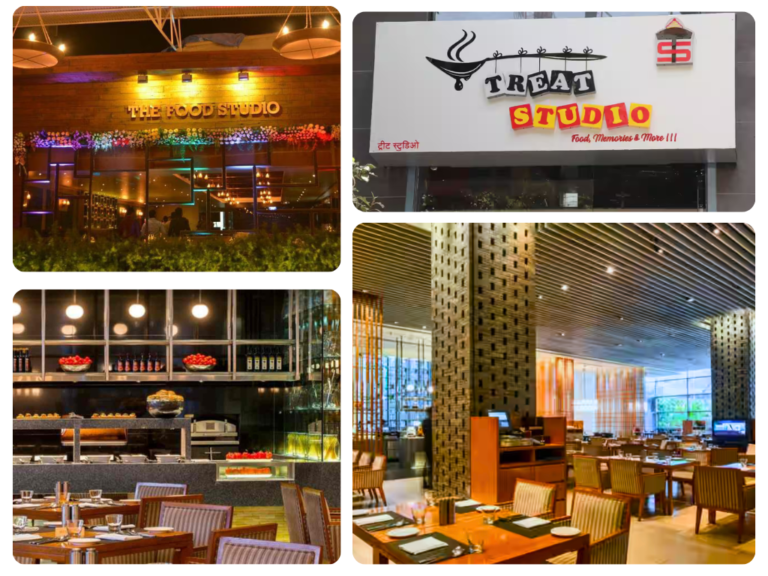
Restaurants & Cafes
Hotel Spice Kitchen
Sai Sagar Veg Treat
The Food Studio
Cafes & Quick Bites
Monginis Cake Shop
Amul Ice Cream & Cafe Outlet
This is a sector built on consistency. Calm without isolation. Connectivity without overload. It suits families who value routine, professionals who want predictable commutes, and investors who prefer long-term stability over speculation.If you want constant change, Sector 17 may feel too steady.If you want a place that supports everyday life quietly and reliably, it continues to do exactly that.
FAQs
Frequently Asked Questions
Is Sector 15 Kharghar a good place to live?
What are property prices in Sector 15 Kharghar?
Is Sector 15 suitable for rental investment?
Is Sector 15 noisy or crowded?
What makes Sector 15 different from other Kharghar sectors?
How is connectivity from Sector 15 Kharghar?
Are schools and hospitals nearby?
Will property prices rise in the future?
Is Sector 15 Kharghar a good place to live?
What are property prices in Sector 15 Kharghar?
Is Sector 15 suitable for rental investment?
Is Sector 15 noisy or crowded?
What makes Sector 15 different from other Kharghar sectors?
How is connectivity from Sector 15 Kharghar?
Are schools and hospitals nearby?
Will property prices rise in the future?
Nearby Sector
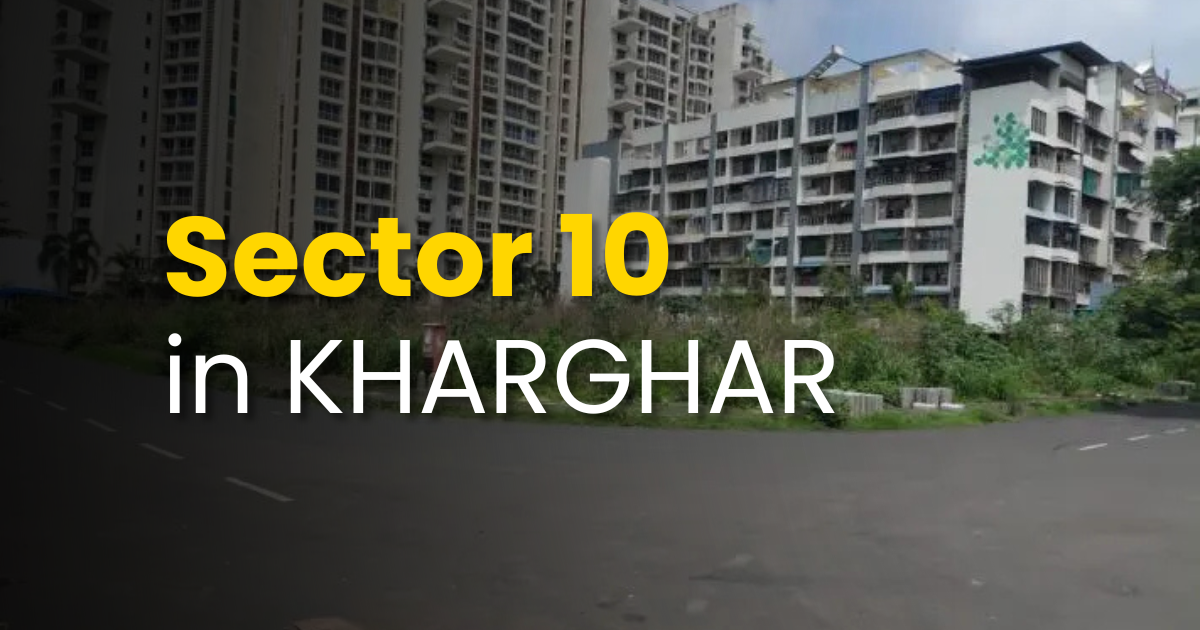
If you’ve walked around Sector 10 in Kharghar recently, you’ll sense something palpable a buzz that this part of Navi...