

CBD Belapur Property Demand: How Station, CIDCO and Government Presence Affect It
CBD Belapur demand is strongest where three working systems overlap: the station-and-metro commute hub, CIDCO’s regulatory presence, and the wider government-office cluster around Konkan Bhavan, NMMC headquarters and the Belapur court belt. But this advantage is not equal across the whole node. It helps walkable office stock, service-led commercial units and selected nearby homes far more than old, poorly parked, badly maintained, or awkwardly connected properties. :contentReference[oaicite:0]{index=0}
That is the first thing many generic area pages miss. They talk as if Belapur is simply “prime.” In reality, Belapur works because it still functions as a working administrative economy. The station brings movement. CIDCO brings regulatory relevance. Government and court presence bring weekday footfall, service demand, and a steady tenant base for the right commercial stock.
What actually keeps demand alive in CBD Belapur?

Belapur demand stays alive because it is supported by three different engines, not one.
| Demand engine | Who it helps most | What it boosts | Where premium holds | Where it weakens |
|---|---|---|---|---|
| Station + metro commute engine | Office users, employees, daily visitors | Leasing ease, staff access, weekday movement | Walkable or very short-ride commercial stock | Properties sold as “near station” but with awkward access |
| CIDCO regulatory engine | Architects, developers, lawyers, liaison professionals, consultants | Demand for small practical offices near decision-making bodies | Sector 11 and adjacent commercial belts | Buildings with weak upkeep or no execution readiness |
| Government + court weekday services engine | Advocates, CAs, notaries, admin services, food and support businesses | Daytime footfall and commercial occupancy | Court/NMMC/Konkan Bhavan influenced pockets | Purely residential or disconnected locations with no daily utility |
This framework is grounded in actual institutions. CIDCO’s head office is in CBD Belapur. Konkan Bhavan houses government departments including the Joint Director of Town Planning, and official Maharashtra directories also list regional government offices there. NMMC’s head office is at Palm Beach Junction in Sector 15A, while Thane district court information lists the Belapur Taluka Court Complex separately. Belapur also became stronger as a transit node after Metro Line 1 between Belapur and Pendhar started public operations on 17 November 2023. :contentReference[oaicite:2]{index=2}
Does the Belapur Station Complex create demand by itself, or only for certain properties?
The station creates real demand, but not for every property using the Belapur name.
Belapur CBD is an official Central Railway station on the Harbour side system, and the Belapur metro terminal opened the Belapur–Pendhar corridor for public use in November 2023. That combination matters because it widens the employee catchment from Kharghar, Taloja and nearby growth belts while keeping Mumbai-side rail access relevant. For office users, this is not a branding point. It is a daily staffing and commuting advantage. :contentReference[oaicite:3]{index=3}
Who benefits most from station-led convenience in Belapur?
The biggest winners are not usually destination retailers or giant corporate occupiers. The bigger winners are businesses that need dependable employee access and frequent short visits: consultants, recruiters, legal assistants, compliance teams, support agencies, finance offices, and service-led firms that do not want staff losing time in difficult last-mile travel.
That is why older office stock near the station can still remain relevant even when it is not the most modern stock in the node. If the access works every day, demand can survive. In Belapur, practical commute value often beats brochure value.
Why walkable access matters more than just a Belapur pin code
This is where many buyers misread the micro-market. A property can be in “CBD Belapur” on paper and still not enjoy true station-complex demand. If the route is inconvenient, requires uncomfortable road movement, or depends too heavily on unreliable roadside parking, the premium becomes weaker in practice.
A simple way to think about it is this: a genuine 4- to 7-minute walk to the station is a different product from a “near station” unit that still needs a vehicle, a detour, or a stressful crossing. In Belapur, station demand is strongest when access is frictionless, not when the brochure says it is nearby.
Why CIDCO presence matters more than a simple landmark effect
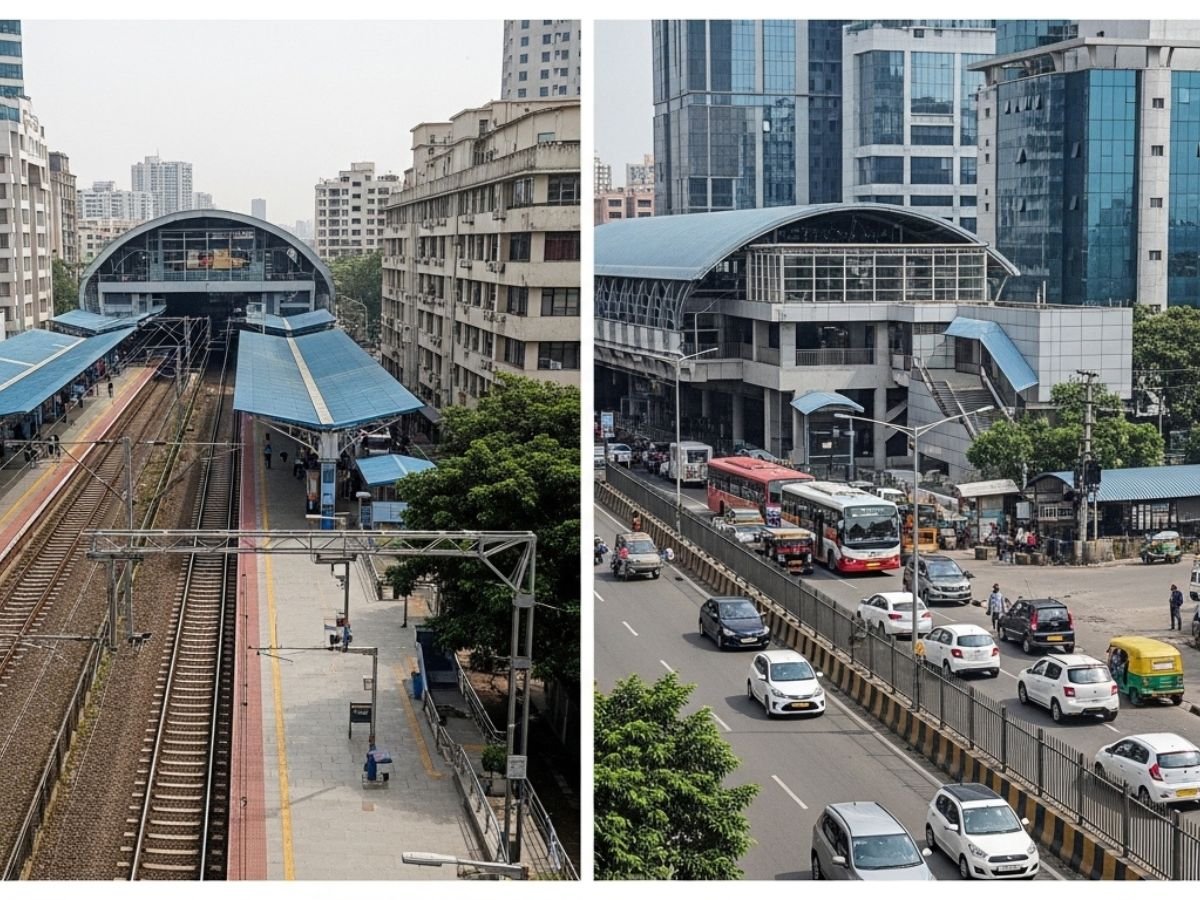
CIDCO is not just a landmark in Belapur. It is one of the reasons the node keeps attracting high-value service professionals.
CIDCO’s head office is officially located at CIDCO Bhavan, CBD Belapur. CIDCO also remains central to Navi Mumbai’s planning and development ecosystem, including metro planning pages, NAINA-linked planning references on its site, and the city’s wider development architecture. In plain terms, that means property lawyers, architects, planners, developers, liaison professionals, and documentation-heavy service businesses still have a practical reason to stay close to Belapur. :contentReference[oaicite:4]{index=4}
This matters even more because CIDCO’s influence is not frozen in the past. In July 2025, CIDCO announced an optional framework to convert eligible residential leasehold plots to freehold, and the statement said that once converted, future transfer charges would not be levied by CIDCO. That does not mean every property issue disappears overnight. Execution still depends on documentation and processing. But it shows why CIDCO proximity is not symbolic. The authority still affects how land, transfers and ownership questions move in Navi Mumbai. :contentReference[oaicite:5]{index=5}
So the real value is not “office near CIDCO looks premium.” The real value is that Belapur remains a regulatory touchpoint. That keeps certain office users locally anchored in a way that many cleaner but more generic office pockets cannot replicate.
Does wider government presence create real buying demand, or mostly weekday office demand?
Mostly weekday office demand first. Residential demand second.
This is a very important distinction. Official sources place NMMC’s head office in Sector 15A on Palm Beach Junction. Maharashtra government directories place multiple regional offices in Konkan Bhavan and Belapur Bhavan. Court information also confirms the Belapur Taluka Court Complex. Together, these institutions create a strong weekday economy of officers, litigants, consultants, agents, legal clerks, visitors, food demand, printing demand, and transaction-related footfall. :contentReference[oaicite:6]{index=6}
That directly supports commercial demand. It supports offices, document services, food and beverage, banking-related activity, notarial and legal support, and small service businesses. Residential demand is more indirect. Some families and professionals do value shorter commutes to this ecosystem, but government presence by itself does not make every nearby home automatically more valuable or more liveable.
In fact, the same government concentration that helps commercial demand can reduce residential comfort in some pockets because it brings traffic, weekday crowding and parking stress. So yes, government presence helps demand. But it helps different asset classes in different ways.
Which property types benefit most from this Belapur demand engine?
The best fit is usually compact, practical, ready-to-use commercial stock. The weakest fit is often oversized space bought on a theory that Belapur will behave like a giant modern corporate office corridor.
Current portal-side market context supports that view. Ready office listings in Belapur often sit in the mid-20,000s per sq. ft. asking band in active buildings, while some Sector 11 shop listings are much higher, crossing ₹40,000 per sq. ft. Residential trend pages, by comparison, show a much broader and usually lower band overall: Housing’s Belapur CBD trend page shows an average of ₹14,186 per sq. ft., while its Sector 15 page shows ₹20,873 per sq. ft. 99acres’ Belapur residential trend page shows a higher average flat rate, underlining how much building, pocket and methodology can change the visible number. These are indicative portal-side figures, not final deal values. :contentReference[oaicite:7]{index=7}
What does that mean in practice?
Commercial demand in Belapur is more directly tied to the station-CIDCO-government ecosystem than residential demand is. Small and mid-sized offices suit the area better because the local user profile is fragmented and service-led. A furnished or usable office is usually easier to lease than a raw shell that needs heavy fit-out. Ground-floor or highly visible service retail can work, but only where daily footfall is real and access is easy.
Selected residential pockets do benefit too, especially for people who want a mature node with administrative importance and established connectivity. But the residential argument is more about convenience and stability than about explosive upside.
Which parts of CBD Belapur feel this effect most, and which do not?
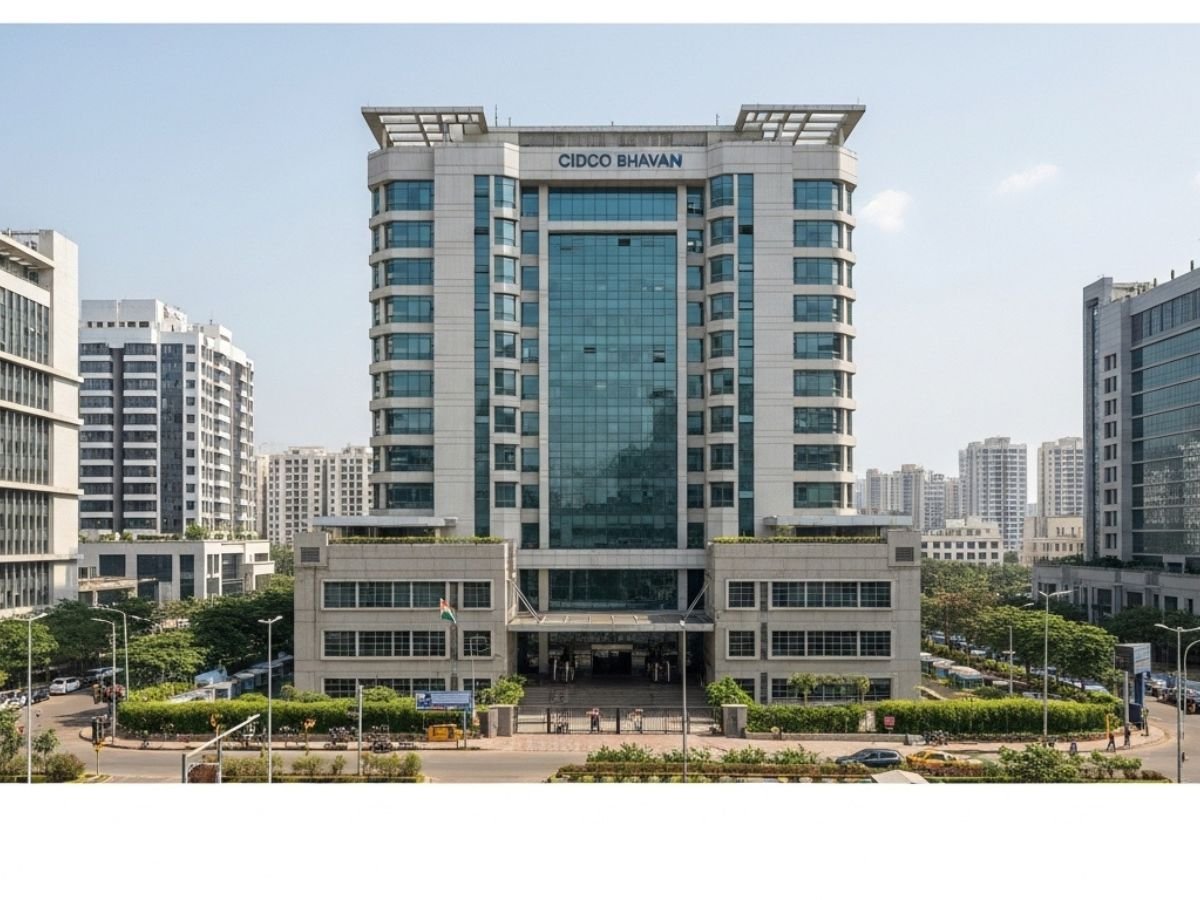
The strongest effect is usually in the walkable commercial core around Sector 11 and the immediate institutional belt.
Sector 11 matters because CIDCO Bhavan is there, Belapur CBD station access is central to the story, and the wider administrative-commercial ecosystem is concentrated around that side. The Palm Beach and Sector 15/15A side works more like premium spillover. It benefits from the NMMC headquarters side, the court-related ecosystem, restaurants, and broader mixed-use relevance, but it is not identical to the station-side logic. :contentReference[oaicite:8]{index=8}
So the demand gradient is not flat.
A truly walkable office in the Sector 11 belt is one product. A short-drive office in the Sector 15 side can still work very well, especially for legal, administrative, or mixed-use activity. But an inner or disconnected property that simply carries the Belapur name may behave much more like ordinary suburban stock. The node name alone does not create the same liquidity.
When does the Belapur station-CIDCO-government story fail to hold pricing?
It fails when buyers assume strong area logic can permanently rescue weak individual assets.
The biggest red flags in Belapur are aging stock and parking stress. In late 2025, reports on NMMC’s survey said 513 buildings in its jurisdiction were classified as dangerous, and buildings over 30 years old were required to undergo structural audits under Section 265(A). That citywide issue matters in Belapur because part of its commercial and residential stock comes from Navi Mumbai’s earlier development cycle. A good address does not cancel structural fatigue. :contentReference[oaicite:9]{index=9}
The second problem is parking. NMMC’s Sector 15 multi-level parking project was designed to accommodate 396 cars and 121 two-wheelers, but the facility later faced shutdown and re-tendering issues, including a 2025 tender for a smart car parking system. So buyers should not casually assume that public parking will solve a weak asset-level parking situation. In Belapur, deeded or dependable in-building parking can materially change usability and value. :contentReference[oaicite:10]{index=10}
> Caution > > In CBD Belapur, a strong node can support a good asset. It cannot magically repair a bad one. > If a building is old, structurally unclear, badly parked, badly maintained, or inconvenient to access, the Belapur premium can shrink very fast.
This is also where inexperienced investors get trapped. They buy a cheap old unit because “it is Belapur,” then realise the society has unresolved issues, parking is weak, and the asset is attractive only on paper.
Is this demand durable enough for end users, landlords and investors?
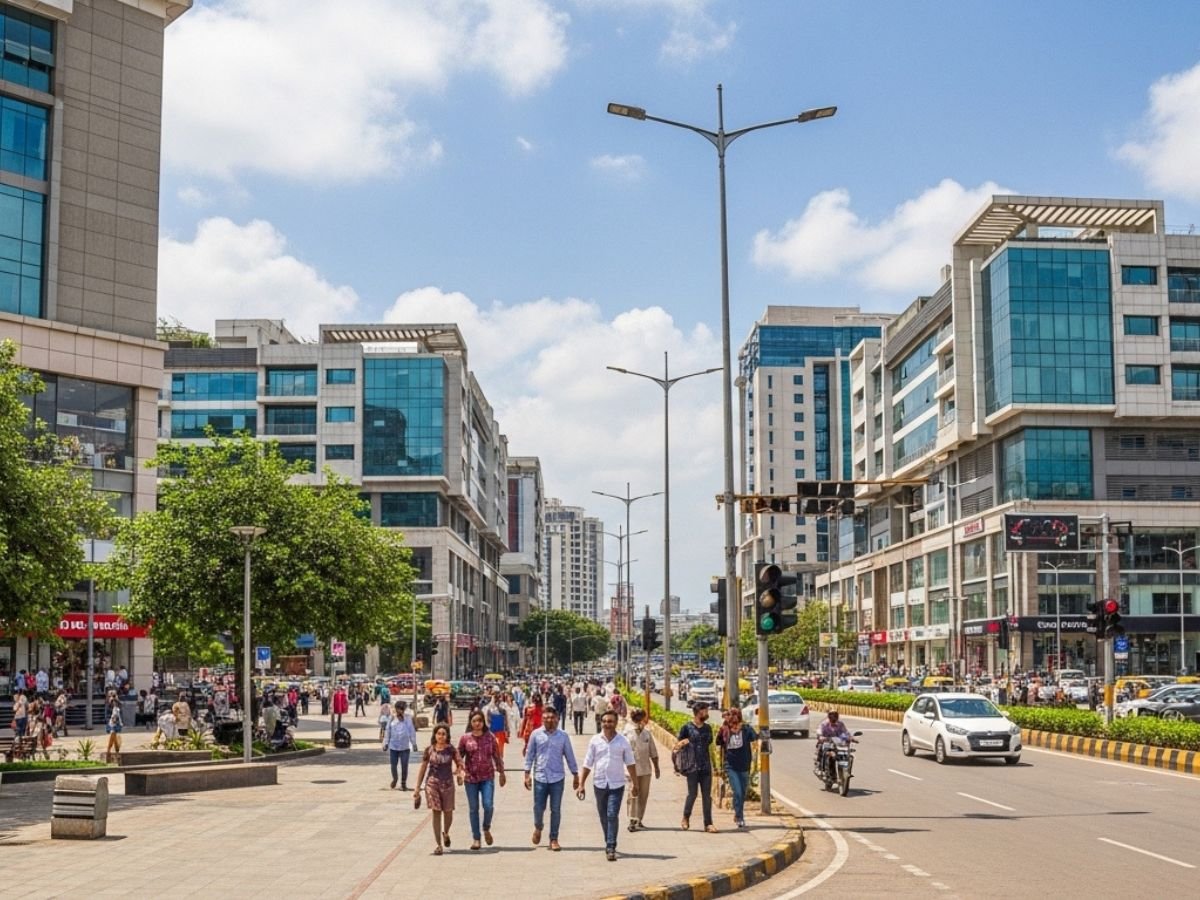
Yes, but it is durable in a mature, defensive way, not in a high-hype speculative way.
For self-use office buyers, Belapur demand is relatively durable because the drivers are institutional. Rail access is established. The metro is operational. CIDCO is not leaving Belapur. NMMC headquarters is not a short-term story. The court and wider government ecosystem create repeat weekday movement that is different from a purely fashion-driven micro-market. :contentReference[oaicite:11]{index=11}
For rental investors in the right commercial format, that is a strength. Compact, practical offices usually make more sense here than oversized plates aimed at a tenant profile Belapur does not naturally specialise in.
For residential buyers, the story is more moderate. Belapur is usually a mature-node play: better for stability, practical convenience and steady demand than for dramatic short-term jumps. Buyers expecting emerging-corridor style spikes often read this market wrongly.
What should you verify before paying a Belapur premium because of this demand story?
Use this checklist before you buy or lease:
- Verify the actual walk time to station, metro, CIDCO, court, or NMMC-side destination. Do not trust only map labels.
- Check whether access is truly pedestrian-friendly or whether it becomes awkward in real traffic.
- For old buildings, ask for the latest structural audit status. In Navi Mumbai, 30-year-old buildings fall under mandatory audit norms. :contentReference[oaicite:12]{index=12}
- Confirm whether the asset has deeded or dependable parking. Do not underwrite the deal assuming public parking will always function smoothly. :contentReference[oaicite:13]{index=13}
- Check whether the property’s real demand is office-led or residential-led. Those are not the same.
- If the asset is older CIDCO-related stock, verify the leasehold/freehold position, transfer history, and whether the relevant society or plot has clarity on CIDCO compliance. :contentReference[oaicite:14]{index=14}
- For offices, check fit-out readiness, natural light, lift condition, common-area upkeep and current occupancy.
- For investors, ask what tenant profile the building actually attracts today, not what the seller imagines it will attract.
Bottom line: who should trust this demand signal, and who should not?
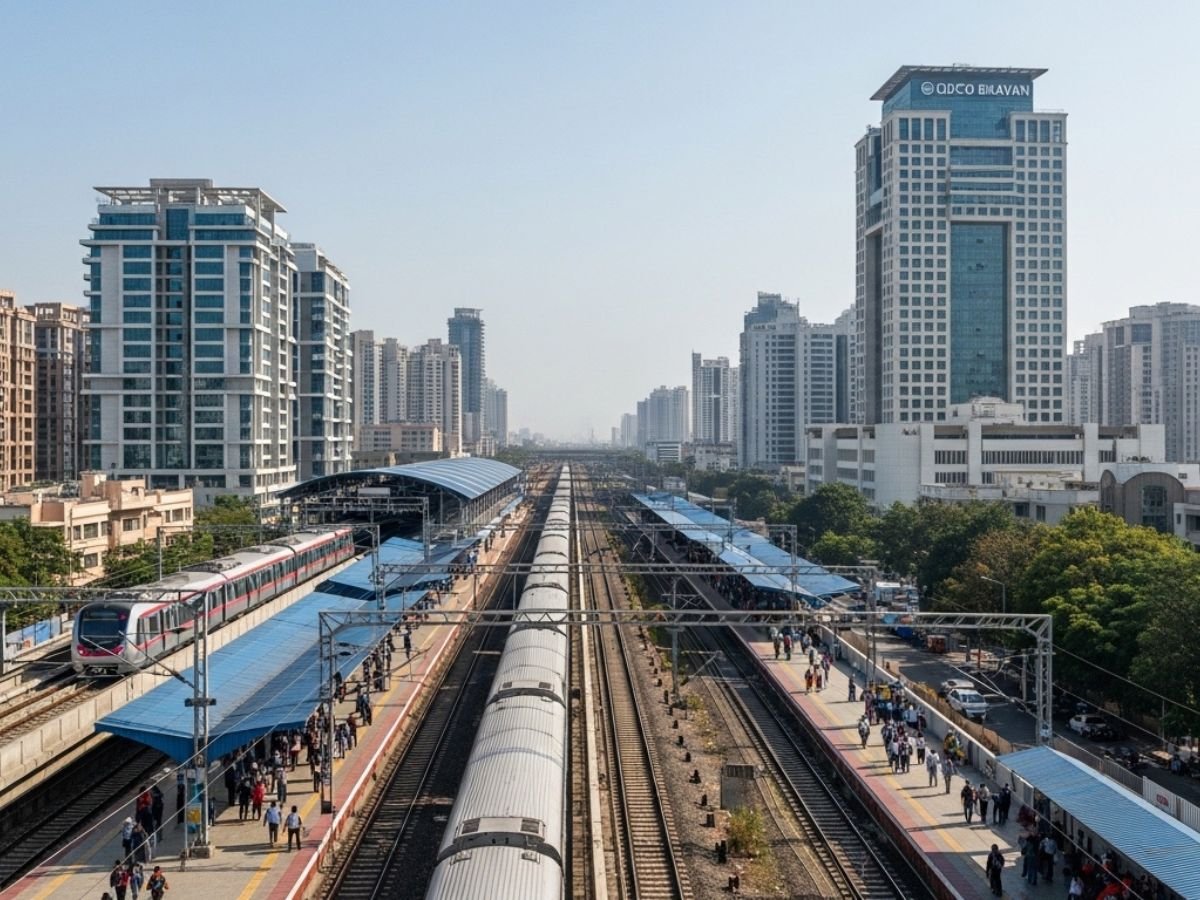
You should trust this signal if you are a self-use office buyer, a legal/compliance or documentation-led professional, or an investor targeting compact practical office stock in the right Belapur pocket. For these users, the station-CIDCO-government triangle creates real utility.
You should be more cautious if you need giant floor plates, depend heavily on effortless free customer parking, or are buying a tired old building purely because the address says CBD Belapur. In those cases, the demand story can be overstated.
The cleanest conclusion is this: Belapur demand is real, but it is functional demand, not blanket glamour demand. It is strongest where commuting convenience, regulatory relevance and weekday administrative activity overlap in a usable way.
Conclusion
CBD Belapur is in demand not because it sounds important, but because it still works as a governance-and-commute node. The Belapur Station Complex, CIDCO’s presence, and the wider government-and-court ecosystem create real commercial demand and a smaller but meaningful residential spillover. That said, not all Belapur properties benefit equally. In this node, the winning combination is simple: usable location, practical access, decent building quality, and a property format that matches Belapur’s real user base.
FAQs
Frequently Asked Questions