
CREDAI BANM Raigad: A Complete Guide to Expos & Members
Quick Summary

| Topic | What it means for buyers in Navi Mumbai–Raigad |
|---|---|
| What CREDAI BANM Raigad is | A CREDAI-linked welfare association representing developers in Panvel–Uran–Pen–NAINA belt |
| Why it matters | Adds an institutional layer of discipline, industry standards, and government interface in a complex market |
| Biggest 2026 policy shift | NAINA betterment charges reportedly reduced from ~50% to 0.05%, unlocking stuck land supply |
| “Third Mumbai” narrative | Raigad hinterland positioned as Mumbai’s next expansion zone, driven by mega infra + new business hubs |
| Ground reality risk | Water availability remains the biggest constraint, especially around Panvel–NAINA growth nodes |
| Expo usefulness | One venue to compare multiple projects, verify claims, and directly question developers |
The Navi Mumbai–Raigad belt is no longer just an “outer market” story. With airport-led development, Atal Setu-driven connectivity, and planned business districts, this region is increasingly discussed as the next big urban release valve for Mumbai’s pressure.
In that shifting landscape, CREDAI BANM Raigad functions like an industry control room. Not a government body, but a powerful builder association that influences policy discussions, organizes high-trust events like the Property Expo, and shapes how the “Third Mumbai” narrative is sold to the public.
What Is CREDAI BANM Raigad?
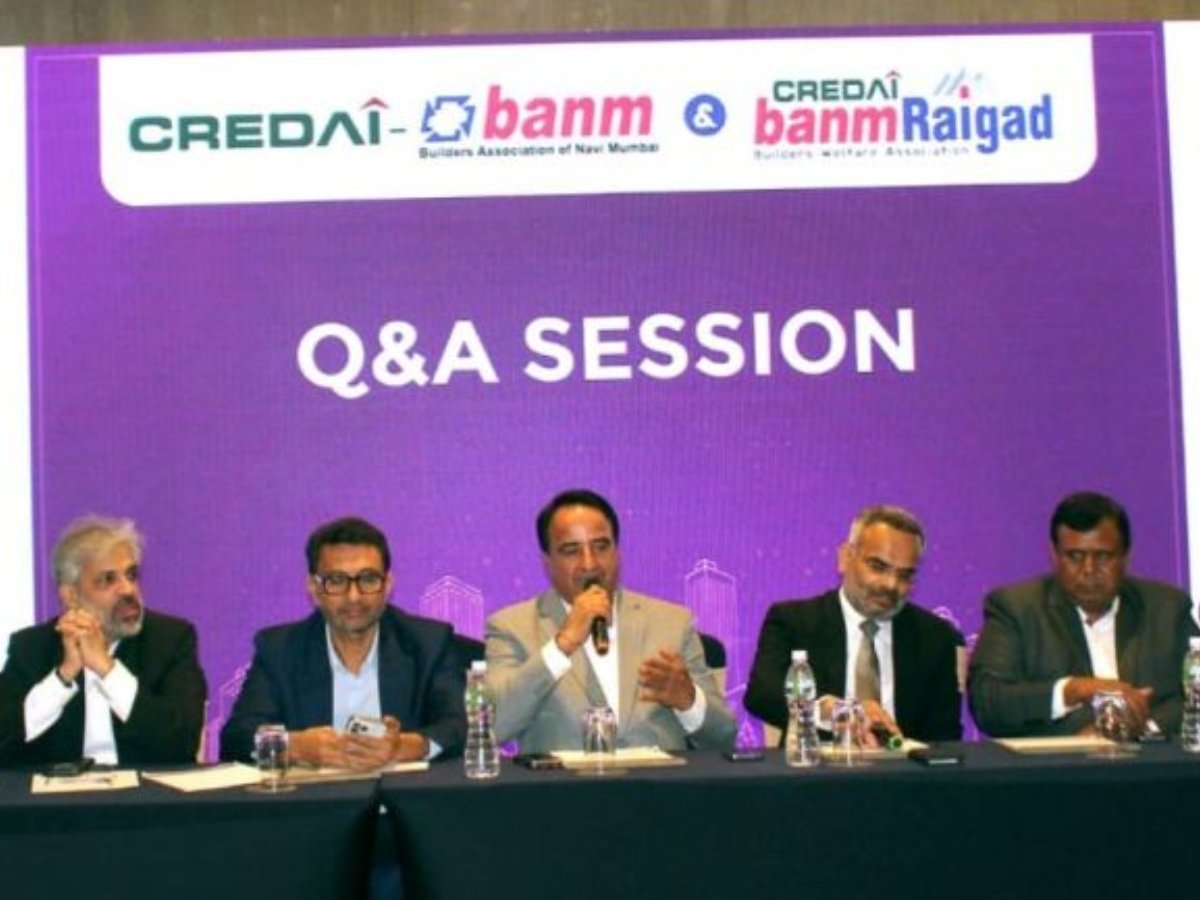
CREDAI stands for Confederation of Real Estate Developers’ Associations of India, the national umbrella for organized developers. BANM originally refers to the Builders Association of Navi Mumbai, and the Raigad unit operates as a distinct welfare association focused on the emerging nodes beyond the saturated NMMC belt.
Raigad is part of this structure because the real growth frontier now sits across Panvel, Uran, Dronagiri, Pen, Karjat, Khalapur, and large sections of NAINA (Navi Mumbai Airport Influence Notified Area). For homebuyers, this matters because the market here mixes CIDCO frameworks, new town planning schemes, and fast-moving private launches, where one wrong assumption can become an expensive mistake.
History and Evolution of CREDAI BANM Raigad
BANM’s roots go back to the phase when Navi Mumbai was still evolving from a CIDCO-planned city into an open private real estate market. As development spilled beyond NMMC nodes and into Raigad’s planning jurisdictions, the need for a dedicated Raigad-focused association became operationally unavoidable.
This evolution mirrors what locals have seen on the ground: older, “set” nodes like Vashi–Nerul–Belapur became high-density and expensive, while growth moved outward into Kamothe, Kharghar, Taloja, Ulwe, Panvel, and further down the Raigad belt. CREDAI BANM Raigad became the interface where private builders, CIDCO/NAINA mechanisms, and buyer sentiment meet.
Role of CREDAI BANM Raigad in Navi Mumbai’s Real Estate Ecosystem
Role for Builders and Developers
For developers, the association pushes a baseline of self-regulation: industry representation, standard-setting, and an internal code-of-conduct expectation. In fast-expanding zones, even basic alignment on approval interpretation, compliance behavior, and dispute handling changes how quickly projects move from launch posters to real execution.
It also acts as a lobbying and negotiation platform. Many “invisible” market outcomes like FSI interpretation, approval velocity, and policy reliefs typically happen through sustained institutional pressure rather than individual builder efforts, especially in a CIDCO and NAINA-linked ecosystem.
Role for Home Buyers
For buyers, the real value is not “magic safety.” The value is that an organized association raises the reputational cost of careless behavior, and it promotes practices that are more aligned with MahaRERA-style disclosure discipline. This is especially relevant in Navi Mumbai–Raigad where buyers often compare projects purely on ads, but the real risk sits in documents and delivery timelines.
That said, a disciplined ecosystem still needs a disciplined buyer. CREDAI alignment can reduce randomness, but it cannot replace title checks, RERA verification, and understanding whether daily infrastructure like water supply is actually stable in that pocket.
Coordination with Government & Planning Authorities
CREDAI BANM Raigad operates closest to CIDCO and NAINA-related mechanisms for greenfield development. This coordination matters because approvals, TPS models, and large infrastructure alignment are not “builder-only” decisions here, they are policy-and-execution combinations.
It also frames growth narratives around mega projects like NMIA (Navi Mumbai International Airport) and Atal Setu (MTHL), while simultaneously pushing the state on practical constraints like water availability and township sustainability. That push-pull is a big part of the region’s real estate reality in 2026.
Who Are the Members of CREDAI BANM Raigad?
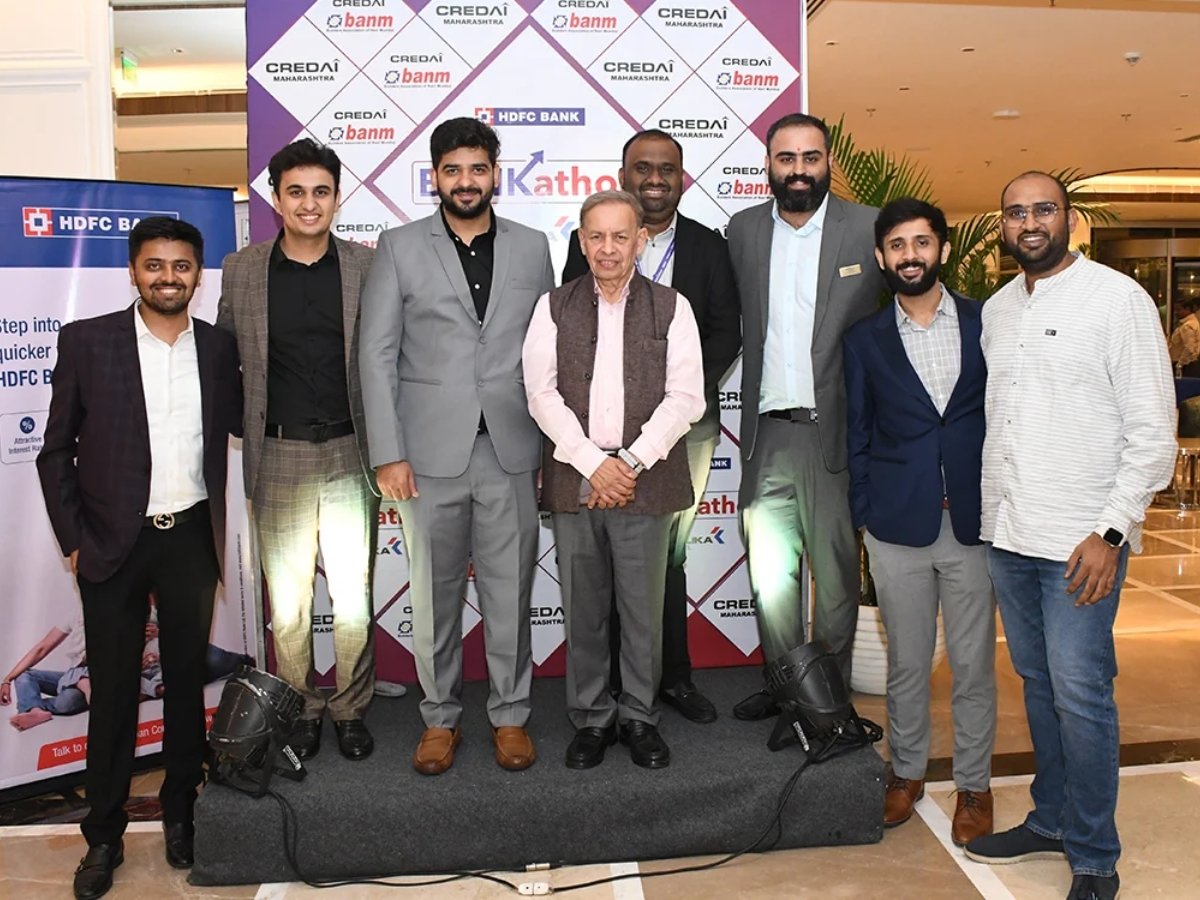
The member base typically includes a mix of small, mid-size, and larger developers active in the Panvel–Uran–NAINA belt. Membership is positioned as a compliance-led identity, where developers are expected to operate within a more structured public posture compared to informal, loosely organized operators.
For buyers, the practical difference between a member and a non-member builder often shows up in documentation readiness, how transparently commitments are stated, and whether the builder is willing to answer uncomfortable questions in writing. It is not a guarantee of perfection, but it changes the trust framework in a market where hype can travel faster than paperwork.
CREDAI BANM Raigad Property Expo – Why It Matters
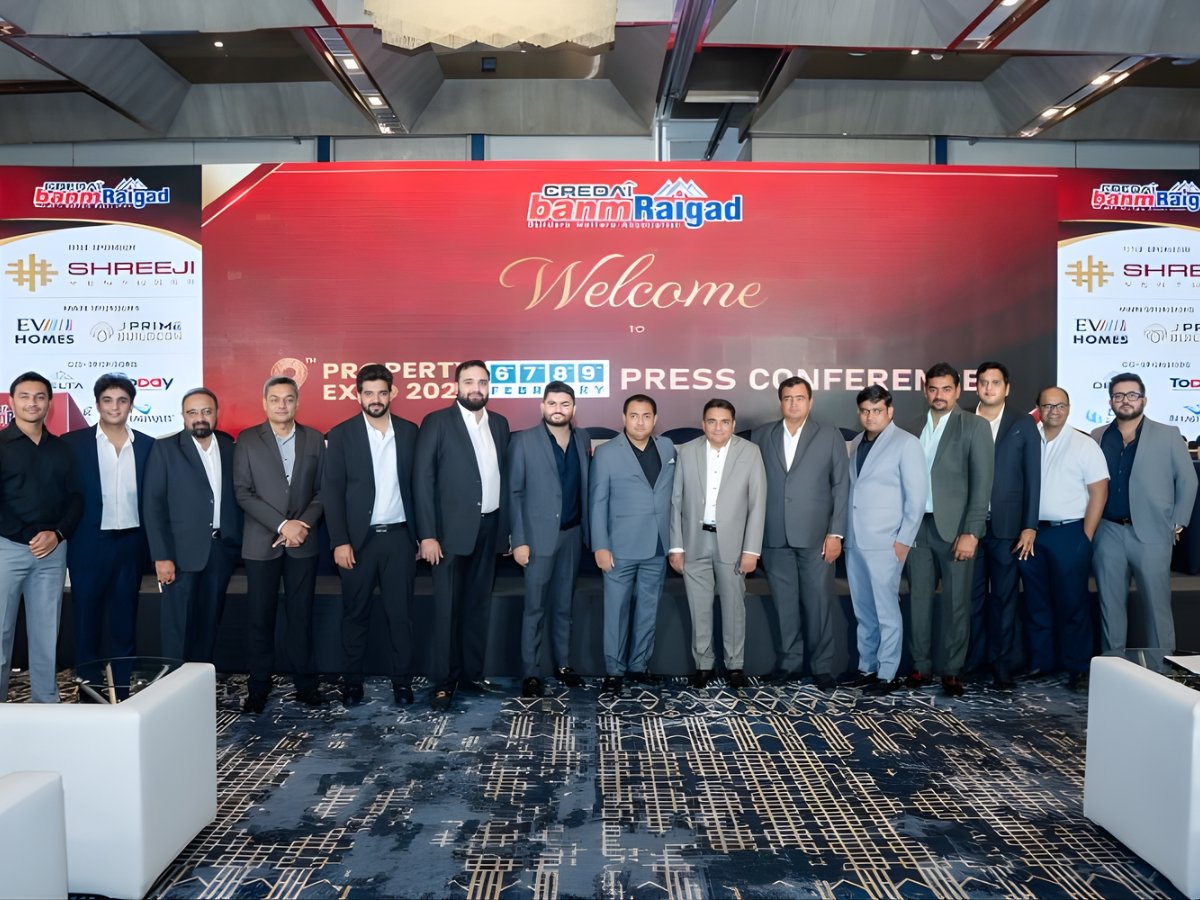
Purpose of the Property Expo
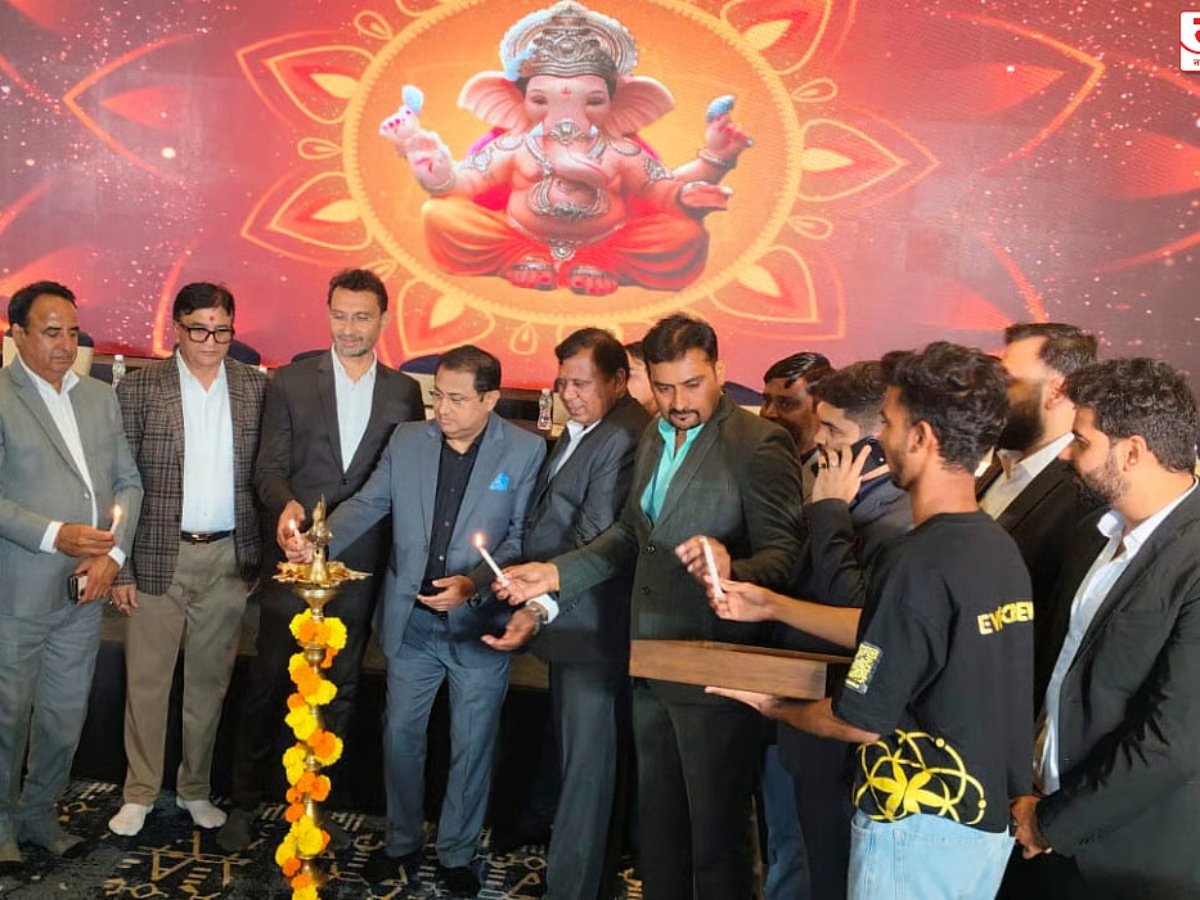
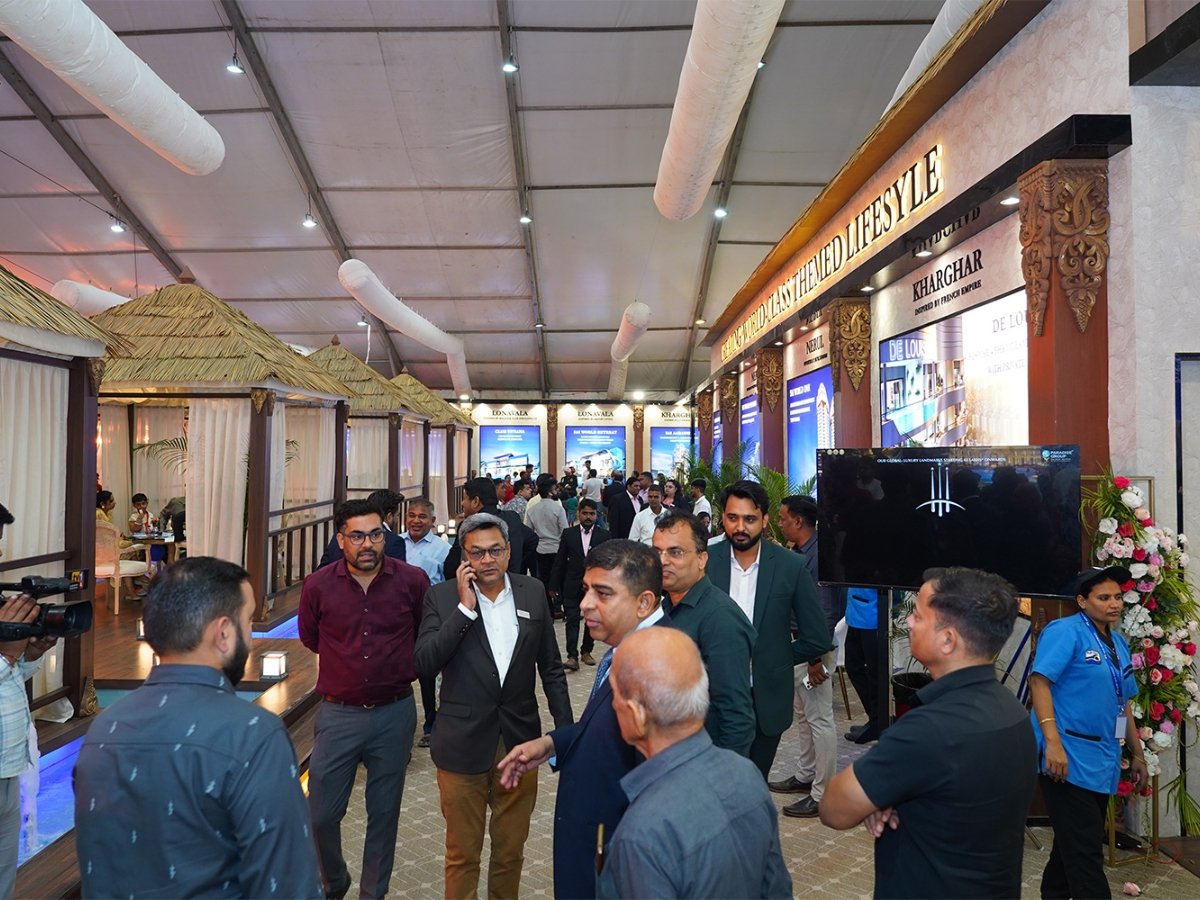
The CREDAI Expo is designed as a controlled environment where multiple projects are showcased together. The 9th Raigad Property Expo (Feb 6–9, 2026) is framed as part of an integrated “Brand Navi Mumbai” push, pooling the association’s identity and marketing power.
Unlike random exhibitions, this format tries to signal verification and scale. It also acts as a public confidence event for the wider “Third Mumbai” story, where policy wins and infrastructure announcements are converted into buyer action and booking momentum.
Benefits for Home Buyers
For buyers, the biggest benefit is comparison without travel overload. In a few hours, you can compare claims around location, approvals, timelines, and pricing behavior, while also observing how developers respond when asked about OC plans, water source, and RERA details.
Direct interaction also reduces telephone-sales distortion. Many buyers in Navi Mumbai–Raigad have experienced the gap between a sales call and a site visit; an Expo lets you compress the first layer of filtering before you start spending weekends on long site rounds.
Showcasing the Navi Mumbai–Raigad Growth Story
The Expo narrative typically leans on three macro drivers: NMIA, Atal Setu connectivity, and expanding metro/road infrastructure. This is where the marketing language becomes loud, but the underlying logic is still relevant because connectivity and jobs do change real demand.
The smarter approach is to treat these drivers as a direction indicator, not a price guarantee. Infrastructure can lift a region, but a specific project’s livability still depends on micro realities like approach roads, water pipeline status, and how quickly social infrastructure catches up.
CREDAI BANM Raigad vs Regular Property Exhibitions
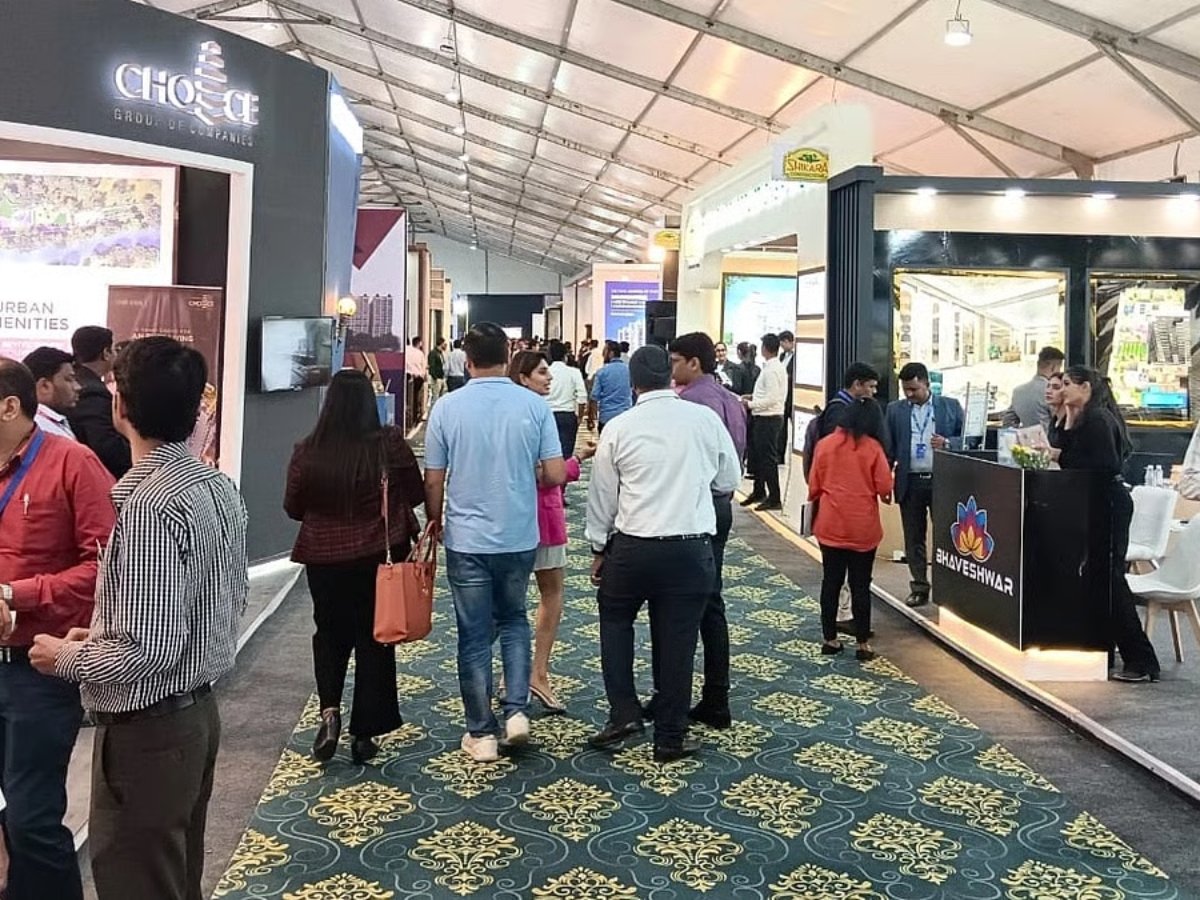
This comparison is not about “good vs bad.” It is about how much structured accountability is visible on Day 1 when you are still deciding whether to trust what you are hearing.
| Parameter | CREDAI BANM Expo | Regular Property Expo |
|---|---|---|
| Builder Verification | High | Uncertain |
| Transparency | Strong | Varies |
| Buyer Safety | Structured | Limited |
| Long-term Trust | High | Low–Medium |
In real terms, a CREDAI-backed Expo usually gives you better odds of meeting builders who understand compliance talk. Regular exhibitions can still have good projects, but the buyer has to do heavier independent filtering.
RERA Compliance and Legal Discipline in CREDAI Projects
CREDAI-linked projects are typically positioned as being more aligned with MahaRERA disclosure expectations and process discipline. This includes project information clarity, timelines being stated more carefully, and fewer “verbal-only” promises.
Still, buyers must verify independently. CREDAI membership is a safeguard, not a guarantee, because construction delays, policy shifts, and local infrastructure bottlenecks can affect even well-run projects. The best buyer mindset in Navi Mumbai–Raigad is document-first, not brochure-first.
Future Impact of CREDAI BANM Raigad (2026–2035)
The association’s influence is likely to deepen as the market shifts toward larger, organized township thinking. The core corridor to watch remains Panvel–Ulwe–Kharghar, because it sits closest to the airport-led economic story and the broader MMR connectivity matrix.
A major trigger highlighted in 2026 is the “policy unlock” effect, especially around NAINA viability. The reported reduction in betterment charges from ~50% to 0.05% is projected to release land supply that was financially stuck, which can reshape launch volumes across the region. Prices may not drop proportionately, but supply flexibility can change buyer choices and project variety.
Practical Buyer Checklist for CREDAI BANM Projects
Before visiting an Expo or shortlisting a CREDAI-member project, prepare like you are buying a legal asset, not a lifestyle poster. Keep your focus on approvals, delivery discipline, and whether daily infrastructure is realistically in place for that micro pocket.
When you speak to developers, ask direct questions that force precise answers: RERA number and status, possession assumptions, OC plan, water source, and whether the project depends on future approvals for promised density. You are not being difficult, you are being normal, because that is exactly how property risk is reduced in this belt.
Common Myths About CREDAI BANM Raigad
One common myth is that a CREDAI member automatically means a “100% safe investment.” In reality, CREDAI improves the trust environment, but the project still lives inside policy systems, construction realities, and local infrastructure constraints that can create delays.
Another myth is that Expo prices are always the lowest, or that only premium projects participate. Expos are often sales accelerators with incentives, but smart buyers judge the total value: payment plan logic, possession credibility, and whether the location’s infrastructure is catching up fast enough to support daily living.
Conclusion
If you are a first-time homebuyer, CREDAI BANM Raigad is worth tracking because it often reflects where organized developers are concentrating and what policy shifts may shape project supply. This is especially relevant if you are choosing between established nodes and newer Raigad-side frontiers.
End-users planning long stays, and investors focused on the Navi Mumbai–Raigad belt, benefit most when they use CREDAI information as a filtering tool, not as blind faith. Follow the association for direction, then apply your own verification discipline for the final decision.
FAQs
Frequently Asked Questions