Darave Village Navi Mumbai – History, Location & Property Rates
Darave Village is not just another “sector” in Navi Mumbai Officially called Sector 23 Nerul, this locality sits at a rare intersection of old Gaothan roots and modern airport driven growth One step outside Nexus Seawoods Mall and within minutes you enter narrow village lanes that still echo with temple bells and Agri Koli traditions
In 2026, after the operational shift of Navi Mumbai International Airport, Darave has quietly moved from ignored pocket to strategic micro market Investors see numbers Locals see legacy Tenants see affordability near Palm Beach Road But the real story is deeper than property rates
Quick Summary Table - Darave Village 2026 Snapshot
| Factor | Key Details (2026) |
|---|---|
| Location | Sector 23, Nerul West |
| Nearest Station | Seawoods–Darave Railway Station |
| Pin Code | 400706 |
| Property Rate (Gaothan) | ₹9,500₹13,000 per sq ft |
| Property Rate (Sector 23 GES) | ₹21,500 – ₹24,000 per sq ft |
| Rental 1BHK | ₹14,000 – ₹30,000 |
| Main Community | Agri & Koli |
| Major Driver | NMIA + Palm Beach Road Connectivity |
| Risk Factor | Waterlogging + Parking Shortage |
| Investment Type | High rental yield, moderate appreciation |
Where is Darave Village Located in Navi Mumbai
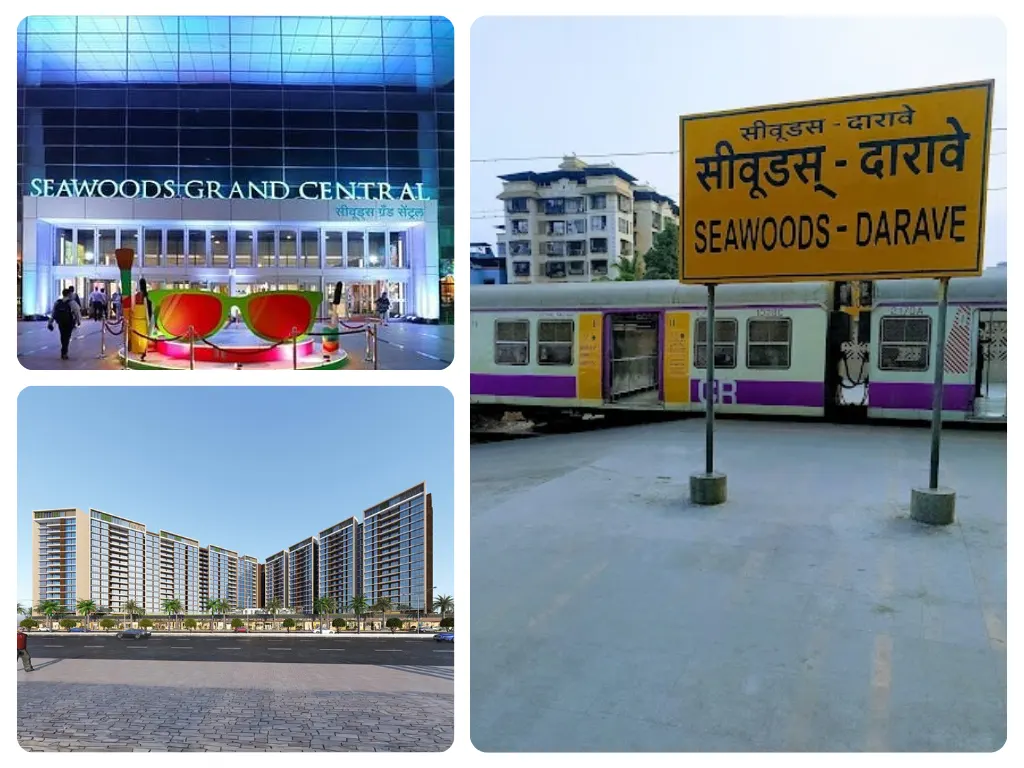
Darave Village is located in Sector 23 of Nerul West, Navi Mumbai It sits between Palm Beach Road and Seawoods West, just walking distance from Seawoods–Darave Railway Station What makes it unique is that it is not a CIDCO planned block but an original Gaothan settlement absorbed into urban Nerul
Geographically, it lies within one of the most premium belts of Navi Mumbai, yet its internal character feels completely different from the polished towers of Seawoods Estates That contrast defines its identity
Darave Village Nerul West Exact Location
Darave falls under Nerul West and is commonly accessed via Palm Beach Road or through Sector 23 internal roads The official classification remains Sector 23 Nerul, but locals still refer to it as Darave Gaon, reflecting its pre CIDCO existence
It is barely 500 to 800 meters from Seawoods–Darave station, depending on which internal lane you exit from For daily commuters, this walking shortcut is a hidden advantage
Nearby Areas - Nerul, Juinagar, Palm Beach Road
Darave is surrounded by prime nodes To the west lies Seawoods and Palm Beach Road To the east, you connect towards Juinagar and the Sion Panvel Highway Southwards, Belapur is within a 10 minute drive
This central positioning gives Darave a price arbitrage advantage You get proximity to high value infrastructure without paying Seawoods premium pricing
Darave Village Map & Connectivity Overview
On the Navi Mumbai map, Darave appears small, but its connectivity matrix is powerful Harbour Line direct trains connect it to CSMT in around 60 minutes and Panvel in roughly 20 minutes
Road connectivity through Palm Beach Road ensures smooth airport corridor access This is why real estate activity here intensified post NMIA launch
Railway Station Distance from Darave Village
The nearest railway station is Seawoods-Darave Railway Station on the Harbour Line Most residents walk to the station in 5 to 10 minutes using internal shortcuts
For professionals working in South Mumbai, Thane via Trans Harbour, or Panvel airport belt, this station is the economic lifeline of the locality
Darave Gaon History - From Fishing Village to Urban Transformation
Before it became Sector 23 Nerul, before Palm Beach Road glittered at sunset, Darave was a self sustained coastal village It was a Gaothan settlement that existed long before CIDCO imagined Navi Mumbai on paper The land here was not plotted by planners It was lived on, cultivated, fished around, and worshipped upon
What makes Darave different from other Nerul sectors is that its roots were never erased They were simply surrounded by towers The identity of this place is still layered with memory, and that memory quietly influences real estate, social structure, and community politics even today
Original Agri & Koli Community Settlement
Darave was originally inhabited by the Agri and Koli communities, the indigenous coastal settlers of Mumbai and Navi Mumbai Their livelihood depended on salt pans, rice cultivation, and fishing in the creeks connected to Thane Creek
Even today, older residents speak of Narali Purnima with emotion The offering of coconuts to the sea god was not symbolic It was survival That cultural rhythm still continues in small processions through village lanes, reminding the next generation where their land came from
How CIDCO Changed Darave Village
When CIDCO acquired agricultural land to build Navi Mumbai in the 1970s and 80s, Darave was absorbed into the master plan Under the 125 percent Gaothan Expansion Scheme, landowners received developed plots as compensation, legally transforming farmers into urban stakeholders
This policy reshaped the financial future of the village Many original families monetized their returned plots through redevelopment or joint ventures with builders That is why Darave today is not a poor settlement It is a land owning village surrounded by premium real estate
Cultural Importance & Local Temples
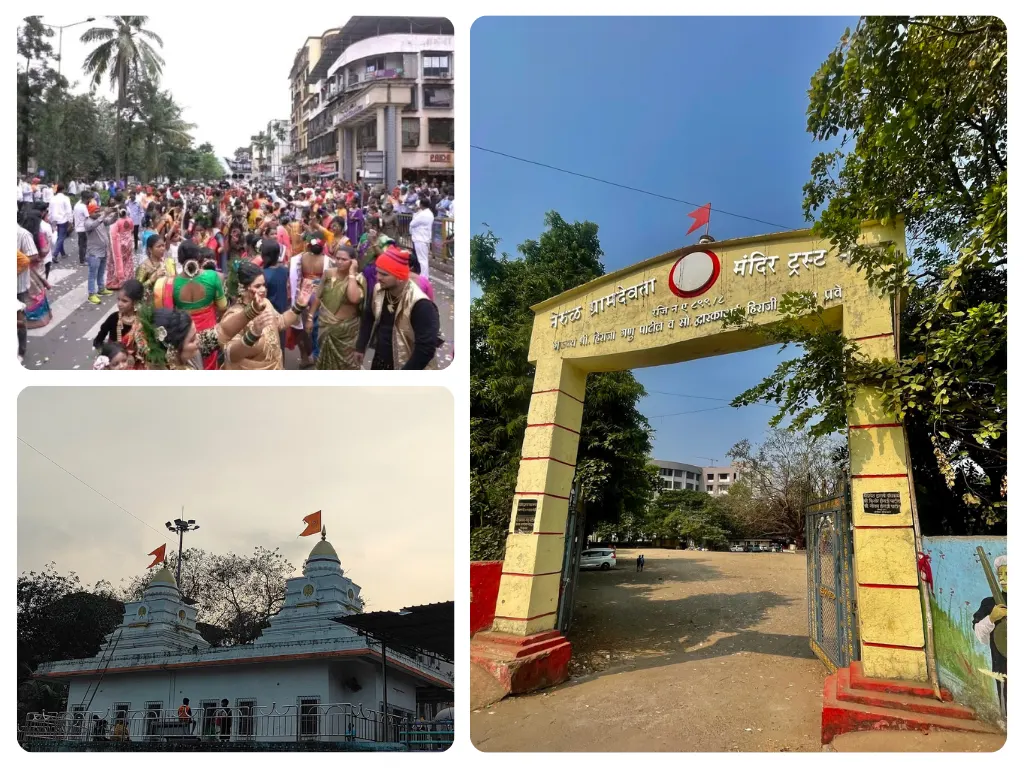
The spiritual anchor of Darave is Shree Dvaraveshvar Mandir, believed to be the etymological root of the village name Alongside it, Nerul Gramdevta Mandir plays a central role in preserving village identity and community decisions
Unlike planned sectors where temples are allocated civic plots, these temples evolved organically They are not just religious spaces They function as social arbitration centers, festival hubs, and emotional anchors for families who have seen Darave transform from salt fields to airport corridor real estate
The Dharavi Confusion - A Branding Challenge
One persistent issue Darave faces is phonetic confusion with Dharavi in Mumbai For outsiders, especially tenants relocating from other states, the name sometimes triggers misconceptions about density or informal housing
But the distinction is absolute Dharavi is a high density informal settlement, whereas Darave is a legally recognized Gaothan village under Maharashtra land law
Its residents are ancestral landowners, not encroachers This misunderstanding often creates an undervalued perception, which ironically benefits informed investors
Darave Village Pin Code, Ward Details & Municipal Information
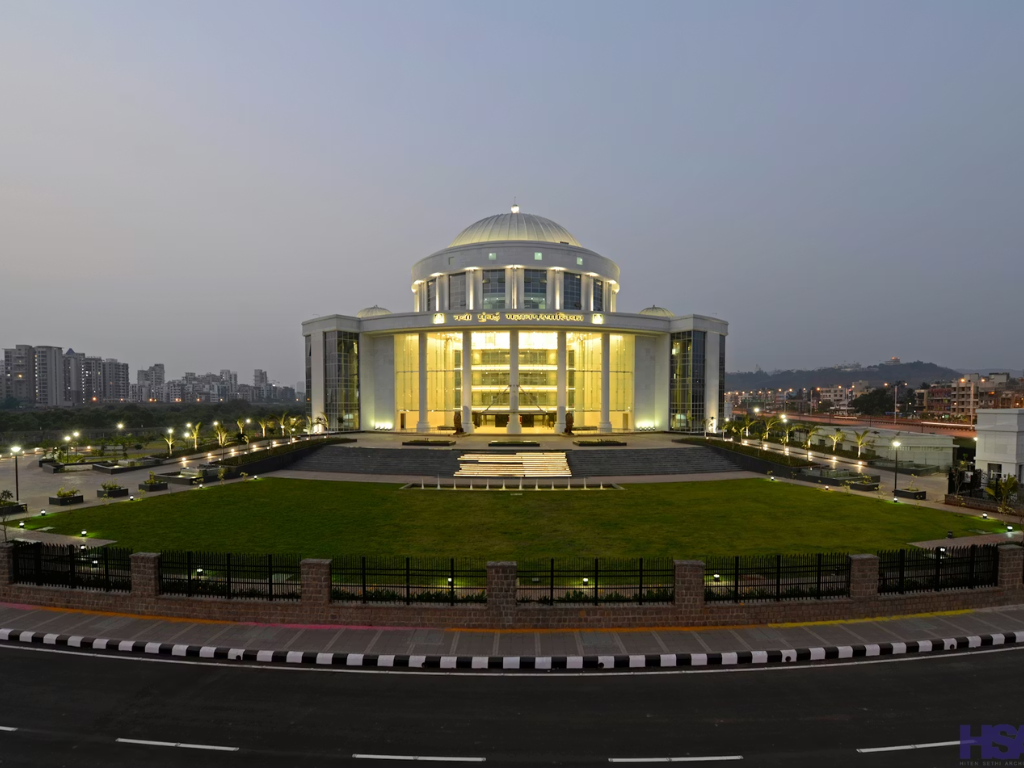
When people search for Darave Village online, most of them are not looking for history They are looking for direct answers Pin code for courier Ward for property tax Municipality for water complaints This section answers those questions clearly and factually
Darave Village falls under the administrative structure of Navi Mumbai Municipal Corporation, commonly known as NMMC While emotionally it remains a Gaothan, legally and municipally it is part of the structured urban governance system of Navi Mumbai
Darave Village Navi Mumbai Pin Code
The official pin code of Darave Village, Nerul West, is 400706 This pin code is shared with parts of Nerul and Seawoods West
For banking, Aadhaar, electricity bills, and property registration purposes, the standard address format is Sector 23, Nerul West, Navi Mumbai – 400706
Under Which NMMC Ward?
Darave Village comes under the jurisdiction of Navi Mumbai Municipal Corporation, specifically within the Nerul ward division Electoral ward numbering may change slightly during delimitation cycles, but administratively it falls under Nerul West governance control
All property tax, water supply, drainage, and solid waste management services are handled by NMMC Even Gaothan properties are subject to municipal tax norms, though older structures may have legacy assessment records
Local Governance & Civic Facilities
Civic infrastructure in Darave reflects its hybrid identity The outer Sector 23 roads have structured drainage, street lighting, and wider internal access However, inside the original Gaothan lanes, infrastructure is denser and older, sometimes creating monsoon waterlogging challenges
Water supply is managed by NMMC, and electricity is distributed through Maharashtra State Electricity Distribution Company Garbage collection is municipal, though frequency inside narrow lanes can vary depending on accessibility
Residents often coordinate with temple trusts and local community groups to escalate civic issues This informal governance layer still plays a surprisingly strong role alongside official systems
Darave Village Property Rates in 2026 - Real Estate & Investment Potential
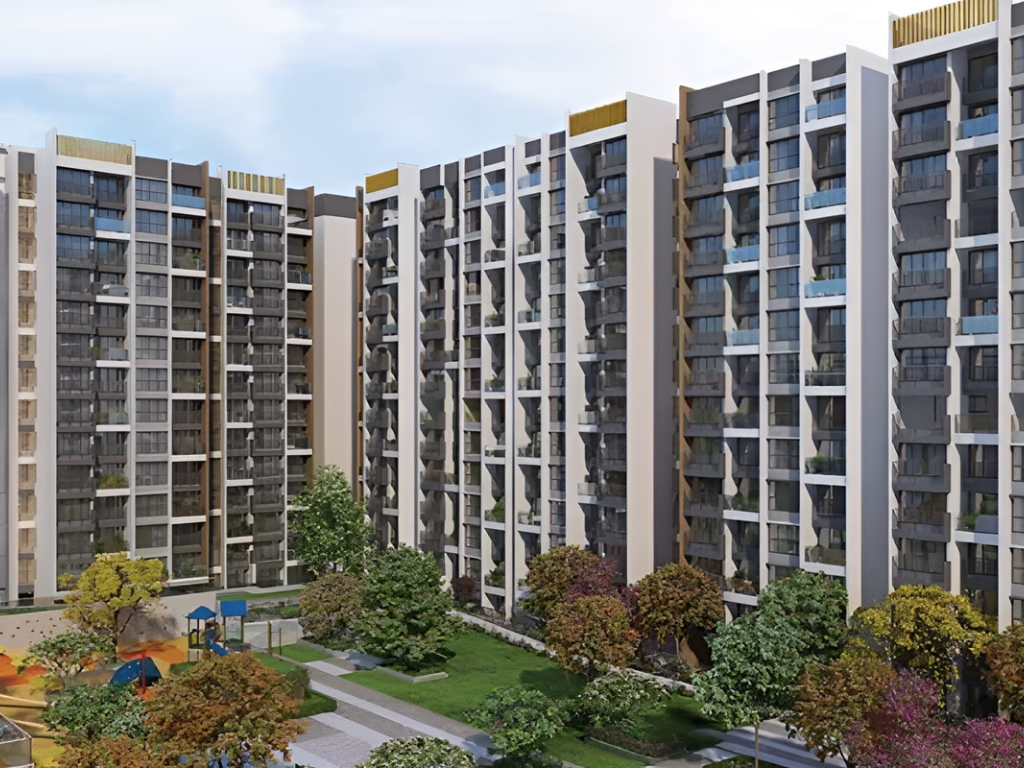
If you remove emotions and look only at numbers, Darave Village becomes one of the most interesting micro markets in Nerul West It operates as two parallel property ecosystems One is clear title 125 percent GES plots in Sector 23 The other is original Gaothan structures trading at lower entry cost but higher legal complexity
Post Navi Mumbai International Airport activation, price appreciation here has not been uniform Premium Sector 23 apartments saw steady growth, while Gaothan properties experienced sharper percentage jumps due to lower base pricing and speculative buying
1RK, 1BHK, 2BHK Price Range (2026)
In the Gaothan interior, prices typically range between ₹9,500 to ₹13,000 per sq ft depending on structure quality and legal clarity A 1RK can be available between ₹28 to ₹40 lakhs, while compact 1BHK units may range from ₹45 to ₹65 lakhs
In planned Sector 23 GES plots and co operative societies, pricing is significantly higher Rates range between ₹21,500 to ₹24,000 per sq ft, pushing 1BHK values to ₹85 lakhs plus and 2BHK apartments beyond ₹125 crore depending on building age and parking availability
2026 Property Comparison Table - Darave vs Surroundings
| Location | Avg Price per sq ft | 2BHK Rent | Risk Level |
|---|---|---|---|
| Seawoods Sector 40+ | ₹31,000+ | ₹55,000+ | Low |
| Nerul Sector 19/21 | ₹24,000 | ₹45,000 | Moderate |
| Darave Sector 23 (GES) | ₹22,500 | ₹40,000 | Moderate |
| Darave Gaothan | ₹10,000 – ₹13,000 | ₹25,000 | High (legal & infra) |
The gap between Seawoods and Darave still exists, but that gap has narrowed since airport operations began
Redevelopment Projects in Darave Village
Redevelopment is slowly entering Darave, especially on 125 percent GES plots where clear title and CIDCO transfer exist Builders prefer these plots because FSI is defined and tripartite agreements provide safer execution
Inside original Gaothan lanes, redevelopment discussions are happening but remain legally sensitive Properties transacted via Power of Attorney face uncertainty because Supreme Court guidelines clarify that POA does not transfer ownership title
Rental Yield & ROI Potential
Rental yield in Darave Gaothan is surprisingly strong, often touching 4 to 5 percent annually due to lower capital investment and high tenant demand Students, airport ground staff, mall employees, and entry level professionals form the bulk tenant base
In Sector 23 societies, rental yield drops to around 25 to 3 percent, but capital appreciation potential is stronger and legally safer For conservative investors, this segment is more stable despite higher entry cost
Is Darave Village Good for Investment?
Darave is not a blind investment market It rewards informed buyers If you secure a 125 percent GES plot with proper CIDCO transfer and conveyance deed, long term appreciation looks promising due to airport corridor growth
However, POA based purchases inside deep Gaothan lanes carry legal and redevelopment risk They may offer high rental return, but future compensation during redevelopment can become complicated if ownership title is unclear
For 2026, Darave stands as a high yield, moderate appreciation play with airport driven upside It is neither luxury premium nor distressed slum It sits somewhere in between, and that middle ground is exactly why it attracts smart capital
Darave Village Redevelopment - What’s Happening in 2026?
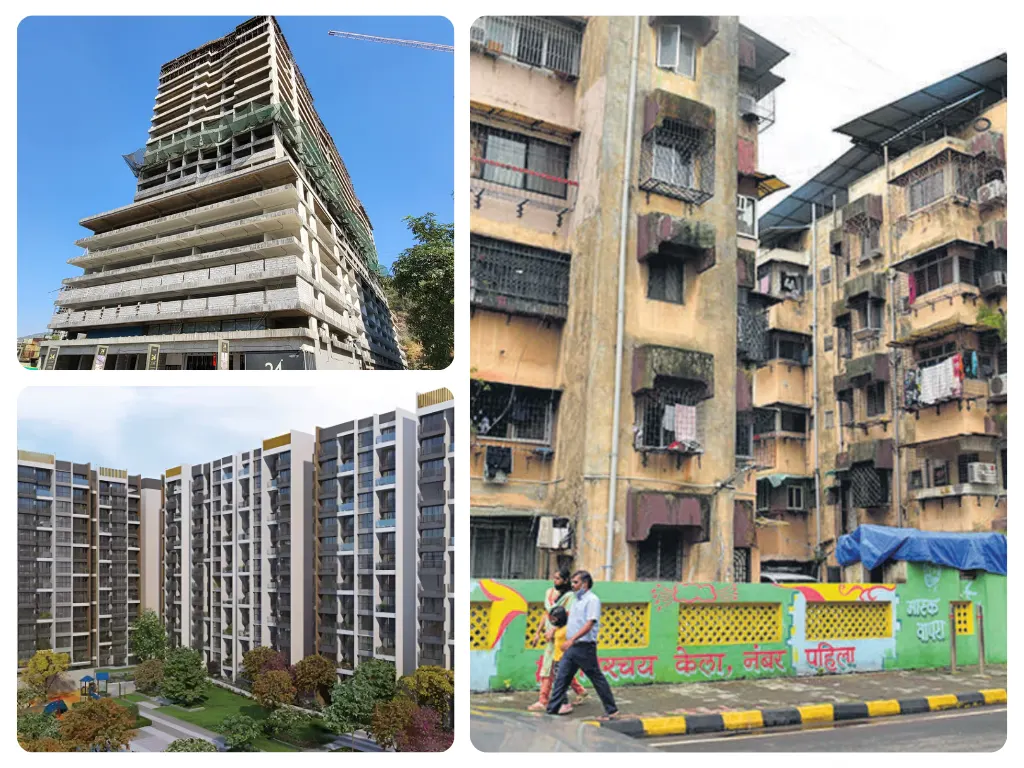
In 2026, redevelopment conversations in Darave are no longer whispers They are serious negotiations happening across tea tables, society meetings, and temple gatherings The airport effect has changed land perception What was once “village property” is now viewed as potential vertical inventory near an Aerocity zone
But redevelopment here is not straightforward The locality is split between legally structured 125 percent GES plots and dense original Gaothan interiors That legal difference determines who benefits first from vertical transformation
Slum Rehabilitation Projects
Darave is often misunderstood as slum, but technically it is a recognized Gaothan settlement However, certain low rise dense clusters may qualify under Slum Rehabilitation Authority frameworks depending on documentation and cut off eligibility
SRA style redevelopment could increase building height and free sale component, but it also introduces documentation scrutiny Ownership clarity, mutation records, and title proof become critical in determining who receives permanent rehabilitation units
Builder Activity in Darave
Builder interest is strongest on 125 percent GES plots because these have defined FSI and clearer CIDCO transfer mechanisms Tripartite agreements and conveyance deeds make funding and approvals smoother compared to informal Gaothan titles
Smaller local developers are actively approaching aging G+3 buildings in Sector 23 offering additional area and parking in exchange for redevelopment rights Larger branded developers are still cautious inside deep Gaothan lanes due to parking constraints and land title complexity
Future Infrastructure Impact
Infrastructure growth around Darave is the real catalyst The operational Navi Mumbai International Airport has shifted residential demand towards Nerul and Seawoods belt, especially for airline staff and aviation linked professionals
Palm Beach Road expansion, improved Belapur Uran connectivity, and airport corridor logistics mean Darave is no longer peripheral It has effectively become a midpoint between lifestyle infrastructure and employment hubs
If redevelopment scales responsibly with parking and drainage upgrades, Darave could transition from dense Gaothan to mid rise mixed use cluster within the next decade But without drainage redesign, monsoon waterlogging will remain a structural constraint
Infrastructure & Connectivity - Why Darave Village is Growing Fast
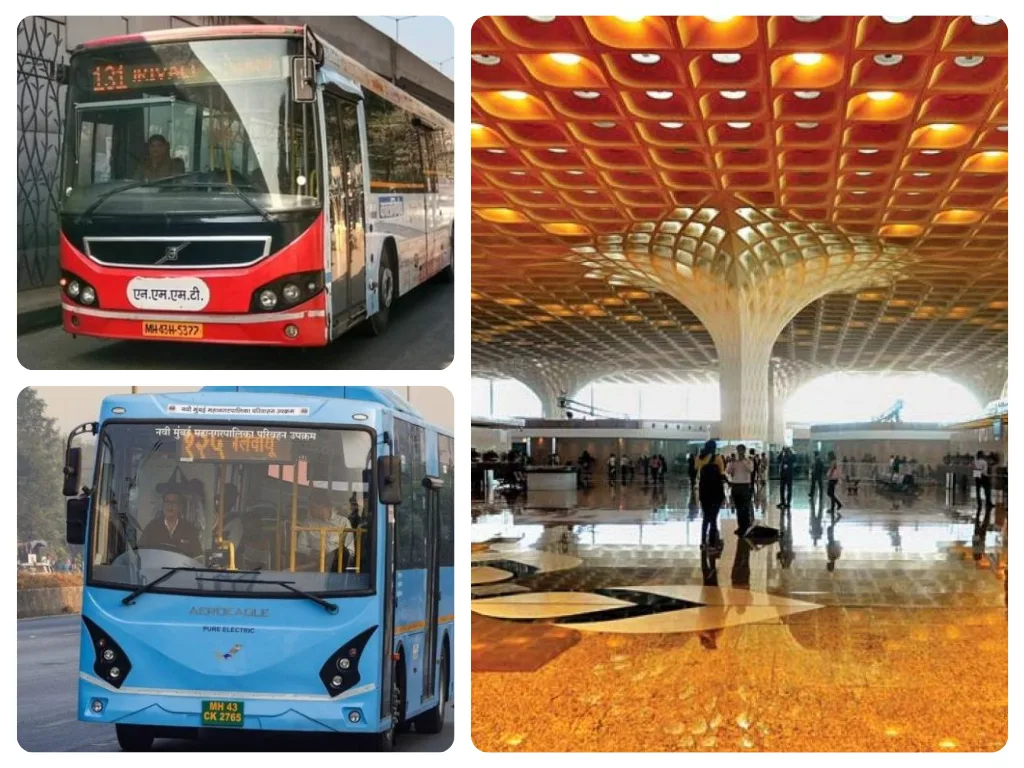
If Darave had poor connectivity, none of this investment conversation would exist Its biggest strength is not glamour It is geography The village sits between Palm Beach Road, Seawoods–Darave Railway Station, and the airport access corridor, which gives it movement advantage in every direction
In Navi Mumbai, connectivity decides price before construction quality does Darave benefits from premium infrastructure around it while still trading at a relative discount compared to Seawoods West
Proximity to Palm Beach Road
Palm Beach Road is one of Navi Mumbai’s most premium arterial stretches It connects Vashi to Belapur smoothly without signal congestion, making daily commuting predictable and fast
Darave residents can access Palm Beach Road within minutes For working professionals driving toward Vashi, CBD Belapur, or even South Mumbai via Vashi bridge, this connectivity reduces travel friction and increases residential desirability
Upcoming Navi Mumbai Airport Impact
The operational Navi Mumbai International Airport has fundamentally changed the demand curve in Nerul Senior aviation staff and mid management professionals prefer staying in Nerul and Seawoods due to lifestyle amenities, schools, and retail options
Darave becomes the affordable spillover zone It offers proximity without Seawoods luxury pricing This is why rental demand from airport linked workforce is steadily increasing in Sector 23 and Gaothan pockets
Bus, Auto & Train Connectivity
The biggest practical advantage is Seawoods–Darave Railway Station on the Harbour Line Direct trains to CSMT, Panvel, and Thane via Trans Harbour make it commuter friendly
Auto rickshaws are easily available toward Juinagar, Palm Beach Road, and Belapur BEST and NMMT buses also connect Nerul internally and externally For tenants without personal vehicles, this public transport ecosystem makes Darave extremely functional
Schools, Hospitals & Daily Essentials Near Darave Village
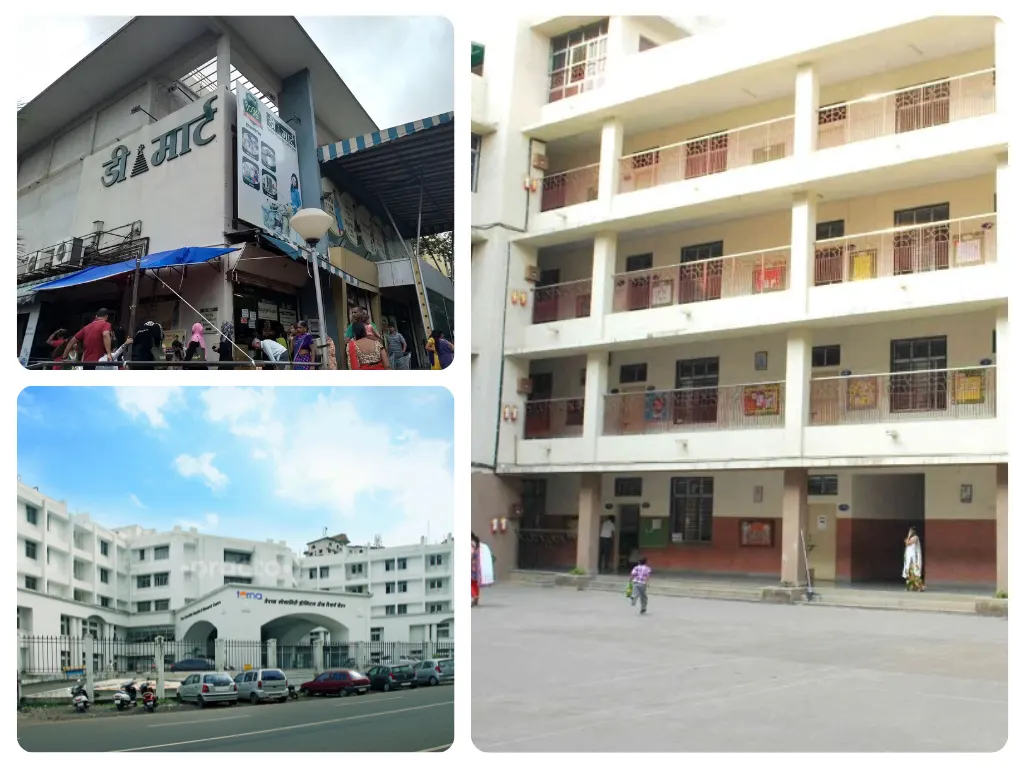
Darave may feel like a traditional Gaothan inside, but step outside its internal lanes and you are surrounded by some of Nerul’s most practical lifestyle infrastructure This blend is what makes it attractive for middle income families trying to balance affordability and convenience
The locality works because daily needs are accessible within minutes You do not need a long drive for groceries, medicines, or schooling Everything exists within a tight, walkable radius
Nearby Schools & Colleges
Within Sector 23 itself, Guruvarya Balaram Patil Vidyalaya serves as a key educational anchor for the local community It reflects the Agri Koli roots of the area while offering state board curriculum education
For families seeking private or ICSE education, institutions like Don Bosco Nerul and Podar International in Seawoods are within short driving distance This proximity increases Darave’s appeal for families who want quality schooling without paying Seawoods property prices
Hospitals & Clinics
Primary healthcare needs are easily managed through local chemists and clinics within Darave Pharmacies like Pooja Chemists and Om Bhagvati Medical operate nearby, ensuring access to essential medicines even during late hours
For advanced care, Terna Hospital in Nerul and MGM Hospital in Belapur are accessible within 10 to 15 minutes by road This layered healthcare access makes the locality functional for both young families and senior citizens
Darave Village Market & Local Shops
Inside the village lanes, kirana stores like Parivar Super Market and Kisan Agro House provide everyday groceries These shops often extend informal credit to long time residents, something large supermarkets do not offer
Just outside Sector 23, D Mart Seawoods handles bulk monthly shopping The presence of this retail giant anchors residential demand in the area Add to that local Agri restaurants, street food stalls, and small vegetable markets, and Darave becomes a self sustained micro ecosystem
Is Darave Village a Good Place to Live? Pros & Cons Analysis
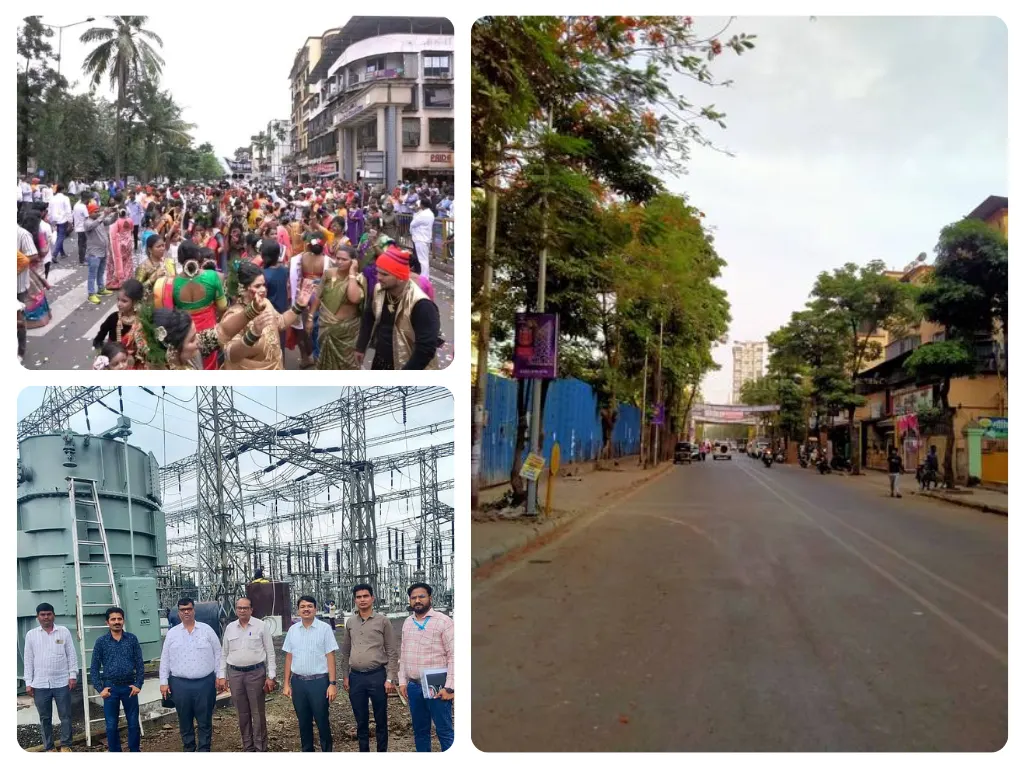
Darave is not a glossy brochure location It is layered, imperfect, and very real Whether it is a good place to live depends entirely on what you value more Connectivity or calmness Affordability or aesthetics Rental yield or luxury lifestyle
For some families, it feels central and practical For others, the narrow lanes and monsoon puddles can feel overwhelming The truth sits somewhere in between, and that balance deserves an honest breakdown
Safety & Local Crowd
Darave has a strong community structure because many families have lived here for generations The Agri Koli roots create a socially interconnected environment where people know each other, which often enhances neighborhood level safety
At the same time, the influx of tenants from airport jobs, retail employment, and student communities has diversified the population While this increases rental demand, it also changes social dynamics compared to older village days
Water, Electricity & Basic Facilities
Electricity supply is stable under Maharashtra State Electricity Distribution norms, and water is managed through NMMC pipelines However, monsoon waterlogging remains a recurring issue in low lying Gaothan pockets due to old drainage networks
Parking is another major concern The original village lanes were not designed for modern vehicle density Without a dedicated parking slot, daily life can become stressful Buyers must consider this before investing
Who Should Consider Living Here?
Darave works well for working professionals who need railway access, airport connectivity, and proximity to Palm Beach Road without paying Seawoods premium prices It also suits investors targeting high rental turnover segments like students and aviation staff
However, families looking for gated society amenities such as swimming pools, landscaped gardens, and wide internal roads may prefer Seawoods or premium Nerul sectors Darave offers value, not luxury
Future of Darave Village - Growth, Infrastructure & Investment Outlook
Darave is standing at a turning point For decades it survived as a traditional Gaothan absorbed inside a planned city Now, with airport operations reshaping demand patterns across Navi Mumbai, it is no longer just surviving It is repositioning itself within a larger economic corridor
The next ten years will decide whether Darave becomes a structured mid rise redevelopment cluster or remains a dense, semi informal village core surrounded by premium infrastructure The direction will depend on drainage upgrades, parking planning, and legal clarity of land titles
Navi Mumbai Development Impact
Nerul and Seawoods have already matured as residential hubs Darave benefits from this maturity without bearing the full cost of entry As surrounding sectors approach price saturation, mid income buyers naturally search for adjacent affordability
This spillover effect strengthens Darave’s relevance When Seawoods trades above ₹30,000 per sq ft, buyers inevitably explore Sector 23 alternatives That price psychology works in Darave’s favor
Metro & Airport Influence
The operational Navi Mumbai International Airport has already triggered rental demand from aviation staff and logistics professionals Long term, airport ecosystem jobs will continue pushing housing demand toward Nerul and Seawoods belt
If metro connectivity expands deeper into Nerul and integrates seamlessly with airport access corridors, Darave’s geographic advantage will multiply Transit linked growth historically sustains real estate demand even during broader market slowdowns
Long Term Property Appreciation
Darave is unlikely to become a luxury zone like Seawoods Estates Its DNA is different However, moderate and steady appreciation appears realistic, especially in clear title 125 percent GES properties with redevelopment potential
Gaothan interiors may continue offering strong rental yields, but appreciation will depend heavily on documentation regularization and infrastructure upgrades Investors who prioritize legal clarity over discount pricing will likely experience smoother long term returns
Conclusion
Darave Village is not easy to define It is not slum It is not luxury It is not fully planned and not fully informal either It is a surviving Gaothan that adapted to CIDCO, survived land acquisition, and is now adjusting to airport era economics
If you are an investor, the opportunity lies in understanding documentation before emotion If you are a tenant, the value lies in connectivity before aesthetics And if you are a family with roots here, Darave is more than a property market It is identity layered over concrete
In 2026, Darave stands as one of Navi Mumbai’s most misunderstood yet strategically positioned localities The temple bells of Shree Dvaraveshvar Mandir still ring, even as aircraft engines echo across the skyline That contrast is not weakness It is character
FAQ's
Frequently Asked Questions