

Digha Dam Airoli – Complete Travel Guide, Timings, Route & Local Tips (2026)
There are places in Navi Mumbai that scream for attention. And then there are places like Digha Dam Airoli. Quiet. Slightly ignored. Slightly misunderstood. And somehow… deeply beautiful if you catch it at the right moment.I have been here during peak monsoon when the water looked angry. I have been here in winter when the air felt almost poetic. And every time I leave thinking the same thing. Why do so few people talk about this place properly?
Quick Summary
| Detail | Information |
|---|---|
| Location | Digha village, near Airoli & Parsik Hills, Navi Mumbai |
| Nearest Station | Digha Gaon / Airoli Railway Station |
| Entry Fee | Free |
| Best Time | October to February sunset |
| Parking | Limited roadside parking |
| Ideal For | Sunset lovers, photographers, walkers, couples |
| Risk Factor | High during heavy monsoon |
Where is Digha Dam Located?
Exact Location & Nearest Landmark
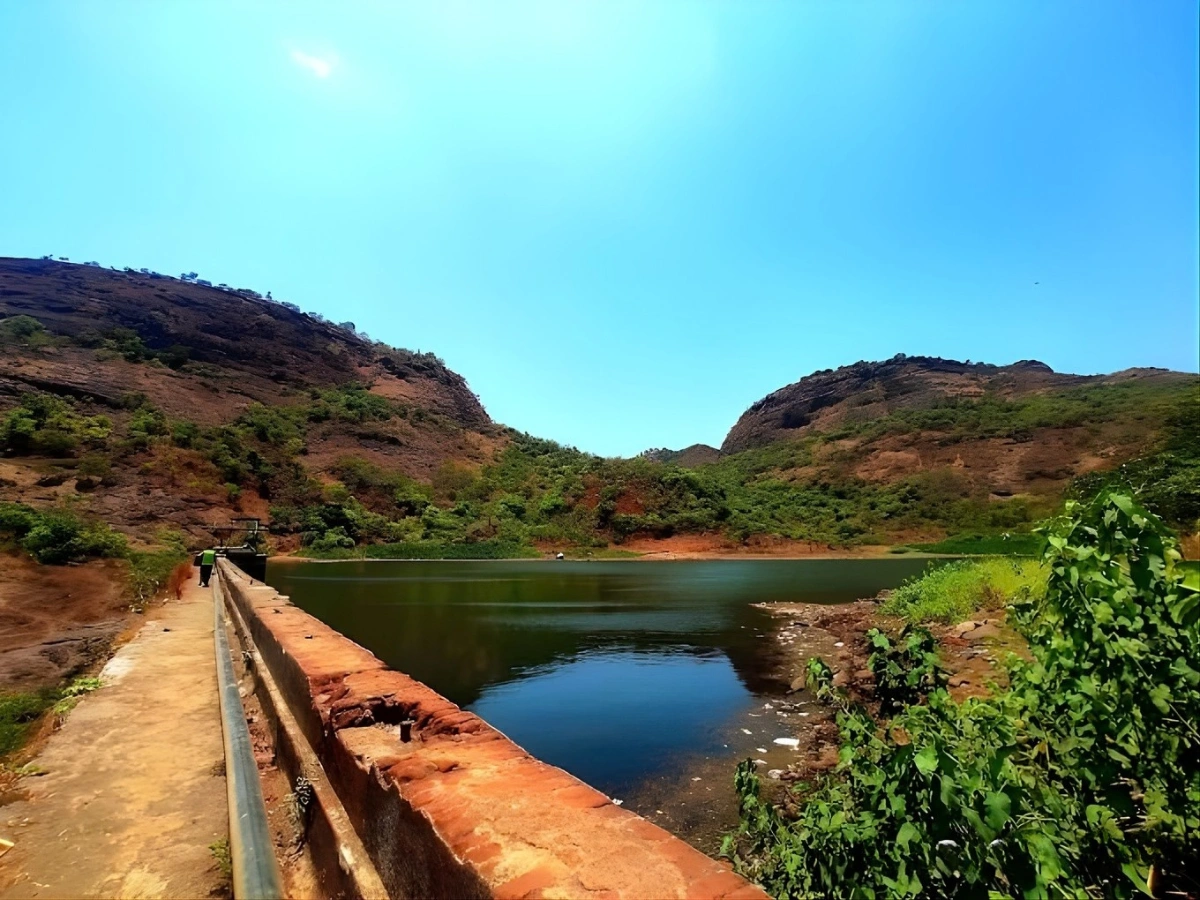
Digha Dam Airoli is located at the foothills of Parsik Hill range, near Digha village between Airoli and Thane border in Navi Mumbai. The closest recognizable landmark is Ganpati Pada area and the newly developed Digha Gaon Railway Station on the Trans Harbour line.
It sits quietly facing Thane Creek, almost like it is guarding the edge between city chaos and marshland silence. You won’t see flashy signboards. You have to look for it. And that makes reaching it slightly adventurous.
Distance from Airoli Railway Station
If you are coming from Airoli Railway Station, the dam is roughly 3 to 4 km away. By auto, it usually takes 10 minutes depending on traffic. Fare ranges between ₹30 to ₹60, though some drivers try flat pricing.
From Digha Gaon station, it is even closer. Around 2.5 km walking distance. A slow uphill walk. Slightly sweaty. Slightly scenic.
Google Maps Route & Parking Information
If you search “Digha Dam Airoli location” on Google Maps, it shows correctly near Parsik Hills. The route via Eastern Express Highway works best if you’re coming from Thane or Mumbai side.
Parking is informal. No structured parking lot. Most people park near the slum entrance area or roadside near the trekking start point. If you are bringing a car, go early. Space disappears fast during winter evenings.
Digha Dam is located near Digha village in Airoli, Navi Mumbai, close to Digha Gaon railway station and Parsik Hills. It is around 3 km from Airoli station and can be reached via auto or private vehicle.
Digha Dam History & Purpose Why Was It Built?
Construction Background
Digha Dam was constructed around 1912 during British rule, primarily to support steam locomotives of the Great Indian Peninsula Railway. Steam engines needed massive volumes of water. And Parsik Hills provided the perfect runoff collection zone.
It was never built as a tourist spot. It was industrial. Functional. Practical. The British built it to serve Thane Station and even support the Parsik Tunnel construction which was considered a major engineering achievement in Asia at that time.
Role in Water Management
Over time, steam engines vanished. But the reservoir stayed. Today, the dam still plays a role in groundwater recharge and local water regulation near Thane Creek.
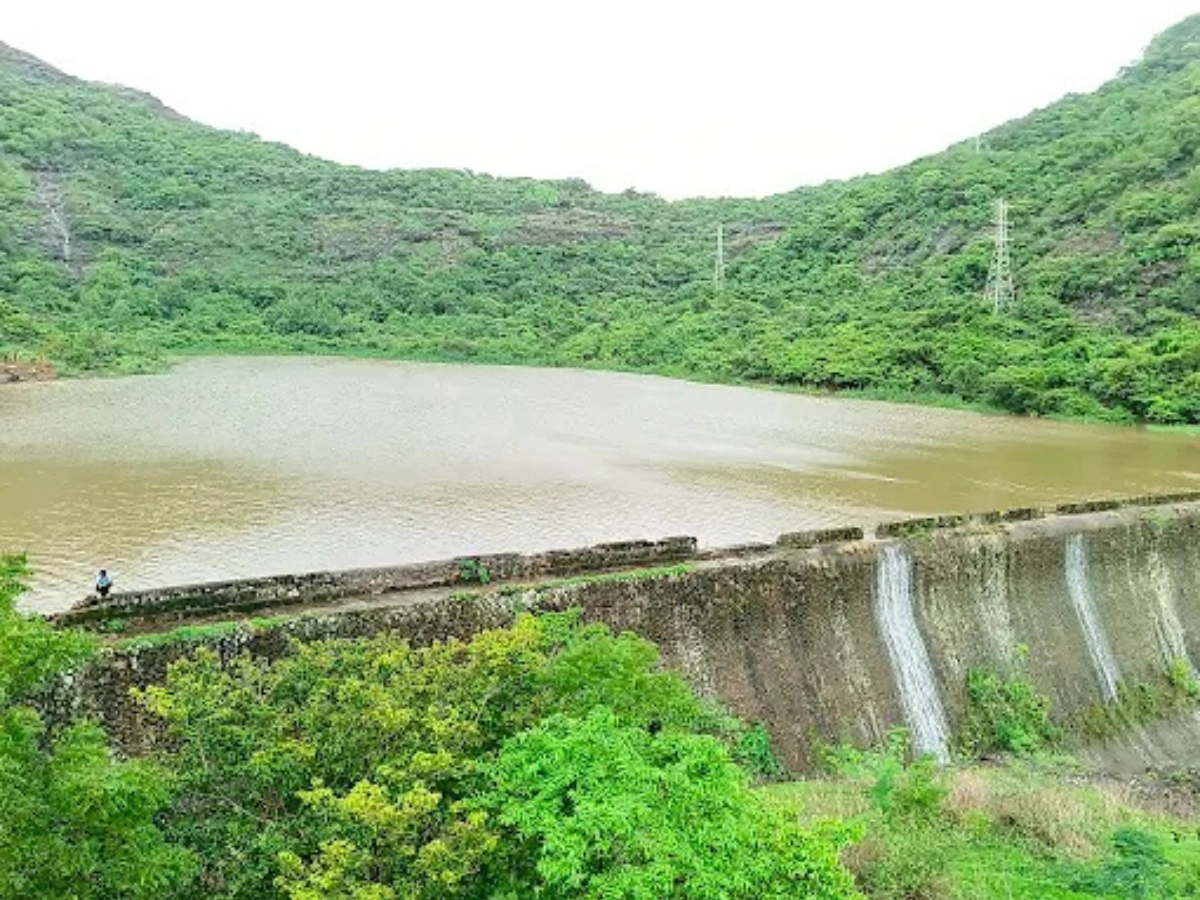
Technically, it is a gravity-type masonry and earth-fill structure about 180 meters long and 18 meters high. At peak capacity historically, it could manage massive water throughput, especially during heavy monsoon runoff from Parsik Hills. Even today, hydrologists estimate strong runoff due to high rainfall of nearly 3000 mm annually in this belt.
And yet. Maintenance remains… complicated. Ownership lies with Central Railway, while local safety concerns fall under Navi Mumbai Municipal Corporation. A classic jurisdiction confusion. The kind India specializes in.
Why Digha Dam is Famous in Navi Mumbai?
Scenic Views of Thane Creek
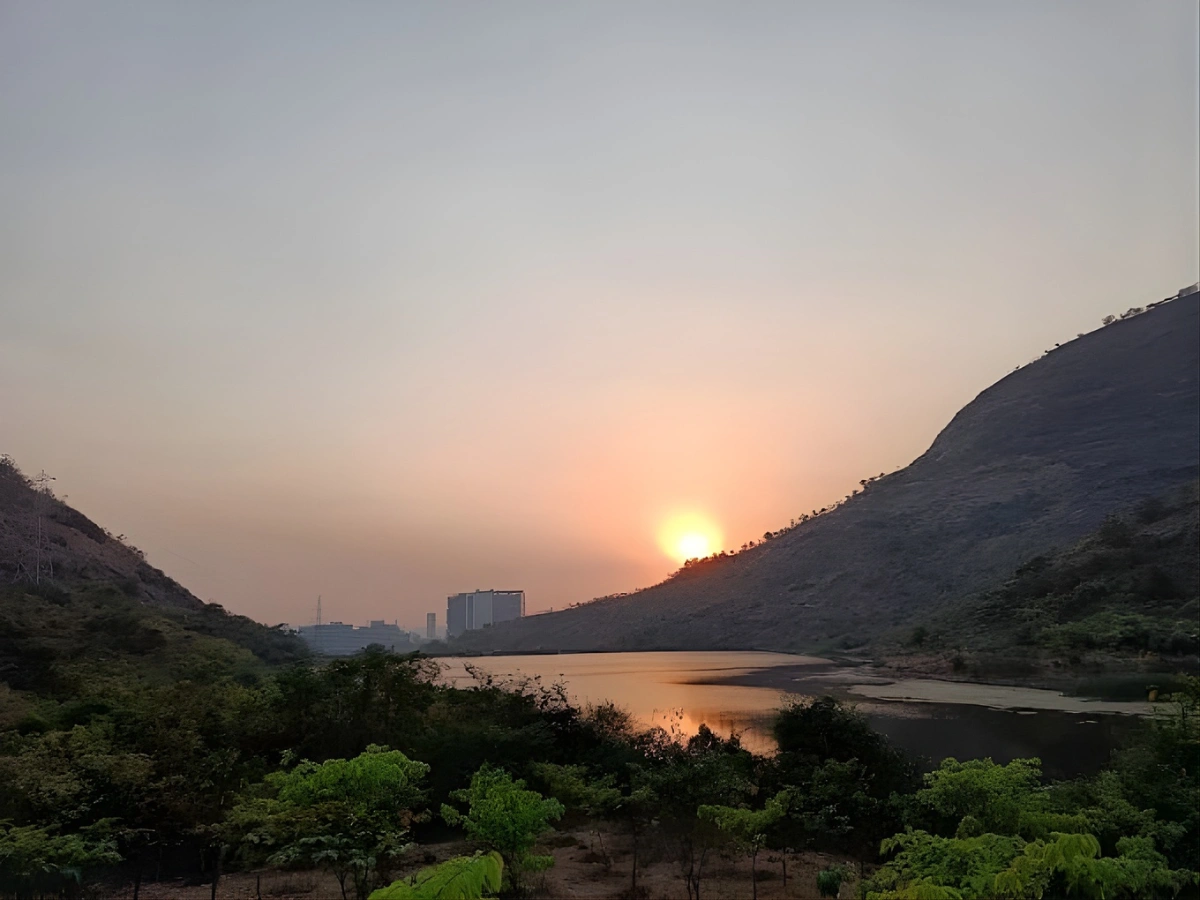
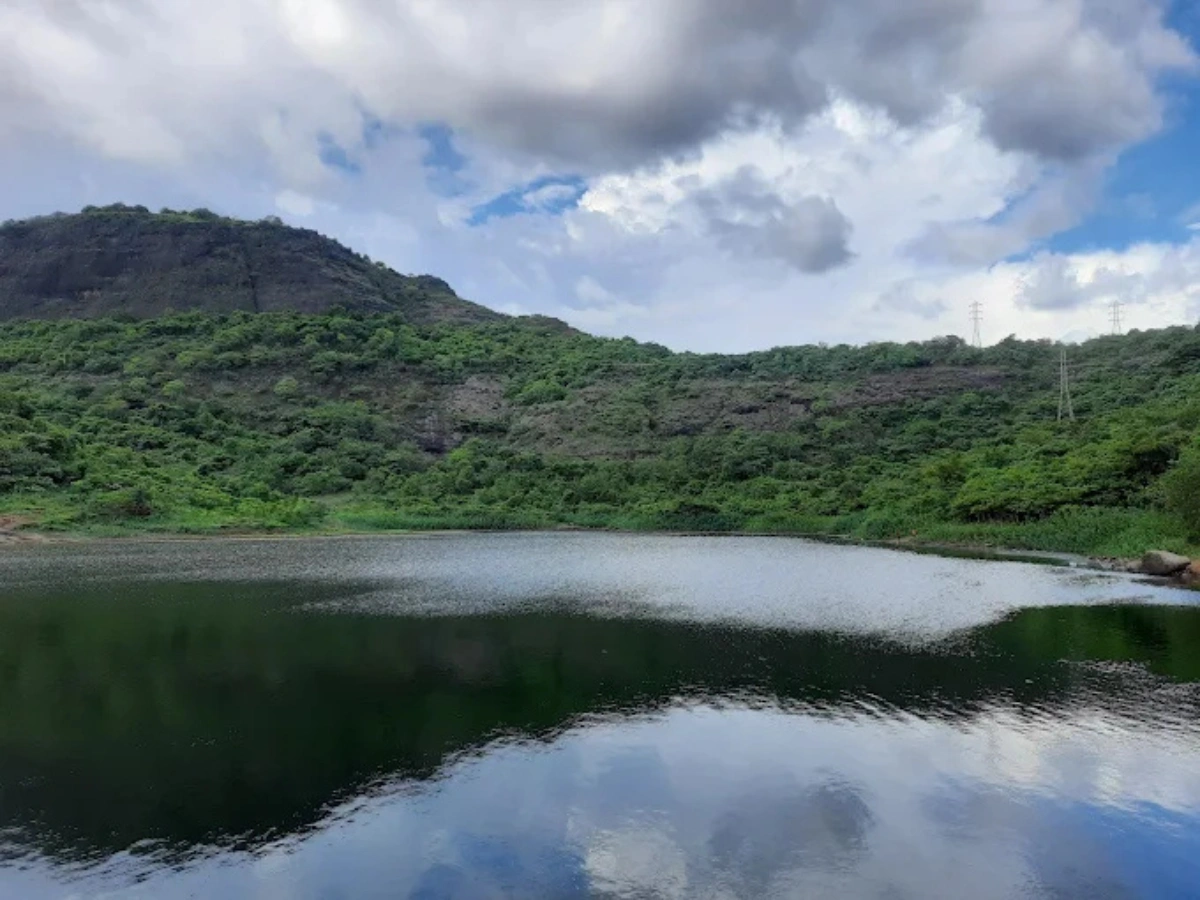
If you stand at the right edge during sunset, the sky melts into Thane Creek. Orange. Pink. Sometimes violent purple. The water reflects everything like it is trying to compete with the sky.
Many locals quietly call it one of the best sunset points in Airoli. Not commercial like Marine Drive. Not crowded like Mini Seashore. Just open sky and wind.
Bird Watching & Flamingo Sightings
Because of its proximity to Thane Creek Flamingo Sanctuary, bird activity here is surprisingly rich. During winter, you may spot migratory birds flying overhead. Occasionally flamingos are visible at a distance toward the creek side.Over 100 bird species have been recorded in the larger Parsik Hill region. For photographers, this place becomes a quiet jackpot.
Jogging & Evening Walk Experience
Evenings here feel therapeutic. Locals walk, jog, sit on rocks, stare into nothing. Couples find corners. Families bring small snacks. It feels raw. Not curated.And that is the charm. No fancy promenade. Just nature doing its thing.
Best Time to Visit Digha Dam Airoli
If you ask me honestly, evening wins. Not because morning is bad. Morning is peaceful, slightly misty in winter, fewer people. But evening… evening feels cinematic.Sunset here usually happens between 5:45 pm to 6:45 pm depending on season. The best time for sunset in Airoli near Digha Dam is October to February. The sky stays clear, humidity drops, and you actually enjoy standing there without sweating like Mumbai summer has personally attacked you.
Digha Dam is generally open throughout the day as there is no formal gate system. The best time to visit is during sunset between 5:30 pm and 6:45 pm, especially from October to February.
Monsoon Experience
Now monsoon is dramatic. Water level rises fast because Parsik Hills have high runoff. With around 3000 mm average rainfall, the reservoir fills up quickly. Within the first few weeks of heavy rain, it can reach near full capacity.
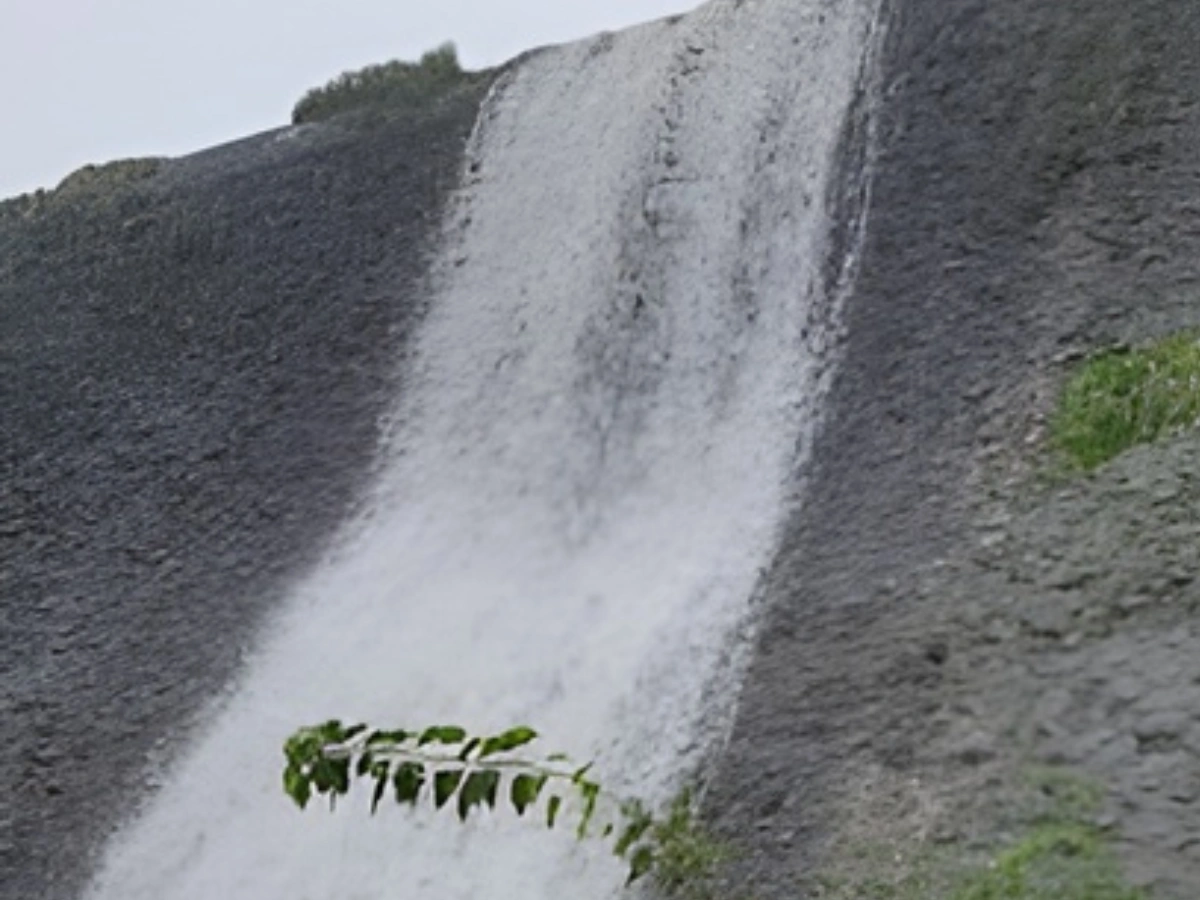
But here’s the thing. Monsoon is beautiful and risky at the same time. The wall has shown seepage and leakage issues in recent years. Locals have reported water trickling and sometimes gushing from parts of the downstream face. That internal erosion, also called piping in engineering terms, is not something to casually ignore.
Updated Section: Safety Tips
Safety Tips & Important Warnings at Digha Dam
This section is extremely important and should not be overlooked.
Slippery Surface & Seepage Risk
Several parts of the dam wall and surrounding rocks have visible seepage and moisture patches, especially during and after the monsoon season.
The surface can become highly slippery.
Avoid standing near wet areas or attempting risky selfies close to the edge.
Fencing & Structural Updates
As of 2026, complete safety fencing is not installed along the entire stretch of the dam. Some sections remain open, which can pose a risk, particularly during windy or rainy conditions.
Visitors are advised to:
- Avoid sitting on the extreme edges
• Keep children under supervision at all times
• Avoid visiting during heavy rainfall
If NMMC or railway authorities begin repair or fencing work in the future, always check for updated local advisories before planning your visit.
What to Carry When Visiting Digha Dam
Adding this section increases user value and improves featured snippet chances.
| Item | Why You Need It |
|---|---|
| Good Grip Shoes | The dam wall and rocks can get slippery, especially during monsoon. |
| Water Bottle | There are no shops or vendors once you start walking toward the dam. |
| Power Bank | Sunset photography and videos can quickly drain your phone battery. |
| Cap & Sunglasses | Afternoon sunlight can be harsh and uncomfortable. |
| Trash Bag | Carry back your own plastic or waste to keep the area clean. |
How to Reach Digha Dam from Digha Gaon Railway Station
Digha Gaon is the nearest railway station to Digha Dam. The distance from the station to the dam is approximately 2 to 2.5 km.
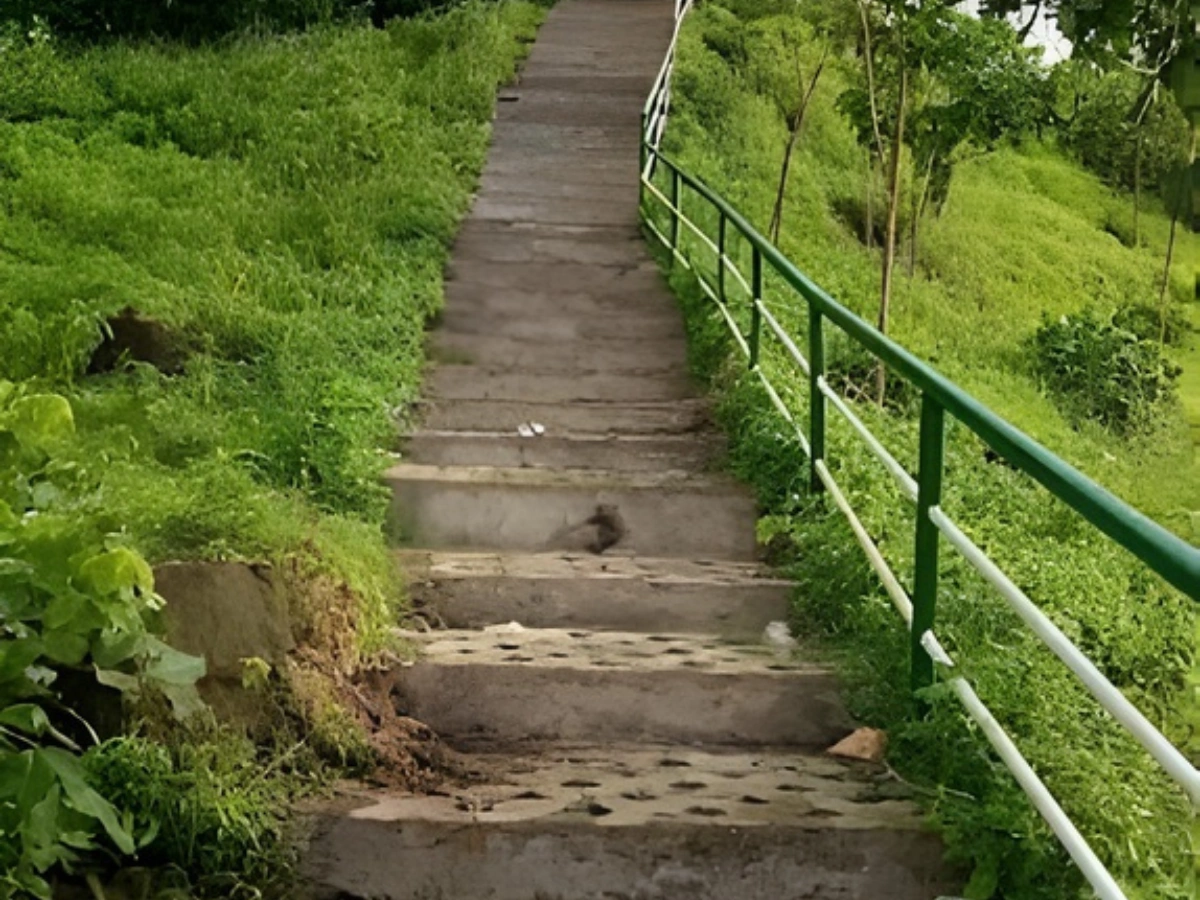
Although Google Maps shows it as a “walkable” route, the reality is slightly different. The road can be steep, dusty, and uneven in certain patches, especially during summer and dry months. It may not be ideal for elderly visitors or families with children.
Wearing proper walking shoes with good grip is strongly recommended.
Local Food Options Near Digha Dam
There are no permanent food stalls or restaurants directly on top of Digha Dam.However, near Digha Gaon station, you may find small tea stalls and local vada pav vendors, especially during evening hours.If you want proper dining options, head towards Airoli, where you will find cafés, fast food outlets, and family restaurants.A smart plan is to combine your sunset visit with dinner in Airoli afterward.
2026 Update – Are E-Rickshaws or Autos Available?
As of 2026, there is no structured or fixed E-rickshaw service operating directly from the station to the dam. However, during evening peak hours, you may find shared autos near the station that can drop you at the base of the dam.If you are traveling with family or senior citizens, taking an auto instead of walking is a safer and more comfortable option.
By Train
The most convenient station today is Digha Gaon Railway Station on the Trans Harbour line. It connects Thane and Airoli directly and has made access much easier.From Thane, it’s barely 5 minutes by local train. From Vashi side, direct Trans Harbour connectivity works smoothly. Once you get down, auto or 30 minute walk uphill takes you to the dam.
By Road
If you’re coming from Mumbai, take Eastern Express Highway toward Thane, then move toward Airoli via the Mulund-Airoli bridge or internal road depending on your location.From Thane city, the distance is around 6 to 8 km depending on starting point. Traffic can add 15 to 20 minutes during peak hours. Evening traffic near Airoli can test your patience. Deep breaths help.
Local Auto & Bus Connectivity
From Airoli station to Digha Dam, auto fare typically ranges ₹30 to ₹60. Officially meter applies, but flat rates are common.NMMT buses also operate toward Digha village area, but they won’t drop you exactly at the dam. Some walking is unavoidable. Which honestly adds to the experience.Geo perspective wise, this spot connects Mumbai, Thane and Navi Mumbai within a short travel window. That makes it attractive for quick weekend escapes without planning a full day trip.
Things to Do at Digha Dam
This is where search intent shifts. People don’t just want history. They want experience.
Sunset Photography
If you search “Digha Dam photography spot”, you’ll find a mix of amateur shots and surprisingly good frames. The reflection on Thane Creek side combined with Parsik Hill silhouette creates layered depth in photos.Golden hour here feels different. Slight industrial skyline in distance. Slight wilderness in foreground. That contrast. Beautiful.
Family Picnic Spot
It is one of the free places to visit in Navi Mumbai. No ticket. No entry fee. Families come with small snack bags, sit on rocks, children run around.But do not expect benches or organized gardens. This is raw land. Carry your own mat. And please carry back your trash. Nothing ruins a hidden place faster than plastic.
Cycling & Walking Track
Locals use the road stretch for jogging and cycling especially in winter mornings. Air quality feels cleaner compared to central city roads.Couples also prefer it because it is comparatively less crowded than popular waterfronts. Romantic places in Airoli are rare. This one counts quietly.
Nearby Places to Visit Around Digha Dam
Mini Seashore Vashi
Mini Seashore is around 20 to 25 minutes away by road. Proper promenade, seating, more crowd. If Digha feels too raw for someone in your group, this is safer backup.Evenings are lively there. Street food, families, open space. Slightly commercial. Slightly more polished.
Airoli Creek View Point
Airoli Creek View Point offers closer views of mangroves and creek ecosystem. Bird lovers prefer this stretch during winter.It pairs well with Digha Dam because both overlook the same ecological belt of Thane Creek region.
Thane Creek Flamingo Sanctuary
Already mentioned earlier, but worth repeating. Thane Creek Flamingo Sanctuary is a protected wetland zone known for migratory flamingos.If you visit during winter mornings, combining sanctuary visit with Digha Dam sunset creates a full nature-themed day. Urban wildlife and quiet reservoir in one loop.
Entry Fees, Parking & Rules at Digha Dam
Entry Cost
Good news first. Digha Dam entry fee is zero. Completely free. No ticket counter. No gate. No guard asking questions.But free does not mean maintained. There is no official tourism infrastructure here. It is an old railway reservoir sitting quietly between jurisdictions. So when you enter, you are entering at your own responsibility.
Digha Dam has no entry fee. It is open access throughout the day without any official ticket system.
Parking Availability
There is no designated parking lot. Most two-wheelers are parked near Ganpati Pada area or roadside near the trail entrance. Cars can be parked along the internal road, but space is limited.During winter weekends, parking becomes messy. If you are coming by car, reach before sunset rush around 5 pm. Otherwise you will circle around more than you enjoy the view.
Parking at Digha Dam is informal roadside parking. No official parking charges apply, but space is limited.
Important Safety Guidelines
The dam wall has reported seepage and visible leakage points in recent years. Residents from nearby settlements like Kalyan Nagar and Ilthan Pada have raised concerns especially during monsoon when water pressure increases.
There have also been drowning cases in past monsoons. No lifeguards. No fencing. No emergency system. Add monkeys that sometimes snatch food, and you realize this is not a polished tourist spot. It is raw terrain with real risks.
Short Safety Reminder:
Avoid swimming.
Do not stand near overflow edges.
Do not feed monkeys.
Leave before it gets too dark.
Is Digha Dam Worth Visiting?
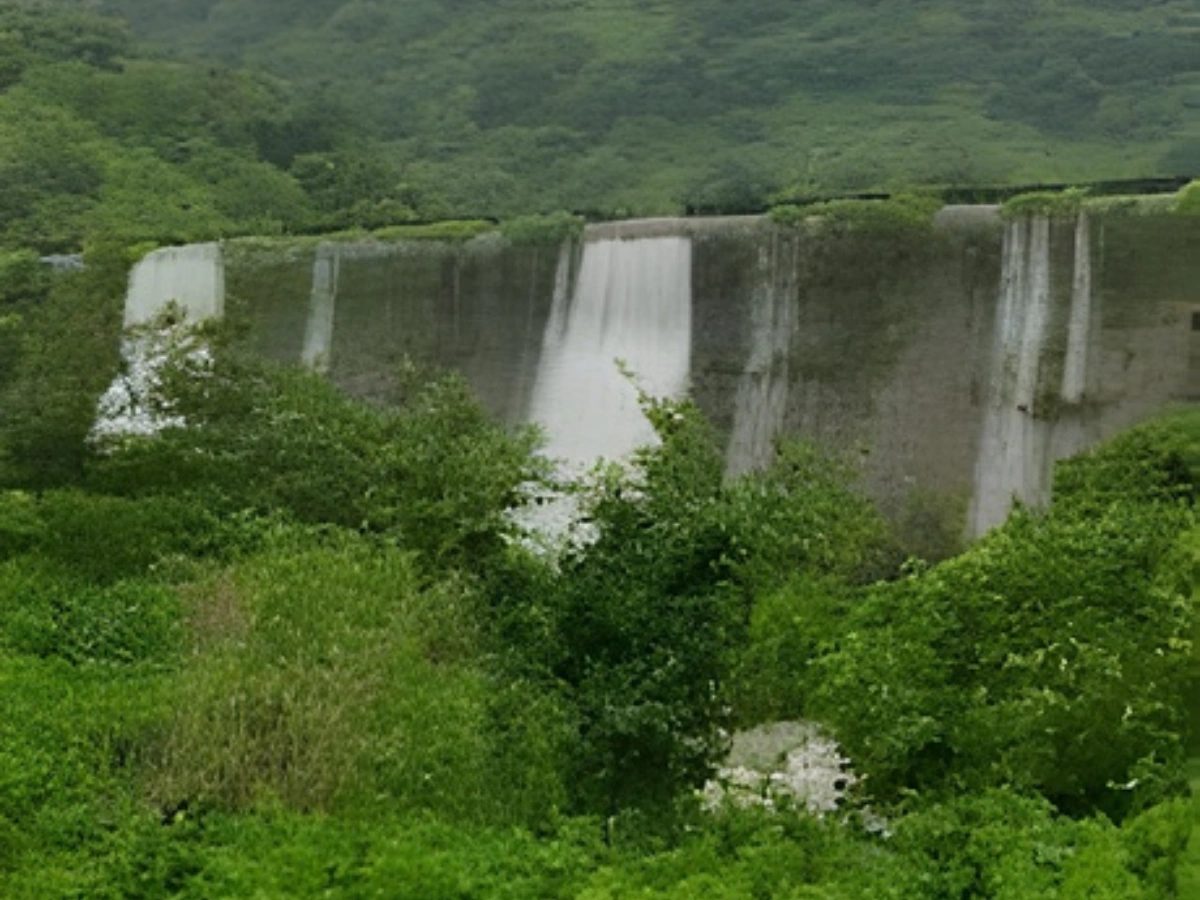
If you are expecting Marine Drive vibes, proper promenade, food stalls, benches and Instagram crowd lighting… you will be disappointed.If you like slightly offbeat, semi-wild, real-feeling spaces where the wind hits your face and you can hear silence between traffic sounds… you will love it.There is something emotionally strange about this place. Built in 1912 for steam engines of the Great Indian Peninsula Railway. Designed to serve industrial expansion. And today people come here for sunsets and quiet moments. History doesn’t disappear. It just changes purpose.
The dam is about 180 meters long and 18 meters high. A gravity-type masonry structure that has survived more than a century of monsoons. That alone deserves respect. But it also deserves repair. The current administrative confusion between Central Railway and Navi Mumbai Municipal Corporation is worrying. Evacuating nearby C-1 buildings without fixing the root hydraulic risk feels incomplete.
So is Digha Dam worth it?
For photographers. Yes.
For couples looking for quiet. Yes.
For families who understand basic safety. Yes.
For thrill seekers wanting to jump into water. Absolutely no.
My personal rating. 7.5 out of 10. Could easily become 9 if restored properly.
Digha Dam vs Parsik Hill – Which Sunset Is Better?
If you are specifically visiting for sunset views, this comparison will help.Digha Dam offers a calm water-reflection sunset experience with open views of Thane Creek. The atmosphere feels raw and peaceful.On the other hand, Parsik Hill provides a slightly elevated viewpoint with city skyline visuals and night lights after sunset.
FAQs
Frequently Asked Questions