
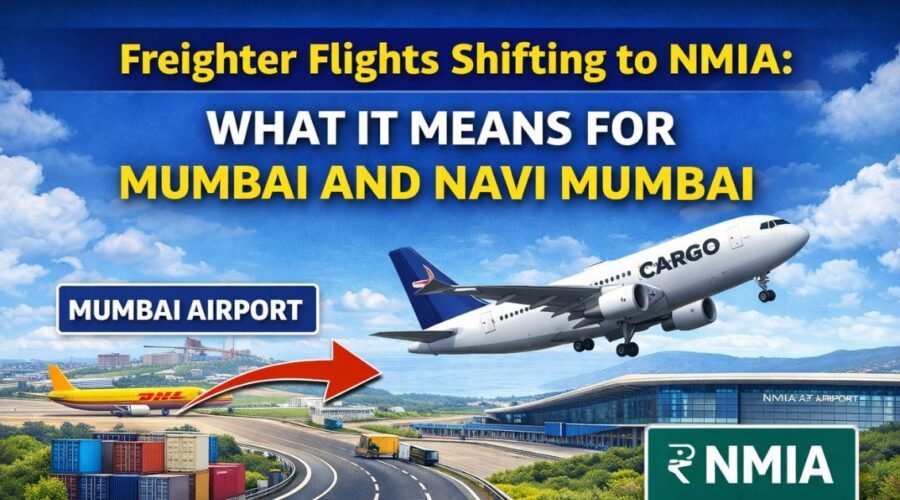
Freighter Flights Shifting to NMIA: What It Means for Mumbai and Navi Mumbai
Mumbai’s air cargo system is preparing for a rare operational pivot: dedicated freighter aircraft movements at Chhatrapati Shivaji Maharaj International Airport (CSMIA) are widely reported to be suspended temporarily, with the freighter load expected to migrate to Navi Mumbai International Airport (NMIA). The disruption window most often cited is August 2026 to May 2027, framed as a ten-month period where engineering and airside works make dedicated freighter handling impractical at CSMIA, even as passenger flights and their belly cargo continue.
This distinction matters more than it sounds. “Cargo shutting down” creates panic, but the reality is more technical. Belly cargo on passenger aircraft continues, but certain categories of cargo depend on freighter aircraft because they need dedicated uplift, specialized loading, or predictable night departures. When freighters pause, it does not mean trade stops, but it does mean the market’s most time-sensitive and high-volume cargo lanes must be re-routed through a different airport ecosystem.
Proposed timeline and why freighters may move
The reports linking the Aug 2026–May 2027 window to infrastructure upgrades generally point to runway-related works, apron reconstruction in cargo handling zones, and parallel taxiway improvements that require space, demolition, and operating constraints during construction. The outcome is a “shutdown in practice” for dedicated freighter operations because CSMIA is land-constrained and cannot easily relocate freighter parking or cargo handling without disrupting passenger movements.
CSMIA is among India’s most important cargo gateways, and the pause is significant because freighters do work that passenger belly capacity cannot replicate efficiently. Wide-body freighters provide concentrated uplift in a single rotation, and their networks are built around tight global loops. That is why the transition is not just an airport issue. It becomes a supply chain issue for exporters, forwarders, and road logistics across the Mumbai Metropolitan Region.
What exactly is a “freighter shift”
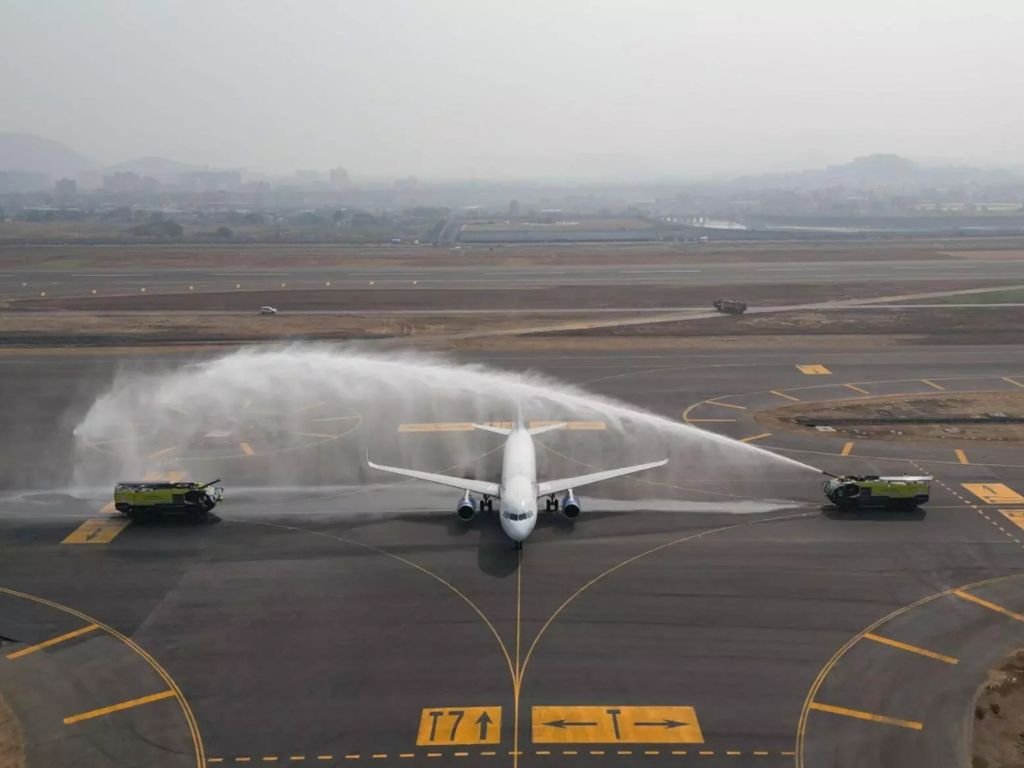
A freighter shift means cargo-only aircraft operations move from one airport to another. It does not mean every kilogram of cargo moves. Passenger aircraft will continue to carry cargo in their belly holds, but that cargo capacity is limited by passenger baggage and flight schedules. Freighters exist specifically to move large volumes, heavy loads, oversized cargo, and express networks where timing and predictability matter as much as price.
Freighters vs belly cargo
Belly cargo is valuable for many categories, especially smaller shipments that fit into passenger flight patterns. But freighters are often used for cargo that is oversized, dense, high-volume, or sensitive to handling regimes. In practical terms, some exporters can continue using belly cargo without major disruption, while others will need freighter uplift and therefore must plan around NMIA operations during the reported window.
One practical tip for SMEs is easy to miss here. Exporters shipping small-volume, high-value goods, such as jewelry, premium accessories, compact electronics, or low-CBM urgent spares, may not need to redesign their entire air freight path during the transition window. Because passenger flights at CSMIA remain operational and belly cargo continues, these shipments can often continue moving through the existing CSMIA belly-cargo channels, assuming the forwarder can secure space and the shipment profile fits airline acceptance norms. This “belly cargo safety net” does not replace freighter uplift for heavy or bulky categories, but for many smaller exporters, it can reduce disruption risk and avoid unnecessary changes in warehousing, trucking routes, or customs routines.
Why freighters are sensitive to slot timing, night ops, trucking windows
Freighters are tightly timed because they plug into global distribution loops. If a flight arrives late, it can miss connections and warehouse cut-offs at the next hub, creating cascading delays. Freighters also depend on trucking cut-offs for build-up, screening, palletization, and customs processes. When the operating airport changes, road travel time, route reliability, and gate congestion patterns also change, and these changes directly affect whether shipments make the flight.
This is why cargo stakeholders focus on night operations and consistent truck windows. If a new airport can support late-night and early-morning freighter schedules smoothly, it becomes more attractive for operators who want reliability over convenience.
Why NMIA is the natural landing zone
NMIA’s cargo role is not an afterthought. Industry coverage describes it as a greenfield facility planned with cargo handling infrastructure built into the master plan, rather than retrofitted into a landlocked airport environment. Phase 1 cargo capacity is widely referenced around 0.5 million tonnes annually, with a longer-term multi-phase ramp-up.
Cargo-ready design and multi-modal connectivity
A greenfield airport can design flows properly: truck docks, segregation between domestic and international cargo, streamlined build-up zones, and better space for specialized handling like pharma and perishables. Reports also reference dedicated freighter stands and the ability to handle large aircraft categories, which matters because the cargo market includes aircraft far larger and heavier than typical passenger operations.
Operational hours are also crucial. Coverage around NMIA’s early operating pattern often mentions initially limited windows followed by a scale-up to round-the-clock operations, a requirement for international freighter networks that rely on night departures and arrivals. The timeline matters because the cargo ecosystem needs confidence well before August 2026 to redesign contracts and trucking cycles.
The JNPT and Navi Mumbai industrial belt advantage
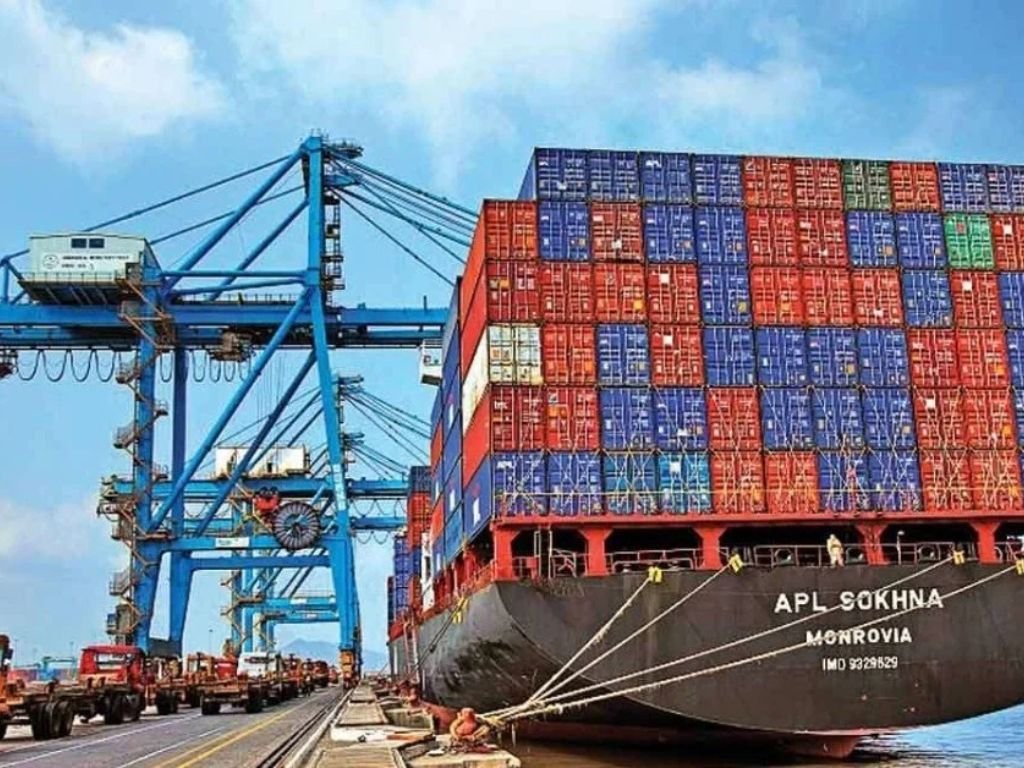
NMIA’s biggest strategic edge is geography. The airport sits close to the Jawaharlal Nehru Port Trust (JNPT) ecosystem and the wider industrial belt of Navi Mumbai, Panvel, Taloja, and the Raigad logistics corridor. Industry reporting explicitly positions the cargo logic around port adjacency and multimodal synergies.
This opens the door for practical sea-air workflows where bulk cargo arrives by sea at JNPT and time-sensitive or high-value portions move onward by air. Globally, the strongest logistics hubs often rely on exactly this kind of port-airport pairing. For the MMR region, the shift toward NMIA makes that model more operationally plausible than when the freight gateway is embedded inside dense urban Mumbai.
Who gets impacted first
The impact is uneven. Some stakeholders will feel immediate disruption, while others may experience the shift as an opportunity.
Exporters (pharma, perishables, e-comm, electronics)
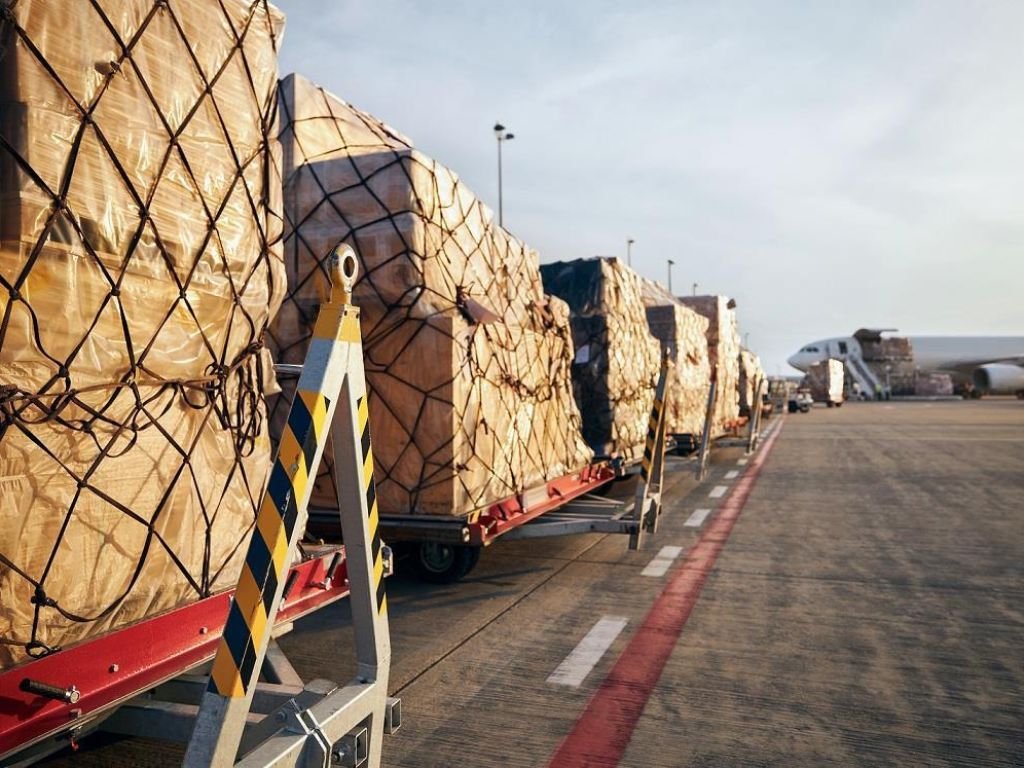
Pharma exporters will watch cold chain performance closely. NMIA has been positioned publicly with specialized handling capabilities such as pharma-focused infrastructure and regulated processes that protect temperature-sensitive cargo, and this narrative has been highlighted in official and industry communication. If these systems run well, exporters may see better handling discipline than legacy environments where cold chain often depends on fragmented workflows.
Perishable exporters will focus on speed from truck arrival to aircraft uplift. Seasonal pressure, especially during fruit export peaks, is where airports get tested. If NMIA’s perishable handling lanes, reefer staging, and cold rooms work smoothly, the shift can reduce spoilage risk. If ramp-up is chaotic, perishables suffer first.
E-commerce and express networks will likely recalibrate hubs and trunk routes. They value predictable night ops and fast turnaround because even small delays can break delivery promises. Electronics and high-value engineering cargo will also watch security, handling speed, and whether ground handling teams can scale without errors during peak weeks.
Freight forwarders and trucking vendors
Forwarders will face a dual-airport reality. Belly cargo continues through CSMIA, while freighter networks operate through NMIA. That means split operations, split cut-offs, and, in some cases, bonded movement planning for cargo that arrives at one airport and connects onward through another.
Trucking vendors will see increased demand on Navi Mumbai corridors, but they will also face new gate discipline and yard management requirements. In every airport transition globally, the early weeks expose friction: appointment system glitches, detention disputes, and confusion over cut-off changes. Businesses that plan early reduce these shocks.
From a ground-operations angle, the trucking map will increasingly revolve around a few very specific corridors. The Atal Setu (Mumbai Trans Harbour Link / MTHL) becomes a critical connector for movements between Mumbai-side consumption zones and the NMIA-side cargo belt, especially when networks try to exploit night windows for faster middle-mile transfers. At the same time, the Sion-Panvel Highway remains the unavoidable spine for cargo feeding in from Mumbai, Thane, and the Pune corridor, even if operators attempt to balance load via alternate approach roads. This matters because in real logistics, “distance” is less important than predictable travel time, and these two corridors will heavily influence cut-off planning, detention risk, and on-time performance once freighter-linked trucking patterns stabilize around NMIA.
Residents near key road corridors (traffic externalities)
Navi Mumbai residents near major connectors and junctions will feel the physical impact through heavier truck volume, especially if freighter operations scale at night. This is where logistics strategy meets civic reality. If truck staging is unmanaged, roads become informal parking yards. If slot discipline is strong, the externality is controlled. This is why the shift will be judged not only inside the airport fence, but also on the approach roads.
What changes on ground in Navi Mumbai
The most visible changes will happen outside the terminal.
Truck movement patterns (time windows, staging, chokepoints)
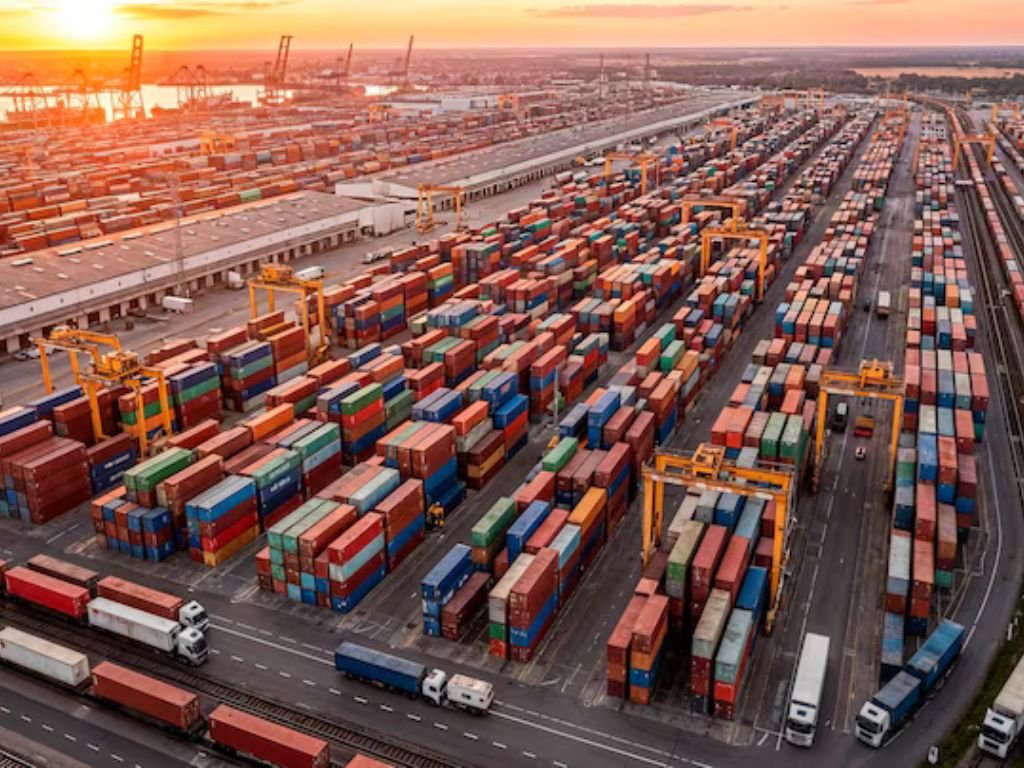
The cargo map will pull activity toward Ulwe, Panvel, Uran, and the port belt. Staging yards and holding zones become essential because truck arrivals must be coordinated with acceptance windows. If too many trucks arrive at once, congestion spreads outward, and even a modern terminal feels slow.
The key difference between a stable cargo airport and a chaotic one is often not runway capacity. It is landside discipline. The industry will watch whether truck appointment systems, security checks, and yard availability are operationally mature. A smooth system reduces dwell time and cost. A weak system increases hidden costs, from missed flights to detention charges.
Demand spike zones: parking yards, packaging, cold chain, security
As cargo grows around NMIA, service demand tends to concentrate in predictable categories: parking and holding yards for trucks, packaging and palletization vendors, cold chain infrastructure for pharma and perishables, and compliance-driven services like screening and documentation support.
This is where the Navi Mumbai and Panvel belt can see secondary economic growth. Logistics rarely creates only direct airport jobs. It creates an ecosystem of support services that grows around it, especially in zones where land and road access are workable.
What should businesses do now?
Preparation is less about panic and more about tightening operational discipline.
Documentation readiness matters because transition phases are unforgiving. Any inconsistency in invoices, labeling, temperature logs, or shipper-consignee data increases the chance of delay when a new system is under pressure. Companies should align internal SOPs for time-critical cargo now, instead of waiting for the last quarter before the shift.
Forwarder contracts should be reviewed with NMIA execution in mind. Many exporters discover too late that their forwarder’s trucking model, yard capacity, or cold chain partners are optimized for the old airport. Clarifying cut-offs, detention terms, and handling capability early reduces risk.
Buffer time planning is also practical. Within the ecosystem, alternate uplifts via Delhi or Bengaluru are sometimes discussed during crunch weeks. Treat that as a contingency tool, not a guaranteed plan. The best approach is to define escalation paths: what happens if capacity tightens, if a flight is canceled, or if gate congestion causes a missed cut-off. Planning that logic in advance protects shipments and client commitments.
Tables that will help you win snippets
Before vs After: CSMIA freighter handling vs NMIA expected handling (conceptual)
| Factor | CSMIA during Aug 2026–May 2027 window | NMIA expected role during the window |
|---|---|---|
| Dedicated freighter flights | Reported temporary suspension of dedicated freighter operations | Primary freighter gateway for the displaced cargo traffic |
| Belly cargo on passenger flights | Expected to continue as passenger operations continue | Continues where applicable, but not the main shift driver |
| Cargo handling environment | Land-constrained, works reduce practical freighter handling | Greenfield cargo design with planned scalability |
| Cargo strategy | Passenger-first airport with constrained freight expansion | Cargo-forward planning with multimodal adjacency |
Stakeholder impact matrix
| Stakeholder | What changes | What to watch |
|---|---|---|
| Exporters | Cut-offs, trucking routes, handling processes | Cold chain discipline and dwell time consistency |
| Forwarders | Dual-airport coordination | Bonded trucking, equipment, staffing model |
| Truckers | New corridors and yard logic | Appointment discipline, detention management |
| Warehousing and 3PL | Demand shifts toward Panvel–Raigad | Lease rates, yard availability, compliance services |
| Local residents | More freight traffic near connectors | Night noise, junction congestion, enforcement |
Will freight rates rise during the transition?
Rates typically tighten when dedicated uplift becomes constrained for certain cargo categories. The extent depends on airline redeployment, NMIA operational readiness, and how efficiently landside operations scale.
Does this permanently move Mumbai’s cargo center to Navi Mumbai?
Many operators may find NMIA attractive even after the window because of space, port adjacency, and the ability to run night operations more cleanly than a constrained urban airport. The longer-term split could become freighters at NMIA and passenger belly cargo dominance at CSMIA, depending on airline economics and regulatory outcomes.
FAQ's
Frequently Asked Questions