
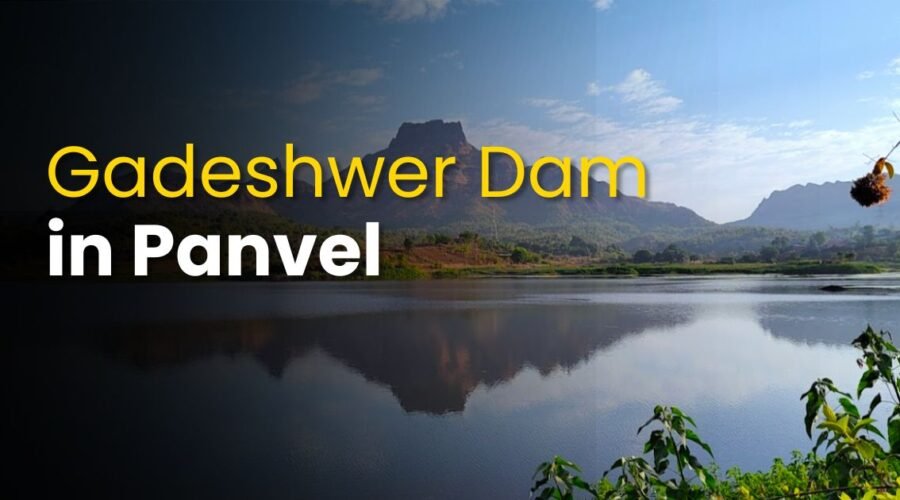
Gadeshwar Dam Panvel, Navi Mumbai
What is Gadeshwar Dam Really?
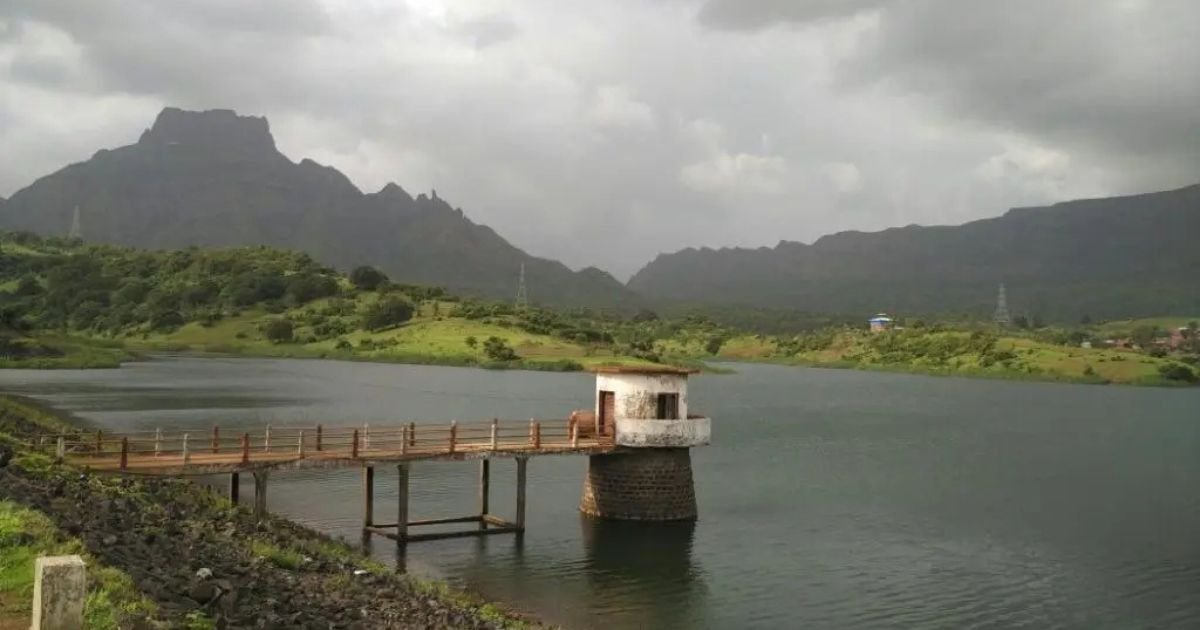
Gadeshwar Dam in Panvel is widely showcased online as a beautiful monsoon destination with a large lake, mist, and scenic surroundings. However, what most visitors do not know is that the popular spot seen in photos and reels is not actually the main dam at all. It is a British-era weir located downstream, while the real drinking-water reservoir of Panvel is the Dehrang Dam, positioned 1.8 km upstream from the public location.
Because of incorrect Google Maps tagging and social media promotion, many people mistakenly believe they are visiting a dam that supplies water to thousands, but they are standing at a structure originally built to regulate river flow. Dehrang Dam, the primary reservoir, was constructed in 1964 and is responsible for supplying essential water to Old Panvel residents. It is a restricted zone and not accessible for tourism or recreation. The downstream structure, commonly called Gadeshwar Dam online, has evolved into an unregulated picnic and swimming area that regularly faces police action due to safety concerns.
This article aims to provide clear information separating both structures, covering logistics, rules, risks, nearby trekking options, and the real user experience. The intention is to replace misleading travel assumptions with verified ground reality, so visitors do not face unexpected dangers or disappointment when planning a trip to the Gadeshwar-Dehrang area.
History of Gadeshwar Dam
Gadeshwar Dam might seem like a newly popular weekend spot, but its history goes much deeper. The structure most people casually call “Gadeshwar Dam” is actually part of a water management system that predates social media by decades.
The real backbone of this system is the Dehrang Dam, constructed in 1964 to secure drinking water for Old Panvel. At that time, the focus was purely on managing natural water resources for a growing town, not tourism or scenic views.
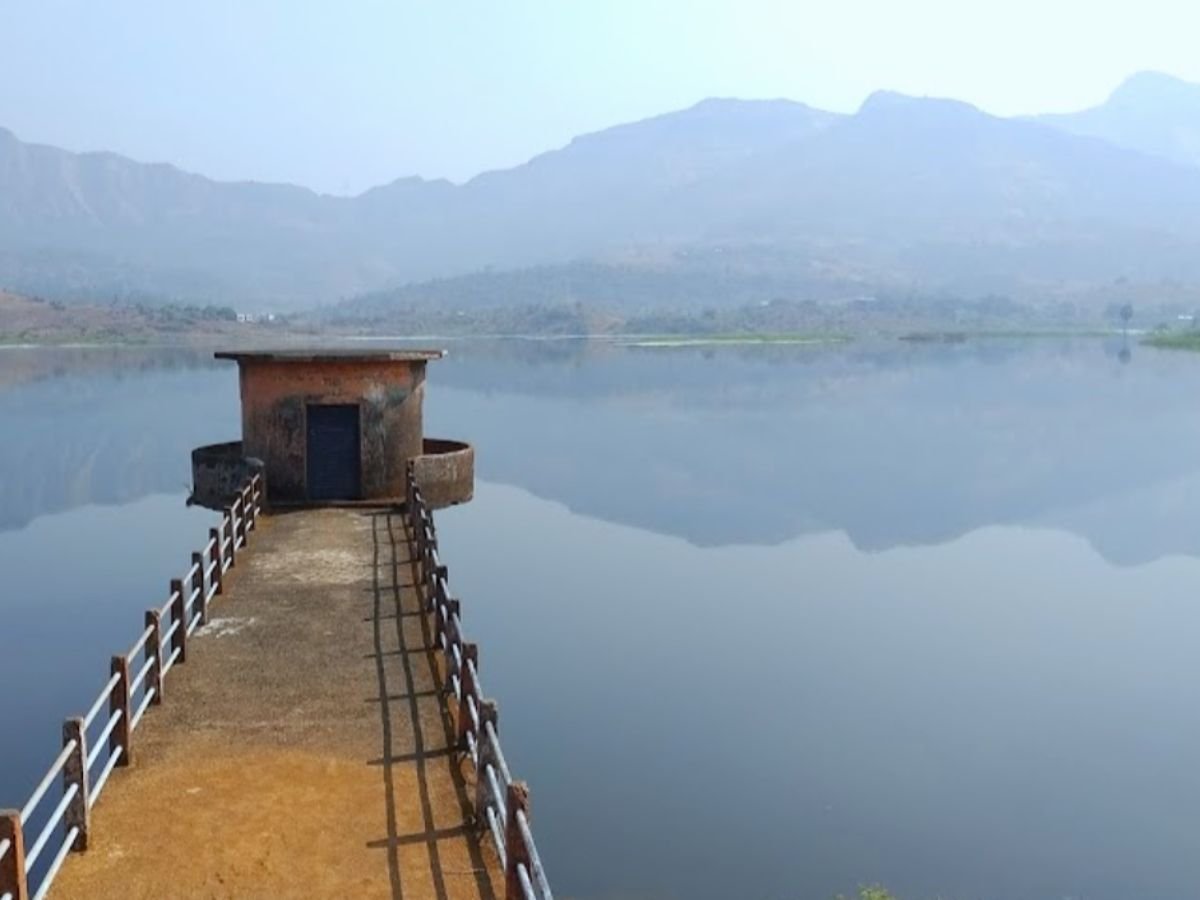
Over the years, water overflowing from Dehrang Dam began collecting downstream, forming a small reservoir. Here lies the British-era Gadeshwar Weir, originally built to regulate river flow and irrigation. Its accessible location and scenic surroundings eventually made it the spot people started visiting and sharing online under the name “Gadeshwar Dam.”
So, what today looks like a picturesque monsoon getaway is actually the result of decades of water management history, combining engineering, utility, and natural beauty.
Architecture & Construction
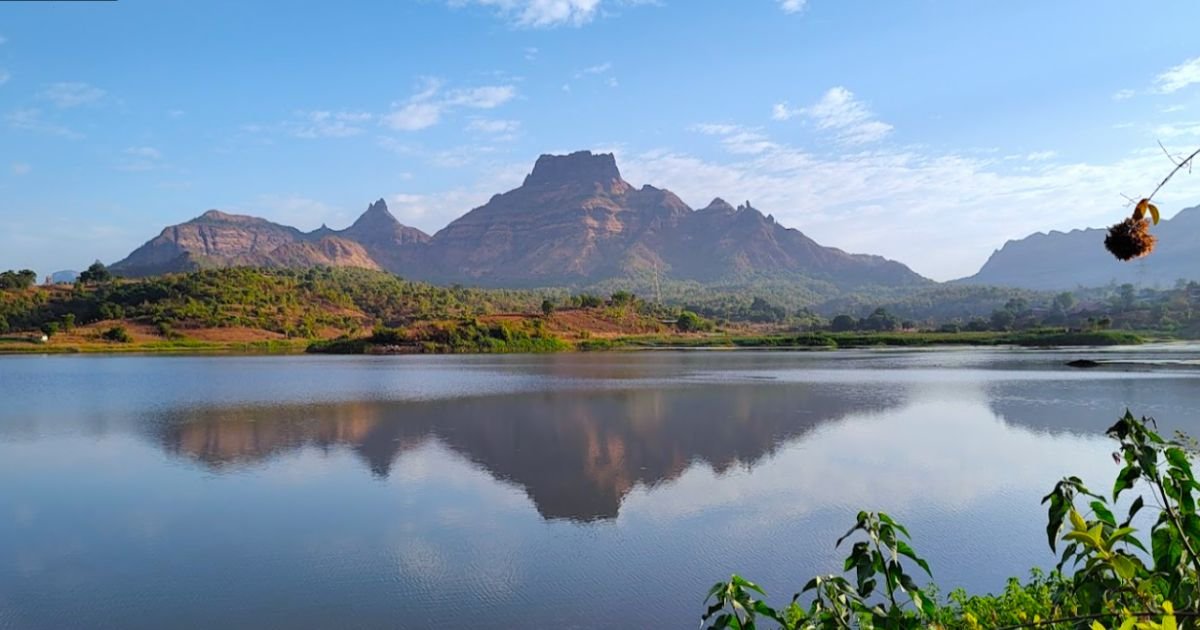
If you stand near the water long enough, you start noticing little details most people miss. The walls, the shape, the way water flows around structure edges it’s not built like those giant concrete dams we see in movies. And that’s because the visible structure isn’t actually the main dam at all. The actual Dehrang Dam upstream is more modern in purpose and design, built in the 1960s with storage capacity in mind, while the downstream Gadeshwar weir looks older, simpler, and honestly more rustic.
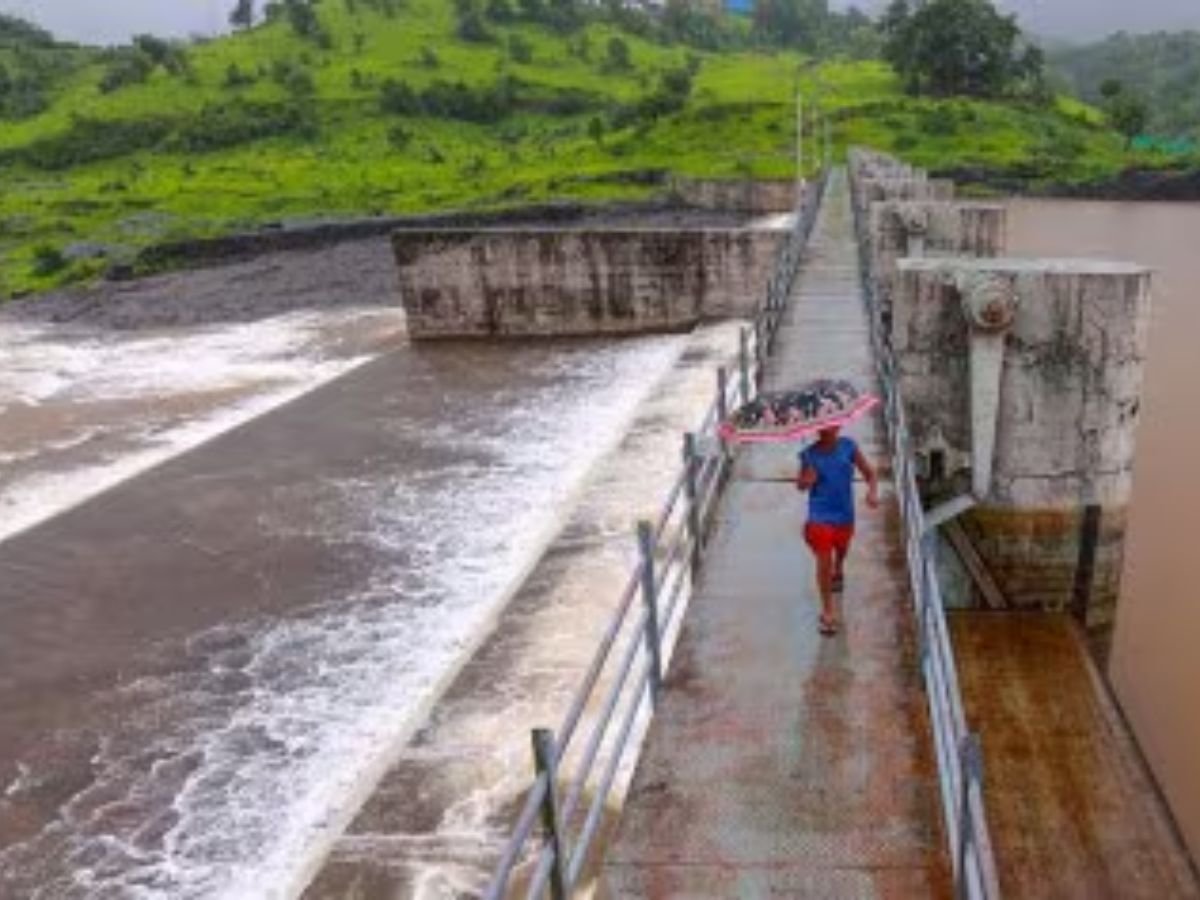
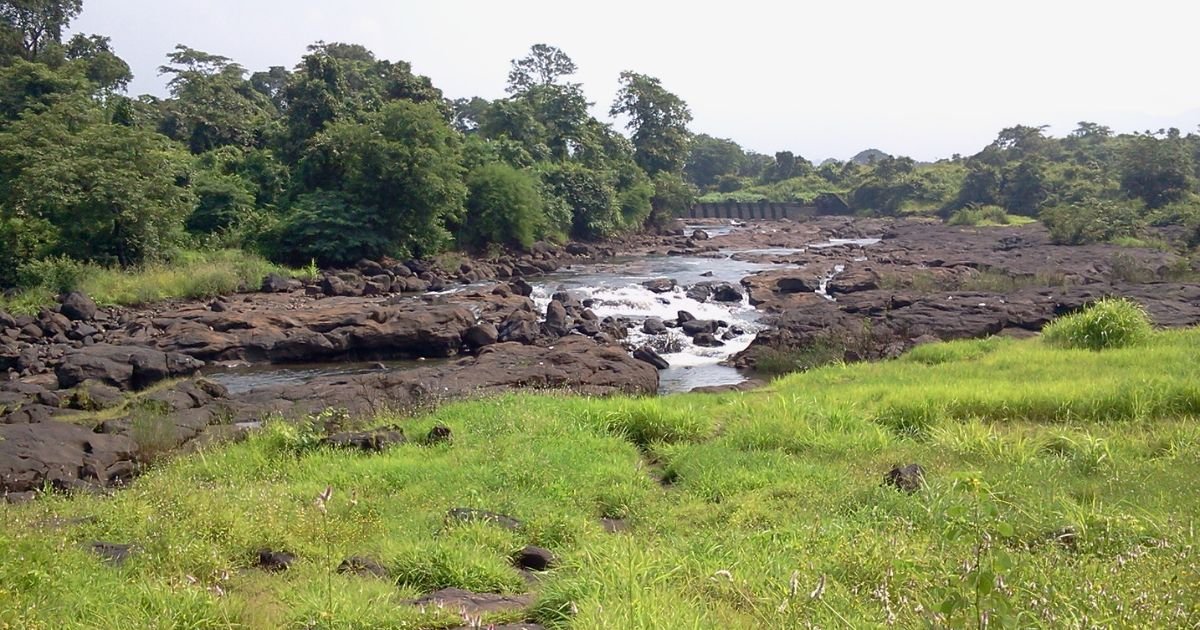
This weir was built mainly to regulate natural river flow, without flashy architecture. No giant gates, no huge dam wall rising dramatically from the valley. It’s more like a water barrier allowing overflow storage, almost blending into the land around it. That’s why people sometimes don’t even realise they’re standing on a historic water structure. It looks like nature just placed stones there, but actually there’s decades-old engineering hidden under the surface.
Another surprising thing the system works quietly without us noticing. Water fills, water overflows, the valley becomes a lake, and during summer, some of that overflow is pumped backward into supply again. No modern tourist elements, no display boards explaining the engineering. Everything here feels like nature gently holding an old infrastructure tool tucked between these hills.
Sometimes, when the wind blows and the water hits the stones, you realise how simple yet clever this structure really is. Not built for admiration, just built for purpose. And ironically, that makes it even more beautiful when you think about it.
Nearby Attractions & How to Reach Gadeshwar Dam
How to Reach Gadeshwar Weir (Dam)
By Road (Car/Taxi)
Drive from Panvel or Navi Mumbai towards the Pali/Ballaleshwar route. The roads are accessible but can be slippery during heavy monsoons.
By Train
The nearest railway station is Panvel Railway Station (Harbour/Central Line). From the station, hire a private taxi or share-auto heading towards Dehrang village.
Visiting Gadeshwar Dam can easily become a full-day trip, especially if you pair it with nearby attractions.
Nearby Attractions:
- Ballaleshwar Temple, Pali – Just a short drive away, this historic temple is a spiritual stop for many. Its architecture and peaceful surroundings make it worth a quick visit.
- Prabalgad Fort – For trekking enthusiasts, this fort offers both adventure and panoramic views of the surrounding hills and valleys. The trail can be challenging during monsoon, so winter visits are safer.
- Khandeshwar Lake & Temple – A calm spot for reflection or photography, this lake is smaller but adds variety to your trip if you enjoy nature and quiet spaces.
- Adai Waterfall – If you’re visiting during or just after monsoon, this waterfall nearby is a hidden gem, offering the thrill of cascading waters and fresh misty air.
Things to Do at Gadeshwar Dam
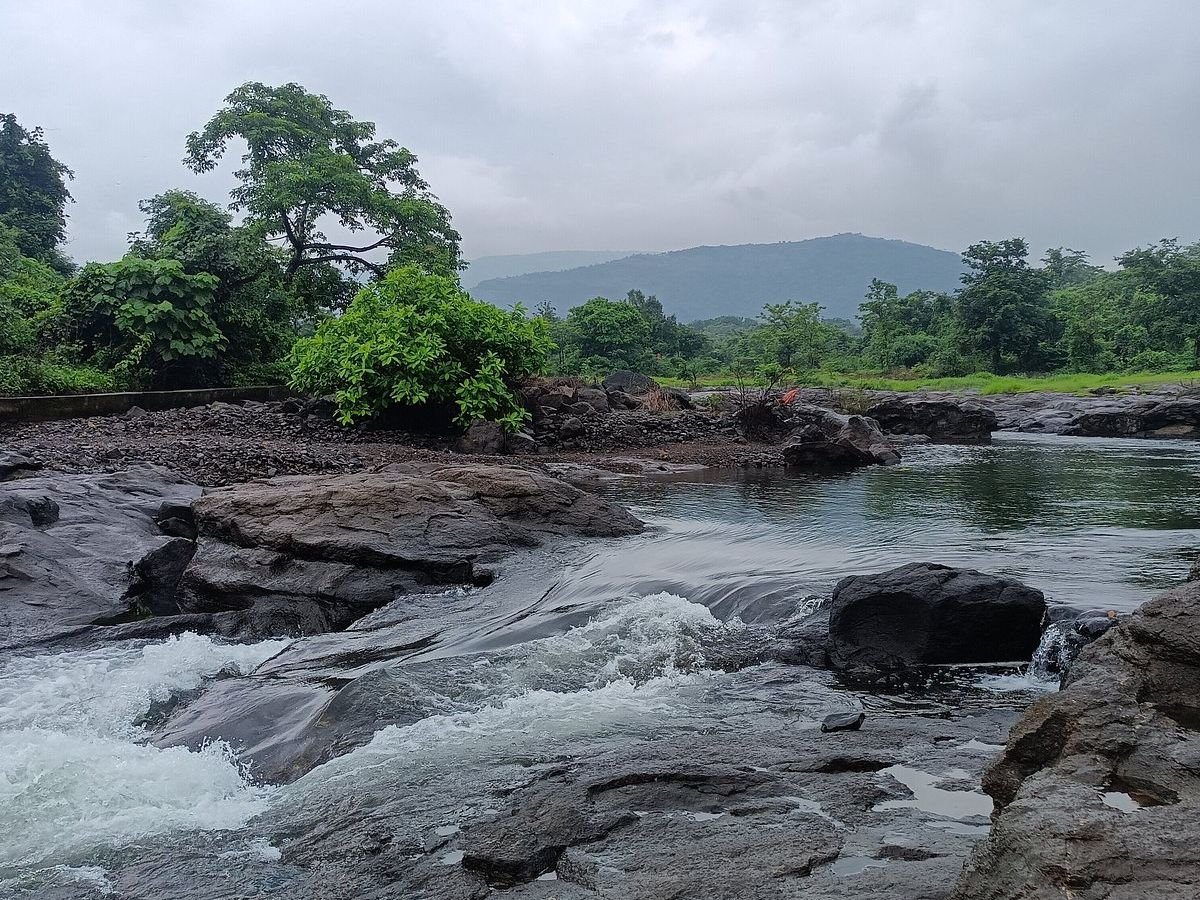
Once you’re here, there’s more to enjoy than just the view. First off, photography is an absolute treat. From the rolling hills reflecting in the reservoir to the mist weaving through the trees, every corner seems ready for a shot. Sunrise and sunset are particularly magical golden rays hitting the water, birds flying low, and that calm, almost untouched feeling. If you enjoy walking or light trekking, there are a few trails around the dam that are perfect for stretching your legs while soaking in nature. The paths aren’t extreme, but they give you small vantage points to see the reservoir from slightly higher spots. Be careful during monsoon, though the trails can get slippery quickly.
Picnicking is another simple joy here. Bring some snacks, a mat, maybe even a flask of hot chai in winter, and just sit by the water. The sound of the gentle waves, the breeze brushing against your face, and the occasional birdcall make it a perfect mini-escape from city chaos. Families often spread out near the banks, while solo travelers can find quiet corners to read, sketch, or simply reflect. For the adventurous, sometimes local guides or regular visitors suggest exploring the surrounding hills, spotting native flora, or even fishing in permitted areas. Just remember: this is primarily a water reservoir, so safety comes first. Always check local rules about which areas are open to visitors, especially during the rainy season.
Tips for Visitors & Safety Guidelines
Visiting Gadeshwar Dam is an experience, but like all natural spots, a little preparation goes a long way. Here’s what you should keep in mind:
- Check Weather Conditions:
Monsoon is stunning but unpredictable. Sudden water releases and slippery trails can make parts of the dam risky. Winter is much safer for walking and photography. Summer is hot and dry, so plan accordingly. - Wear Comfortable Clothing & Shoes:
If you plan to trek or explore the trails, wear shoes with good grip. Avoid slippery sandals during monsoon. Light, breathable clothing is best in summer, while winters call for warm layers. - Carry Essentials:
Water, snacks, and a small first-aid kit are must-haves. A camera or smartphone will help capture the scenic beauty, but don’t forget to pause and soak in the moment without the lens. - Respect Rules & Local Guidelines:
Remember, Gadeshwar is a functional dam. Do not enter restricted areas or climb on the dam walls. Listen to local authorities or signage about water release schedules—safety comes first. - Ideal Timing for Visits:
- Monsoon: July to September, for lush greenery and dramatic water levels. Be cautious of slippery trails.
- Winter: November to February, for calm waters, cool weather, and quiet surroundings.
- Summer: March to June, mainly if passing through; limited scenic appeal.
- Keep It Clean:
Carry your trash back and respect the environment. The charm of Gadeshwar Dam lies in its untouched, natural beauty—let’s keep it that way. - Combine Nearby Spots:
If you have time, pair your visit with Ballaleshwar Temple, Prabalgad Fort, or Adai Waterfall for a full-day nature and history trip.
- Keep It Clean:
Real Visitor Experience: Ground Reality vs Online Promotion
Online photos show Gadeshwar as a peaceful and clean monsoon lake. However, the actual experience can be different, especially on weekends. The area does not have proper maintenance or tourist facilities. There is often plastic waste, food wrappers, and broken glass near the water because visitors leave trash behind without any disposal system.
The crowd can also become noisy. Groups play loud music and some people consume alcohol openly, which makes the environment uncomfortable for families. With no security staff present, controlling such behavior becomes difficult, and police interventions are common during busy times.
There are no restrooms, no changing rooms, and no permanent food outlets. Only temporary snack stalls appear sometimes on the roadside, but they have limited options and hygiene is uncertain. Travelers should carry their own essentials.
Another major issue is the almost zero mobile network after entering the valley. Visitors cannot make calls or check maps inside the area. Any emergency situation becomes harder to handle due to this communication problem.
Some tourists choose to stay at nearby farm resorts such as Mansi Farm or Aramus Farm to enjoy nature more comfortably. However, even these stays face challenges like narrow approach roads and delays during peak seasons.
To sum up, the real experience depends on proper planning. Weekdays are calmer and cleaner compared to weekends. Visitors expecting a well-developed picnic destination may feel disappointed, but those interested in exploring nature carefully will still enjoy the scenic surroundings
Conclusion
Understanding the Real Structure: Dehrang vs Gadeshwar
Dehrang Dam (The Actual Dam)
- Purpose: Primary drinking water reservoir for Old Panvel.
- Built In: 1964
- Location: Located 1.8 km upstream in the restricted zone.
- Access: Strictly prohibited for tourism or recreation.
Gadeshwar Weir (The Viral Spot)
- Purpose: British-era weir built to regulate river overflow.
- Built In: Pre-independence era.
- Location: Located downstream, easily visible from the road.
- Access: Often crowded; faces frequent police restrictions during monsoons.
The Gadeshwar Dehrang water system is becoming increasingly important as Panvel’s population grows. To reduce summer water shortages, PMC is working on projects to store more overflow from Dehrang Dam, which means stricter rules and controlled access may increase in the future. Since Gadeshwar is a functional water structurenot a developed tourist spot there are safety checks, restrictions, and limited facilities, especially during monsoon or after accidents. Visitors who come prepared, avoid entering the water, and enjoy the natural surroundings usually have a good experience, while those expecting a typical picnic spot may feel disappointed. Gadeshwar is beautiful, but it must be visited responsibly by following safety rules and understanding the difference between the dam and the weir.
FAQ's
Frequently Asked Questions