
Gajra Developers: A Comprehensive Review of Their Impact on Navi Mumbai Real Estate
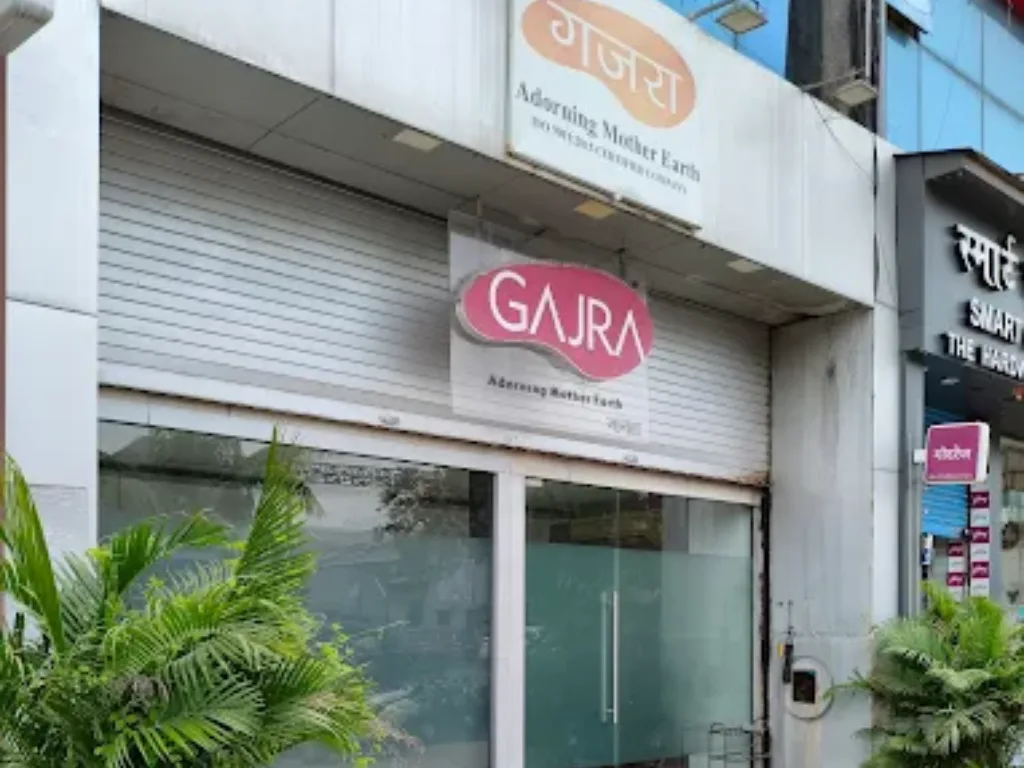
Gajra Developers has established itself as a prominent real estate entity in Navi Mumbai, primarily focusing on mid-segment to premium residential projects in high-growth nodes like Kharghar, Ulwe, and Panvel. Known for delivering over 60+ projects across the Mumbai Metropolitan Region (MMR), the builder appeals to families and investors seeking a balance between affordability and lifestyle amenities.
Core Markets: Heavily concentrated in CIDCO-developed nodes like Kharghar and the emerging Ulwe corridor.
- Project Style: High-rise residential towers featuring clubhouse amenities, often marketed under “Bhoomi” or “Gajra” branding.
- Key Appeal: Proximity to key infrastructure like the Navi Mumbai Metro Line 1 and the Atal Setu (MTHL).
- Regulatory Status: Most active projects are registered under MahaRERA, providing transparency for homebuyers.
- Next Step: Potential buyers should verify specific project RERA numbers and visit completed sites to assess long-term maintenance quality.
- “In Navi Mumbai real estate, the difference between builders can be significant, so it’s always beneficial to review and compare [top builders in Navi Mumbai] before making a decision.”
At a Glance (Table)
| Item | Quick Answer | Local Context (Navi Mumbai) |
|---|---|---|
| Primary Location | Kharghar, Ulwe, Panvel | These nodes are central to the airport & metro expansion. |
| Price Segment | Mid-range to Premium | Competitive rates compared to Hiranandani or Adani in the region. |
| Possession Timeline | Generally on time | Varies by project; always check specific RERA dates. |
| Construction Type | RCC Frame Structure | Standard for high-rises in seismic zone III (Mumbai region). |
| Target Audience | Families, Investors | Popular among nuclear families working in CBD Belapur or Vashi. |
| Key Connectivity | Metro, Sion-Panvel Hwy | Projects are usually 10-15 mins from major transit hubs. |
Key Takeaways
- Strategic Locations: Gajra Developers selects plots with high future appreciation potential, particularly near the upcoming Navi Mumbai International Airport (NMIA).
- Lifestyle Focus: Their projects typically include podium parking, swimming pools, and gymnasiums, catering to the “complex culture” preferred by Navi Mumbaikars.
- RERA Compliance: The developer has adapted to the regulatory environment, making project details accessible via the MahaRERA portal.
- Resale Value: Properties in established nodes like Kharghar have shown steady appreciation, though maintenance of older buildings is a key factor to check.
The Genesis and Evolution of Gajra Developers
Gajra Developers started as a vision to capitalize on the rapid urbanization of the satellite city, evolving from standalone buildings to sprawling complexes.
The journey of Gajra Developers mirrors the growth trajectory of Navi Mumbai itself. Initially, as the city opened up beyond Vashi and Nerul in the late 1990s and early 2000s, there was a massive demand for organized housing that offered more than just four walls. Gajra stepped in to fill this void, moving away from the smaller G+4 cooperative society structures that dominated the earlier nodes.
From Single Towers to Townships
In the early days, the developer focused on smaller plots allocated by CIDCO in nodes like Ghansoli and Koperkhairane. As their capital and reputation grew, they shifted focus to the “boom towns” of Kharghar and later, Ulwe.
- Phase 1 (Early 2000s): Focus on budget housing and smaller standalone buildings in developing nodes.
- Phase 2 (2010–2015): Expansion into luxury segments with amenities like clubhouses and landscaped gardens, capitalizing on the “Kharghar Boom.”
- Phase 3 (Post-2016): Adaptation to RERA and GST, focusing on timely delivery in the emerging Ulwe market and consolidation in Panvel.
Ground Reality: Long-time residents of Kharghar often credit builders like Gajra for transforming the skyline of Sector 35 and Sector 20, turning dusty plots into vibrant residential hubs. However, locals also note that the rapid expansion meant that earlier projects had simpler designs compared to the glass-facade luxury seen today.
Core Business Model and Construction Methodology
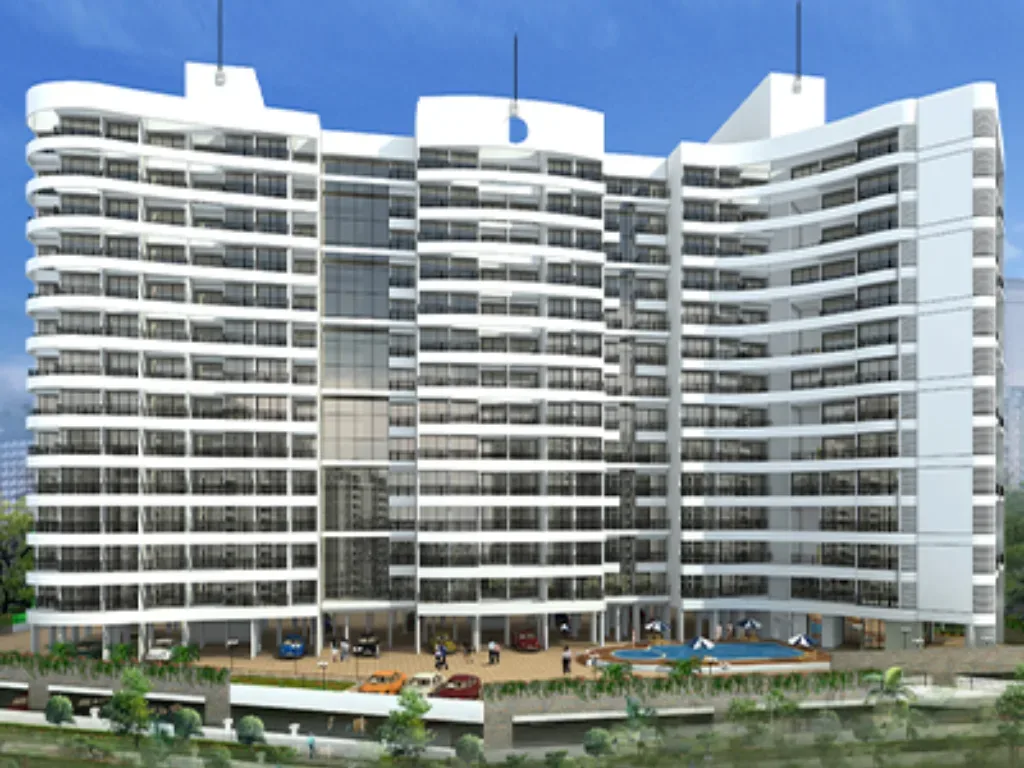
Gajra Developers primarily utilizes the standard RCC frame construction method, focusing on maximizing carpet area efficiency within CIDCO’s FSI norms.
When evaluating a builder, the “bones” of the building matter most. Gajra Developers typically employs conventional Reinforced Cement Concrete (RCC) framing, which is the industry standard for high-rises in the Mumbai Metropolitan Region.
Construction Standards Checklist
- Structure: Earthquake-resistant RCC frame design (Seismic Zone III compliant).
- Masonry: Use of fly-ash bricks or AAC blocks for internal walls, providing better thermal insulation than traditional red bricks.
- Finishing: Known for using vitrified flooring and branded sanitary ware (Jaquar/Cera or equivalent) in mid-to-premium projects.
- External: Texture paint finishes are common to withstand the heavy Navi Mumbai monsoons.
What Locals Usually Get Wrong
Many buyers assume “luxury” implies imported marble and central AC by default. In the context of Gajra’s mid-segment projects, “luxury” often refers to the amenities (pool, gym) rather than the internal specifications of the flat. The construction is sturdy and functional, aimed at the upper-middle class, not necessarily the ultra-luxury segment found in South Mumbai.
Project Portfolio Analysis: Scope and Scale
With a portfolio spanning over 60 projects, Gajra Developers has a significant footprint in residential and commercial sectors across Navi Mumbai.
The sheer volume of construction undertaken by Gajra Developers is notable. Their portfolio is not limited to one specific node, which reduces risk for the developer but also offers varied options for buyers.
Node-wise Presence
1. Kharghar: The stronghold. Numerous projects dot the skyline here, ranging from 2 BHKs to sprawling penthouses. The proximity to the Central Park and Golf Course has been a major selling point.
2. Ulwe: The new frontier. As Ulwe developed around the promise of the airport and the Trans-Harbour Link, Gajra was an early mover, launching projects when the area was still largely mangroves and mud.
3. Panvel: Targeting the affordable luxury segment, catering to the workforce of the upcoming industrial corridors.
Commercial Ventures
While primarily known for residential spaces, Gajra has integrated commercial plinths in many projects. These “high-street” style shops on the ground and first floors serve the daily needs of residents, creating self-sustained micro-ecosystems.
Local Insight: In nodes like Ulwe, Gajra projects often serve as landmarks. You might hear locals say, “Take a left from the Gajra building,” indicating their visual dominance in the area.
Signature Projects and Community Impact
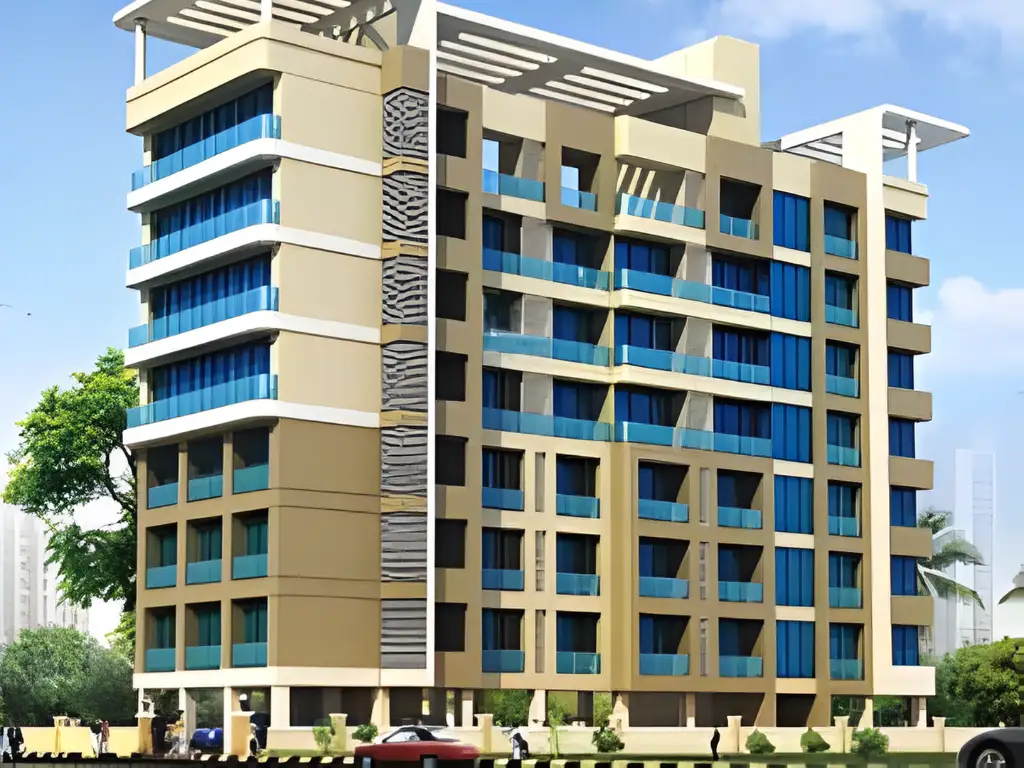
Projects like Gajra Bhoomi and others have set benchmarks for “amenity-rich” living in their respective sectors.
A “Signature Project” for Gajra usually involves a few key elements: a grand entrance lobby, podium-level recreation, and high-speed elevators.
Notable Project Features
- Gajra Bhoomi Series: Often characterized by multiple towers sharing a common podium. This design maximizes play areas for children, a critical requirement for young families moving to Navi Mumbai.
- Clubhouse Culture: Gajra was among the developers who normalized the concept of a clubhouse in mid-sized projects, not just large townships. This includes gymnasiums, indoor games rooms, and sometimes community halls.
Community Impact
The development of these large complexes often accelerates the civic infrastructure around them. Once a Gajra project is occupied, NMMC or CIDCO usually prioritizes road surfacing and street lighting in that immediate vicinity due to the density of tax-paying residents.
Pros & Cons of Signature Complexes:
- Pros: High security, community feeling, better resale value.
- Cons: Higher monthly maintenance charges compared to standalone cooperative societies.
Market Positioning and Competitive Landscape
Gajra Developers positions itself in the “Affordable Luxury” segment, bridging the gap between budget housing and ultra-premium townships.
In the competitive arena of Navi Mumbai real estate, Gajra sits in a sweet spot. They are not as expensive as the top-tier national players (like L&T or Godrej who have recently entered the market) but offer significantly more amenities than smaller local builders.
Competitor Comparison
- Vs. Paradise Group: Both operate in similar nodes (Kharghar/Panvel). Paradise often leans slightly more towards “themed” luxury, while Gajra focuses on functional luxury.
- Vs. Juhi Developers: Similar target audience in Ulwe. Competition is often driven by price per square foot and possession timelines.
- Vs. Bhagwati Group: Another major local player. The choice often comes down to specific location preferences within a node (e.g., Sector 20 vs Sector 35 in Kharghar).
Price Point Strategy: Gajra often launches projects at “pre-launch” rates that are attractive to investors, seeing appreciation as the project nears the slab completion stage. This attracts a mix of end-users and investors.
Navigating Regulatory and Economic Challenges
Post-RERA, Gajra Developers has focused on transparency and compliance, though buyers must always verify land title clarity.
The real estate market in India faced a paradigm shift with the introduction of RERA (Real Estate Regulation and Development Act) in 2016. Navi Mumbai, with its unique CIDCO leasehold land model, adds another layer of complexity.
RERA Compliance
Gajra Developers has adapted by registering their ongoing projects under MahaRERA. This allows buyers to check:
- Project completion dates.
- Litigation history (if any).
- Number of apartments booked vs. available.
The CIDCO Factor
Since most land in Navi Mumbai is leased from CIDCO, the developer must obtain a “No Objection Certificate” (NOC) for transfer and mortgage. Gajra generally handles these bureaucratic hurdles well, but delays in obtaining Occupancy Certificates (OC) can happen due to broader policy changes at CIDCO or NMMC levels.
Common Mistake: Buyers often confuse “Possession” with “OC”. You might get keys (fit-out possession), but without an OC, you cannot legally occupy the flat or get a regular water connection. Always ask Gajra sales teams specifically about the “OC status.”
Customer Centricity and Brand Reputation
While the brand is trusted for delivery, customer experiences with post-sales service can vary depending on the specific project management team.
Brand reputation in real estate is built on two pillars: Timely Delivery and Construction Quality.
Customer Feedback Patterns
- Positives: Most customers appreciate the layout designs. Gajra flats often have minimal “dead space” (wastage in corridors), providing good carpet area efficiency. Delivery timelines have generally improved post-RERA.
- Areas for Improvement: Some residents in older projects have noted that society formation and handover of the corpus fund can sometimes take longer than expected.
Dispute Resolution
Like any major builder, there have been instances of consumer grievances regarding delay penalties or amenity completion. However, the presence of MahaRERA provides a structured forum for resolution, and Gajra has shown a willingness to comply with regulatory orders.
Verification Step: Before booking, try to speak to the secretary or chairman of a completed Gajra society nearby. Their feedback on the “handover process” is invaluable.
Future Outlook and Strategic Growth Initiatives
Gajra Developers is poised to leverage the “Third Mumbai” expansion, with potential interest in the NAINA region and redevelopment projects.
As land in core Navi Mumbai nodes (Vashi, Nerul) becomes scarce, the future lies in redevelopment and the expansion towards the new airport.
Strategic Shifts
1. Redevelopment: With many CIDCO buildings in Vashi and Koparkhairane reaching 30+ years, redevelopment is the next gold rush. Gajra’s experience makes them a strong contender for society redevelopment projects.
2. NAINA (Navi Mumbai Airport Influence Notified Area): The region beyond Panvel is opening up. Gajra is likely to acquire land banks here to offer affordable housing to the workforce supporting the new airport.
3. Commercial Real Estate: With the demand for office spaces growing in Navi Mumbai, Gajra may expand their portfolio to include IT parks or boutique office spaces.
Comparison / Decision Table
Choosing the right project involves comparing variables. Here is how Gajra projects typically stack up against general market alternatives in Navi Mumbai.
| Feature | Gajra Developers (Typical) | Tier-1 National Builders (Godrej, L&T) | Smaller Local Standalone Builders |
|---|---|---|---|
| Price Point | Mid-High (Competitive) | Premium (High) | Budget(Low) |
| Location Strategy | Prime sectors in developing nodes (Ulwe, Kharghar) | Established premium sectors or large townships | Pocket plots, often further from stations |
| Amenities | High: Pool, Gym, Podium, Kids Area | Very High: Concierge, huge clubhouses, branding | Low:Basic lift and parking only |
| Carpet Area | Efficient planning, good usage of space | Often lower carpet area due to thick walls/design | High efficiency but poor layout planning |
| Construction Tech | Standard RCC | Mivan / Alu-form (Faster, smoother finish) | Standard RCC (Quality varies) |
| Resale Liquidity | Good (Brand recognition helps) | High (Brand premium) | Moderate/Low (Harder to trust) |
| Best For | End-users & Long-term Investors | High Net-worth Individuals (HNIs) | First-time buyers with strict budgets |
Conclusion
Gajra Developers remains a cornerstone of the Navi Mumbai real estate market. For the average homebuyer-whether a young couple working in the IT parks of Airoli or a family looking for a spacious upgrade in Kharghar-their projects offer a balanced proposition of location, lifestyle, and legality.
While they may not offer the ultra-opulence of international luxury brands, they deliver “ground reality” luxury that fits the aspirations and budgets of the upper-middle class. As Navi Mumbai marches towards becoming a global city with the new airport, holding an asset built by a reputed local player like Gajra is generally considered a safe and promising investment.
FAQ's
Frequently Asked Questions