
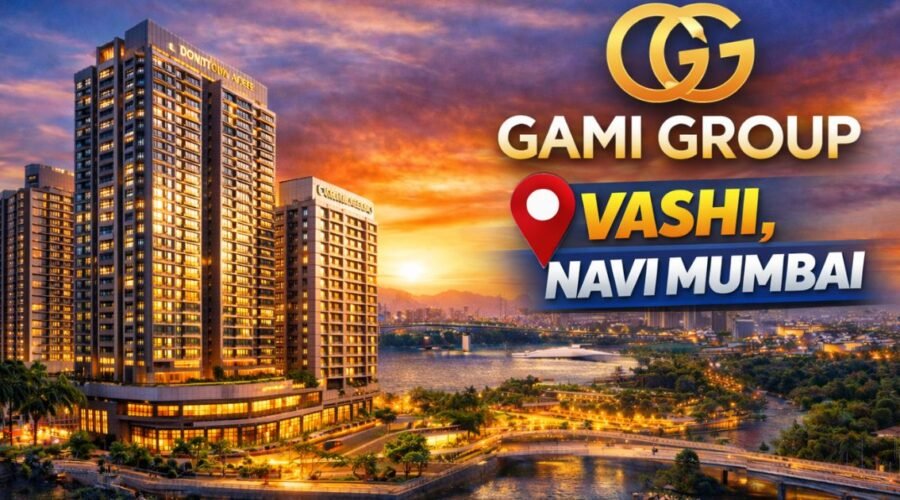
Gami Group Vashi Review, Projects, RERA Details, History and Office Address
Gami Group has become one of the most talked-about developers in Vashi’s premium real estate market, especially because of its move from conventional development into new-age luxury and ultra-luxury housing. In a node like Vashi, where land is limited and much of the existing stock belongs to older societies, the group has positioned itself as a builder trying to bridge the gap between legacy location strength and modern luxury expectations.
What makes Gami Group more relevant than many other local developers is not just the number of projects. It is the way the company has built a concentrated Vashi strategy around key sectors like 17, 18, 26, and 30A, combining corporate visibility, premium launches, and a delivered track record within the same micro-market. That gives the brand a stronger local identity than builders who are present in Navi Mumbai but not deeply rooted in one prime node.
Quick Summary Table
| Detail | Information |
|---|---|
| Builder Name | Gami Group |
| Market Focus | Premium and ultra-luxury real estate in Vashi and Navi Mumbai |
| Years of Excellence | 24+ years |
| Completed Projects | 20+ |
| Total Delivered Area | 3.7 million+ sq ft |
| Ongoing Construction | 7.6 million+ sq ft |
| Upcoming Pipeline | 5.4 million+ sq ft |
| Families Served | 3,800+ |
| Corporate Headquarters | Real Tech Park, Sector 30A, Vashi |
| Main Vashi Footprint | Sector 17, Sector 18, Sector 26 |
| Flagship Projects | Downtown Avenue, Gami Avant, Gami Jade |
| Positioning | Premium to ultra-luxury |
| Key Buyer Segments | HNIs, NRIs, affluent end users, upwardly mobile professionals |
Who Is Gami Group?
Gami Group is a Navi Mumbai-rooted real estate developer that has gradually built a strong presence in Vashi through a combination of commercial assets, premium residential projects, and newer luxury-focused launches. The research file positions the group as a developer that has moved well beyond mid-market activity and is now actively shaping the ultra-luxury conversation in Vashi.
Unlike builders who spread themselves thin across many disconnected localities, Gami Group appears to have built a deliberate and highly localized strategy. Its corporate headquarters, delivered assets, and current under-construction launches are all tied closely to Vashi, which gives the brand a stronger on-ground presence and better local recall in this specific market.
What Is the Builder Known For in Real Estate?
Gami Group is now best known for premium and ultra-luxury residential development in prime Vashi sectors where new supply is limited. Its current reputation is built around the ability to create fresh, high-end inventory in a mature and land-constrained market, which is exactly where affluent buyers usually struggle to find modern options.
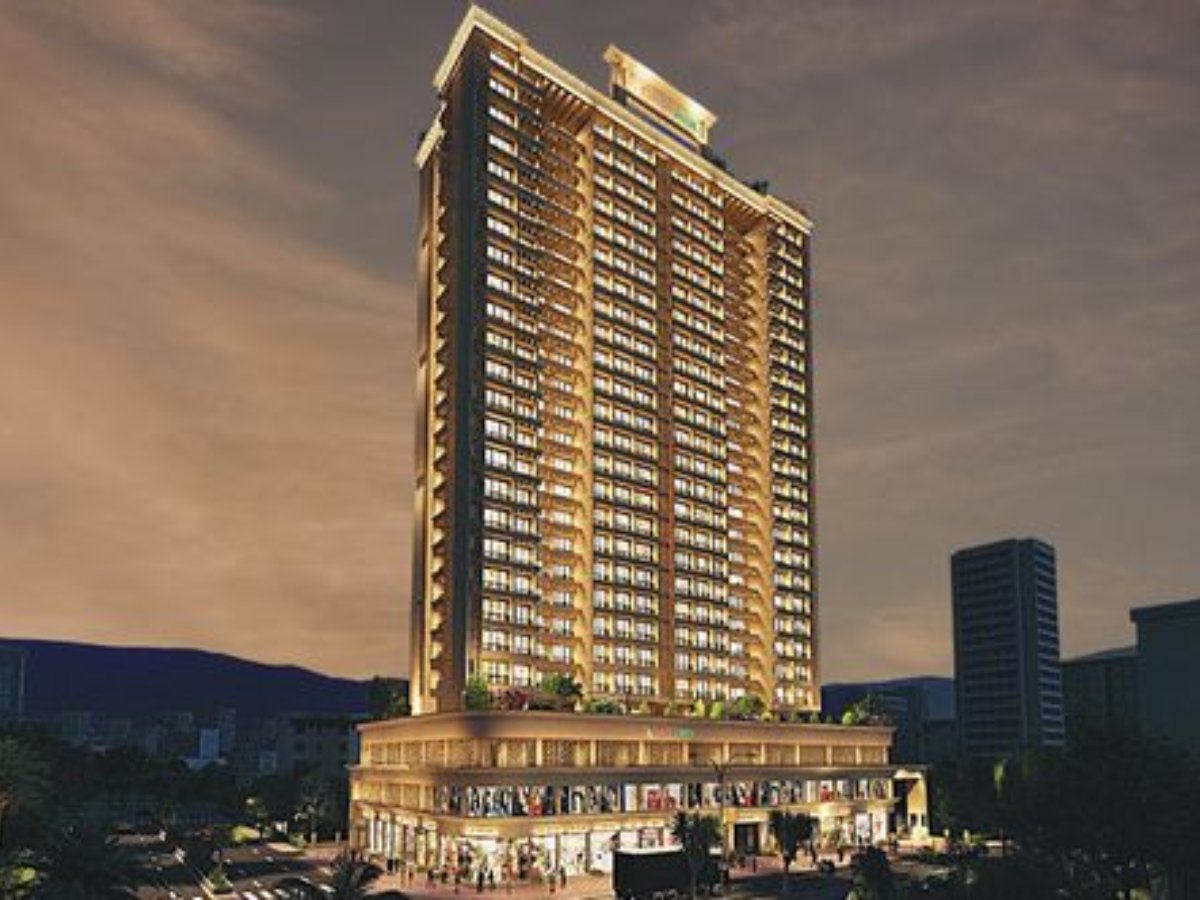
The builder is especially associated with three important projects in the research file. Downtown Avenue in Sector 17 is positioned as the ultra-luxury flagship, Gami Avant in Sector 18 acts as a premium but more accessible luxury option, and Gami Jade in Sector 26 serves as a delivered benchmark proving execution ability. Together, these projects create a layered market presence instead of a one-project brand story.
Key Cities and Project Locations Covered
The strongest identity of Gami Group in the research is clearly linked to Vashi, and not just Navi Mumbai in a broad sense. The file repeatedly highlights how the group has built its local dominance through assets and projects in Sector 17, Sector 18, Sector 26, and Sector 30A, which means its brand in this case is deeply tied to one premium urban node rather than scattered suburban expansion.
That said, the broader context is still Navi Mumbai and the MMR luxury housing market. The research also frames Gami Group as a participant in the region’s wider shift toward premium housing, where infrastructure such as MTHL and NMIA is raising the strategic value of gateway nodes like Vashi. So while the article is Vashi-led, the investment logic around the builder is regional.
Quick Facts and Company Overview
Founded Year, Founder and Leadership
The research file confirms that Gami Group has a legacy of 24+ years, which gives the brand a useful stability signal in a market where many buyers still judge developers by operating history before looking at pricing and amenities. In real estate, that kind of longevity matters because it usually reflects business continuity, project execution experience, and a stronger ability to survive market cycles.
The current research document is stronger on corporate scale and portfolio strategy than on detailed individual founder biography in the opening section, so it is more accurate to describe Gami Group as a legacy developer with a long-standing corporate presence rather than overstate personal leadership details.
Head Office Address and Contact Details
Gami Group’s corporate headquarters is located at Real Tech Park, Sector 30A, Vashi. The research further clarifies that the office sits at Plot No. 39/2, Bhagwan Mahaveer Road, Sector 30A, close to Vashi Railway Station and Inorbit Mall. That location adds to the builder’s credibility because it shows long-term physical presence inside the same micro-market where it is selling luxury homes.
From a buyer trust perspective, this is important. Many developers market heavily in a location without having any meaningful operational base there. Gami Group’s visible office presence in Vashi supports the idea of institutional accountability, especially for premium and under-construction buyers who care about long-term access to the brand.
Total Completed, Ongoing and Upcoming Projects
The scale of Gami Group’s portfolio is one of its strongest trust signals. According to the research, the company has delivered 20+ completed projects, accounting for 3.7 million+ sq ft of developed area, while also holding 7.6 million+ sq ft under ongoing construction and 5.4 million+ sq ft in the upcoming pipeline.
That is a meaningful pipeline for a developer with such a concentrated Vashi presence. It suggests the company is not just relying on one or two headline launches, but operating with a broader expansion strategy and a forward-looking project roadmap. For SEO and user trust, this helps position Gami Group as a serious developer rather than a boutique player with only temporary market visibility.
Residential, Commercial and Other Property Types
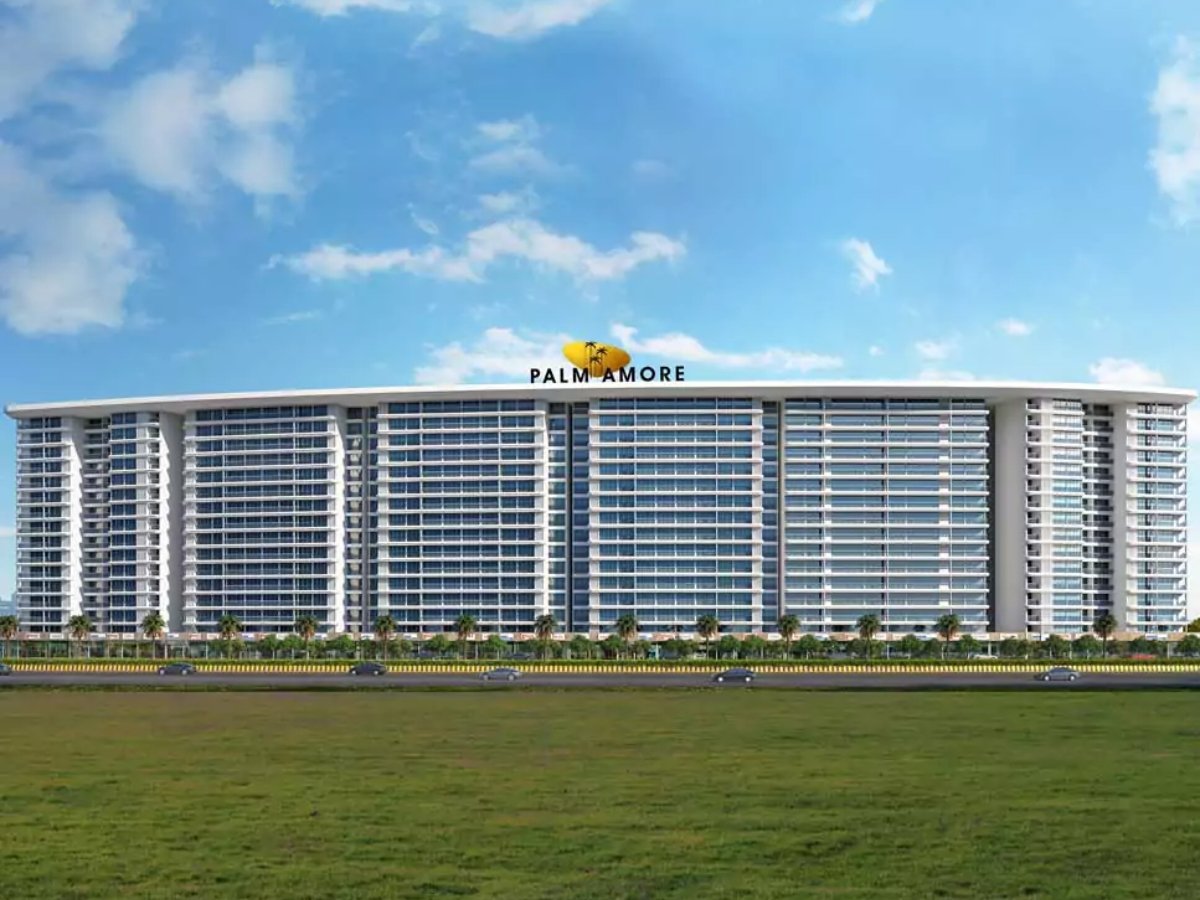
Gami Group’s portfolio is not limited to only one property type. The research clearly shows that the brand has a commercial anchor through Real Tech Park and a residential luxury identity through projects like Gami Jade, Downtown Avenue, and Gami Avant. This mix strengthens the builder’s market profile because it shows execution capacity across more than just residential apartment launches.
It also means the company is not selling only square footage. It is selling location control, convenience, and a more integrated urban presence. In a market like Vashi, where mature infrastructure is already available, this combination of commercial and residential strength gives the developer a practical edge.
History and Brand Journey
How the Company Started
Gami Group’s story, based on the research file, is not presented as a flashy overnight success. It comes through as a developer that built credibility step by step over 24+ years, with a clear focus on execution, corporate presence, and strong local anchoring in Vashi. That matters because in real estate, especially in Navi Mumbai, long-term trust is usually built through local delivery and not only through marketing.
What stands out is that the company did not try to project itself as a vague regional brand with scattered visibility. Instead, it built a concentrated operating model where its office, commercial asset, and premium residential projects all reinforce one another within the Vashi ecosystem. This gives the brand a more grounded origin story than developers who grow quickly without a strong micro-market identity.
Key Milestones and Business Growth
One of the biggest milestones in the Gami Group journey is scale. The research notes 20+ completed projects, 3.7 million+ sq ft delivered, 7.6 million+ sq ft under construction, and 5.4 million+ sq ft in the upcoming pipeline. That is a major indicator that the group has moved well beyond a small developer category and now operates with regional weight.
The second big milestone is brand repositioning. Gami Group is no longer being framed only as a general real estate company. The research clearly positions it as a developer that is helping define premium and ultra-luxury housing in Vashi, especially through projects like Downtown Avenue, Gami Avant, and Gami Jade. That shift from generic development to segmented luxury branding is a serious strategic evolution.
Expansion Across Projects and Locations
Unlike some developers who spread across too many disconnected markets, Gami Group’s expansion looks more controlled and concentrated. The core footprint in the research remains heavily linked to Vashi, especially Sector 17, Sector 18, Sector 26, and Sector 30A, which means growth has happened through depth inside a premium node rather than random geographic sprawl.
This is important from a buyer’s point of view. A focused expansion strategy often creates better local understanding, stronger construction monitoring, and more market recall. In Gami Group’s case, the company appears to have expanded by tightening its grip over Vashi’s premium real estate story rather than diluting its brand across too many low-synergy locations.
Founder Profile and Leadership Team
Founder Biography
The uploaded research is stronger on company positioning, portfolio strategy, and market analysis than on a detailed founder biography. So the most accurate way to handle this section is to avoid inventing personal history and instead note that Gami Group is presented as a legacy developer with 24+ years of operating history, backed by an established corporate structure and long-term local presence in Vashi.
That itself is meaningful in a real estate context. Buyers do not always need a long personal narrative about the founder. What they really want is evidence of continuity, financial seriousness, and the ability to sustain large projects over time. The research gives enough support for that institutional reading, even where detailed founder biography is not fully fleshed out.
Chairman, Directors and Leadership Team
The research repeatedly emphasizes executive leadership operating from Real Tech Park, Sector 30A, Vashi, which is an important trust signal. It shows that Gami Group is not functioning like a loosely assembled builder office but as an organization with visible leadership operating from a permanent and commercially prominent headquarters.
This matters because leadership visibility affects buyer confidence. When premium buyers are considering multi-crore under-construction purchases, they often judge whether the developer feels institutionally rooted or temporary. Gami Group’s office structure, commercial presence, and tightly linked project geography all support the image of a builder with a stable leadership-backed operating framework.
Vision, Business Philosophy and Brand Positioning
The business philosophy visible in the research is clear: Gami Group is trying to dominate the gap between old Vashi location strength and new luxury supply. The company is not merely selling flats in a known locality. It is positioning itself as a developer that can bring premium planning, high-end amenities, and new-build aspiration into a mature market where such inventory is scarce.
That brand positioning is especially visible in the contrast between its project tiers. Downtown Avenue is built for legacy wealth and top-end buyers, while Gami Avant is designed as a more accessible luxury option for upwardly mobile professionals and younger premium households. This shows a leadership strategy that understands segmentation rather than treating all premium buyers as one category.
Project Portfolio Overview
Completed Residential and Commercial Projects
The strongest proof of Gami Group’s execution credibility is that it is not relying only on future launches. The research notes 20+ completed projects and highlights Gami Jade in Sector 26 as an important delivered residential benchmark, while Real Tech Park serves as a commercial proof point for the brand’s execution quality and institutional identity.
This combination of delivered residential and commercial assets is valuable in a builder review. A developer that has both completed homes and a functioning commercial landmark generally inspires more confidence than a company known only for pre-launch marketing. In Gami Group’s case, that delivered base gives weight to its newer luxury pitch.
Ongoing Projects in Vashi
The research makes it very clear that Gami Group’s ongoing Vashi story is being driven mainly by Downtown Avenue in Sector 17 and Gami Avant in Sector 18. These are not duplicate offerings. They are targeted at different premium buyer groups and together create a stronger portfolio spread within the same locality.
Downtown Avenue is positioned as the ultra-luxury flagship with a high-ticket buyer base, while Gami Avant acts as the “accessible luxury” layer with smaller but still premium apartments. This kind of dual strategy helps Gami Group capture both ultra-HNI demand and aspirational upper-middle to affluent buyer demand within Vashi itself.
Upcoming Projects and New Launch Updates
The research file suggests that Gami Group is not at a maturity stage where growth has slowed. On the contrary, the company still carries a large forward pipeline of 5.4 million+ sq ft upcoming landmarks, which signals continuing expansion rather than only monetizing older stock.
From a market perspective, that pipeline matters because it implies the brand intends to remain relevant in premium Navi Mumbai real estate over the next several years. It also means buyers and investors should not see Gami Group as a one-cycle developer. The business appears structured around sustained visibility, especially in the luxury and upper-premium segment.
Key Locations Where the Builder Has Projects
The key locations in the research are tightly centered around Vashi, especially Sector 17, Sector 18, Sector 26, and Sector 30A. That concentration is not a weakness. In fact, it is one of the builder’s strongest advantages because it reinforces a deep local identity instead of a shallow regional spread.
Among these, Sector 17 appears to be the flagship ultra-luxury address, Sector 18 the premium practical corridor, Sector 26 the delivered residential reference point, and Sector 30A the corporate and commercial anchor. Together, these locations tell a coherent brand story where each micro-market supports a different aspect of Gami Group’s reputation.
Property Types and Market Position
Residential, Commercial and Mixed-Use Developments
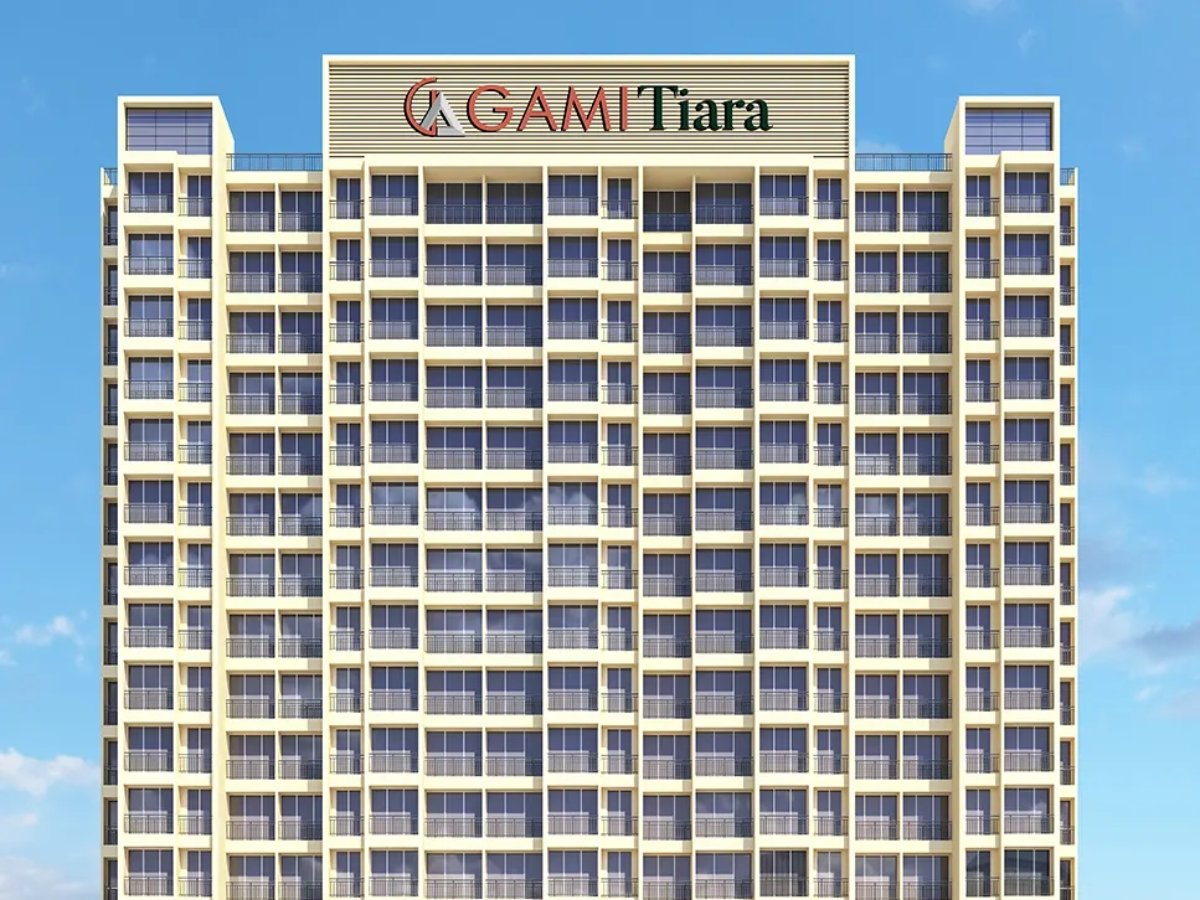
Gami Group’s portfolio shows a clear mix of premium residential and commercial real estate, which gives the brand more depth than a builder known only for apartment launches. On the commercial side, Real Tech Park in Sector 30A, Vashi acts as a strong institutional anchor, while on the residential side the company is building its identity through luxury-led projects like Downtown Avenue, Gami Avant, and the delivered Gami Jade.
This blend matters because it shows that Gami Group is not selling homes in isolation. It has an operating presence within the same urban ecosystem where it is developing housing. In a mature market like Vashi, that helps the builder project a more stable and credible image, especially for buyers who prefer developers with long-term local commitment rather than only launch-based visibility.
Affordable, Mid-Segment, Premium or Luxury Positioning
Gami Group is clearly positioned in the premium to ultra-luxury segment, not in the affordable or mass-market category. The research draws a sharp distinction between Gami Avant as the more “accessible luxury” option and Downtown Avenue as the high-ticket trophy asset built for legacy wealth, industrialists, and senior corporate buyers.
This layered positioning is smart because it allows the brand to serve two different premium audiences inside the same Vashi market. One segment wants luxury but still values price efficiency and rental potential, while the other wants prestige, scarcity, and long-term wealth preservation. Gami Group appears to understand that these are not the same buyer personas, and its project mix reflects that.
Signature Strengths in Design, Planning and Project Type
A major strength of Gami Group, as reflected in the research, is its ability to create high-end new inventory in a land-constrained, old-stock locality like Vashi. That is not a small advantage. In sectors where most buildings are older and redevelopment is difficult, a fresh luxury project automatically carries stronger visual impact and brand visibility.
The second strength lies in market-fit planning. Downtown Avenue focuses on large 3 and 4 BHK layouts with jodi potential for ultra-HNI buyers, while Gami Avant is planned with tighter but more efficient 2 and 3 BHK formats aimed at upwardly mobile professionals. This shows that the builder is not using a one-size-fits-all approach. It is designing product types based on buyer profile and price band.
RERA Details and Legal Compliance
Is Gami Group RERA Registered?
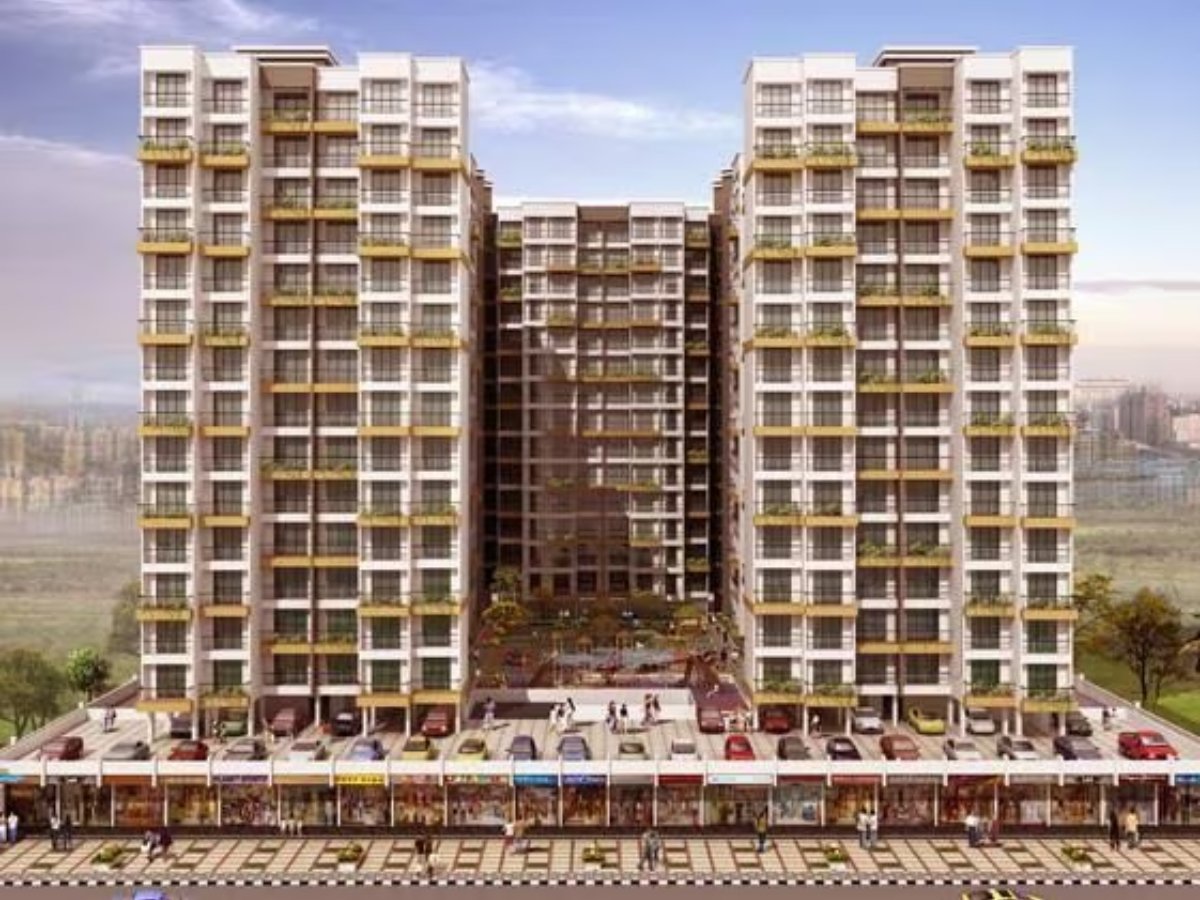
Yes, the active projects highlighted in the research are presented with MahaRERA registration details, which is an essential legal trust marker for buyers considering under-construction inventory. The file specifically identifies Downtown Avenue under MahaRERA P51700053275 and Gami Avant under MahaRERA P51700079740.
That said, the correct way to write this in a buyer-focused article is not to treat brand-level registration as enough. A developer may have multiple entities, multiple phases, and different approval timelines across projects. So while the research supports legal registration for these projects, serious buyers should still verify the exact MahaRERA listing of the specific tower or phase they are booking.
Project-Wise RERA Numbers and Registration Status
The two strongest project-wise legal references in the research are straightforward. Downtown Avenue, Sector 17, Vashi is listed under MahaRERA Registration No. P51700053275, while Gami Avant, Sector 18, Vashi is listed under MahaRERA Registration No. P51700079740. These project-specific references make the article more useful than generic builder pages that only say a developer is “RERA compliant” without naming registrations.
This is important for SEO as well as buyer trust. High-intent users often search exact terms like “RERA P51700053275 status” or “Gami Avant RERA number” before making a site visit or paying a booking amount. Including project-level registration details directly addresses that user intent.
Legal Approvals, Compliance Status and Buyer Checks
The research frames Gami Group’s premium projects as legally structured, registration-backed, and positioned for high-trust buyers. But the article should still advise users to go beyond headline marketing. Before booking, buyers should verify the MahaRERA entry, sanctioned plans, carpet area disclosures, possession commitment, payment schedule, and whether any customization promises such as jodi integration are legally reflected in documentation or remain only verbal.
This is especially relevant in luxury projects where customization, floor plate merging, and premium finish specifications often influence the final purchase decision. In such cases, legal due diligence is not just about title and registration. It is also about checking whether what is being promised in the sales conversation is actually supported in the project framework and agreement terms.
Construction Quality, Amenities and Delivery Record
Construction Quality and Design Standards
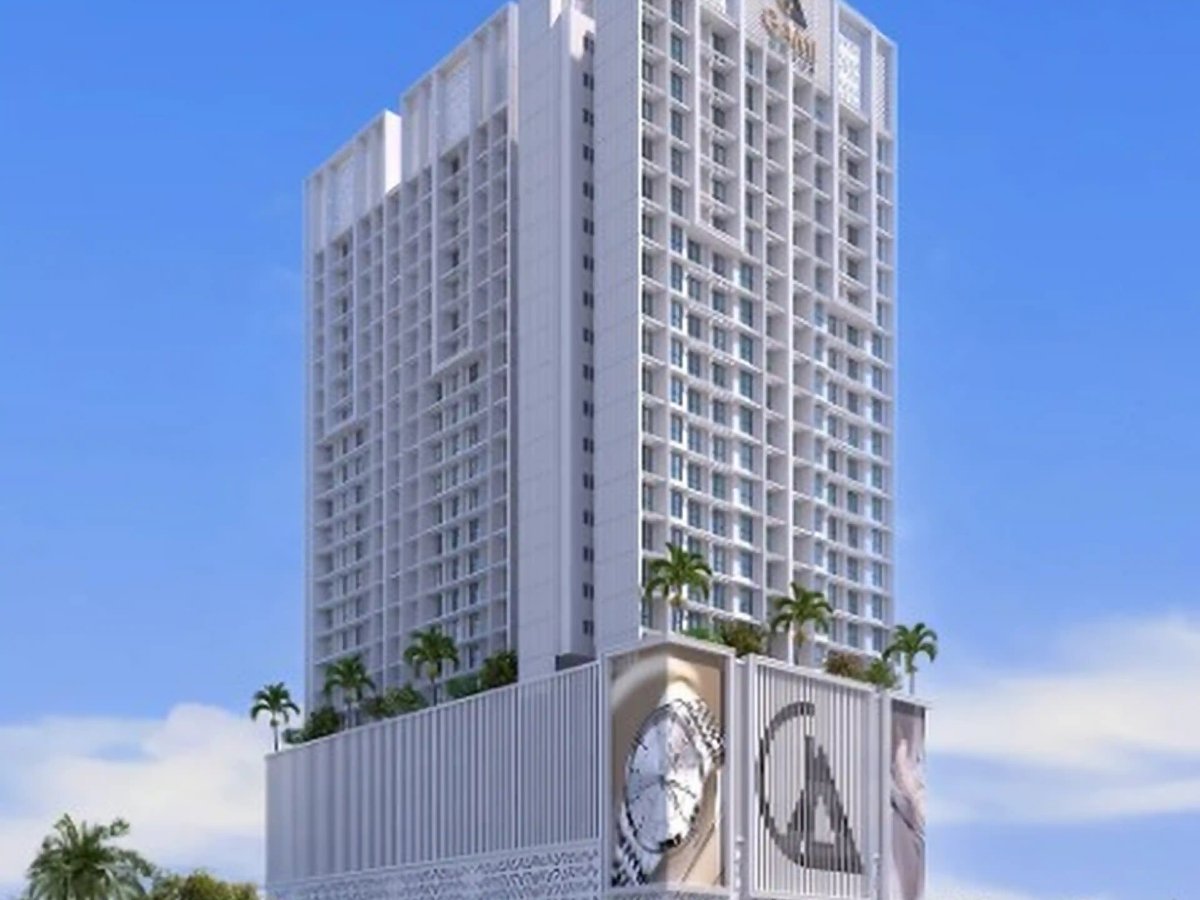
The research positions Gami Group as a builder trying to justify a luxury price point not just through location, but through global structural standards and premium execution. In the case of Downtown Avenue, the file directly presents the project as a Sector 17 address paired with uncompromised global structural standards, which is strong language for a luxury buyer-focused development.
The material and specification angle is also important. The research repeatedly emphasizes that elite buyers want more than generic terms like “premium fittings” or “vitrified tiles.” It specifically highlights the importance of exact brands, imported materials, acoustic windows, German bath fittings, and smart home integrations when evaluating whether a luxury claim is real or only marketing.
Amenities, Specifications and Build Quality
Amenities are a major part of Gami Group’s luxury positioning, especially at Downtown Avenue. The research notes a 1-acre landscaped podium with 25+ amenities, including a podium-level swimming pool, skywalk, indoor badminton and squash courts, smart eco-friendly waste management, and smart home integrations. That is not basic feature packaging. It is clearly an attempt to create a lifestyle-led high-end residential environment.
This becomes even more relevant in Vashi because older societies often cannot match such amenity depth. So when a buyer compares Gami’s new launches with legacy stock in the same area, the premium is not only about fresh construction. It is also about a very different living environment, with better recreational infrastructure, better community spaces, and a more modern building ecosystem.
Possession Record, Delivery Timeline and Handover Experience
The research gives a mixed but useful picture here. On one side, Gami Group has a meaningful delivered base with 20+ completed projects and a functioning benchmark in Gami Jade, which supports execution credibility. On the other side, its current flagship projects are still under construction, so buyers should distinguish between delivered history and future promises.
Project-wise, the expected possession timelines mentioned in the research are March 2028 for Downtown Avenue and a broader December 2027 to December 2029 window for Gami Avant, depending on configuration and phasing. That makes delivery timeline evaluation highly project-specific. Buyers should therefore assess construction progress, current stage of execution, and phase-level commitments rather than relying only on brand-level comfort.
Reviews, Reputation and Buyer Feedback
Overall Market Reputation
Gami Group’s reputation in Vashi is built less on citywide noise and more on localized premium credibility. The research positions the brand as one of the few developers actively creating new luxury supply in a mature node where most competing residential stock is older, smaller, and less amenity-rich. That alone gives the builder a stronger premium reputation than developers operating in more expandable or lower-pressure micro-markets.
What also strengthens the brand is the combination of corporate presence, delivered assets, and ongoing luxury launches within the same geography. Buyers tend to trust a developer more when they can connect the office, the brand, and the actual project footprint inside one locality. In Gami Group’s case, that Vashi concentration supports a more serious and grounded market image.
Positive Reviews and Common Complaints
The positive side of the story is clear. Gami Group benefits from a delivery legacy, visible headquarters, and a product strategy that feels more thoughtful than generic luxury marketing. The research repeatedly frames the builder as credible because it has both a commercial anchor in Real Tech Park and a delivered residential benchmark in Gami Jade, while also offering differentiated new launches instead of repetitive copy-paste towers.
The more practical complaints or friction points are not framed as brand collapse issues, but as the usual concerns luxury buyers raise in under-construction projects. These include questions around the true size efficiency of luxury floor plans, the specificity of premium material claims, and the future maintenance burden of large podiums and extensive amenity infrastructure. In other words, the skepticism is not “is this builder real,” but “does the final product justify the premium.”
How to Evaluate Builder Reviews Before Booking
For Gami Group, review reading should be done in layers. First, a buyer should separate legacy trust signals from current launch marketing. Delivered assets and office visibility give comfort, but luxury buyers should still verify whether the new project’s design quality, layout efficiency, and specifications actually match the premium story being sold.
Second, buyers should look beyond star ratings and ask more specific questions. How functional is the carpet area in real daily use? Are the luxury materials named clearly or kept vague? What will monthly maintenance cost after possession? These are the kinds of questions that matter far more in a ₹1.5 crore to ₹10 crore purchase than generic review comments on broker portals.
Price Range, Investment Value and End-User Fit
Project Pricing and Market Segment
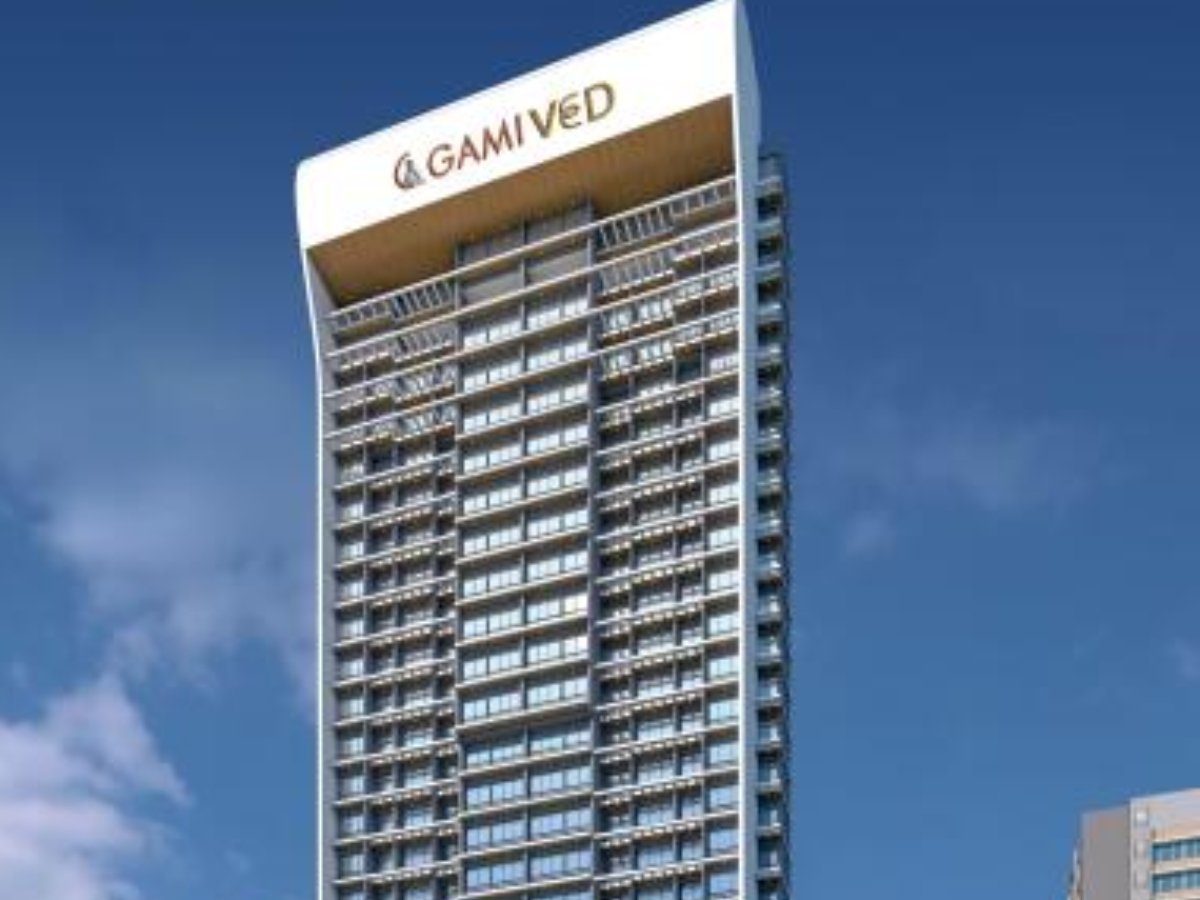
Gami Group is unmistakably positioned in the premium to ultra-luxury bracket. The research frames Gami Avant as the more accessible luxury option in Vashi, with 2 and 3 BHK inventory targeting premium professionals and upwardly mobile households, while Downtown Avenue is treated as the flagship trophy project for high-net-worth buyers, legacy wealth, and those seeking prestige-driven ownership in Sector 17.
This segmentation matters because it keeps the article realistic. Gami Group is not competing with budget or mid-segment builders. Its actual competition comes from other premium Vashi launches, selective luxury projects in Nerul or Palm Beach Road influence zones, and high-value resale stock in older prime sectors. That is the market context in which its pricing has to be judged.
Is Gami Group Good for Investment?
Gami Group can be attractive for investment, but mainly for buyers who understand micro-market scarcity and premium-node valuation logic. The research strongly argues that Vashi’s pricing premium is supported by what it calls the “immediacy of infrastructure.” Buyers are not waiting for roads, schools, retail, or rail catch-up. They are entering a fully functioning urban node from day one, which supports both end-user demand and resale value.
The investment case becomes even stronger when the broader value drivers are added. The research links Vashi’s premium trajectory to the MTHL, NMIA, CIDCO freehold conversion policy, and FSI-led redevelopment opportunities, all of which improve marketability, financing comfort, and long-term capital appreciation in legacy nodes. So yes, Gami Group can be a good investment, but mainly for buyers entering with a medium- to long-term lens rather than chasing quick arbitrage.
Is This Builder Better for End Users or Investors?
Gami Group appears slightly stronger for premium end users and long-term wealth-preservation buyers than for short-term investors. The reason is simple. Its strongest value proposition comes from living in a mature, highly connected, socially complete node while still enjoying new-build amenities and luxury planning. That combination is especially powerful for buyers who actually want to use the property.
That said, investors are not excluded. In fact, the research suggests that scarcity of fresh luxury stock in Vashi can itself create a strong premium. But investor success here depends on choosing the right project tier. A buyer seeking asset prestige and long-term value may prefer Downtown Avenue, while a buyer looking for broader end-user demand and better liquidity may find Gami Avant more practical.
Value for Money Compared with Nearby Projects
The value-for-money answer depends on what the buyer compares Gami Group with. Against older Vashi resale stock, the brand can look expensive on a pure per-square-foot basis. But that comparison is incomplete because older stock often lacks modern amenities, structural freshness, layout efficiency, and luxury ecosystem planning. In that sense, Gami’s premium is partly justified by product differentiation.
Against other premium projects, the comparison becomes more nuanced. Downtown Avenue is likely to be judged on prestige, design ambition, and scarcity, while Gami Avant may appeal more on relative accessibility and daily practicality. So the brand can offer value, but not in a mass-market sense. Its value lies in location advantage plus fresh premium supply, which is a rare combination in Vashi.
Official Website, Google Profile and Contact Presence
Gami Group’s digital credibility is supported by its clear corporate identity and physical office presence. The research points directly to the official contact path and identifies the headquarters at Real Tech Park, Plot No. 39/2, Bhagwan Mahaveer Road, Sector 30A, Vashi, which is a strong trust signal for a premium developer. Buyers generally feel more secure when the corporate brand, the office location, and the active project geography all align clearly.
This is especially relevant in luxury real estate, where counterparty risk is a serious concern. The research explicitly notes that the under-construction premium market is heavily influenced by trust, and a visible headquarters combined with an established local footprint helps reduce that perceived risk. Gami Group benefits meaningfully from that structure.
Instagram, Facebook, LinkedIn and YouTube Presence
The research file is stronger on search behavior, transactional keywords, and brand navigation intent than on platform-by-platform social media auditing. So the most accurate way to write this section is to say that Gami Group clearly operates with a modern digital acquisition mindset, especially around high-intent searches such as project prices, floor plans, office address, delivery history, and exact RERA numbers.
This is important because in real estate, digital credibility is not only about follower counts. It is also about whether the builder shows up cleanly when a buyer searches practical queries. In that respect, Gami Group appears well-positioned. The research itself is built around the assumption that the brand can and should dominate these trust and conversion searches.
Awards, Recognition and Industry Credibility
The strongest credibility signals in the research are not awards alone, but the combination of delivery legacy, Vashi headquarters, premium-sector launches, and a strong fit with Vashi’s macro-market transformation. That gives the builder more substance than a brand relying only on advertisement-heavy visibility.
That said, for buyers, recognition should always remain secondary to execution. Even when a builder has a strong brand and a rising luxury reputation, the actual decision should still be based on project legal clarity, construction pace, layout quality, maintenance projections, and resale potential. Keeping that balance will make the article stronger and more believable.
Comparison by Pricing, Project Type and Delivery
Gami Group stands apart in Vashi because it is not trying to compete as a budget or mass-market builder. Its key competition comes from other premium and redevelopment-led projects in mature Vashi sectors, especially where buyers compare ticket size, luxury positioning, layout efficiency, and delivery confidence. In that comparison, Downtown Avenue works as a trophy ultra-luxury product, Gami Avant works as a more accessible premium play, and Gami Jade strengthens the brand with a delivered benchmark.
On pricing logic, the difference inside Gami’s own portfolio is already telling. Gami Avant is positioned in the roughly ₹1.32 crore to ₹2.38 crore bracket, making it more practical for premium end users and investors seeking liquidity, while Downtown Avenue operates at a far higher ₹6 crore to ₹11 crore+ level and is clearly meant for wealth preservation, prestige ownership, and scarcity-led upside. This internal segmentation gives Gami Group an advantage because it can address more than one premium buyer type within Vashi itself.
Which Type of Buyer Should Consider This Builder?
Gami Group is best suited for buyers who specifically want Vashi location strength with new-build premium inventory. That includes affluent families who do not want to move deeper into Navi Mumbai, professionals who value immediate infrastructure and social convenience, and long-term investors who understand the scarcity premium of fresh luxury supply in a mature node.
The builder is less suitable for price-sensitive buyers who are mainly chasing carpet-area value at the lowest entry ticket. In those cases, Vashi itself may feel expensive regardless of builder. But for buyers who value status, location certainty, rental demand, and the ability to own modern luxury stock in a saturated micro-market, Gami Group becomes a serious consideration.
Things to Check Before Buying a Property
RERA Registration, Legal Documents and Approvals
Before booking any Gami Group project, the first step is to verify the exact project-level RERA registration and not rely only on brand reputation. In the research, Gami Avant is listed under P51700079740, while Downtown Avenue is associated with P51700053275. That project-specific verification is essential because premium buyers often deal with phase-wise execution, customization discussions, and high booking values.
Beyond RERA, buyers should check sanctioned plans, carpet area disclosures, agreement terms, possession commitment, parking allocation, and any promises related to layout merging or jodi combinations. In luxury housing, misunderstandings usually do not begin with title problems alone. They often begin with unclear sales language around specifications, usable area, and customization scope.
Construction Progress, Payment Plan and Possession Terms
The next important layer is construction-stage evaluation. Gami Avant has an expected possession window running from December 2027 to December 2029, while Downtown Avenue is linked with a 2028 delivery expectation in the research. That means buyers should study actual on-site progress, slab completion pace, payment demand schedule, and whether the current construction stage supports the promised handover timeline.
This becomes even more important when the purchase is investment-driven. A flexible payment plan may look attractive at launch, but the real question is whether the builder is matching collection speed with execution speed. In a premium project, delays can affect both capital appreciation timing and rental entry plans, so possession logic should be reviewed carefully.
Site Visit and Comparison with Nearby Alternatives
A Gami Group purchase should never be finalized without a site visit and a comparison against nearby alternatives. In Vashi, even small differences in sector, road width, station access, surrounding commercial density, and older neighborhood character can significantly affect liveability and resale perception. This is especially true when comparing Sector 17 trophy luxury against Sector 18 premium practical housing.
A proper comparison should also include old premium resale options in Vashi and ready stock like Gami Jade, because some buyers may prefer a delivered asset with zero construction risk over an under-construction luxury promise. The smarter decision depends on whether the buyer values immediate possession, rental cash flow, prestige upside, or pure long-term appreciation.
Conclusion
Overall Review and Market Position
Gami Group looks strongest as a premium Vashi-focused developer rather than a generic Navi Mumbai builder. Its real strength lies in combining a visible Vashi headquarters, delivered project history, commercial presence, and carefully segmented luxury launches inside one of Navi Mumbai’s most mature and infrastructure-rich nodes. That gives the brand a sharper identity than many developers who are broader but less rooted.
The brand also benefits from timing. Vashi is already established, but fresh luxury supply is limited. That means a builder able to introduce new premium inventory in prime sectors automatically enters a stronger market position. Gami Group appears to understand this very well, and its project strategy reflects that awareness.
Final Recommendation for Buyers and Investors
For end users, Gami Group is worth considering if the goal is to live in Vashi while enjoying new-age luxury planning, stronger amenities, and a more modern residential ecosystem than old resale stock can usually provide. For investors, the decision should be more selective. Gami Avant seems better for rental-led returns and exit flexibility, while Downtown Avenue suits buyers who think in terms of prestige, scarcity, and 5 to 10 year wealth preservation.
So the final answer is this: Gami Group is a credible premium builder in Vashi, but the right project depends on the buyer’s purpose. If someone wants practical premium value and broader liquidity, Gami Avant is the more balanced play. If someone wants a trophy asset in one of Vashi’s most coveted premium zones, Downtown Avenue is the sharper but far more capital-heavy choice.
FAQs
Frequently Asked Questions