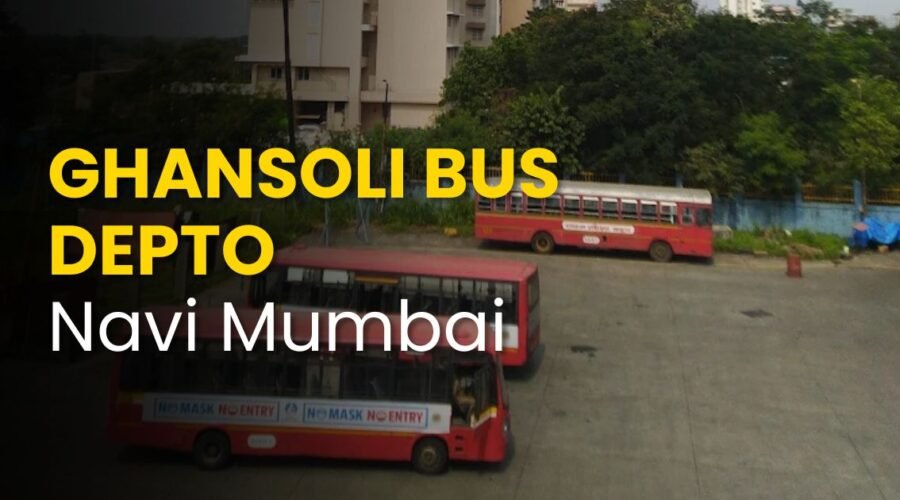
Ghansoli Bus Depot-Bus Numbers, Routes & Connectivity
Ghansoli Bus Depot is one of those places in Navi Mumbai that you don’t really notice until something goes wrong. Until a bus doesn’t arrive. Until a daily route disappears from the app. Until people at the stop start looking at each other, silently asking the same question. Aaj bus milegi kya?
Officially, it is just another NMMT depot. Practically, it has become a mirror of everything that works and doesn’t work in the city’s public transport system. This blog is not written like a brochure. It is written like someone who has stood there, waited, refreshed the app, and still hoped the bus would come.
In mid-2025, that waiting became longer and more uncertain. Reports emerging around the Ghansoli depot indicated a serious fleet crisis, with more than half of the depot’s buses reported as non-operational due to technical issues such as engine failures, gear defects, and even chassis cracks. For commuters, this wasn’t just a statistic. It showed up as missing buses, sudden cancellations, and shrinking route options.
Quick Facts: Ghansoli Bus Depot
| Depot Name | Ghansoli Bus Depot (NMMT) |
| Location | Ghansoli, Navi Mumbai |
| Nearby Railway Station | Ghansoli Railway Station (Trans-Harbour Line) |
Overview of Ghansoli Bus Depot
Ghansoli Bus Depot is located in Ghansoli, Navi Mumbai, close to the industrial and residential belt of MIDC and the Ghansoli railway station area. It plays a key role in connecting Ghansoli with surrounding nodes like Airoli, Koparkhairane, Vashi, Nerul, and Panvel.
This depot is especially important for daily office commuters, factory workers, students, and long-route passengers travelling towards South Mumbai or extended Navi Mumbai nodes. On paper, it is a strategic transport hub. On ground, its importance is felt most during peak hours, when people rely on it because there are limited alternatives.
By 2025, however, the depot was also in the news for the wrong reasons. Out of an estimated fleet strength of around 114 buses, only a fraction were reportedly available for regular passenger service at certain points, intensifying pressure on the remaining operational routes.
Bus Numbers Operating From Ghansoli Bus Depot
Buses from Ghansoli Bus Depot cover both local and longer inter-node routes. The exact operational status changes often, but commonly known routes associated with this depot include:
table {
width: 100%;
border-collapse: collapse;
font-family: Arial, sans-serif;
}
td {
border: 1px solid #ccc;
padding: 10px;
text-align: left;
}
tr:nth-child(even) {
background-color: #fafafa;
}
| 23 | Ghansoli to Vashi |
| 26 | Ghansoli to Nerul |
| 32 | Ghansoli to Airoli |
| 45 | Ghansoli to Panvel |
| 53 | Ghansoli to Belapur |
In addition to regular services, Ghansoli Depot is known for handling high-value AC routes that serve long-distance commuters:
- 114 AC – Ghansoli Gharonda to World Trade Center, Cuffe Parade, via the Eastern Freeway
- 50 AC – Ghansoli Depot to Panvel Station (West), one of the longest AC routes in the network
- 18 AC – Ghansoli to Ulwe (Kharkopar Railway Station), heavily used by daily rail and airport-bound commuters
Some buses start from the depot itself, while others pass through Ghansoli as part of longer routes. Regular commuters often recognize routes more by habit than by number. You just know which bus usually comes. Until it doesn’t.
Routes & Areas Covered
Ghansoli Bus Depot connects several important parts of Navi Mumbai, acting like a hinge between residential zones and employment hubs.
Towards Belapur side, buses link Ghansoli to Koparkhairane, Nerul, Seawoods, and CBD Belapur. This direction sees a heavy office-going crowd, especially in the morning.
Towards Panvel side, services move through Vashi and Sanpada before heading further down the harbour line belt. These routes are longer and often the first to get affected when fleet availability drops.
Towards Airoli and Thane side, buses cater to industrial workers and IT professionals commuting between Ghansoli MIDC and Airoli’s corporate zones.
The routes look efficient on a map. In real life, everything depends on whether enough buses are actually running that day.
Popular & Frequently Used Bus Routes
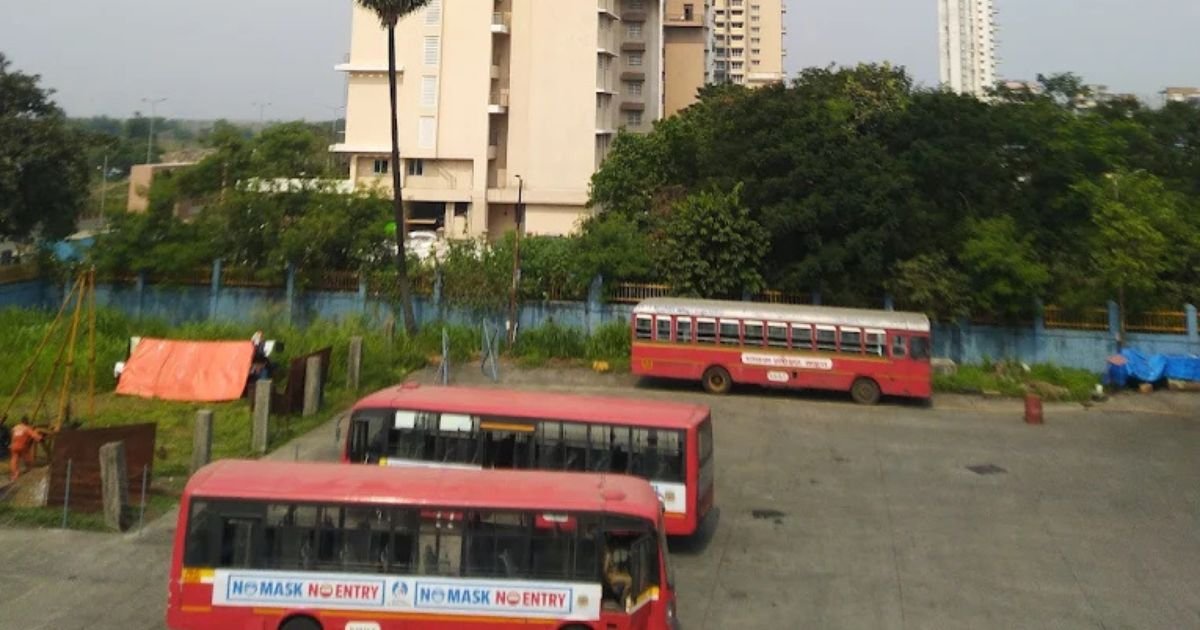
Some routes from Ghansoli are simply non-negotiable for daily life.
The Ghansoli to Vashi route remains one of the most heavily used, especially during office hours. Miss one bus and the platform suddenly feels crowded.
The 114 AC service to Cuffe Parade is particularly crucial for South Mumbai office-goers, offering a direct and time-saving connection via the Eastern Freeway. When this route faces cancellations, the impact is immediately felt by working professionals.
Routes like 50 AC to Panvel and 18 AC to Ulwe attract a steady mix of office commuters, students, and long-distance travellers. These are popular but fragile routes. When fleet shortages hit, they are often among the first to be reduced or suspended. People notice this immediately. When long routes vanish, it feels like the city has shrunk.
Connectivity From This Bus Stop
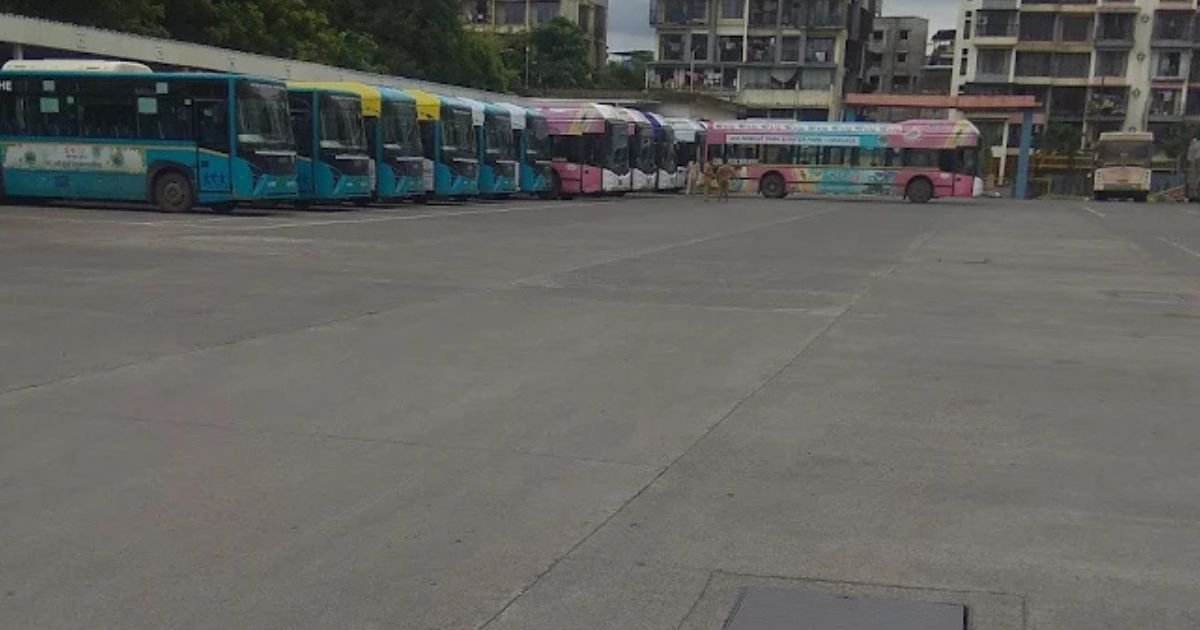
Ghansoli Bus Depot benefits from decent multi-modal connectivity, at least in theory.
The nearest railway station is Ghansoli Railway Station on the Trans-Harbour Line, just a short distance away. Many commuters switch between train and bus depending on delays or crowd conditions.
Metro connectivity is not directly available yet, but future Navi Mumbai Metro corridors are expected to improve access in coming years. For now, buses and trains do the heavy lifting.
Road connectivity is strong, with access to Thane-Belapur Road and nearby industrial corridors. Autos and shared rickshaws fill the gaps when buses don’t show up. They are faster sometimes. More expensive always.
Bus Frequency & Timing Pattern
Early mornings usually see buses starting before sunrise. This is when the system still feels reliable. Workers heading to factories and early office shifts manage reasonably well.
Peak hours, especially between 8:30 am to 11 am and again in the evening, tell a different story. Crowding increases, waiting time stretches, and cancellations hurt more because everyone is already running late.
Late evening services exist, but with lower frequency. Miss the last comfortable bus and you start calculating whether a train plus auto combination makes more sense. Often, it does.
The pattern is not fixed. And that uncertainty is what bothers commuters the most.
Nearby Landmarks for Easy Identification
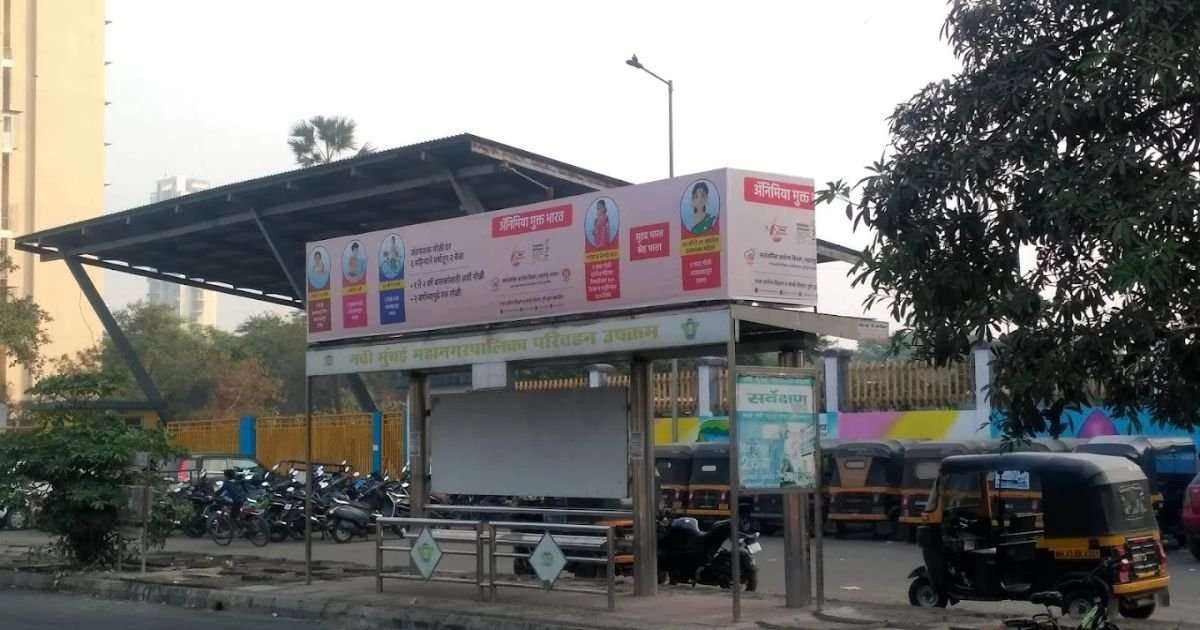
It is close to Ghansoli Railway Station, which remains the biggest reference point. MIDC industrial buildings, residential societies, and main connecting roads surround the depot.
Locals often identify it by nearby chowks rather than signboards. Ask anyone around for “Ghansoli depot” and they will point you in the right direction without hesitation. The depot is known. Trusted. Questioned. All at once.
Facilities Available at or Near the Bus Stop
Facilities at Ghansoli Bus Depot are functional but basic.
There is a waiting area, though it gets cramped during peak hours. Seating is limited and people usually stand, watching the road rather than sitting back.
Ticket counters exist, but many passengers rely on conductors or digital ticketing now. Auto and taxi availability outside the depot is decent, especially during rush hours.
Small food stalls and shops nearby cater to tea, snacks, and quick bites. These places quietly benefit from delays. When buses don’t arrive, chai becomes the default plan.
The Local Buzz: What People Are Saying
Talk to regular commuters and you hear the same themes repeated, just in different tones.
People talk about buses breaking down more often than before. About waiting longer without clear information. About routes that used to exist and suddenly don’t.
In June 2025, conversations became heavier after a major fire incident at the Ghansoli depot, where multiple buses, including electric and diesel vehicles, were damaged while parked inside the premises. That incident stayed in public memory, not just because of the loss of buses, but because it raised quiet questions about safety, maintenance, and preparedness.
There is frustration, but also a strange loyalty. Many still prefer NMMT over private options because it is affordable and familiar. Complaints often come with concern rather than anger.
Travel Tips for Commuters
Talk to regular commuters and you hear the same themes repeated, just in different tones.
People talk about buses breaking down more often than before. About waiting longer without clear information. About routes that used to exist and suddenly don’t.
In June 2025, conversations became heavier after a major fire incident at the Ghansoli depot, where multiple buses, including electric and diesel vehicles, were damaged while parked inside the premises. That incident stayed in public memory, not just because of the loss of buses, but because it raised quiet questions about safety, maintenance, and preparedness.
There is frustration, but also a strange loyalty. Many still prefer NMMT over private options because it is affordable and familiar. Complaints often come with concern rather than anger.
Conclusion
Ghansoli Bus Depot is not just a transport facility. It is part of daily life for thousands of people. It connects homes to offices, students to colleges, workers to factories. When it works, nobody talks about it. When it doesn’t, everyone feels it.
Despite recent challenges, including fleet shortages and safety concerns, the depot remains essential. It still carries the weight of Navi Mumbai’s daily movement. With better maintenance, transparency, and accountability, it can regain trust. Until then, commuters will continue doing what they always do. Waiting. Watching the road. Hoping the bus comes.
FAQ's
Frequently Asked Questions