
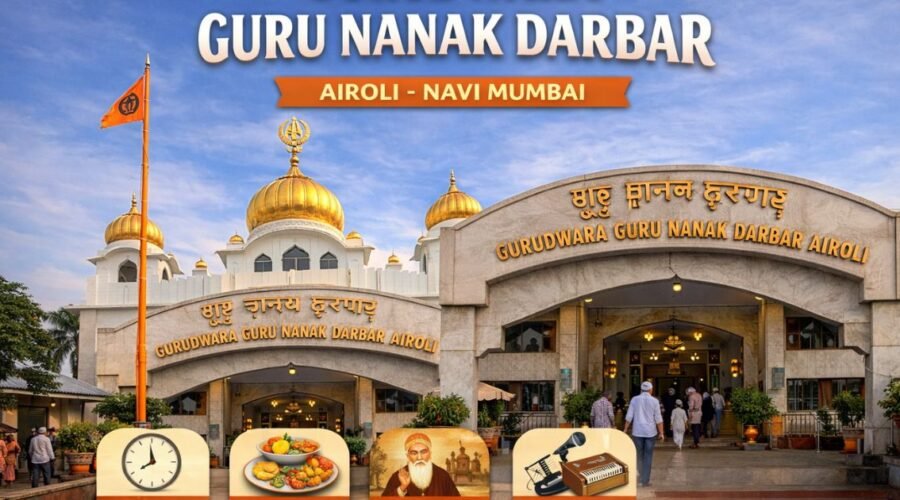
Gurudwara Guru Nanak Darbar Airoli– Timings, Langar, & Full Details
Navi Mumbai is home to many peaceful spiritual places, and one such place that quietly welcomes thousands of devotees every year is Gurudwara Guru Nanak Darbar in Airoli. Whether you are visiting for prayer, attending a kirtan, or simply looking for a calm spiritual experience, this Gurudwara offers a peaceful environment for everyone.
Many people from Navi Mumbai, Thane, and even Mumbai visit this Gurudwara regularly. Some come early in the morning for prayers, while others arrive during the day to take part in the langar and spend time in the serene surroundings.
If you are planning to visit for the first time, this guide will help you understand where it is located, how to reach it, and what you should know before visiting.
Quick Summary Table
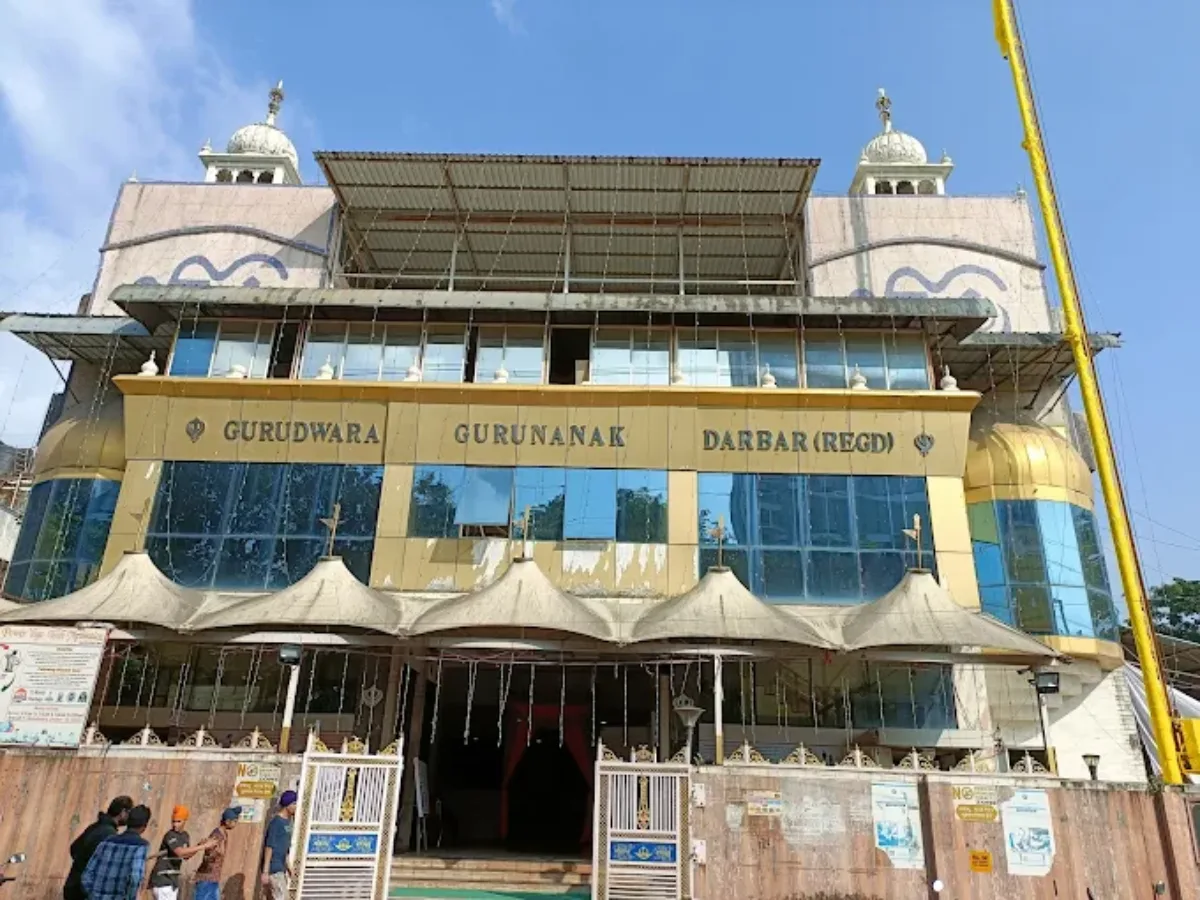
| Gurudwara Guru Nanak Darbar Airoli – Visitor Information | |
|---|---|
| Official Name | Gurudwara Guru Nanak Darbar Airoli |
| Location | Sector 15, Airoli, Navi Mumbai, Maharashtra |
| Nearest Railway Station | Airoli Railway Station (Trans Harbour Line) |
| Best For | Prayer (Darshan), Kirtan, Langar, peaceful spiritual visit |
| Famous For | Community service, daily langar, Sikh religious gatherings |
| Accessibility | Easily reachable by train, NMMT bus, auto rickshaw, and car |
| Parking | Limited street parking available near the Gurudwara |
| Visitor Rule Basics | Head covering required, remove footwear, maintain silence inside |
| Best Time to Visit | Early morning prayers or evening kirtan time |
| Why This Guide Matters | Helps first-time visitors easily locate the Gurudwara and plan their visit |
Gurdwara Guru Nanak Darbar Overview
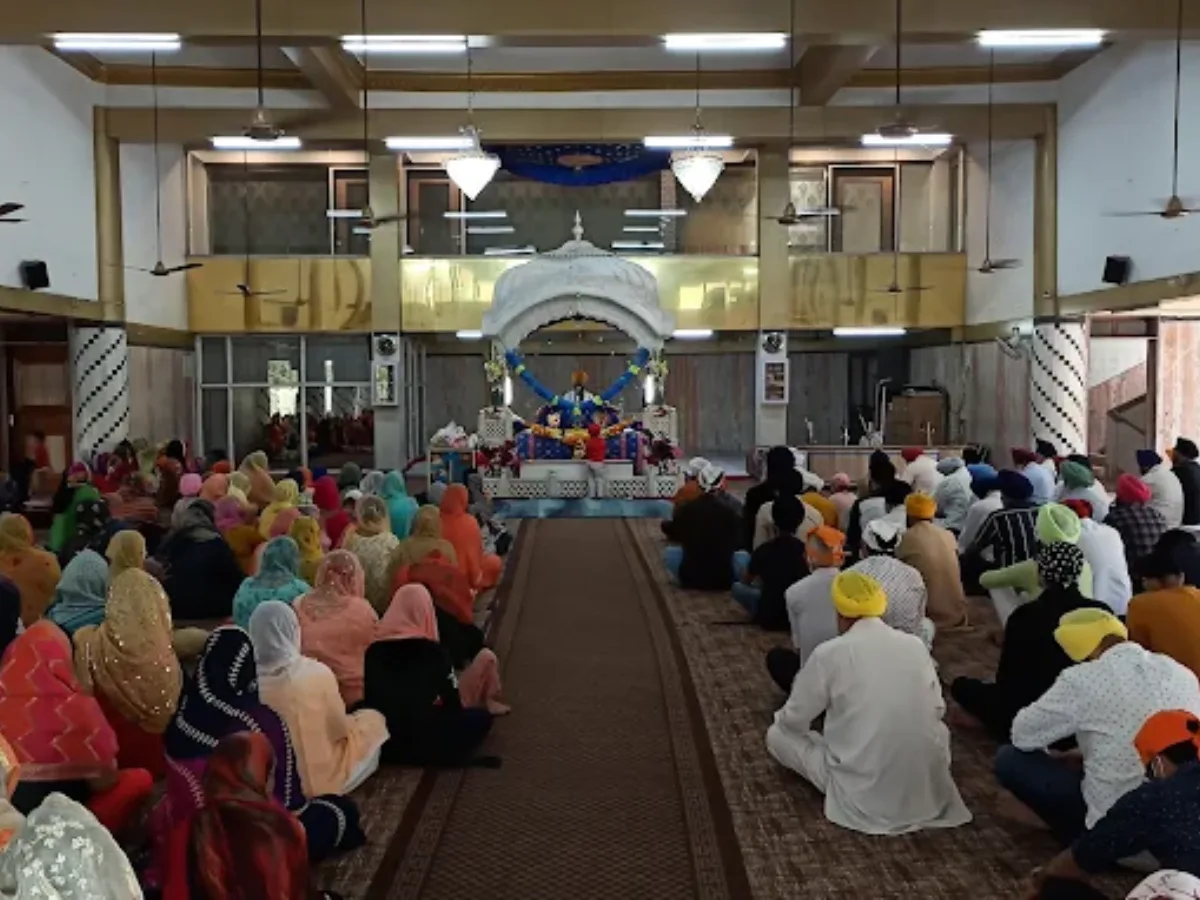
Gurudwara Guru Nanak Darbar is one of the important Sikh religious places in the Airoli area of Navi Mumbai. The Gurudwara welcomes people from all communities and backgrounds, reflecting the teachings of Guru Nanak Dev Ji about equality, service, and devotion.
Inside the Gurudwara, visitors can participate in prayer sessions, listen to Gurbani, and experience the spiritual calm that the place offers. Devotees also take part in seva, which is a form of voluntary service that is an important tradition in Sikhism.
The Gurudwara is also known for organizing celebrations during major Sikh festivals such as Guru Nanak Jayanti, when large numbers of devotees participate in religious events and community services.
Another important aspect of the Gurudwara is the langar, a community meal served to everyone regardless of religion, caste, or background.
Where is it Located in Airoli?
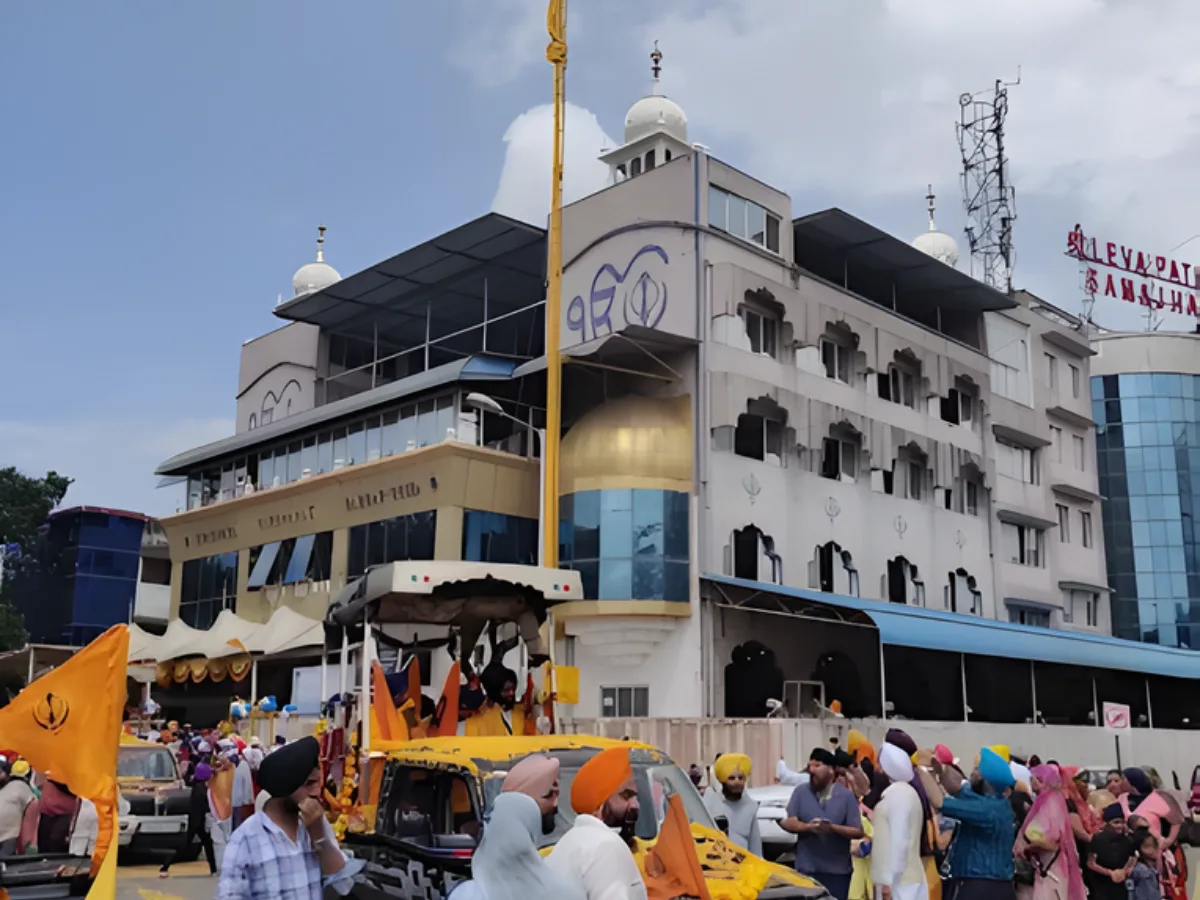
The Gurudwara Guru Nanak Darbar Airoli is situated in the Sector 15 area of Airoli, one of the well-connected residential pockets of Navi Mumbai. Locals usually describe the location using nearby junctions and internal sector roads rather than long addresses, which makes it easier for first-time visitors to understand the route.
A simple way to picture the location is to keep Airoli Railway Station as your main reference point. From the station side, the Gurudwara falls within a short driving distance inside the Sector 15 belt. Once you enter the sector roads, signboards and local directions make the approach fairly straightforward.
For someone visiting for the first time, the easiest mental map is this: reach Airoli first, use the railway station or the main sector road as your anchor landmark, and then move toward Sector 15. Autos and local residents are very familiar with the Gurudwara, so asking for directions usually gets you there quickly.
Location
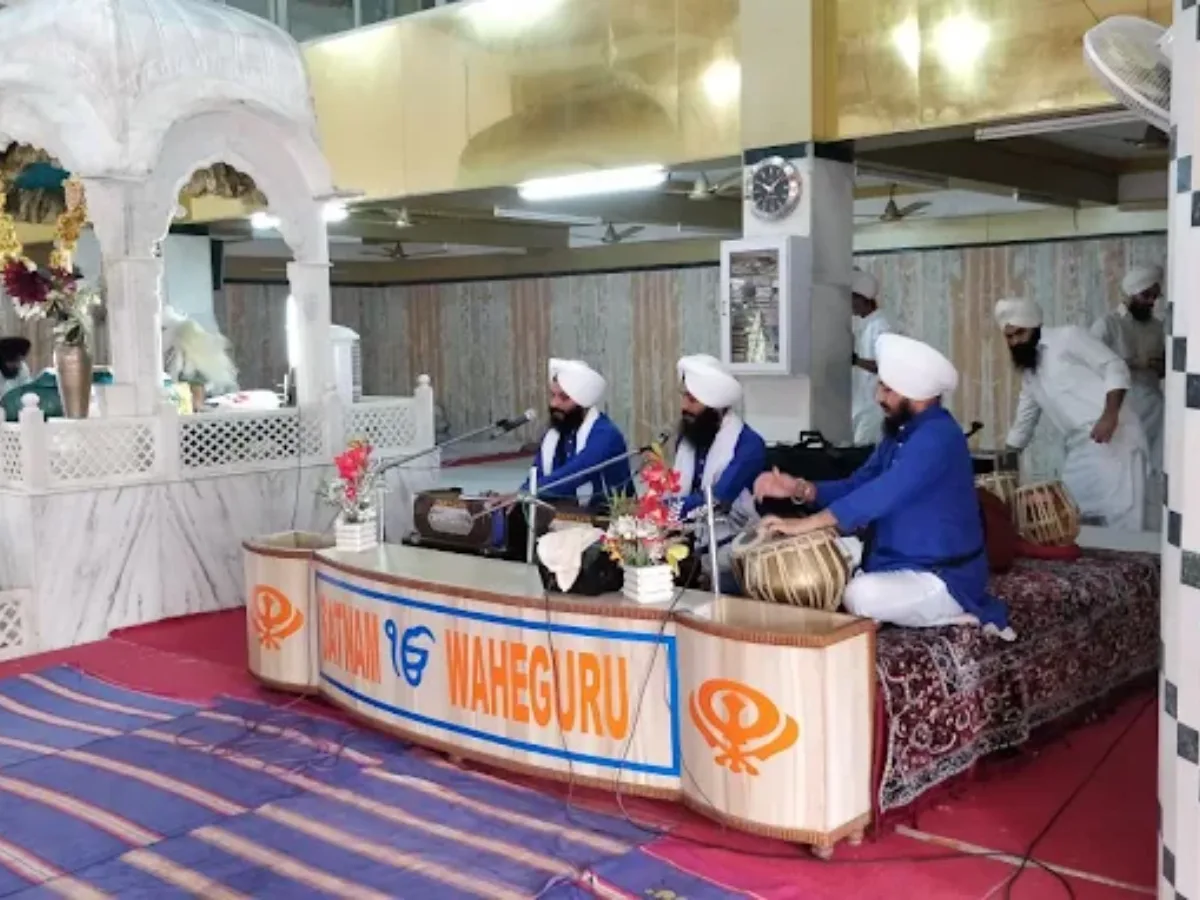
The Gurudwara Guru Nanak Darbar Airoli is located in the Sector 15 area of Airoli, one of the easily accessible parts of Navi Mumbai. Most visitors reach Airoli first and then take a short auto ride or walk inside the sector roads to reach the Gurudwara.
The closest and most convenient landmark is Airoli Railway Station, which connects the area with Thane, Vashi, Nerul, and other parts of the Mumbai suburban network. From the station, the Gurudwara is only a few minutes away, making it simple even for first-time visitors to find.
On regular days the route is smooth, but during prayer gatherings or special events the nearby roads can get slightly busy. Arriving a little early and using local autos for the final stretch usually makes the visit easier.
How to reach from Gurudwara Guru Nanak Darbar Airoli to NMIA
By Car
| Route Type | Distance (km) | Travel Time | Key Landmarkers |
|---|---|---|---|
| Route 1 (via Sion-Panvel Hwy) | 16.8 km | 31 min | Tata Cancer Hospital, Utsav Chowk, NH348A |
| Route 2 (via Palm Beach Rd) | 14.7 km | 31 min | Bharti Vidyapeeth, MGM Hospital, Palm Beach Road |
By Bus
| Bus Routes from Gurudwara Guru Nanak Darbar, Airoli to Navi Mumbai International Airport (NMIAL) | |||||||||
|---|---|---|---|---|---|---|---|---|---|
| Route Option | Initial Walk | Bus No. | Operator | Boarding Stop | Drop Stop | Stops | Bus Time | Final Transfer | Total Duration |
| Route 1 | 270 m | 512 LTD | BEST | Airoli Sector 10 | Gothivali Village | 6 Stops | 9 min | A-4 to NMIAL + 900m Walk | 1 hr 33 min |
| 6 min walk | A-4 | NMMT | Nerul Railway Station (E) | NMIAL Terminal 1 | 10 Stops | 20 min | |||
| Route 2 | 250 m | 144AC | NMMT | Dr. Babasaheb Ambedkar Stop | Airoli Bus Station | 7 Stops | 7 min | A-4 to NMIAL + 900m Walk | 1 hr 38 min |
| 8 min walk | A-4 | NMMT | Nerul Railway Station (E) | NMIAL Terminal 1 | 10 Stops | 20 min | |||
| Route 3 | 250 m | 125AC | NMMT | Dr. Babasaheb Ambedkar Stop | Rabale Railway Station | 7 Stops | 7 min | A-4 to NMIAL + 900m Walk | 1 hr 27 min |
| 6 min walk | A-4 | NMMT | Nerul Railway Station (E) | NMIAL Terminal 1 | 10 Stops | 20 min | |||
How to reach from Gurudwara Guru Nanak Darbar Airoli to CSMIA
By Car
| Car Route from Gurudwara Guru Nanak Darbar, Airoli to Chhatrapati Shivaji Maharaj International Airport (29.0 km | 1 hr 7 min | Toll Route) | |||
|---|---|---|---|
| Step | Instruction | Distance | Notes / Landmark |
| 1 | Head southeast (Restricted road section) | 900 m | Initial internal road |
| 2 | Turn left (Restricted road) | 38 m | – |
| 3 | Slight right (Restricted road) | 400 m | – |
| 4 | Turn left onto Airoli Rd / Airoli Knowledge Park Rd | 2.9 km | Main connecting road |
| 5 | At Airoli Circle, turn right onto Mulund–Airoli Rd | 3.8 km | Toll Road |
| 6 | Turn left | 450 m | – |
| 7 | Continue straight onto Service Rd | 2.0 km | – |
| 8 | Turn right toward NH 48 | 16 m | – |
| 9 | Turn left onto NH 48 | 2.9 km | Highway section |
| 10 | Keep right to take flyover | 2.9 km | – |
| 11 | Keep right to take flyover | 2.2 km | – |
| 12 | Keep right to take flyover | 750 m | – |
| 13 | Keep left to take flyover | 1.1 km | – |
| 14 | Keep right to take flyover | 2.1 km | Pass by Wholesale Market (Right) |
| 15 | Continue on CST Road / Santacruz–Chembur Link Rd | 650 m | Pass by SUFIYAN (Left) |
| 16 | Keep right to take flyover | 900 m | – |
| 17 | Keep right to take flyover | 1.9 km | – |
| 18 | Slight right onto SCLR Flyover | 1.7 km | Pass by Santacruz East |
| 19 | Turn right to merge with NH 48 | 1.4 km | – |
| 20 | Use left lanes to merge with Service Rd | 350 m | Pass by Sheetal Paan Shop (Left) |
| 21 | Turn right at Vile Parle East | 65 m | Airport Approach |
By Bus
| Bus & Public Transport Routes from Gurudwara Guru Nanak Darbar, Airoli to CSMIA Mumbai International Airport | |||||||||
|---|---|---|---|---|---|---|---|---|---|
| Route Option | Initial Walk | Bus / Train No. | Operator | Boarding Point | Drop Point | Stops | Travel Time | Interchange | Total Duration |
| Route 1 | 1.0 km | 109 | NMMT | Mainspace / Axis Bank | Nahur Railway Station (E) | 12–18 Stops | 21–28 min | Central Railway → Metro Line 3 | 1 hr 41 min |
| 3 min walk | CSMT 97362 | Central Railway | Nahur | Ghatkopar | 4 Stops | 13 min | |||
| 3 min walk | Metro Line 3 | MMRCL | Aarey JVLR | CSMIA | 6 Stops | 12 min | |||
| Route 2 | 1.0 km | 525 LTD | BEST | Airoli Toll Naka | Majas Depot | 21 Stops | 41 min | Metro Line 3 | 1 hr 54 min |
| 4 min walk | Metro Line 3 | MMRCL | Aarey JVLR | CSMIA | 6 Stops | 12 min | |||
| Route 3 | 1.0 km | 109 | NMMT | Mainspace / Axis Bank | Bhandup Pumping Centre | 13 Stops | 23 min | 125AC → Metro Line 3 | 1 hr 48 min |
| – | 125AC | NMMT | Bhandup Pumping Centre | Reliance Energy Training Centre | 20 Stops | 38 min | |||
How to reach from Gurdwara Guru Nanak Darbar to Bus Depot
By Car
| Car Route from Gurudwara Guru Nanak Darbar, Airoli to Airoli Bus Depot (3.8 km | 11 Minutes) | |||
|---|---|---|---|
| Step | Instruction | Distance | Landmark / Notes |
| 1 | Head southeast (Restricted road) | 38 m | Private/Restricted usage road |
| 2 | Turn left (Restricted road) | 400 m | Private road section |
| 3 | Slight right (Restricted road) | 450 m | Continue internal road |
| 4 | Turn left at Sai Vision Construction Pvt Ltd onto Airoli Rd / Airoli Knowledge Park Rd | 2.2 km | Pass by local shop (Left) |
| 5 | Turn left onto Meenatai Thakrey Rd | 600 m | Pass by Shreeram Gym (Left) |
| 6 | Turn left at K A Pandya & Co onto Airoli Station Main Rd | 120 m | Pass by Airoli (Right) – Destination Ahead |
By Bus
| Bus Routes from Gurudwara Guru Nanak Darbar, Airoli to Airoli Bus Depot | ||||||||
|---|---|---|---|---|---|---|---|---|
| Route Option | Initial Walk | Bus No. | Bus Type | Operator | Boarding Stop | Drop Stop | Stops | Total Duration |
| Route 1 | 1.0 km (14 min) | 109 | Non-AC | NMMT | Mainspace / Axis Bank | Airoli Sewerage Plant | 7 Stops | 33 min |
| Route 2 | 1.0 km (13 min) | 83 | Non-AC | NMMT | Mainspace / Axis Bank | Airoli Bus Depot | 8 Stops | 23 min |
| Route 3 | 1.0 km (13 min) | 83AC | AC | NMMT | Mainspace / Axis Bank | Airoli Bus Depot | 7 Stops | 22 min |
How to reach from Gurdwara Guru Nanak Darbar to Railway station
By Car
| Car Route from Gurudwara Guru Nanak Darbar, Airoli to Airoli Railway Station (3.5 km | 11 Minutes) | |||
|---|---|---|---|
| Step | Instruction | Distance | Landmark / Notes |
| 1 | Head southeast (Restricted road) | 38 m | Private / Restricted usage road |
| 2 | Turn left (Restricted road) | 400 m | Internal road section |
| 3 | Slight right (Restricted road) | 450 m | Continue internal road |
| 4 | Turn left at Sai Vision Construction Pvt Ltd onto Airoli Rd / Airoli Knowledge Park Rd | 1.3 km | Pass by local shop (Left) |
| 5 | Turn left at Koliwada Chinese Tandoor onto Airoli Tower Rd | 1.0 km | Pass by SONI Mobiles & Watches (Left) |
| 6 | Continue onto Airoli Station Main Rd | 260 m | Pass by Health Transformation by Hemant (Right) – Destination Ahead |
By Bus
| Car Route from Gurudwara Guru Nanak Darbar, Airoli to Airoli Railway Station (3.5 km | 11 Minutes) | |||
|---|---|---|---|
| Step | Instruction | Distance | Landmark / Notes |
| 1 | Head southeast (Restricted road) | 38 m | Private / Restricted usage road |
| 2 | Turn left (Restricted road) | 400 m | Internal road section |
| 3 | Slight right (Restricted road) | 450 m | Continue internal road |
| 4 | Turn left at Sai Vision Construction Pvt Ltd onto Airoli Rd / Airoli Knowledge Park Rd | 1.3 km | Pass by local shop (Left) |
| 5 | Turn left at Koliwada Chinese Tandoor onto Airoli Tower Rd | 1.0 km | Pass by SONI Mobiles & Watches (Left) |
| 6 | Continue onto Airoli Station Main Rd | 260 m | Pass by Health Transformation by Hemant (Right) – Destination Ahead |
Timings, Daily Routine, and the Flow of a Normal Day
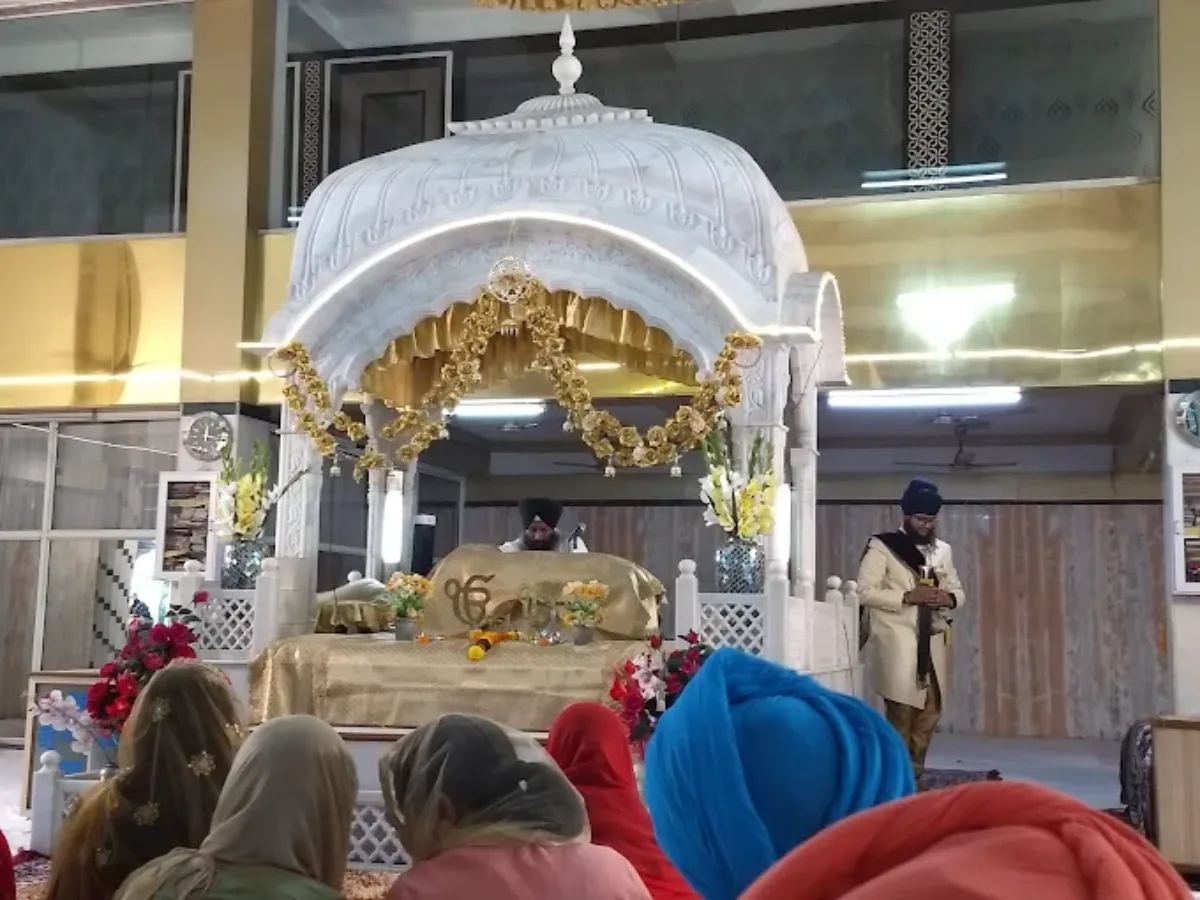
At Gurudwara Guru Nanak Darbar Airoli, the day follows a calm and familiar spiritual rhythm that regular visitors quickly recognize. The Gurudwara typically opens early in the morning, when devotees arrive for the first prayers and peaceful moments before the day becomes busier.
Mornings are usually quiet and ideal for darshan. Many visitors prefer this time because the atmosphere inside the prayer hall is calm and focused. As the day progresses, more devotees arrive, some staying to listen to Gurbani or spend time in silent reflection.
By afternoon, the Gurudwara continues to welcome visitors who come for prayers and langar. Volunteers and members of the community actively participate in seva, helping with food service and maintaining the premises.
Evenings often bring another steady flow of devotees. This is when many working professionals visit after their day ends. The environment remains respectful and peaceful, with visitors spending time in prayer before heading home.
On regular days the movement is smooth and unhurried, allowing people to experience the Gurudwara at their own pace while still being part of the community spirit that defines the place.
What Happens Inside the Gurudwara
The main spiritual core is the Darbar Sahib, designed as a large, bright hall where the Guru Granth Sahib is placed on a Takht under a canopy, forming the visual and emotional centre of the space. A striking detail mentioned in your research is the Ik Onkar symbol embossed on the ceiling, which quietly reinforces the “one reality” idea without needing any explanation boards.
One thing visitors notice immediately is the absence of chairs, because people sit on the floor at an equal level, which is how the Gurudwara physically expresses equality. The hall also includes a gallery structure meant for crowd handling during peak days, so that even when attendance rises, the line of sight and discipline inside the darbar remains stable.
The Visitor Experience
Visiting Gurudwara Guru Nanak Darbar Airoli is less about sightseeing and more about slowing down for a while. As you arrive, the first step is simple: remove your shoes, cover your head, and walk toward the main prayer hall with a quiet mindset.
Inside the Darbar Sahib, devotees usually bow before the Guru Granth Sahib and then sit on the floor for a few minutes of reflection. Some people stay longer to listen to Gurbani, while others prefer silent prayer before moving on. The environment remains calm, and even first-time visitors quickly understand the rhythm of the place by simply observing others.
After spending time in the prayer hall, many visitors head toward the langar area. Sitting together and sharing a simple meal with strangers is often the moment that stays with people the most. It turns the visit into something more than a routine stop – it becomes a small reminder of community, humility, and equality.
How the Gurudwara Handles Large Crowds
At Gurudwara Guru Nanak Darbar Airoli, crowd management is handled in a calm and organised way, especially during weekends, gurpurabs, and major religious gatherings. Volunteers from the sangat usually guide visitors, helping maintain a smooth flow from the entrance to the Darbar Sahib and toward the langar hall.
The layout of the Gurudwara naturally supports movement. Devotees enter, pay their respects, sit for prayer, and then move ahead without creating congestion around the main area where the Guru Granth Sahib is placed. This steady circulation helps maintain the peaceful atmosphere even when many people are present.
Seva volunteers also assist with footwear areas, water distribution, and seating guidance inside the hall. During larger gatherings, additional arrangements are usually made so that visitors can enter, pray, and participate in langar without long waiting times. The overall focus remains on discipline, respect, and ensuring that everyone gets a comfortable darshan experience.
Community Services Beyond Prayer
At Gurudwara Guru Nanak Darbar Airoli, the role of the Gurudwara goes far beyond daily prayers. Like many Sikh religious spaces inspired by the teachings of Guru Nanak, the focus is equally on service, community support, and helping others.
One of the most important parts of this service is the langar. Meals are prepared by volunteers and served to everyone without distinction. Visitors, travellers, and local residents often sit together in the langar hall, sharing food in a simple but meaningful community setting.
The Gurudwara also becomes a gathering point during religious occasions and community initiatives. Volunteers organise seva activities, support visitors during busy days, and help maintain the peaceful functioning of the space.
For many people in the area, the Gurudwara is not only a place for prayer but also a place where community spirit, generosity, and equality are practiced in everyday life.
Visitor Etiquette and Protocols
When visiting Gurudwara Guru Nanak Darbar Airoli, following basic Gurudwara etiquette helps maintain the peaceful and respectful environment inside.
The first step is covering your head before entering the prayer area. Most visitors carry a scarf, handkerchief, or dupatta for this purpose. Shoes must be removed at the entrance and placed in the designated area before walking inside.
Inside the Darbar Sahib, devotees usually bow respectfully before the Guru Granth Sahib and then sit quietly on the floor. Sitting at the same level is an important tradition in Sikhism, symbolising equality among everyone present.
Visitors are expected to keep their phones on silent mode, avoid loud conversations, and move calmly within the hall. Photography is generally discouraged in the main prayer space unless permitted.
If you visit the langar hall, it is customary to sit in a row with others and accept the meal respectfully. Even if you take only a small portion, the idea is to participate with humility and gratitude.
Following these simple practices helps ensure that everyone visiting the Gurudwara can experience the same sense of respect, calm, and community.
Historical Foundations
The spiritual foundation of Gurudwara Guru Nanak Darbar Airoli is rooted in the teachings of Guru Nanak, whose message of equality, honest living, and service continues to guide Sikh communities around the world.
As Navi Mumbai developed and more Sikh families began living and working in the region, the need for a local place of prayer and community gathering gradually grew. The Gurudwara emerged as that spiritual centre, where daily prayers, kirtan, and langar could be organised for the sangat.
Over time, the Gurudwara became more than just a place for religious practice. It evolved into a community hub where people come together during gurpurabs, social initiatives, and seva activities. For many devotees in and around Airoli, it represents both faith and a sense of belonging within the growing city.
Trust Registration (December 2004) and the First Formal Step
A major step in the journey of Gurudwara Guru Nanak Darbar Airoli came in December 2004, when the Gurudwara trust was formally registered. This moment gave the community an official structure to organise religious activities, manage the space, and support the growing sangat in the Airoli area.
Before this stage, gatherings were more informal and community-driven. With the trust registration in place, planning became more organised. It allowed volunteers and committee members to coordinate prayers, langar services, and festival celebrations in a more systematic way.
The registration also marked the beginning of a long-term vision. What started as a local effort to create a dedicated prayer space gradually developed into a recognised spiritual centre where devotees could come together for faith, service, and community connection.
CIDCO Plot Journey
As the Sikh population in Kharghar grew, the community formally approached CIDCO in 2005, and your report mentions a formal application submitted in April 2006. What followed was not quick approval. It took consistent follow-up for about three years before the plot was allotted.
CIDCO finally allotted a 1,500 square meter plot in December 2008. This timeline is important because it reflects how religious infrastructure in planned nodes often depends on multi-year administrative cycles, not only community demand.
Funding the Land (Early 2009) and the Power of Collective Support
The land acquisition required a significant financial mobilisation of Rs. 1.08 crores, settled in early 2009 as per your research. This was not funded by a small local group alone. It was supported by Sikh sangat and Gurudwara management committees across Mumbai and Navi Mumbai, making the project a wider community effort.
This is also where the gurudwara’s “service-first” identity becomes easier to understand. When a building is funded by collective sacrifice, the institution naturally feels accountable to the larger public, not just to a local membership circle.
Plot Possession (April 2009) and the Design Phase
Physical possession of the Sector 12 plot happened in April 2009, and then the project moved into a careful design phase. Your research describes involvement of specialised architects and senior sewadar guidance, with attention to both theology and functionality, not only external looks.
The objective was clear: build a space that could serve daily prayer needs and also handle peak festival crowds. This design intent is visible later in the darbar hall layout, crowd management features, and the overall facility flow.
Construction Timeline (2009 to 2013) and Key Milestones
The design was finalised in November 2009 and cleared for construction by January 2010. Then came a major public milestone, the foundation stone ceremony held from April 23 to April 25, 2010, framed as a three-day religious festival with prominent ragi and kavishar jathas.
Construction continued over the next three years, and your research records completion of the main building in September 2013. This gives your blog a clean, verifiable timeline, and it avoids vague claims like “built long ago”, which weakens trust.
28 Feb & 1 March 2026 “Hind Di Chadar” Shaheedi Samagam in Kharghar
The 350th Shaheedi Samagam finale in Kharghar is planned for 28 February and 1 March 2026, and your research categorises it as a major state-level programme. It commemorates Guru Tegh Bahadur Sahib Ji’s martyrdom and is being positioned as the culmination of a year-long national observance that started in late 2025.
The scale is what changes everything. The city’s planning is built around an estimated 1.5 million devotees, which means Kharghar is not only hosting a religious gathering, it is hosting a full public movement event, with administration, safety systems, and route discipline working together.
Venue Plan: Owe Maidan Capacity and Why Kharghar Was Chosen
For the finale, Owe Maidan is designated as the primary venue, with a simultaneous capacity of around 500,000 people. Your research also notes a main pavilion with 80,000 seats, which signals that the venue is planned like a structured event ground, not an open crowd space.
Kharghar fits this scale because it still has large open maidans and buffer zones that older Mumbai areas simply do not. The planning logic is clear: you need space not only for the stage and audience, but for parking, medical posts, entry discipline, and safe dispersal.
Traffic and Transport Strategy
Your research highlights a real constraint in this belt: the JNPA influence and heavy vehicle movement around Kharghar, with roughly 25,000 heavy vehicles daily creating baseline congestion risk. Because of that, the administration’s message is straightforward: avoid private vehicles when possible and prefer public transport and metro services.
Kharghar’s connectivity supports that advice. It is accessible via the Harbour Line and the Navi Mumbai Metro, and the event plan includes special bus services dropping visitors at designated points. From there, controlled walking routes handle the final approach to the ground.
Parking, Drop Points, and the Pedestrian Corridor to Owe Maidan
Instead of hoping that vehicles will “somehow fit”, the plan is structured. Your research states that 30 designated parking sites have been identified across Kharghar to manage private buses and cars, so the crowd does not collapse into one choke point near the venue.
A key feature is the dedicated pedestrian corridor from bus and ST drop-off points to Owe Maidan. This is important because it separates walking devotees from motor traffic, which protects families, reduces jams, and keeps emergency access viable even during peak arrival hours.
Medical and Safety Readiness
Large gatherings in late February can still mean heat, walking, and physical strain, so the medical framework is designed at scale. At Owe Maidan, the plan includes five temporary medical centres plus a specialised ICU facility, supported by mobile medical teams and first-aid posts.
For referrals beyond the ground, your research notes that 350 hospital beds have been reserved in nearby hospitals, including 75 ICU beds, specifically for emergencies linked to the Samagam. This is the kind of detail that builds trust because it shows planning is not only devotional, it is practical.
Who is Coordinating the Operation
The Samagam is being treated as a high-priority operation coordinated through the Konkan Divisional Commissioner’s office along with the Navi Mumbai Police. That matters for visitors because it explains why movement rules, drop points, and corridor walking will be enforced as a safety requirement, not a suggestion.
At the Gurudwara level, your research notes that senior sewadar leadership and the trust board are involved in integrating gurudwara operations with the government’s plan. In simple words, this is a combined system: religious volunteers for discipline and seva, and civil authorities for safety and movement.
Nearby Hospitals and Emergency Options Around Kharghar and Belapur
During a mass gathering, the smartest planning is the boring kind. Know the nearest hospitals in advance, especially if you are coming with senior citizens, small children, or someone with BP, asthma, or fatigue issues. Kharghar has strong healthcare access, and the Belapur belt adds higher-capacity multi-speciality coverage.
Below is a practical reference table you can keep saved. Phone lines and helpdesks can change during peak days, so treat this as a starting point and reconfirm once before you travel, especially on 28 February and 1 March 2026.
| Hospital | Area | Proper Address | Phone / Emergency |
|---|---|---|---|
| ACTREC (Tata Memorial Centre) | Sector 22, Kharghar | Plot No. 1 & 2, Sector 22, Kharghar, Navi Mumbai 410210 | (022) 2740 5000 / 6873 5000 |
| Kharghar Medicity Hospital | Sector 7, Kharghar | Plot No. C/23, Aum Sai CHS, Next to Kharghar Police Station, Next to Royal Tulip, Facing Highway, Sector 7, Kharghar, Navi Mumbai 410210 | 7045399388 / 8655864863 |
| Motherhood Hospital (Kharghar) | Sector 7, Kharghar | Fountain Square Building, Sector 7, Kharghar, Navi Mumbai | 8494800094 / 96203-96203 |
| Apollo Hospitals Navi Mumbai | Sector 23, CBD Belapur | Plot #13, Parsik Hill Road, Off Uran Road, Sector 23, CBD Belapur, Opp. Nerul Wonders Park, Navi Mumbai 400614 | +91 22 3350 3350 / +91 22 6280 6280 |
| MGM Hospital & Research Centre (CBD Belapur) | Sector 1, CBD Belapur | Next to CBD Belapur Police Station, Opp. to Belapur Bus Depot, Sec 1, CBD Belapur, Navi Mumbai 400614 | Call: 76076 02108, Emergency: 76310 81108 |
Practical Tips for Families Visiting During the 2026 Samagam Days
If you want the day to feel spiritual and not stressful, plan for movement, not just darshan. Wear comfortable footwear for the walk outside, carry a head covering for everyone, and keep water handy because crowd time often becomes standing time. On peak hours, your biggest “delay” is rarely the program, it is entry, walking, and regrouping.
For families, the most useful habit is staying predictable. Decide one meeting point in advance, keep children close in moving corridors, and avoid overloading bags since checks and walking become slower. If anyone feels dizzy or weak, do not push through, step out, sit, hydrate, and use medical help early instead of waiting.
FAQs
Frequently Asked Questions