

Gurudwara Shri Dasmesh Darbar Kopar Khairane: History, Langar, Timings & How to Reach
Sector 23 in Kopar Khairane is primarily characterized by tall residential buildings and active commercial spaces. However, in the center of this standard urban layout stands Gurudwara Shri Dasmesh Darbar. Walking through its gates immediately softens the noise and rush of the surrounding city.
Visible to anyone passing by, the structure features bright white walls, large open windows, and a shining golden dome. Yet, the true value of this Gurudwara extends far beyond its exterior beauty. The real importance lies in its daily operations. It serves as a strong support system for the local community, a free kitchen that feeds anyone in need, an educational center for traditional values, and a quiet sanctuary for residents managing the heavy stresses of city life.
From early morning prayers beginning well before sunrise to massive crowds gathering for festivals, this Gurudwara represents the established history of the Sikh community in the Mumbai and Navi Mumbai region. It demonstrates how a community can settle in a new city, build a stable life, and actively contribute to the local society while firmly preserving its identity and deep respect for humanity.
At a Glance
| Detail | Information |
|---|---|
| Full Name | Gurudwara Shri Dasmesh Darbar |
| Location | Sector 23, Kopar Khairane, Navi Mumbai |
| Plot Number | 4/1 |
| Land Area | 736.85 sq. meters |
| Society Formation | 1998 |
| Land Allotment | 13 May 2005 |
| Nearest Railway | Kopar Khairane on the Harbour Line |
| Daily Langar | Yes (open to all without any charge) |
| General Visit Hours | 7:00 AM – 9:00 PM |
| Morning Liturgy Begins | Approx. 3:30 AM |
| Managed By | Gurudwara Shri Dasmesh Darbar Society |
Historical Foundation: From Displacement to Institutionalization
Post-Partition Settlements and Early Community
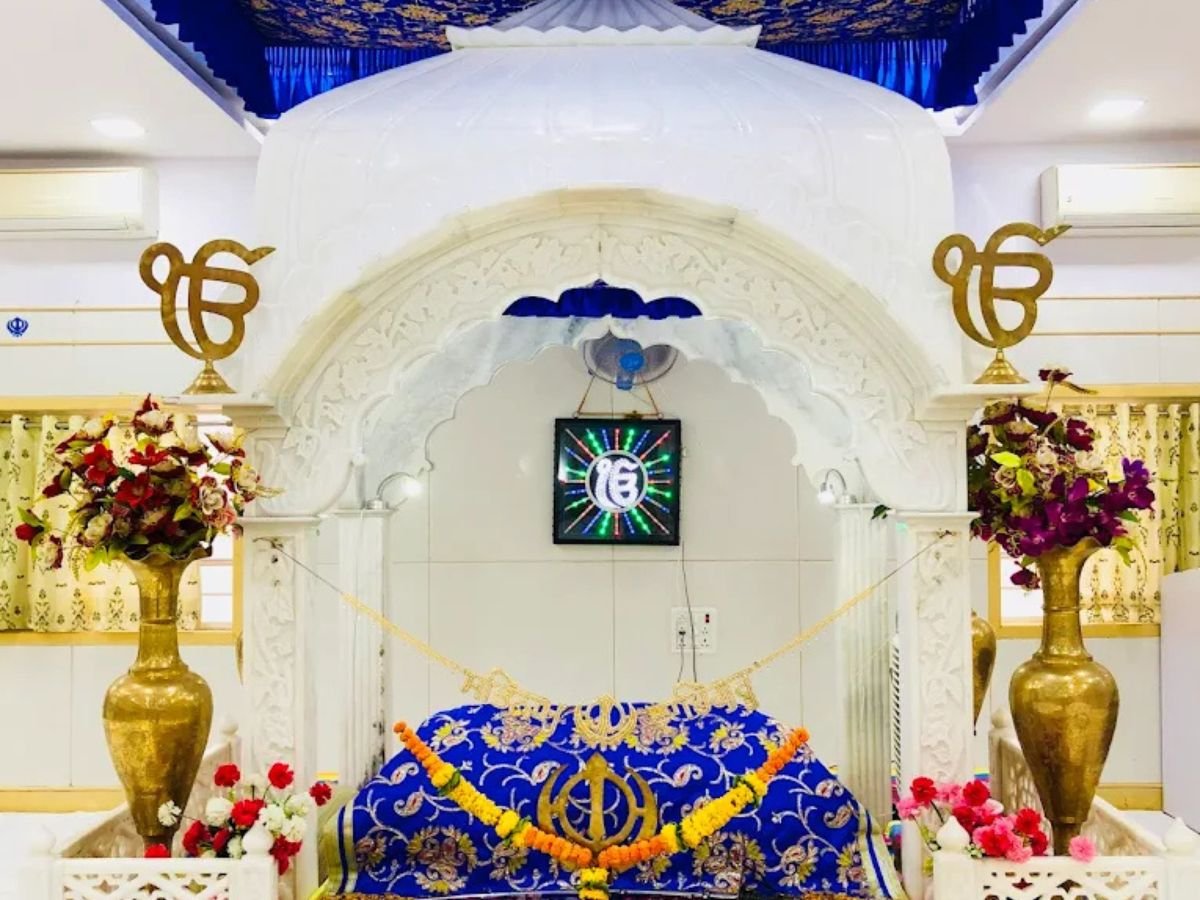
The establishment of this Gurudwara traces back to the historical events of 1947. During the Partition of India, millions of people were forced to leave their homes, land, and businesses. They had to pack whatever little they could carry and move across borders to find a new place to live. For the Sikh families who arrived in Mumbai during that time, the initial years were incredibly challenging, as they had to rebuild their lives entirely from the ground up.
Many of these displaced families settled in areas like Sion and Guru Tegh Bahadur Nagar (commonly known as GTB Nagar). Their primary focus every day was finding employment and feeding their families. However, even during these difficult times, they recognized a profound need for spiritual support. They required a dedicated place to sit together, share their experiences, and pray.
In those early days, the community did not have the financial resources to construct large Gurudwaras. The first prayer spaces were simply small rented rooms or open halls. While these spaces were not grand, they were essential. Families gathered there to sing hymns and find mental peace. These initial, modest meetings formed the starting point of the institution that would later be known as “Dasmesh Darbar.”
Migration to Navi Mumbai
As the decades passed and the late 1900s approached, the financial standing of the Sikh community improved significantly. The Sikh religion emphasizes earning an honest living through hard work, a core principle known as Dharam Di Kirat Karni. Following this rule, many families established successful businesses, secured stable employment, and transitioned into a comfortable middle-class lifestyle.
Concurrently, the government organization CIDCO began developing Navi Mumbai to reduce heavy crowding in the main city of Mumbai. Navi Mumbai offered wide roads, properly planned sectors, open green spaces, and upgraded facilities. Consequently, many families chose to leave the island city and purchase homes in nodes such as Vashi, Sanpada, Ghansoli, and Kopar Khairane.
However, relocating to Navi Mumbai created a new logistical challenge. The families had left their established local prayer halls behind in the old city. Traveling back to Mumbai daily on the Harbour Line trains simply to attend evening prayers was exhausting and time-consuming. The community quickly realized the necessity of establishing a permanent place to pray right within their new neighbourhoods.
Official Formation and Allotment
To address this need, community members united to officially register the Gurudwara Shri Dasmesh Darbar Society in 1998. This was a significant milestone. The community transitioned from hosting informal gatherings in private homes to operating as a formalized, legal group capable of collecting funds and acquiring land.
Their continuous efforts were rewarded on May 13, 2005. On this date, CIDCO officially allotted Plot No. 4/1 in Sector 23, Kopar Khairane, to the society for the construction of the Gurudwara. However, the community did not wait for the building’s completion to begin their communal prayers. Even when the plot was just empty land, they organized a massive gathering there in December 2004 to commemorate the 300th Shaheedi Divas of the Sahibzades. With more than 10,000 attendees, managing such a large crowd on an empty plot clearly demonstrated the community’s high level of organization and highlighted how much this new Gurudwara already meant to the local Sikh families.
Architectural Significance and Urban Presence
Symbolism of the Golden Dome
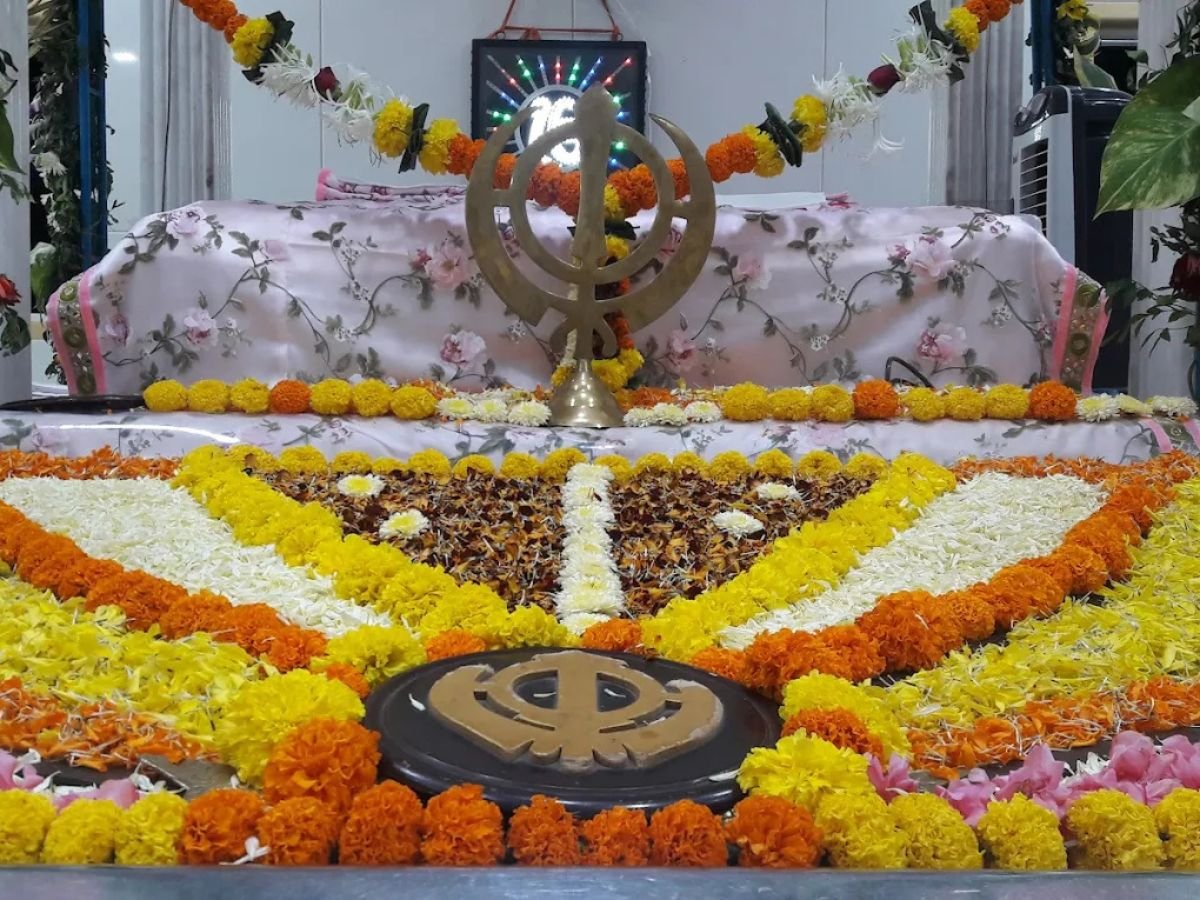
Visible from the street, the most prominent feature of the Gurudwara is the large golden dome resting on the roof. This dome serves a purpose beyond architectural beauty. In the Sikh faith, the dome represents “Ik Onkar,” which translates to “One Supreme Reality” or one God. It stands out sharply against the standard residential buildings in Kopar Khairane, acting as a constant visual reminder to the city that all people share the same humanity under one creator.
Arches of Openness
While many older religious structures keep their main prayer rooms closed off behind thick walls or small doors, this Gurudwara is built with an entirely different approach. It features wide, open arches on all sides. These sweeping arches allow natural light to fill the interior and enable people walking on the street to look directly inside. This open architectural design is a physical representation of the Sikh belief that everyone is welcome, ensuring there are no physical or mental barriers keeping people away from the Divine.
Nishan Sahib: Beacon of Sanctuary
High above the Gurudwara building stands a tall flagpole carrying a saffron-colored flag. This is the Nishan Sahib. Hundreds of years ago, when travelers covered long distances on foot or horseback, seeing this flag from far away indicated that they had found a safe haven. It meant they could access free food, clean water, and a secure place to rest for the night. Today, even in a modern metropolitan city where people travel in cars and trains, the flag upholds the exact same promise. It signals to anyone who is tired or in need that the doors remain open and help is readily available.
Community Connect: The Hind Di Chadar Event at Owe Maidan
Local Festival and Cultural Integration
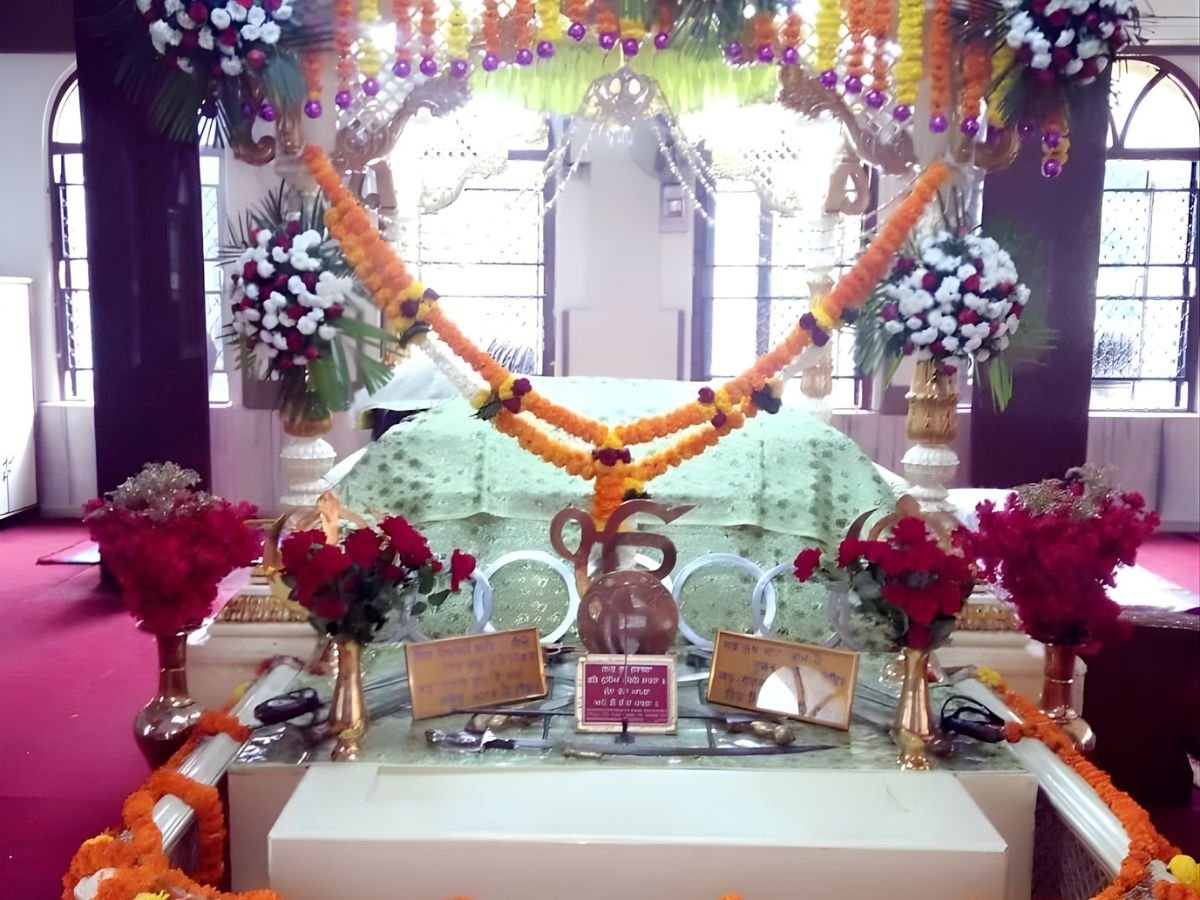
In recent years, Gurudwara Shri Dasmesh Darbar has expanded its reach by organizing large-scale events outside its own gates. One of the most significant initiatives is the Hind Di Chadar celebration, which takes place at the expansive Owe Maidan in Kopar Khairane.
This event is not restricted solely to the Sikh community. It serves as a large, open public gathering that invites participation from people of all backgrounds across Navi Mumbai. Held annually, the event features the singing of traditional prayers, musical performances, public speeches, and the serving of free food in an open ground setting. It is specifically designed to promote unity and mutual respect for different cultures within a highly diverse city.
Significance and Participation
The title of the event, “Hind Di Chadar,” translates to a shared cultural cover or blanket. It stands as a powerful symbol of social peace, protection, and mutual respect. During the gathering, traditional religious practices are observed alongside open discussions regarding history and the importance of living together peacefully in a modern society. Families from nearby housing societies, young students, and local civic leaders all attend. In a city like Navi Mumbai, where individuals from various states and religions reside closely together, public events of this nature help neighbours understand one another better and foster genuine friendships.
The Spiritual Philosophy Behind Langar
Breaking Barriers Through Shared Meals
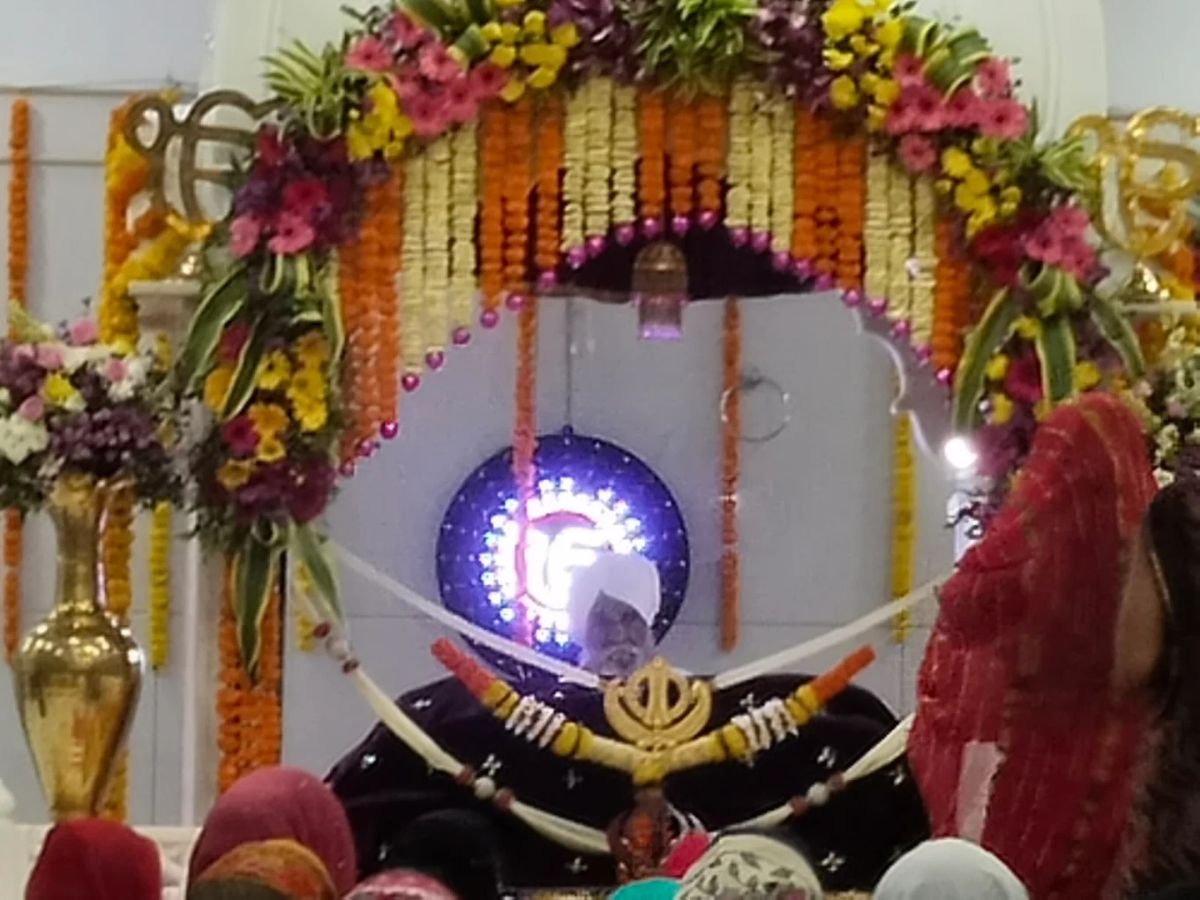
The concept of the Langar, or the free community kitchen, was established centuries ago by Guru Nanak Dev Ji. The initiative was designed to actively dismantle the strict caste system and social inequalities prevalent in India at the time. Historically, people would only dine with others belonging to their own social stratum, using food to display wealth and status.
Langar completely changed that dynamic. At the Gurudwara in Kopar Khairane, this rule of strict equality is practiced every single day. Every individual who visits the Gurudwararegardless of their religion, income bracket, or languagesits in one continuous line on the floor. This line is known as the Pangat. Every person is served the exact same simple, vegetarian meal. There are no special plates for affluent visitors, nor are there separate VIP dining sections. In an urban environment where housing societies and private clubs frequently segregate people by wealth, sitting on the floor to share a simple meal carries profound social significance.
Vand Ke Chakna and Dasvandh
The Langar operates smoothly year after year based on two primary Sikh principles. The first is Vand Ke Chakna, which dictates sharing whatever one earns with those who have less. The second is Dasvandh, which requires giving one-tenth of one’s income to support the community. The Langar at this Gurudwara does not rely on corporate sponsorships or the sale of entry tickets. It is sustained entirely by the financial contributions and grocery donations provided voluntarily by regular people. Because the community manages these donations transparently and honestly, the kitchen remains fully independent, and the public trusts the system completely.
Daily Operations and Logistics
Procurement of Raw Materials
Preparing meals for hundreds of people on a standard dayand scaling up to thousands during festivalsdemands a massive amount of planning and hard work. Every week, the kitchen utilizes extensive quantities of wheat flour, various lentils (dal), rice, fresh vegetables, sugar, pure ghee, and assorted spices.
The local community provides all of these necessary supplies. Some families deliver bags of groceries directly to the kitchen, while others make monthly financial contributions. During major festivals, the required volume of supplies increases dramatically, yet the community consistently ensures there is enough. Despite the massive scale of food preparation and service, the entire process is managed exclusively by volunteers. The Gurudwara does not hire outside catering companies to handle the workload.
Seva: The Volunteer System
Work inside the Gurudwara kitchen commences very early in the morning. Observers entering the kitchen will witness a highly organized system in action. Older men sit together rolling out round rotis, while groups of women collaboratively wash and chop large quantities of vegetables. It is also common to see young professionals, having just finished corporate shifts, standing in line to serve hot meals to visitors.
Within this kitchen, no task is considered menial. Washing dirty stainless steel plates at the sink commands the same level of respect as sitting in the main hall leading the congregation in prayer. In modern urban environments where individuals often work in isolation, this collective effort in the kitchen facilitates valuable connections between older and younger generations working toward a shared, positive goal.
Cleanliness and Food Safety
Given the volume of food served to the public, the kitchen prioritizes extreme cleanliness. The stainless steel plates, bowls, and spoons are continuously washed and dried. The floors of the dining hall are thoroughly mopped after every single group finishes their meal. Experienced senior volunteers closely supervise the cooking areas to ensure all food is prepared safely and properly. Furthermore, the menu is strictly vegetarian, ensuring that individuals from any religious or cultural background can consume the meals without concern for dietary restrictions. This rigorous focus on hygiene ensures visitors feel safe and highly respected.
Social and Urban Impact
A Daily Equalizer in a Stratified City
Life in major Indian metropolitan areas frequently highlights stark differences in wealth. The urban landscape features closed-off housing societies, expensive private schools, and luxury malls situated directly adjacent to standard local markets. However, the moment an individual steps inside the Langar hall, those societal divisions completely disappear.
A corporate manager working in a large Vashi office may find themselves sitting cross-legged on the floor directly beside a daily wage construction worker from Ghansoli. A college student from Airoli will sit next to a visitor from an entirely different state. Sitting on the exact same level physically removes the societal differences between individuals. Over time, this physical equality reshapes perspectives, fostering mutual respect among citizens. This represents tangible, practical social change occurring on a daily basis.
Crisis Response and Community Support
Residents of Navi Mumbai are well aware that the heavy monsoon rains in July can quickly bring the city to a standstill. When roads flood and the local Harbour Line trains stop running, commuters are frequently stranded without food or shelter. During such emergencies, the Gurudwara maintains the space and supplies necessary to offer immediate assistance. The Langar kitchen can operate continuously to provide hot meals, while the large halls offer a dry, safe location for stranded individuals to sleep. This infrastructure provides a profound sense of security to residents in the surrounding sectors, who know that a reliable safe haven is always nearby.
Emotional Stability and Urban Stress Relief
Navigating a fast-paced city generates considerable mental stress. Residents manage pressures from their employment, long daily commutes, and the paradox of feeling isolated while surrounded by millions of people. Many individuals visit the Gurudwara not strictly for religious observance, but to find a quiet environment to decompress. Engaging in physical service, such as sweeping the floors or washing plates, aids in calming a busy mind. Sitting and eating alongside others helps mitigate feelings of loneliness. The quiet atmosphere, the rhythmic sounds of the kitchen, and the aroma of the food establish a very steady, comforting routine.
Scaling During Major Festivals
Gurpurab and High Attendance Days
On highly significant religious dates such as Gurpurab (which commemorates the birth of the Gurus) and Vaisakhi, the attendance at Sector 23 increases exponentially. The Gurudwara prepares to welcome thousands of additional visitors throughout the day and night. The kitchen drastically increases food production, and numerous volunteers take leave from their regular jobs to assist. The food distribution operates in continuous, unbroken cycles. Yet, even with thousands of attendees arriving, the core principle remains intact: every single person is treated equally and served with the utmost respect.
Community Mobilisation
These festival days provide a clear demonstration of the local Sikh community’s organizational capabilities. Volunteers efficiently manage the heavy external traffic, organize designated areas holding thousands of pairs of shoes, serve food rapidly, and maintain a spotless environment while continuous prayers proceed inside the main hall. This highlights not only their deep religious devotion but also their exceptional civic planning and operational discipline.
Daily Maryada, Education, and Visitor Experience
The Daily Maryada: Discipline and Sacred Time
A Gurudwara operates on a highly structured and respected daily schedule based on the Sikh Rehat Maryada, the official code of conduct for prayers and behavior. At Gurudwara Shri Dasmesh Darbar, the daily routine commences long before the majority of Navi Mumbai wakes up.
Amrit Vela and Morning Prayers
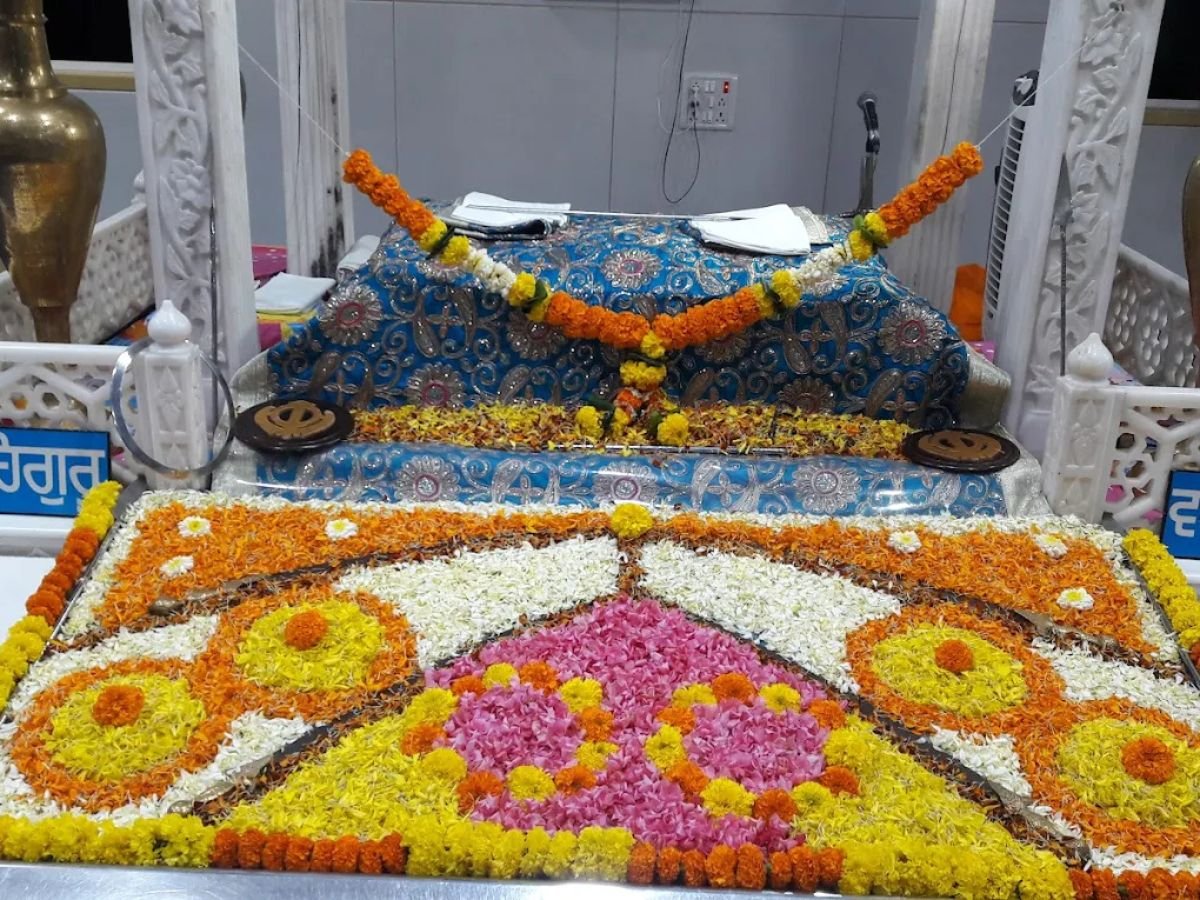
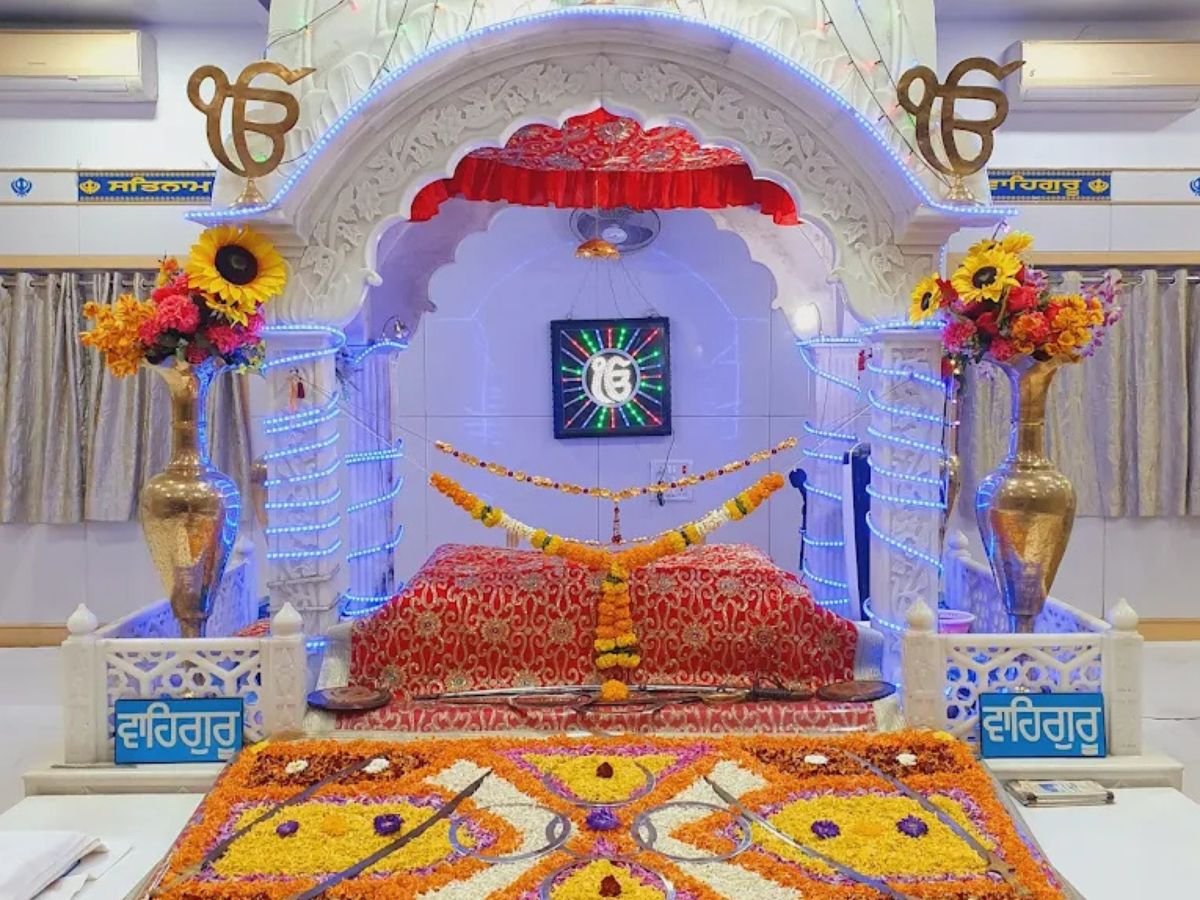
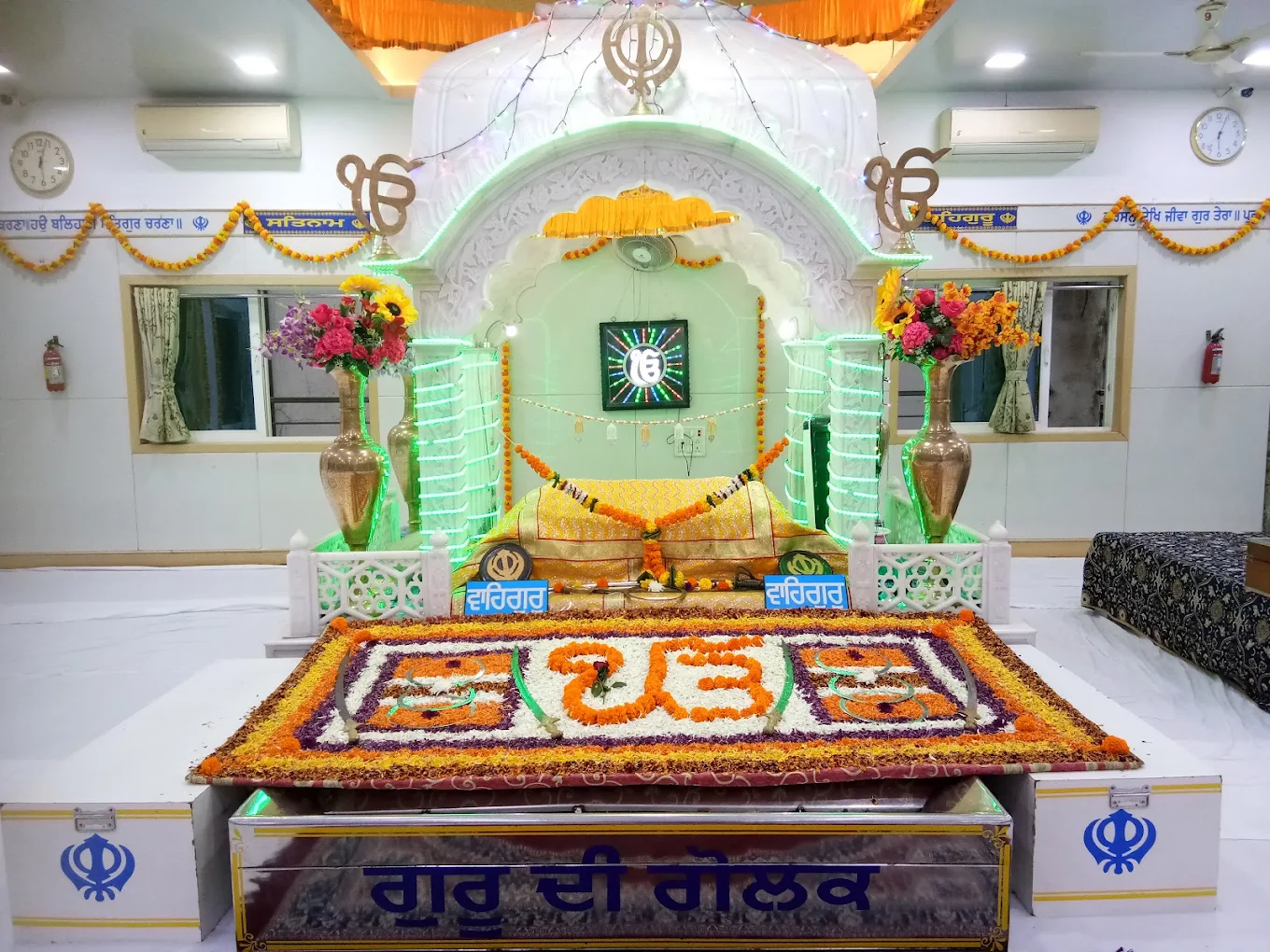
At approximately 3:30 AM, the heavy doors of the Gurudwara open. This pre-dawn period is known as Amrit Vela, recognized as a deeply peaceful and powerful time for prayer. The atmosphere inside the hall is completely silent and highly focused. During the Prakash ceremony, the Guru Granth Sahib is respectfully moved from its night resting room and placed upon the main central structure called the Palki Sahib. For adherents of the Sikh faith, the Guru Granth Sahib is not simply a holy text; it is revered as the eternal, living Guru.
Following this ceremony, the morning prayers, known as Nitnem, commence. Attendees sit quietly on the carpeted floor to listen. By sunrise, the melodic singing of Asa Di Vaar fills the hall, establishing a calm and positive tone for the day ahead.
Midday Katha and Reflection
Later in the morning and into the afternoon, spoken sessions called Katha are held. During these sessions, speakers elucidate Sikh history, moral values, and life lessons using accessible language. For office workers taking a midday break or senior citizens residing in Kopar Khairane, this provides a valuable opportunity to step away from daily responsibilities and reflect on deeper ethical principles.
Evening Rehraas and Sukhasan
Following sunset, the congregation recites the evening prayer, Rehraas Sahib. This serves as a time for individuals to express gratitude after concluding their daily work. Later, at approximately 9:00 PM, the final ceremony of the day, Sukhasan, is performed. The Guru Granth Sahib is respectfully returned to its resting room for the night. The main hall becomes quiet and the lights are dimmed, concluding the day with the assurance that the highly disciplined routine will seamlessly resume the following morning.
Dashmesh Academy: Preserving Language and Identity
Language serves as a crucial vessel for culture. If a younger generation loses its language, associated traditions slowly fade. Recognizing this vital connection, the Gurudwara established the Dashmesh Academy in January 2005 to teach the Punjabi language, the Gurmukhi script, and detailed Sikh history.
Presently, over 300 students attend these classes, predominantly during the evening hours following their regular school day. Proficiency in Gurmukhi is critical, as the Guru Granth Sahib is written in this script. Reading the original text directly provides a much deeper contextual understanding than relying solely on translated English versions. In a region where the majority communicate daily in Marathi, Hindi, or English, these specific language classes ensure the community’s original language remains active among the youth.
Kirtan Training for Youth
In addition to language instruction, approximately 40 students receive formal training in classical Kirtan music. They are instructed on proper vocal techniques, the playing of traditional instruments such as the harmonium and tabla, and the deep emotional meaning behind traditional Sikh compositions. This represents rigorous musical training. By facilitating these skills directly within the Gurudwara premises, the community ensures their traditional musical heritage remains robust for future generations.
Library and Cultural Resources
The Gurudwara also maintains an on-site library populated with religious books and historical texts. College students conducting historical research, or local residents interested in expanding their knowledge of the religion, frequently utilize these resources. This facility underscores the Gurudwara’s commitment to prioritizing education alongside spiritual practice.
Visitor Guide: What First-Time Visitors Should Know
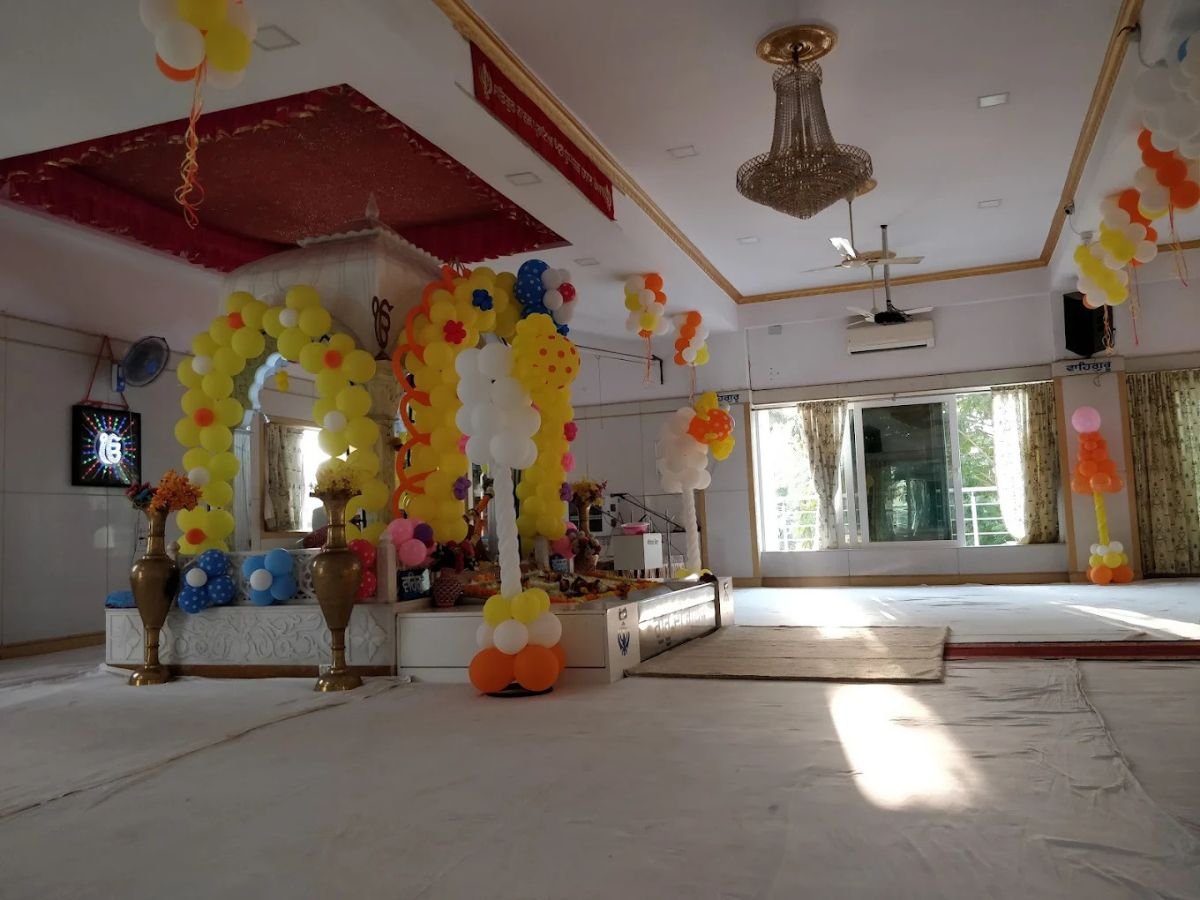
Many visitors to the Gurudwara in Navi Mumbai are not of the Sikh faith. Individuals may visit to admire the architecture, experience the culture during large festivals, or simply find a quiet place to reflect. Understanding the basic etiquette of the Gurudwara helps ensure a comfortable and respectful experience for all.
Head Covering and Footwear
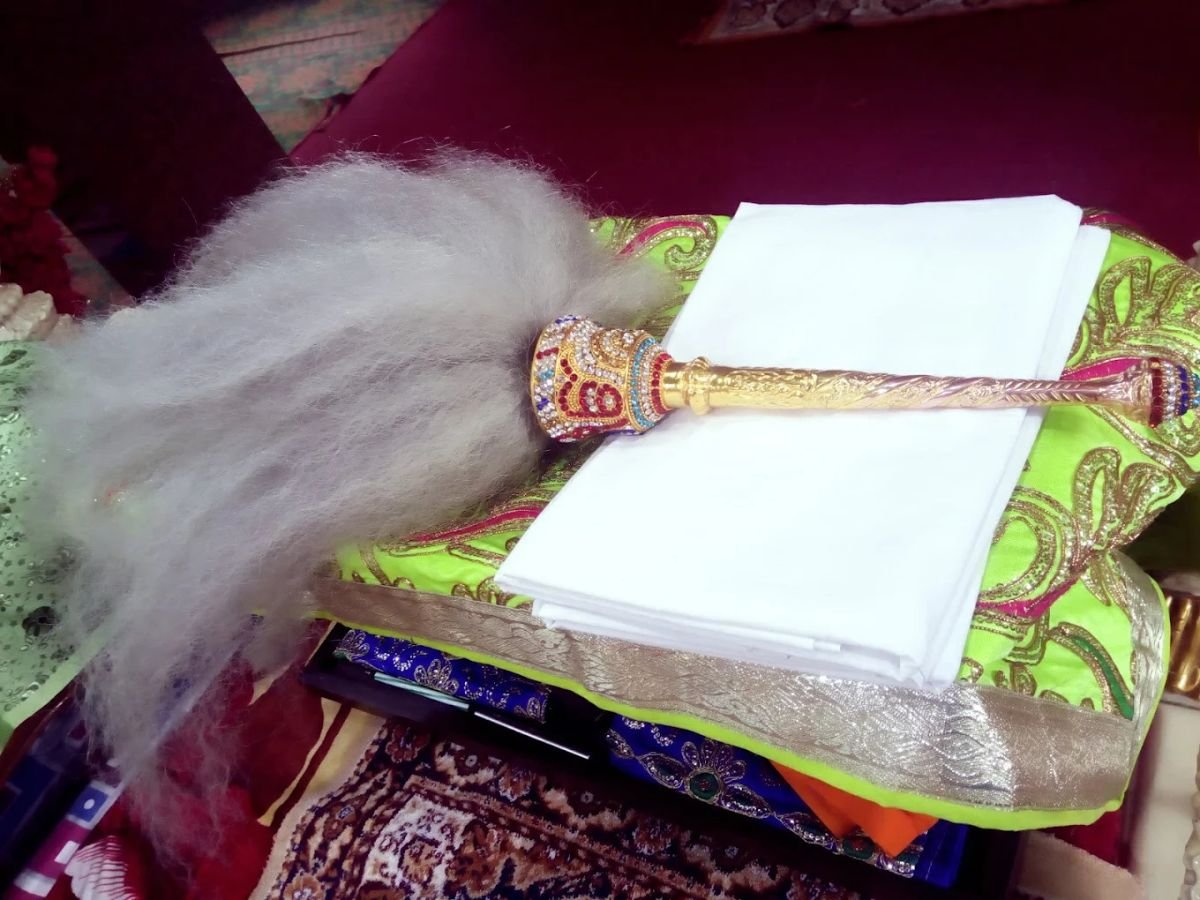
Before entering the main Gurudwara complex, all visitors must cover their heads. If a visitor does not have a scarf or handkerchief, clean cloths are provided at the main entrance for this specific purpose. Visitors are also required to remove their footwear and leave them at the designated shoe counter, known as the Jora Ghar. Removing footwear and covering the head are foundational rules that demonstrate respect and remind everyone to leave their personal pride at the door.
Washing Hands and Feet
Adjacent to the entrance door is a designated area with clean, running water where visitors are expected to wash their feet. Sinks are also provided for washing hands. Achieving physical cleanliness before entering the prayer hall assists visitors in preparing to be mentally focused and respectful.
Bowing Before the Guru Granth Sahib
Upon stepping inside the main Darbar Hall, it is customary for visitors to walk down the center aisle toward the front and bow their heads until their forehead touches the floor. This action, called Matha Tekna, is a universal gesture of deep respect. Visitors are not required to perform any other religious rituals or know the specific prayers. Maintaining a quiet and respectful demeanor inside the hall is entirely sufficient.
Receiving Karah Parshad
As visitors prepare to exit the main hall, a volunteer distributes Karah Parshad. This is a warm, sweet offering prepared from equal portions of whole wheat flour, sugar, and pure ghee. Every visitor receives the exact same amount in their cupped hands, reinforcing the core institutional belief in absolute equality.
Accessibility and Inclusiveness
The Gurudwara is structurally designed to be universally accessible. It features flat ramps for wheelchairs, allowing senior citizens and differently-abled visitors to navigate the premises safely and comfortably. There are no entry tickets, no membership requirements, and visitors are never questioned regarding their personal religious beliefs. In an urban landscape where many establishments require identification or high entry fees, this strictly open-door policy remains a rare and highly valued civic asset.
Festivals, Public Gatherings, and Civic Presence
Gurpurab and Major Sikh Festivals in Kopar Khairane
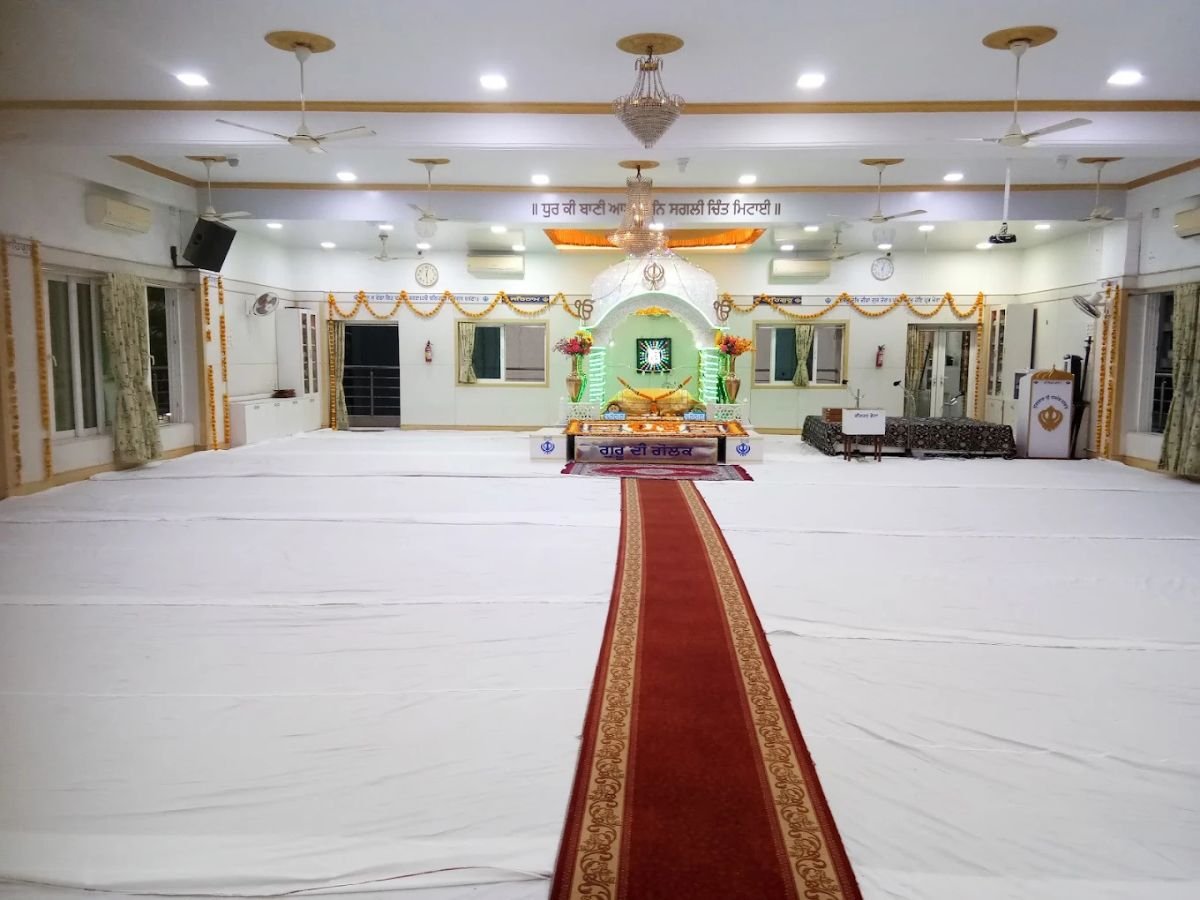
During major festivals celebrating the lives of the Sikh Gurus, Sector 23 undergoes a visible transformation. The entire Gurudwara building is illuminated with bright lights, the singing of hymns is extended for several hours, and the Langar kitchen scales up to prepare massive quantities of food. Families from across Navi Mumbaiincluding Vashi, Nerul, Ghansoli, Airoli, and the neighboring city of Thanetravel to attend. Despite the significant surge in attendance, operations remain perfectly organized. Volunteers effectively manage street parking, organize the shoe counters, serve food efficiently, and guide the crowds to ensure everyone can pray peacefully.
Nagar Kirtan Processions
On specific, highly important dates, the community organizes a Nagar Kirtan, which is a large public procession routed through the main streets of Kopar Khairane. During these processions, young men demonstrate traditional martial arts skills (known as Gatka), the congregation sings together, and volunteers distribute sweets and water to bystanders on the footpaths. The Gurudwara committee collaborates closely with the Navi Mumbai Police and the local municipal corporation to ensure traffic is managed safely and public disruption is minimized. Neighbours of various religious backgrounds frequently observe the procession from their homes to show respect, which actively builds strong, positive relationships with the broader city.
Hind Di Chadar Event at Owe Maidan
As previously noted, the Gurudwara organizes the substantial Hind Di Chadar event at Owe Maidan. This specific title honors the history of Guru Tegh Bahadur Ji, who sacrificed his life to defend the fundamental right of all people to practice their own religion freely. Hosting this event in a large public ground rather than within the Gurudwara walls permits thousands of additional residents to participate. The event focuses on sharing historical knowledge and teaching the youth about courage and universal respect for all communities. Encouraging individuals from completely different backgrounds to attend this public gathering helps the citizens of Navi Mumbai connect and fosters a peaceful coexistence.
Crisis Response and Civic Responsibility
The metropolitan areas of Mumbai and Navi Mumbai experience heavy annual rains that routinely cause severe waterlogging and disrupt normal daily life. During these sudden civic emergencies, the Gurudwara reacts rapidly. The Langar kitchen transitions to non-stop operation to provide hot meals, clean drinking water is actively distributed, and the large prayer halls are opened to provide a safe, dry space for individuals unable to reach their homes. These actions are taken on their own initiative, without requiring government directives. Furthermore, the Gurudwara occasionally hosts dialogues regarding human rights and social justice, demonstrating a deep, ongoing commitment to real-world issues and the safety of the surrounding population.
Integration Within the Kopar Khairane Ecosystem
Proximity to Local Infrastructure
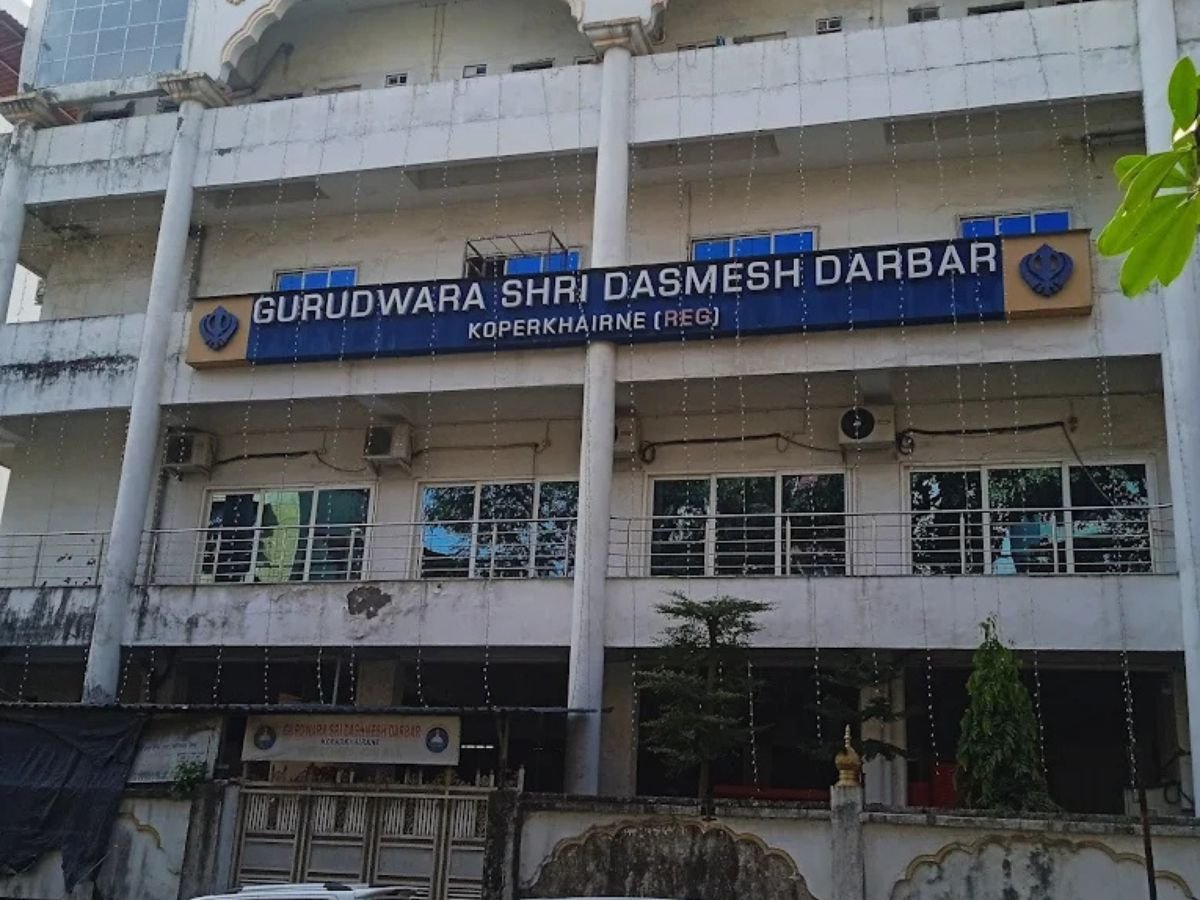
The Gurudwara is strategically situated immediately adjacent to standard housing societies, local schools, and daily vegetable markets. Because it is located at the center of normal daily activity, it functions as a natural, integrated component of the neighbourhood. Young students pass the gates daily on their commute to school, and office workers observe the illuminated building upon returning from the railway station at night. This consistent, daily visibility builds a profound level of trust between the institution and local residents.
A Space for Emotional Stability
The demands of modern city life can leave individuals feeling fatigued and heavily stressed. For many local residents, the Gurudwara provides a highly necessary quiet refuge. Visitors may enter to pray, to sit quietly and close their eyes, or to volunteer their time washing dishes in the kitchen. Engaging in simple physical service allows individuals to temporarily detach from their daily professional anxieties. This available mental and emotional support is extremely beneficial for the overall well-being of city residents.
The Role of the Nishan Sahib in the Urban Landscape
Standing prominently in the center of Sector 23, the Nishan Sahib flag serves as a public indicator of permanence and stability. In a rapidly developing city where infrastructure is constantly being upgraded and new high-rises are continuously constructed, maintaining a steady, unchanging landmark helps residents feel secure. The local population understands that as long as that flag is flying, they will consistently have access to a free meal and be treated with basic human respect.
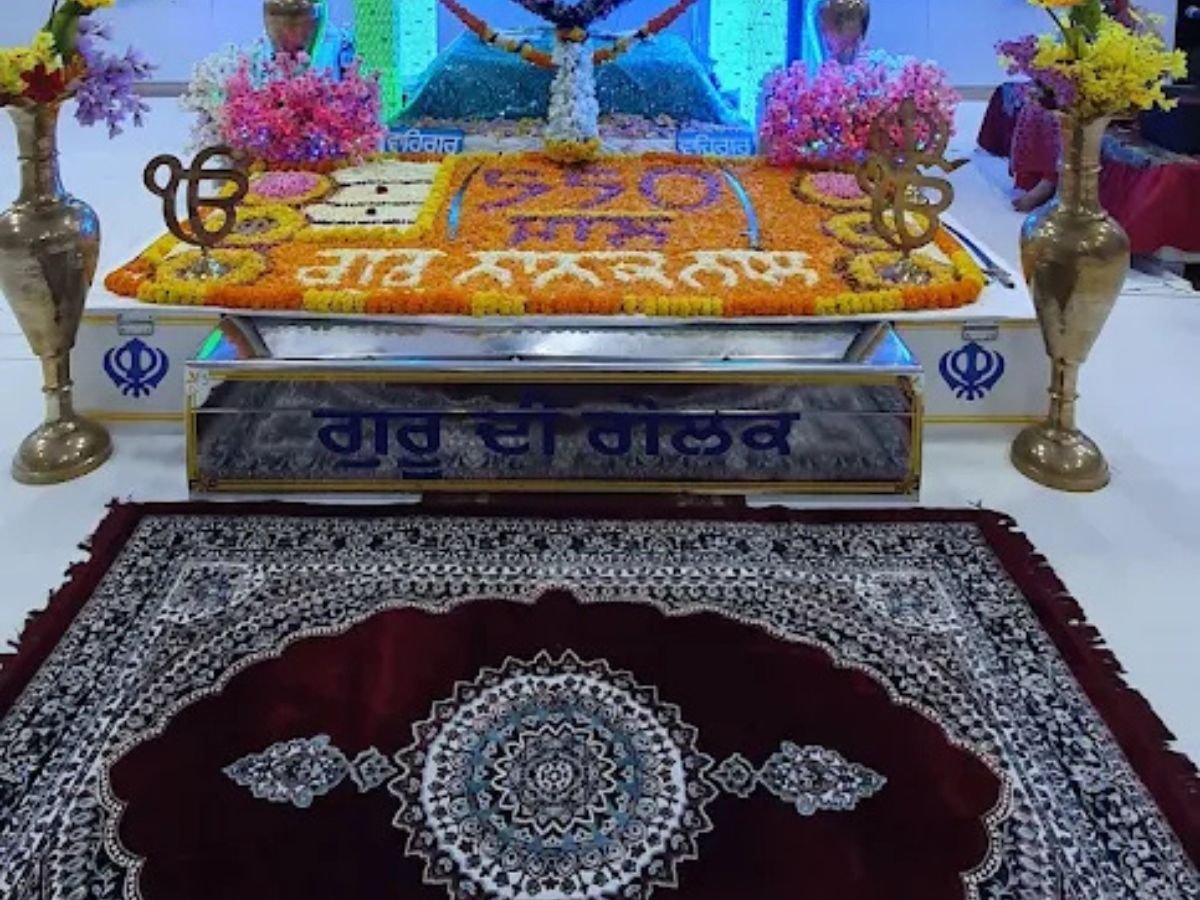
The Gurudwara is precisely located in Sector 23, Kopar Khairane, Navi Mumbai. It is highly accessible via local trains, city buses, or major road networks, making it convenient for both local residents and visitors traveling from outside the city limits.
How to Reach From Gurudwara Shri Dasmesh Darbar, Kopar Khairane to NMIA
By Car
| Trip Summary: Kopar Khairane to Navi Mumbai International Airport | |
|---|---|
| Starting Point | Gurudwara Shri Dashmesh Darbar, Sector 23, Koparkhairane |
| Destination | Navi Mumbai International Airport (Passenger Terminal 1) |
| Total Distance | 18.8 km |
| Estimated Time | 36 minutes (By Car) |
| Major Roads | Thane – Belapur Rd, Sion – Panvel Hwy, NH348A |
| Key Landmarks | Tejvedaant Hospitals, Koparkhairane Station, Ulwe Exit, MLCP 11 |
By Bus
| Route Option | Bus Details (Bus No., Stops, Time) | Starting Point | Transfer / Via Points | Final Bus Stop | Service |
|---|---|---|---|---|---|
| Option 1 |
Bus 4 (3 stops, 4m) Bus 31 (29 stops, 48m) Bus A-3 (2 stops, 6m) | Mata Bal Hospital | R.F. Naik School, Reti Bandar | NMIAL Terminal 1 | NMMT |
| Option 2 |
Bus 62AC (14 stops, 16m) Bus A-4 (10 stops, 20m) | Koperkhairane Sec-7/15 | Vashi Stn (Train), Nerul Stn (E) | NMIAL Terminal 1 | NMMT |
| Option 3 |
Bus 18AC (49 stops, 1h) Bus A-2 (2 stops, 6m) | Koperkhairane Sec-7/15 | Reti Bandar | NMIAL Terminal 1 | NMMT |
| Option 4 |
Bus 4AC (12 stops, 14m) Bus A-4 (10 stops, 20m) | Mata Bal Hospital | Ghansoli Stn (Train), Nerul Stn (E) | NMIAL Terminal 1 | NMMT |
| Option 5 |
Bus 8 (16 stops, 18m) Bus A-3 (11 stops, 16m) | Mata Bal Hospital | Vashi Stn (Train), Belapur CBD/Depot | NMIAL Terminal 1 | NMMT |
| Option 6 |
Bus 8 (16 stops, 18m) Bus A-4 (10 stops, 20m) | Mata Bal Hospital | Vashi Stn (Train), Nerul Stn (E) | NMIAL Terminal 1 | NMMT |
How to Reach From Gurudwara Shri Dasmesh Darbar, Kopar Khairane to Railway Station
By Car
| Route Option | Distance | Est. Time | Primary Roads |
|---|---|---|---|
| Route 1 (Shortest) | 5.3 km | 16 min | Vashi Kopar Khairane Rd & Pavaneshva Flyover |
| Route 2 (Fastest) | 5.8 km | 15 min | Dr Babasaheb Ambedkar Rd & Thane-Belapur Rd |
| Route 3 (Standard) | 5.6 km | 17 min | Ghansoli Station Rd & Pavaneshva Flyover |
By Bus
| Bus No. / Name | Operator | Boarding Point | Alighting Point | Duration | Stops | Fare |
|---|---|---|---|---|---|---|
| 125AC (Borivali Station) | NMMT | Shubham Palace Sec. 15/7 | Terna College / Mahape Naka | 6–12 min | 5–9 | ₹12.00 |
| 4 (Chendani Koliwada) | NMMT | Mata Bal Hospital | Terna College / Mahape Naka | 7–13 min | 7–11 | ₹11.00 |
How to Reach From Gurudwara Shri Dasmesh Darbar, Kopar Khairane to Bus Depot
By Car
| Route: Gurudwara Shri Dashmesh Darbar to Kopar Khairane Bus Depot (By Car) | |
|---|---|
| Step | Directions & Landmarks |
| 1 | Head toward Master Aakash Mahesh Munshi Rd. Pass by Tejvedaant Hospitals (300 m). |
| 2 | Turn right at PRATIMA Handcrafted Collection. Pass by Om Sai Datta Enterprises (600 m). |
| 3 | At AR Bike Point, continue onto Dr Babasaheb Ambedkar Rd. Pass by Teen tanki Jct (170 m). |
| 4 | Turn left at Koparkhairne MSEB Office (60 m). |
| 5 | Turn left at Dr Vaishali Umbarkar- Gynecologist and Obstetrician (94 m). |
| Arrival | Kopar Khairane Bus Depot, Sector 3, Navi Mumbai. |
By Bus
| Bus No. | Start Point (Boarding) | Intermediate Stop | End Point (Destination) | Travel Time | Fare (₹) |
|---|---|---|---|---|---|
| 4 | Mata Bal Hospital | Kopar Khairane (Teen Taki) | Kopar Khairane Bus Depot | 9 min | ₹7.00 |
| 8 | Mata Bal Hospital | Kopar Khairane (Teen Taki) | Kopar Khairane Bus Depot | 9 min | ₹7.00 |
| 4AC | Mata Bal Hospital | Kopar Khairane (Teen Taki) | Kopar Khairane Bus Depot | 9 min | ₹10.00 |
| 31 | Shubham Palace Sec. 15/7 | Direct (Non-stop) | Kopar Khairane Bus Depot | 11 min | ₹7.00 |
How to Reach From Gurudwara Shri Dasmesh Darbar, Kopar Khairane to CSMIA
By Car
| Route Option | Distance (km) | Estimated Time | Key Landmarks |
|---|---|---|---|
| Route 1 (via Vashi) | 26.5 km | 1 hr 10 min | Vashi Railway Station, Ghatkopar-Mankhurd Link Rd, SCLR Flyover |
| Route 2 (via BKC Connector) | 29.6 km | 1 hr 32 min | Vashi Toll Plaza, BKC Connector, Bandra Kurla Complex Rd |
| Route 3 (via Airoli) | 32.9 km | 1 hr 15 min | Thane-Belapur Rd, Mulund-Airoli Rd, Santacruz-Chembur Link Rd |
By Bus
| Route Type | Bus Number & Route | Service Provider | Key Stops / Transfers | Total Journey Time |
|---|---|---|---|---|
| Bus + Bus + Metro | Bus 8 (to Vashi) + Bus C-505 (to BKC) + Metro Line 3 | NMMT, BEST, MMRCL | Mata Bal Hospital, Vashi Bus Station, Income Tax Office (BKC), Bandra-Kurla Complex Metro | 1 hr 54 min |
| Bus + Train + Bus | Bus 8 (to Vashi) + Train (to Vile Parle) + Bus 321 LTD | NMMT, Central Railway, BEST | Mata Bal Hospital, Vashi Station, Vile Parle Station (E), Domestic Airport Terminal 1-A | 1 hr 51 min |
| Bus + Train + Metro | Bus 9AC (to Vashi) + Train (to Ghatkopar) + Metro (Versova Line) + Metro Line 3 | NMMT, Central Railway, MMOPL, MMRCL | Koperkhairane Sector-7/15, Vashi Station, Kurla, Ghatkopar, Marol Naka | 1 hr 30 min – 1 hr 31 min |
| Bus + Bus + Metro | Bus 9AC (to Vashi) + Bus C-505 (to BKC) + Metro Line 3 | NMMT, BEST, MMRCL | Koperkhairane Sector-7/15, Vashi Bus Station, Income Tax Office (BKC), Bandra-Kurla Complex Metro | 1 hr 46 min |
| Bus + Bus + Metro | Bus 4AC (to Millennium Business Park) + Bus 525 LTD + Metro Line 3 | NMMT, BEST, MMRCL | Mata Bal Hospital, Millennium Business Park, Aarey Jvlr Metro Station | 1 hr 53 min |
By Railway: Nearest Station Access
🚆 CSMT to Kopar Khairane Gurudwara Transit Guide
Total Travel Time: 1 hr 15 min| Time | Mode | Route & Landmark Directions | Duration |
|---|---|---|---|
| 1:15 PM | 🚆 Local Train | Depart from CSMT. Head to Platform 1 and board Train 98123 on the Central Railway line, heading towards Panvel (S). | 49 min (15 stops) |
| 2:04 PM | 🚶 Walk | Arrive at Vashi Station. Take the stairs and exit via Exit 3. Walk approx 174m to the Vashi Railway Station-3 bus stop. *Use caution as some sections may not be suited for walking. | About 3 min |
| 2:12 PM | 🚌 NMMT Bus | Board Bus No. 8. Take the NMMT bus heading towards Chendani Koliwada (C.I.D.C.O). Alight when you reach the Mata Bal Hospital stop. | 17 min (16 stops) |
| 2:29 PM | 🚶 Walk | Walk to Gurudwara. Head towards Master Aakash Mahesh Munshi Rd. You will pass Tejvedaant Hospitals on your left. Destination is on the right. | About 1 min (72m) |
| 2:30 PM | 📍 Arrival | Kopar Khairane Gurudwara. Sardar Gurucharan Singh Kocher Marg, Sector 23, Kopar Khairane, Navi Mumbai, Maharashtra 400709. | End of Journey |
💡 Pro-Tip for Travelers: Real-time information and updates on trains can be tracked using third-party sources like “Where is my Train”.
By Bus: NMMT and Local Connectivity
For visitors utilizing the bus network, the Navi Mumbai Municipal Transport (NMMT) provides highly reliable service. Passengers should alight at the Kopar Khairane Bus Depot , which is located about 1 kilometer away from the Gurudwara. From the bus depot, a quick 3-minute auto-rickshaw ride will reach the destination. Regular, frequent bus services arrive at this depot from Vashi, Airoli, Ghansoli, Nerul, and CBD Belapur throughout the day.
By Road: Private Vehicle and Taxi
For individuals driving a private car or two-wheeler from the Eastern Suburbs of Mumbai, the standard route involves taking the Eastern Express Highway, crossing over the Airoli Bridge into Navi Mumbai, and merging directly onto the main Thane-Belapur Road . From the Thane-Belapur road, drivers should take the left turn into Kopar Khairane heading toward Sector 23. This drive generally takes between 45 minutes to an hour, heavily dependent on traffic conditions over the bridge.
Visitors approaching from local nodes like Vashi or Nerul will also travel directly up the Thane-Belapur Road. Limited street parking is available near the Gurudwara for private vehicles. However, if planning a visit during a major festival day, the surrounding streets become heavily congested. On such occasions, utilizing ride-hailing services like Ola or Uber is highly recommended to avoid parking difficulties. For international or out-of-state visitors traveling directly from the Mumbai International Airport, the drive via the Airoli Bridge takes just over an hour.
Nearby Landmarks for Navigation
If GPS navigation fails or drivers require local directions, asking pedestrians for the “Sector 23 Market Area” is the most effective strategy. Due to the impressive height of the Nishan Sahib flag, the Gurudwara building becomes very easy to spot from a distance once entering the sector.
Best Time to Visit
For a quiet, peaceful visit devoid of large crowds, it is advisable to arrive early in the morning between 7:00 AM and 9:00 AM, or during the late afternoon on a standard weekday. Visitors seeking to experience highly active community gatherings and the large-scale Langar service should plan their visit to coincide with Gurpurab or Vaisakhi. It is important to anticipate heavier road traffic and larger crowds inside the complex on those specific dates.
Conclusion
Gurudwara Shri Dasmesh Darbar in Sector 23, Kopar Khairane, operates as a profoundly strong and permanent fixture in Navi Mumbai’s daily civic life. What began decades ago as a challenging effort by displaced families to preserve their faith and community has successfully evolved into a highly respected, active institution that serves thousands of individuals today.
Its established history reflects remarkable resilience and hard work. Its open architectural design communicates a welcoming attitude to the broader world. The daily execution of the Langar demonstrates that the principle of universal equality is put into tangible action every single day. By providing free language education to children, orchestrating massive public events like Hind Di Chadar at Owe Maidan, and offering busy urban residents a quiet sanctuary to pray, the Gurudwara expertly bridges historical, traditional values with the rapid reality of modern city life.
FAQs
Frequently Asked Questions