
Hind Di Chadar Kharghar International Visitors Guide Navi Mumbai
The 350th Shaheedi Samagam of Guru Tegh Bahadur, widely known as Hind Di Chadar, will take place on February 28 and March 1, 2026 at Owe Maidan, Sector 29, Kharghar. Authorities expect a gathering of 15 to 20 lakh devotees over two days, including international delegations and dignitaries. This is not a routine religious event. It is one of the largest coordinated spiritual congregations ever hosted in Navi Mumbai.
The event is being managed at a state level with coordination between the Konkan Divisional Commissioner’s office, Navi Mumbai Municipal Corporation, and Navi Mumbai Police For international visitors, understanding entry routes, transit corridors, safety systems, and venue logistics is essential before arrival. This guide focuses strictly on practical planning and ground navigation.
Quick Summary Table
| Category | Key Information |
|---|---|
| Event Dates | February 28 – March 1, 2026 |
| Venue | Owe Maidan, Sector 29, Kharghar |
| Expected Footfall | 15–20 lakh devotees |
| Main Pavilion Capacity | 80,000 seats |
| Total Ground Capacity | Approx. 5 lakh at a time |
| Recommended Airport Route | Atal Setu + Ulwe Coastal Road |
| Metro Access | Central Park / Pethpada Stations |
| Security Deployment | 3,000 police + 2,000 volunteers |
| On-site Medical Units | 5 temporary centers + 1 ICU |
What Is Hind Di Chadar Kharghar 2026?
Hind Di Chadar refers to Guru Tegh Bahadur, the Ninth Sikh Guru, who was martyred in 1675 for defending religious freedom. The 350th anniversary is being commemorated as a major state-level program in Maharashtra, bringing together Sikh, Sindhi, Banjara, Labana, Mohyal, and other communities under a unified theme of spiritual harmony The scale and official presence make this event nationally significant.
The main congregation will be held at Owe Ground, also called Corporate Park, in Sector 29, Kharghar. A main pavilion with seating for approximately 80,000 people has been constructed, while the larger ground can accommodate up to 5 lakh people at a time Crowd rotation will continue across two days, making timing and mobility planning extremely important.
How to Reach Hind Di Chadar Kharghar from International Airports
| Mode of Transport | Estimated Time | Distance | Route & Key Details |
|---|---|---|---|
Taxi / Cab (Direct Route) Tolls Apply | 1 hr 21 min | 37.0 km |
The most direct driving route from Chhatrapati Shivaji Maharaj International Airport to Kharghar. Key Transit Points: NH 48, Ghatkopar – Mankhurd Link Rd, and the Sion – Panvel Hwy. |
Taxi / Cab (Alternate Route) Tolls Apply | 1 hr 48 min | 48.3 km |
An alternative driving route in case of heavy traffic on the main highway. Key Transit Points: SCLR Flyover, Mulund – Airoli Rd, and Thane – Belapur Rd. |
Public Transit (Metro + Train + Bus) | Approx. 2 hr 4 min | N/A |
A cost-effective way to travel like a local, utilizing Mumbai’s public transport network. Journey Breakdown:
|
Hind Di Chadar Kharghar International Visitors Guide
Most international visitors will arrive at Chhatrapati Shivaji Maharaj International Airport in Mumbai. From there, two major road corridors connect to Kharghar: the traditional Sion-Panvel Highway and the Atal Setu, officially known as the Mumbai Trans Harbour Link. Choosing the correct route can reduce travel time by nearly one hour during peak congestion
The Atal Setu spans 22 kilometers and connects Sewri to Nhava Sheva, providing signal-free movement into Navi Mumbai. During the Samagam dates, heavy vehicle restrictions and freight diversion plans are active, but congestion on Sion-Panvel Highway is still expected due to port-linked truck traffic from JNPT For time-sensitive international delegations, Atal Setu combined with the Ulwe Coastal Road offers the most reliable approach.
Mumbai Airport to Kharghar: Atal Setu vs Sion-Panvel Route
Via Atal Setu, travel time from CSMIA to Kharghar is approximately 45 to 60 minutes under regulated conditions. The route bypasses dense central Mumbai traffic and minimizes interaction with heavy freight vehicles. Road standards are premium expressway quality, which is relevant for diplomatic or security-managed travel
In contrast, the Sion-Panvel Highway typically takes 90 to 120 minutes during active hours. Around 25,000 heavy vehicles pass through the JNPT belt daily, and despite peak-hour bans, residual congestion is common During large-scale events in Kharghar, this corridor historically experiences bottlenecks near Vashi and Belapur interchanges.

Public Transport Option: AC NMMT Buses and Metro Connectivity
For visitors not using private vehicles, Navi Mumbai Municipal Transport has enhanced its AC bus network. Routes such as 125AC, 504AC, and S-105 connect major nodes including Borivali, Wadala, and even the Domestic Airport to Kharghar vicinity These buses stop near Jalvayu Vihar and Shilp Chowk, which are within walking or shuttle distance of Sector 29.
Navi Mumbai Metro Line 1 connects CBD Belapur to Pendhar and includes Central Park and Pethpada stations near the venue. Operating from 6:00 AM to 10:00 PM with 15-minute frequency, the metro is expected to absorb significant local footfall Visitors arriving by Harbour Line suburban train should alight at Kharghar Station and transfer via metro or shuttle for the final stretch.
Venue Access: Owe Maidan Sector 29
Owe Maidan in Sector 29, Kharghar has been transformed into a controlled-access event zone capable of handling lakhs of devotees at a time. The core pavilion accommodates approximately 80,000 seated attendees, while the extended open ground can manage up to five lakh individuals in rotational flow This means access timing directly affects comfort and mobility.
A 1–2 kilometer radius around the venue has been declared a restricted vehicular zone during peak congregation hours Private vehicles, taxis, and app-based cabs will not be permitted near the main pavilion. Visitors must plan for a structured pedestrian approach from designated drop-off and parking points.
Pedestrian Corridors and Walking Approach Strategy
Authorities have developed barrier-protected pedestrian pathways leading from ST and NMMT drop points toward the main pavilion. These corridors are designed to prevent cross-flow movement, which is a major risk factor in high-density gatherings Directional signage will guide visitors sector-wise to minimize confusion.
From Central Park Metro Station, the advised route is north-west toward Sector 29 residential blocks. The walk typically ranges between 12 to 18 minutes depending on crowd density. Footwear selection becomes important here, as the final stretch includes uneven temporary flooring in certain areas due to large-scale infrastructure setup.

The 30 Designated Parking Lots: Decentralized Vehicle Strategy
To prevent bottlenecks around Shilp Chowk and Kharghar Railway Station, authorities have identified 30 designated parking zones across the periphery of Kharghar These lots are categorized by visitor type and geographic origin to distribute traffic load evenly.
Instead of converging vehicles at one entry point, parking zones are distributed across eastern, western, and southern sectors. Shuttle movement and controlled pedestrian corridors connect these zones to Owe Maidan, reducing pressure on internal residential roads.
Parking Zones by Category
The VVIP and diplomatic parking zone is positioned adjacent to the Corporate Park helipad area. This location allows direct secured access for government and international delegations without mixing with general pedestrian corridors Security screening layers are separate in this section.
Zone A on the eastern side is designated for buses arriving from Pune and Nanded, typically near Taloja Phase 1 and Sector 35. Zone B on the western side serves private vehicles coming from Mumbai near Belpada and Sector 15. Zone C toward the south supports local NMMT and ST shuttle parking near Kharghar Railway Station Each zone reduces localized gridlock in Sector 29.
Kopra Temporary Bridge: Strategic Alternate Exit Route
One of the most significant but less publicly discussed components of the traffic plan is the temporary bridge constructed at Kopra This bridge connects interior Kharghar sectors directly to the Belapur-Uran arterial corridor, bypassing the traditional Shilp Chowk bottleneck.
High-authority visitors and organized delegations are advised to use the Sector 26–Kopra approach rather than routing through Kharghar Station or main highway intersections. Historically, major events in Kharghar see heavy pedestrian clustering near railway exits. The Kopra access point experiences comparatively lower friction during exit waves.
Heavy Vehicle Restrictions and JNPT Freight Diversion
The Jawaharlal Nehru Port Authority corridor handles approximately 25,000 heavy vehicles daily During the Samagam period, peak-hour bans between 8:00–11:00 AM and 5:00–9:00 PM restrict truck movement across key stretches of Navi Mumbai.
Freight traffic heading toward the hinterland is being rerouted through alternative corridors including the Eastern Freeway and Kalamboli bypass networks While this reduces industrial congestion, residual traffic pressure is still expected near Sion-Panvel Highway, reinforcing the preference for Atal Setu access.
Crowd Timing Strategy: Entry and Exit Intelligence
The largest exit surge is expected immediately after the main address sessions on March 1 between 2:00 PM and 3:00 PM. Experience from previous large-scale gatherings in Kharghar shows that attempting immediate departure during the first wave results in long pedestrian queues and delayed vehicle access.
A practical strategy is either to leave 30 minutes before the main session concludes or remain for the evening Diwan when the initial crowd dispersal stabilizes Metro movement toward CBD Belapur is often smoother than attempting on-ground taxi pickup within restricted zones.
Hidden Transit Tip for International Visitors
Hind Di Chadar Kharghar International Visitors Guide
Instead of booking an app cab near the venue perimeter, take the Metro from Central Park or Pethpada to CBD Belapur. This station lies outside the highest pedestrian density zone and provides easier Uber or Ola access, along with direct connectivity toward Atal Setu entry.
This small adjustment can reduce post-event travel time significantly. During a 20-lakh-person congregation, minor routing decisions make a measurable difference in comfort and efficiency.
Security Infrastructure and Crowd Management Systems
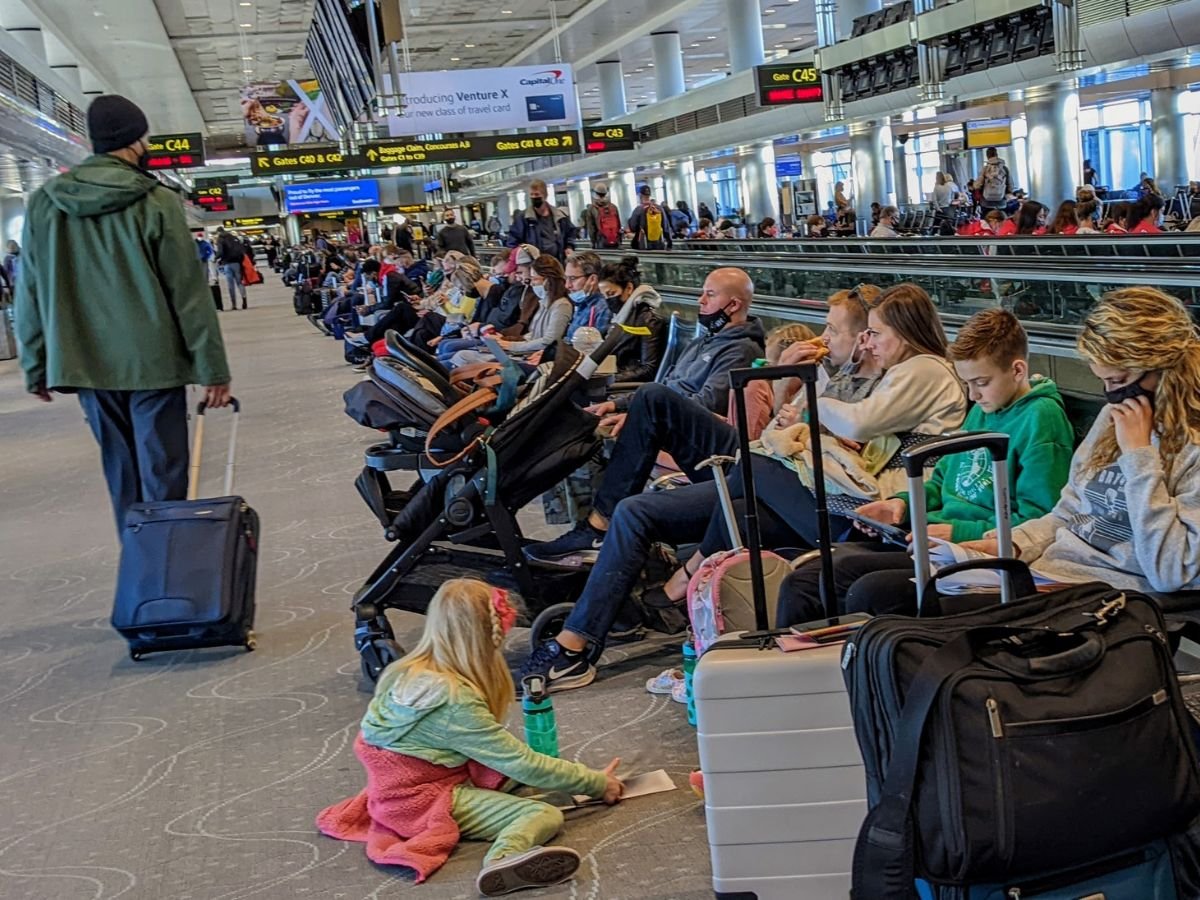
The scale of Hind Di Chadar Kharghar 2026 requires layered security deployment rather than routine event policing. Approximately 3,000 police personnel along with over 2,000 trained volunteers have been assigned to manage crowd control, access points, and emergency coordination Their placement is distributed across pedestrian corridors, parking zones, and internal pavilion sections.
More than 300 CCTV cameras are installed across Owe Maidan and surrounding approach roads, all connected to a centralized control room Surveillance monitoring focuses not only on security risks but also on live crowd density tracking, allowing authorities to redirect pedestrian flow if certain corridors become congested.
Foreign National Assistance and Documentation Support
A dedicated foreign national assistance desk operates within the central command structure. This unit supports visitors facing passport issues, documentation loss, or language barriers during the event For international delegations, this provides an additional assurance layer beyond standard police deployment.
Security protocols for diplomatic and high-authority guests include separate entry channels and restricted-access zones near the Corporate Park helipad. These movements are coordinated independently from general pedestrian routes, ensuring minimal disruption to the broader congregation.
On-Site Medical Infrastructure and Emergency Readiness
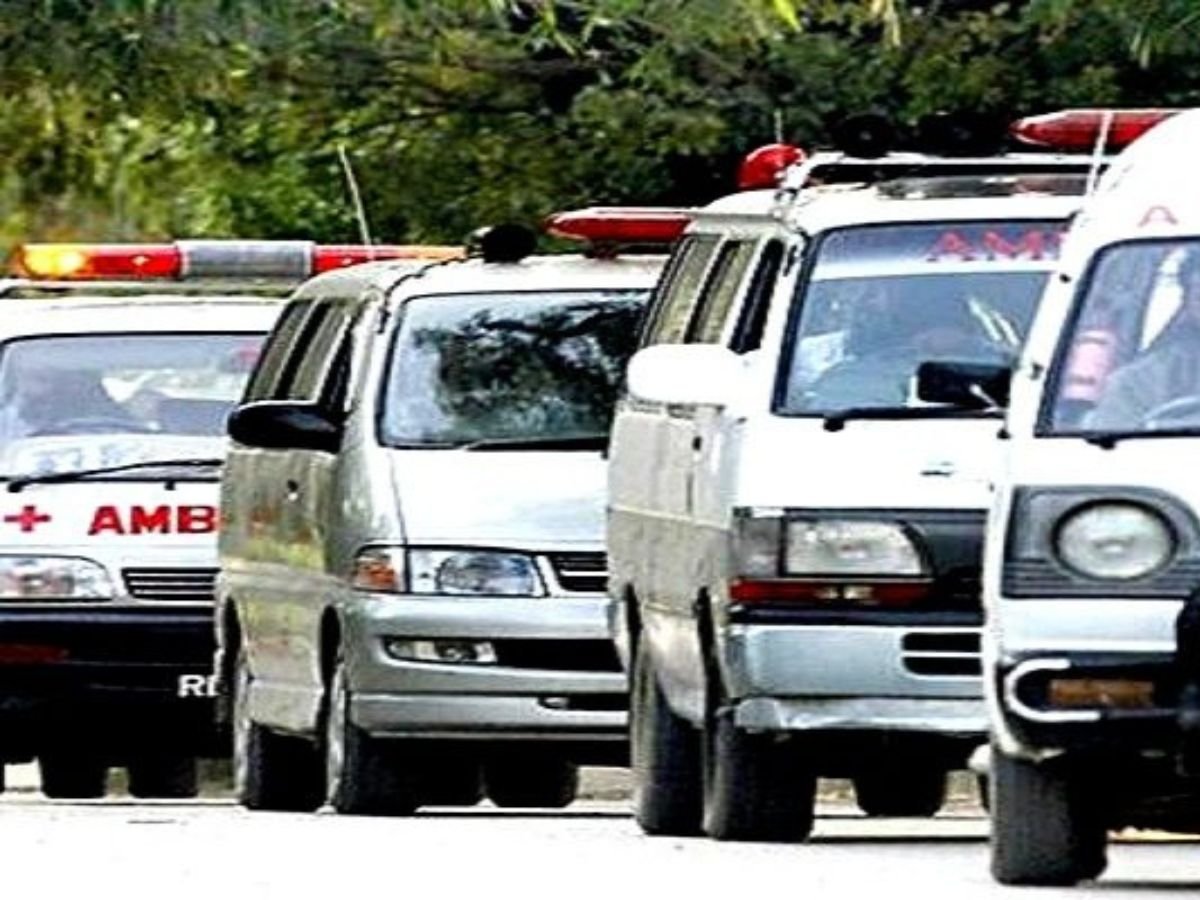
Large-scale gatherings in Navi Mumbai require proactive medical planning due to heat exposure, dehydration, and fatigue-related incidents. Five temporary medical centers have been established inside the venue premises These units are equipped for first aid, stabilization, and treatment of common event-related conditions.
In addition, one fully functional ICU facility is positioned within the venue area for immediate intervention in cardiac or respiratory emergencies This significantly reduces response time compared to transferring patients externally during peak crowd hours.
Reserved Hospital Capacity Near Kharghar
Beyond on-site facilities, 350 hospital beds have been reserved across nearby institutions, including 75 ICU beds This includes MGM Hospital in Kalamboli/Kamothe for trauma care, Tata Memorial Hospital in Sector 22 Kharghar for specialized support, Apollo Hospitals in CBD Belapur for international-standard treatment, and Polaris Hospital in Sector 20 for immediate local emergencies.
Hydration management has also been structured systematically. One hundred water tankers and ORS distribution counters are placed approximately every 200 meters within the event zone For international visitors unfamiliar with Mumbai’s late-February climate, consistent hydration planning is not optional.
Langar Logistics at Hind Di Chadar Program Kharghar
The Sikh tradition of Langar has been scaled to serve approximately 2.5 lakh people daily at the Kharghar venue Food distribution zones are positioned across the perimeter of Owe Maidan to prevent central crowd concentration.
Separate arrangements are available for administrative and VIP sections, capable of serving around 12,500 individuals independently Sanitation is managed by approximately 500 workers operating round the clock to maintain hygiene standards in food preparation and serving areas.
Practical Etiquette for International Visitors at Langar
Visitors should expect a traditional seated format where food is served while attendees sit in rows. Head covering is mandatory inside religious sections, and footwear must be removed before entering prayer areas. These are standard Sikh Gurudwara practices, and the same discipline applies here.
It is advisable to move patiently within the Langar zone and follow volunteer instructions. Attempting to rush during peak hours creates unnecessary bottlenecks. Those unfamiliar with the format often observe first before participating, which is entirely acceptable.
Official Itinerary and VIP Movement Windows
The Samagam spans two full days with spiritual sessions beginning early morning. On February 28, Gurbani recitals begin at 4:00 AM, followed by inaugural addresses between 10:00 AM and 1:00 PM, and historical exhibitions during the afternoon Evening sessions continue for rotational participation.
March 1 includes specialized Kirtan sessions in the morning and the main Samagam session between 11:00 AM and 2:00 PM The presence of national and state leadership requires heightened security during this window, which may temporarily pause pedestrian movement in specific corridors.
VIP Protocol and Arrival Corridors
If attending physically, the Prime Minister’s arrival window is expected between 11:30 AM and 1:00 PM on March 1 Union Home Minister and Chief Minister presence is also anticipated across major sessions. VIP arrivals are managed either via the dedicated helipad at Corporate Park or through secured green corridors on Sion-Panvel Highway.
“Hind Di Chadar Kharghar International Visitors Guide”
During these movements, localized traffic control measures may be activated without prior public notice. International visitors should avoid scheduling airport departures within two hours of VIP sessions to account for potential temporary road holds.
Emergency Helplines and Communication Essentials
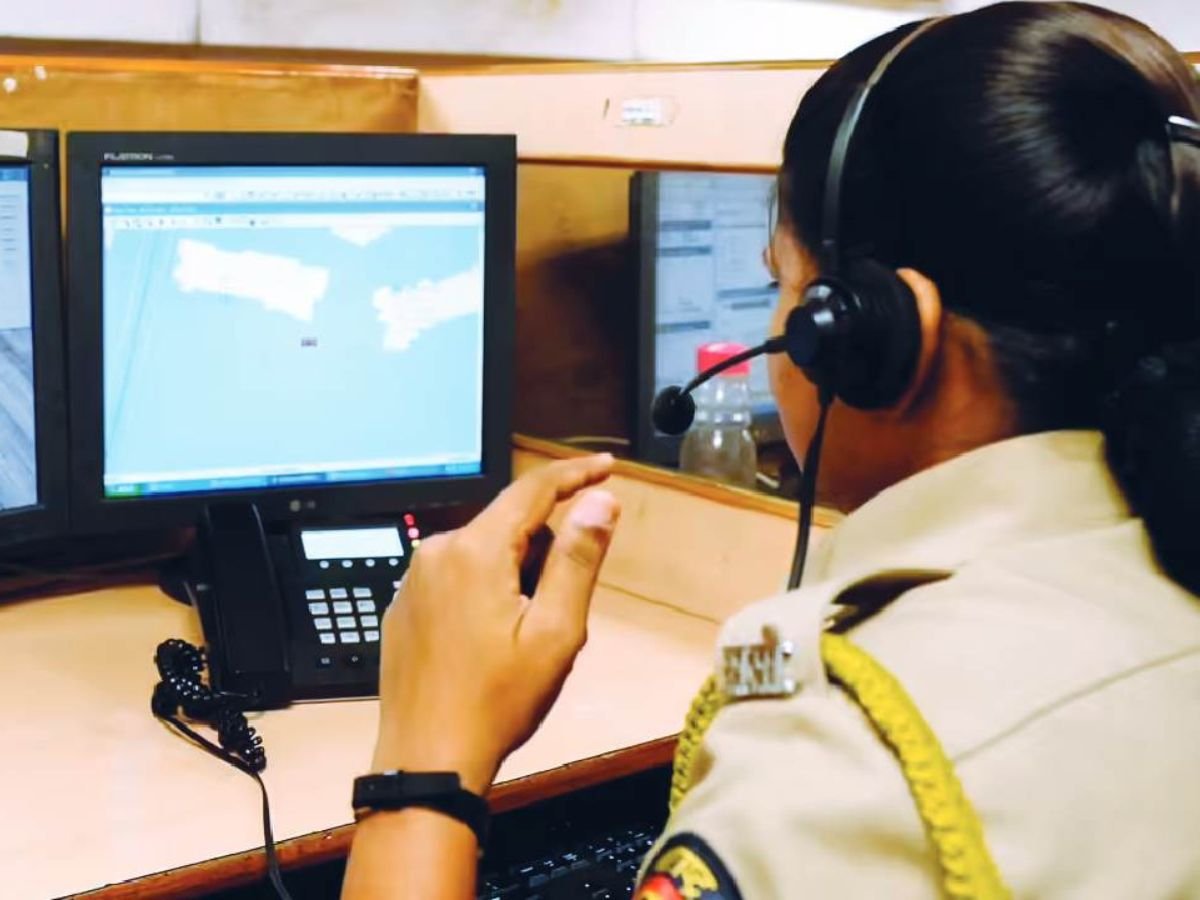
The official Samagam helpline number is 9822022547 Medical emergency services operate under 108, while police assistance is available via 100 or 112. These numbers should be saved offline before arrival due to potential network congestion during peak density.
For communication reliability, visitors are advised to obtain a local SIM card in Kharghar or CBD Belapur. Passport, visa copy, and a passport-sized photograph are required for activation International roaming often becomes unstable in high-density events.
Best Stay Zones for Hind Di Chadar 2026 (International Visitors)
Accommodation close to Owe Maidan will experience full occupancy during the Samagam dates. Sector 29 and nearby residential blocks are not structured for large-scale hotel capacity. For international visitors, CBD Belapur and parts of Vashi offer better hotel infrastructure, reliable transport links, and smoother exit access toward Atal Setu.
CBD Belapur is strategically positioned between Kharghar and Vashi, with direct metro connectivity to Central Park and Pethpada stations. Staying in Belapur reduces dependence on congested internal roads while maintaining proximity to the venue. Vashi provides additional hotel inventory but involves a longer commute window during peak hours.

Recommended International-Standard Hotels Near Kharghar
CBD Belapur and surrounding nodes offer business-class hotels accustomed to hosting foreign guests. The Park Navi Mumbai and Country Inn & Suites are known for consistent service standards and proximity to Belapur Metro station Vivanta Navi Mumbai in Turbhe-Belapur belt offers higher-end accommodation with controlled access.
Park Inn by Radisson in Vashi-Belapur corridor and Hotel Corporate in CBD Belapur serve mid-range business travelers International visitors should prioritize properties with 24-hour front desk support, airport transfer services, and familiarity with foreign passport documentation procedures.
SIM Cards and Communication Setup in Kharghar
International roaming often weakens in high-density events due to network strain. Purchasing a local SIM card ensures stable communication for ride bookings, emergency calls, and event updates. Authorized stores for Airtel, Vi, and Reliance Jio operate in Sector 20 Kharghar and CBD Belapur
Visitors must carry their passport, visa copy, and a passport-sized photograph for same-day activation It is advisable to complete SIM setup before the event day to avoid activation delays during peak crowd hours. this is information “Hind Di Chadar Kharghar International Visitors Guide”
Scam Awareness and Travel Discipline
Large-scale events naturally attract unauthorized taxi operators and unofficial accommodation intermediaries. Visitors should avoid accepting transport offers inside airport arrival areas unless pre-booked. App-based cab services should be confirmed within the official application rather than through external payment links.
Fake hotel confirmation calls requesting advance payments are a common issue during high-demand weekends. Payment verification should be done directly with hotel front desks using official numbers listed on verified platforms. Maintaining digital copies of bookings and identity documents prevents unnecessary disruption.
Practical Safety Habits for International Visitors
Avoid scheduling airport transfers during main VIP session windows on March 1 between 11:00 AM and 2:00 PM, as temporary movement restrictions may occur Planning departure either before 10:30 AM or after 4:00 PM provides smoother road conditions.
Crowd density peaks typically occur between late morning and early afternoon. Visitors uncomfortable with tightly packed pedestrian zones should consider early morning Gurbani sessions beginning at 4:00 AM or evening Diwan sessions when rotational crowd movement stabilizes
Seniors and Children: Mobility Planning
For elderly attendees, minimizing walking distance is essential. Using metro access combined with shuttle drop-off reduces the final stretch burden. Arriving earlier in the day ensures easier pavilion seating access before density increases.
Families with children should establish a visible meeting point near identifiable signage or sector markers. With 15 to 20 lakh attendees expected over two days Shaheedi Samagam Research Dossi…, proactive coordination prevents avoidable stress during crowd transitions.
Strategic Recommendations for Hind Di Chadar Kharghar 2026
The success of attending Hind Di Chadar 2026 depends less on the spiritual schedule and more on logistical awareness. The Atal Setu route remains the most efficient airport corridor, while Metro Line 1 provides the safest internal mobility within Kharghar Parking decentralization and the Kopra temporary bridge reduce exit congestion for those using private vehicles.
With 3,000 police personnel, 2,000 volunteers, 5 medical centers, and 350 reserved hospital beds, safety planning is structured at scale By leveraging these systems strategically and avoiding peak departure windows, international visitors can navigate this 20-lakh-person congregation efficiently and respectfully.
FAQs
Frequently Asked Questions