Kalamboli Gurudwara Shri Guru Singh Sabha – Timings, Langar & Seva
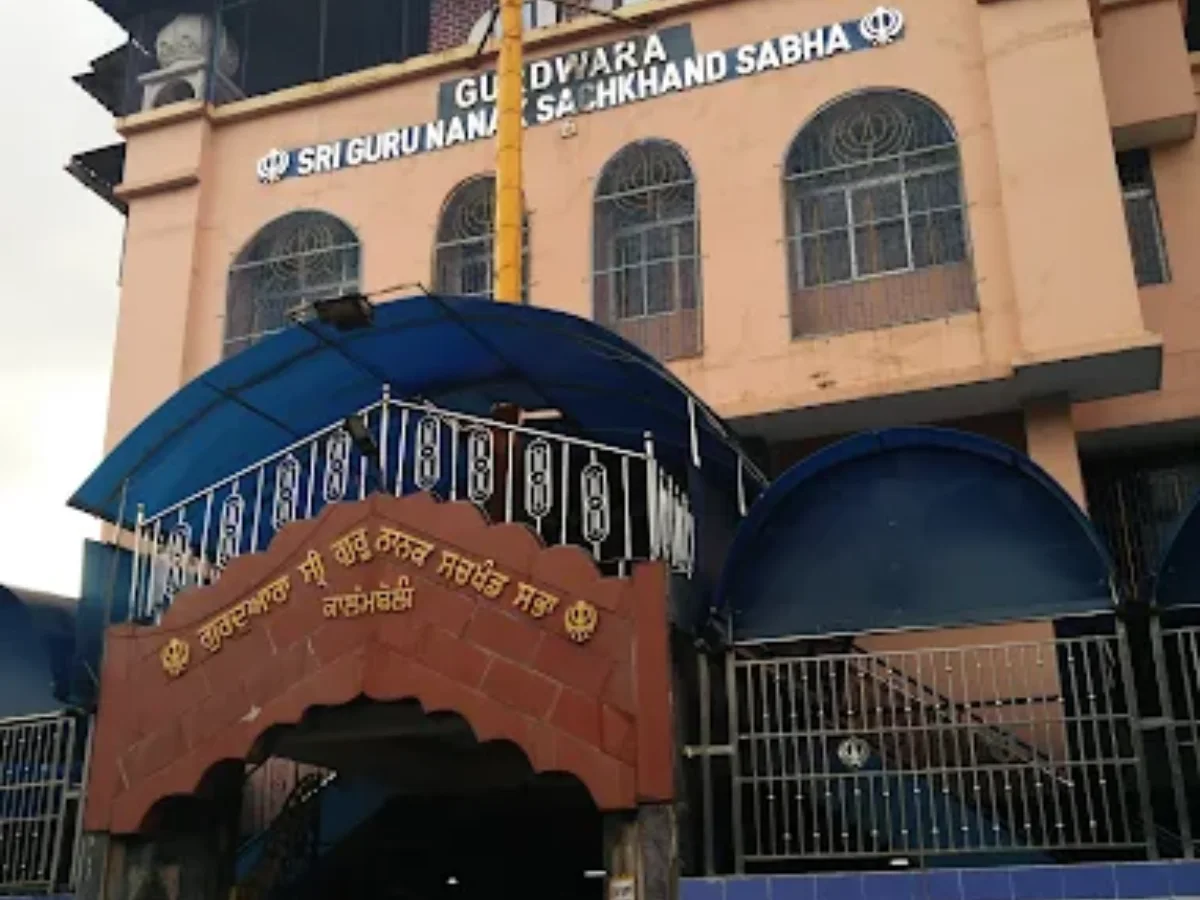
Kalamboli is a place where Navi Mumbai feels very real: trucks, warehouses, steel trade, and fastmoving work culture. In the middle of that daily rush, Gurudwara Shri Guru Singh Sabha, Kalamboli stands like a steady, calm anchor. People come here to listen, to sit quietly, to eat in langar, or simply to feel a sense of dignity and equality for a few moments.
This guide is written for the exact questions people search on Google: timings, location, how to reach, langar, rules, and what to expect on a normal day. It also explains why this Gurudwara is not only a prayer space, but a practical support system for the wider community around Kalamboli’s industrial and logistics belt.
This quick table is designed for fast readers, and it helps Google understand the page instantly. The detailed sections below explain the same facts with context, so firsttime visitors don’t feel lost or unsure.
If you are visiting with elders, kids, or as a nonSikh visitor, you’ll find practical clarity here: what to wear, how to behave inside, and how langar works. The intent is simple: respect the space, and you will feel welcomed.
What is Kalamboli Gurudwara and Why People Visit
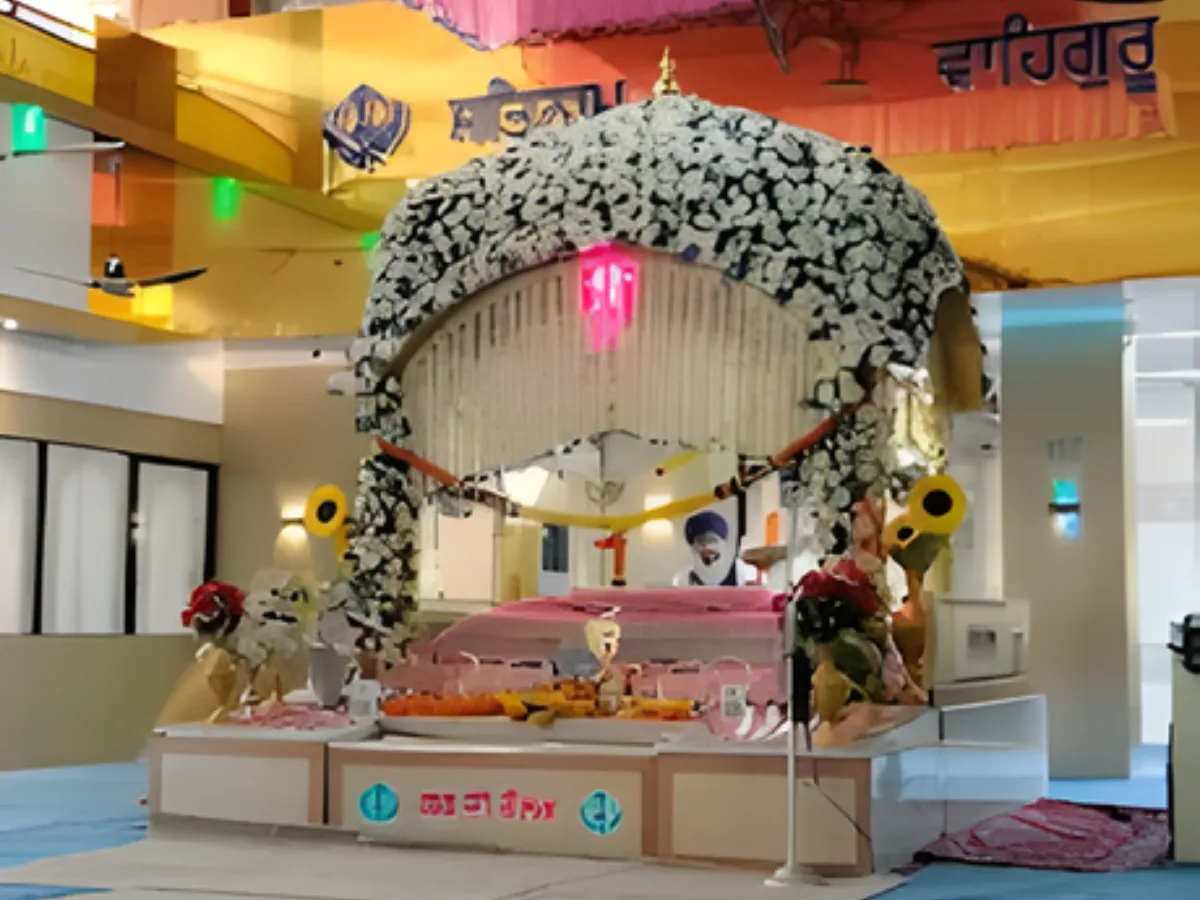
Kalamboli Gurudwara is a place of worship where the Guru Granth Sahib is treated as the living Guru, and the congregation sits together as equals. The Darbar Sahib is the heart of the building, where kirtan, paath, and ardaas create a peaceful rhythm that feels very different from the outside roads. People often say the calm begins the moment you step in and cover your head.
But the real strength of this Gurudwara is how practical it is for the local area. Kalamboli has a strong working population, and the Gurudwara becomes a reliable place for food, reflection, and support, especially on heavy workdays or difficult personal phases. In a city built for speed, it offers something slow and steady, without asking who you are first.
Historical Roots and the Singh Sabha Legacy Behind This Gurudwara
To understand why Gurudwaras like this one become strong community institutions, you have to understand the Singh Sabha Movement, which began in Punjab in the late 1800s. The movement focused on strengthening Sikh identity, spreading Gurmukhi education, and building institutions that protect Sikh values through learning and service. That mindset travelled wherever Sikh communities settled. Gurudwara
In Mumbai and later Navi Mumbai, Sikh families became part of trade, transport, and industrial ecosystems, and their institutions grew with them. Kalamboli developed as a logistics and steel trading hub, so the need for a stable spiritual and community space rose naturally. The Gurudwara’s growth reflects that grassroots journey: community effort, trust formation, and a permanent place that serves not only Sikhs but the wider population too.
Kalamboli Gurudwara Location
Kalamboli sits in a corridor where Panvel, Kamothe, and the broader Navi Mumbai belt connect with heavy movement. You will notice a mixed crowd here: local families, transport workers, shop owners, and people travelling between nodes. In that setting, a Gurudwara becomes more than a religious landmark, it becomes a dependable “public good” where discipline, food, and quiet coexist.
The Gurudwara’s local role makes sense because Kalamboli’s daily life is demanding. When a place offers langar and seva without discrimination, it naturally becomes a stabilising force. You don’t need an introduction here, you just follow the maryada, sit respectfully, and you are part of the sangat space.
Architecture and What It Symbolises
Even if you are not deeply into architecture, Gurudwara design speaks through feeling. The white, clean exterior and the dome structure are not only for beauty, they signal peace and purity, and create a clear separation between the outside world and the sacred space. Key elements like the Nishan Sahib also communicate a strong message: this is a place of refuge and dignity.
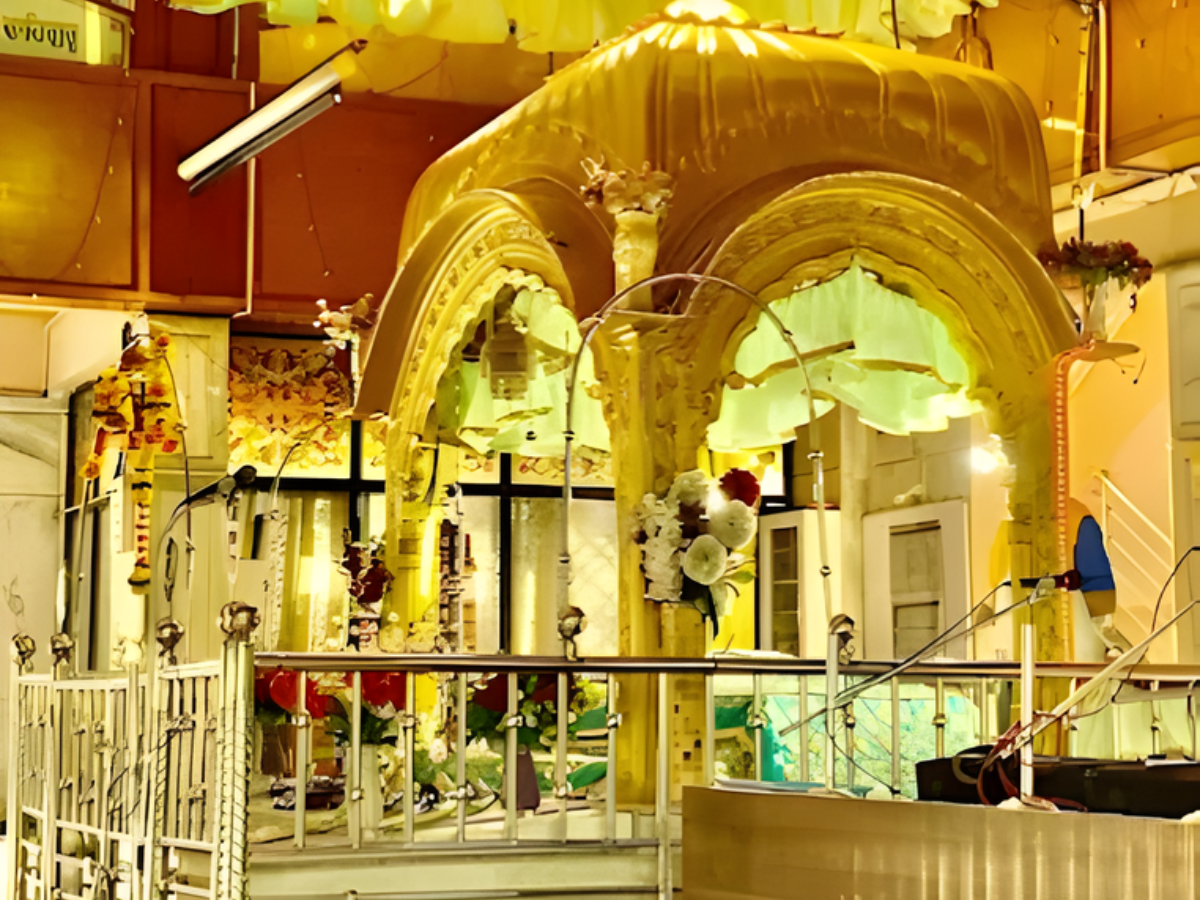
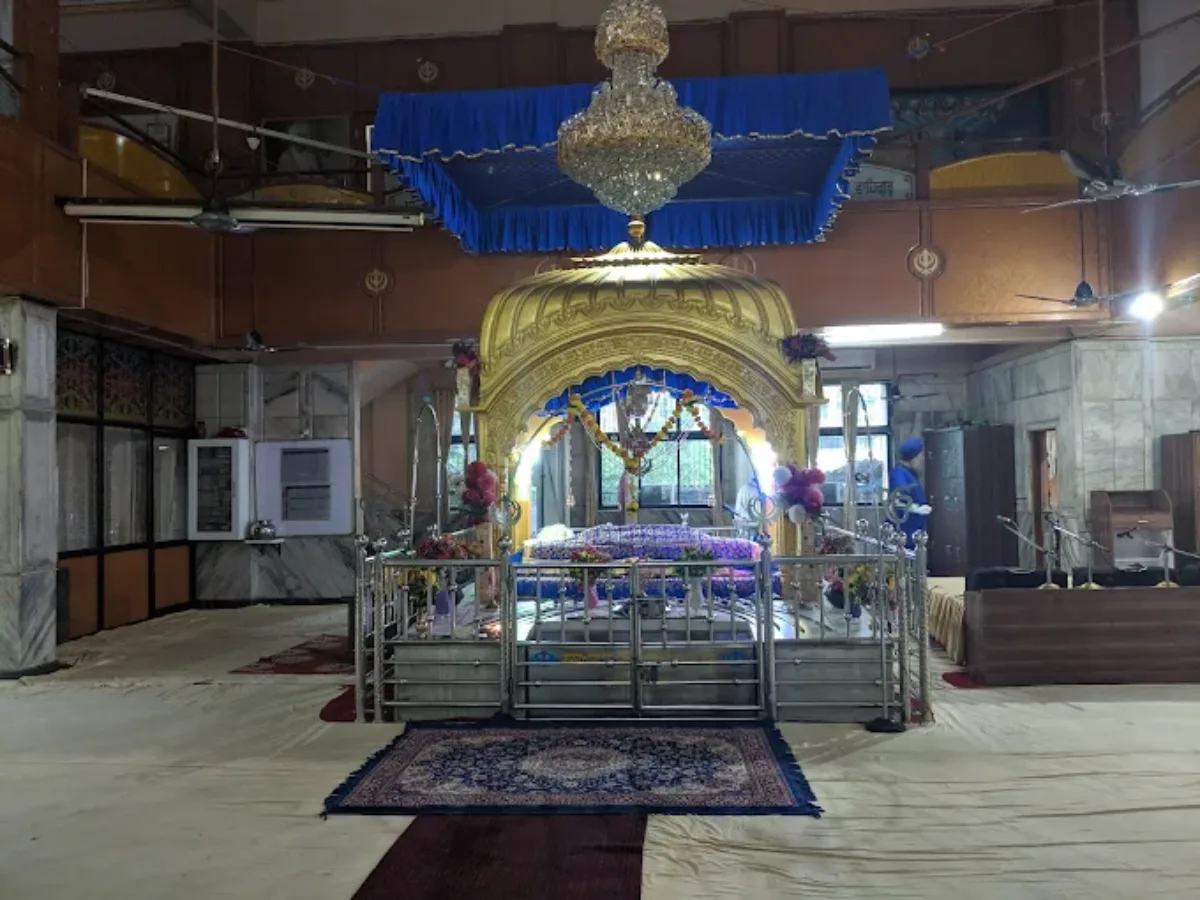
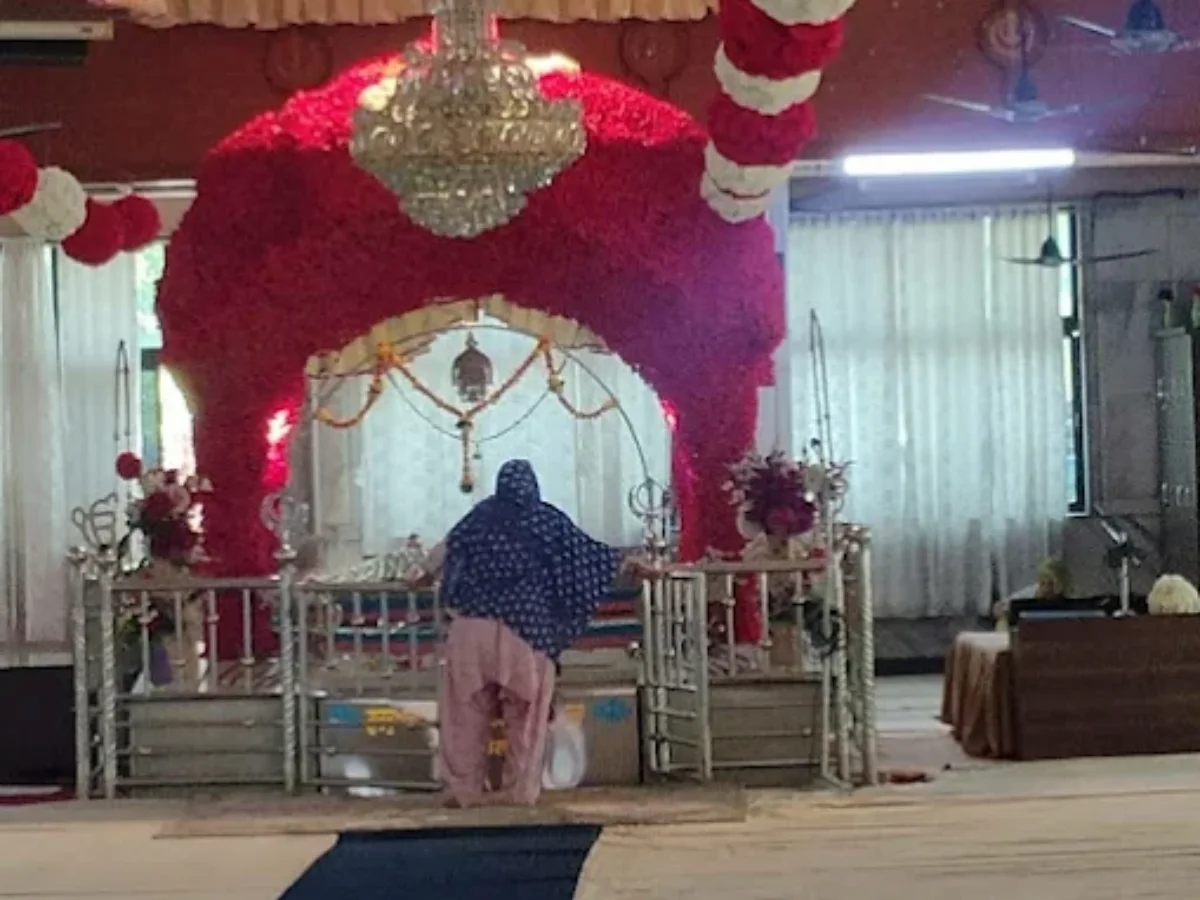
Inside, the Darbar Sahib reinforces equality in a quiet but powerful way. The Guru Granth Sahib is placed with honour, while the sangat sits on the floor together, removing visible hierarchy. It is not forced equality, it is lived equality, and you feel it when you sit shoulder to shoulder with people from completely different walks of life.
The Darbar Sahib Experience
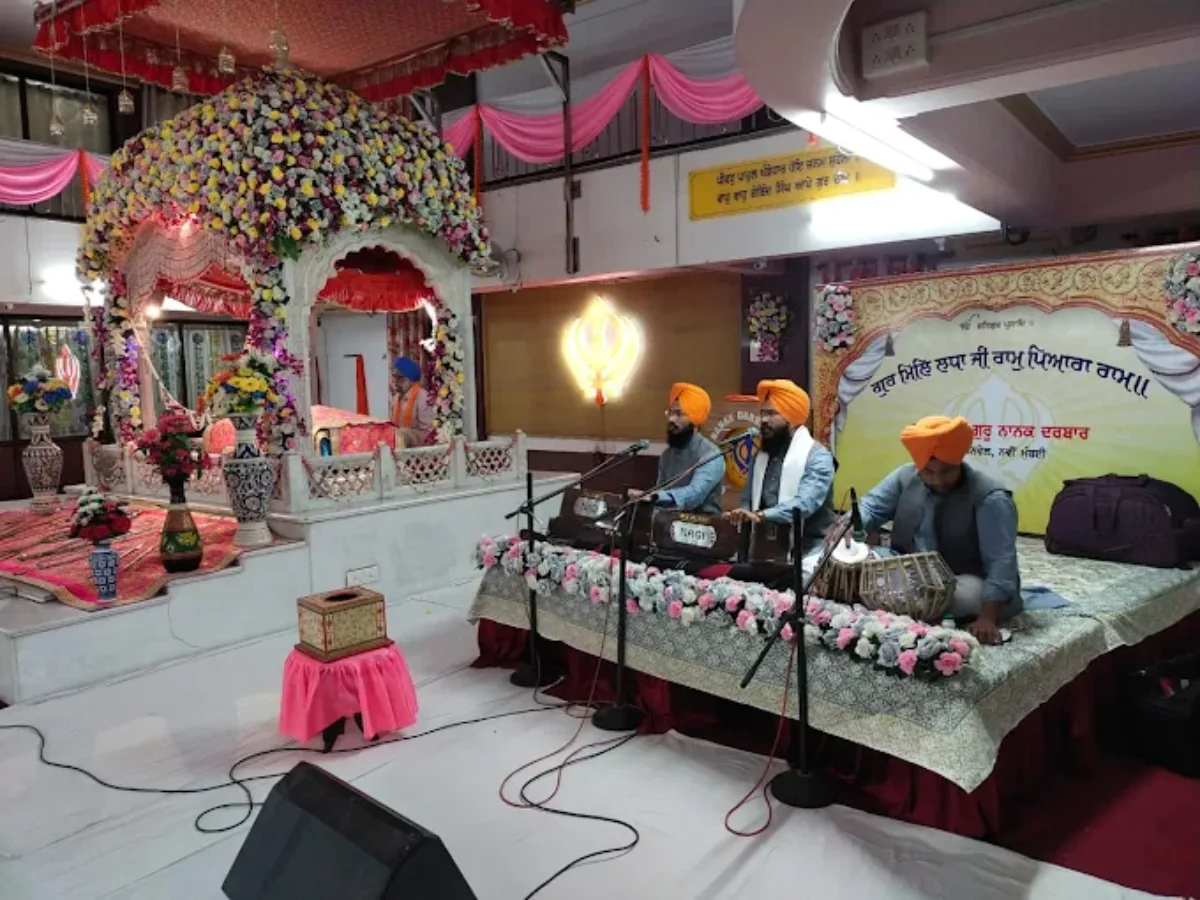
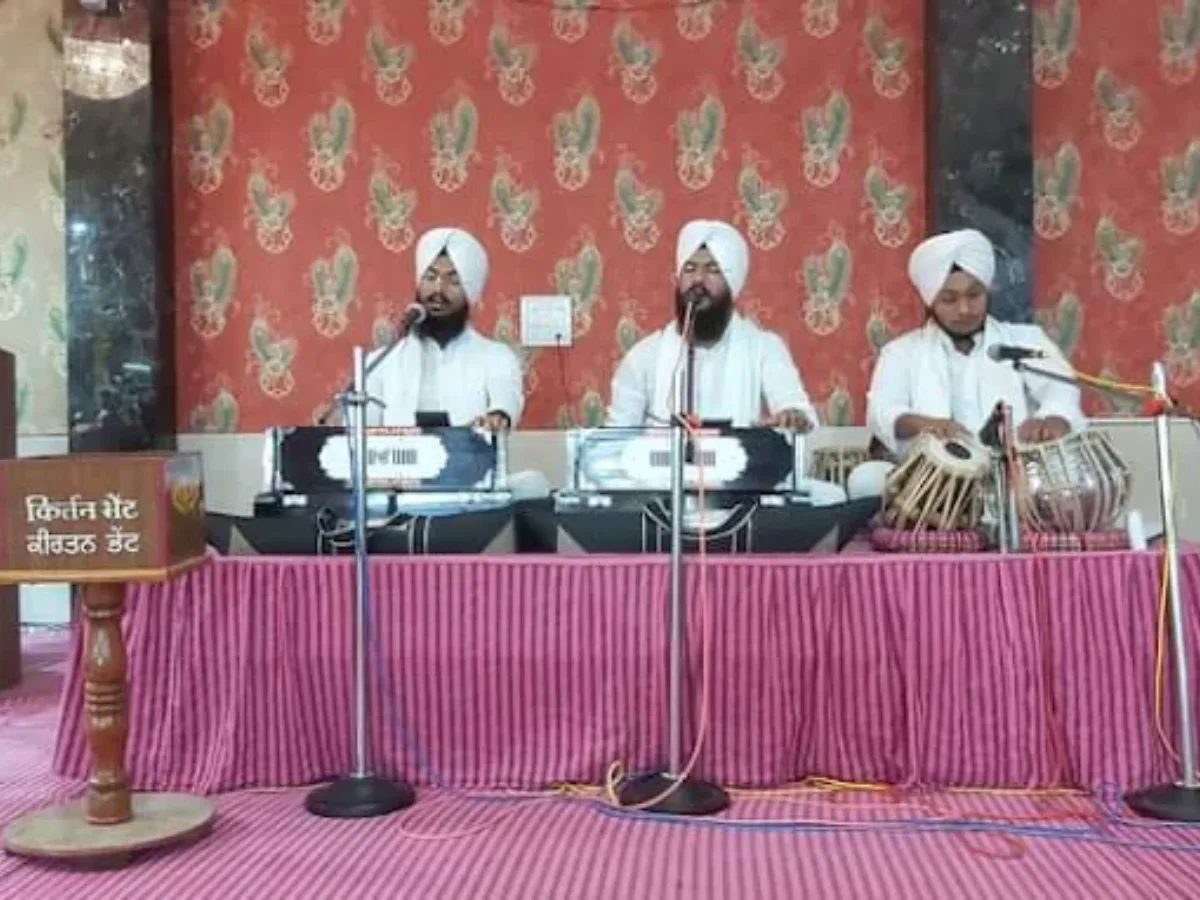
When you enter the Darbar Sahib, the flow is simple: cover your head, keep your phone silent, and move with calm respect. Many visitors bow (matha tekna) as a sign of reverence, then sit quietly to listen to kirtan or paath. Even if you don’t understand every word, the mood is steady and grounding, like a shared silence with meaning.
On busy days, the hall can hold a large sangat, and the space is designed to manage that crowd. During Gurpurab or special events, the feeling changes: it becomes brighter, fuller, and more collective, but still disciplined. The key is to follow what others are doing and not rush, the space rewards calm behaviour.
Seva in Kalamboli Gurudwara
In Sikh tradition, seva is worship, not an optional good deed. Kalamboli Gurudwara functions as a system of organised volunteering: cooking, serving, cleaning, managing shoes, and guiding visitors. That system creates humility in daily life, because everyone contributes in small ways that matter.
This seva culture becomes most visible during busy Sundays and festival days, when the number of people increases sharply and the kitchen work becomes intense. The beautiful part is how normal it feels: volunteers do not act like they are doing charity, they behave like they are doing duty. That attitude is what makes the Gurudwara feel stable, not performative.
Langar at Kalamboli Gurudwara
Langar is not only a free meal, it is a social statement. The food is vegetarian, and it is served to everyone without asking caste, religion, or status, and people sit together in pangat. In a country where social separation still exists in small everyday ways, langar quietly removes those lines for a while.
In Kalamboli, langar also has a very practical role because of the local working population. For some people it is comfort, for some it is support, and for many it is simply a peaceful routine. The discipline of langar teaches respect too: take only what you need, do not waste, and be mindful that this is shared food made through shared effort.
Social Welfare and Crisis Support
A Gurudwara becomes truly “public” when it shows up during crisis, not only during festivals. Your research notes how Sikh institutions in this region expanded welfare work into modern needs, including strong relief actions during the COVID period. In Kalamboli, the idea of helping without conditions built deeper trust across communities.
The broader Singh Sabha network has also been associated with structured support initiatives, like lodging and meal support for patients travelling for treatment, and the push towards education and computer literacy help. Whether every plan is fully active locally or not, the direction is clear: service is treated as longterm responsibility, not a temporary campaign.
Visitor Etiquette (Maryada) That FirstTimers Should Know
The rules are simple but important because they protect the dignity of the space. Cover your head, remove shoes, and avoid tobacco or alcohol before entering. In the Darbar Sahib, sit quietly and respect the prayer flow, and if you are unsure, just observe others for a minute and follow the rhythm.
Photography is a common confusion point. In many Gurudwaras, casual photos of architecture may be okay outside, but recording inside during prayers can feel disrespectful. If you want to film professionally, treat it like a sensitive place, ask permission, and prioritise the prayer atmosphere over content creation.
How to Reach Kalamboli Gurudwara (Train, Road, Local Routes)
Kalamboli sits on a highmovement belt between Panvel, Kamothe, and the wider Navi Mumbai industrial corridor, so reaching the Gurudwara is usually straightforward. If you are coming from the Mumbai side, most people route through the Panvel side and then enter Kalamboli by road. From nearby nodes like Kamothe, Kharghar, and New Panvel, autos and local cabs are common and predictable.
For firsttime visitors, the simplest plan is: reach the Kalamboli–Panvel belt, then take a short auto or cab ride to the Gurudwara. If you are driving, keep buffer time on weekends and festival days, because Kalamboli traffic can change quickly due to trucks, market movement, and junction pressure. A small habit helps: start early and you will get both easier parking and a calmer Darbar Sahib experience.
How to reach from Kalamboli Gurudwara to NMIA
By Car
| Feature | Route 1 (via NH548) | Route 2 (via Mumbai Hwy) |
|---|---|---|
| Distance | 18.5 km | 17.4 km |
| Est. Time | 31 min | 28 min |
| Route Type | Standard Highway | Toll Road |
| Key Landmarks | Kalamboli Fire Station, Magic Hill, Targhar | D.Mangesh Auto Rickshaw, Marble Market, Yacht Bldg |
| Major Roads | Mumbra-Panvel Hwy, NH548, North Rd | Sion-Panvel Hwy, NH348A |
By Bus
| Bus Number | Route Details | Duration & Stops |
|---|---|---|
| 111 (NMMT) | Board at Kalamboli Colony towards Mansarovar Railway Station[cite: 1, 2]. | Approx. 49 min; [cite_start]23 stops[cite: 1, 2]. |
| 52 (NMMT) | Board at Kalamboli Colony towards Belapur Railway Station[cite: 12, 13]. | Approx. 57 min; [cite_start]22 stops[cite: 12, 13]. |
| 111 + 31 (NMMT) | Transfer route: Take 111 to Khandeshwar Railway Station, then switch to 31 towards Koparkhairane[cite: 5, 7]. | Approx. 52 min; [cite_start]25 stops total[cite: 5, 7]. |
| 52 + 31 (NMMT) | Transfer route: Take 52 to Khandeshwar Railway Station, then switch to 31 towards Koparkhairane[cite: 8, 10]. | Approx. 58 min; [cite_start]24 stops total[cite: 8, 10]. |
How to reach from Kalamboli Gurudwara to Railway Station
By Car
| Route Details | Option 1 (Fastest) | Option 2 (Alternative) |
|---|---|---|
| Total Distance | 3.4 km | 4.3 km |
| Estimated Time | 10 min | 14 min |
| Main Roads | SBI Rd, Shiv Mandir Rd, Kamothe Marg | SBI Rd, D Mart Rd, Sion-Panvel Hwy |
| Key Landmarks | Heera Panna Mithaiwala, City Hospital, Hanuman Mandir | D Mart, Bengaluru Mumbai Hwy, Shiv Shambhu Auto Garage |
| Final Approach | Vegetable Market to Mansarovar Station Rd | Vegetable Market to Mansarovar Station Rd |