Kharghar Gaon: Navi Mumbai | The Village Heart Inside a Modern City
A Village Breathing Within the City
Kharghar Gaon a name that sounds familiar to many, yet remains quietly mysterious. When people talk about Kharghar, the conversation usually revolves around wide arterial roads, the lush Central Park, a sprawling golf course, modern residential towers, reputed educational institutions, and a skyline that reflects Navi Mumbai’s planned urban promise. Rarely does the discussion drift toward the original settlement that existed long before glass façades and metro lines.
Hidden gently within this modern framework lies Kharghar Gaon, the original heart of the area. It is calm, cultural, and deeply rooted in tradition. This is not the Kharghar of glossy brochures and billboards. This is the Kharghar where mornings begin with the soft echo of temple bells, where elders sit outside their homes exchanging daily news, and where neighbours still know one another by name
Quick Facts About Kharghar Gaon
| Real Estate Profile: Kharghar Gaon | |
|---|---|
| Location | Kharghar Gaon, Sector 13-14, Navi Mumbai |
| Pin Code | 410210 |
| Median Property Price | ₹7,500–10,000 per sq. ft. (July 2025) |
| Accessibility | 2–3 km from Kharghar Railway Station |
| Nearby Landmarks | Central Park, ISKCON Temple, Golf Course |
| Key Features | Village charm, metro access, central Kharghar location |
The Origins of Kharghar Gaon: A Brief Historical Context
Long before Kharghar became one of Navi Mumbai’s most prominent nodes, the land belonged to agrarian communities who lived close to nature. Kharghar Gaon emerged as a traditional village settlement, sustained by farming, fishing in nearby water bodies, and close-knit social structures. Houses were built with practicality in mind, streets evolved organically, and temples served as both spiritual and social centers.
As CIDCO began developing Navi Mumbai, Kharghar transformed dramatically. Planned sectors rose around the village, roads widened, and infrastructure modernized. Yet, Kharghar Gaon managed to retain its identity. While the surroundings changed rapidly, the village adapted slowly, selectively absorbing modern conveniences while preserving its cultural fabric. This coexistence of old and new defines its unique character today.
Why Kharghar Gaon Truly Feels Like Home
Kharghar Gaon has a rare warmth that many urban residents spend years searching for. Life here flows at a slower, more humane pace where relationships matter as much as routines. Neighbours greet each other daily, families maintain long-standing bonds, and social interaction is woven naturally into everyday life.
Evenings often see elders sitting together outside their homes, discussing everything from local news to weather patterns. Children still play cricket in open spaces or narrow lanes, supervised collectively by the community. Unlike gated societies where interactions are limited to lifts and parking lots, the gaon encourages organic connection.
A Culture of Togetherness
Festivals are the soul of Kharghar Gaon. Celebrations such as Ganpati Utsav, Navratri, Holi, Diwali, and Gudi Padwa are community affairs rather than individual events. Temporary pandals, shared meals, music, and rituals bring everyone together, blurring social and economic boundaries.
This shared celebration fosters a deep sense of unity. New residents are welcomed, traditions are passed down, and cultural identity remains strong. In a city where loneliness can exist despite density, this togetherness stands out
Simple Living with Urban Support
Kharghar Gaon offers grounded living supported by urban convenience. Residents enjoy peace at home while having quick access to schools, hospitals, malls, offices, and transport hubs just minutes away. It’s a lifestyle that balances emotional comfort with practical efficiency.
Connectivity: Peaceful Yet Perfectly Connected
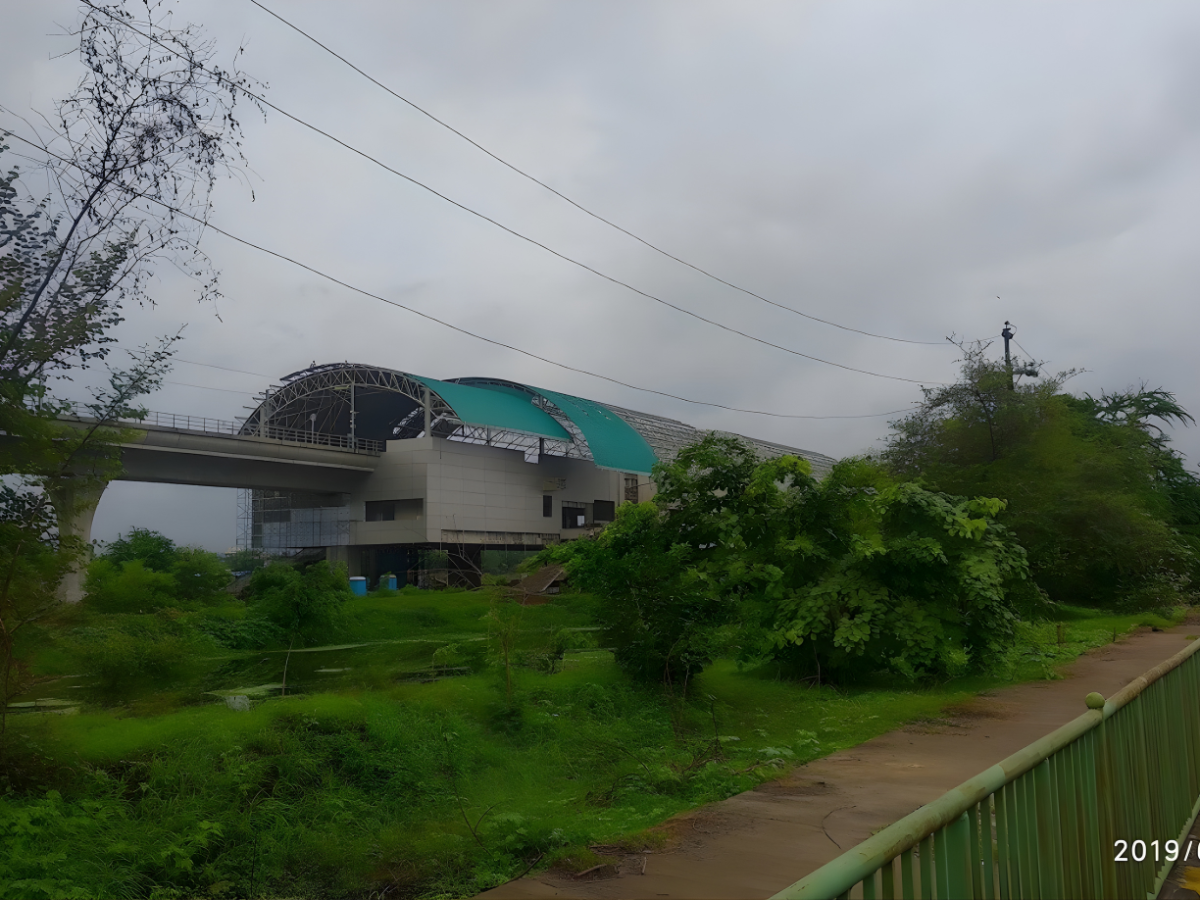
Despite its tranquil atmosphere, Kharghar Gaon is far from isolated. Its central location within Kharghar ensures excellent connectivity to the rest of Navi Mumbai and Mumbai.
By Train
The Kharghar Railway Station on the Harbour Line is approximately 2–3 km away. Autos and shared rickshaws make the commute easy, usually taking just 5–10 minutes.
By Road
The village enjoys direct access to the Sion–Panvel Highway and NH-48, ensuring smooth travel to Panvel, Belapur, Vashi, Thane, and even South Mumbai. Internal village roads are quieter, while major roads remain easily reachable.
By Metro
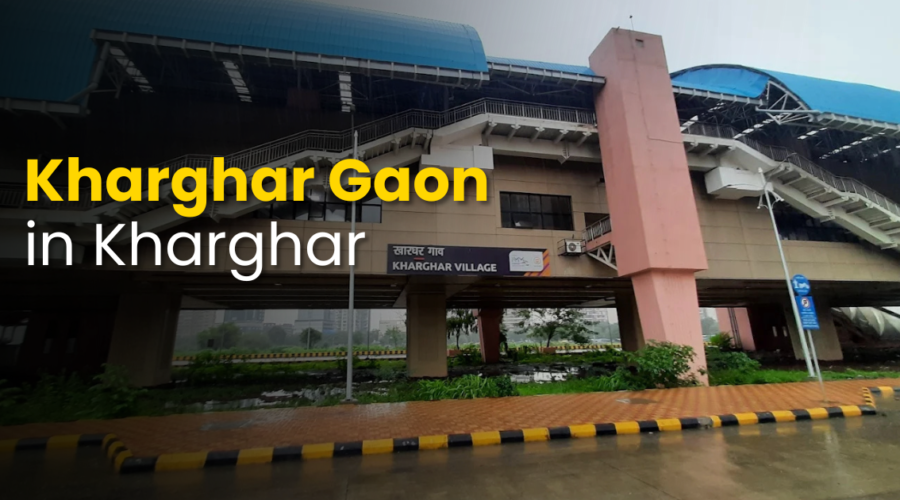
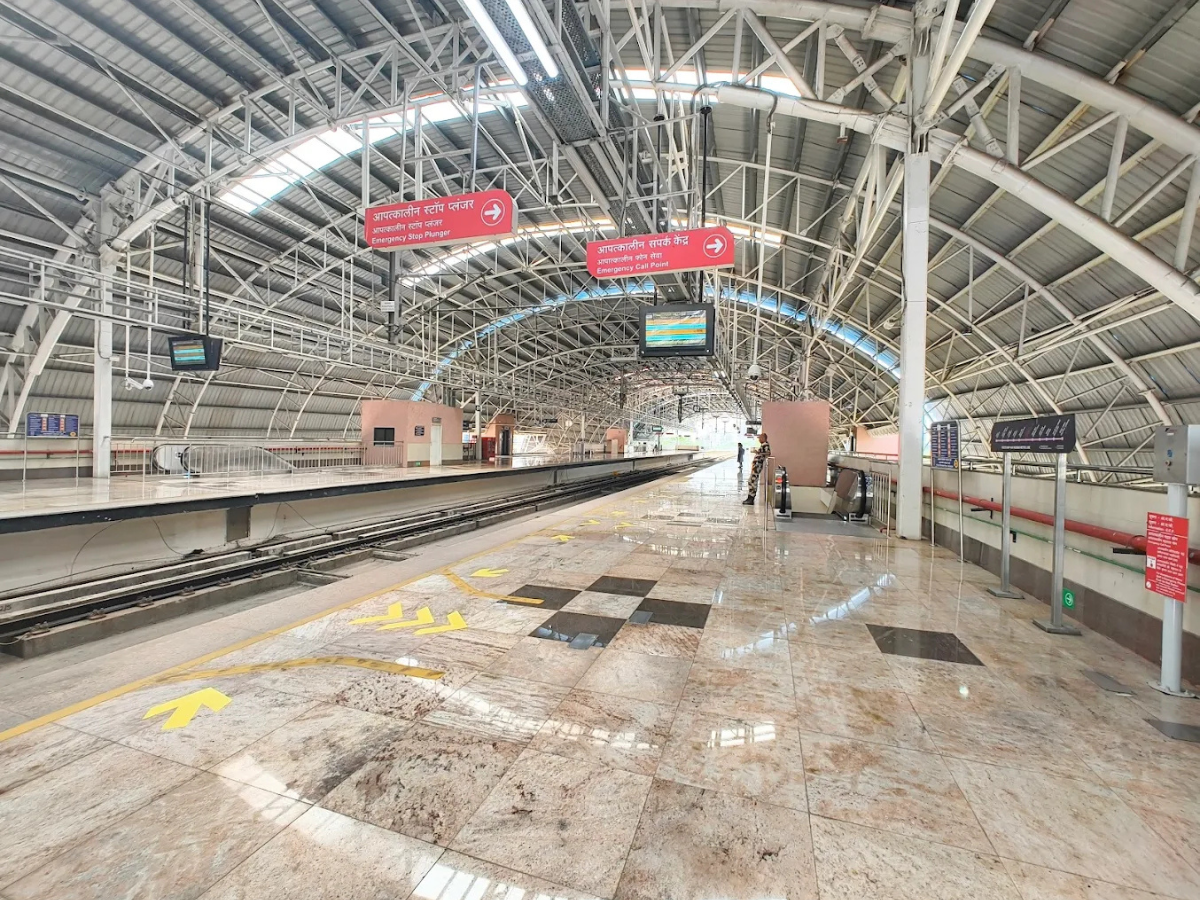
The Navi Mumbai Metro Line 1 is gradually expanding. Upcoming metro connectivity is expected to significantly enhance accessibility, reduce travel time, and increase real estate demand in and around Kharghar Gaon.
Public Transport
NMMT buses, autos, shared rickshaws, and app-based cab services are readily available throughout the day, making daily commuting hassle-free
How to Reach Kharghar Gaon from Kharghar Station
By Auto or Cab
- Exit Kharghar Station (East side)
- Mention “Kharghar Gaon, Sector 35 side”
- Travel time: 5–10 minutes
- Approximate fare: ₹30–₹60
By Bus
- Board NMMT buses heading towards Sector 35 or 36
- Get down at the Kharghar Gaon stop
- Walk a short distance into the village
By Personal Vehicle
- Follow Central Park Road toward Sector 35
- Roads are mostly smooth with relatively low internal traffic
Real Estate in Kharghar Gaon: Prices, Demand
Real estate in Kharghar Gaon has witnessed steady and sustainable growth over the years. Its strategic location in central Kharghar, combined with limited land availability, makes it increasingly attractive.
Property Prices (July 2025)
- 1 BHK: ₹45–65 Lac
- 2 BHK: ₹70–90 Lac
Rent Estimates
- 1 BHK: ₹15,000–20,000/month
- 2 BHK: ₹22,000–30,000/month
Popular Residential Projects
- CIDCO Residential Housing
- Local Redevelopment Projects
- Low-rise Builder Floor
Rental Market
Finding Sanpada Bus Depot isn’t hard if you know the markers.
- Sanpada Railway Station exits
- Sion–Panvel Highway service road
- Shikar Hotel area on the highway
- Palm Beach Road junction nearby
- Commercial buildings above the station
Ask for “Sanpada Highway stop” and you’ll get a nod.
Ask for “bus stand” and you might get directions in three different ways.
Facilities Available at or Near the Bus Stop
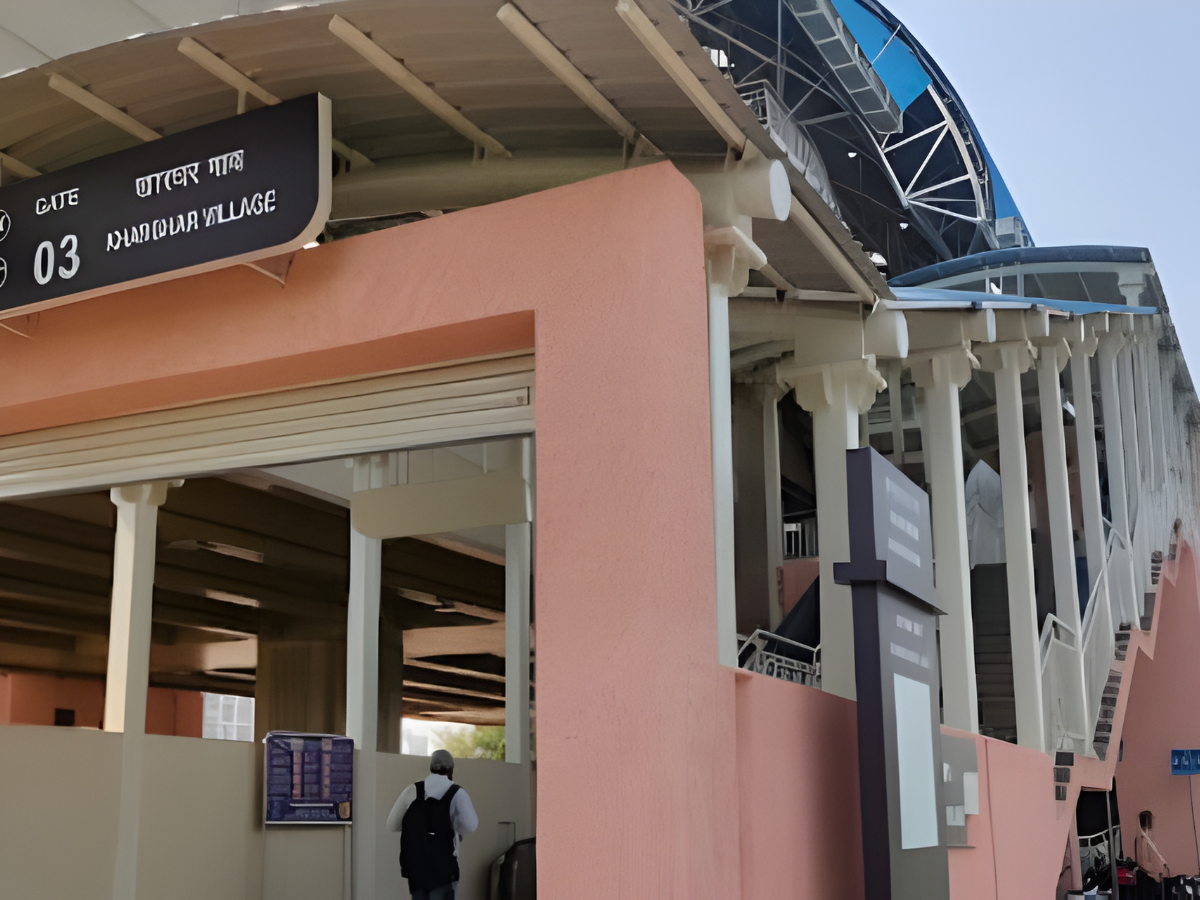
If you ask regulars which buses actually matter, they won’t quote route numbers first. They’ll talk about timing and reliability.
- Route 10 (Ghansoli–Sanpada) is a lifeline for residents who depend on the Harbour Line.
- Route 11 (Vashi–Thane) fills up quickly during office hours and acts as a backup when rail connectivity struggles.
- AC routes towards Nerul and Belapur attract salaried commuters willing to pay extra for predictability.
- Pune-bound MSRTC buses are always in demand, especially Shivneri services.
Miss one bus here, and you feel it. Forty minutes can feel very long when you’re watching traffic crawl past.
Here’s where the gap shows.
There is no proper terminal experience at the highway stop. Waiting often means standing. Shelter is limited. Seating is rare. During monsoon, it’s survival mode.
Nearby, you’ll find:
- Small food stalls and tea vendors
- Auto-rickshaws lining the service road
- Informal waiting clusters of passengers
The actual administrative depot in Turbhe exists, but passengers rarely see its benefits here.
The Local Buzz: What People Are Saying
Spend ten minutes here and you’ll hear frustration mixed with acceptance.
“Bus aayegi ya nahi?”
“Vashi terminal khul gaya kya?”
“Traffic roz ka ho gaya hai.”
People don’t expect perfection. They expect effort. And that’s what feels missing.
Travel Tips for Commuters
- Board early during peak hours
- Stand closer to known stopping points on the highway
- AC buses fill slower but move faster
- Avoid waiting exactly at curves or junctions
- If crowded, walk slightly ahead on the service road
Experience teaches these lessons. Not signboards.
Conclusion
Sanpada Bus Depot reflects Navi Mumbai itself. Planned well. Executed halfway. Surviving on commuter patience. It works because people make it work. Every day. With adjustments, shortcuts, and quiet resilience.
If the promised infrastructure ever matches the original vision, Sanpada could become one of the city’s most efficient transit nodes. Until then, it remains functional. Busy. Imperfect. And very, very real.
FAQ's
Frequently Asked Questions